


His ascent was neither accidental nor overnight. It was forged through experimentation, persistence and an uncompromising determination to create music on his own terms
By Emem Effiong
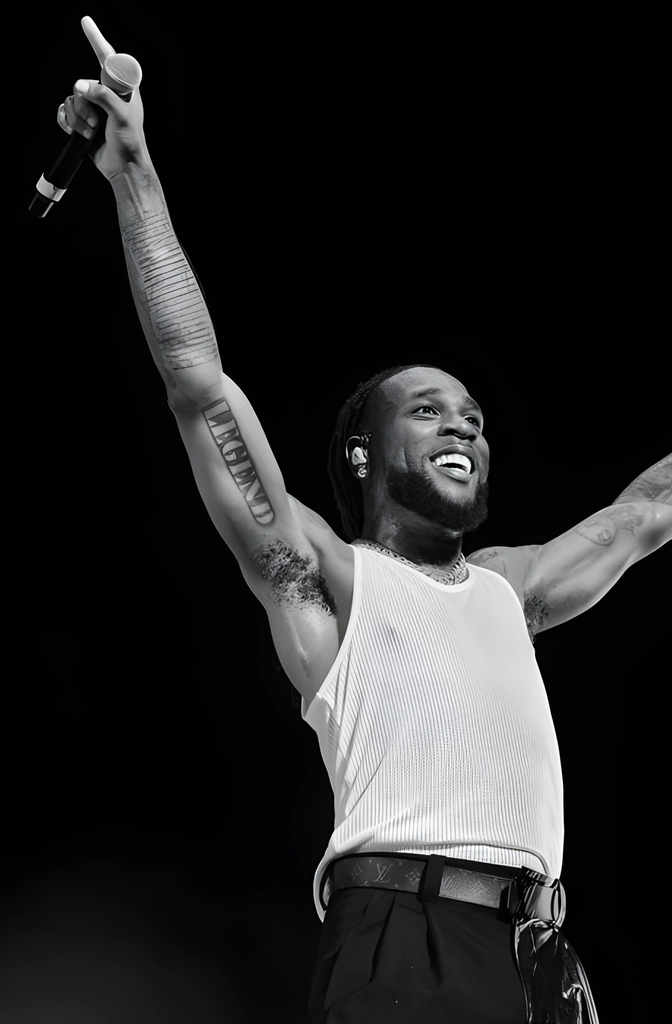
There are journeys that begin with a song and end in history. Burna Boy’s is one of them. Born Damini Ebunoluwa Ogulu in Port Harcourt, Rivers State, he has travelled from the vibrant cultural landscape of southern Nigeria to the most commanding stages in global entertainment, carrying with him the rhythms, memories and unmistakable spirit of Africa.
His ascent was neither accidental nor overnight. It was forged through experimentation, persistence and an uncompromising determination to create music on his own terms. Over time, Burna Boy fashioned Afrofusion into a distinctive international language, drawing from Afrobeat, dancehall, reggae, hip-hop and R&B while remaining unmistakably Nigerian. His grandfather, Benson Idonije, famously managed the Afrobeat legend, Fela Kuti, giving Burna’s artistic lineage an intriguing connection to the very roots of modern Afrobeat.

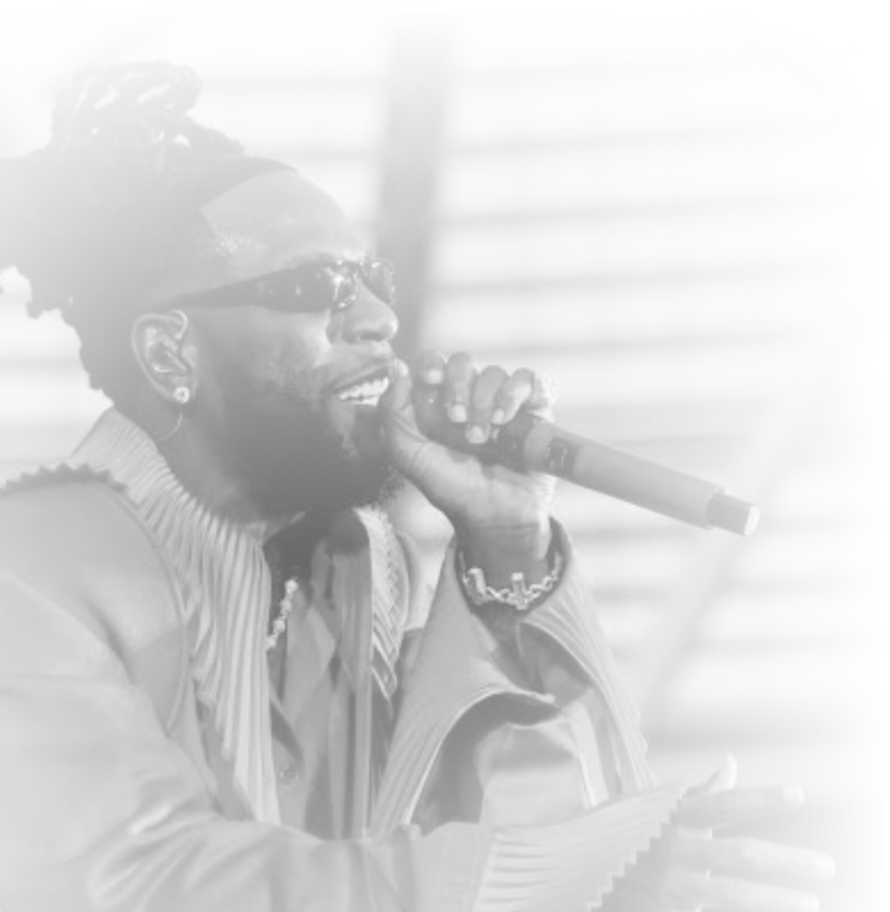

The world eventually took notice. African Giant announced his arrival as a major global force and earned his first Grammy nomination. Then came Twice As Tall, which won the 2021 Grammy for Best Global Music Album, confirming that the “African Giant” was no longer merely a Nigerian phenomenon, but a commanding presence in world music.
His catalogue has continued to produce international anthems; from “Ye” and “On the Low” to “Last Last”, “For My Hand” and “City Boys”, while his live performances have established another dimension to his artistry. In 2022, he became the first Nigerian artist to headline and sell out Madison Square Garden; in 2023, he became the first African artist to sell out New York’s Citi Field, following the trail of sold-out stadium performances in Europe and North America.
Yet 2026 may prove one of the most symbolically important chapters of his remarkable career.
Nigeria’s Super Eagles did not qualify for the 2026 FIFA World Cup. But Nigerian presence was emphatically felt at a tournament that broke new ground; the first World Cup to feature 48 teams and the first to be jointly hosted by three nations: the United States, Canada and Mexico.
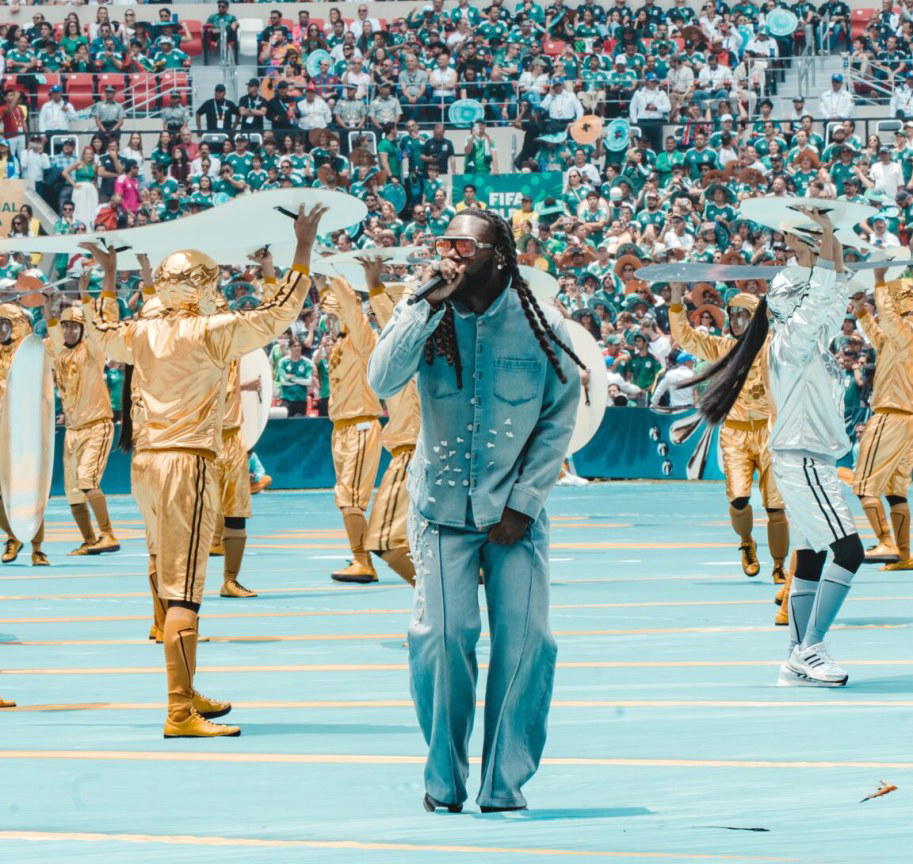
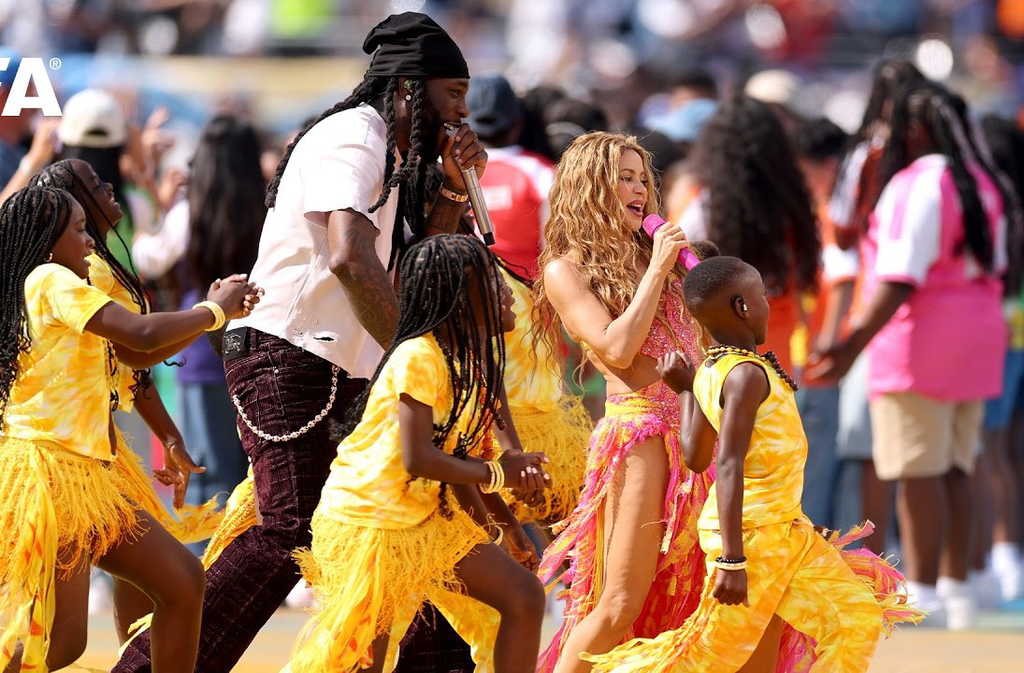
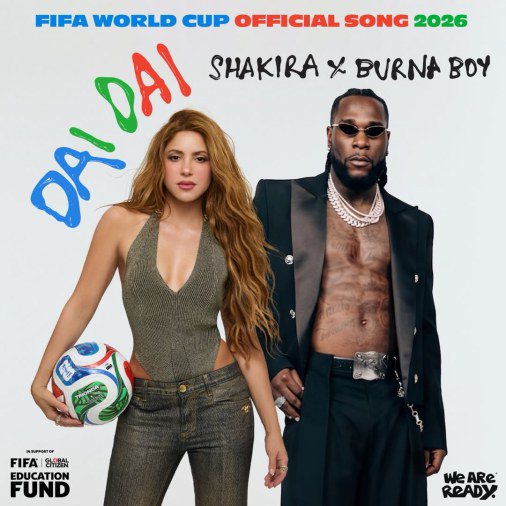
On 11 June, in Mexico City, Burna Boy stood alongside Shakira at the tournament’s opening ceremony, performing “Dai Dai”, the Official FIFA World Cup 2026 Song. FIFA had assembled artists from different continents to embody the multicultural spirit of the tournament, and Burna’s unmistakable voice gave that global celebration an unmistakable Nigerian pulse.
Then came the defining moment.
On 19 July, Burna Boy and Shakira returned to the stage for the inaugural FIFA World Cup Final Halftime Show in New Jersey. Their performance of “Dai Dai” placed an Afrobeats superstar from Port Harcourt at the centre of one of the largest cultural spectacles on earth. The historic show, conceived as a Super Bowl-style celebration of football and music, featured an extraordinary constellation of global performers, with Burna and Shakira providing its African and Latin musical heartbeat.
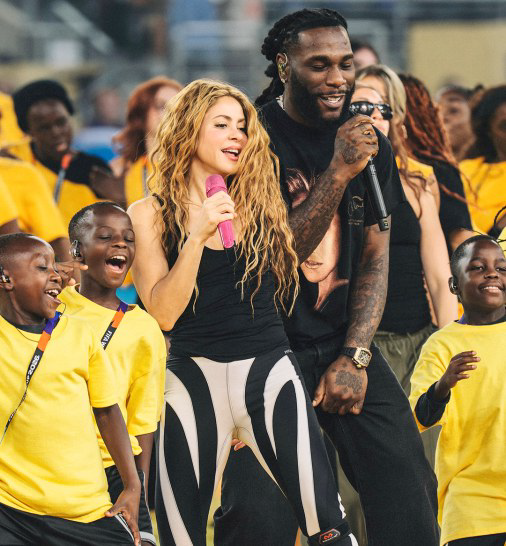
For Nigerians, the symbolism was profound. The Super Eagles were absent from the pitch, but Nigeria’s voice was not absent from the World Cup. Through Burna Boy, Nigerian culture occupied the very centre of the global conversation.
That is the deeper significance of his rise. Burna Boy has demonstrated that national representation is not confined to football, diplomacy or politics. Culture travels too. A song can cross borders more effortlessly than an aircraft; a rhythm can introduce a country to millions who may never have visited it.
And the journey continues. Following the World Cup, Burna Boy maintained his international concert momentum, with performances scheduled in Britain, including London and the National Bowl in Milton Keynes, while further European dates have kept him firmly within the global live-music circuit. His 2026 Grammy recognition also underlines the consistency of his artistic stature: No Sign of Weakness earned a nomination for Best Global Music Album, while “Love” was nominated for Best African Music Performance.
Perhaps the most compelling thing about Burna Boy is that his music never sounds as though it is asking permission to belong. It arrives with confidence, carrying Port Harcourt, Nigeria and Africa into rooms where African voices were once treated as peripheral.
From the streets of Port Harcourt to Madison Square Garden, Citi Field and the FIFA World Cup stage, Burna Boy has transformed personal ambition into cultural influence. His story is a reminder that greatness can begin anywhere; and that when talent is matched by courage, discipline and an unwavering belief in one’s identity, the world eventually listens. In 2026, the world listened again. And this time, it heard Nigeria singing.