


In today’s demanding world, executive success is no longer measured solely by influence, wealth, or professional accomplishment. Increasingly, it is defined by stamina, clarity of thought, emotional resilience, and the ability to sustain peak performance without sacrificing personal wellbeing. Wellness has therefore evolved from a lifestyle indulgence into a strategic necessity.
By Olabisi Bamgbose (MD)

Modern executives operate under relentless pressure shaped by compressed schedules, international travel, digital overload, constant decision-making, and chronic stress. Over time, these demands quietly diminish cognitive sharpness, emotional balance, and physical vitality. In response, a more sophisticated philosophy of wellness has emerged, one that values restoration as seriously as productivity and recognizes that sustainable leadership requires intentional recovery.
Across the world, business leaders are embracing science-backed wellness practices focused on sleep, longevity, mindfulness, nutrition, fitness, and mental recovery. These are not temporary lifestyle trends, but practical strategies designed to improve long-term performance and quality of life.
1. Sleep Tourism
Restorative sleep has become one of the most valuable commodities in executive wellness. For professionals navigating demanding schedules, jet lag, and chronic fatigue, sleep tourism is emerging as a transformative solution.
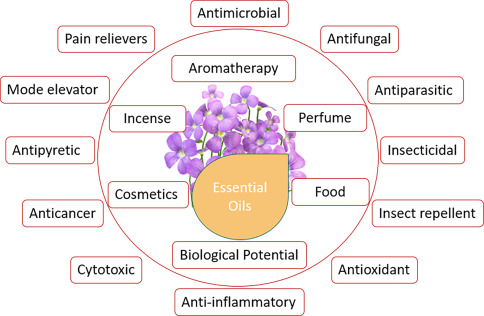
Luxury wellness resorts now offer specialized sleep programmes built around neuroscience and behavioural therapy. Rooms are equipped with circadian lighting systems, soundproofing, aromatherapy, air purification technology, and temperature regulation designed to optimize deep sleep. Many facilities also provide biometric tracking, guided meditation, sleep coaching, and nutritional support aimed at restoring healthy sleep cycles.
The popularity of sleep tourism reflects growing awareness of the consequences of sleep deprivation. Poor sleep impairs memory, concentration, emotional regulation, immunity, and strategic thinking while increasing stress and anxiety.

Executives are therefore beginning to treat sleep with the same seriousness once reserved for financial planning or corporate strategy. The outdated culture that glorified exhaustion is gradually fading, replaced by the understanding that deep recovery enhances performance.
A well-rested executive thinks more clearly, communicates more effectively, and sustains energy with greater consistency. In an age obsessed with productivity, the ability to rest deeply has become one of the most refined forms of modern luxury.
2. Longevity Clinics and Preventive Diagnostics
Preventive wellness is rapidly replacing reactive medicine among global executives. Increasingly, business leaders are investing in longevity clinics and advanced diagnostics designed not merely to treat illness, but to optimize vitality and slow the effects of ageing.
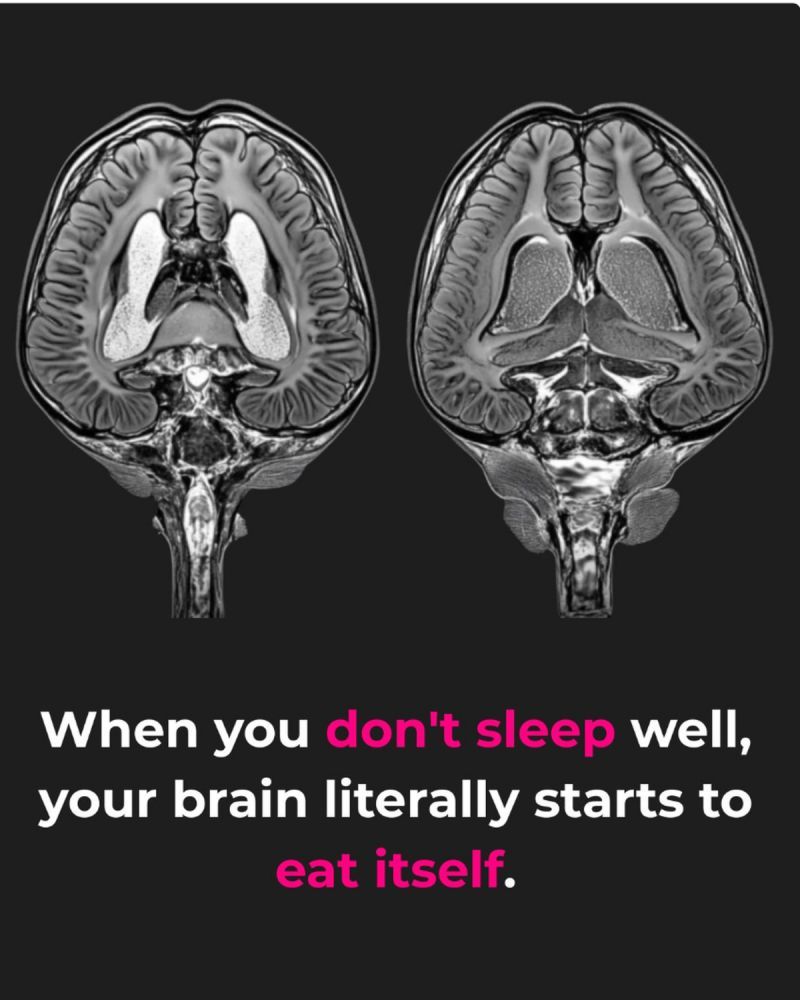
Modern longevity centres offer extensive health assessments examining cardiovascular function, metabolic efficiency, hormonal balance, inflammation levels, sleep quality, genetic predispositions, gut health, and cognitive performance. These insights allow executives to build personalized health strategies tailored to their biological needs.
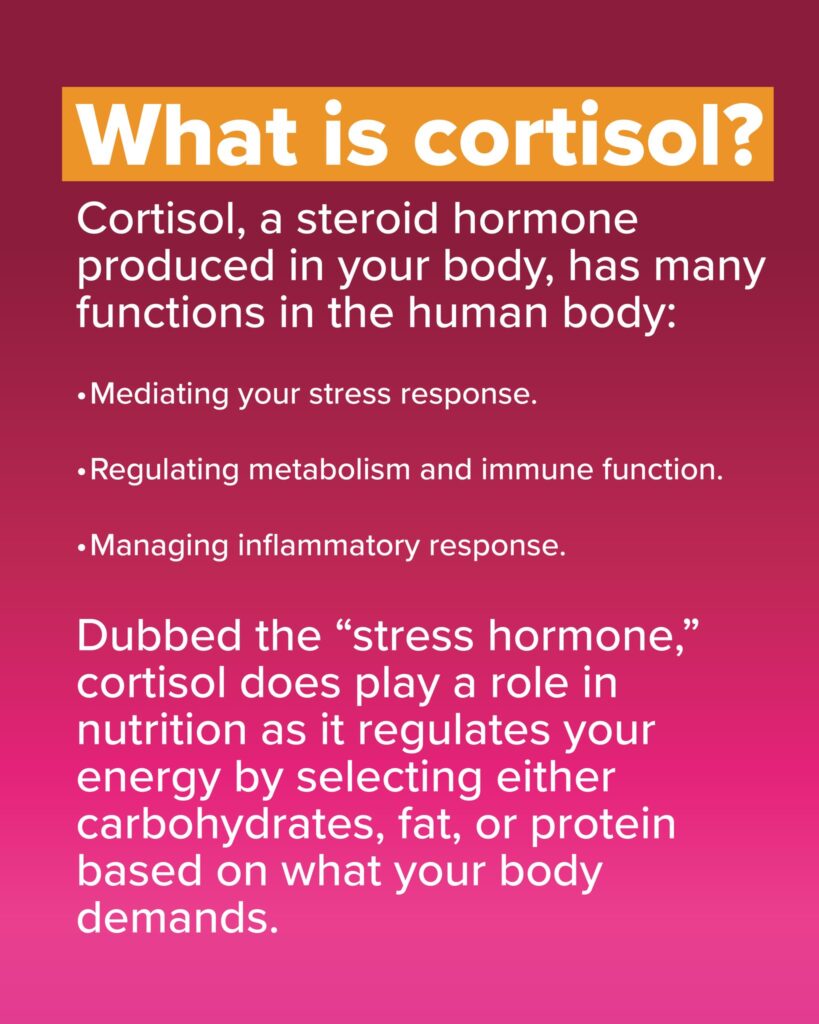
Rather than waiting for symptoms to appear, longevity medicine emphasizes early intervention. Minor imbalances such as elevated cortisol, insulin resistance, chronic inflammation, or nutrient deficiencies are identified before developing into serious medical conditions.
Advanced therapies now include intravenous nutrient infusions, red-light therapy, hyperbaric oxygen therapy, regenerative medicine, hormone optimization, and precision nutrition. Yet the sophistication of longevity culture lies not merely in expensive technology, but in its emphasis on disciplined living.
Executives are becoming increasingly intentional about sleep, hydration, nutrition, stress management, and alcohol consumption. Wellness is no longer viewed as separate from professional success; it is now recognized as essential to sustaining it.
For many professionals, longevity clinics also provide something increasingly rare: uninterrupted attention to personal wellbeing. Removed from corporate urgency, individuals gain the opportunity to reconnect with their physical health and confront the long-term effects of years spent operating under pressure.

3. Digital Detox Retreats
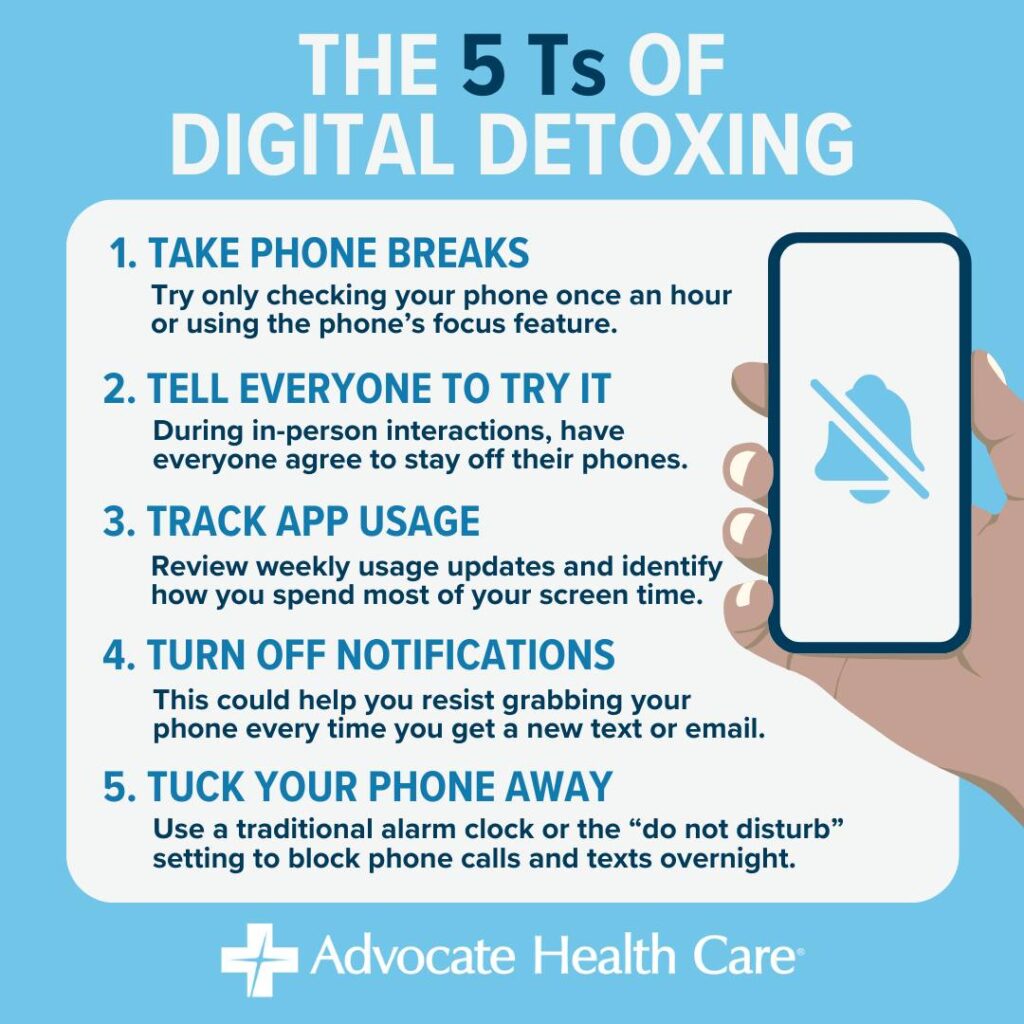
Hyperconnectivity has become one of the defining stresses of executive life. Endless emails, virtual meetings, social media engagement, and constant notifications have created a culture where genuine mental stillness is increasingly rare.
Digital detox retreats have emerged as a powerful antidote.
These immersive experiences encourage executives to disconnect temporarily from technology and reconnect with clarity, silence, nature, and uninterrupted human interaction. Mobile devices are often surrendered upon arrival, allowing the nervous system to recover from continuous stimulation.
Initially, many professionals struggle with the absence of digital engagement. Yet after several days without screens and constant notifications, remarkable psychological changes often occur. Concentration improves, anxiety declines, sleep deepens, and conversations become more reflective and meaningful.
Nature plays a central role in these retreats. Forest walks, mountain hikes, ocean meditation, and silent reflection help calm overstimulated minds. Scientific research increasingly confirms that excessive screen exposure fragments attention, elevates stress hormones, and contributes to mental fatigue.
For executives responsible for complex decisions, restored mental clarity can be invaluable. Many leaders now schedule digital detox periods as deliberately as they schedule board meetings, recognizing that strategic thinking improves when the mind is no longer overwhelmed by constant noise.


4. Functional Fitness for High Performers
The era of punishing, time-consuming workout routines is gradually fading among executives. In its place is a more intelligent approach to fitness centred on functionality, mobility, efficiency, and sustainability.
Functional fitness focuses on how the body performs rather than simply how it appears. Strength, flexibility, endurance, posture, mobility, and recovery are prioritized equally. This integrated approach is especially valuable for executives who spend long hours seated, travelling frequently, and operating under constant stress.
Shorter but highly intentional workouts are increasingly preferred over lengthy gym sessions. High-intensity interval training, resistance exercises, Pilates, yoga, and mobility drills now dominate executive wellness routines. The objective is no longer aesthetic vanity, but sustained performance and resilience.
Executives increasingly understand that physical fitness directly influences cognitive performance. Exercise improves circulation, sharpens concentration, regulates mood, and reduces stress hormones. It also counteracts the physical consequences of prolonged sitting and frequent travel.
Recovery itself has become central to modern fitness culture. Massage therapy, cryotherapy, sauna rituals, stretch therapy, and breathwork are now viewed not as indulgences, but as essential performance tools.
The emerging wellness culture values consistency over extremity and sustainability over punishment, offering busy professionals a more balanced path to long-term wellbeing.
5. Mindfulness and Executive Meditation
Once dismissed in many corporate environments as abstract spirituality, mindfulness has become one of the most respected tools in executive performance optimization.
Meditation is now practiced in boardrooms, executive retreats, leadership summits, and private wellness programmes worldwide. Its growing popularity is rooted not in mysticism, but in measurable psychological and neurological benefits.
Modern executives operate under relentless cognitive pressure. They are required to make rapid decisions, manage uncertainty, navigate crises, and lead organizations through constant change. Meditation offers a structured method for regulating mental noise and strengthening emotional discipline.


In an age dominated by distraction, the ability to focus deeply has become a remarkable competitive advantage. Meditation trains the mind to remain present rather than fragmented across endless anxieties and digital interruptions.
Neuroscience increasingly validates what ancient traditions long understood: stillness sharpens perception. Calm leaders communicate more effectively, manage conflict more gracefully, and inspire greater confidence in others.
6. Personalised Nutrition and Precision Eating
The era of one-size-fits-all dieting is rapidly disappearing among global executives. In its place is a more intelligent philosophy known as precision nutrition, a science-driven approach tailored to an individual’s metabolism, genetics, lifestyle, and performance demands.
For today’s executive, food is no longer merely about convenience or indulgence. It has become a strategic tool for cognitive clarity, emotional stability, sustained energy, and long-term vitality.
Modern wellness programmes increasingly begin with detailed assessments including blood analysis, microbiome testing, metabolic evaluations, and hormone diagnostics. These insights help create customized nutritional strategies aligned with each individual’s physiological needs.
Executives often operate under chronic stress, irregular schedules, poor sleep, and frequent travel. Generic eating habits rarely support optimal performance under such conditions. Precision nutrition seeks to correct that imbalance.
Luxury wellness retreats now offer carefully designed culinary experiences centred on anti-inflammatory foods, hydration, balanced glucose levels, and nutrient density. Meals are designed not simply to satisfy appetite, but to improve focus, immunity, mood, and recovery.
Plant-forward eating, intermittent fasting, and reduced sugar consumption have all gained popularity within executive wellness circles. Yet the emphasis remains on sustainability rather than dietary extremism.
Sophisticated professionals increasingly understand that nutrition affects every aspect of performance. Mental fatigue, poor concentration, irritability, and sluggish recovery are often symptoms of deeper nutritional neglect.
7. Wellness Travel and Regenerative Escapes
Luxury travel is undergoing a profound transformation. Increasingly, high-performing executives are abandoning exhausting sightseeing itineraries in favour of regenerative wellness experiences designed to restore physical, emotional, and mental equilibrium.


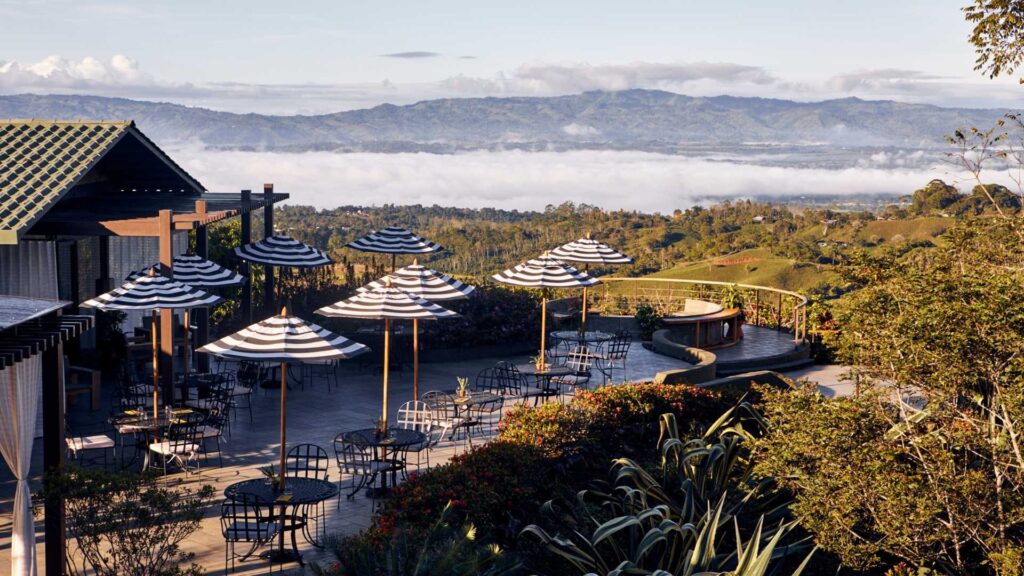
For the modern executive, vacations are no longer simply about escape; they have become opportunities for recalibration.
This shift has fuelled the rise of wellness travel, immersive journeys centred on healing, mindfulness, movement, nutrition, and recovery. Across the world, luxury resorts now curate experiences combining hydrotherapy, meditation, spa treatments, fitness programmes, sleep optimization, and nature immersion.
Years of high-pressure work, digital overload, and constant travel gradually deplete the nervous system. Wellness escapes provide structured environments where executives can reduce stress, recover from burnout, and restore clarity.
Nature remains central to this movement. Mountain retreats, coastal sanctuaries, desert resorts, and forest lodges offer the increasingly rare luxury of silence and stillness. Research consistently confirms that time spent in natural environments improves mood, enhances creativity, reduces anxiety, and restores cognitive function.
The philosophy behind luxury itself is also changing. Increasingly, executives value serenity over spectacle, privacy over excess, and emotional restoration over material indulgence.
Ultimately, regenerative travel reflects a more sophisticated understanding of success. Constant productivity without recovery is unsustainable. The most effective leaders are discovering that stepping away is not a retreat from ambition, but preparation for sustaining it with greater clarity, balance, and purpose.
Olabisi Bamgbose, A Medical Doctor, is also An Occupational Therapist