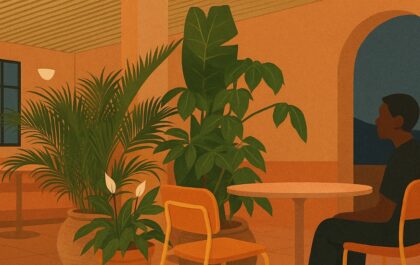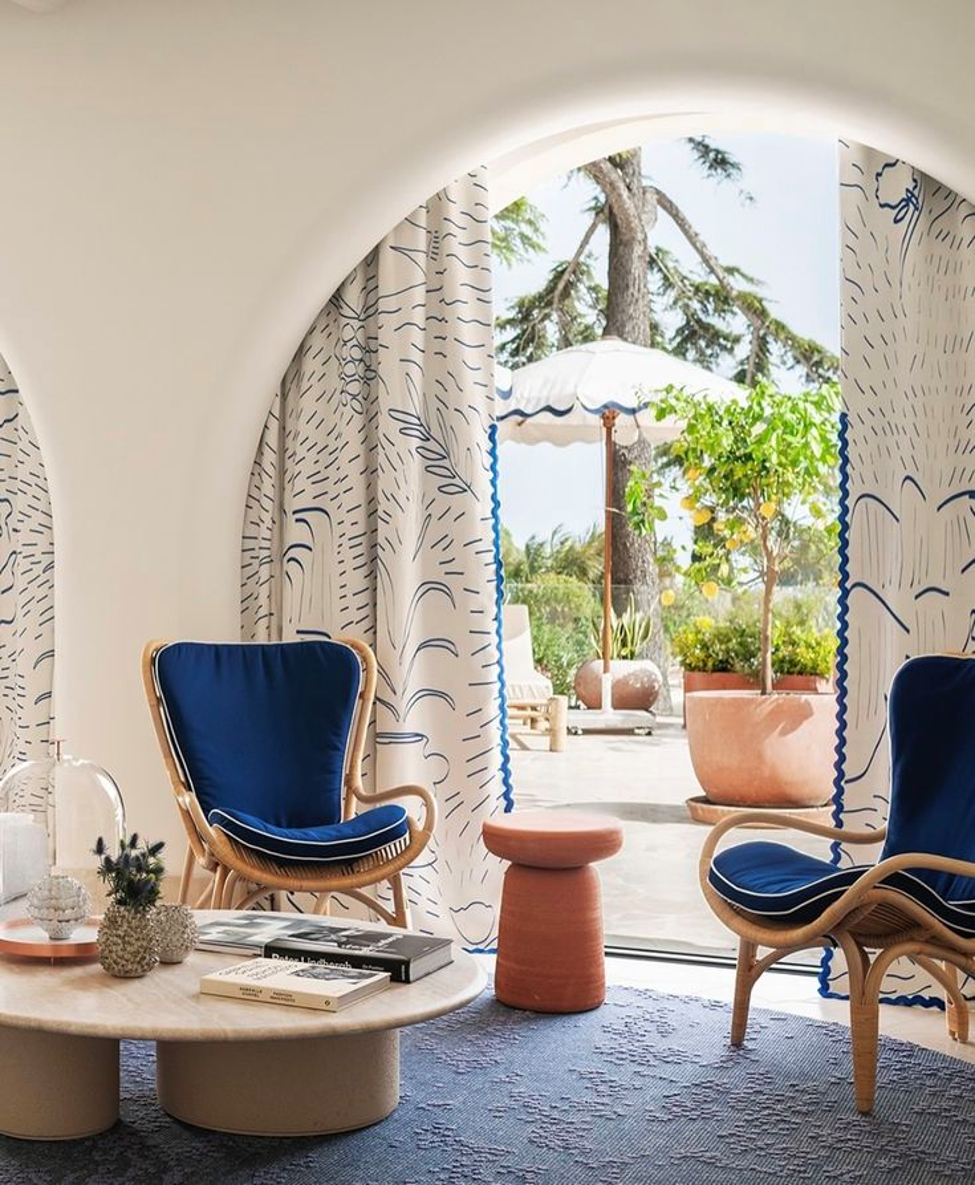

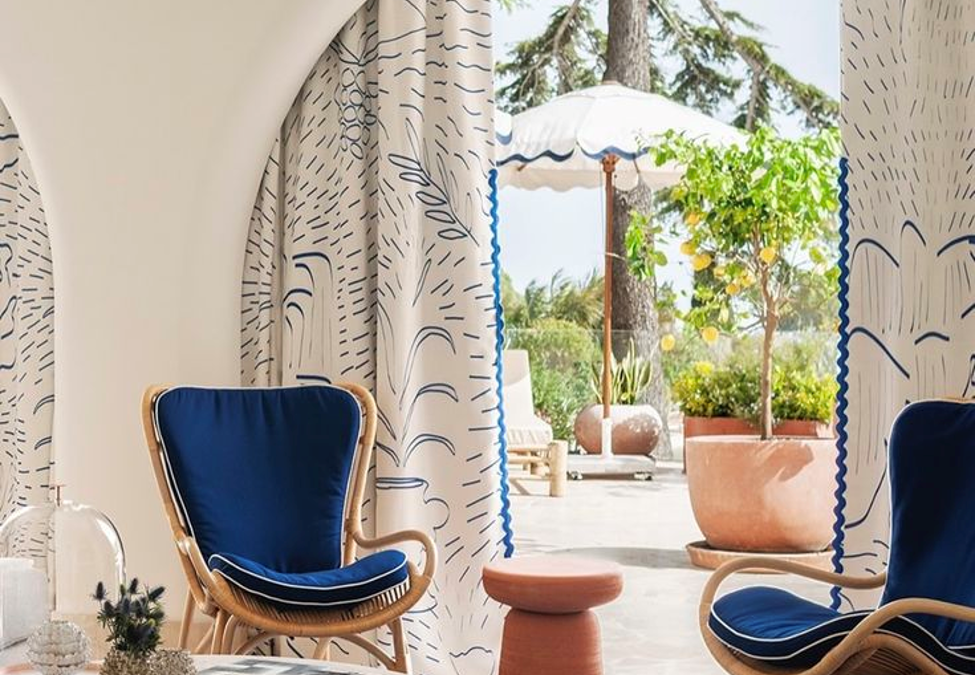
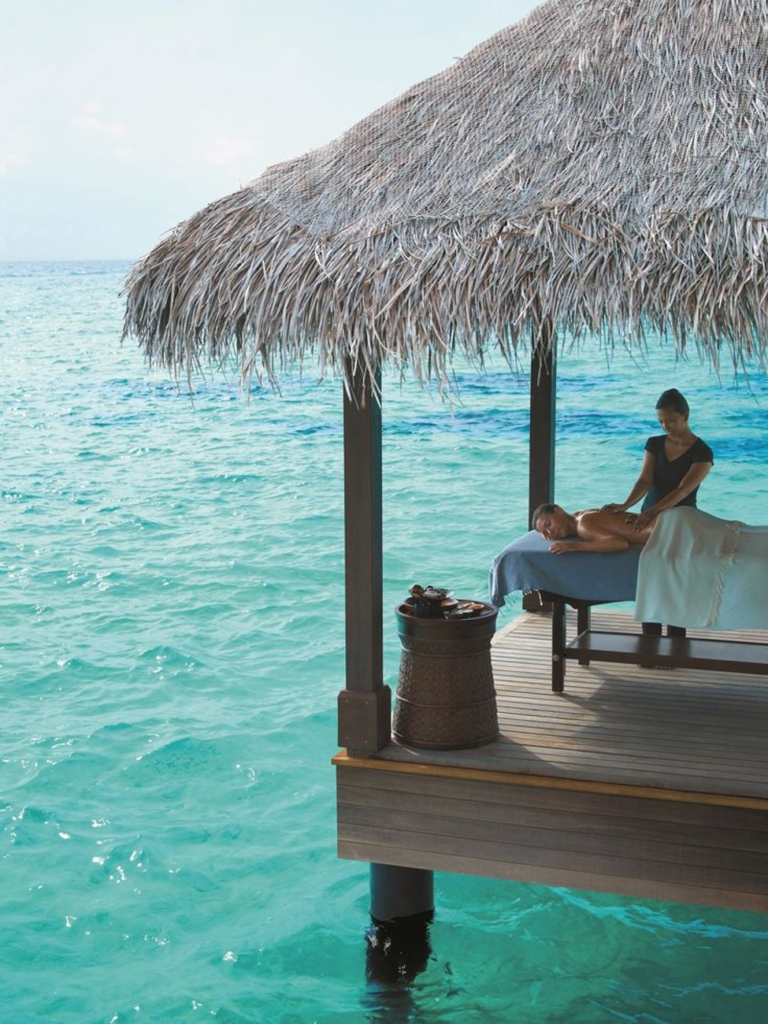
One thing Caribbean designers seem to understand instinctively is that nature is not something to be hidden behind glass.
Instead, they invite it in, they embrace it while designing. Open-air lobbies, shaded terraces, oversized windows and breezy courtyards create a constant connection to the outdoors. You can hear the ocean, feel the breeze and watch the light change throughout the day.
With Air Peace’s new routes to Antigua and Barbados, many travellers will soon be trading busy schedules for turquoise waters, sea breezes and a slower pace of life.
As an interior designer, however, I have a habit of noticing something else when I travel.
The hotels.
Not because I’m trying to work on holiday (although my family might disagree), but because great hospitality design leaves clues. Long before you’ve explored a new city and it’s hidden gems, the spaces around you start telling a story.
And few places tell that story quite like the Caribbean.
There is something about Caribbean hotels, villas and resorts that feels different. They’re beautiful, yes, but lots of places are beautiful. The real magic lies in how these spaces make you feel even when you don’t know it.
They somehow persuade you to exhale everyday life stressors and inhale beauty and calm.
The more I think about it, the more I realize there are a few design lessons hidden behind those breezy verandas and oceanfront lounges.
Designing with Nature in mind
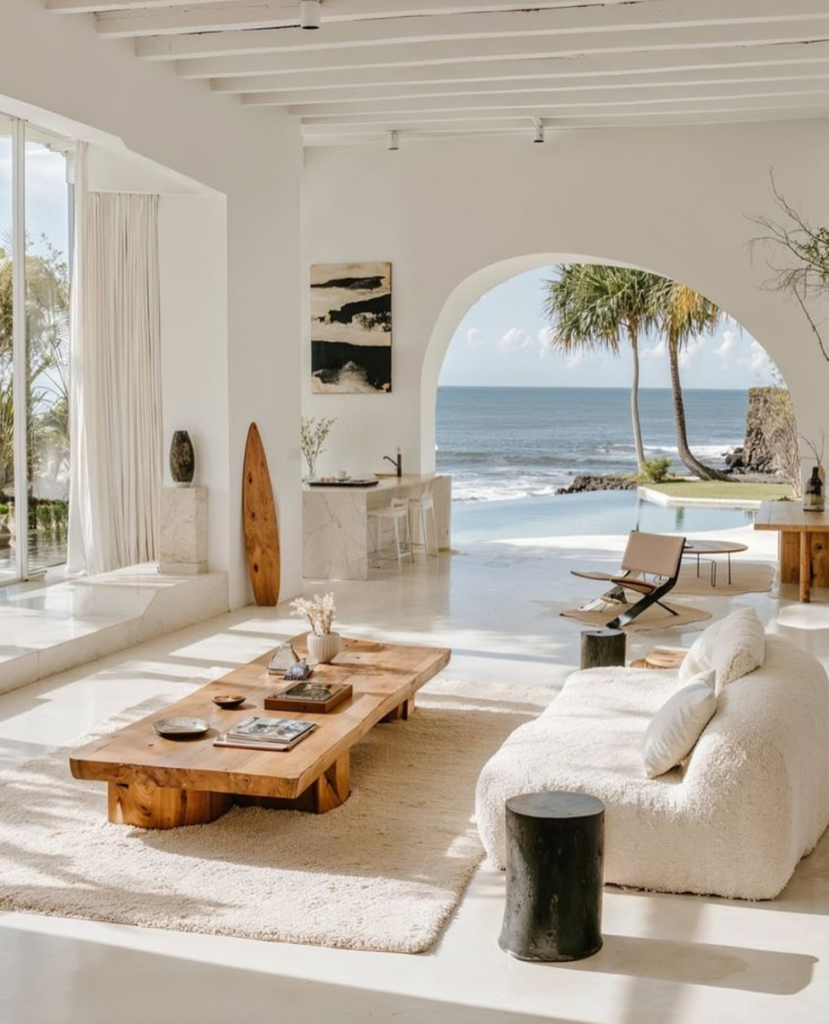
One thing Caribbean designers seem to understand instinctively is that nature is not something to be hidden behind glass.
Instead, they invite it in, they embrace it while designing.Open-air lobbies, shaded terraces, oversized windows and breezy courtyards create a constant connection to the outdoors. You can hear the ocean, feel the breeze and watch the light change throughout the day.
It sounds simple, but it changes everything.
The best hospitality spaces don’t isolate us from our surroundings. They help us experience them more fully.
Informal Luxury
For years, luxury was often defined by formality. Heavy drapes, grand chandeliers and rooms that looked beautiful but felt slightly intimidating.
The Caribbean takes a different approach.
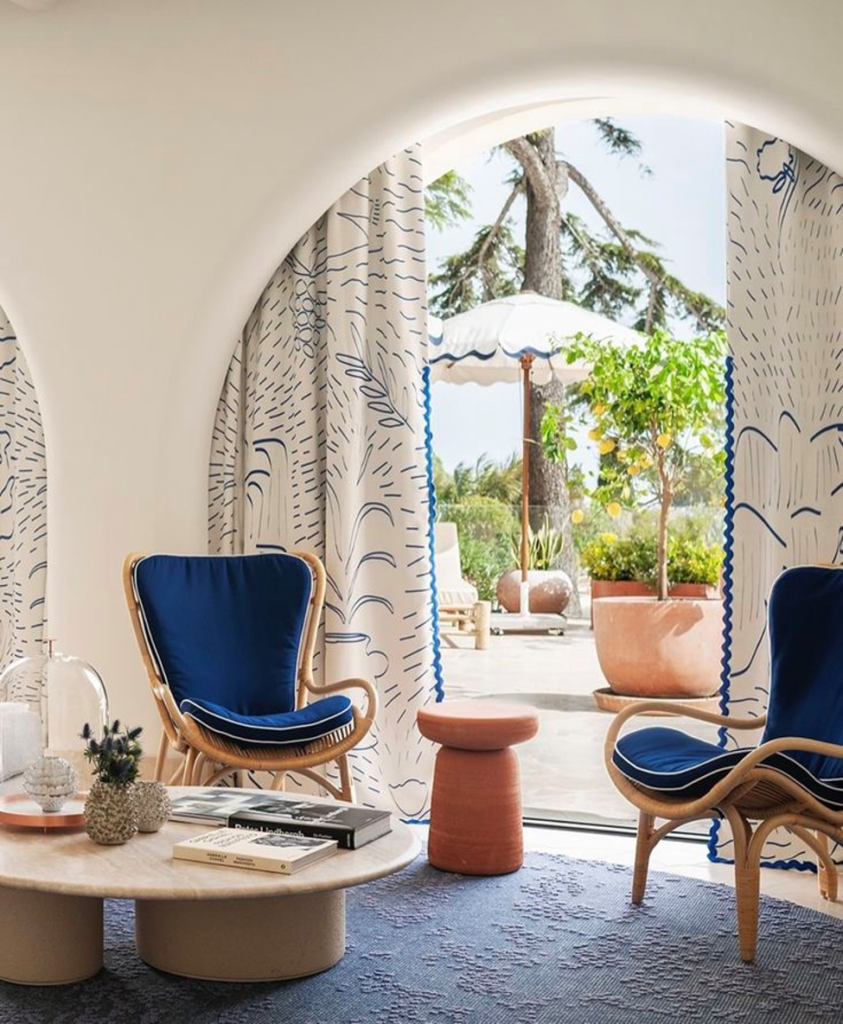
Luxury here feels relaxed. Linen fabrics replace anything overly precious. Natural wood sits comfortably beside handcrafted furniture. Spaces feel elegant without trying too hard.
It’s a reminder that true luxury isn’t about showing off.
It’s about comfort.
After all, nobody returns from holiday talking about how impressive a chair looked. They remember how comfortable it was to sit in while watching the sunset.
Nature as a colour palette
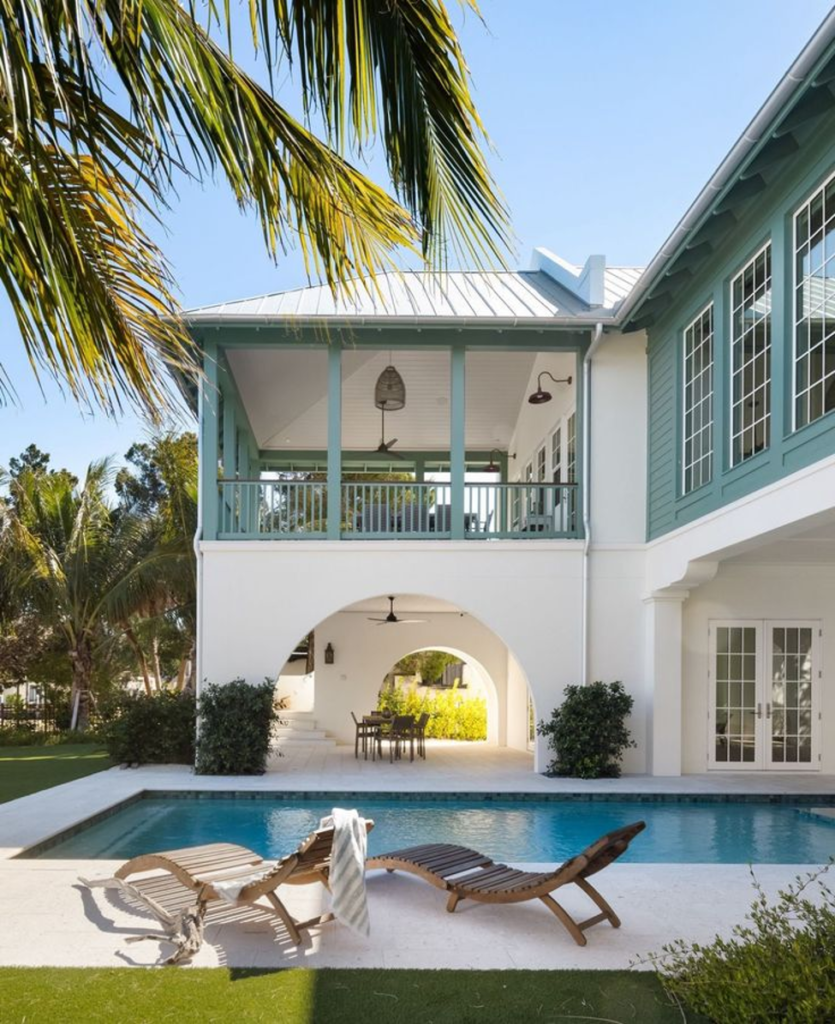
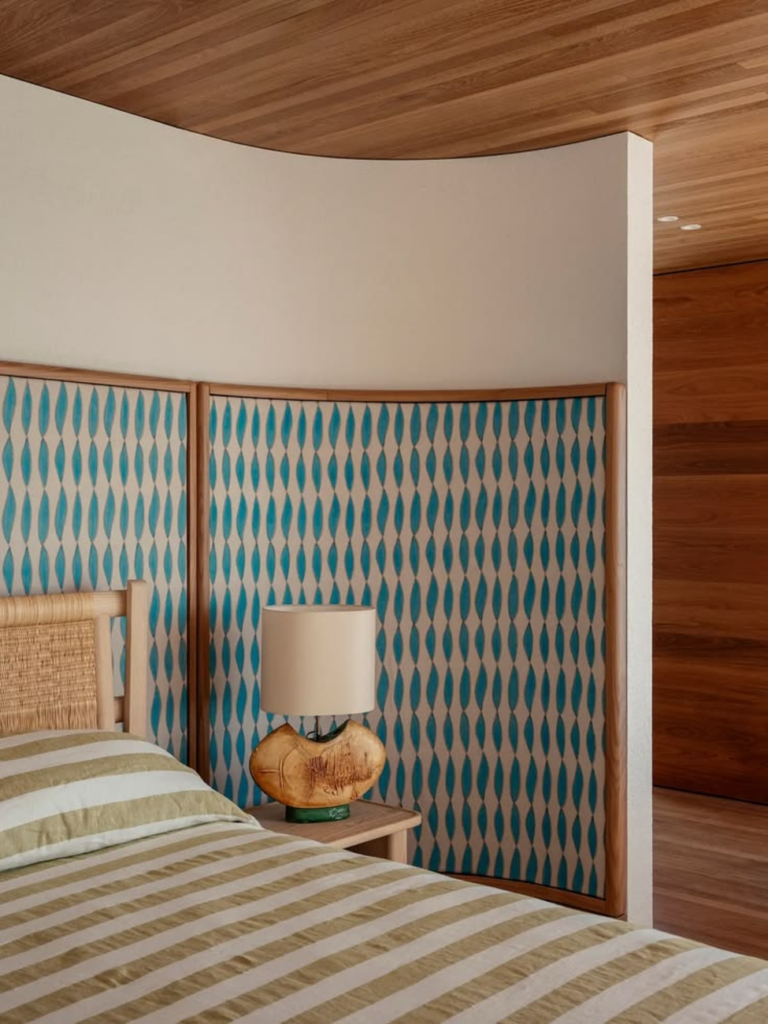
The Caribbean has one of the world’s most generous colour palettes.
The blues of the ocean, soft sandy neutrals, tropical greens and coral sunsets provide endless inspiration.
What I love most is that these colours rarely feel forced. They’re simply reflections of the landscape.
The result is a sense of harmony between indoors and outdoors.
It’s a lesson that works anywhere in the world. The most successful interiors often borrow cues from their surroundings rather than competing with them.
Local Craftsmanship Tells a Story
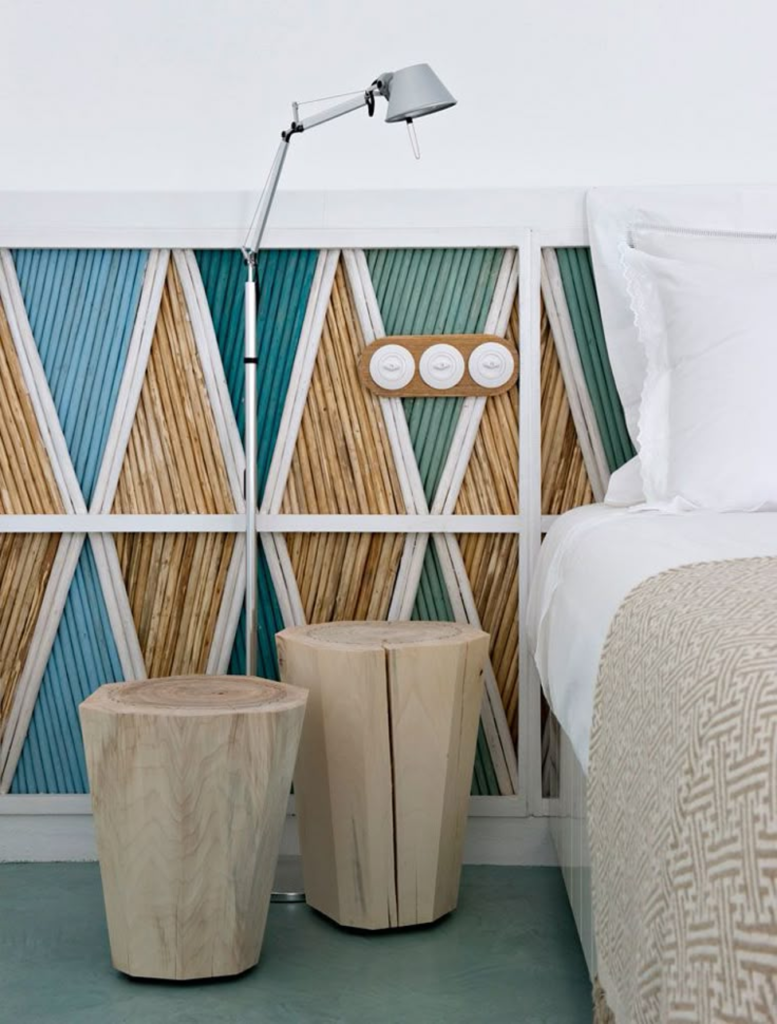
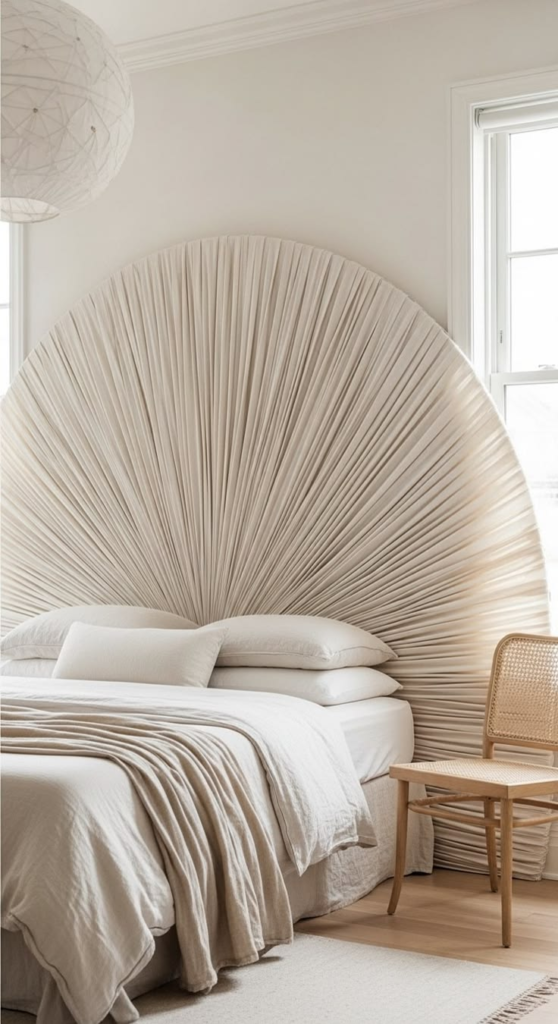
The best hotels don’t look like they could exist anywhere.
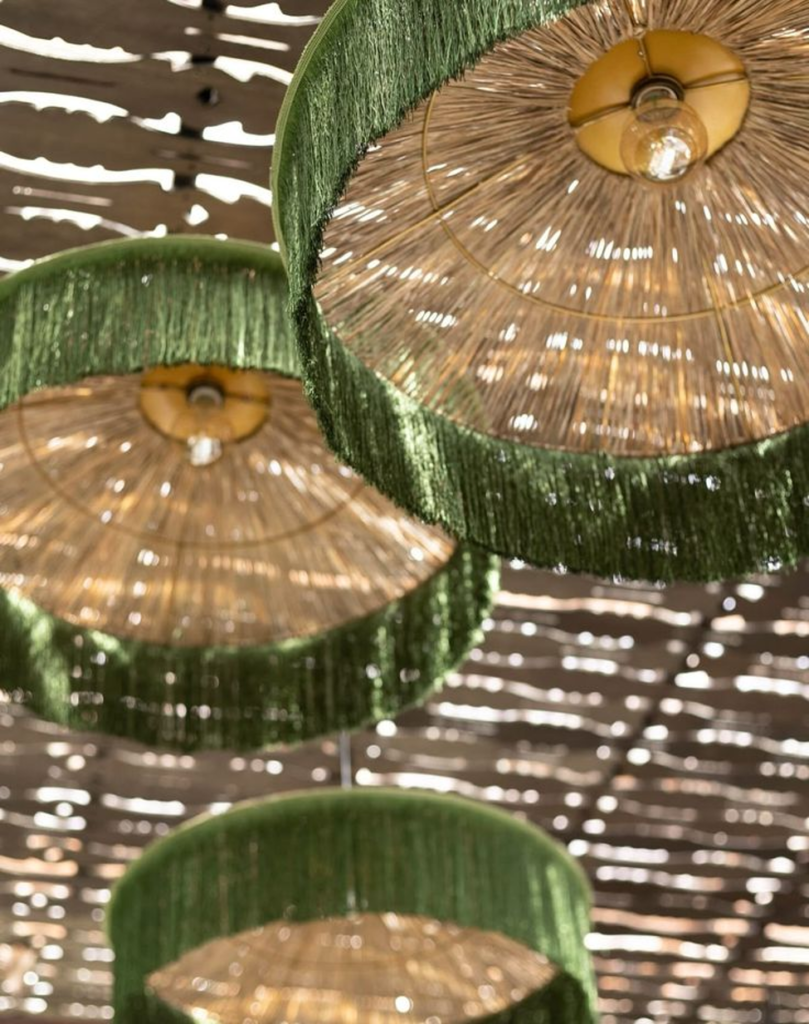
Across the Caribbean, local craftsmanship plays an important role in shaping the guest experience. Handwoven furniture, locally sourced materials, artisan-made lighting and regionally inspired artwork all contribute to a unique identity.
These elements do more than decorate a space. They tell stories.
Guests leave with a stronger connection to the destination because they have experienced its culture through design.
In an era where many hotel interiors can feel interchangeable, authenticity has become a valuable differentiator. Travellers increasingly want to discover where they are—not be reminded of where they came from.
Design has the power to create that connection.
The Experience Engages All the Senses
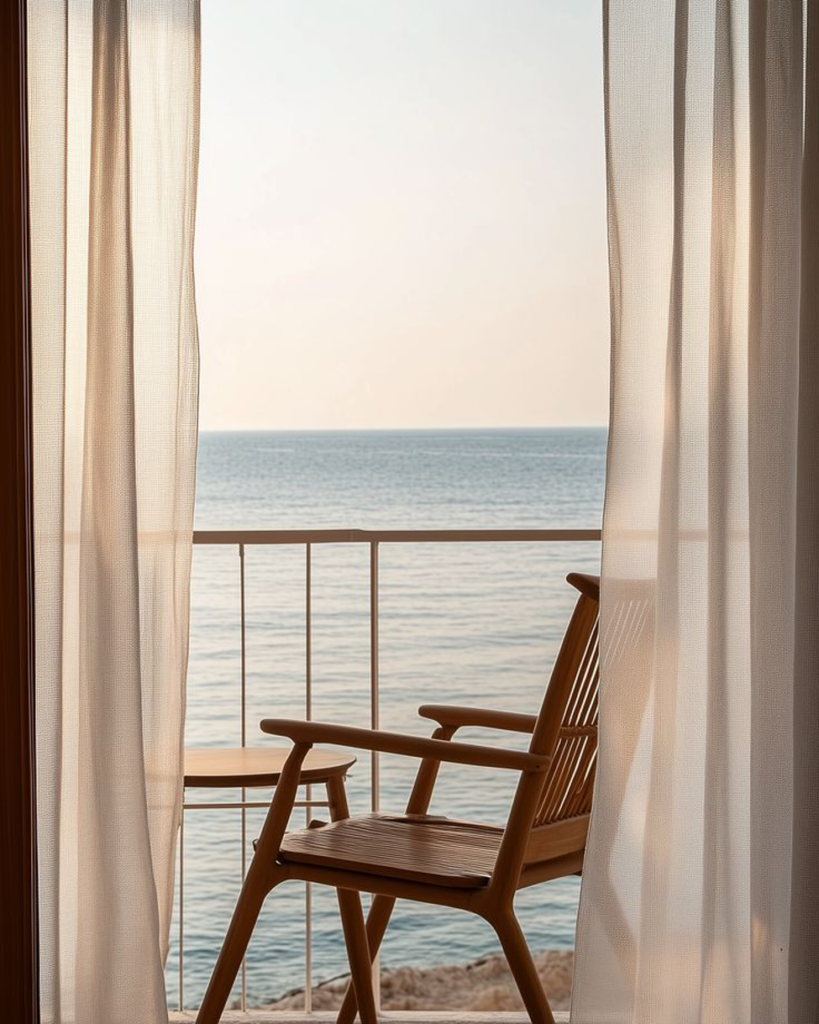
Great hospitality design extends beyond what guests see.
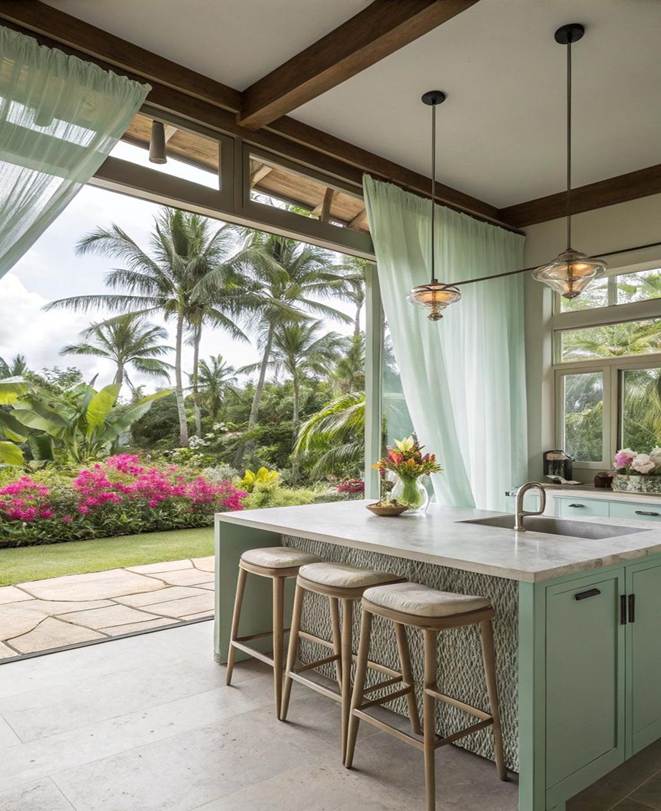
The Caribbean has long understood the importance of sensory experiences. The sound of waves in the distance. The movement of sheer curtains in the breeze. The scent of tropical flowers. The texture of natural materials underfoot.
These details work together to create atmosphere.
When guests describe a hotel as memorable, they are often responding to sensory cues they don’t consciously notice. Thoughtful design creates emotional responses that linger long after checkout.
This is one reason Caribbean resorts often remain vivid in travellers’ memories years after their visit. The experience engages the senses as much as the eye.
A Lesson Beyond the Islands
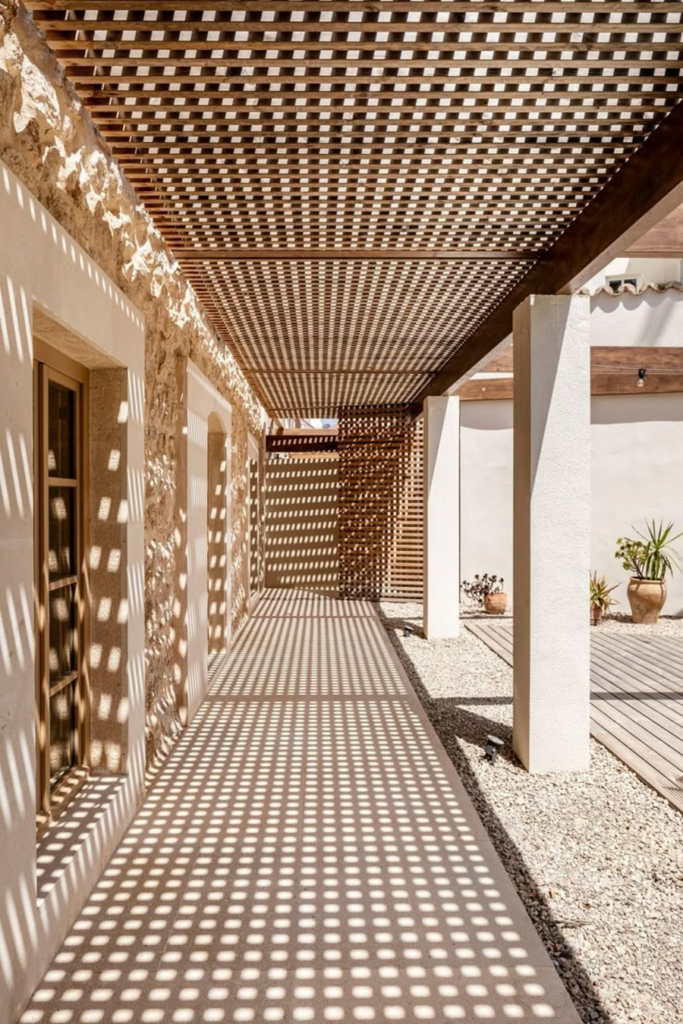
As Air Peace connects more travelers to the Caribbean, many will undoubtedly return with photographs of beaches, sunsets and crystal-clear waters. Yet some of the most powerful memories may come from the spaces they inhabit during their stay.
The Caribbean reminds us that hospitality design is not simply about aesthetics. It is about creating environments that help people feel something.
Whether through a seamless connection to nature, a relaxed interpretation of luxury, a celebration of local craftsmanship or a carefully curated sensory experience, Caribbean hotels demonstrate that great design is ultimately about emotion.
And perhaps that is why they feel so different.
They don’t just accommodate guests.
They transport them.
Ada Ekwueme-Oguike is the Creative Director behind Lighthouse Interior Design, a Lagos-based firm reimagining the art of boutique interiors. Specializing in both residential and hospitality projects, Ada’s work is a testament to her love for thoughtful design and storytelling.
Discover more on Instagram @lightwoxng or at www.lighthouseid.com.