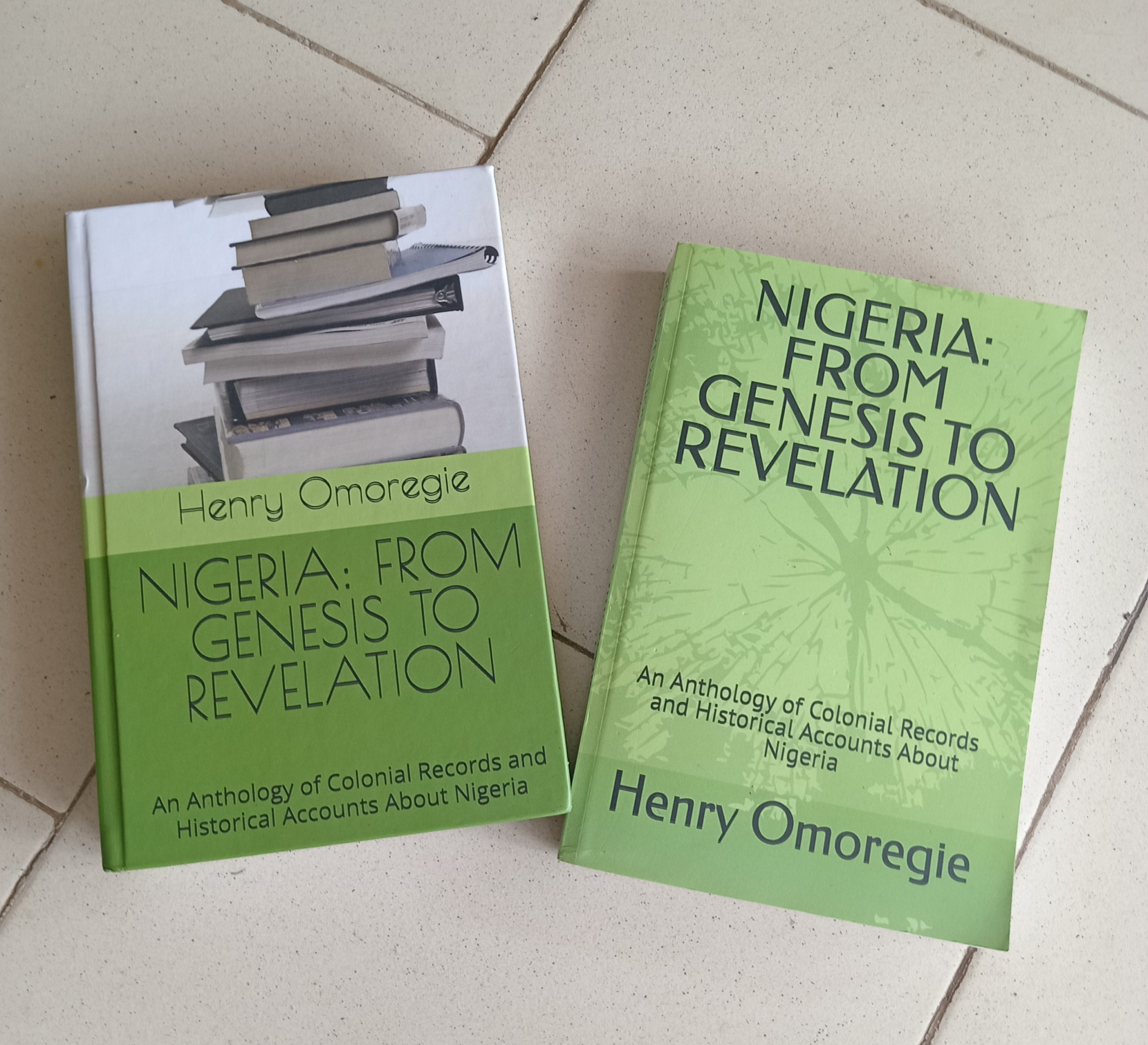

A new book, Nigeria: From Genesis to Revelation, adds to the Anthology of Colonial Records and Historical Accounts About Nigeria
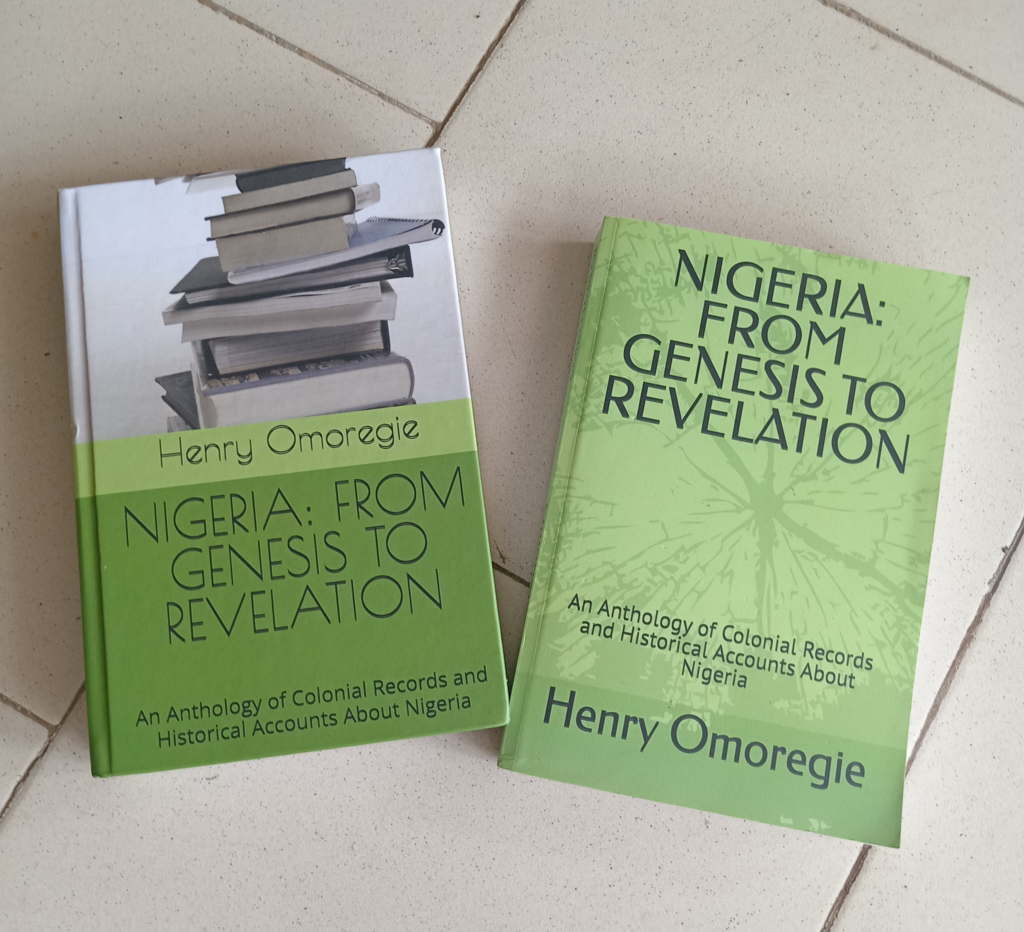
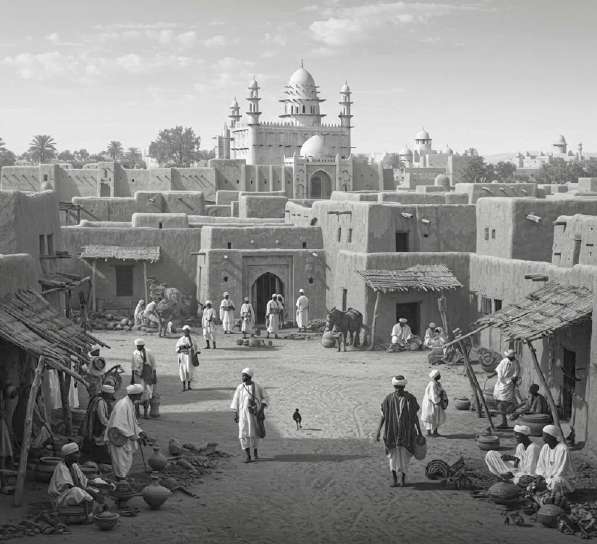
The book, Nigeria: From Genesis to Revelation is a compelling anthology that brings together colonial records and historical accounts, offering readers a vivid journey into the country’s rich pre-colonial and early colonial past.
The book opens with a powerful reminder from Robert Heinlein: “A Generation Which Ignores History Has No Past And No Future.” This sets the tone for a carefully compiled collection of primary sources that illuminate Nigeria’s heritage and underscore the importance of understanding history.
One of the most engaging sections follows Scottish explorer Hugh Clapperton. In 1822, accompanied by Dixon Denham and Walter Oudney, he crossed the Sahara from Tripoli under British government auspices. They reached Kukawa on the shores of Lake Chad in February 1823, becoming some of the first Europeans to sight the great lake.
Welcomed with ceremony by Sheik Muhammed al-Kanemi of the Bornu Empire, the party continued westward, with Clapperton eventually reaching Sokoto, capital of the Sokoto Caliphate. There, Sultan Mohammed Bello received him warmly and expressed interest in trade with Britain.
Clapperton’s second expedition (1825–1827) took him via the Bight of Benin, through Yoruba lands, to Sokoto once more. The accounts capture both hospitality and the era’s political tensions, including the conflicts between the Sokoto Caliphate and Bornu Empire. Excerpts from letters between Sultan Bello and al-Kanemi reveal sophisticated diplomatic and theological exchanges, particularly debates over the spread of Islam in a region long familiar with the faith.
The anthology also explores the diversity of 19th-century Nigeria. While the Sokoto Caliphate dominated much of the far north, the remnants of the Benin and Oyo Empires, Yoruba kingdoms, the Aro Confederacy in the southeast, and the Ijaw city-states along the coast charted their own paths.
The efforts of the Church Missionary Society (CMS) and pioneering figures like Samuel Ajayi Crowther — who translated the Bible into Yoruba and, with Simon Jonas, into Igbo — facilitated the spread of Christianity and Western education, first along the coast and later inland, especially after the British defeat of the Sokoto Caliphate in 1903.
Through these accounts, readers see Nigeria not as a single entity but as a mosaic of sophisticated societies with deep traditions of governance, scholarship, trade, and cultural exchange. European explorers seeking trade routes along the Rivers Niger and Benue encountered established empires and kingdoms with their own complex histories.
Nigeria: From Genesis to Revelation provides valuable context for anyone interested in the country’s past, offering a nuanced perspective on the interplay of empires, faith, and culture long before the modern nation took shape. It humanizes key figures; rulers like al-Kanemi and Mohammed Bello, and explorers like Clapperton and Lander, making history both informative and engaging. It welds the earliest beginnings into the exploration epochs and bevels the narrative into colonial era governance and finally, modern day realities.
The book is available for purchase in soft copy, paperback and hardcover on Amazon.