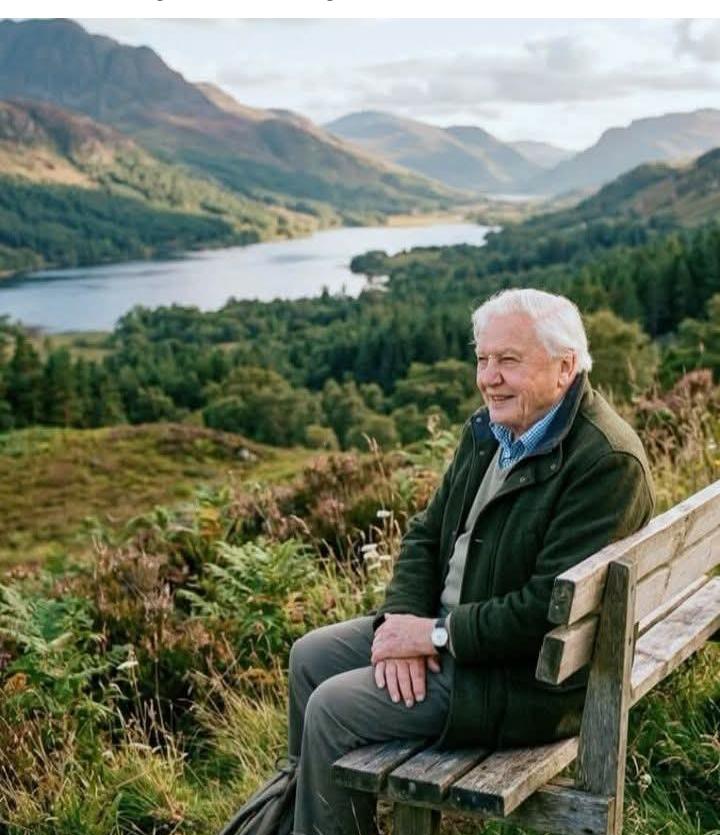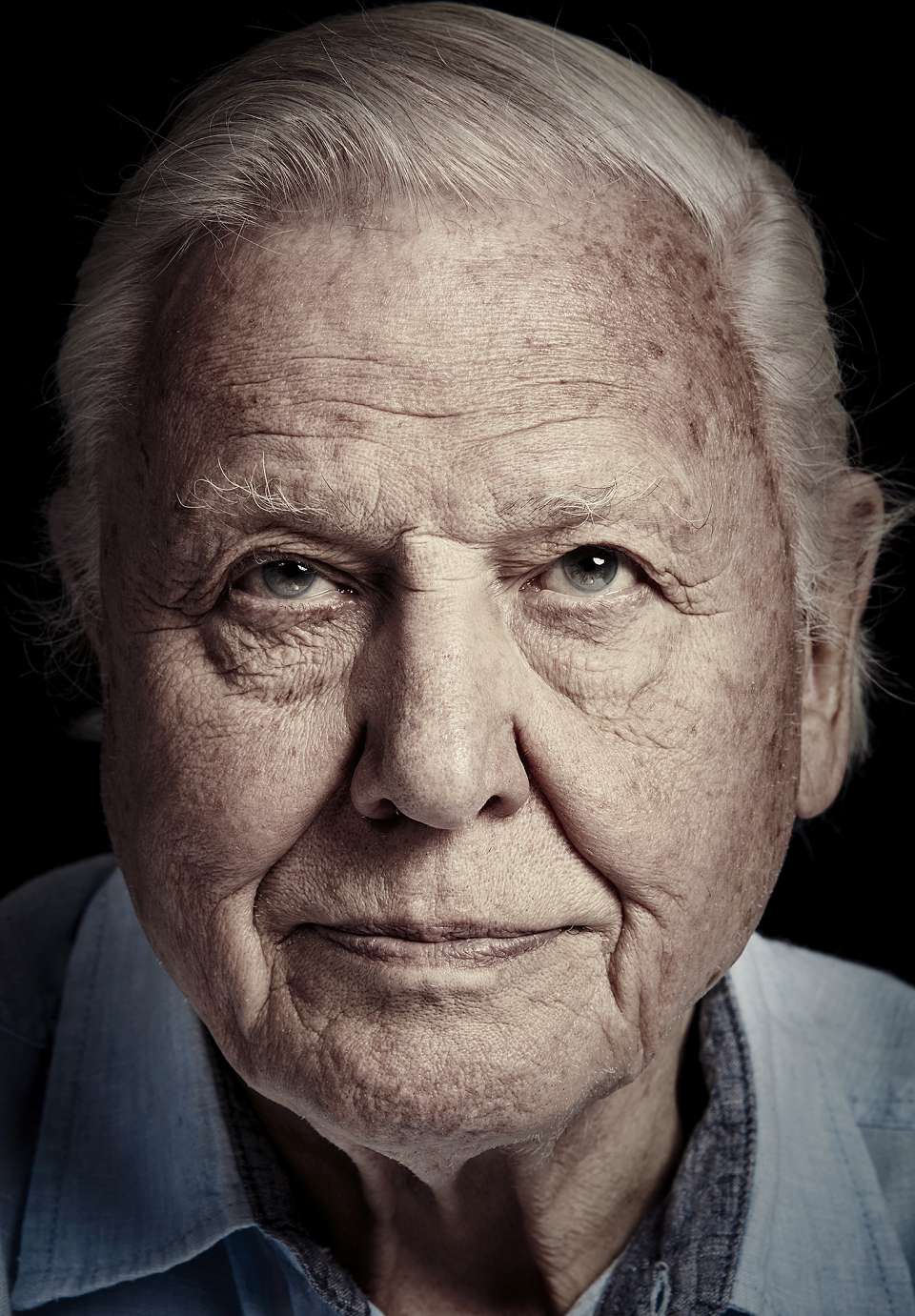

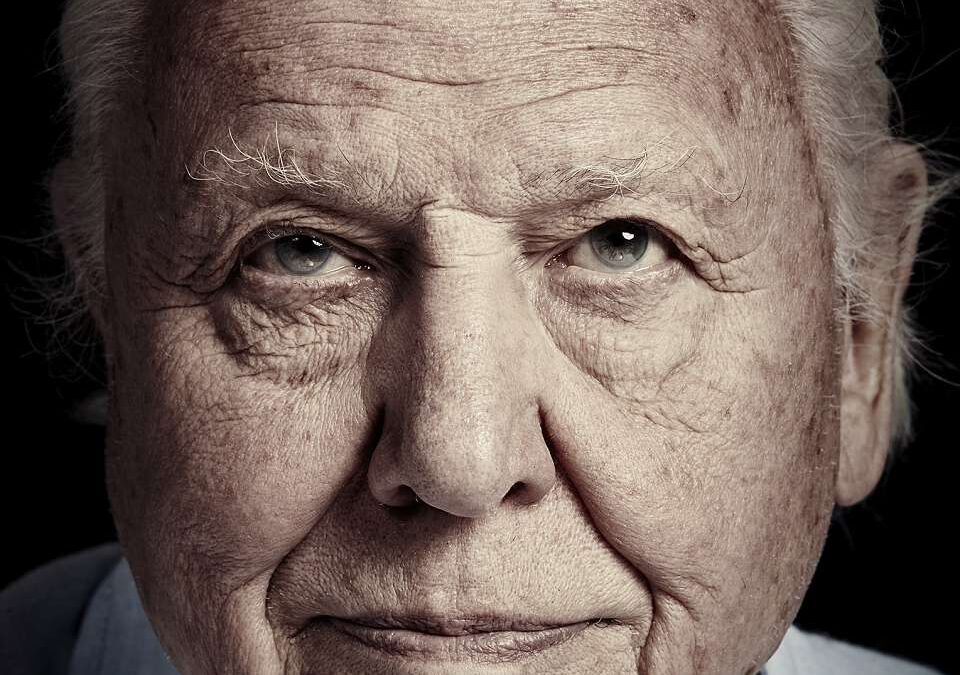
Sir David Attenborough, a revered figure in natural history and broadcasting, celebrated his 100th birthday on May 8, 2026. His remarkable journey has taken him from crawling through termite mounds in Nigeria to exploring the depths of the ocean, captivating audiences worldwide with his soothing voice and profound insights into the natural world.
By David Edramode
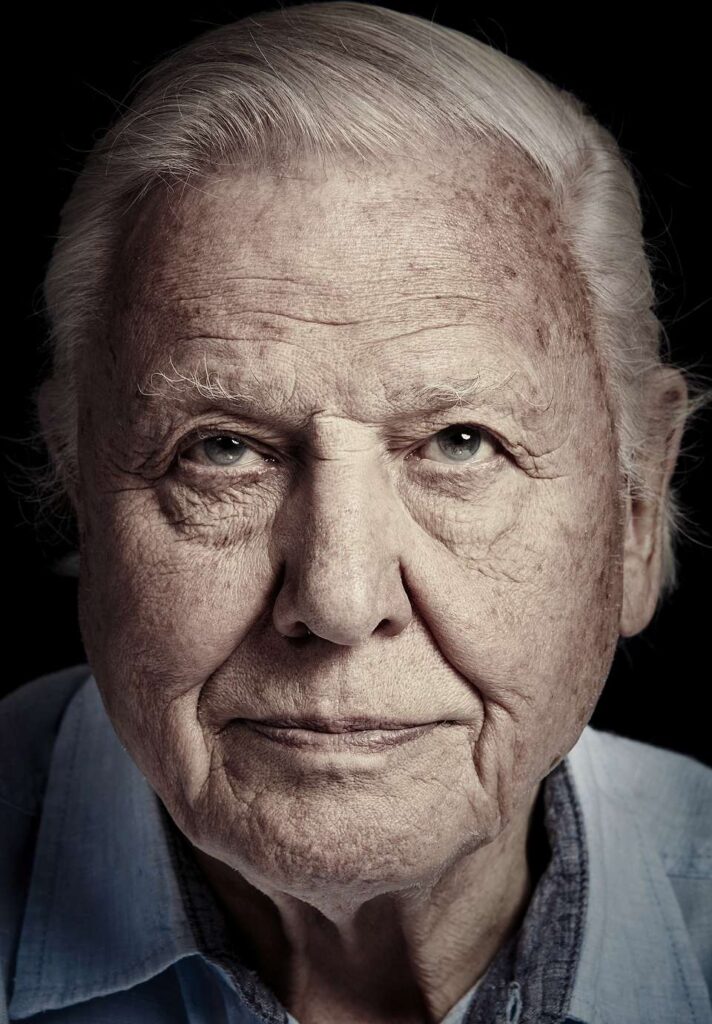
Long before the world crowned him the voice of nature, Sir David Attenborough found himself crawling through a giant termite kingdom in Nigeria. The assignment sounded deceptively simple: explain how millions of tiny insects could construct towering structures functioning like sophisticated cities. Yet, true to his extraordinary career, Attenborough immersed himself in the story.
In northern Nigeria, he squeezed into the narrow interior of a termite mound, descending into a labyrinth built by creatures no larger than a fingernail. The space was so cramped that he could barely turn around; the heat was intense, and the darkness overwhelming. Still, he ventured forth, navigating this insect metropolis to illuminate one of nature’s greatest engineering marvels to television viewers. This moment encapsulated a life dedicated to taking humanity into extraordinary realms.
From the depths of oceans to the peaks of mountains, from jungles teeming with predators to frozen polar wildernesses, Attenborough repeatedly risked discomfort, danger, and even death in pursuit of a singular mission: helping people understand the natural world. On May 8, 2026, that remarkable journey reached a historic milestone as Sir David Attenborough celebrated his 100th birthday.
The centenary celebration transcended mere birthday festivities; it became a global tribute to a man whose life’s work reshaped humanity’s perception of Earth itself. Across Britain and beyond, millions celebrated the naturalist, filmmaker, conservationist, and educator who brought the wonders, and fragility, of life on Earth into living rooms worldwide.
Attenborough had hoped for a quiet birthday, characteristically modest in his expectations. Instead, the day was marked by major BBC broadcasts, grand celebrations at London’s Royal Albert Hall, exhibitions, and heartfelt tributes from scientists and world leaders. Messages poured in from ordinary people whose lives had been profoundly touched by his work. In a recorded message, he expressed being “completely overwhelmed” by the outpouring of affection from children, families, schools, and communities around the globe.
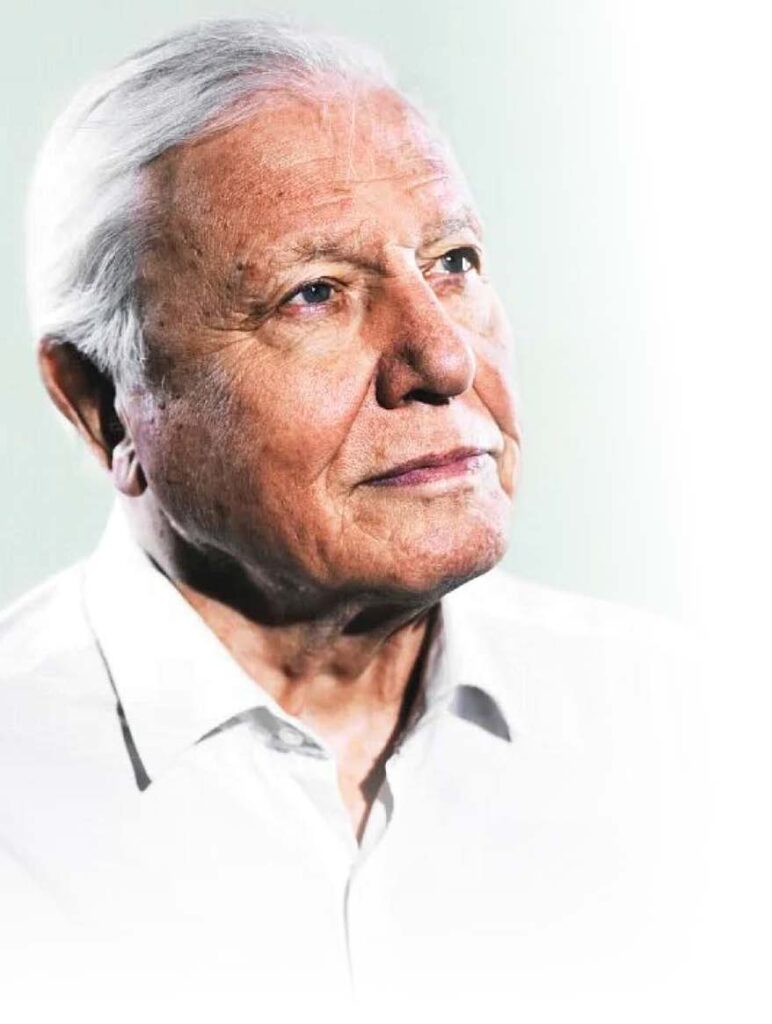
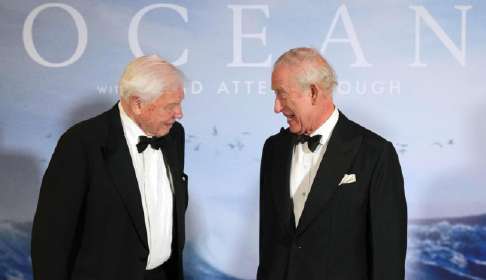
This moment also served as a remarkable reminder of his extraordinary achievements. For over seventy years, Attenborough remained relevant in an industry where careers often fade within a decade or two. Generations, separated by half a century, grew up listening to the same soothing voice unraveling the mysteries of nature. Few public figures have enjoyed such enduring trust.
Among the most touching tributes came from King Charles III, who has shared a friendship with Attenborough for decades. The monarch commissioned a special birthday tribute film titled ‘A Very Special Delivery’, wherein animals appeared to help deliver a handwritten centenary card from the King. Charles reflected on their long-standing friendship and praised Attenborough’s unparalleled contributions to understanding and protecting the natural world. He described Attenborough as a man who has inspired generations to appreciate the beauty and importance of nature. Prince William echoed these sentiments, calling him an inspiration and a guiding light whose storytelling has influenced millions, including his own children. This royal recognition underscored something extraordinary: Attenborough’s influence extends far beyond television, rendering him one of the most respected moral voices on the future of the planet.
While the public often remembers Attenborough’s calm narration, the sheer physical courage behind many of his productions is less appreciated. Throughout his career, danger lurked just a few feet away. Perhaps one of his most famous adventures occurred in 1989 when he entered a giant termite mound in Nigeria. The underground passages were so narrow that movement became challenging. Filming required him to crawl through confined spaces, with venomous snakes and scorpions potentially hiding in the mound’s hidden catacombs. Still, he dared to enter, capturing one of nature’s greatest engineering feats.
Inside a massive Macrotermes bellicosus mound, he and his crew documented the colony’s intricate ventilation system, revealing an underground “air-conditioning” plinth. The famous sequence, featured in the BBC’s The Trials of Life and later in Life in the Undergrowth, illustrated how these insects control temperature and humidity to sustain their underground fungus gardens. The mound’s basement, situated just above the water table, housed concentric veins of mud that absorbed moisture. As water evaporated, it cooled the air, pulling stale, warm air from the upper levels down through long chimneys, establishing a perfect natural cooling system.
In another iconic moment, Attenborough sat among wild mountain gorillas in Rwanda, producing unforgettable footage that transformed public perceptions of these powerful creatures. This encounter, filmed in January 1978, occurred on the slopes of the Virunga Mountains, within the Karisoke Research Center sanctuary established by pioneering primatologist Dian Fossey. While attempting to explain the significance of opposable thumbs, Attenborough found himself surrounded by playful infant gorillas, a moment that became a landmark in television history.
Attenborough’s adventures also included the perilous task of filming giant Komodo dragons, during which he came dangerously close to these reptiles capable of delivering venomous bites. This monumental meeting on Komodo Island in 1956 marked the first time these massive creatures were captured on film, and their unpredictable behavior rendered each encounter a calculated risk.
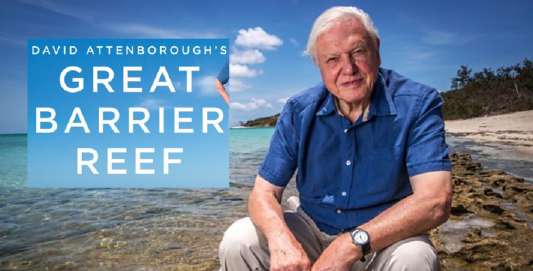
His daring spirit persisted in deep-sea explorations, where he participated in expeditions involving submersibles and deep-ocean exploration. The hostile environment of the deep sea, with its crushing pressure and technical risks, remains one of the most treacherous realms on Earth. Between 2012 and 2017, he explored both the Great Barrier Reef and the ocean’s depths for the Blue Planet II series, reaching nearly 1,000 feet below the surface in a two-person submersible at age eighty-nine.
Repeated journeys to the Arctic and Antarctic further exposed him and his teams to freezing temperatures, unstable ice, and remote conditions where emergency assistance was often far away. The UK’s polar ship, RRS Sir David Attenborough, had a planned encounter with the world’s biggest iceberg, A23a, covering 3,900 square kilometers, twice the size of Greater London, allowing scientists aboard to study one of nature’s true wonders.
From South America to Southeast Asia, Attenborough spent decades working in dense tropical forests, inhabited by venomous snakes and large predators. These adventures were never undertaken for personal glory; danger was simply part of revealing the hidden stories of life on Earth.
It is difficult to find another broadcaster whose influence spans science, conservation, education, and public policy in the same profound way. Attenborough transformed wildlife documentaries from niche educational programs into global cultural events. Series such as Life on Earth, The Living Planet, and Planet Earth, redefined television, blending scientific accuracy with cinematic storytelling, making audiences emotionally invested in ecosystems they had never encountered.
His documentaries reached hundreds of millions of viewers, inspiring a phenomenon known as the “Attenborough Effect,” where exposure to his programs kindles greater public interest in environmental protection and scientific research. For countless biologists, conservationists, and environmental activists, Attenborough was the catalyst for their career choices.
While measuring Attenborough’s impact on government policy is nuanced, several examples demonstrate his influence. In the United Kingdom, Blue Planet II, sparked public outrage against plastic pollution, leading to government measures targeting single-use plastics. This momentum spread across European Union countries, where policymakers cited growing public concern about marine pollution.
Similarly, Attenborough’s advocacy for coral reefs in Australia heightened public pressure for stronger environmental protections around the Great Barrier Reef. His documentaries in New Zealand heightened awareness around biodiversity protection and marine conservation initiatives. Though no single policy can be attributed solely to him, few communicators have done more to galvanize public support for environmental action.
What explains Attenborough’s remarkable longevity and continued engagement at age 100? He often downplays the notion of a secret formula, attributing his vitality to good fortune, genetics, and an insatiable curiosity. His friends and colleagues note four consistent habits: purpose, curiosity, movement, and optimism. Even in his nineties, he continued working on documentaries and speaking about environmental issues, driven by a sense of purpose. His childlike fascination with discovery ensured that every new species or scientific revelation excited him as much as it did decades earlier. His extensive travels and physical activity kept him engaged, while his consistent optimism, emphasizing solutions over despair, remained a hallmark of his advocacy.
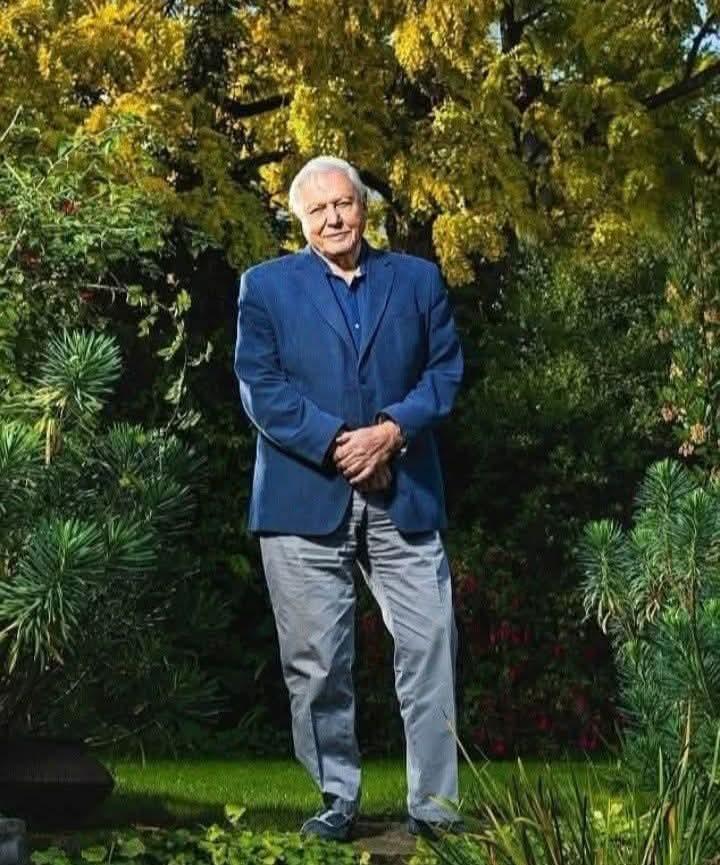
Attenborough’s impact transcended the beauty of his documentaries. He changed the very landscape of conservation. His famous encounters with mountain gorillas transformed public attitudes from fear to empathy, contributing to stronger conservation efforts that aided the species’ recovery. Blue Planet II exposed the devastating impact of plastic pollution on marine life, catalyzing global campaigns against waste. His ability to communicate climate change helped translate complex scientific findings into messages ordinary people could grasp, amplifying public support for protected areas and making conservation a mainstream public issue.
The United Nations recognized Attenborough’s contributions repeatedly, inviting him to address major climate events and becoming one of the most influential voices associated with global environmental awareness. His powerful address at the UN Climate Change Conference in Poland in 2018 warned of the impending man-made disaster of climate change. He later urged world leaders at COP26 in Glasgow to take decisive action while reminding younger generations of the opportunity to witness remarkable recovery in the natural world. His speeches carried unique weight, coming not from a politician but from a trusted witness who had observed environmental change firsthand.
David Attenborough belongs to a rare category of historical figures whose influence transcends profession. He began as a broadcaster, evolved into a teacher and conservationist, and ultimately became a global conscience for the natural world. At 100, his life stands in stark contrast to the age of noise and division; he never relied on outrage or raised his voice. Instead, he persuaded through wonder.
He believed that people protect what they love, and that they love what they understand. This philosophy transformed television, conservation, and humanity’s relationship with nature. The boy who collected fossils in Leicester grew into the man who introduced the planet to itself. As he entered his second century, the world celebrated not just a birthday but a legacy; one that leaves the planet better informed, more aware, and more determined to protect the fragile web of life than that of Sir David Attenborough.