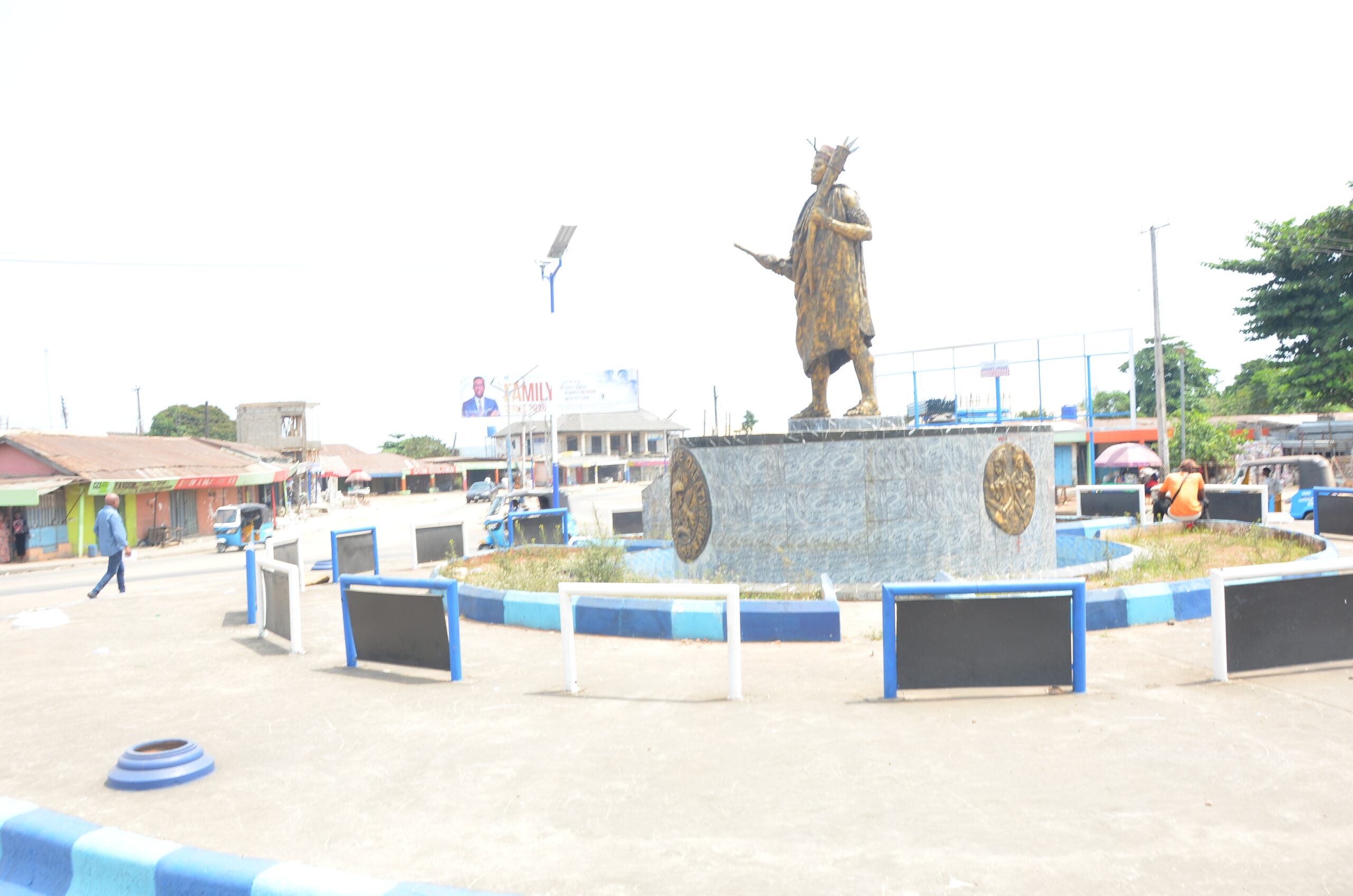

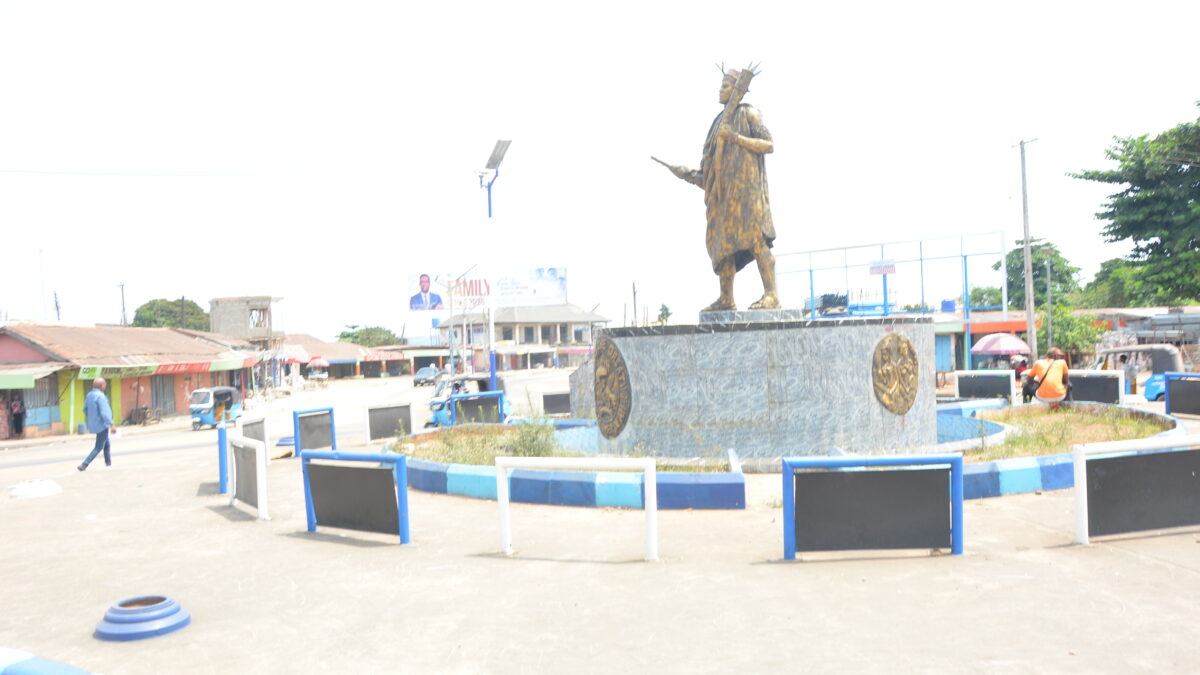
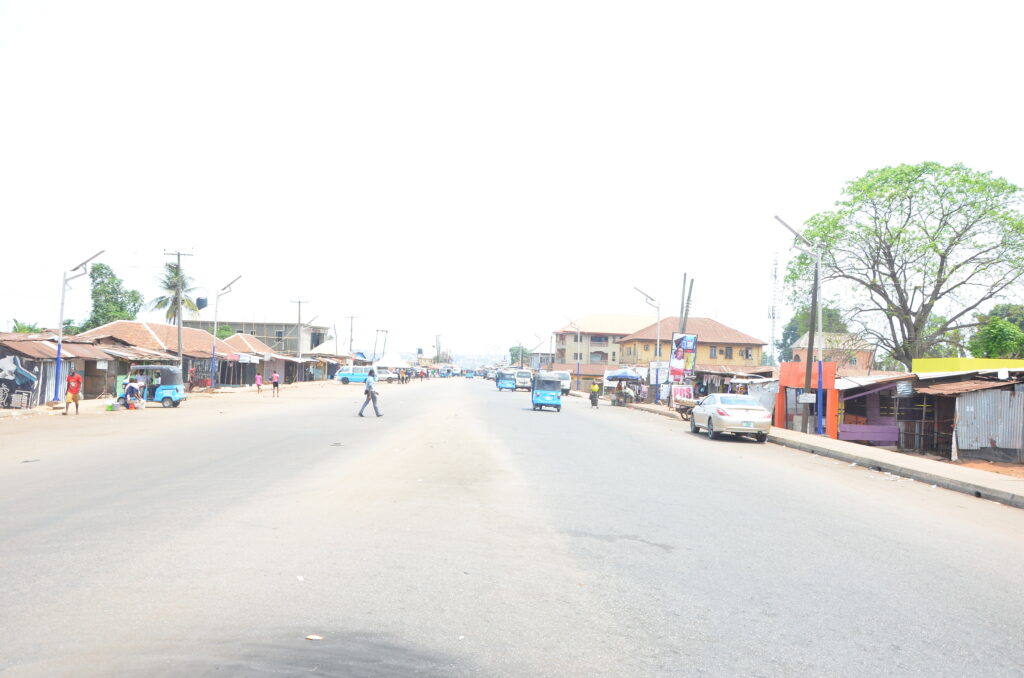
Cable Point, better known in the good old days as Wire, is one of the most iconic and culturally mixed neighbourhoods in Nigeria
By Sylvester Asoya
In 1978, Mallam Mohammed Lawan, an Islamic cleric from Birnin Kebbi, stepped into Asaba, in search of livelihood, fortune and a new life. But he unexpectedly found more than he had ever imagined. Not only did he pursue opportunity and success, he also found something far greater, a good wife to walk the difficult journey of life. Lawan’s story represents the extraordinary journeys of many Nigerians, men and women, who left their birthplaces and home states and found not just work, but belonging. In Asaba, the capital of Delta State, it is easy for strangers to become neighbours. And, visitors or strangers, also become citizens. What began as a simple search for livelihood by this daring Nigerian from the Northern part of the country, turned into something deeper: a home built on resilience, love and community. Like many others, Lawan arrived with little more than hope and determination, but eventually found family, purpose and a place to call home.
Anyone familiar with Asaba knows that its people are naturally hospitable, warmly welcoming strangers and making them feel at home, regardless of where they come from or their faith. In the liberal mind of an average Asaba man or woman, everyone, irrespective of tribe or creed, deserves a place to belong, and an opportunity to thrive.
Welcome to Asaba, the home of warmth and hospitality.
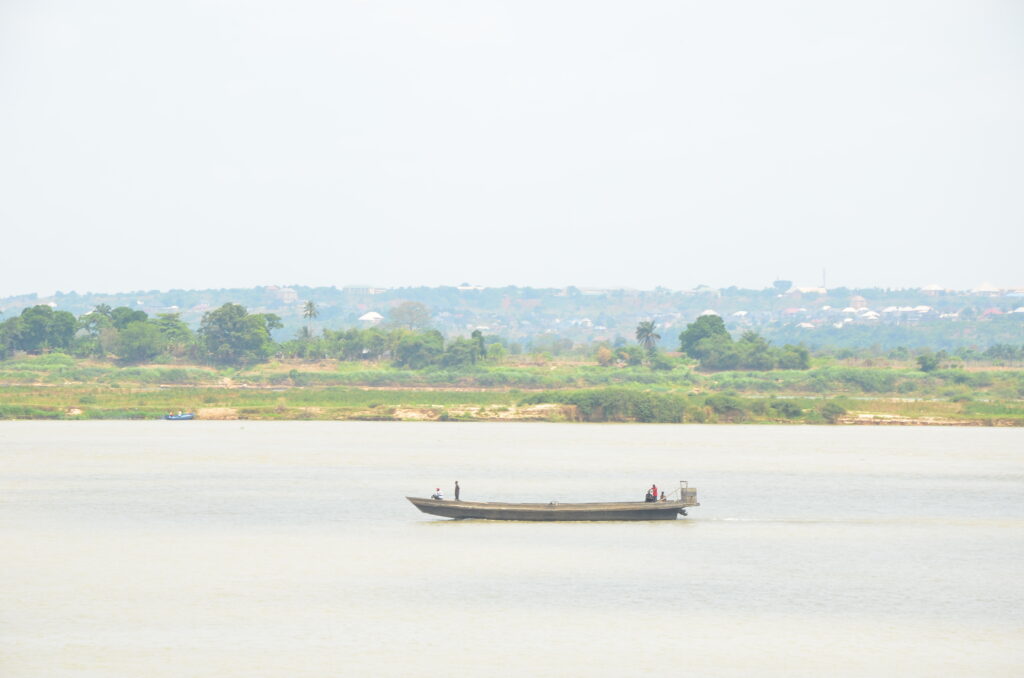
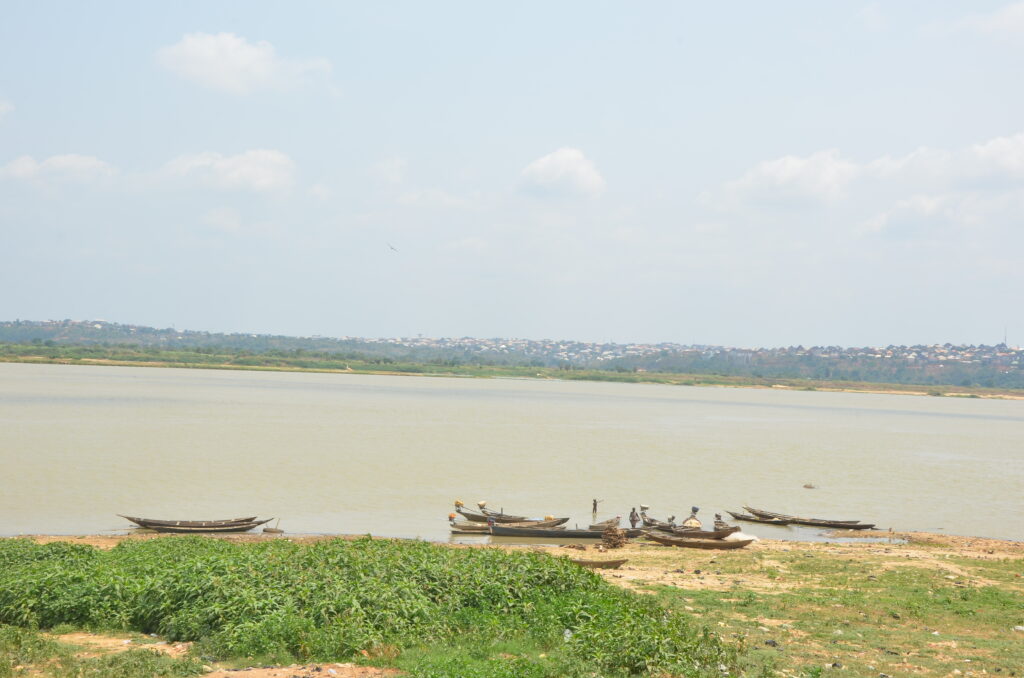
But like most settlement reputed as cultural melting pots in Nigeria, Cable Point stands as a true gateway for dreamers, fortune-seekers and explorers. Located in Asaba, near the famous River Niger, this historic and notable neighbourhood has long attracted people from across the country seeking opportunity, renewal, survival and a fresh start. In Cable Point, it is easy to encounter some West Africans; and also, Nigeria’s major ethnic groups like the Igbo, Yoruba, Hausa, Fulani, Urhobo, Nupe, Isoko, Ijaw, Kanuri, Edo, Ibibio, Gwari, Jukun, Idoma, Itsekiri and many others, living, working, and building side by side.
But the emphasis in this exciting story of community spirit is reflection; and that is the point. Even societies with deep divisions can learn from the exemplary actions of individuals and close-knit communities like the Cable Point example, showing that progress, compassion, good neigbourliness and unity are still possible in present-day Nigeria.
This unique neighbourhood in Asaba, no doubt, reflets the diversity that defines the Nigerian spirit. In an exceptional manner, Cable Point’s riverside location along the famous River Niger continues to play a major role in shaping the community’s identity and essence. Being positioned in Asaba, it serves as a natural entry point for migration, trade, cooperation and settlements. Traders, fishermen, transporters, workers of all kinds, including settlers, civil servants, and entrepreneurs, all striving to build a better life, move through the river routes, turning the place into a hub of opportunities, community love, togetherness and pleasure.
But Lawan’s remarkable story is archetypal in many ways, reflecting a shared journey of resilience, migration, faith and hope, experienced by many Nigerians who ventured out of their comfort zones.
In an era, shadowed by hate, bigotry and division, Lawan’s noteworthy Asaba experience and story, shine a quiet light, inspiring hearts and stirring deep reflection. Indeed, this exciting Cable Point narrative according to an adventurer driven by courage and conviction, all the way from Birnin Kebbi, is a powerful testament of hope and possibilities.
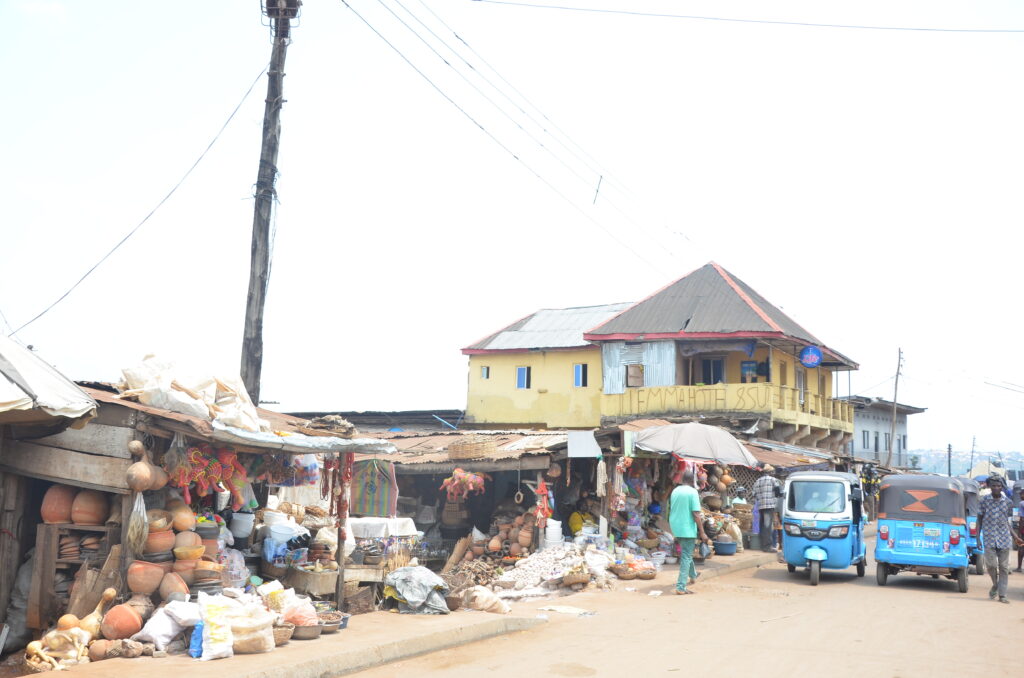
“I came to Cable Pont 47 years ago. The truth is that I love Asaba, and in the last 47 years, I have enjoyed myself thoroughly. The people are hospitable and friendly. And the town is calm and quiet, and there are business opportunities for everyone. But this is a confession: my people, Northerners, men and women are everywhere, and seeing them gives me a lot of joy. Together with other ethnic groups, we all live happily, no fighting no quarrelling. I love Cable Point because of the peace of Asaba. This is a town that is usually irresistible to first-time visitors. If you take your time, you would have discovered that our people, both Hausa, Fulani and other people from the old Northern Nigeria, now dominate the tricycle business popularly known as Keke. We also control fruit vending trade and related businesses. If not for the town’s hospitality, that would not have been possible. Let me state again that in the last 47 years, I have not had any serious quarrel with anyone in Asaba. In fact, Asaba people are like my relatives. They love us, strangers, and they have never done anything to remind us that we are not part of them. They are exemplary; this is how a country is built.”
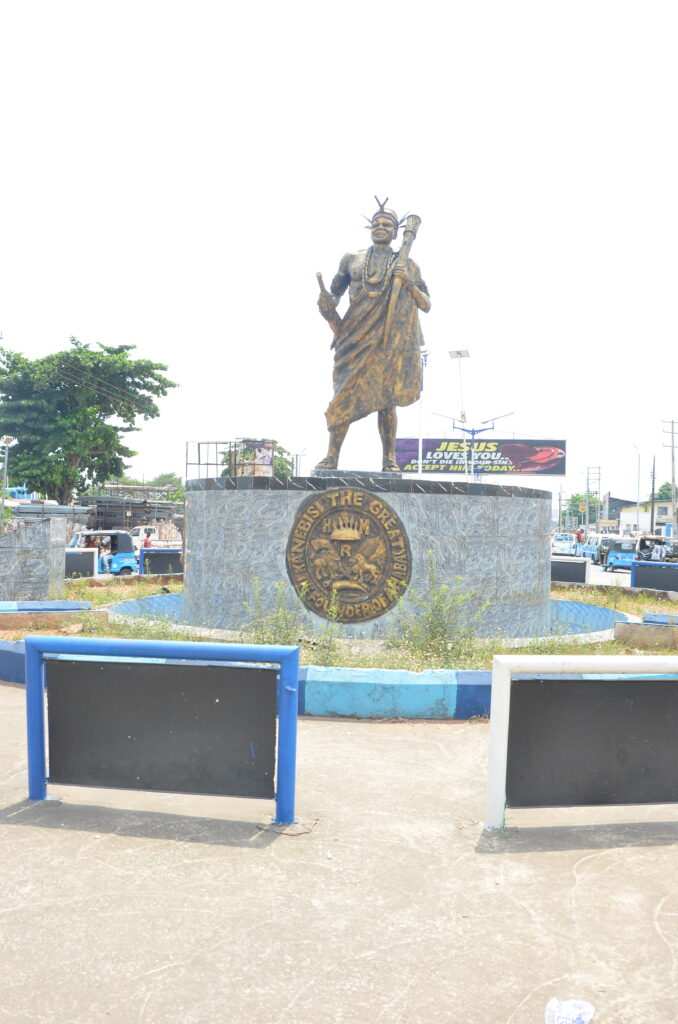
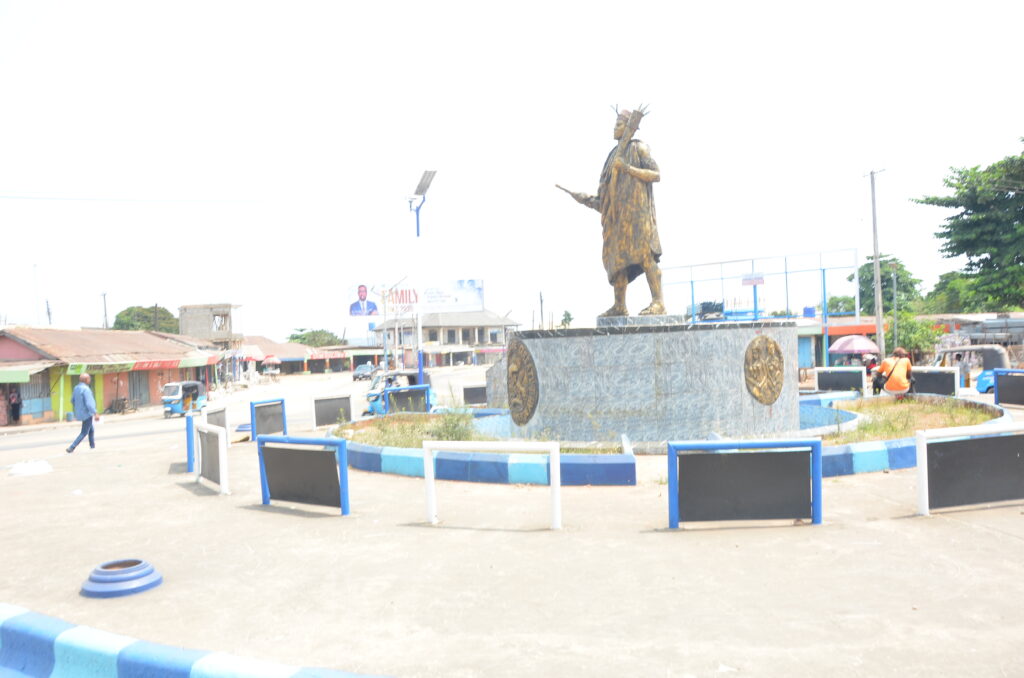
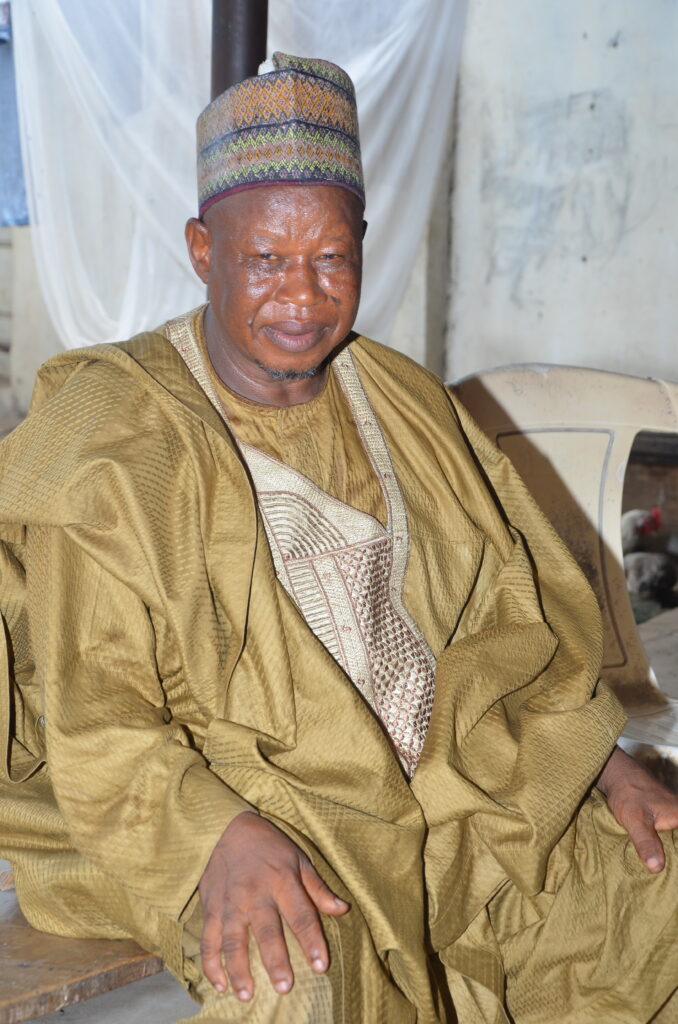
But of all Lawan’s experiences, the one that captivates him most is being married to a woman born and bred in Asaba. “I married here in Asaba, had eight children, and they all attended public schools here in Asaba without discrimination. All of us, non-indigenes, are happy living here, and that is very important in a country like Nigeria. And it may also interest you to know Asaba people receive strangers happily from different parts of Nigeria, every day.”
Lawan fondly recalls how it all began, arriving Asaba with little hope, and walking into what felt like a strange land. But he is not the only one with a story.
Chinedu Eborah, a graduate of Mass Communication, who was raised in Asaba, still cherishes all the moments that reflect the spirit, culture and diversity of a city that shaped him. Except for the years he spent in Enugu pursuing his higher education, Eborah has stayed closely connected to this warm-hearted capital of Delta State, where he also raised his children.
This graduate of Mass Communication fondly recalls the experience of growing up in Asaba, where every street held a memory, and every day brought a new adventure, particularly for young people living in Cable Point. “Growing up in Asaba was real fun, but the most unforgettable moments were the ones we spent in Cable Point. In some quarters, it is generally believed that real urbanization and development actually began from Cable Point. In those days, there were big hotels, bars, clubs, playgrounds, and everything that attracted children and young people alike. As youths, we also enjoyed the company of friends from wealthy homes in Cable Point, whose friendship added even more excitement to our growing-up years.”
Today, some decades after, many people still believe that the other part of Asaba, at the time, was quiet, traditional, cultured and conservative, in stack contrast to the boisterous energy of Cable Point. Ogbueshi Prince Ugochukwu Mordi, now an Asaba chief, was one of those who frequently visited the community, becoming a familiar face among its residence. “I have very fond memories of Cable Point. We used to go there to play, as my father owned a house in the area. I will never forget the masquerades of Cable Point, the swimming sessions in River Niger, the football games, the special jollof rice, African salad delicacies, and much more. But Cable Point, at the time, also represented the good, the bad and the ugly. As smart kids, we steered clear of the bad and silently prayed never to encounter the ugly.”
Another opinion held by some is that Asaba’s initial growth, development, and organization sprang from the Cable Point axis. To this group, Cable Point was considered the first GRA (Government Reserved Area) of Asaba. While this is just only a view, some people readily recognize and embrace it. To emphasize their opinion, they eagerly point out the prominent Asaba families who lived in Cable Point before independence, immediately after, and in subsequent years.
Historically, this highly multicultural setting was once home to Asaba influential families, men and women who played key roles in Nigeria’s socio-political development. Of course, the first Premier of Mid-Western Nigeria, Chief Denis Osadebey, a distinguished lawyer and poet laureate, owned a house in Cable Point. Other prominent families like the Onyias, Justice Uche Omo, the Mordis, the Onianwas, the Bioses, the Azinges and even Chief Patrick Isioma Goodluck Onyeobi, who later served as Secretary to Government and Head of Service of the defunct Bendel State Government, all had houses at Wire, as it was then known.
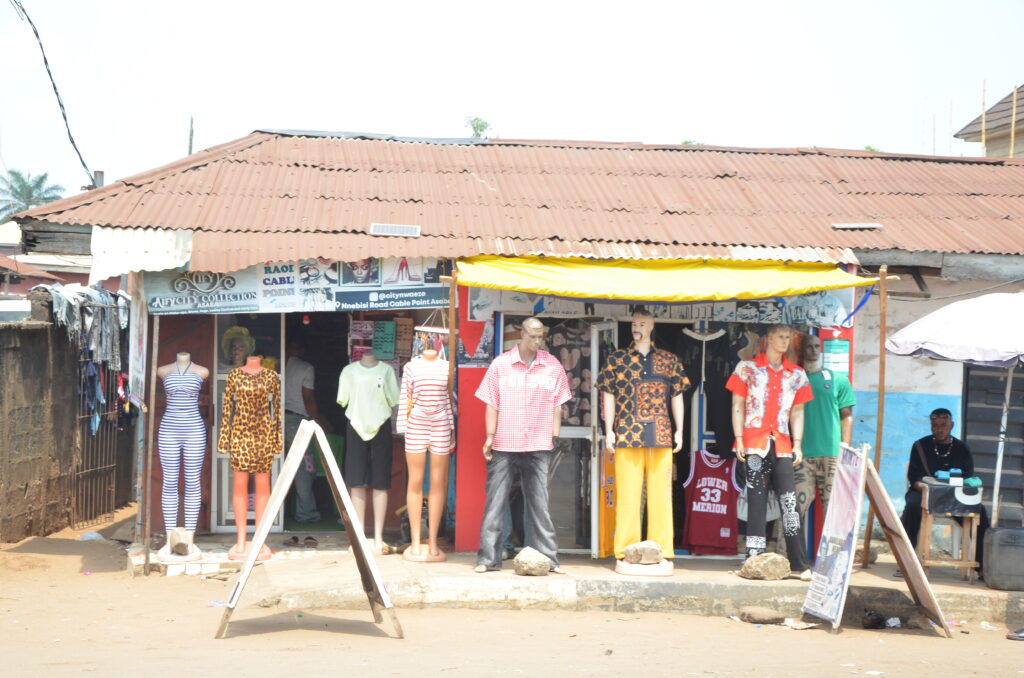
But Cable Point is extraordinary for many other reasons. It is the only neighbourhood in Asaba where non-indigenes easily win elections; and that tradition has continued to this day. It is also a place where you can find almost everything: from marabouts of all hues, food items and animals of all kinds to clerics of different faiths, native birds, barbers’ shops, businesses, local concoctions, transporters, different kinds of vehicles and more.
Nevertheless, Cable Point’s notoriety is also legendary. Apart from being known for its disreputable and thriving red-light district and gaming halls, it is also one of the few places in Asaba where street fights and small skirmishes can break out at any moment.
However, these are some of the things that give this unique area of Asaba, its charm.
As a matter of fact, the possibilities of this inimitable community are limitless. Visitors to Cable Point never doubt that it is a place for the rich and poor, young and old, men and women, and boys and girls alike. And its vibrancy comes to the fore, especially during festival periods when masquerades from different parts of Nigeria compete for attention. Nonetheless, one thing is undeniable. Cable Point’s beauty and inclusiveness set it apart. And this special community has managed to retain its multiplicity, attractiveness and many other assets despite the passage of time, and this is admirable. That is also why it will remain one of Nigeria’s most iconic and culturally diverse neighbourhoods.