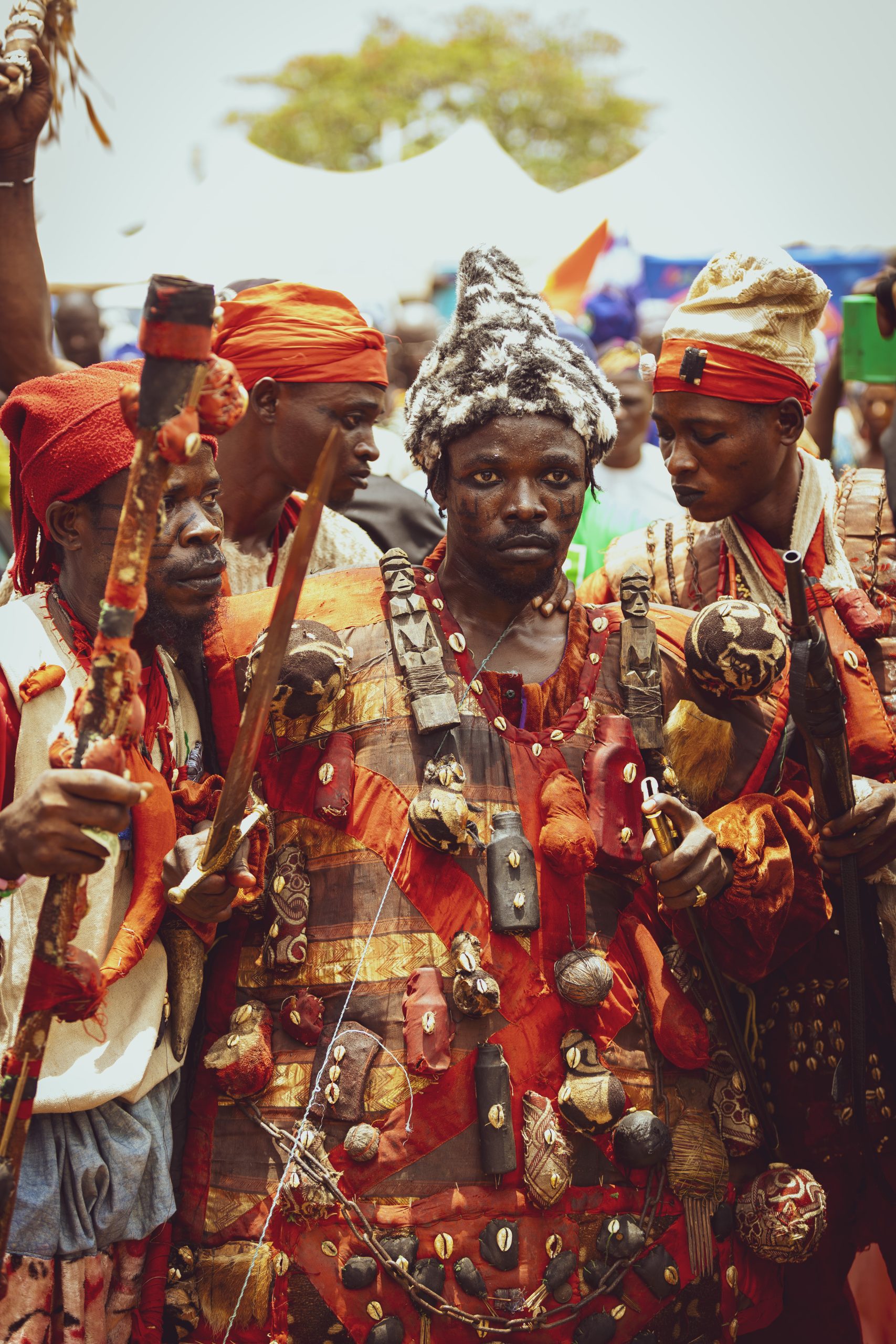

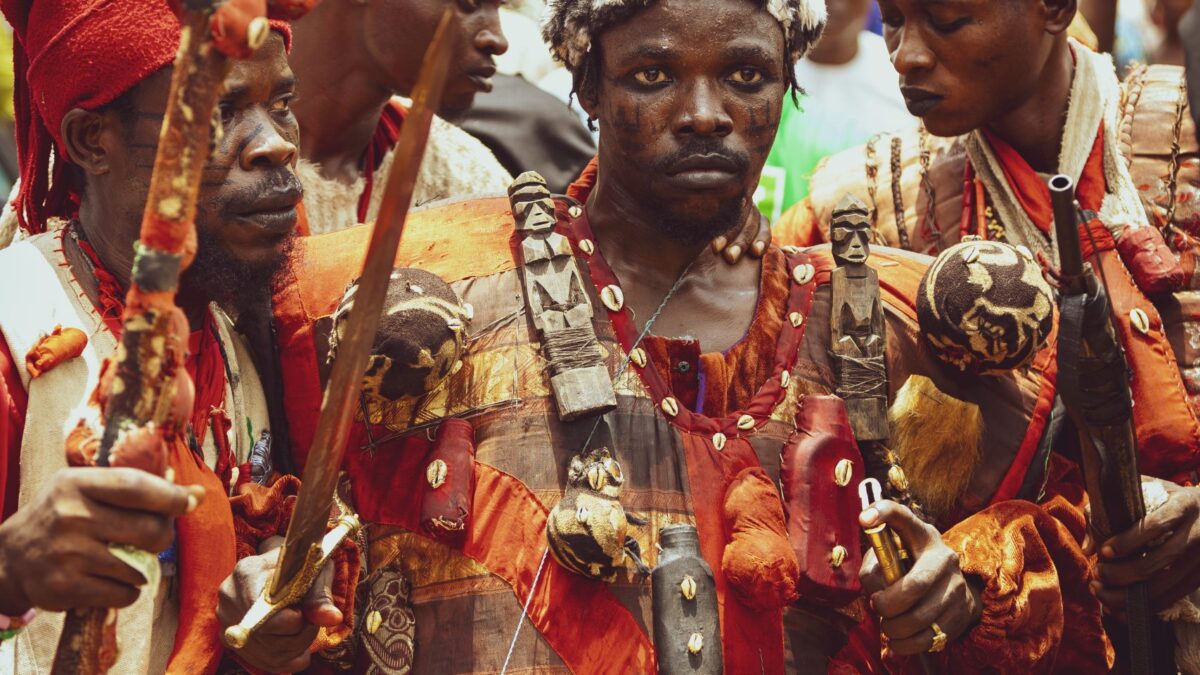
Battle-tested soldiers, however stone-faced, have their moments of pleasure; whether in wine, companionship, or the communal abandon of festivals. So it is with Ibadan, which marked its day on 18 April 2026.
By David Edremoda
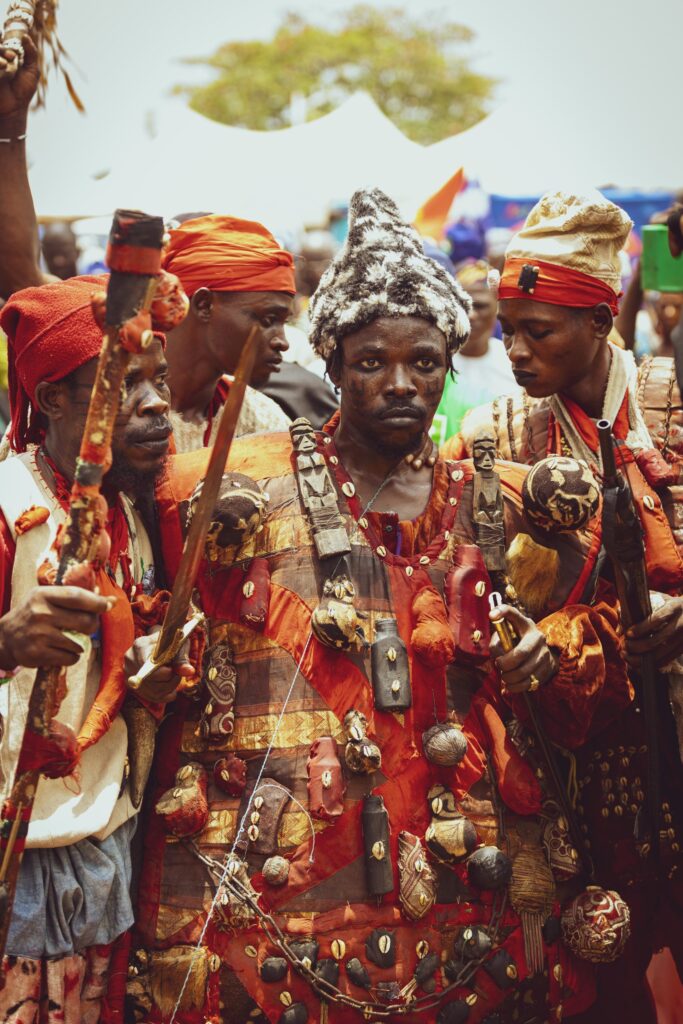
There are moments when a city reveals itself not through its monuments or its history books, but through spectacle; through colour, movement, and the quiet authority of tradition made visible. Ibadan, on its day of celebration, is such a revelation. To the attentive eye, the festival’s visual poetry recalls nature’s most arresting displays: the sudden lift of a cricket in flight, unexpectedly radiant, or the deliberate splendour of a peacock unfurling its train. What appears at first as a single hue resolves, upon closer attention, into a layered brilliance; emerald yielding to sapphire, burnished gold catching the sun, turquoise flickering at the edges.
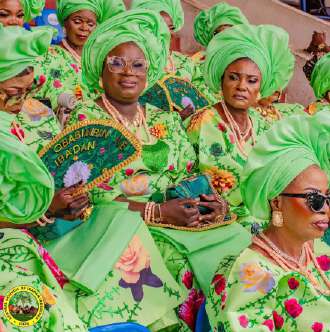
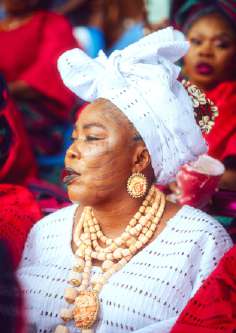
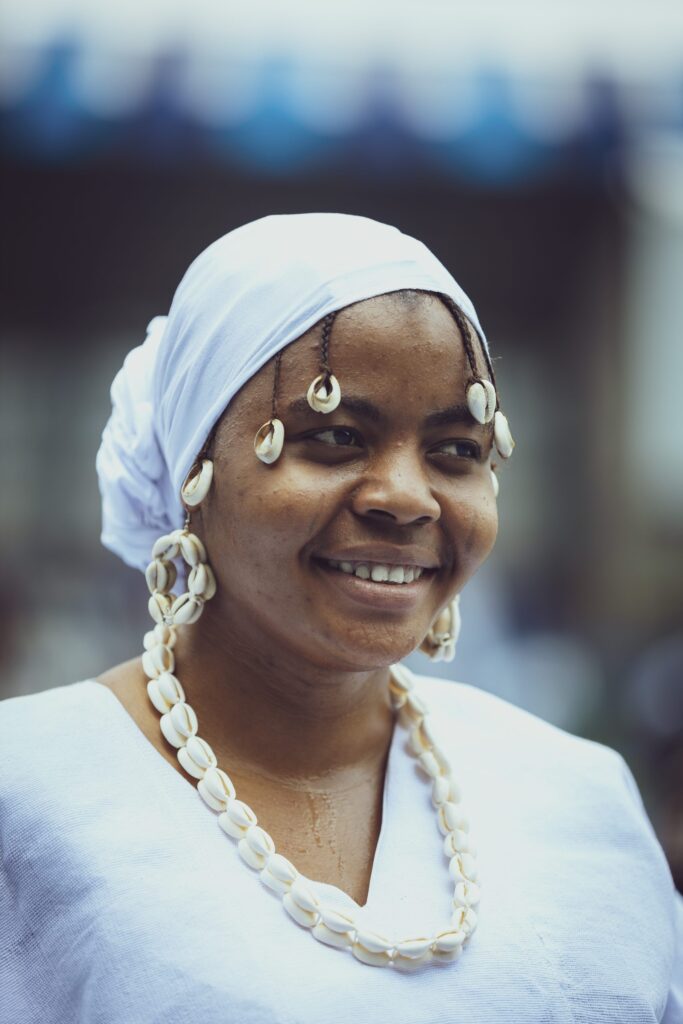
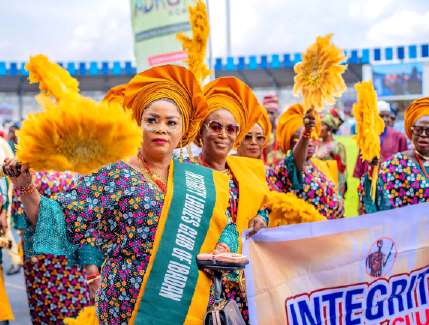
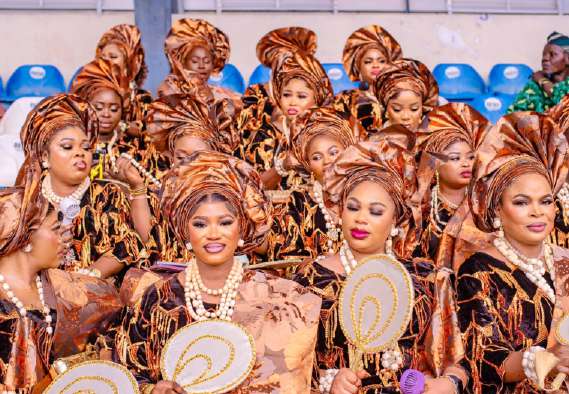
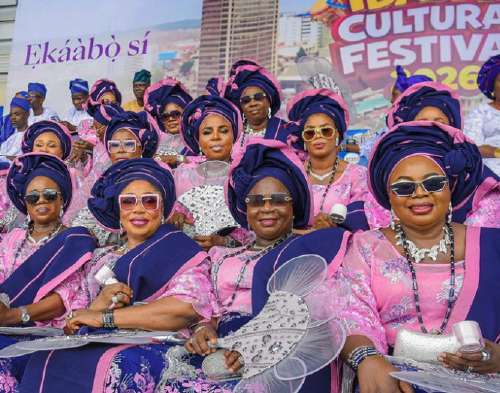
So it was on that April day, beneath a generous sky, as sons and daughters of Ibadan gathered in a choreography of fabric and form. Their garments; carefully chosen, richly textured, held a subtle sheen, like polished wood, absorbing and reflecting light in equal measure. The effect was not ostentation but depth: colour as memory, attire as identity. Ibadan announced itself not with a single voice, but with a thousand shimmering variations.
To understand the emotional charge of this gathering, one must first understand the city itself. Ibadan is a study in contrasts, a place where eras coexist rather than compete. In Dugbe, the outlines of modern commerce assert themselves, anchored by landmarks that speak of mid-century ambition. Elsewhere, in Bere and Oje, the city retreats into older rhythms: narrow streets, earthen walls, and the quiet persistence of traditional architecture. It is a landscape that once inspired a poet to describe it as a “running splash of rust and gold,” scattered across seven hills like fragments of sunlit pottery. The description endures because it captures something essential: Ibadan is not polished into uniformity; it is gloriously, defiantly textured.
Each year, the city pauses; not in stillness, but in remembrance. Ibadan Day, the culmination of a broader cultural festival, is less a break from daily life than an intensification of it. In 2026, that intensification reached a kind of crescendo. What unfolded was not merely an event, but a narrative; one that braided together history, identity, and aspiration.
Founded in the turbulence of the early nineteenth century as a war camp, Ibadan evolved into a formidable political and military power, and later into one of West Africa’s largest indigenous urban centres. Its past is not an abstraction; it is embedded in its geography, its hierarchies, its collective memory. Ibadan Day compresses that long arc of history into a series of lived moments, inviting both participants and observers to inhabit the continuum of past and present.

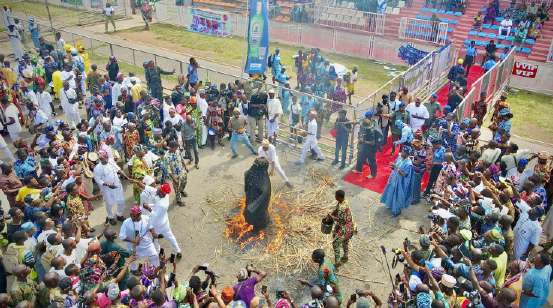
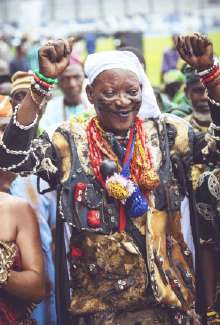
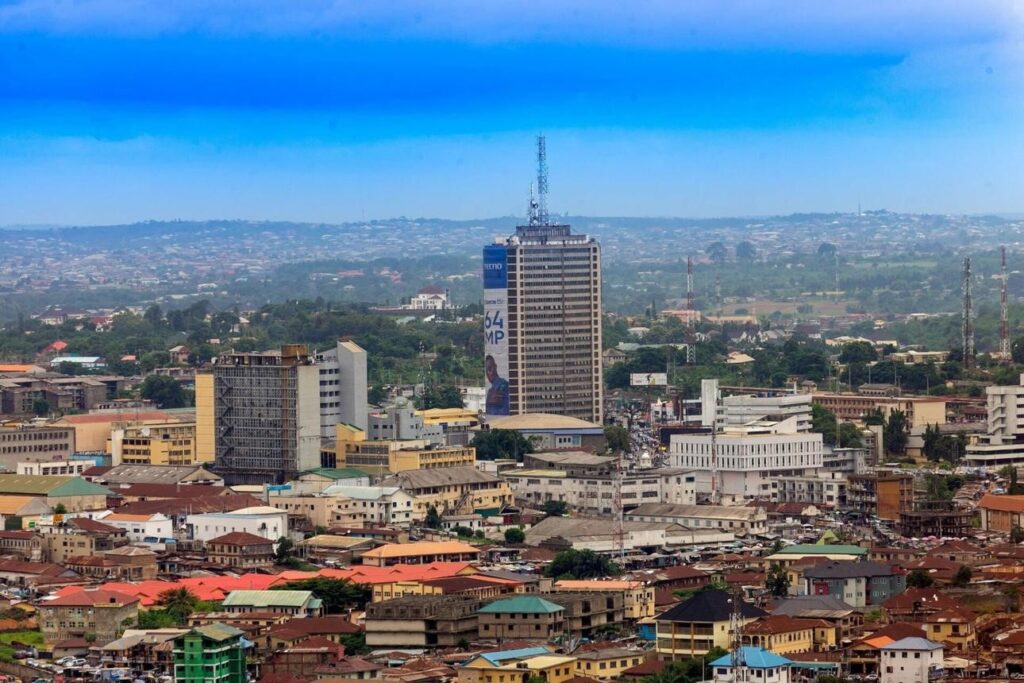
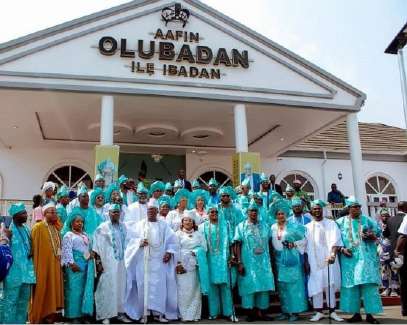
The 2026 celebration extended over nearly two weeks, transforming the city into a living theatre. There were conferences that interrogated Ibadan’s intellectual and historical legacy, community initiatives that reaffirmed its social bonds, and youth-driven programmes that hinted at its future. By the time the grand finale arrived on 18 April, the city had already been primed: its energies aligned, its narratives in motion.
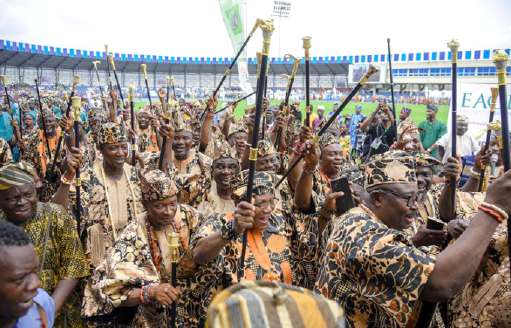
From the early hours of that morning, the flow of people towards the stadium was steady and purposeful. Families, dignitaries, visitors, and returnees from the diaspora converged with a shared sense of occasion. The venue itself became a kind of cultural amphitheatre, where tradition was not displayed as a relic but enacted as a living practice.
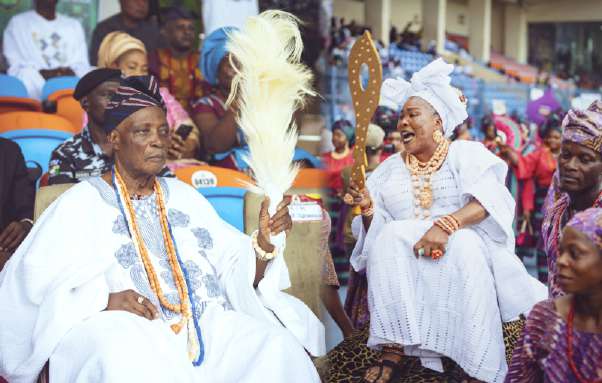
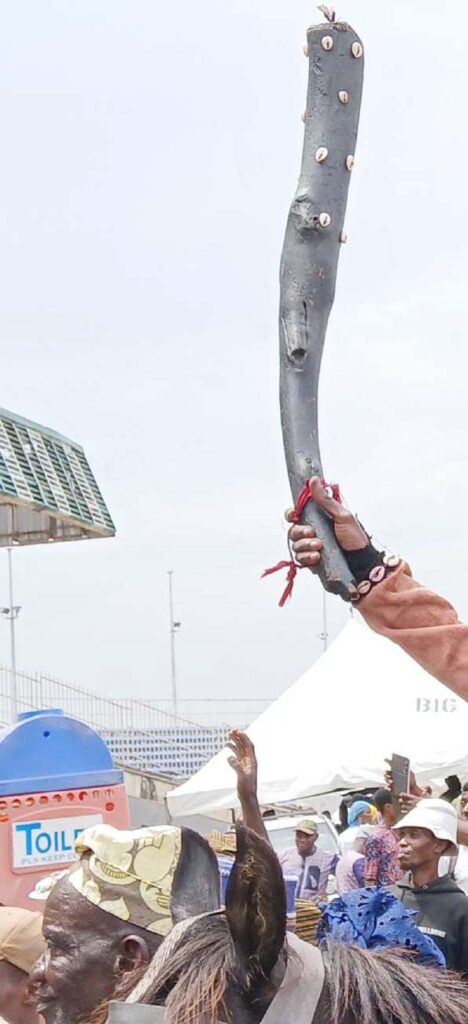
Central to the day’s symbolism was the presence of traditional authority alongside modern governance. The Olubadan, custodian of the city’s heritage, His Royal Majesty, Oba Rashidi Adewolu Ladoja, arrived to the resonant pulse of talking drums, his entrance marked by a ceremonial gravity that spoke of continuity. Chiefs, robed in flowing agbada, paid homage in gestures refined over generations. Nearby, representatives of government underscored another dimension of Ibadan’s identity: its capacity to negotiate between inherited structures and contemporary realities.
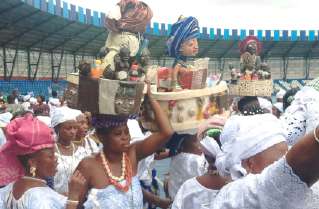
Yet it was in the collective participation of ordinary citizens that the festival found its fullest expression. One of the most compelling sights was the procession of family compounds, each led by its mogaji, each group clad in coordinated aso-ebi that told stories of lineage and belonging. These were not merely fashion statements; they were visual genealogies, threads connecting past to present.
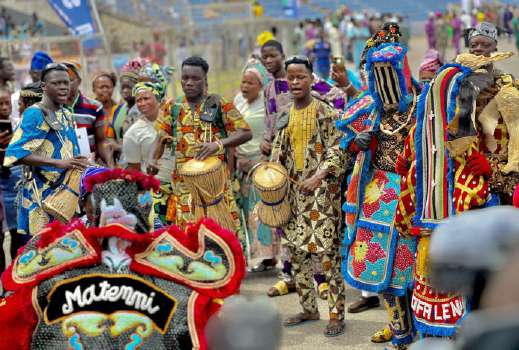
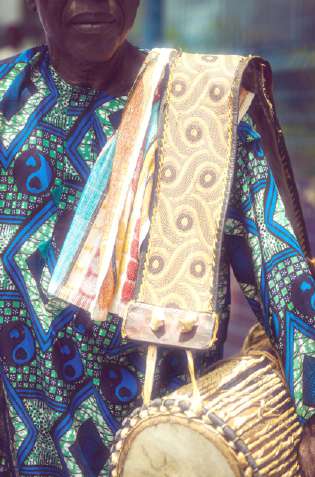
Music and movement carried equal significance. Drummers, masters of their craft, summoned rhythms that seemed to rise from the earth itself, while dancers responded with intricate footwork and expressive gestures. The performances were layered with meaning; at once artistic, historical, and spiritual. In certain moments, masquerades entered the arena, their presence invoking ancestral memory, their movements oscillating between playfulness and solemnity. They were reminders that, in Yoruba cosmology, the boundary between the visible and the unseen is permeable.
What distinguished the 2026 edition was its deliberate embrace of youth. Rather than relegating younger generations to the margins, the festival positioned them at its centre. School groups and youth organisations presented performances that blended tradition with contemporary forms; spoken word intersecting with folklore, hip-hop rhythms weaving through classical patterns. This was not a dilution of heritage but its evolution, a recognition that culture survives by adapting without surrendering its essence.
Competitions and exhibitions encouraged deeper engagement, transforming spectators into participants. The enthusiasm was palpable, suggesting that the custodianship of Ibadan’s heritage is already passing, confidently, into new hands.
Beyond its aesthetic and cultural dimensions, the festival also revealed itself as an economic engine. The influx of visitors invigorated local enterprise: hotels filled, markets thrived, artisans found eager patrons. Adire fabrics, beadwork, carved sculptures, and traditional cuisine were not merely displayed but exchanged, turning culture into commerce in the most organic sense. Here, heritage was not a static inheritance; it was a dynamic resource.
Equally significant was the festival’s role as a social adhesive. Families reunited, friendships were renewed, and new connections were forged. For many, the journey to Ibadan was not simply a trip but a return; a re-engagement with roots that might otherwise remain abstract.
This sense of homecoming extended beyond geography. For members of the diaspora, the festival offered an opportunity to reconnect with identity in a manner both immediate and immersive. Accents shaped by distant cities mingled with local cadences, creating a polyphony of belonging. In these encounters, Ibadan revealed itself not just as a place, but as an idea; one that accommodates both origin and evolution.
Recognition of excellence formed another thread in the day’s tapestry. Distinguished individuals, both indigenes and friends of the city, were honoured for their contributions to its development and cultural life. Such acknowledgements were more than ceremonial; they reinforced a civic ethic, linking personal achievement to collective progress.
As the day advanced and the sun began its descent, the formal programme gradually gave way to a more diffuse celebration. Music spilled beyond the confines of the stadium, conversations extended into the evening, and the city itself seemed to hum with a shared vitality. In neighbourhoods across Ibadan, laughter and song carried into the night, dissolving the boundaries between event and everyday life.
What, then, does Ibadan Day signify in a broader context? It is, at one level, a reaffirmation of identity; a declaration that a city shaped by history remains relevant in the present. At another, it is a strategic assertion of cultural capital, positioning Ibadan within a wider network of festivals that define Nigeria’s tourism landscape.
For the traveller, the appeal is unmistakable. Ibadan offers an experience that resists simplification: a city where history is not confined to curated spaces but embedded in daily existence. Its hills, markets, and institutions form a landscape that invites exploration, while its festivals provide moments of heightened engagement.
There are, of course, challenges: logistical, infrastructural, and promotional, that accompany such ambition. Yet the trajectory is evident. With each iteration, the festival grows in confidence and scope, refining its capacity to attract both national and international attention.
As the echoes of drums fade and the vibrant fabrics are folded away, what remains is not merely memory, but continuity. Ibadan endures as a city of resilience and reinvention, its spirit neither static nor fragile. Once a year, it gathers itself into a single, luminous expression, telling its story with clarity and conviction. For those willing to listen, and to look closely, it is an invitation difficult to resist. In Ibadan, history does not recede into the past. It walks beside you, alive in colour and cadence, waiting to be encountered.