

Ekiti is a State in Nigeria where pounded yam is more than just a meal; it is a way of life
By Sylvester Asoya
Ekiti State in South West Nigeria holds a reputation as one of Nigeria’s most intellectually inclined states. This state that prides itself as the land of honour and integrity, has produced a remarkable number of professors and accomplished professionals, a fact evident across Nigeria’s universities and all over the world where good education, expertise and leadership are valued. The people have also earned a reputation for integrity, hard work, uprightness, strength, strong moral values and deep respect for tradition. But the Ekitis can also be unyielding sometimes. When challenged, they will refuse to backdown, whether out of pride, strength or necessity. As a matter of fact, being unyielding is also an integral part of who they are.
These qualities and more, have, for generations, been hallmarks of their cultural identity.
However, another aspect of Ekiti people’s lives that stands out unmistakably in their daily life is their distinctive cuisine. Pounded yam, in particular, is more than just a meal in Ekitiland, it is a cultural symbol and a deeply cherished dish.
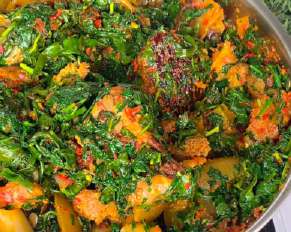
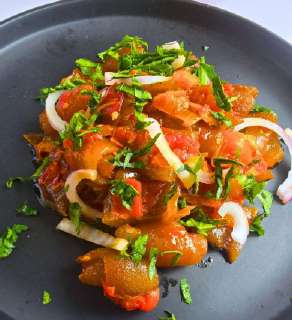
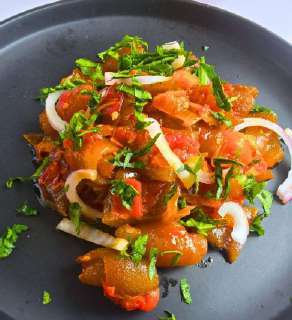
It is noteworthy that pounded yam, especially the Ekiti way, is far beyond a simple dish. It is regarded as the king of all foods within the state. It is also a symbol of pride, heritage and culinary excellence. But it is an experience that feels incomplete without the rich variety of mouth-watering soups that bring it to life. Smooth, stretchy, and sometimes satisfying on its own, pounded yam truly shines when paired with deeply tasty soups that glide effortlessly from the mouth, down to the throat, and into the stomach, its final destination. It is also important to add that in Ekiti cuisine, these soups are not mere accompaniments; they are the soul of the dish. From the bold, earthly richness of traditional vegetable soups to the spicy, aromatic depth of well-seasoned gumbos, each option adds its own character and indulgence. In addition, the harmony between the soft texture of the pounded yam and the savory intensity of the soups creates a balance that is both comforting and unforgettable. And as one eats, every bite or swallow, as the case may be, tells a story of culture, care, indulgence and culinary mastery that transforms a simple staple into a feast that satisfies not just hunger and craving, but the senses as a whole.
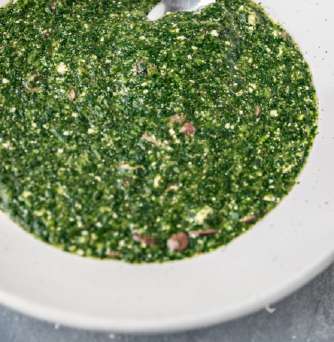
For emphasis, these soups include, though are certainly not limited to a vibrant selection of traditional delicacies that define the richness of Ekiti cuisine. Among them is vegetable soup made from fresh, leafy greens, bursting with nutrients and deep, earthly flavours. There is also Egusi soup, thick and hearty, and prepared from melon seeds and enriched with assorted meats like cow skin, popularly known as ponmo, bush meat, beef, dried fish, and spices for a deeply satisfying taste. Equally beloved is Okra soup, known for its distinct texture and comforting warmth, as well as Gbegiri, a smooth velvety bean soup that offers a mild, yet tasty contrast. Completing this exciting lineup is Ewedu soup, light and slippery, often served to complement richer soups and enhance the overall eating experience. Together, these soups elevate pounded yam beyond a simple staple into a truly immersive culinary journey, each one contributing its own quota, unique taste, texture and cultural significance. And the result? A harmonious blend that delights the plate and makes every swallow as memorable.
If one may ask, why do Ekiti people seem so inexorably drawn to pounded yam, and why does this dish inspire such deep affection in that state, compared to many other parts of Nigeria?

To begin with, pounded yam in Ekiti is believed to be a cultural emblem. The state’s fertile soil and favourable climate, make yam cultivation suitable. So, yam has long been abundant, accessible, and central to local agriculture and dietary pattern. But beyond availability, there is a powerful cultural and social dimension. For instance, in Ekiti State, pounded yam is often associated with hospitality, celebration and prestige. Regularly, pounded yam appears at family gatherings, festivals, and important ceremonies, where its preparation, traditionally involving rhythmic pounding, carries a sense of communal participation and heritage.
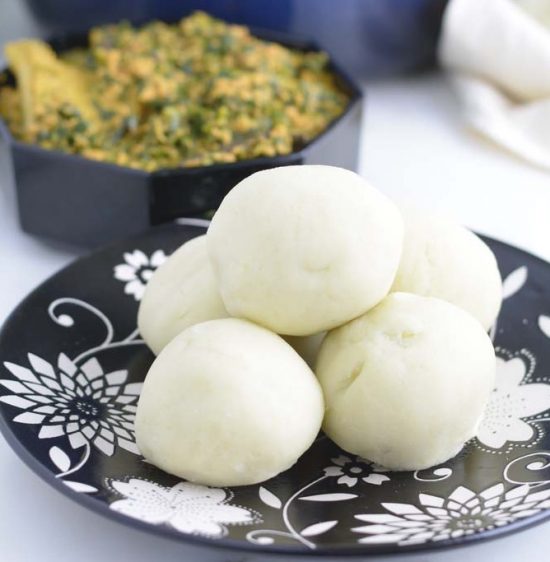
But what exactly makes pounded yam a big deal in Ekiti State? Victor Oluwafemi, an aid worker from Irele Ekiti, offers a lively perspective on the cultural significance of pounded yam in his state. In his view, no celebration is truly complete without it. To him, its absence at a party or an important gathering is almost unthinkable, a sign that something essential is missing. Speaking with pride, he adds: “Let me shock you. Do you know that an Ekiti man or woman can actually eat pounded yam in the morning, afternoon and evening?” His words capture not only the deep affection for the dish but also its everyday relevance in Ekiti life. For him and others, pounded yam is also not reserved for special occasions only. It is a staple that fits seamlessly into any time of the day. He continues, half in jest but totally sincere: “As and Ekiti man, I can eat pounded yam as late as 2 a.m., can you bet that?” This playful boast underscores a broader cultural truth.

Yetunde Fausat Fakorede and Folasinnu Tomilola, both staff of Ekiti State Local Government Service Commission, Ado Ekiti, also share their perspectives, aligning closely with the views of Oluwafemi. According to the two ladies, they were raised to see pounded yam as more than ordinary food. It was presented to them in their younger years as the king of swallows, unmatched in taste, texture and cultural value. In their opinion, pounded yam is as fitting on the table of kings as it is in the homes of everyday people.
As delightful as pounded yam is: smooth, stretchy and deeply satisfying, there is another side to the story often overlooked, which is the labour behind its preparation. Traditionally, pounding yam is no small task. It demands strength, patience and skill as the boiled yams must be repeatedly struck with pestle and turned in a mortar many times until it reaches that expected perfect, lump-free level. It is often said, sometimes humorously, that many non-Ekiti wives encounter this demanding task early in their marriage, as they adapt to the customs and daily practices of their new households. While this expectation reflects the value placed on tradition, it also highlights just how physically demanding the process can be most times.
Thankfully, modern technology has stepped in to ease the burden of some of these non-Ekiti wives. No doubt, the introduction of yam pounder has transformed this once strenuous experience into a far more convenient and accessible chore. With the push of a button, families can now enjoy the same beloved delicacy without the intense physical effort it once required. This way, tradition and innovation meet harmoniously. In conclusion, if pounded yam truly brings people together across different backgrounds, standing as a shared cultural treasure that adds meaning and warmth to every gathering, then its enduring appeal is no surprise. And everybody in Ekiti State, it seems, agrees that it is more than just a dish. There is also a consensus that it is a symbol of identity, pride, and heritage, and a timeless expression of culture passed down from one generation to the next. So, for Ekiti people, this deep connection gives every reason to cherish and celebrate it. In addition, its unique blend of taste, versatility, and cultural significance makes it not just a meal, but an experience, one that continues to strengthen bonds, preserve tradition and keep a rich culinary legacy going.