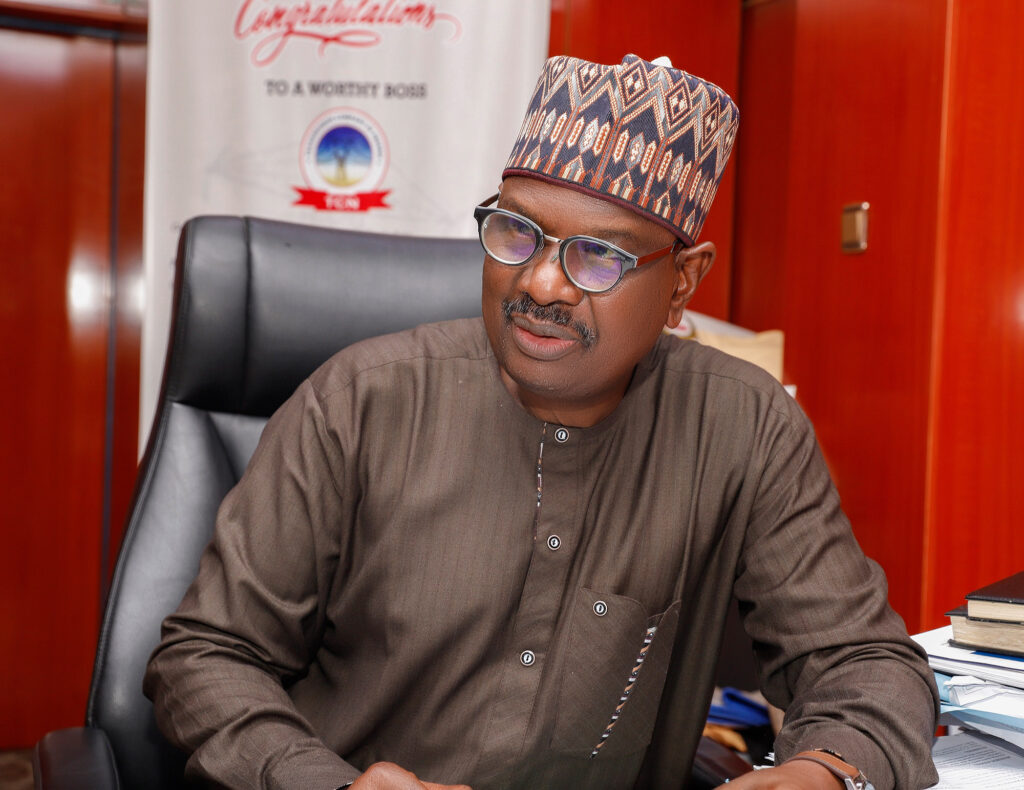

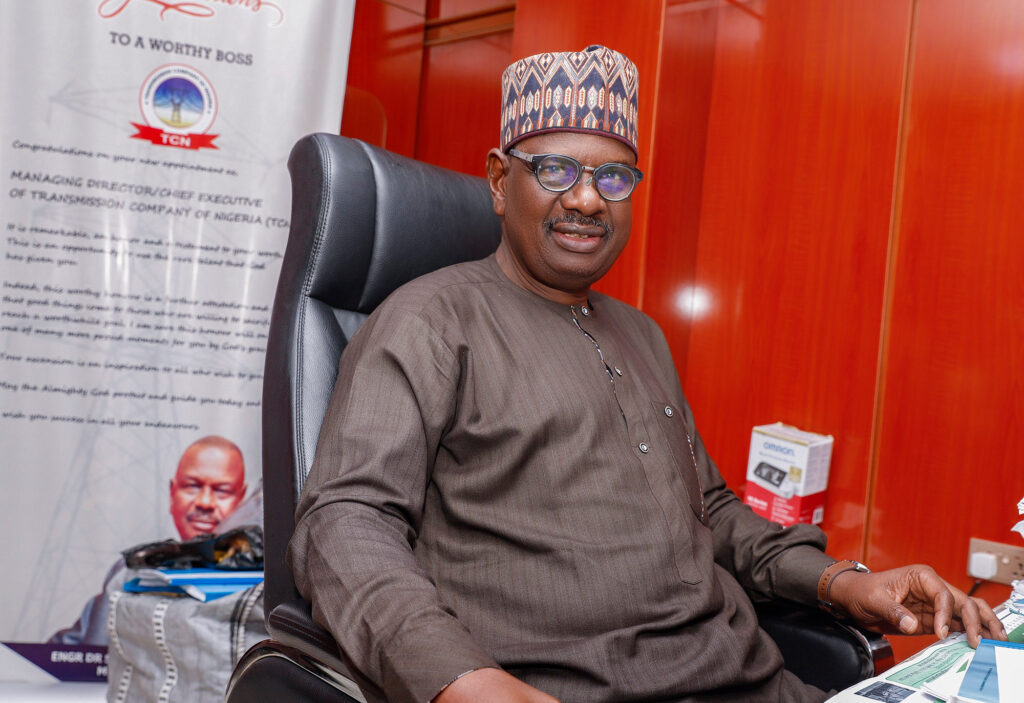
Under the visionary leadership of Engr. Sule Ahmed Abdulaziz, the Transmission Company of Nigeria (TCN) has achieved remarkable milestones in building a stronger, smarter, and future-ready electricity transmission network.
By Aromeh Attah
Through the diligent implementation of the Nigeria Electricity Grid Maintenance, Expansion, and Rehabilitation Programme (NEGMERP), TCN is providing the backbone for Nigeria’s energy transition and positioning the national grid as a catalyst for sustainable economic growth.
The unbundling of TCN into two distinct entities: the Nigerian Independent System Operator (NISO) and the Transmission Service Provider (TSP), pursuant to the Electricity Act (2023), marks a watershed moment in Nigeria’s electricity sector. With the formal take-off of NISO, TCN, in its capacity as TSP, now shoulders the critical responsibility of rehabilitating, expanding, and maintaining the nation’s expansive transmission infrastructure.
At the heart of this transformation is the task of creating a grid capable of efficiently transmitting power from Generation Companies (GENCOs) to Distribution Companies (DISCOs). Under Engr. Sule Ahmed Abdulaziz’s leadership, TCN has undertaken this challenge with unwavering commitment, leveraging NEGMERP as the strategic framework for grid modernization.
The results speak volumes. On March 4, 2025, TCN transmitted a historic all-time peak generation of 5,801.84 MW, accompanied by a maximum daily energy throughput of 128,370.75 MWh, the highest in Nigeria’s history. This milestone demonstrates the grid’s capacity to transmit significantly more power than current generation levels, highlighting its enhanced resilience and operational readiness.
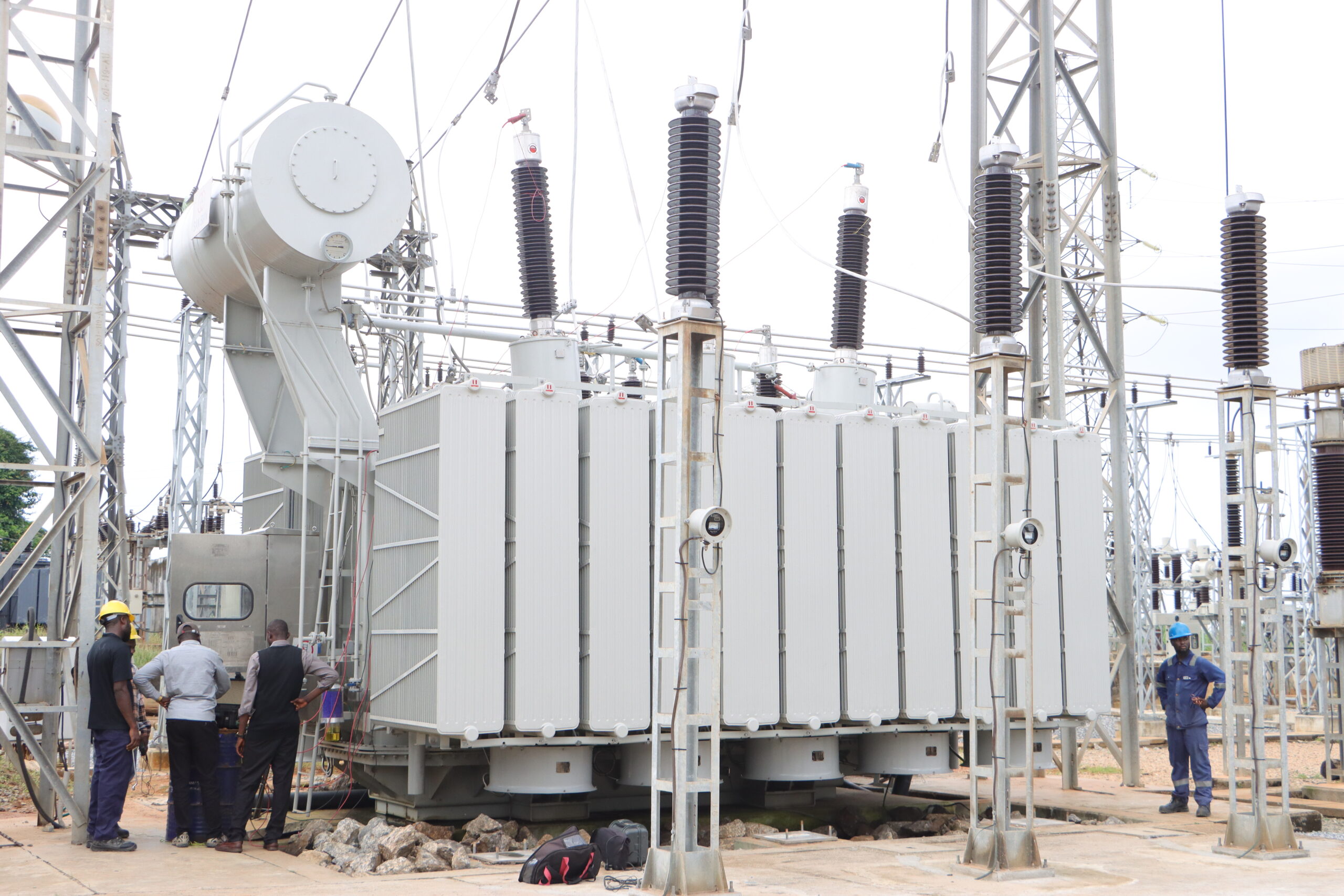
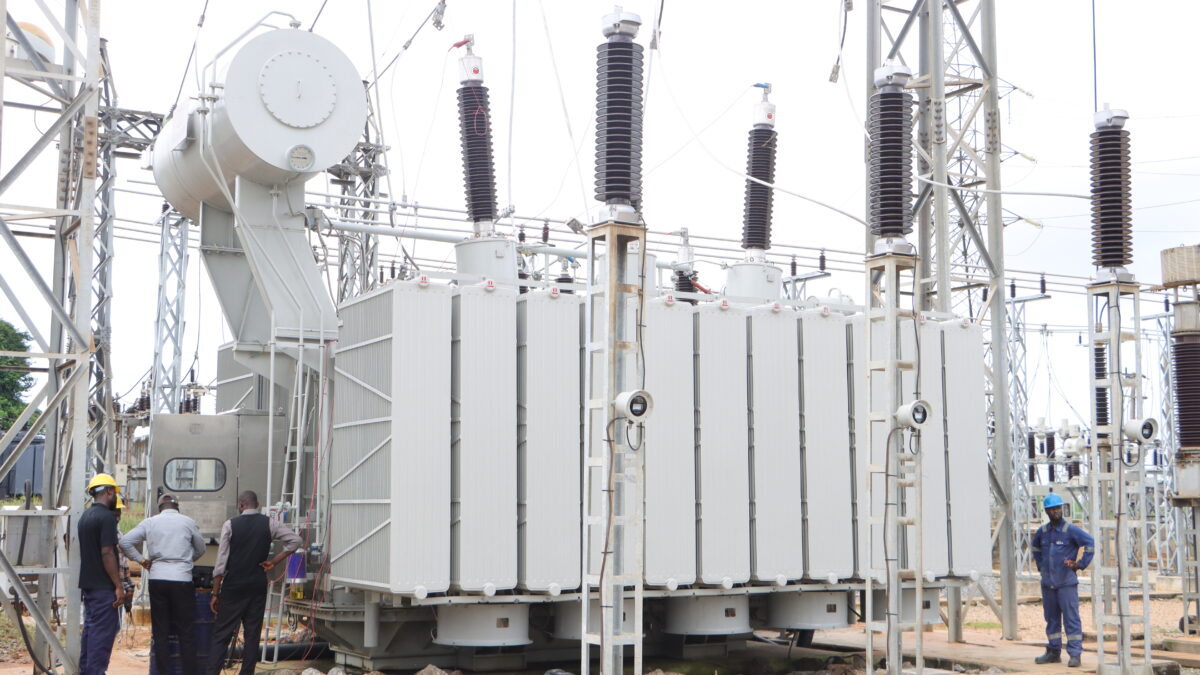
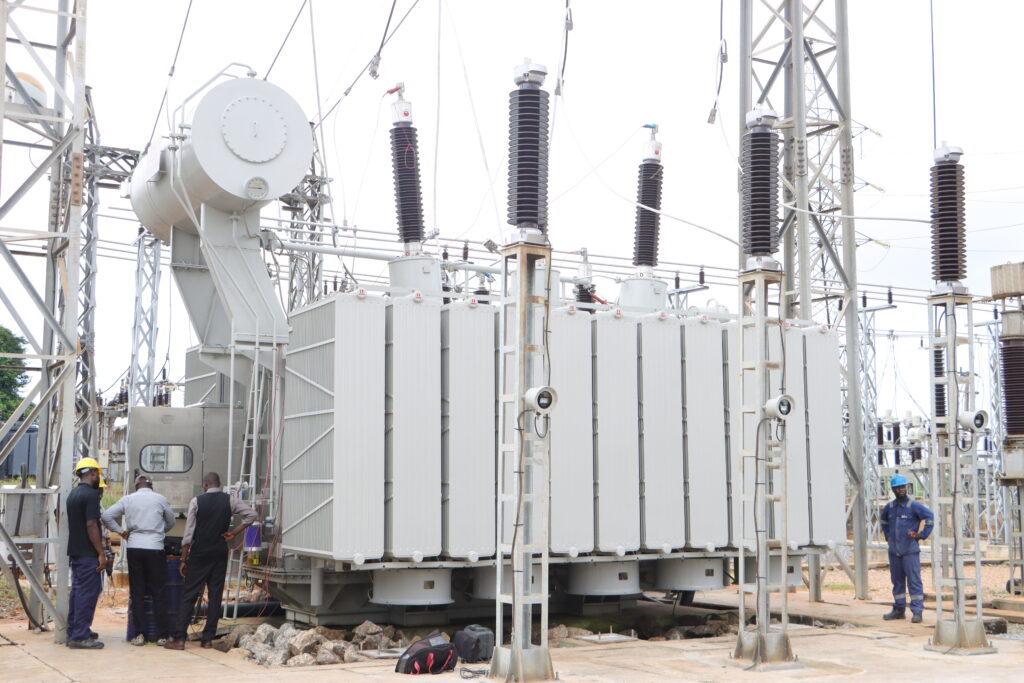
This achievement reflects the systematic efforts of TCN’s management, including the construction of new substations, installation of advanced transformers, reconductoring of aging transmission lines, and rigorous adherence to maintenance schedules. For years, analysts and stakeholders within the Nigerian Electricity Supply Industry (NESI) have identified inadequate investment as the primary limitation to grid modernization. TCN, however, has successfully leveraged a combination of federal government funding through the Presidential Power Initiative (PPI), international financing from development partners such as the World Bank, African Development Bank (AfDB), French Development Agency (AFD), and Japan International Cooperation Agency (JICA), alongside internally generated revenue from wheeling charges, to realize these ambitious projects.
Currently, TCN is executing modernization projects valued at over $1.16 billion, targeting strategic expansion of the national transmission network. “We are upgrading substations, rehabilitating aging lines, and installing modern transformers nationwide,” Abdulaziz explained. “A key part of our strategy is ensuring redundancy for lines and transformers, so that power can continue to flow seamlessly even if one component fails.”
Proactive grid management has also been a hallmark of TCN’s operations. Prompt scheduled preventive maintenance, strategic spare-part stockpiling, and rapid-response teams ensure that disruptions are minimized. Coupled with support from international development partners, these initiatives have rendered the transmission network more stable, reliable, and secure.
TCN’s 17,000 km transmission network is maintained through a rigorous regime of inspections, preventive maintenance, and emergency interventions. Engineers and technical staff are continuously trained to uphold the highest safety and operational standards, equipping them with the skills necessary to repair and reinforce transmission infrastructure—a strategy that has significantly reduced downtime.
To complement physical infrastructure improvements, TCN has invested heavily in digital technologies for project management, asset tracking, and real-time monitoring. Strengthening the Operations Department with data-driven tools has enabled predictive maintenance, proactive failure mitigation, and enhanced operational transparency. “Through technology, we can prioritize investments where reinforcement is most needed, continuously monitor grid health, and ensure reliable power delivery to consumers,” Abdulaziz stated.
TCN is also integral to the Presidential Power Initiative (PPI), commonly referred to as the Siemens Project. Under Phase One, ten mobile substations and ten transformers have been delivered, with installations ongoing. While the Federal Government of Nigeria directly manages the project, TCN provides support in site preparation, integration, and grid connection, aiming to elevate the nation’s transmission capacity to 12,000 MW.
Looking ahead, TCN is spearheading the integration of renewable energy into Nigeria’s power mix, constructing evacuation lines and substations dedicated to solar and wind projects. Advanced grid management technologies have been deployed to accommodate the variability of renewable energy, ensuring system stability while facilitating greater participation of clean energy. These initiatives align with Nigeria’s broader energy transition goals and global climate commitments.
Driving Regional Energy Integration
Beyond national ambitions, Engr. Abdulaziz chairs the Executive Board of the West African Power Pool (WAPP), positioning Nigeria as a driver of regional electricity market integration. Initiatives such as the North Core Interconnection, linking Nigeria with Niger, Benin, and Burkina Faso, are progressing steadily. Upon completion, Nigeria will be able to export surplus power, generate foreign exchange, and access reciprocal support during national generation shortfalls. “These regional projects strengthen not only our domestic grid but also Nigeria’s role as a regional energy hub,” Abdulaziz emphasized.
Abuja Feeding Scheme: Anticipating the Nation’s Power Needs
A centerpiece of NEGMERP is the Abuja Feeding Scheme, a forward-looking initiative funded in collaboration with the French Development Agency (AFD). This “Ring Project” exemplifies TCN’s anticipatory approach to growing electricity demand, comprising the construction of critical substations and transmission lines to strengthen bulk power delivery for the Federal Capital Territory (FCT) and surrounding areas. Power from these facilities is off-taken and distributed by the Abuja Electricity Distribution Company (AEDC).
Initiated in 2018, the Abuja Feeding Scheme encompasses six component projects: transmission lines from Lafia to New Apo and within Abuja (Lots 1 and 2), substations at New Apo, Lugbe West Main, Kuje, Wumba-Lokogoma (Lots 3–5), and the Gwarinpa Transmission Substation (Lot 6). Upon completion, the New Apo Substation will add approximately 240 MW to the grid, enhancing supply to critical facilities such as the African Medical Center of Excellence, densely populated districts, residential estates, SMEs, and industrial hubs.
The Kuje Transmission Substation, with three 60MVA transformers, will contribute 144 MW to the grid, supporting AEDC load centers in Kuje and Dafara, while Wumba-Lokogoma, nearing completion with 2x60MVA 132/33kV capacity, will link to New Apo via a 5 km underground 132kV XLPE cable, strengthening grid resilience. The Gwarinpa GIS Substation, commissioned in November 2022, adds 96 MW and serves communities including Dawaki, Gwarinpa, Dutse Alhaji, and Life Camp.
By creating interconnected, redundant power pathways, the Abuja Ring Project ensures a robust, resilient, and fault-tolerant grid. Energizing these substations transforms the FCT into a more productive, economically vibrant region while supporting sustainable urban growth.
Combating Vandalism and Right-of-Way Encroachments
Despite these achievements, TCN continues to contend with vandalism and right-of-way encroachments. In 2024 and 2025 alone, the company expended billions of naira repairing damaged towers and lines. Abdulaziz’s management has partnered with state governments, local communities, and security agencies to protect transmission corridors through public sensitization campaigns and deployment of task forces. Advanced surveillance systems are also being deployed to deter vandalism and prevent revenue losses.
A Grid for Growth and National Aspirations
Today, TCN has the capacity to wheel 8,100 MW across 330kV and 132kV networks, efficiently connecting generation to distribution with confidence and stability. Under Engr. Abdulaziz, TCN is not merely building infrastructure; it is energizing the aspirations of Nigerians, empowering communities, industrial hubs, and the broader economy. Through NEGMERP, strategic investments, digital innovations, and regional collaboration, TCN under Abdulaziz is delivering a transmission network that is modern, resilient, and capable of supporting Nigeria’s energy ambitions for decades to come. By reinforcing the grid, integrating renewable energy, and expanding regional connectivity, TCN is lighting up communities, energizing industries, and enabling sustainable growth across the nation.