

Type 2 diabetes and obesity have become defining health challenges of our time, but neither must dictate the quality or length of life. With informed choices, timely medical care and sustainable lifestyle changes, the journey towards healthier weight, steadier blood sugar and greater wellbeing is both possible and profoundly worthwhile.
By Nwakaego Ndubuisi (MD)

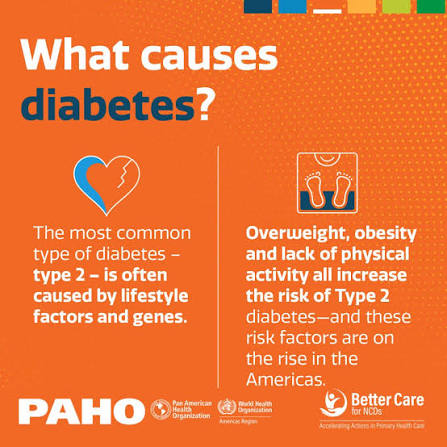
Type 2 diabetes and obesity are among the most consequential health challenges of modern life, often travelling together and reinforcing each other. Type 2 diabetes occurs when the body becomes resistant to insulin or gradually loses its ability to produce enough of it, causing blood glucose to rise. Obesity, meanwhile, is a complex chronic condition influenced by diet, physical activity, genetics, sleep, environment and other factors. Together, they can increase the risk of heart disease, stroke, kidney problems, nerve damage, vision loss and other serious complications. Yet neither condition should be regarded as an inevitable sentence. With early attention and sustained care, blood glucose and body weight can often be improved substantially. The most effective approach is rarely a single remedy. Rather, it is a thoughtful combination of healthier eating, movement, weight management, appropriate medication, adequate sleep, regular monitoring and, for some people, specialist treatment.


1. Adopt a Smarter, Balanced Diet
Food is central to the management of both conditions. A sensible eating pattern does not have to be joyless or extreme; it is about making better choices consistently. Meals should emphasise vegetables, fruits in appropriate portions, beans and other legumes, whole grains, lean sources of protein and healthier fats, while reducing heavily processed foods, excessive saturated fat, added sugars and sugary drinks. Portion control matters as much as food quality because excess calories can make weight management more difficult. Rather than pursuing fashionable crash diets, people with type 2 diabetes and obesity should aim for a sustainable eating pattern suited to their culture, preferences, medical needs and lifestyle. Water is generally a better everyday choice than sweetened beverages. A qualified health professional or dietitian can help create an eating plan that is both practical and enjoyable.


2. Make Physical Activity a Daily Habit
The human body responds remarkably well to regular movement. Exercise helps muscles use glucose more effectively, supports weight control and can improve blood pressure, cholesterol, sleep and overall wellbeing. For many adults, a useful target is at least 150 minutes of moderate-intensity activity each week, such as brisk walking, cycling or swimming, complemented by muscle-strengthening activities on at least two days. But exercise need not begin dramatically. Someone who has been inactive can start with short walks and gradually build duration and intensity. Everyday movement counts too: taking the stairs, walking during breaks, gardening or simply spending less time sitting can contribute to a more active life. The important principle is consistency. Physical activity should become part of one’s routine rather than a temporary punishment undertaken solely to lose weight.


3. Pursue Gradual, Meaningful Weight Loss
For people living with obesity and type 2 diabetes, losing even a modest amount of weight can have meaningful health benefits. A reduction of about 5 to 7 per cent of starting body weight may improve blood glucose, blood pressure and cholesterol, while greater weight loss can bring additional benefits for some people. The objective, however, should not be an unrealistic transformation achieved through starvation or extreme dieting. Sustainable weight management comes from creating habits that can be maintained for years. Setting small milestones; such as reducing portion sizes, becoming more active and gradually losing weight, can be more productive than chasing rapid results. Because obesity is a chronic condition, maintaining progress can require continuing lifestyle changes even after the initial weight has been lost. A personalised plan, developed with professional guidance, can make the journey safer and more achievable.
4. Give Sleep and Stress the Attention They Deserve


Diabetes and obesity are not managed solely at the dining table or in the gym. Sleep and emotional wellbeing also matter. Most adults should aim for roughly seven to eight hours of sleep each night. Poor or inadequate sleep can affect energy, appetite, mood and blood glucose control, making healthy choices more difficult. Stress can similarly disrupt routines and encourage emotional eating or inactivity. Creating a regular sleep schedule, reducing stimulating activities before bedtime and developing calming routines can help. Stress-management techniques may include walking, breathing exercises, meditation, prayer, reading, music or spending meaningful time with supportive people. Persistent anxiety, depression, severe sleep problems or overwhelming stress deserve professional attention rather than being dismissed as personal weakness. Managing the mind, therefore, is not an optional luxury; it is part of managing the whole person.

5. Use Diabetes and Weight-Loss Medicines When Appropriate
Lifestyle changes are fundamental, but they are not always sufficient. Some people with type 2 diabetes require medication to keep blood glucose within a safe range, while others with obesity may benefit from prescription medicines specifically designed to support weight management. Contemporary treatment includes medicines that can lower blood glucose while also promoting weight loss, including GLP-1 receptor agonists and the newer dual GIP/GLP-1 medicines. These treatments can be valuable for appropriate patients, but they are not universal solutions and should be selected according to individual health circumstances, possible side effects, other medicines and medical history. They also work best as part of a broader treatment programme rather than as substitutes for healthy eating and physical activity. Prescription medicines should never be started, stopped or shared without professional guidance.

6. Monitor, Review and Personalise Treatment
Successful management is an evolving process, not a once-a-year conversation. People with type 2 diabetes need appropriate monitoring of blood glucose and regular assessment of blood pressure, cholesterol, kidney health, vision, feet and other potential complications. Weight should also be followed, but the scale should not become the sole measure of progress. Changes in energy, mobility, sleep, blood pressure and glucose control can be equally important. Treatment may need adjustment over time because type 2 diabetes can progress and people’s circumstances change. Regular appointments provide an opportunity to review medicines, eating patterns, physical activity, side effects and other health concerns. A personalised treatment plan is particularly important because two people with the same diagnosis may require very different approaches. Good management is therefore less about finding a perfect formula than about finding the right combination for the individual.

7. Consider Metabolic and Bariatric Surgery When Indicated
For some people with severe obesity, particularly when type 2 diabetes remains difficult to control, metabolic or bariatric surgery can become an important treatment option. These procedures alter the digestive system in ways that can produce substantial and sustained weight loss and, in some patients, markedly improve blood glucose control. Surgery is not a cosmetic shortcut and is certainly not appropriate for everyone. It requires careful assessment, preparation, long-term nutritional attention and continuing medical follow-up. Advances in obesity medicine have also changed the way surgery is viewed: it is increasingly regarded as one component of comprehensive metabolic care for appropriately selected patients. The decision should be made jointly with a qualified medical team after considering weight, diabetes control, other health conditions, previous treatment efforts and the potential benefits and risks.
Type 2 diabetes and obesity demand seriousness, but they also reward persistence. There is no miracle cure and no universally perfect regimen. The most promising path is usually a carefully constructed combination of nourishing food, regular movement, sustainable weight management, restorative sleep, emotional balance, appropriate medication and consistent medical supervision. For some, advanced medicines or metabolic surgery may provide an additional avenue to better health. What matters most is beginning early, avoiding dangerous quick fixes and recognising that meaningful improvement can come through steady, informed changes. Anyone living with diabetes, obesity or both should discuss a personalised treatment plan with a qualified healthcare professional before making major changes to diet, exercise or medication.
Nwakaego Ndubuisi is a Medical Doctor