

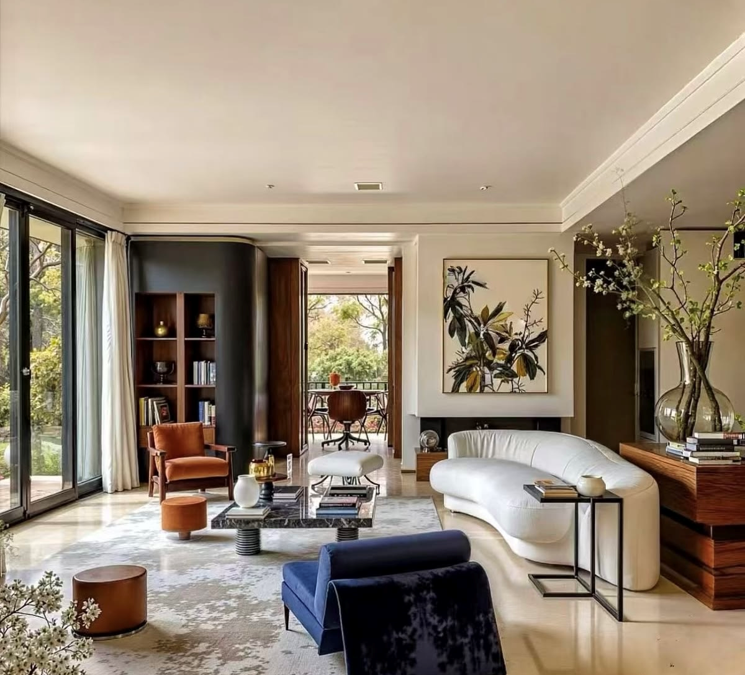
It could be a colour, a shape, or even the visual weight that each piece carries. You might not consciously notice what creates this connection but you feel it when it works. For an interior designer, recognising those relationships is almost instinctive.
By Ada Ekwueme-Oguike

What makes a home memorable?
Across the design landscape, i see more beautiful homes that somehow start to look similar. The finishes, furniture and lighting are all beautiful, but after a while, you begin to notice the same things appearing over and over again.
We’ve seen the kitchens with the Carrara marble and the word “luxury” splashed all over the real estate ads. It’s been used so much that many have been conditioned to think a ₦ 200 million home would apparently never sell without it.
So what makes a home hold its own in a world of tufted headboards and TV wall panelling?
For me, it is simply when a design decision is based on what the owners love. An unusual chair, a headboard that does not follow trends, a kitchen that could to any number of homes.
There is something about those decisions that gives a home its point of view.
So here is a little design diary, some of the rooms and details both in my own work and elsewhere that made me stop and think, I really like this. And, more importantly, why?
The Living Room
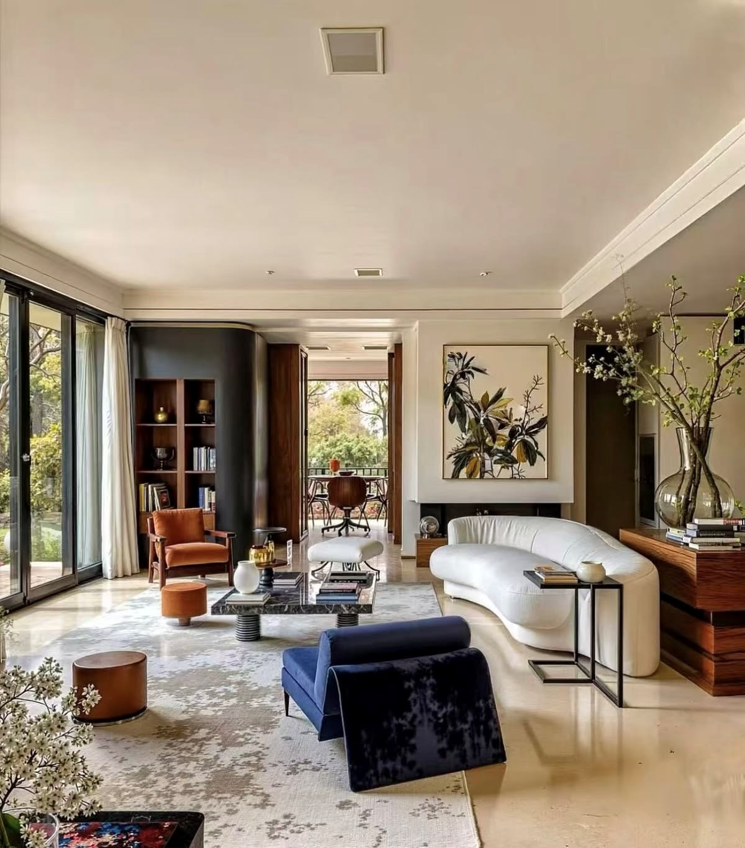
There has never been much appeal in having every piece of furniture in a living room match. It can sometimes feel as though the room dimensions have been handed to a sales rep with instructions to produce a 3-2-1-1 combination of whatever furniture fits. A room needs a bit of tension. A sofa that doesn’t quite look like the chairs. A chair with a completely different shape. Something upholstered, something wooden, something softer and somehow, it all works.
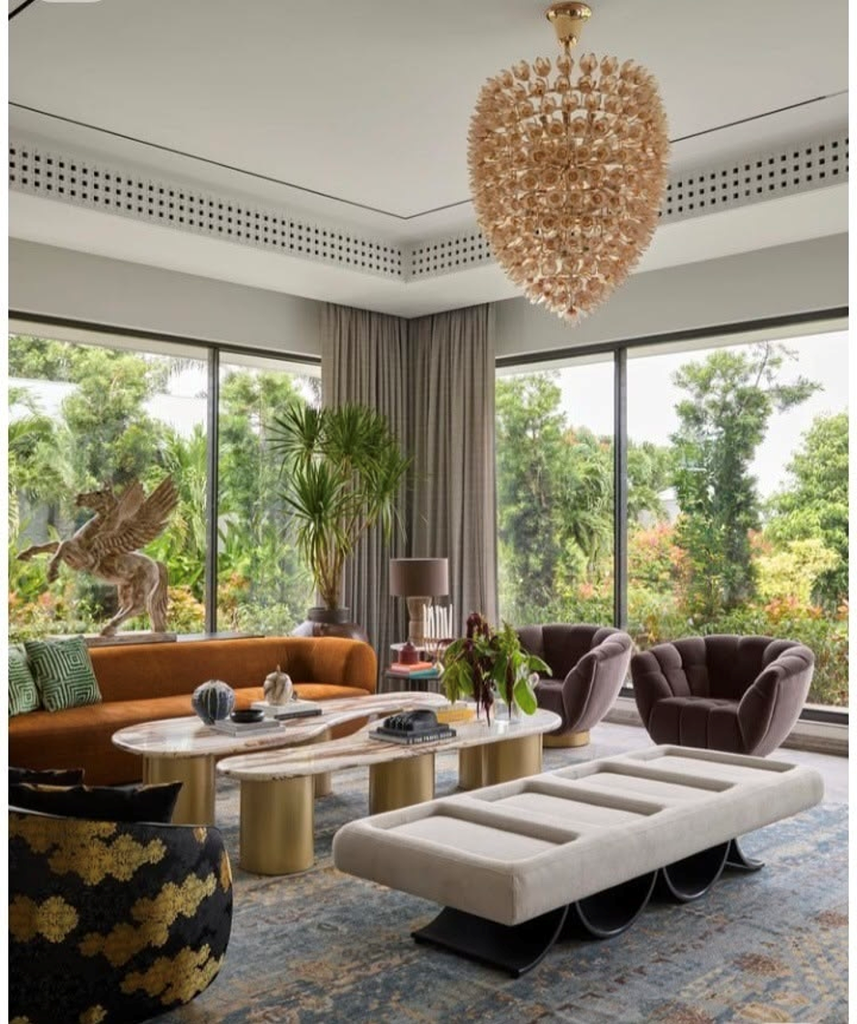
That is the bit I find interesting. It is what makes a house, or a space, feel intentional, but not overly contrived.
However, there is a difference between furniture that doesn’t match and furniture that has simply been thrown together. There still needs to be a relationship between the different furniture pieces, something that ties it all together.
It could be a colour, a shape, or even the visual weight that each piece carries. You might not consciously notice what creates this connection but you feel it when it works. For an interior designer, recognising those relationships is almost instinctive.
I like being able to look around a living room and imagine that the furniture wasn’t all bought on the same day from the same showroom. A room that feels collected over time has more presence.
The Kitchen
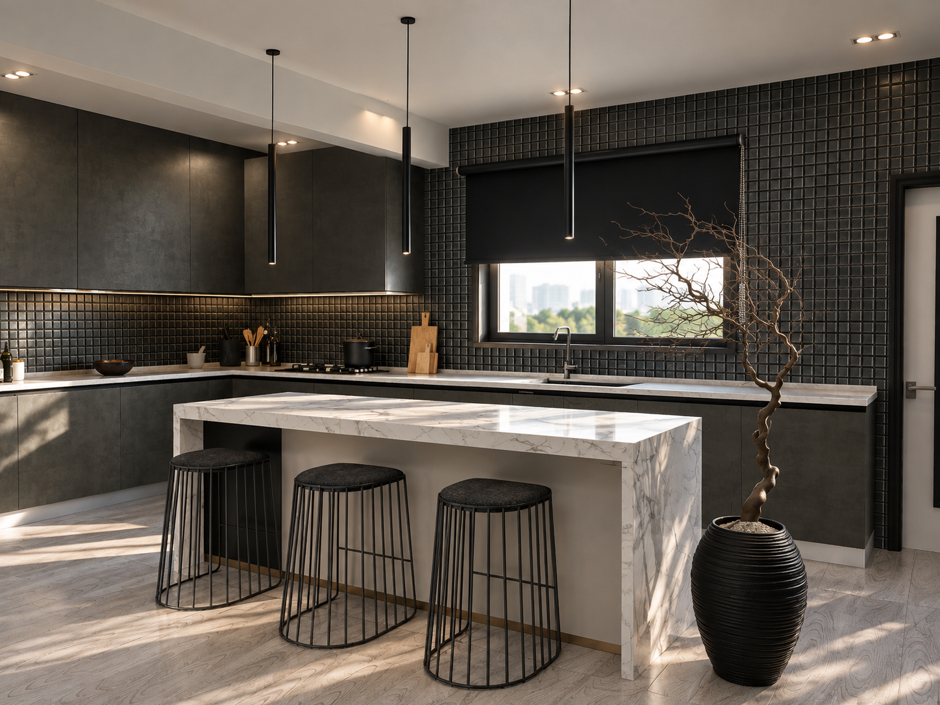
In Nigeria, particularly in new builds, Carrara marble has become almost shorthand for luxury. If your kitchen does not have that white marble with its grey veining, you sometimes feel as though you haven’t quite arrived. Some where along the way, it became expected.
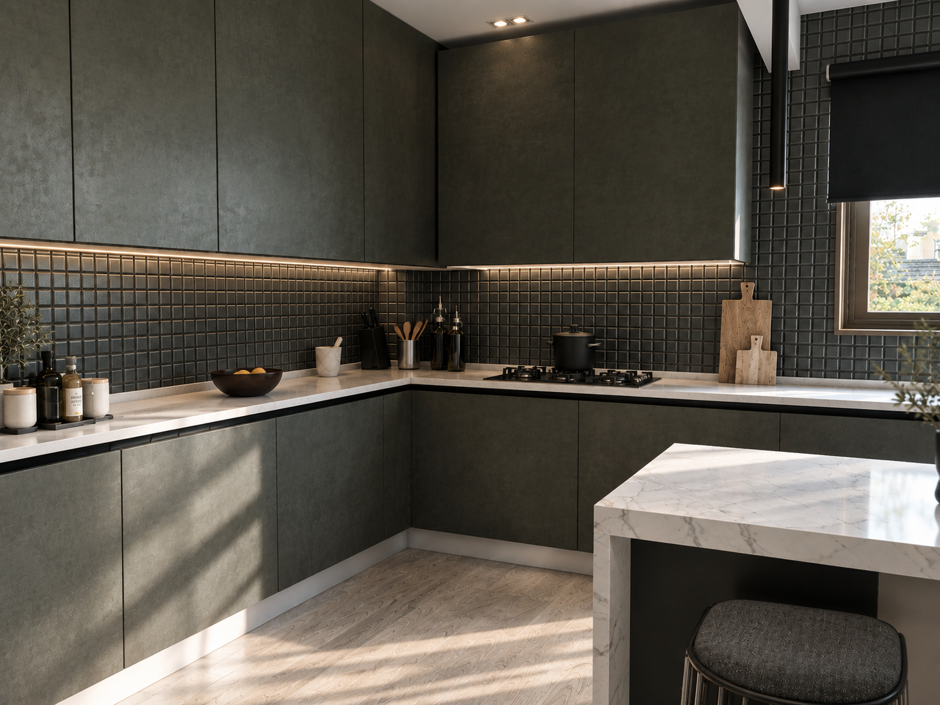
We designed what I liked to call a black box kitchen for some dear clients, it was unusual at the time and, to be honest, it still is. My course director at design school would say at every opportunity: “It is your goal as the designer to create something your clients would never have thought of”
It is a challenging idea, it means going beyond giving clients more of what they already know they would like.
I look forward to a time when we embrace materials and pieces that don’t automatically announce themselves as belonging to a kitchen . Cabinetry that feels more like furniture. A freestanding piece brought into the kitchen instead of another run of cabinets. For me, it is about being willing to step outside the obvious choice.
The Bedroom

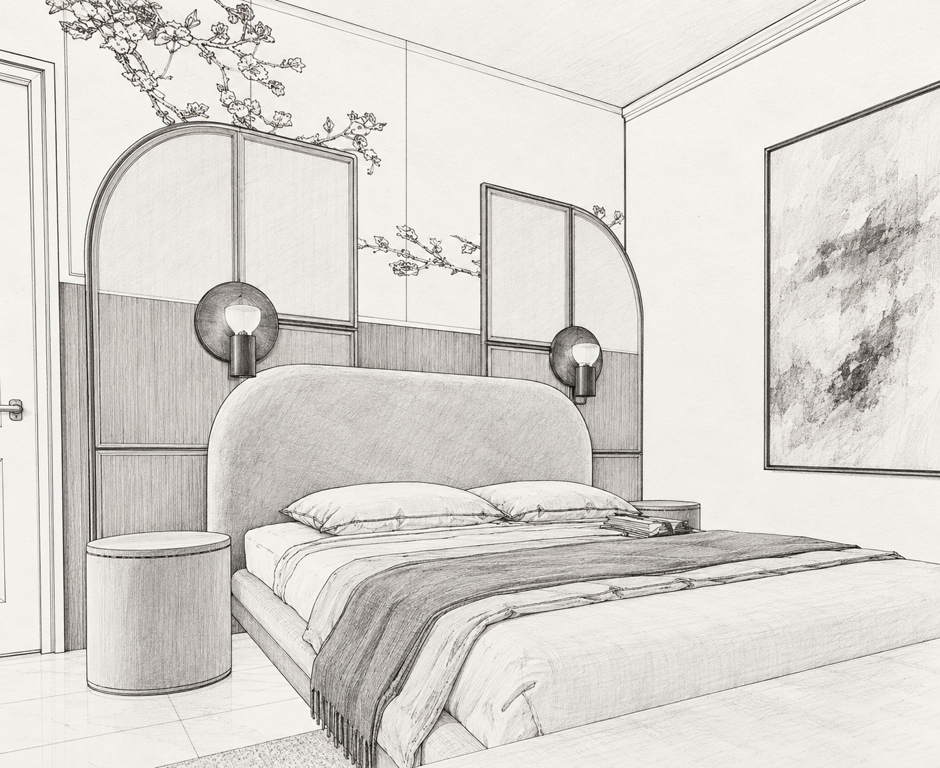
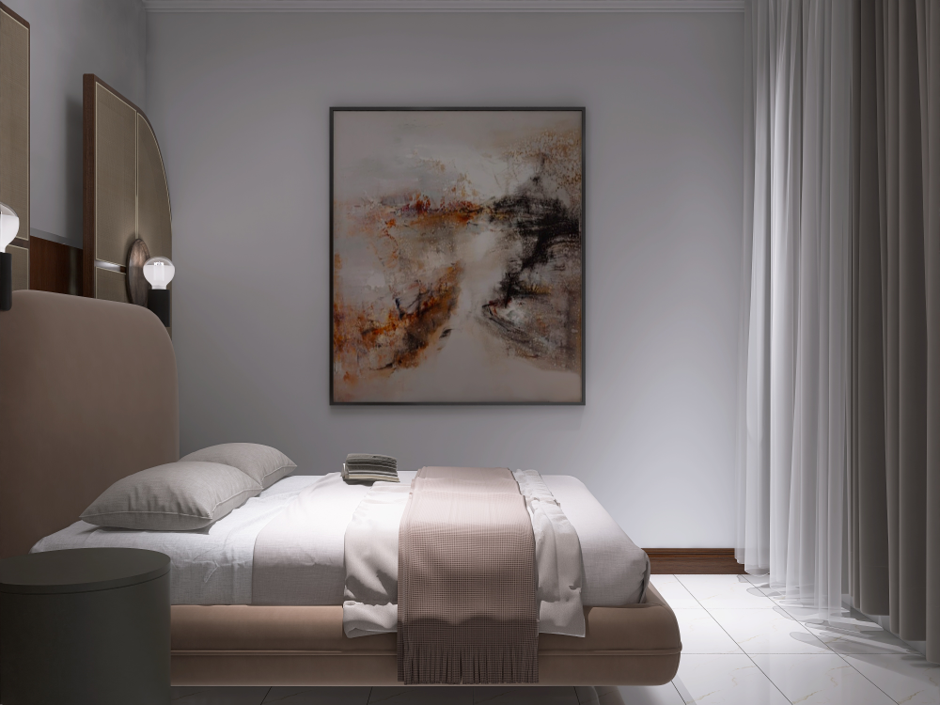
The Bedroom is where I am most drawn to the idea of a room within a room.
It isn’t literal, of course. It is a feeling of having a smaller, more intimate space within the larger bedroom, a place that feels slightly removed from everything else.
There is something about being able to withdraw into that space at the end of the day. There is something about that sense of separation that I find incredibly calming. You are still in the bedroom, but the feeling changes. The curtains soften everything around the bed and create a sense of enclosure without completely closing it off.
And it doesn’t have to be curtains. It could be a canopy, a simple frame, a screen, a raised platform ,something built into the architecture of the room. The idea is simply to give the bed its own territory.
I love the feeling of being able to retreat into that space at the end of the day. The bedroom becomes more than just a room with a bed in it. It becomes a retreat within the room.

The Unexpected Detail

It’s fascinating how interior styling is finding its way into places we would never have thought to decorate before. A video recently popped up on my social media feed of a refrigerator styled with artwork, foliage and the works. Yes, the inside of a refrigerator
Was it ridiculous? Absolutely. Was it interesting? Also, absolutely.
And honestly, I understood both sides.
But what caught my attention was not really the fridge but the willingness to do something completely unexpected simply because.
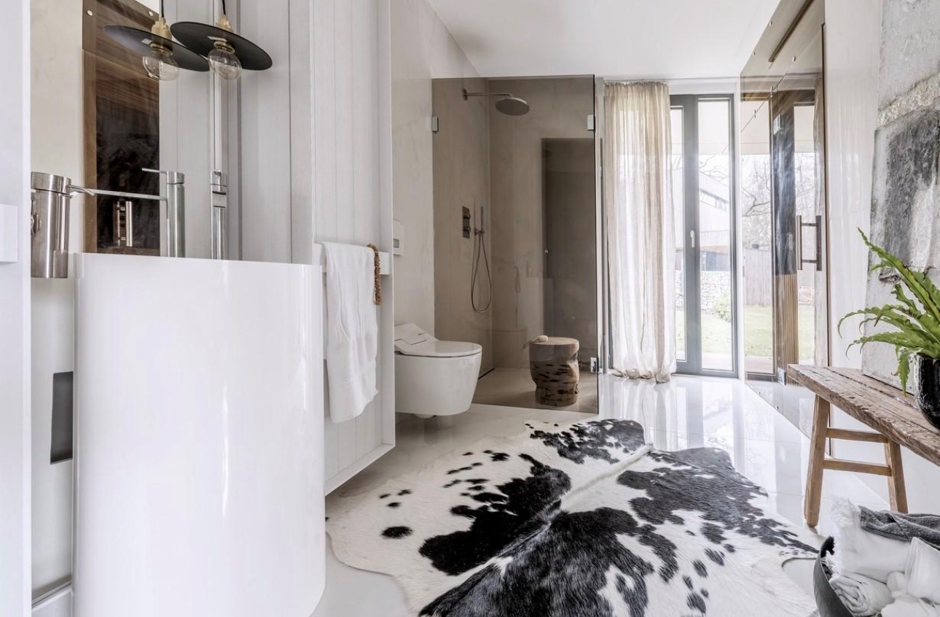
That is the kind of detail I love in a room. Not necessarily extravagant or expensive, but something that catches your attention. . A familiar object used in an unexpected way. A cowhide rug in a bathroom. A home fragrance bottle that blends in with the home aesthetic.
Sometimes it works brilliantly. Sometimes it is completely over the top.
But at least it makes you look twice. And I think that is far more interesting than a room where every decision has been made to look just like the house next door.
The Point of It All
This is my design point of view, the things that catch my attention and influence the choices I make in my work. They may not be everyone’s cup of tea, and that’s perfectly fine. Design is subjective, but it is also a discipline.
Even when the choices are personal, they are still guided by the principles of design: proportion, scale, balance, composition, material and colour. These are the things that allow individual pieces to work together and make a space feel resolved.
Perhaps what I am really drawn to is that meeting point between personal taste and the discipline of design, where something can feel unexpected, but still feel right.

Ada Ekwueme-Oguike is the Creative Director behind Lighthouse Interior Design, a Lagos-based firm reimagining the art of boutique interiors. Specializing in both residential and hospitality projects, Ada’s work is a testament to her love for thoughtful design and storytelling.
Discover more on Instagram @lightwoxng or at www.lighthouseid.com.