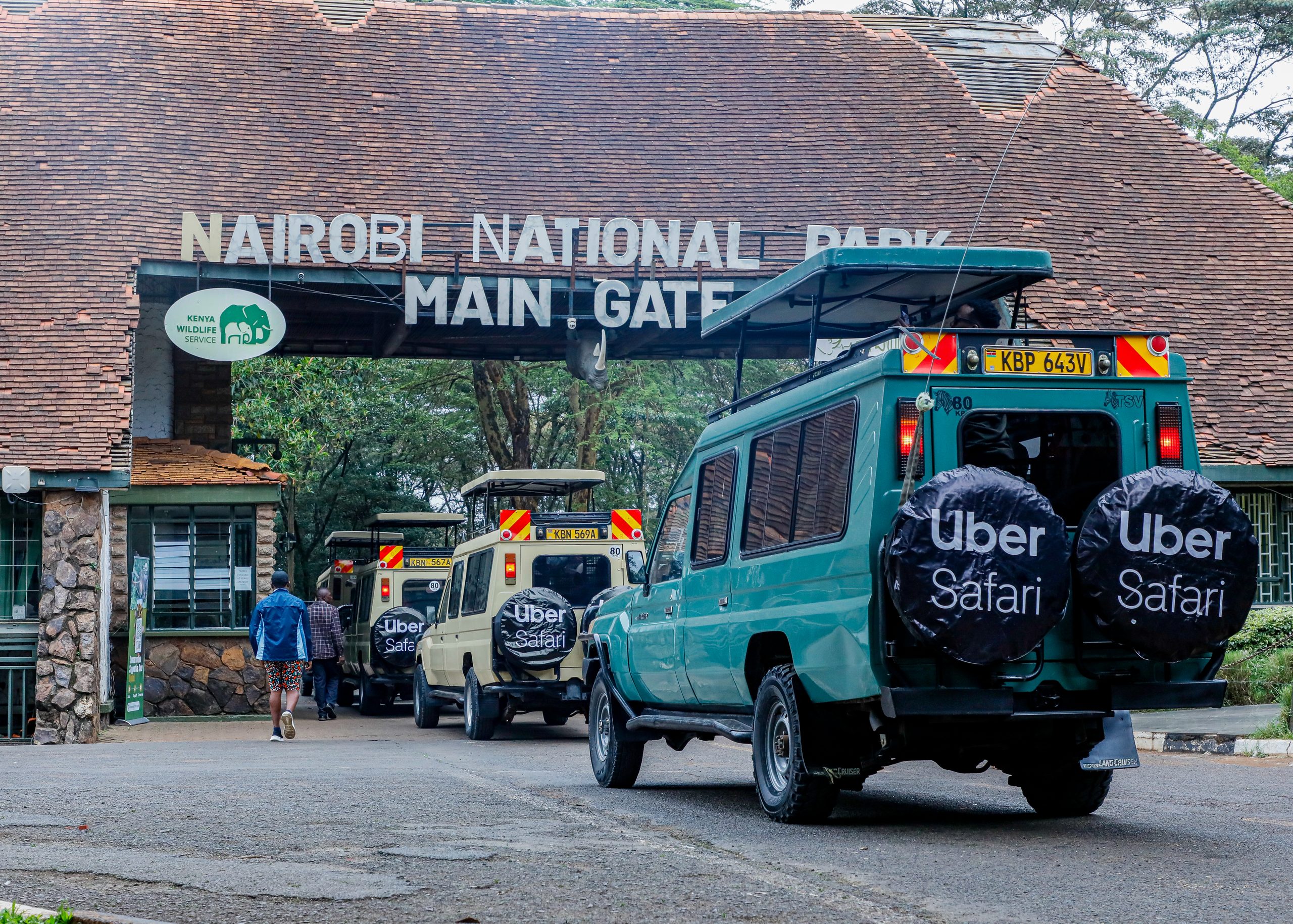

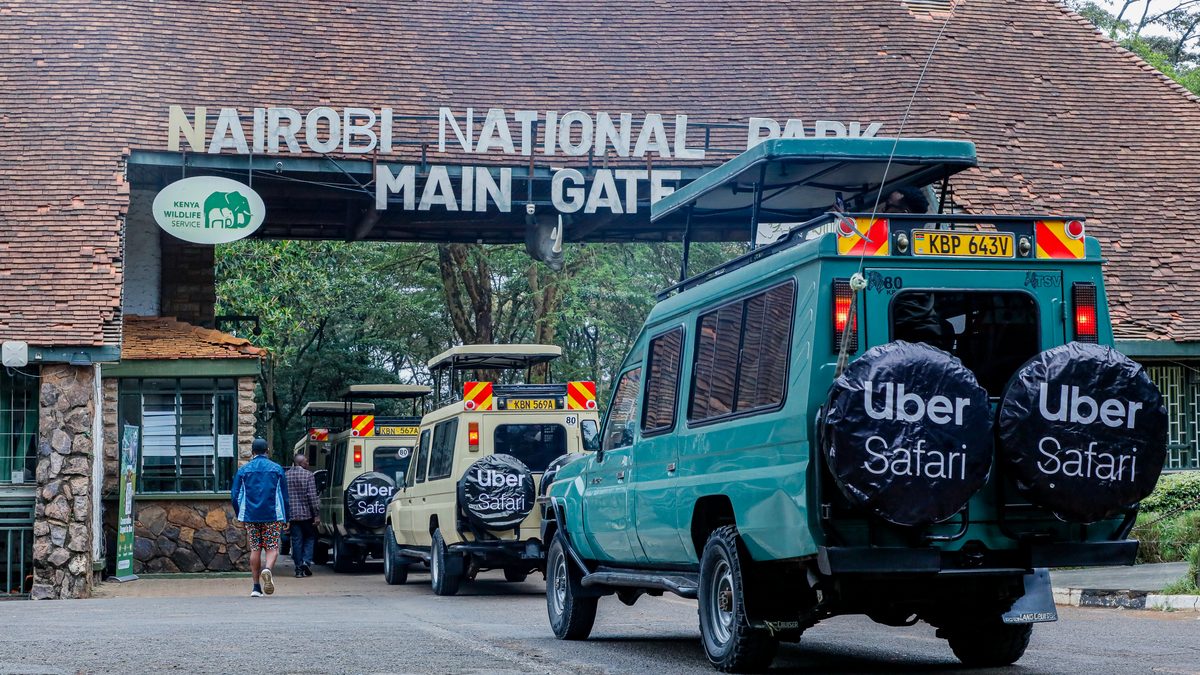
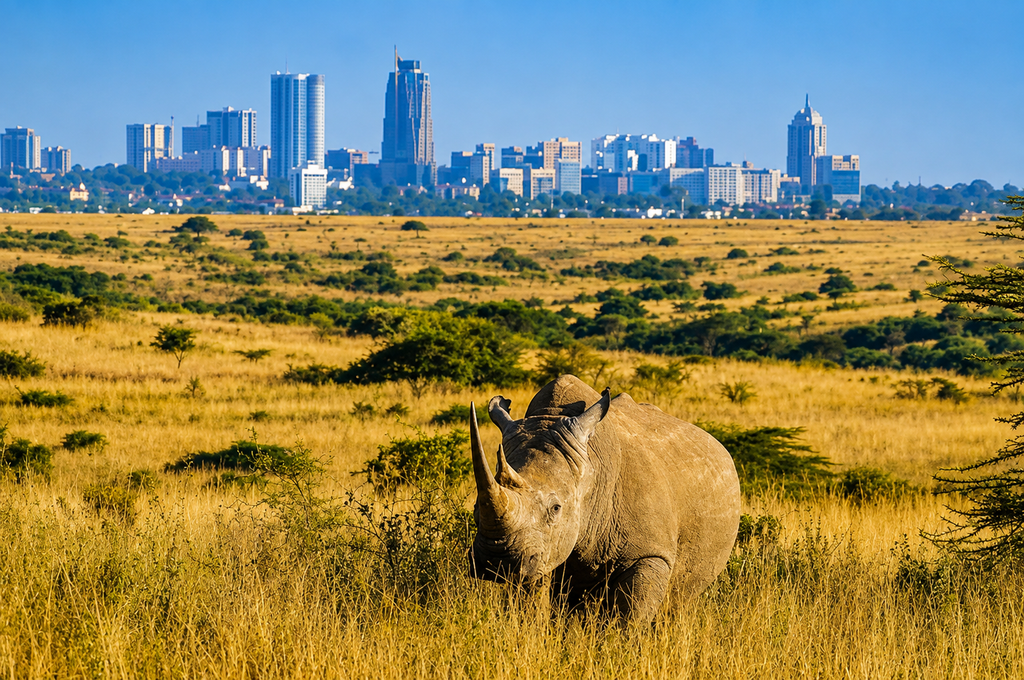
Kenya is home to some of the world’s finest wildlife landscapes, and Nairobi National Park is among its most distinctive. Located 10 kilometres from the Central Business District, the park is remarkably accessible. Set against the backdrop of Nairobi’s towering skyline, the park combines open savannah with free-roaming wildlife, all within sight of a modern African capital
By Chidozie Uzoezie
Most safaris begin with anticipation and a rush of adrenaline. At Nairobi National Park, they begin with serenity. That was my experience during my recent visit to the urban wildlife sanctuary.

Kenya is home to some of the world’s finest wildlife landscapes, and Nairobi National Park is among its most distinctive. Located 10 kilometres from the Central Business District, the park is remarkably accessible. Set against the backdrop of Nairobi’s towering skyline, the park combines open savannah with free-roaming wildlife, all within sight of a modern African capital.
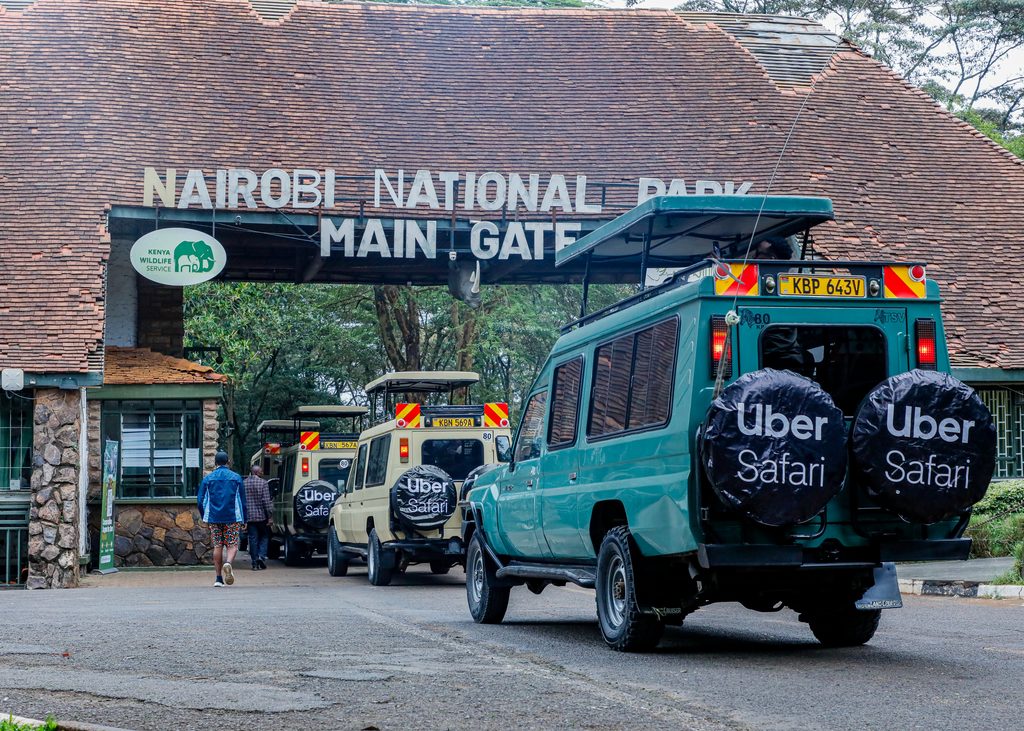
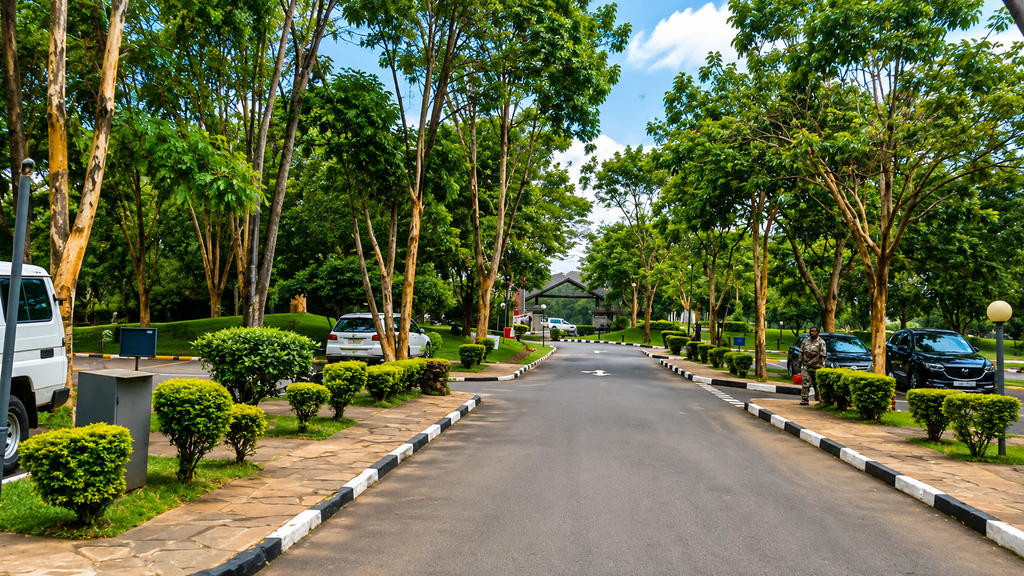
Long before the 4×4 Land Cruiser safari vehicle rumbles across the savannah, before the tour guide scans the horizon for rhinos or giraffes, tourists are welcomed into a space that feels like the grounds of an elegant botanical estate. But it is the entrance to one of Africa’s busiest national parks.
First Impressions
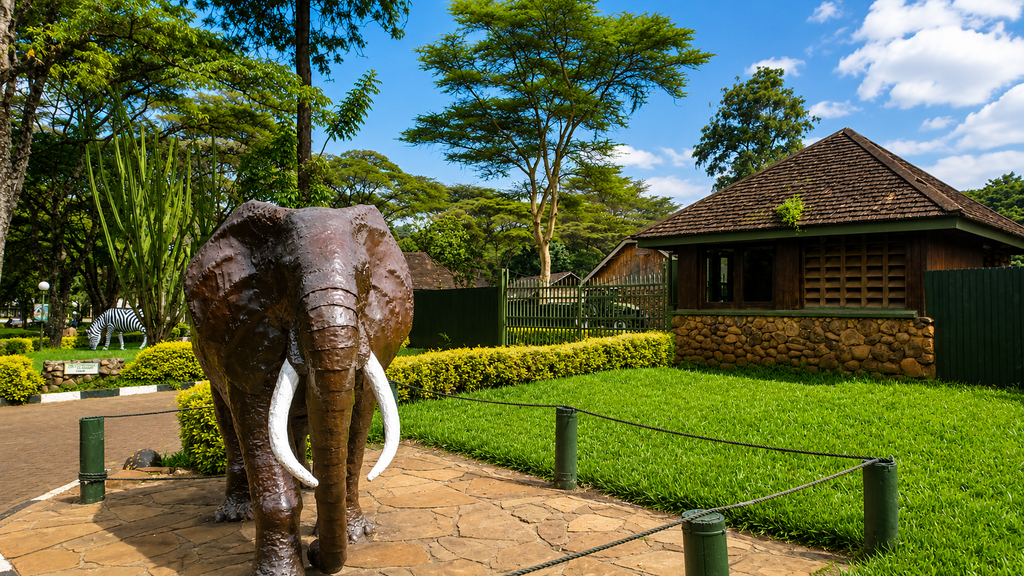
Every safari has a beginning, though not always where one expects to find it. At Nairobi National Park, the experience does not begin with the sudden appearance of the Big Five or the first sweep of grassland beyond the vehicle window. It begins in a place of quiet calm, among manicured lawns, stone-paved walkways and buildings settled beneath the shade of mature trees.
Before the road turns rough and the landscape opens into savannah, there is this quiet prelude, composed with such care that it feels less like the entrance to a national park than the grounds of a secluded country estate. The transition feels effortless.
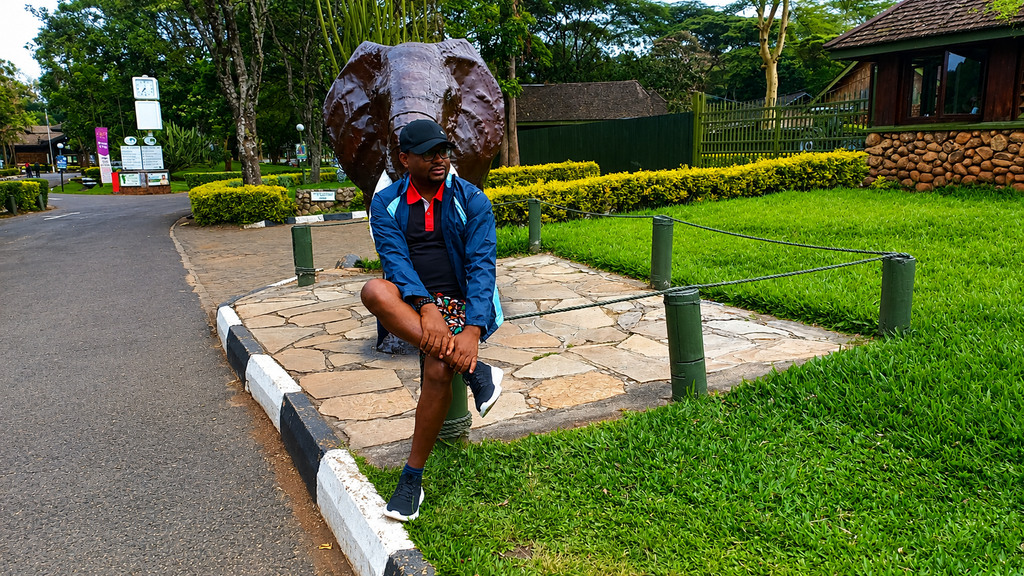
The lawns are the first thing tourists notice. They stretch across the entrance precinct in deep, vivid green, edged by neatly clipped hedges. Stone-paved walkways meander through perfectly clipped lawns framed by neatly trimmed golden hedges.
The clean pathways curve through the grounds, inviting visitors to slow down before the safari begins. As the sun grows in intensity, the towering trees cast generous shade over the grounds, while flowering shrubs soften the edges of stone buildings designed in warm timber and river rock. The elements do not compete for attention but complement each other.
It was my first time at the park, yet there was something strangely familiar about the atmosphere. The blend of cool morning air, birdsong, greenery, and the earthy fragrance of the surroundings carried a sense of recognition. Perhaps it was because the landscape felt familiar. Across much of Africa, the light, the soil, and the trees have a way of stirring memories that are hard to explain. Or perhaps it was simply the feeling of being close to nature again, a feeling so fundamental that it resembles returning rather than arriving.
For me, that sense of familiarity made the transition into the game park even more compelling.

The Game Drive
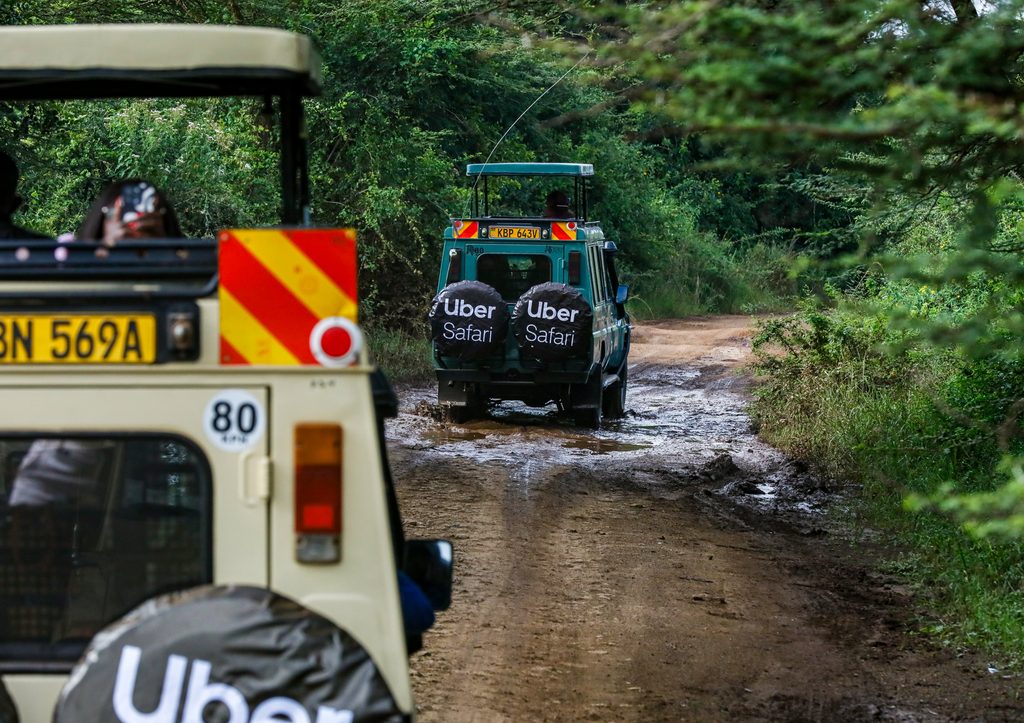
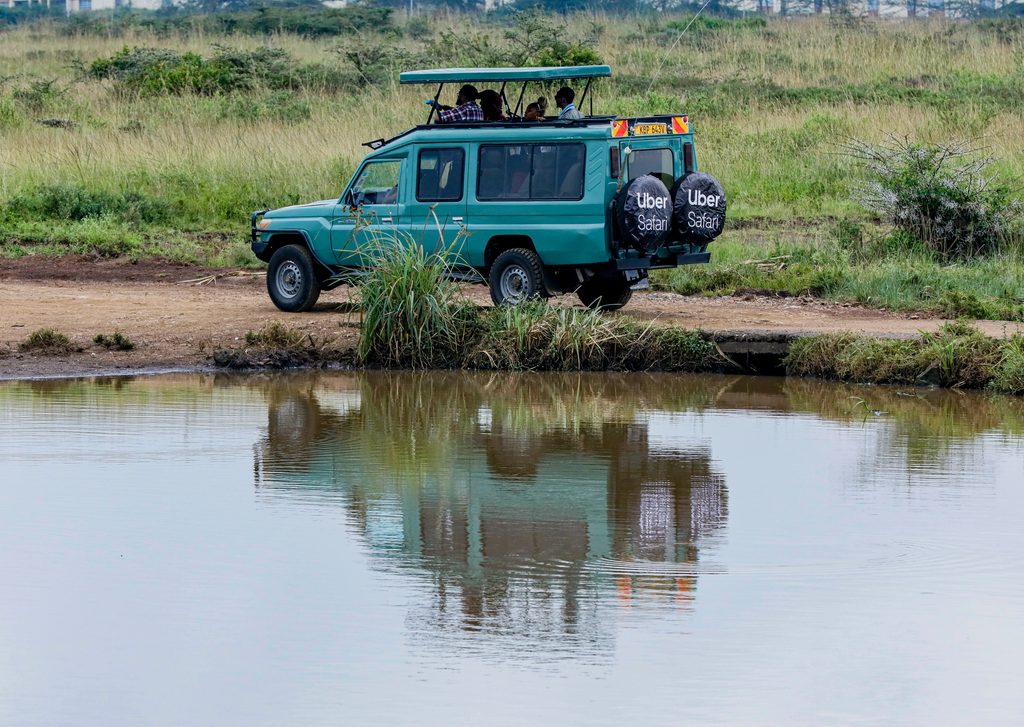
Our vehicle for the morning adventure was a Land Cruiser 4×4 fitted with a pop-top roof hatch. Its purpose was evident in its elevated frame, broad tyres, and sturdy build. Once the roof was raised, the enclosed cabin opened to the sky, offering us an uninterrupted view in every direction, and allowing the cool air, the sounds of birds and the scent of vegetation to flow through the vehicle.
Climbing into a safari vehicle changes your mindset. It is partly practical, the awareness that the journey will leave paved roads behind, but it is also symbolic. The Land Cruiser marks the point where ordinary travel ends and a new terrain beckons. The paved road may disappear into mud. Progress may slow for animals crossing the road ahead. A short distance may take a long time because the point is not to move as quickly as possible, but to notice what reveals itself along the way.
As our safari vehicle moved towards the gate, the landscaped order of the visitor precinct remained visible behind us: the green lawns, the shaded walkways, the clean lines of the buildings and the quiet efficiency of registration and paperwork. Then we crossed the threshold, and the character of the morning changed.

Into the Wild
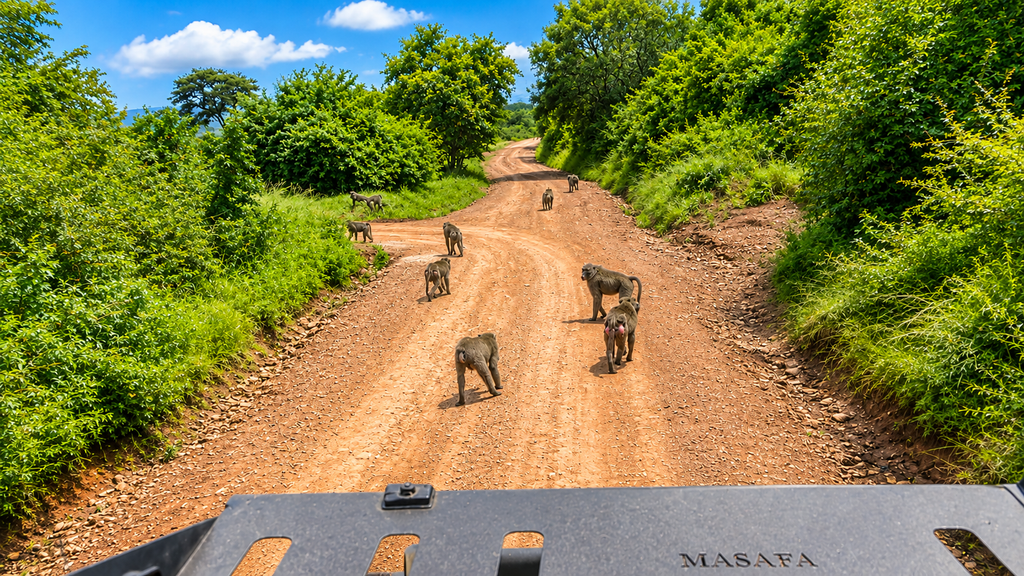
The first wildlife encounter arrived not long after we drove beyond the gate and the city suburb behind us began to fade out of view. I had thought they were monkeys, but I was wrong.
A troop of baboons had gathered in the morning light, occupying the trackside with the easy confidence of residents who had no intention of making way for visitors. Some sat upright on the ground, scanning their surroundings with thoughtful expressions. Others moved through the grass, pausing to forage before continuing. The younger animals were less restrained. They chased, wrestled, and darted between adults, turning the roadside into a playground of sudden movement and comic disorder.
I could have watched the baboons for much longer. Their movements felt strangely familiar without ever becoming predictable. An adult may sit with the gravity of an elder presiding over serious affairs while, only a few metres away, a youngster tumbles through the grass with complete disregard for dignity. Their relationships seem visible in every glance, warning, embrace and brief quarrel. The vehicle stopped, and for several minutes we simply watched. When we moved on, the baboons returned to their morning as though we had never been there. They couldn’t care less.
That first encounter established the rhythm of the drive. Most times, nature does not present wildlife in a particular sequence or summon them to match tourists’ expectations. It appears according to its own habits, sometimes close to the track, sometimes at the edge of vision, and sometimes so well concealed that only the tour guide’s trained eye would detect it. It always comes with a little surprise.
As the adventure gathered momentum, the road continued across open ground, the morning grew brighter, but the air retained its pleasant chill. Grasslands stretched towards clusters of acacia trees, and every silhouette in the distance invited speculation. Through the open roof, our field of vision expanded. We scanned the horizon. Cameras were ready. Then the giraffes appeared.
At first, there was only a long neck above the vegetation, almost indistinguishable from the vertical lines of distant branches. A second shape emerged nearby, followed by another, until several giraffes stood clearly against the morning landscape and Nairobi’s skyline. They moved without haste, their height giving them a natural authority over the plains. Or so it seemed.
Watching a giraffe walk is almost hypnotic. Each step looks slow, yet the animal covers surprising ground. Its neck sways gently. Its patterned coat catches the morning light. Nothing looks rushed. Nothing looks wasted.
Our next sighting required more patience. Near a body of water, the vehicle slowed and stopped. At first, there seemed little to see beyond reeds, muddy banks and a surface disturbed only by faint ripples. Then rounded ears appeared, followed by nostrils and a pair of watchful eyes. Hippopotamuses were resting in the water, their immense bodies concealed beneath the surface.
The sighting was quieter than the earlier encounters. There was no procession across open ground, no playful activity beside the road. The animals remained mostly submerged, revealing only the features necessary for breathing and observation. Their stillness gave the impression of complete ease, though the occasional movement beneath the water sent ripples towards the bank and hinted at the mass hidden below.
A hippopotamus in water seems almost elemental, less an animal occupying the landscape than part of the landscape itself. Mud, reeds, shadow, and body merge until the distinction becomes difficult to make. It is an encounter that rewards close attention. Look away too quickly, and the entire scene may appear empty. Stay with it, and your eyes will begin to adjust to subtle movement.
The previous night’s rain ensured the Land Cruiser earned its keep. Time and again it negotiated waterlogged tracks and climbed out of muddy depressions with a low mechanical rumble before settling back into its steady pace. From beneath the open roof, the movement felt even more dramatic. The cabin rocked, we adjusted our footing, and the landscape shifted at unusual angles before levelling out once more. This was our routine for almost two hours.
The driver who doubled as our tour guide appeared to know the park like the back of his hand. He avoided long speeches and dramatic explanations. His knowledge showed in the way he handled the vehicle and read the terrain. He knew every bend, dip, and muddy channel, judging where the wheels would find grip and where the ground might give way.
From waterlogged paths, the vehicle would return to dry rough ground. Occasionally, the 4×4 would roll through another series of muddy sections, its tyres pushing aside water and gripping the uneven track below. The up-and-down motion inside the vehicle became part of the experience: the tilt before a climb, the brief loss of balance, the sudden correction as the suspension absorbed the terrain. That restraint mattered most when the rhinoceros came into view.
There are animals whose presence creates instant excitement, and others that seem to quieten everything around them. The rhino belongs to the latter. The ones we saw stood against the grassland with a solidity that made the surrounding landscape appear almost fragile. Their bodies looked prehistoric, built from heavy curves and thick folds, their horn rising from broad heads held low towards the earth.
The vehicle stopped. For a moment, camera shutters clicked rapidly. Then even that sound began to fade. A rhinoceros inspires more than admiration. It carries the weight of everything known about its vulnerability, the long history of poaching and the continuing effort required to protect the species.
They moved slowly across the shrubs, untroubled by our attention. Each step was intentional, their power expressed not through speed or aggression but through certainty. That was perhaps the most affecting aspect of the encounter. The rhinos were not there as exhibits or as proof that the safari had been successful. They were simply living, and we were fortunate enough to witness a few minutes of their day.
Beyond The Big Five
The success of a safari is often mistakenly tied to abundance, as though the experience can only be measured by the number of species checked off a list. Yet the deepest memories are rarely so orderly. They are carried in fragments: the raised face of a baboon, a giraffe stepping between acacia trees, the eyes of a hippopotamus just above the water, and a rhinoceros moving through the shrubs.
The memories of a successful safari are also carried in what surrounds the wildlife: the coolness of the morning, the scent of wet ground, the rocking movement of the vehicle and the hush that falls when everyone is looking at the same extraordinary thing.
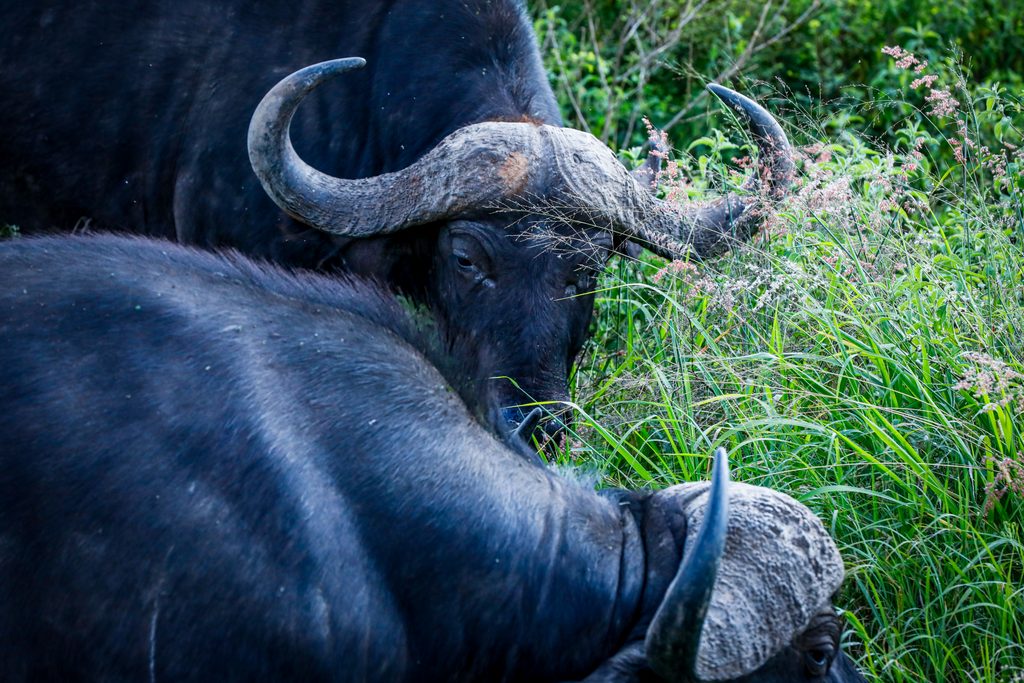
Although Nairobi National Park is home to four of the Big Five—lion, leopard, rhino and buffalo—not every game drive delivers them all. Yes, there were no lions on our route, no dramatic chase across the plains and no perfectly arranged gathering of the Big Five. But none of that mattered.
The baboons brought the park to life with their playful social energy. The giraffes stuck out their necks and moved through the morning with elegance. The hippopotamuses taught us to search beneath apparent stillness. The rhinos gave our safari its emotional weight. Together, they formed an experience that went beyond the logic of a checklist.
By the time the Land Cruiser turned back towards the park’s entrance nearly two hours later, there was no doubt that the morning had delivered a richly rewarding safari experience. The fulfilment came not because we had seen everything. No safari can promise that. Rather, the morning felt complete because we had seen enough.
Final Thoughts
From its beautifully landscaped entrance to the open savannah beyond, Nairobi National Park leaves a lasting impression. Within minutes of leaving the bustle of Nairobi behind, visitors find themselves immersed in a landscape where giraffes roam freely, rhinos graze peacefully, hippopotamuses wallow quietly and troops of baboons go about their daily routines.
As our Land Cruiser made its way back to the entrance after nearly two hours on the trails, I realised I had finally experienced the African safari I had imagined for years. The beautifully manicured gardens that had welcomed us earlier now felt like a gentle bridge back to city life, bringing the journey full circle.
The wildlife is only part of the story. Sometimes, the greatest reward lies in the journey itself: the unhurried pace of the game drive, the sounds of nature, the anticipation around every bend, and the extraordinary contrast between untamed wilderness and the skyline of a thriving African capital.
Long after the game drive ended, I found myself thinking less about the animals I had seen and more about how the park made me feel. Calm. Unhurried. Connected to nature. That, more than anything else, is what makes Nairobi National Park unforgettable.Chidozie Uzoezie is a travel writer, travel influencer, content creator, aviation analyst and newspaper columnist. He can be reached on WhatsApp at +234 817 837 9876.