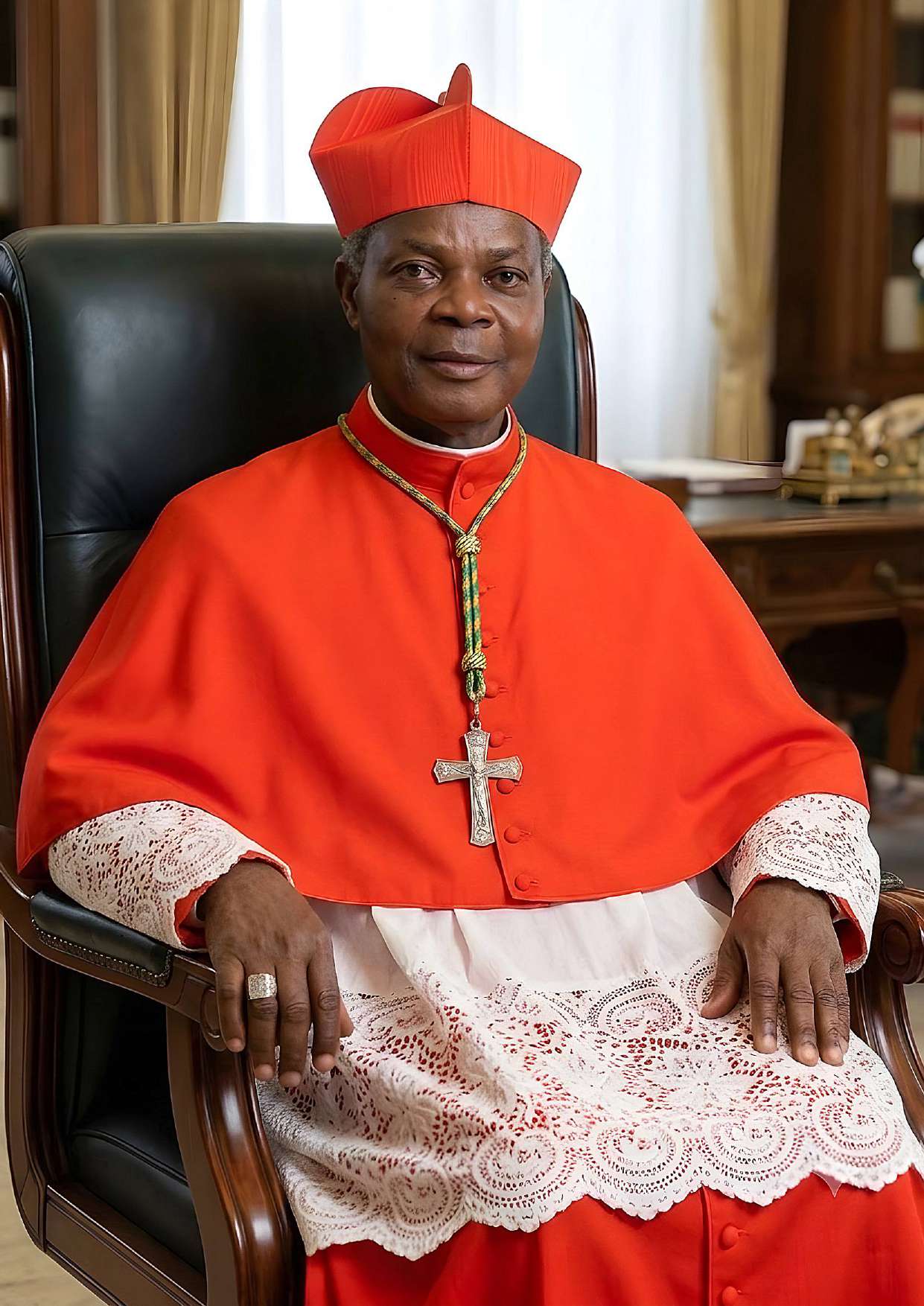

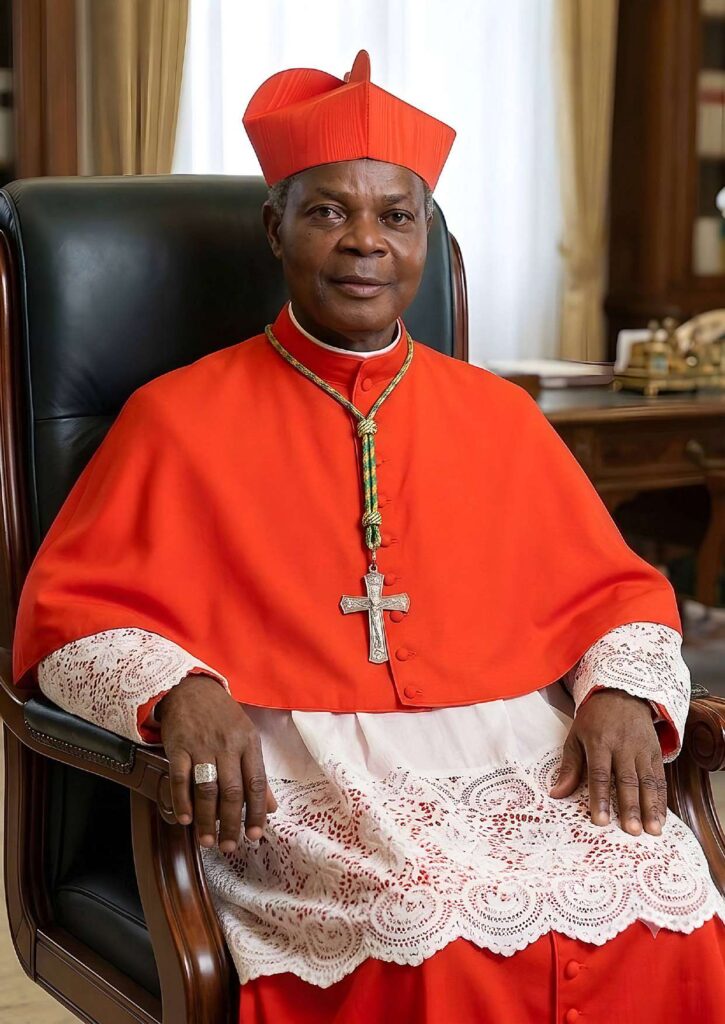
Cardinal Olubunmi Okogie, the Lion of Lagos, the fearless shepherd and the conscience of a nation, marks his 90th birthday,60th priestly and 55th episcopal ordinations. Whenever injustice appeared, Cardinal Okogie almost always had something to say
By David Edremoda
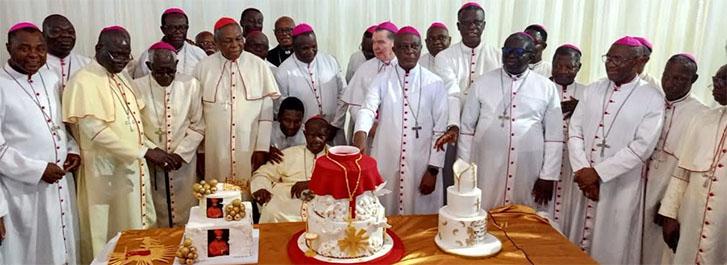
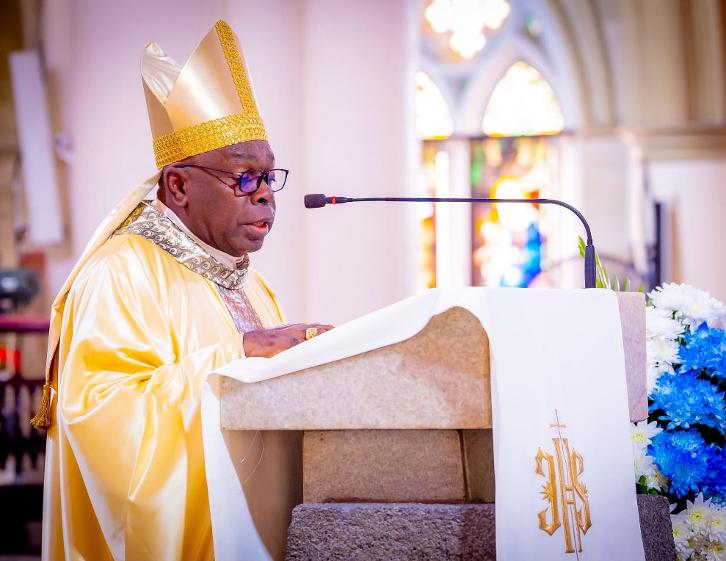
On 16 June in Lagos, the ancient bells of Holy Cross Cathedral in Lagos rang with unusual warmth and solemnity. The melodies that floated through the air were not merely summoning worshippers to another Mass; they were announcing the celebration of an extraordinary life, one that has become inseparable from the story of the Catholic Church in Nigeria and, indeed, the country’s democratic journey.
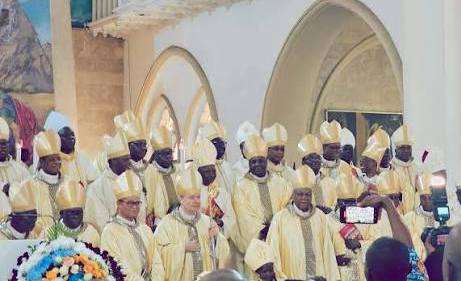
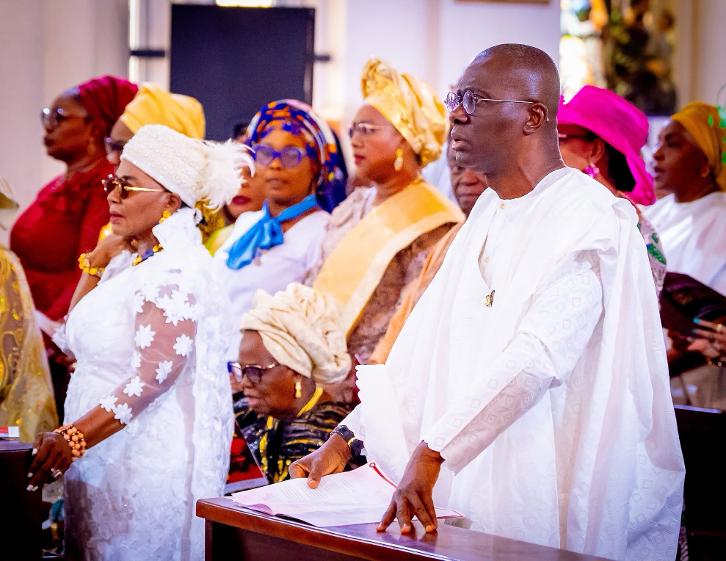
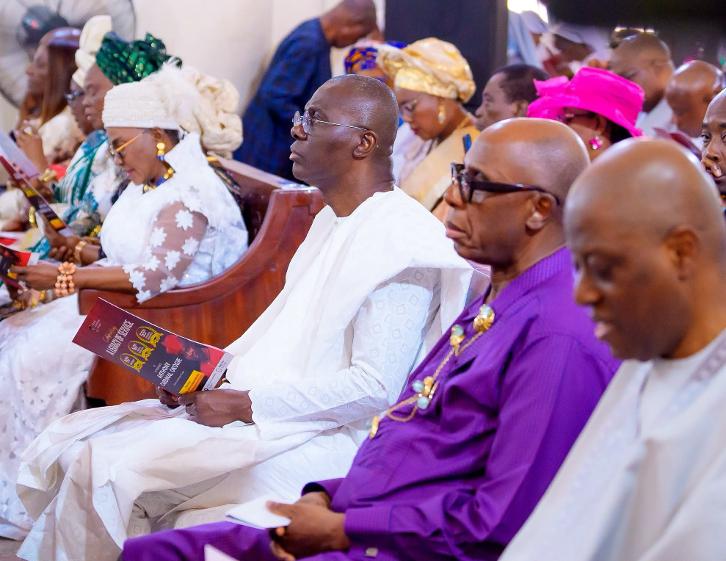
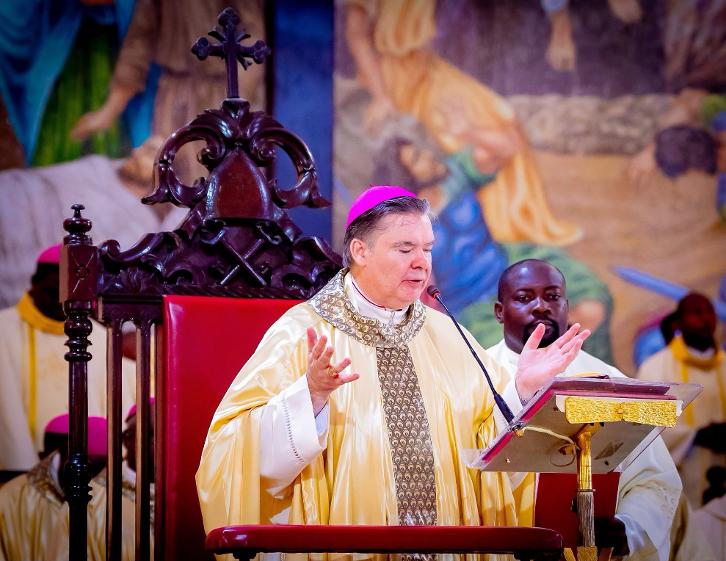
Inside the historic cathedral, bishops in flowing vestments, priests from different dioceses, religious sisters, seminarians, traditional rulers, political leaders, diplomats, and thousands of lay faithful gathered in gratitude. Some had travelled hundreds of kilometres to be present. Others simply could not imagine missing the occasion.
Yet history often reveals that the most influential leaders are not necessarily those who seek national prominence, but those who become indispensable to their times. For Anthony Cardinal Olubunmi Okogie, the evolution from church administrator to moral voice of a nation emerged not from ambition but from conviction.
Nigeria in the late twentieth century was a nation repeatedly navigating turbulence. Military interventions had become a recurring feature of political life. Democratic institutions appeared fragile. Economic hardship deepened social anxieties, while uncertainty increasingly shaped everyday existence. During such moments, citizens instinctively searched for voices they could trust; voices unburdened by political calculations and unafraid of uncomfortable truths. Archbishop Okogie gradually became one of those voices.
His interventions were rarely designed to attract applause. Nor did he cultivate the measured ambiguity that often accompanies public life. He spoke with unusual directness and a moral clarity that many found refreshing and others considered unsettling. Whether the issue concerned economic hardship, political repression, corruption, violations of human rights or the welfare of ordinary citizens, he repeatedly returned to a principle that guided much of his public ministry: power carries responsibility, and authority loses legitimacy when it ceases to serve the people.
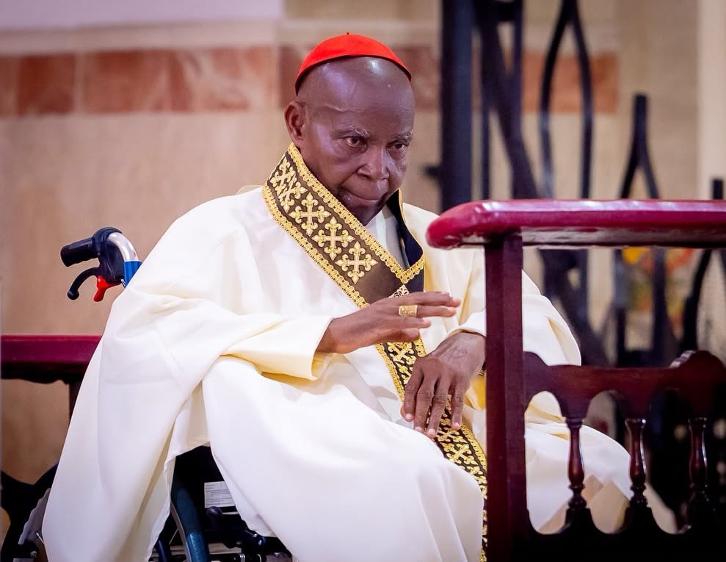
It was this disposition that transformed him from merely a religious figure into a national conscience.
Military governments learnt quickly that Cardinal Okogie would not be easily intimidated. Public office holders discovered that ecclesiastical diplomacy did not necessarily mean silence. Even among fellow religious leaders, his willingness to engage difficult public questions distinguished him. He believed that faith could not retreat into comfortable isolation while society wrestled with injustice.
To many Nigerians, especially during difficult political periods, his voice represented something larger than institutional authority. It represented reassurance that moral courage had not entirely disappeared from public life.

There was, however, another dimension to Cardinal Okogie that often escaped public attention.
The man whose public image frequently projected firmness and uncompromising resolve possessed an equally profound pastoral tenderness. Those who worked closely with him frequently encountered a different side of his personality: a bishop deeply concerned about struggling families, priests facing personal difficulties, and ordinary parishioners confronting hardship.
He visited the sick quietly. He offered assistance discreetly. He encouraged young priests and seminarians with a fatherly interest that extended beyond official obligations. Beneath the formidable public persona existed a pastor who understood that ministry ultimately concerns people before institutions.
Perhaps this explains why generations of Catholics continued to speak of him not merely with respect but with affection. Leadership, after all, derives its deepest strength not from authority exercised but from lives touched.
Over the decades, Cardinal Okogie’s influence extended far beyond Lagos. His responsibilities within the wider Church expanded significantly. He served as President of the Christian Association of Nigeria and later led the Catholic Bishops’ Conference of Nigeria, positions that placed him at the centre of important national and ecclesiastical conversations.
His elevation to the College of Cardinals by Pope John Paul II in October 2003 represented not only personal recognition but also acknowledgment of his remarkable contribution to the Church in Nigeria and across Africa.
The appointment carried immense significance. Cardinals occupy a unique place within Catholic life. They advise the Pope, participate in major deliberations concerning the future of the universal Church and, under particular circumstances, elect a new Pontiff. Cardinal Okogie would later participate in two historic papal conclaves: the 2005 conclave that elected Pope Benedict XVI and the 2013 conclave that elected Pope Francis.
For a boy who once walked the streets of colonial Lagos, the journey had become extraordinary.
Yet perhaps what remains most remarkable about Cardinal Okogie is that despite honours, titles and international recognition, he retained the essential qualities that had defined him from the beginning: discipline, conviction, simplicity and a willingness to speak when silence appeared easier.
Time eventually imposed its inevitable demands. In May 2012, having attained the canonical retirement age of seventy-five, his resignation from the pastoral governance of the Archdiocese of Lagos was accepted. Formal retirement, however, rarely diminishes genuine influence.
If anything, time has deepened public appreciation for his contribution. Age has softened his voice but not the memory of his courage. Years may have reduced his public appearances, but they have not diminished the significance of his witness.
Which perhaps explains the deeper meaning of his recent triple celebration. Ninety years of life. Sixty years of priesthood. Fifty-five years of episcopal ministry. These numbers transcend arithmetic.
They tell the story of constancy in an era often defined by transience; of conviction in times frequently marked by compromise; of service sustained across changing generations and shifting national circumstances.
They also tell the story of a man who understood that faith was never intended to be a retreat from society, but an engagement with it.
Inside Holy Cross Cathedral on that June morning, as prayers rose and hymns echoed beneath familiar arches, Nigerians were not simply celebrating a birthday or commemorating ecclesiastical anniversaries.
They were honouring a life lived in service to God and humanity; they were celebrating a shepherd who defended conscience when silence was safer and they were paying tribute to a churchman who repeatedly reminded power of its obligations. Above all, they were giving thanks for Anthony Cardinal Olubunmi Okogie: Priest, Bishop, Cardinal, Patriot, and enduring conscience of a nation.