

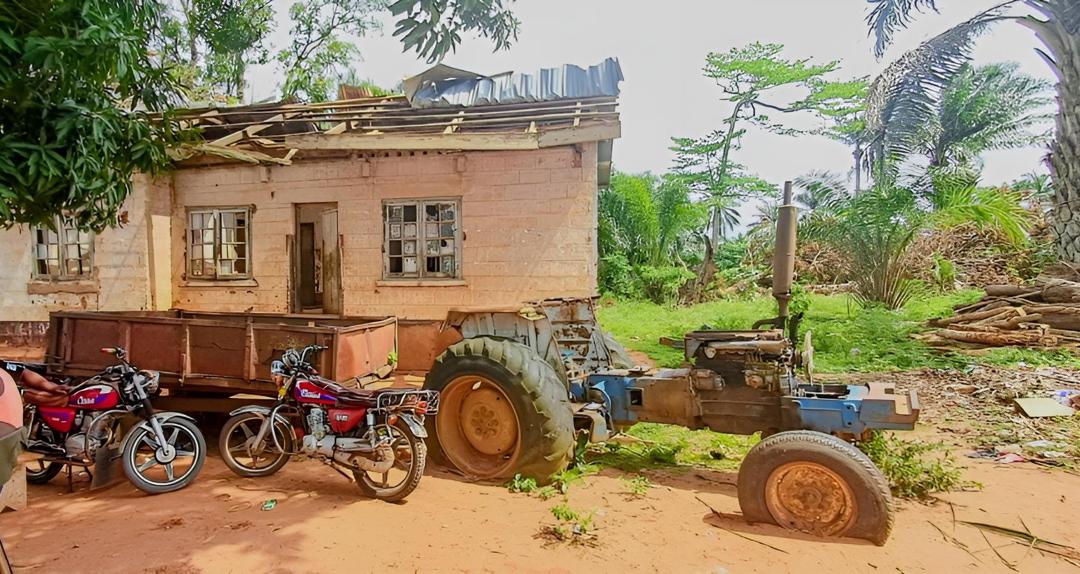
… A Corridor of Immense Economic Promise Awaiting Resurgence
Once a thriving hub of economic activity, the Akwukwu Igbo Oil Plantation now lies desolate, despite its immense potential to create jobs, stimulate local enterprise, and contribute significantly to socioeconomic growth
By Sylvester Asoya
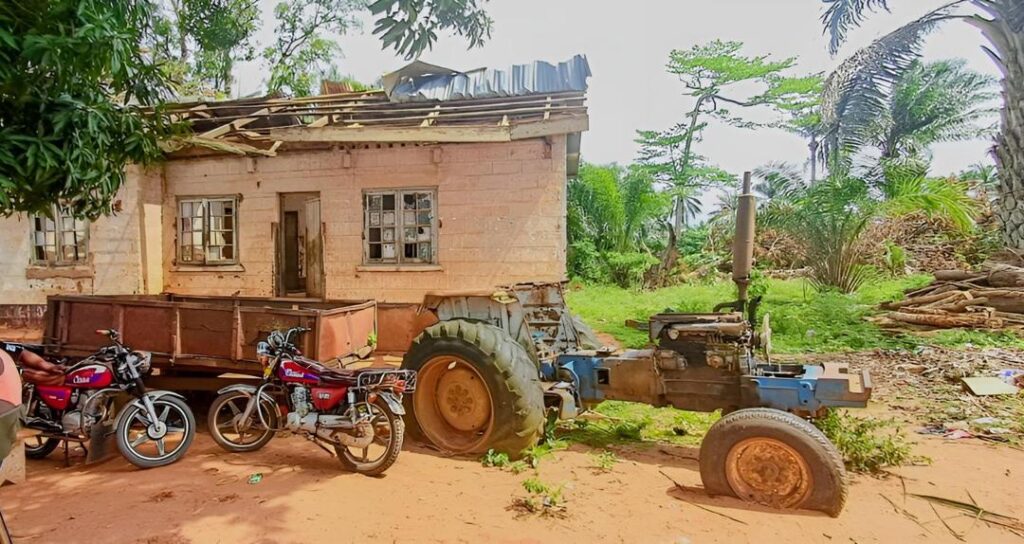
Young boys and girls who grew up in the 1970s and ‘80s in Akwukwu Igbo, the headquarters of Oshimili North Local Government Area of Delta State, as well as those from neighbouring communities, remember the Akwukwu Igbo Oil Palm Plantation with deep fondness and nostalgia. For many, the plantation was more than just an agricultural enterprise. Indeed, it was a thriving economic hub that provided employment, supported countless families and served as a source of livelihood for the surrounding towns and communities. And the plantation’s vast expanse of palm trees and bustling activities formed an integral part of their childhood memories, symbolizing prosperity, opportunity, socialization and communal growth.
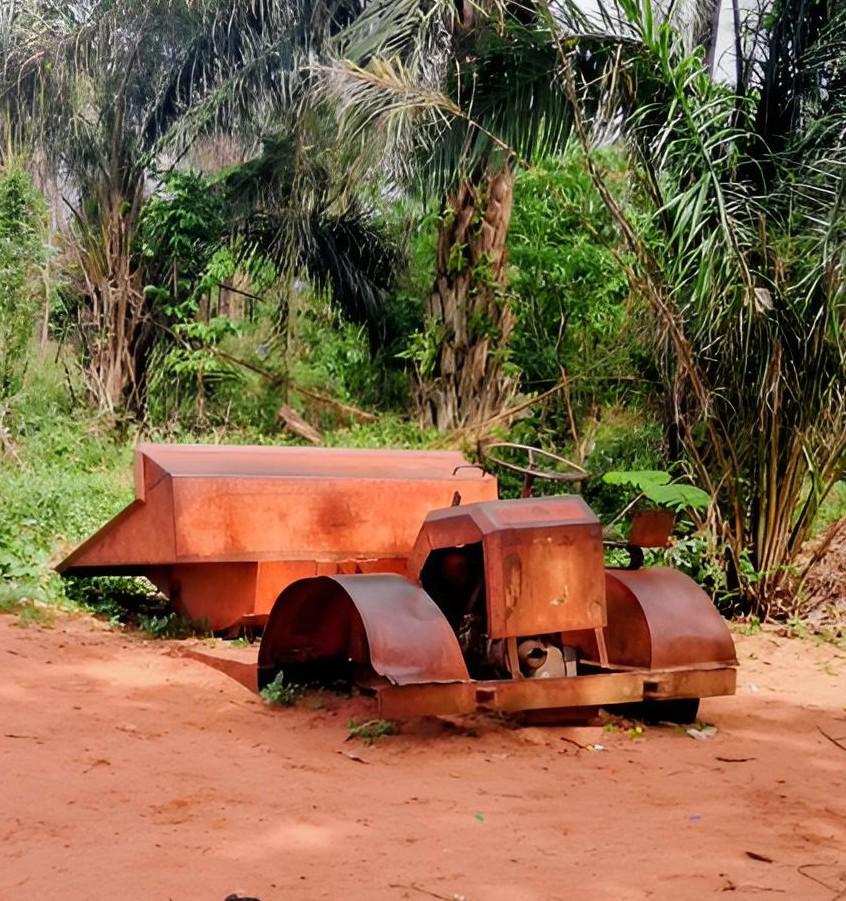
One of the many boys who still cherishes the unforgettable experiences of the plantation is Godfrey Osakwe, now a fully grown man. Like countless other boys of his generation who spent their childhood in and around the plantation, Osakwe, who is today, the Chairman, Delta State Chapter of the Nigerian Institute of Public Relations, NIPR, recalls with nostalgia the vibrant atmosphere that once defined the oil estate. To him, the plantation was more than a place of work, it was a thriving community that inspired dreams and shaped the lives of many people, both young and old in different ways. The memories of bustling economic activities, endless stretches of palm trees, the efficiency of the tractors, combined with the organizational skills of the managers, and the sense of opportunity that surrounded the plantation, remain deeply etched in his mind decades after.
According to Osakwe, some of his most enduring childhood memories were formed at the Akwukwu Igbo Oil Palm Plantation. He recalls that long before dawn, he would leave home with his maternal grandmother, Madam Irene Chukwusialokwu Igboh, carrying a lantern to light their way through darkness. Together, they trekked several kilometres to the vast plantation located on the boundary between Akwukwu Igbo and Ugbolu.
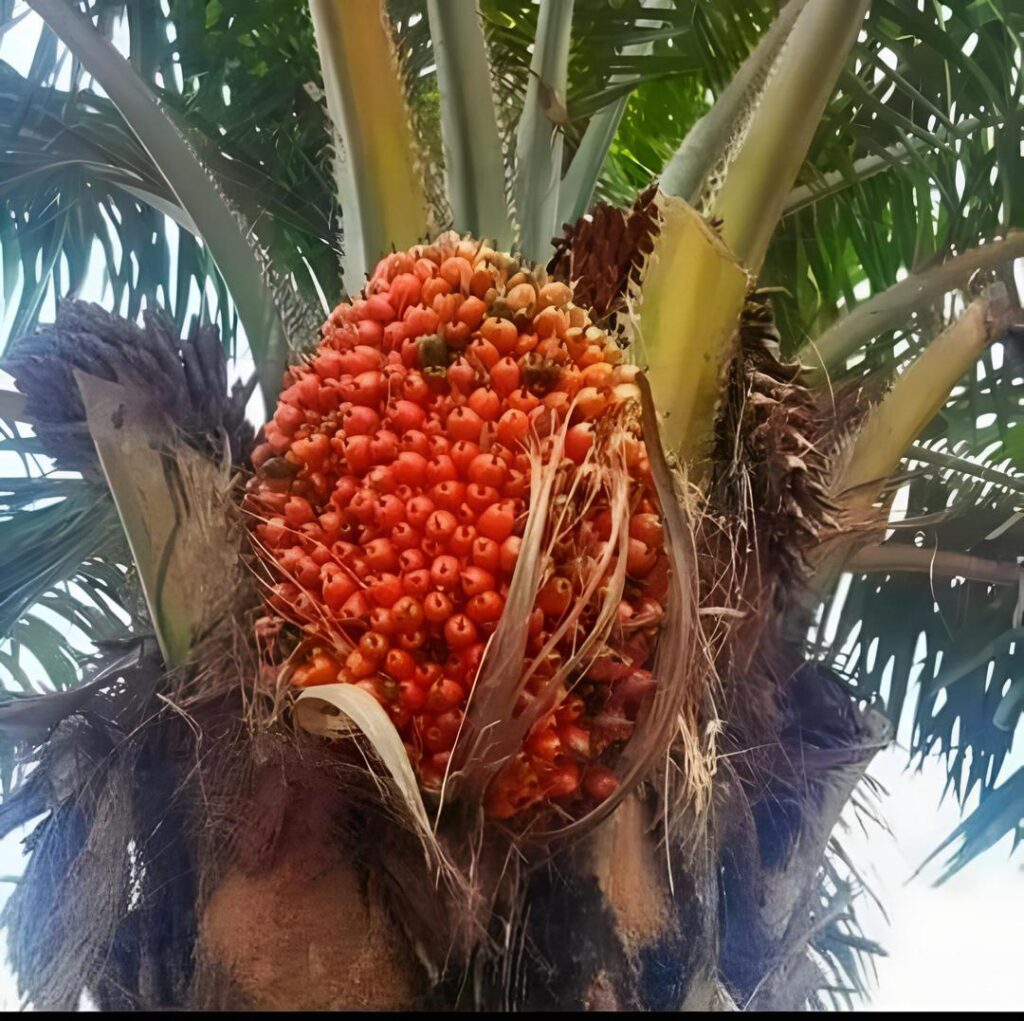
As the first rays of sunlight appeared on the horizon, his grandmother, a well-known entrepreneur in the community, would join scores of other women in gathering the shredded palm nuts scattered across the plantation. The work was demanding, no doubt, and required patience and endurance, but it was a dependable source of income for many families in the area. At the end of the day’s work, the nuts collected by each worker were carefully weighed, and payments were made according to the quantity gathered by each person.
For young Osakwe, those unforgettable journeys were more than routine excursions; they were lessons in hard work, perseverance, self-discovery and family responsibility. Day after day, he and his dutiful grandmother made the long trek back home, tired but satisfied, their earnings providing the much-needed support for the household. In his recollections, they usually returned home almost every day a little richer, not only in income but also in experience and cherished memories.
The young man who left the comfort and security of his parents’ home in Lagos to attend Akwukwu Igbo Grammar School in his hometown, remains deeply grateful for the experience. Looking back, he regards those years as a defining period in his life, one that shaped his character, broadened his horizons and laid the foundation for his future.
But there are also others who cherish memories of the plantation. Many indigenes of Akwukwu Igbo and its environs still look back fondly on that remarkable era of hard work, collaborative effort, determination and shared prosperity. For them, the plantation was more than a workplace. It was a thriving economic hub that provided livelihoods, nurtured strong community bonds and instilled values that the society urgently needs at the moment.
Today, those who witnessed that golden period remember it with nostalgia and conviviality. One such person is Ogbuenyi Christian Jibunoh, a native of Akwukwu Igbo, who vividly recalls the origins of the plantation and the pivotal role it played in the economic life of the community. According to him, the plantation was far more than a vast expanse of oil palm trees. It was actually the heartbeat of local commerce and a source of pride for the people. “The plantation is a very familiar story to all of us who grew up in Akwukwu Igbo. It was a place that connected everyone in one way or another. Many families depended on it for their livelihood, while traders, labourers, and transporters from far and near, all benefitted from the economic activities it generated. I must say that we are very proud of what the plantation represented in those good old days. As a matter of fact, it brough life, opportunities, and prosperity to our community. The movement of people and goods was constant, and the plantation served as a major centre of commerce and contributed significantly to the local economy.”
While many people remember the plantation for its economic significance, Chiedu Okonji, a farmer, offers a more intimate account rooted in family history and personal experience. For him, the plantation is not merely a place of work or commerce; it is also a part of his identity and heritage. “My father was born there because my grandfather lived and worked in the plantation. By the time we were growing up, the place was already an integral part of our lives. We inherited not only the land but also the memories and values associated with it. And I can say authoritatively that the oil palm species cultivated there was among the best you could find anywhere. The quality of the produce was exceptional, and that reputation drew people from far and wide. We loved the place dearly, and it remains unforgettable in our memories. Even today, I operate an oil mill there, and I am grateful to be continuing the legacy of my father and great grandfather. And it gives me a deep sense of fulfillment to remain connected to the land that sustained generations of my family. In fact, the plantation area is popularly known as Okonji Camp, a recognition of my family’s longstanding presence and contributions to the place. Such is our history at the plantation, and I often joke that I should be the plantation’s king.”
Ugochi Jibunoh, an agriculturalist, on the other hand, remembers the plantation for an entirely different reason. Unlike others who focus on its economic impact or family connections, Ugochi’s memories are shaped by a sense of wonder and excitement it brought to him as a young village boy. According to him, the plantation was the first place where he witnessed large-scale commercial activities and real monetary transactions. He vividly recalls the anticipation that surrounded payday, when workers would gather in long queues to receive their wages. “As a young boy, I loved watching people line up during payment periods. It was fascinating to see so many workers receiving money for their labour. For many of us, it was a remarkable sight because it showed us a world beyond our immediate surroundings.”
Beyond the financial activities, Ugochi was also captivated by the machinery that operated within the plantation. The tractors, processing equipment, and other heavy machines left a lasting impression on him and many of his peers. “We were always excited whenever we saw the tractors moving around or machines at work. At that time, such equipment was rare in our community, and seeing them up close felt extraordinary. Before then, many of us had never travelled beyond our village, so the plantation exposed us to things we had only heard about. Truly, it broadened our horizons and inspired our curiosity about the wider world.” For this young agriculturalist and many children of his generation, the plantation was more than a centre of agricultural production; it was a place of learning, discovery and endless fascination that offered a glimpse of possibilities beyond the boundaries of their rural community at the time.