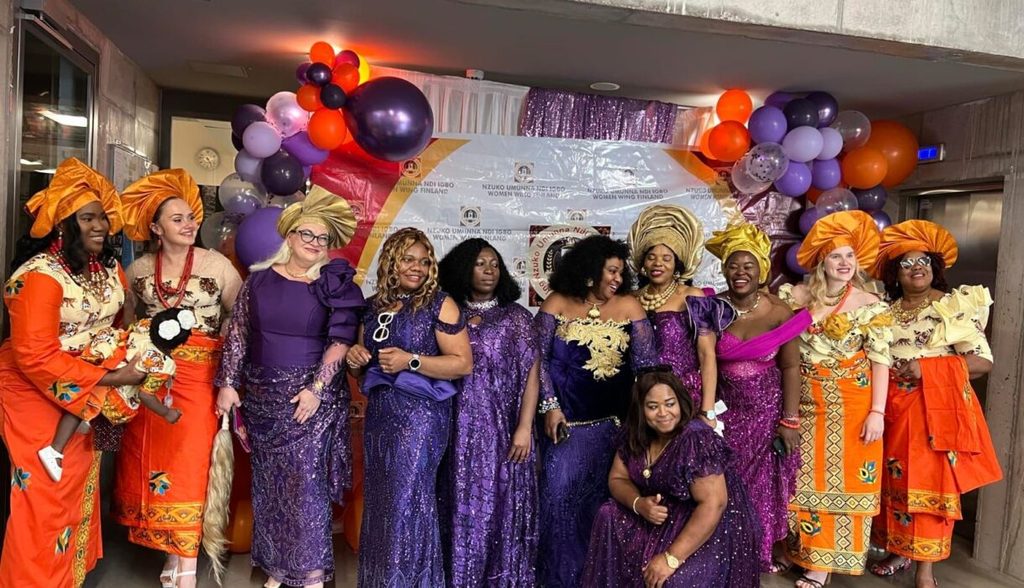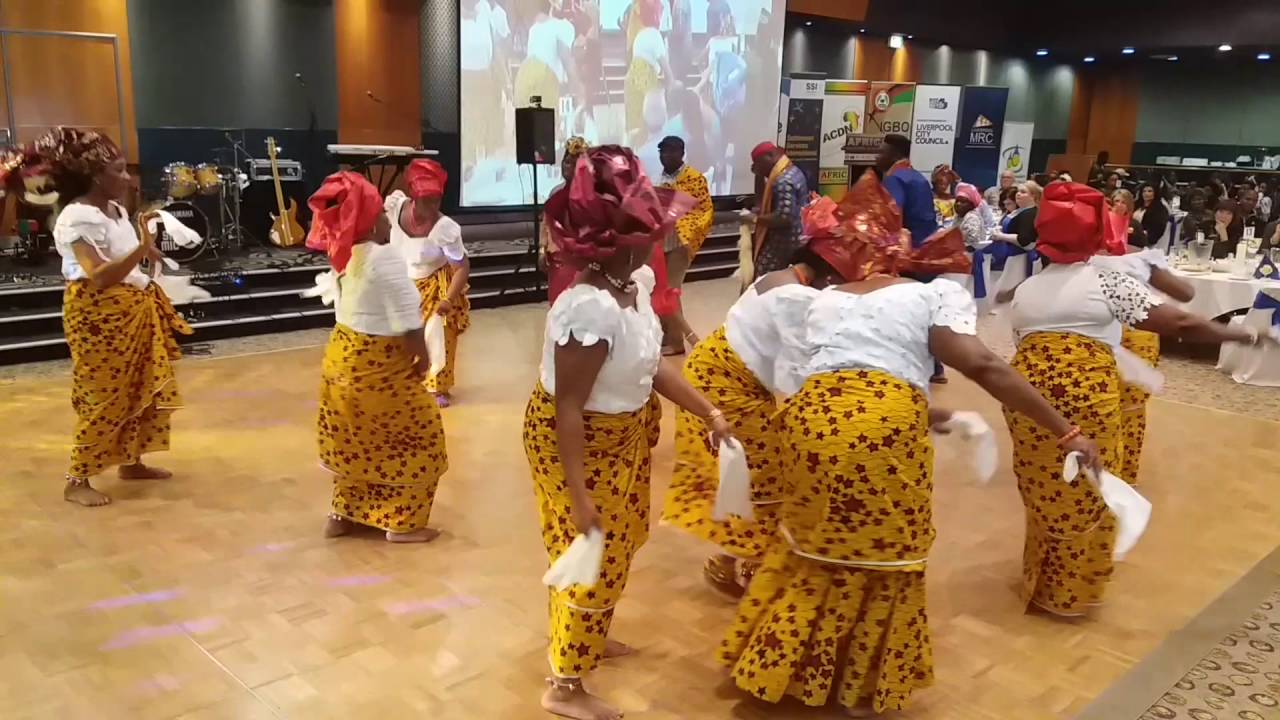

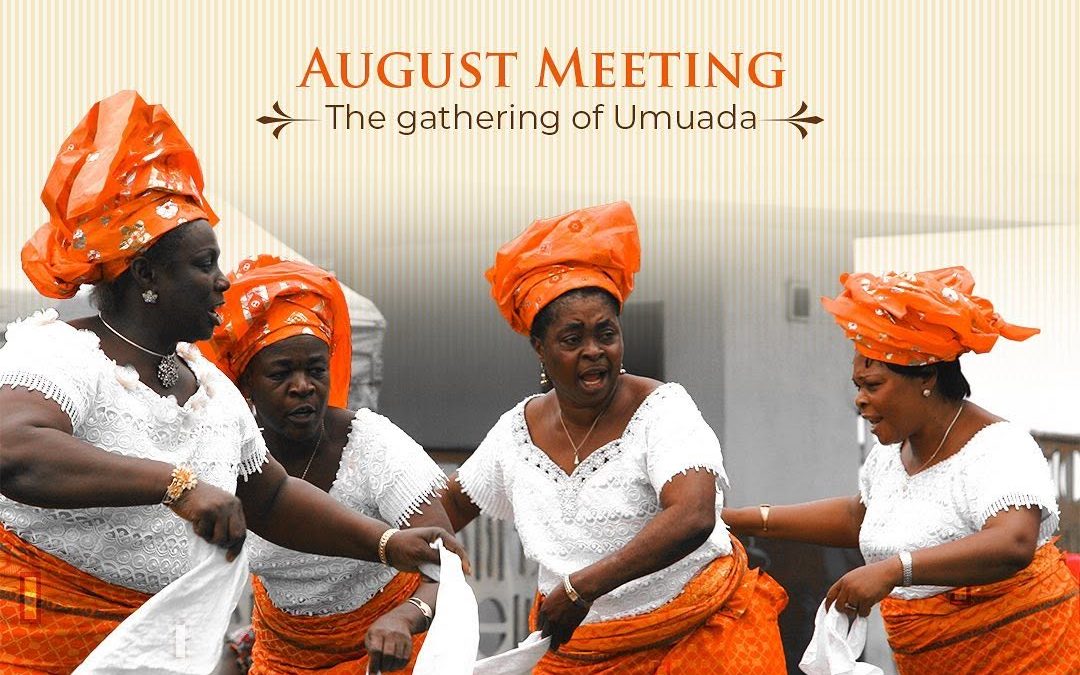
Every August, Igbo women embark on a remarkable journey home: not merely to celebrate, but to reconnect, deliberate, give and build. Across towns and villages in Igboland, generations converge in a vibrant ritual where tradition meets purpose, sisterhood fuels solidarity, and a homecoming becomes a powerful engine of community development.
By Sylvester Asoya
Every August, Igbo communities across Nigeria and the diaspora come alive with a remarkable ritual of return. Women leave cities and countries far from home and journey to their ancestral communities for meetings that combine fellowship, tradition, socialisation and service. What began modestly has evolved into one of the most enduring expressions of Igbo women’s organisation, solidarity and commitment to community development.
The origins of August Meeting are commonly traced to the 1940s, when the activities of the Church Missionary Society created opportunities for women to organise more actively and participate in community affairs. Over time, other Christian denominations, indigenous religious groups and Pentecostal communities adopted and adapted the practice. Yet August Meeting did not emerge from a single institution, town or defining moment. Rather, it grew from older Igbo traditions of collective organisation, mutual support and communal responsibility, shaped by changing social circumstances.
The choice of August is both practical and cultural. It traditionally falls within a relatively quieter period after the major farming season, while schools are on vacation, making it easier for women living in distant cities and abroad to return to their matrimonial communities. The annual journey home thus became more than a visit. It became an opportunity to reconnect with family and friends, discuss community concerns, support one another and contribute resources and ideas towards local development.
Today, August Meeting has become a powerful institution. Its significance lies not only in the meetings themselves, but also in the networking, social bonds, fundraising, welfare initiatives and community projects that often accompany them. For countless women, it represents an annual reaffirmation of identity and belonging.
Perhaps one of its most fascinating characteristics is the extraordinary organisation behind the homecoming. What may appear to an outsider as a simple annual gathering is often a carefully coordinated social enterprise. Women travelling from Lagos, Abuja, Port Harcourt and other cities frequently organise themselves into groups, hire buses and plan their journeys well ahead of time. Food, drinks, music and other necessities are arranged, transforming the trip itself into a moving celebration. Old friendships are renewed, new bonds formed and anticipation builds as the women travel towards home.
The same attention to detail extends to accommodation, feeding, security, entertainment and the scheduling of meetings and community activities. Every stage may be mapped out to maximise the limited time available. In this respect, August Meeting demonstrates the Igbo capacity for organisation, collective action and resource mobilisation. The journey home becomes a celebration of sisterhood, identity, responsibility and shared purpose.
There is also an economic dimension to this annual movement. The return of thousands of women to their communities stimulates local commerce, transportation, hospitality and small businesses. Markets become livelier, tailors and caterers busier, and artisans find new customers. More importantly, the relationships renewed during the season can open doors to collaboration long after the festivities have ended. In this way, August Meeting quietly connects cultural identity with economic opportunity. It also strengthens links between those who live at home and those whose careers, businesses and families have taken them elsewhere. The diaspora is not merely remembered during August; it is actively reintegrated into the life and future of the community. This gives tradition enduring relevance for generations still to come.
For Nnenna Ogbonna, a Lagos-based businesswoman from Umuahia, Abia State, the experience was once an important part of her annual life. She regularly travelled to the South-East to participate, reconnect with other women and contribute to her community. The demands of raising young children eventually made regular participation difficult, and she stepped away from the association.
Yet her appreciation of the movement remains undiminished. “I think what our people are doing every August is commendable because it is unprecedented. We all need to join hands to create the South-East that we need, and I am happy that the women are leading the way,” she says.
Her words capture the broader significance of the phenomenon. Beyond its festivities and social engagements, August Meeting has become a platform for collective action and social mobilisation. It gives women an opportunity to return home not merely as visitors, but as stakeholders prepared to contribute their time, money, knowledge and influence.
This growing leadership by women is especially significant. It reinforces the understanding that development cannot be left entirely to government. Families, communities, professionals and members of the diaspora all have roles to play. Through their associations, Igbo women have demonstrated how collective commitment can translate into practical interventions in education, healthcare, social welfare, infrastructure and economic empowerment.
Lady Amarachi Nnebedum, a federal civil servant, is equally drawn to the meeting’s emphasis on compassion and service. For her, its deepest value is found not in celebration or display, but in the capacity of women to notice people whose contributions often go unrecognised and extend practical assistance to them.
“What particularly resonates with me is the ministry of caring for members of the congregation whose services cannot be quantified in naira or dollars,” she explains. She is particularly encouraged by initiatives that reach church workers whose behind-the-scenes efforts are easily overlooked: those who sweep and mop, arrange and beautify churches, maintain electrical and electronic equipment, guard premises, control traffic, drive vehicles, attend to toilets, care for children and teach Sunday School.
Her observation points to an important dimension of August Meeting: its potential to dignify invisible labour. By providing assistance to the less privileged, supporting families and empowering people to improve their circumstances, women’s associations can transform a social gathering into a practical expression of compassion and collective responsibility.
The movement, however, is not without its contradictions. In some communities, the activities of more affluent participants can encourage unnecessary competition and showmanship. Expensive cars, elaborate clothing and conspicuous displays of wealth can occasionally overshadow the more meaningful purposes of the gathering. Disagreements, factions and parallel meetings can likewise distract from the ideal of unity.
Such shortcomings deserve acknowledgement, but they should not obscure the considerable good being done by many women. Across Igboland, associations continue to support education, healthcare, welfare, skills development and community projects. Their contributions demonstrate that the true measure of August Meeting is not the grandeur of its celebrations, but the lasting difference it makes in people’s lives.
Indeed, its occasional excesses may be best understood as reminders of what the institution must continually strive to become. The answer is not to condemn August Meeting, but to refine it: humility should prevail over showmanship, unity over factionalism, service over self-promotion and substance over appearance.
At its best, August Meeting is much more than an annual gathering. It is a homecoming with a purpose, a living expression of cultural continuity and a remarkable demonstration of what organised citizens can accomplish when they combine resources, relationships and goodwill. It brings women home, but it also sends them back with renewed bonds and a deeper sense of responsibility. As the annual ritual continues to evolve, its enduring challenge is to preserve the warmth of tradition while strengthening its developmental purpose. If that balance is maintained, August Meeting will remain not merely a celebration of where Igbo women come from, but a powerful statement about what they can collectively build.