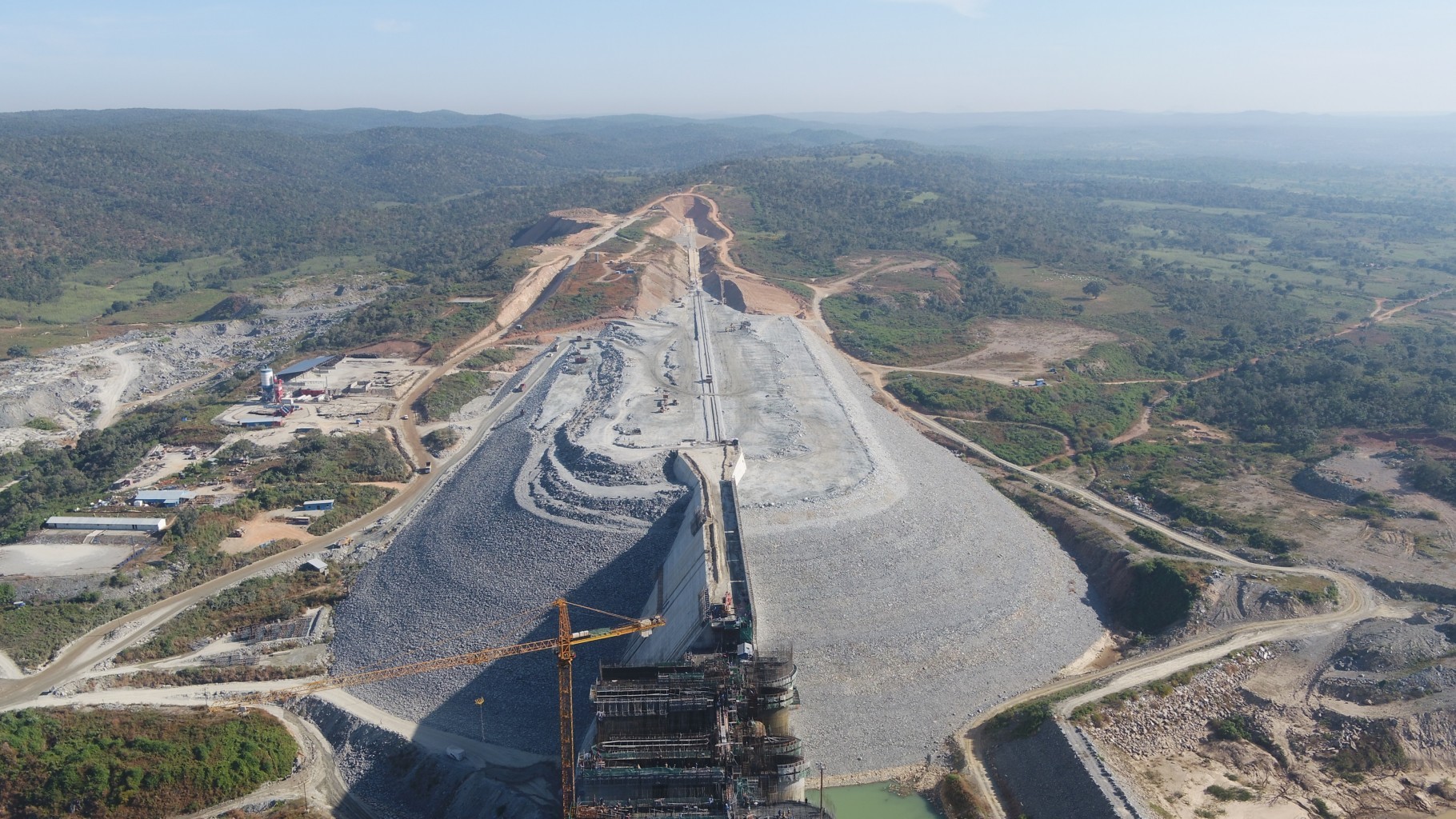

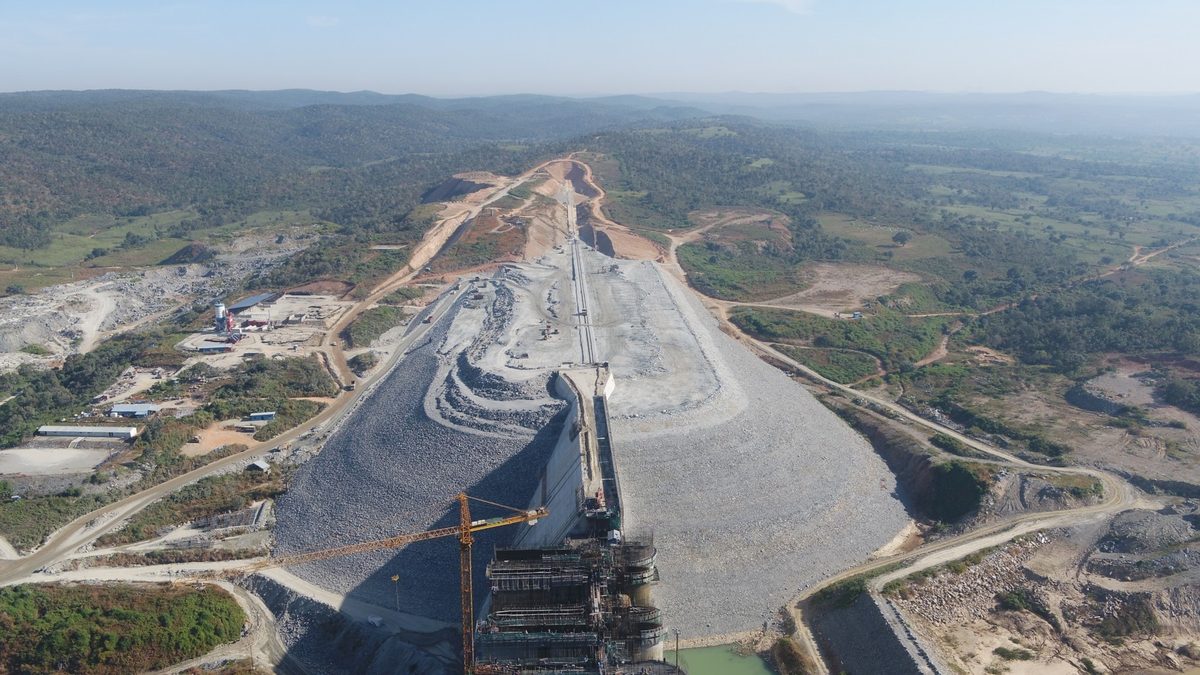
Some Nigerian towns carry histories far greater than their present-day profile suggests. Zungeru, in Niger State, is one such place. Once a colonial administrative headquarters and a vibrant meeting point of commerce, ambition and migration, it became the birthplace or family home of remarkable Nigerians whose lives helped shape the nation’s political, military, literary and cultural destiny.
By Sylvester Asoya

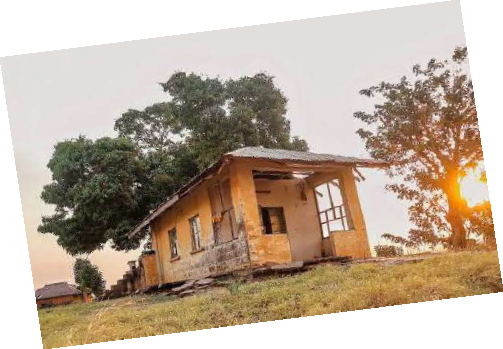

Few places in Nigeria embody the journey from colonial rule to nationhood as evocatively as Zungeru, in Niger State. Before British rule, it was a small settlement. Its fortunes changed when it became the administrative headquarters of the Protectorate of Northern Nigeria. From the town, colonial policies were formulated, institutions established and structures developed. Zungeru consequently occupied an important place in the making of modern Nigeria.
Its significance extends beyond colonial administration. The town became a meeting point for officials, traders, professionals and families from different parts of the country. Some consequential Nigerians were born there or had family connections to the town.
Among those who found their way to Zungeru were Louis Odumegwu Ojukwu, the prominent businessman from Nnewi, and Obed-Edom Chukwuemeka Azikiwe, a clerk in the Nigerian Regiment. During his posting to Zungeru, his son, Nnamdi Azikiwe, was born in 1904. Louis Ojukwu’s residence similarly preceded the birth of his son, Chukwuemeka Odumegwu Ojukwu, in 1933.
These connections lend Zungeru an unusual place in Nigeria’s historical imagination. It was not simply a colonial outpost; it was also a setting in which personal histories intersected with the larger forces transforming the country. The town’s story is therefore inseparable from the story of Nigerians whose lives would later influence politics, the military, literature and national identity.

Nnamdi Azikiwe
Popularly known as Zik of Africa, Nnamdi Azikiwe became one of the foremost architects of modern Nigeria. Journalist, nationalist, intellectual and politician, he devoted his life to self-government and the ideal of a united Nigeria.
Born in Zungeru in 1904, Azikiwe was educated in Onitsha, Lagos and Calabar before travelling to the United States, where he studied at Storer College, Howard University, Lincoln University and the University of Pennsylvania.
As a journalist, he founded the West African Pilot, one of the most influential newspapers of the nationalist era. He served as Premier of the Eastern Region, President of the Senate, Nigeria’s first indigenous Governor-General and, from 1963 to 1966, the country’s first President.
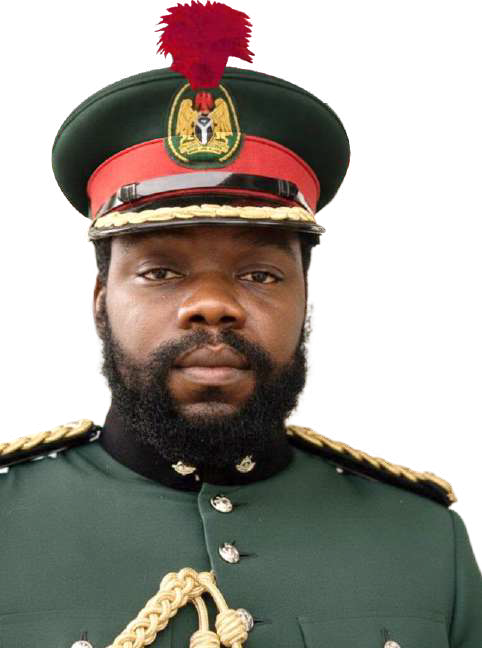
Chukwuemeka Odumegwu Ojukwu
Born in Zungeru on 4 November 1933, Chukwuemeka Odumegwu Ojukwu was the son of Louis Odumegwu Ojukwu. Educated at Lincoln College, Oxford, where he studied Modern History, he joined the Nigerian Army and became one of the country’s earliest university graduates to enter the military.
Ojukwu’s career took him from the civil service and army command to the governorship of the Eastern Region and, eventually, leadership of Biafra during the Nigerian Civil War. He later spent years in exile in Côte d’Ivoire before returning to Nigeria and re-entering politics.
His role in the events that culminated in the civil war remains deeply contested, as does the legacy of Biafra. Yet among many people in the South-East and wider Igbo diaspora, Ojukwu endured as a symbol of courage and resilience. When he died in 2011, he was mourned as a figure who embodied a defining chapter in the history and aspirations of the South-East.
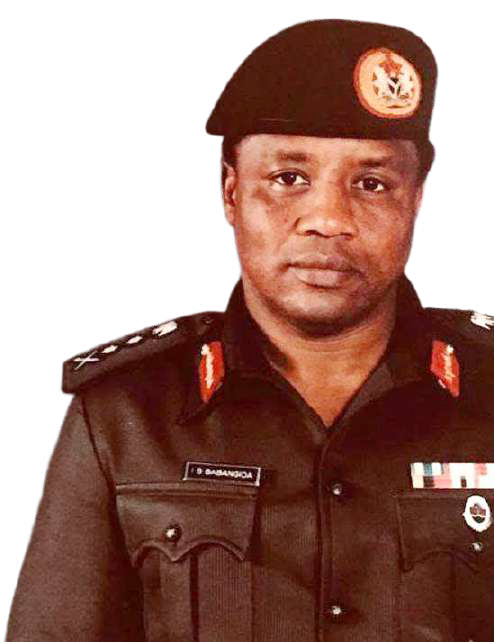
Ibrahim Babangida
General Ibrahim Badamasi Babangida, born in Minna on 17 August 1941, was one of Nigeria’s most consequential military rulers. He served as Military President from 1985 to 1993, presiding over economic reforms, political experimentation and controversy.
Charismatic and politically astute, Babangida remains one of the most fascinating figures in Nigeria’s modern history. His administration introduced the Structural Adjustment Programme and pursued a transition to civilian rule, but was also associated with authoritarianism.
Nothing illustrates the contradictions of his era more vividly than the annulment of the 12 June 1993 presidential election, a consequential decision in Nigeria’s political history. Babangida attended Government College, Bida, joined the Army and trained in Kaduna and at the Indian Military Academy. He fought in the Nigerian civil war, served at the Nigerian Defence Academy, commanded the Armoured Corps and became Chief of Army Staff.

Cyprian Ekwensi
Cyprian Ekwensi occupies a distinguished place in Nigerian literature. Although some sources identify Zungeru as his birthplace while others give Minna, both locations are in present-day Niger State, reflecting their close historical relationship.
A prolific novelist and short-story writer, Ekwensi produced enduring works including People of the City, Jagua Nana, Burning Grass, Iska, Beautiful Feathers and Survive the Peace. Through his fiction, he explored urban life, social change, love, conflict and a transforming African society.
Ekwensi’s legacy extends beyond his books. He was remembered as a compassionate humanist, deeply concerned about others. His life reflected a belief in human dignity and literature’s capacity to illuminate society.
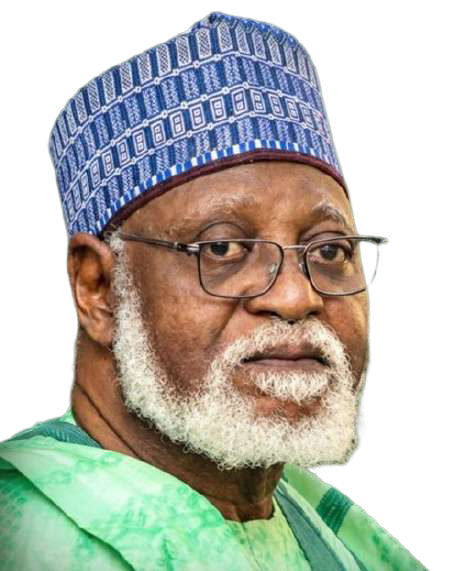
Abdulsalami Abubakar
General Abdulsalami Abubakar, born in Minna on 13 June 1942, joined the Nigerian Army in 1963 and rose through important command and staff appointments. He served during the Nigerian Civil War and eventually became Head of State in 1998.
His tenure was brief but consequential. Within eleven months, he transferred power to an elected civilian government led by Olusegun Obasanjo in 1999, helping to end prolonged military rule. Since leaving office, Abubakar has remained an elder statesman and advocate for peace.

Mamman Jiya Vatsa
Major General Mamman Jiya Vatsa, born in Bida in 1940, was a soldier, poet and former Minister of the Federal Capital Territory. He joined the Army in 1962, trained in Kaduna and at the Indian Military Academy, and rose to the rank of major general.
During the civil war, he commanded the 21 Battalion and later held senior appointments, including instructor at the Nigerian Defence Academy and Quartermaster-General of the Nigerian Army. He was executed in 1986 after a military tribunal convicted him of treason.
Vatsa was also a prolific writer whose works included Verses for Nigerian State Capitals, Tori for Geti Bow Leg, Back Again at Wargate and Reach for the Skies.
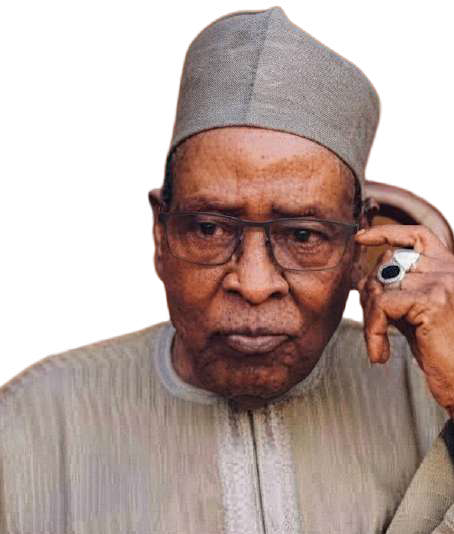
Mohammed Inuwa Wushishi
General Mohammed Inuwa Wushishi, born in Wushishi in 1940, rose to become Chief of Army Staff during the Second Republic. Trained at the Nigerian Military College, the Mons Officer Cadet School in Aldershot and the Staff College, Camberley, he also studied at the United States Army War College. His career included United Nations peacekeeping service in the Congo.
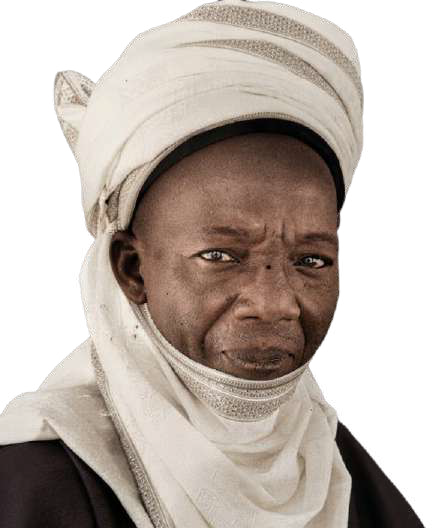
Aliyu Makama Bida
Aliyu Makama Bida was a teacher, administrator, politician and traditional titleholder who became an important figure in Northern Nigerian public life. Born in Bida in 1905, he attended Qur’anic and elementary schools before graduating from Katsina College in 1927. He began as a teacher and later became a headmaster.
His public career expanded into the Native Authority system and, in 1952, into the regional cabinet, where he became the first Northern Minister of Education and Social Welfare. A close associate of Sir Ahmadu Bello, he later served as Minister of Finance and Treasury of the Northern People’s Congress. He held the title of Makama Bida and received OBE and CBE distinctions.
Remembering Zungeru
Today, much of Zungeru’s former prominence has faded. The administrative and commercial centre that once drew people from across the country has receded from national consciousness. Yet its historical importance remains.
Zungeru and Niger State remind us that nations are shaped not only in celebrated capitals but also in places where people meet, trade, work and imagine better futures. Here, colonial administration, commerce, education and politics converged. Here, remarkable lives began. To remember Zungeru is to recover an important part of Nigeria’s collective memory. Its streets may no longer command their former prominence, but the footprints left by Azikiwe, Ojukwu and other distinguished figures associated with Niger State remain indelible. Their stories affirm that a nation’s history can sometimes be traced through the quiet towns in which its greatest ambitions first took root.