

The Railway That Changed the World
There are cities that impress from above; through spires, skylines, boulevards and riverbanks, and then there are cities that reveal their true character below ground. London Underground is not merely a transport system; it is a subterranean epic written in brick, iron, steam, and electric light. Beneath the grand façades of London, beneath the measured toll of church bells and the glint of the Thames at dusk, lies a network that has shaped the modern metropolis as decisively as any monarch or parliament.
By Candice Eze
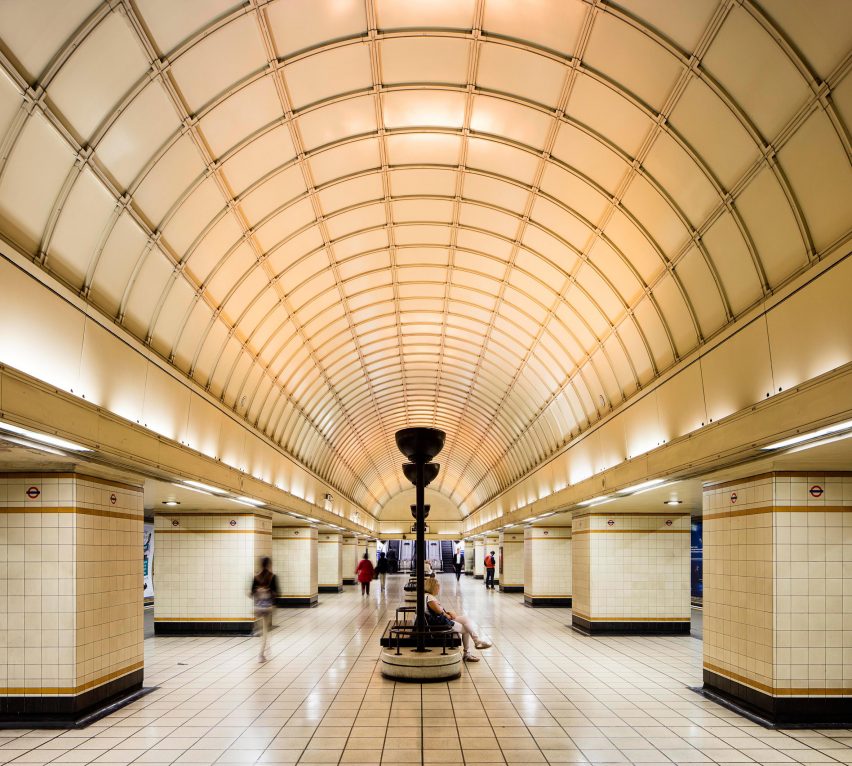
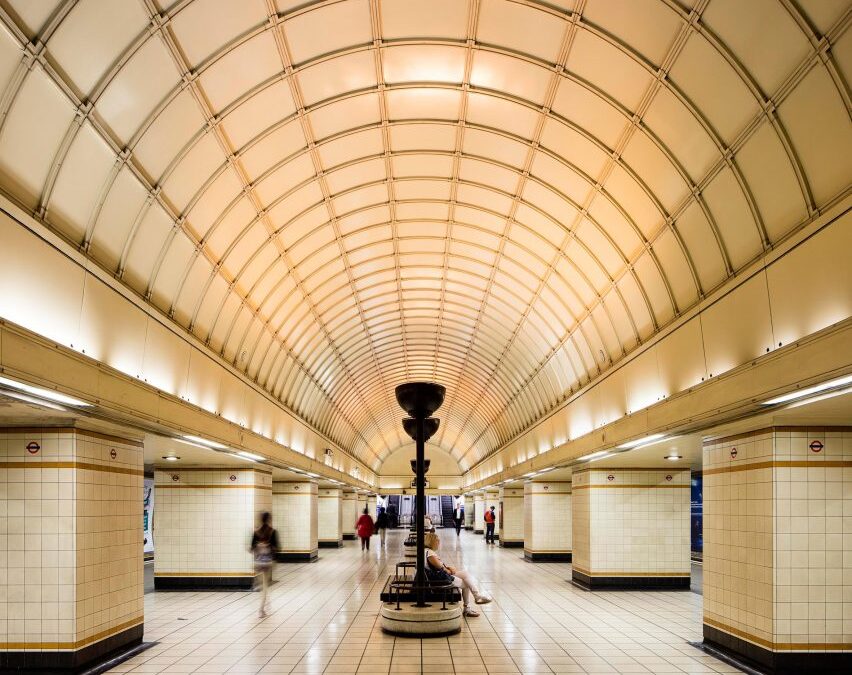
It is easy to think of the London metro as a matter of logistics: arrivals, departures, platforms and timetables. Yet the Underground is a living museum of engineering audacity, social reform, wartime resilience and design brilliance. It is the world’s first subterranean railway, an enduring laboratory of innovation, and a stage upon which millions enact the quiet rituals of urban life each day. Its tunnels have sheltered civilians from bombs, inspired poets and typographers, and redefined how great cities grow.
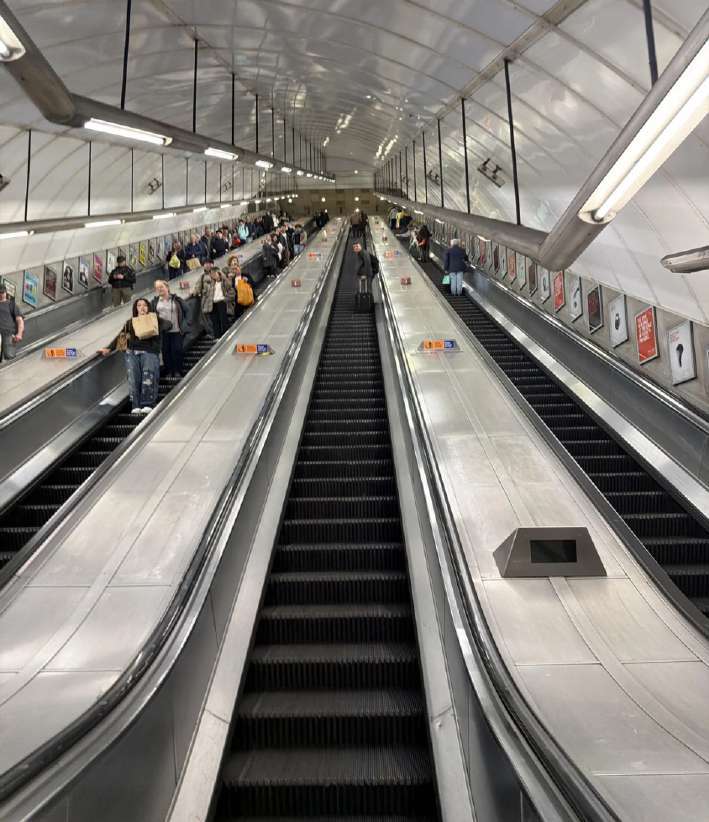
For the traveller of discernment, the Underground is not merely a means of reaching Buckingham Palace or the West End. It is itself a destination: a palimpsest of Victorian ambition and contemporary ingenuity. To descend its escalators is to pass through strata of history; to hear the approaching rumble of a train is to feel the pulse of a city that never ceased reinventing itself.
Here, then, are twelve remarkable truths; acts at once technical and poetic, that illuminate why this iconic system remains one of the most extraordinary achievements in urban civilisation.
1. The World’s First Underground Railway
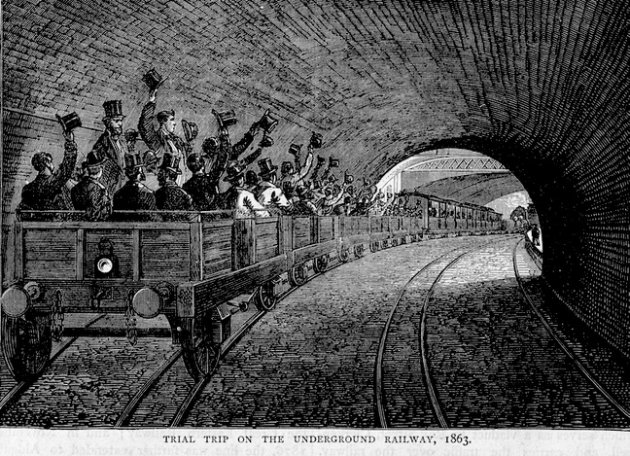
In 1863, when steam still powered industry and horse-drawn carriages ruled the streets, the first subterranean passenger railway opened between Paddington and Farringdon. Operated by the pioneering Metropolitan Railway, it was a daring answer to a pressing urban crisis: choking congestion above ground.
Victorian London was the largest city on Earth, its streets congested with carts, omnibuses and pedestrians. The visionary lawyer Charles Pearson had long advocated a radical idea: moving traffic underground. His proposal seemed fantastical to many contemporaries. How could trains run beneath the city without suffocating passengers or collapsing buildings?
The solution was “cut and cover” construction. Engineers excavated trenches along existing roads, laid tracks, built brick-lined tunnels, and then restored the streets above. When the first trains, hauled by steam locomotives, began running, they filled the tunnels with smoke and soot. Passengers travelled in gas-lit carriages through an atmosphere that was, at times, acrid and oppressive. Yet the public embraced the novelty. On its opening day, tens of thousands flocked to experience what felt like a technological miracle.
This was more than a transport innovation; it was a conceptual revolution. For the first time, a city acknowledged that its growth required a new dimension; depth. The success of the Metropolitan Railway spurred further subterranean expansion, and other world capitals soon followed. What began as a pragmatic solution to congestion became a global model.
For modern travellers, this origin story is not abstract history. When standing on the platforms of the oldest lines, one senses the Victorian ambition embedded in the brickwork. The very curvature of certain tunnels and the distinctive smell of aged masonry whisper of that inaugural experiment in 1863, a year that quietly altered the trajectory of urban civilisation.
2. It Is Older Than the Electric Lightbulb
When the first Underground trains ran, Thomas Edison had not yet perfected the incandescent bulb. The early system relied on gas lighting within carriages and stations, casting a wavering glow across soot-stained walls.
Electric traction was introduced later, transforming the experience from smoky endurance to comparative comfort. Yet for decades, the subterranean journey was inseparable from steam. Imagine descending into dimly lit tunnels, boarding a carriage illuminated by flickering gas jets, and feeling the hiss and rumble of a locomotive in a confined space. It required both courage and curiosity.
The electrification of the network in the late nineteenth and early twentieth centuries marked a decisive leap. Clean, efficient electric trains eliminated the suffocating fumes and allowed for deeper, narrower tunnels; what we now call “tube” lines. This technological pivot was not simply about comfort; it redefined engineering possibilities. Electric power enabled routes to snake beneath densely built districts without tearing open streets above.
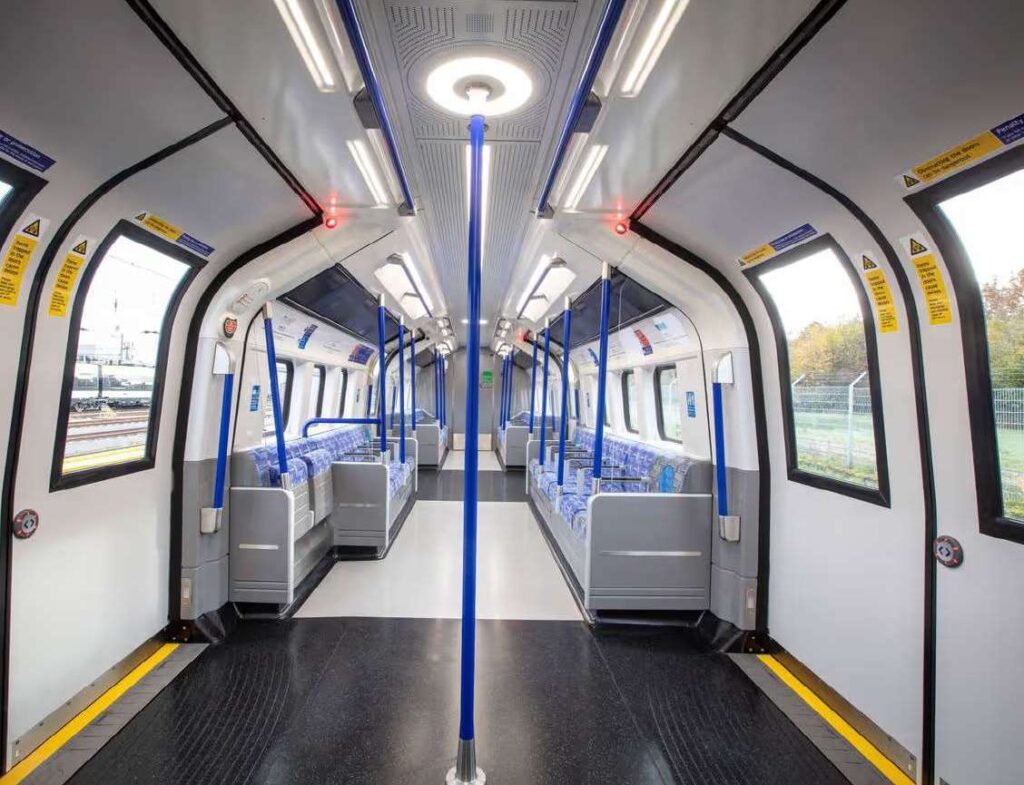
For today’s traveller, accustomed to seamless transit systems, it is almost inconceivable that the Underground predates widespread electrification. Its existence bridges eras, from the age of gaslight and top hats to the digital age of contactless payments and real-time journey planners.
To ride the network is to traverse not only distance but time. Each carriage carries the legacy of technological evolution. Beneath the city, progress did not unfold in grand declarations but in incremental refinements; stronger rails, safer signalling, brighter illumination. The Underground stands as a testament to humanity’s relentless pursuit of improvement, a reminder that even in darkness, innovation finds its way.

3. A Wartime Sanctuary Beneath the Blitz
During the Second World War, the tunnels became sanctuaries. As bombs fell during the Blitz, thousands of civilians sought refuge on platforms and in passageways. Families descended nightly with blankets, thermoses and quiet determination.
Stations transformed into improvised dormitories. Children slept in rows along platforms; musicians played to lift spirits; libraries and canteens were organised underground. The subterranean network, designed for mobility, became a city within a city; static yet alive with communal resilience.
The symbolism was powerful. While destruction rained above, life persisted below. The Underground’s very existence; solid, brick-lined, dependable, offered psychological reassurance. It embodied continuity at a moment when continuity felt fragile.
Not all authorities initially welcomed this use; concerns about safety and sanitation abounded. Yet the sheer scale of civilian need rendered the tunnels indispensable. Over time, certain stations were formally adapted as deep-level shelters, engineered to withstand direct hits.
For the traveller pausing on a quiet platform today, it is worth remembering that these same tiles and arches once witnessed whispered prayers and lullabies sung against the distant thud of explosions. The Underground was not merely infrastructure; it was refuge.
4. The Map That Changed Graphic Design Forever
In 1933, an electrical draftsman named Harry Beck proposed a radical reimagining of the Underground map. Rather than attempt geographical accuracy, he reduced the network to a diagram of coloured lines and evenly spaced stations, inspired by electrical circuitry.
His superiors were sceptical. How could passengers navigate without faithful geography? Yet Beck understood a subtle truth: travellers cared less about exact distances and more about clarity of connections. His design prioritised legibility over literalism.
The result was revolutionary. Straight lines intersected at precise angles; colours distinguished routes; the River Thames curved gently as a familiar reference point. The map was intuitive, elegant, and transformative; not only for London but for transit systems worldwide.
Beck’s diagram became a design icon, studied in art schools and emulated across continents. It demonstrated that information could be distilled without distortion, that abstraction could enhance rather than obscure understanding.
For visitors encountering the map for the first time, its beauty lies in its simplicity. It invites exploration, promising order within complexity. In souvenir shops, it appears on scarves, posters and tea towels, an emblem of the city’s modern identity.
5. Some Stations Are Architectural Masterpieces
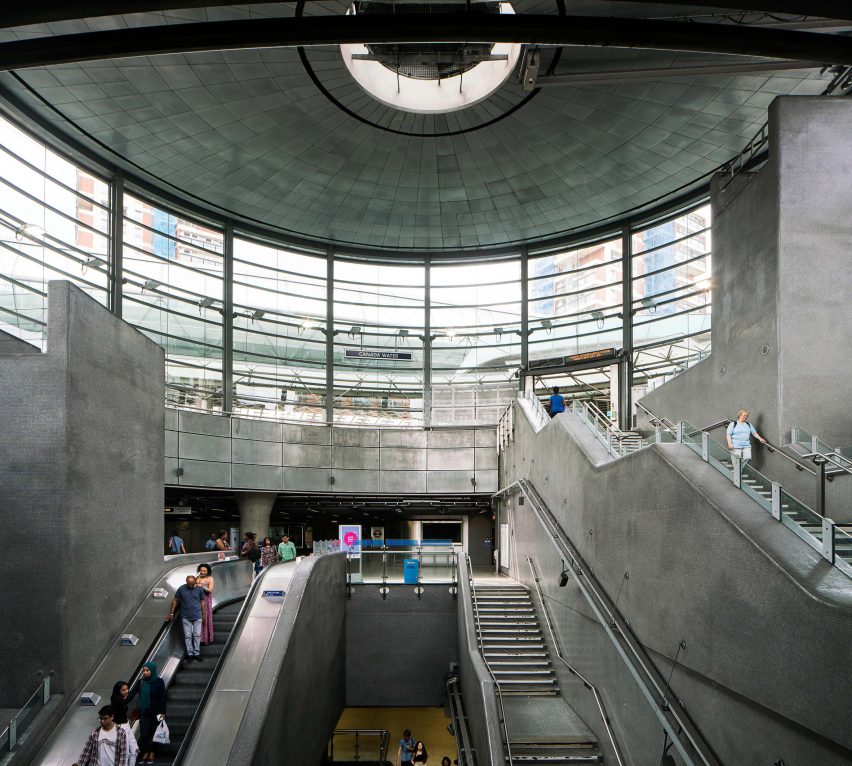
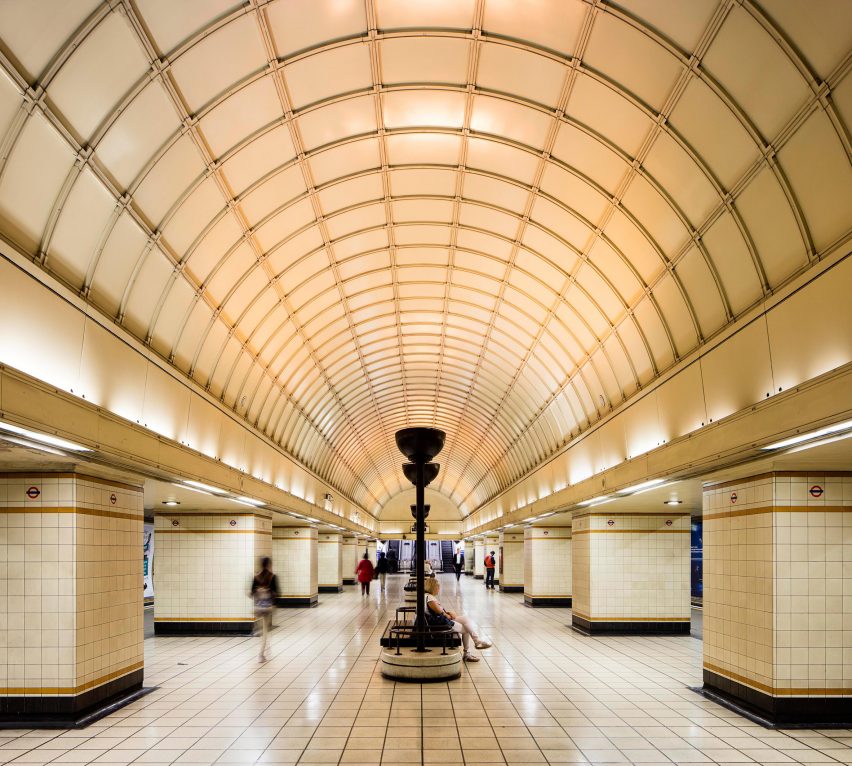
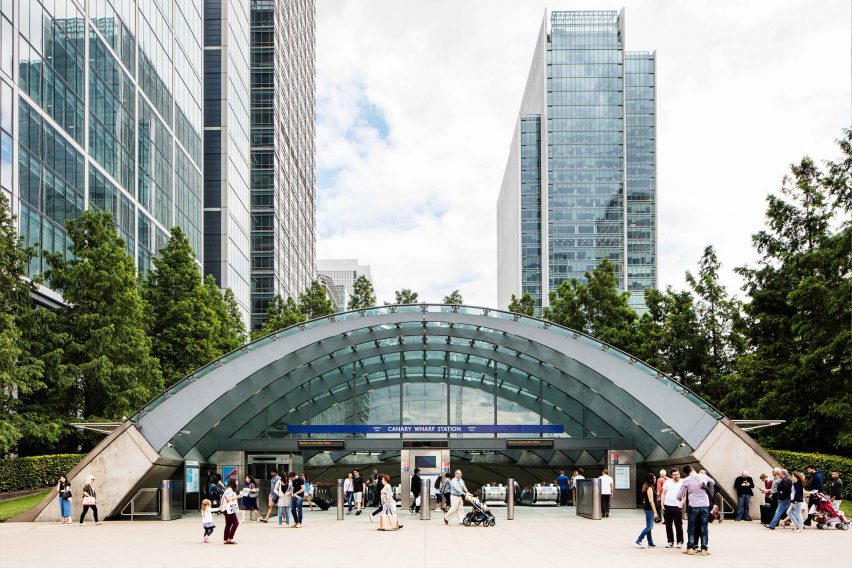
While many imagine uniform platforms and tiled corridors, certain stations are triumphs of architecture. Early twentieth-century architect Leslie Green endowed numerous stations with distinctive oxblood-red façades and arched windows, giving the network a recognisable street presence.
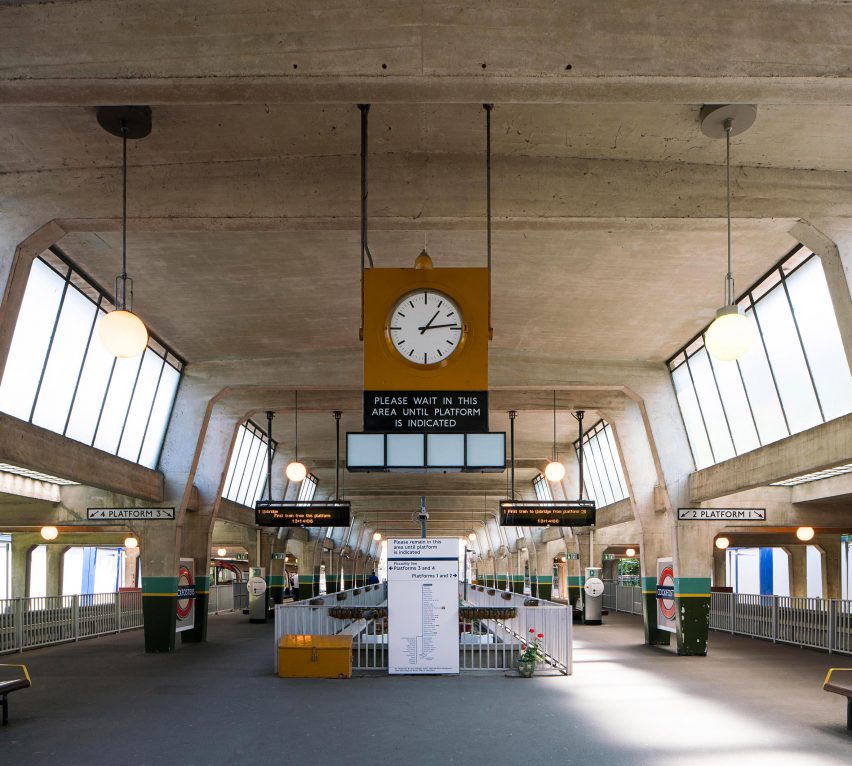
Later, in the interwar period, visionary architect Charles Holden introduced a modernist aesthetic: clean lines, expansive ticket halls, and generous use of light. Stations such as Arnos Grove tube station exemplify this approach, resembling civic temples more than transit stops.
These buildings were conceived not merely as functional entry points but as dignified public spaces. They signalled that infrastructure could embody civic pride. Materials were chosen with care; proportions were studied; even signage harmonised with architectural intent.
For the cultivated traveller, exploring these stations offers an alternative architectural tour; one that unfolds not in galleries but along daily routes. To step into a Holden-designed ticket hall is to experience modernism in situ, integrated seamlessly into urban life.
The Underground thus becomes an open-air (or rather, open-tunnel) museum. Its stations chart the evolution of architectural taste, from Edwardian flourish to streamlined modernity. Each descent is an encounter with design philosophy rendered in brick, glass and stone, a reminder that beauty need not reside only in palaces or museums, but can flourish in the spaces of transit.
6. Ghost Stations Haunt the Network
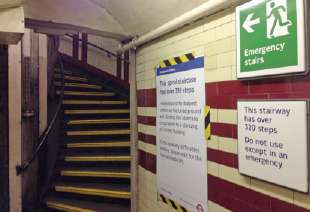
Hidden behind sealed doors and unlit passageways are the so-called “ghost stations”, disused stops that once bustled with life. Among them is Aldwych tube station, closed in 1994 after decades of dwindling patronage.
These stations remain largely intact: tiled walls, vintage signage, staircases descending into silence. They are time capsules, preserved by circumstance rather than intention. During wartime, some served as storage sites for priceless artworks evacuated from national museums.
The allure of ghost stations lies in their liminality. They exist between presence and absence: no longer functional, yet not erased. Occasionally opened for guided tours or used as filming locations, they offer rare glimpses into the network’s forgotten corridors.
For travellers intrigued by urban archaeology, these spaces evoke a poignant question: how does a city decide which arteries to sustain and which to abandon? Economic shifts, changing travel patterns and evolving neighbourhoods all play a role.
The very existence of ghost stations underscores the dynamism of London itself. The city grows, contracts, and reorients; the Underground adapts accordingly. Beneath the clamour of active platforms, dormant stations slumber; quiet witnesses to past ambitions and changing fortunes. To contemplate them is to sense the passage of time in architectural form. They remind us that infrastructure, like civilisation, is subject to reinvention. What was once essential may become obsolete, yet even in obsolescence, there is haunting beauty.
7. The Deepest Point Lies Far Below the Surface
At its deepest, the Underground plunges approximately 58.5 metres below street level near Hampstead tube station. To reach the platforms requires a descent by one of the system’s longest lifts, or a formidable spiral staircase for the intrepid.
This depth was necessitated by geography and engineering constraints. Tunnels had to pass beneath existing infrastructure and geological formations without disturbing the urban fabric above. The result is a vertical journey that feels almost maritime, as though diving beneath the city’s hull.
Standing on such a platform, one senses a curious intimacy with the earth. The air is cooler; the acoustics subtly altered. The knowledge of being so far below the surface lends the ordinary act of waiting for a train an almost metaphysical dimension.
For visitors accustomed to shallow metros, this depth can be startling. It exemplifies the audacity of engineers who dared to burrow through clay and chalk to sustain urban mobility. Each descent becomes an encounter with human ingenuity harnessed against gravity and geology.
Yet despite this depth, the experience remains remarkably efficient and safe. Modern ventilation, lighting and safety systems ensure comfort in spaces that once might have seemed forbidding. The Underground thus reconciles the profound with the practical, transforming a subterranean plunge into a seamless routine.
8. A Typeface That Became a National Icon
Typography may seem an unlikely claim to fame for a transport network, yet the Underground’s bespoke typeface, Johnston, has achieved iconic status. Designed in 1916 by calligrapher Edward Johnston, it married clarity with understated elegance.
Its clean lines and perfectly proportioned circles conveyed modernity without ostentation. The typeface appeared on signage, posters and the now-famous roundel symbol, creating a coherent visual identity long before “branding” became corporate doctrine.
For travellers, the effect is subtle yet profound. Even without conscious awareness, one recognises the distinctive lettering as part of the city’s character. It guides the eye, reassures the mind, and contributes to the aesthetic harmony of stations.
Design historians regard Johnston as a landmark in typographic evolution, influencing countless subsequent fonts. Its endurance testifies to the power of thoughtful design. Rather than chase trends, the Underground invested in timeless clarity.
In an era saturated with visual noise, the network’s typography remains refreshingly restrained. It proves that functionality and beauty need not be adversaries. Each sign, each platform indicator, carries forward a century-old design philosophy; one that continues to shape how millions navigate their journeys.
9. The Longest Continuous Tunnel
The longest continuous tunnel stretch runs along the Northern line between East Finchley and Morden, spanning over 27 kilometres. This uninterrupted artery exemplifies the scale of subterranean ambition.
Constructing such a length required meticulous planning and relentless precision. Tunnelling shields advanced slowly through London clay, segment by segment, ensuring structural integrity. The result is a hidden corridor connecting disparate neighbourhoods in a single sweep. For the passenger, this continuity is invisible. One boards at a leafy northern suburb and emerges in the south, scarcely contemplating the uninterrupted tunnel traversed beneath homes, parks and streets.
Yet the scale is staggering. It is an underground river of steel and concrete, coursing silently below the metropolis. The engineering challenges; ventilation, drainage, signalling, are immense, managed with quiet competence.
This longest stretch symbolises the network’s capacity to knit the city together. It collapses distance, redefines neighbourhoods, and enables cultural exchange. In doing so, it reshapes not only geography but social fabric.
10. It Helped Create the Modern Suburb
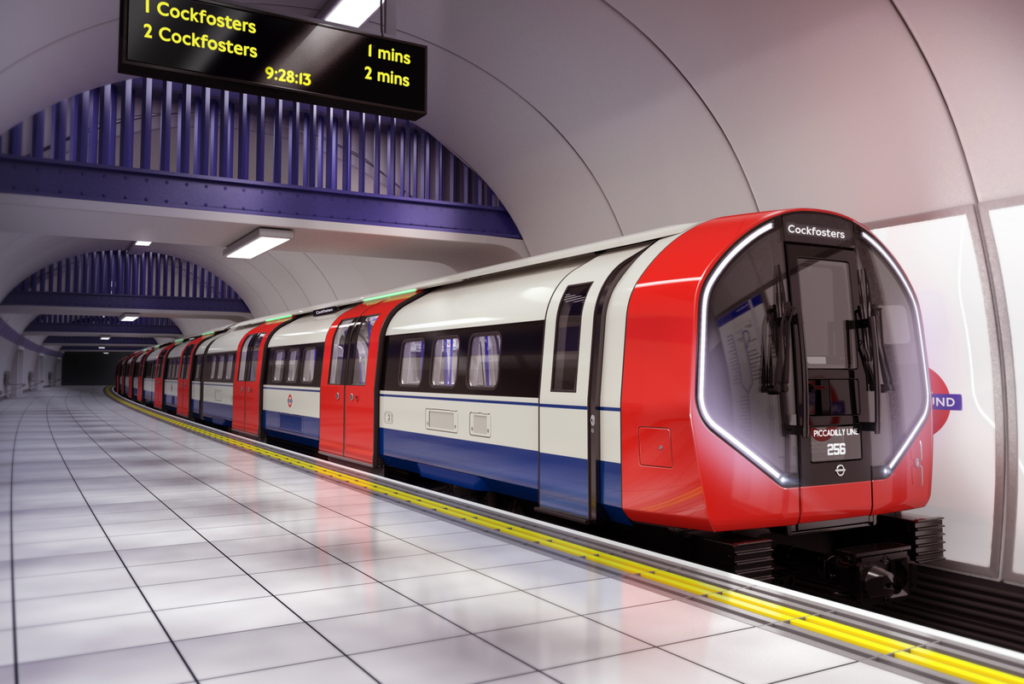
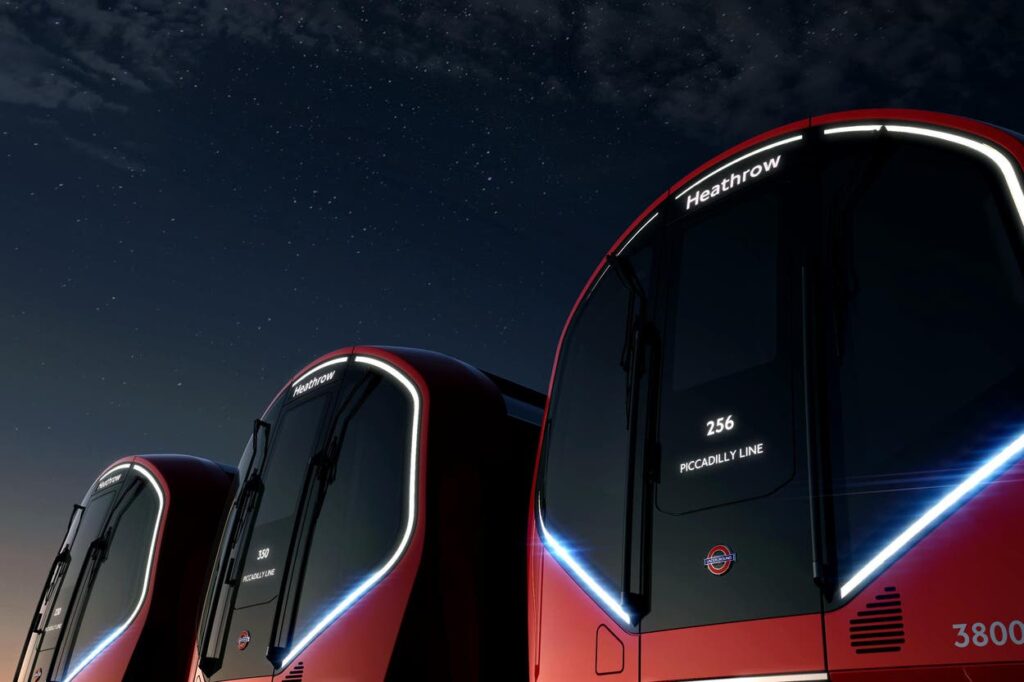
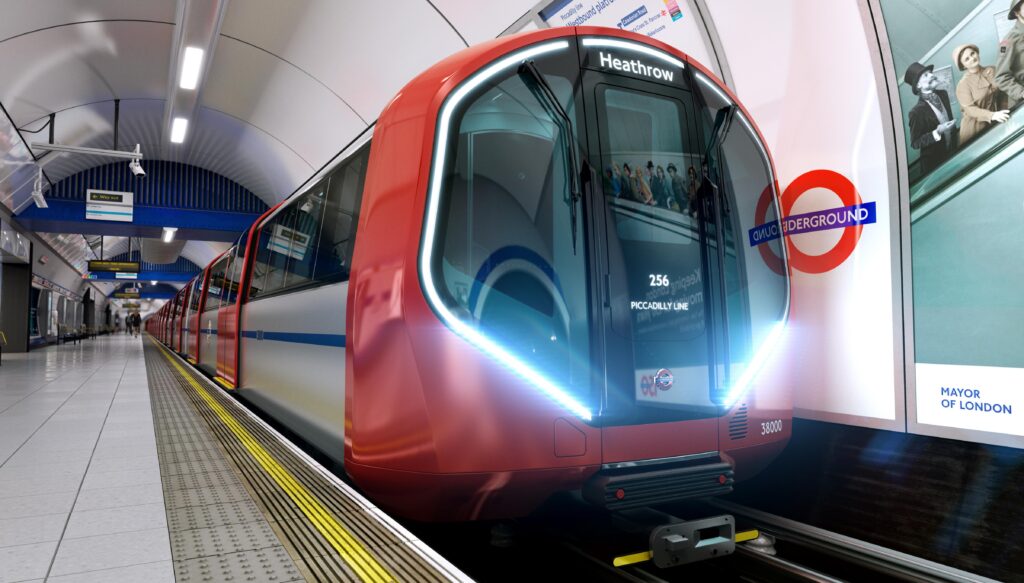
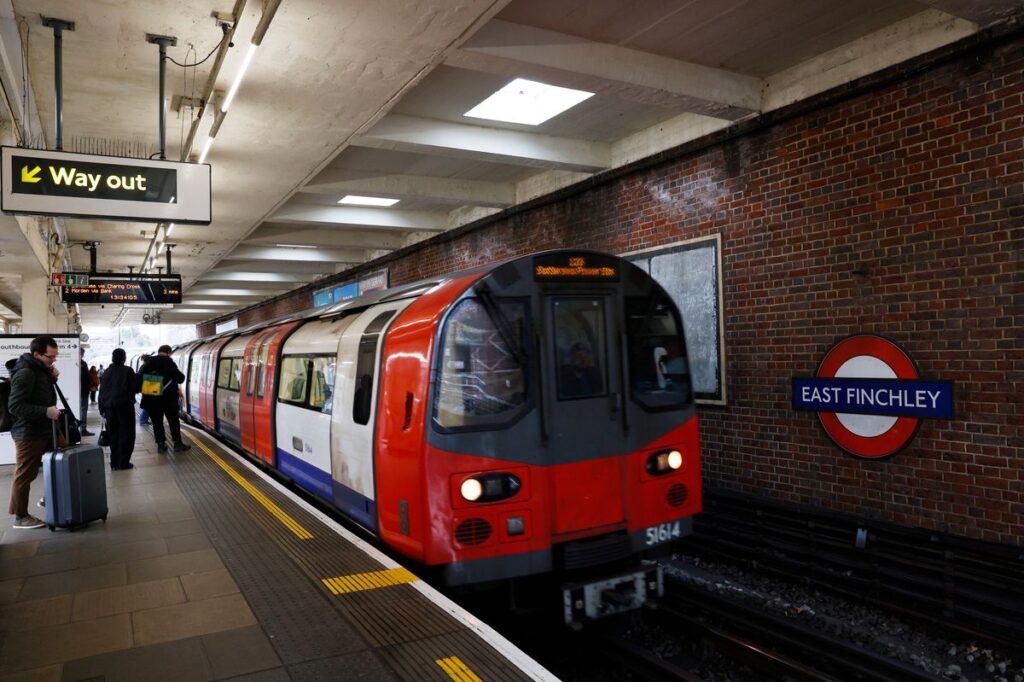
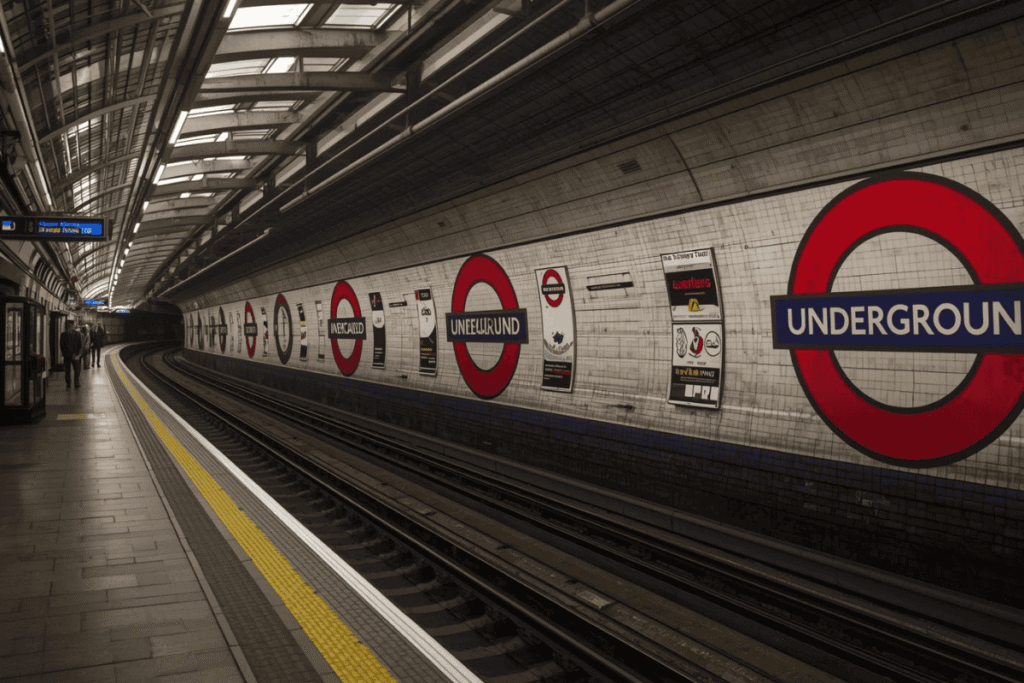
The expansion of the Underground in the early twentieth century catalysed suburban growth. Marketing campaigns promoted new housing developments along freshly extended lines, promising fresh air and swift commutes.
The railway did not merely respond to urban sprawl; it actively shaped it. Fields transformed into residential districts because trains made distance manageable. The phrase “Metro-land” captured this phenomenon, a pastoral ideal linked seamlessly to the city’s commercial heart.
For international travellers exploring outer districts, it is worth noting that these neighbourhoods owe their very existence to subterranean rails. The Underground democratised space, allowing families to reside beyond the congested centre without sacrificing opportunity.
Thus, the network functioned as both transport and town planner. It reimagined the city’s boundaries, enabling a new rhythm of life—work in the centre, home amid greenery.
11. An Ecosystem of Its Own
Beneath the city thrives a unique ecosystem. Species of mosquito once adapted specifically to tunnel environments, evolving separately from their surface counterparts. The stable temperatures and enclosed spaces fostered distinct biological conditions.
This phenomenon fascinates scientists and underscores the network’s unintended ecological impact. The Underground is not sterile infrastructure; it is habitat.
For travellers, this knowledge adds another layer of intrigue. The tunnels are not only corridors of steel but microcosms of adaptation. Life, in subtle forms, persists even in engineered environments. It is a reminder that wherever humans build, nature responds, sometimes invisibly, sometimes ingeniously.

12. A Cultural Stage for the World
From buskers whose melodies echo through corridors to film crews transforming platforms into cinematic backdrops, the Underground is a cultural stage. It has appeared in countless novels, films and artworks, symbolising everything from romance to suspense.
Its roundel is globally recognised; its announcement chime instantly evocative. For visitors, riding the network often feels like stepping into a familiar scene, even on a first visit.
Yet beyond symbolism, the Underground’s true cultural significance lies in its democracy. Here, aristocrats and artists, bankers and backpackers share space. It is one of the few arenas where the city’s diversity converges daily.
In this convergence lies its enduring magic. The Underground is not merely beneath London; it is within it, circulating stories, sustaining livelihoods, and embodying resilience. To travel through its tunnels is to participate in a living narrative that began in 1863 and continues, with undiminished vitality, today.