

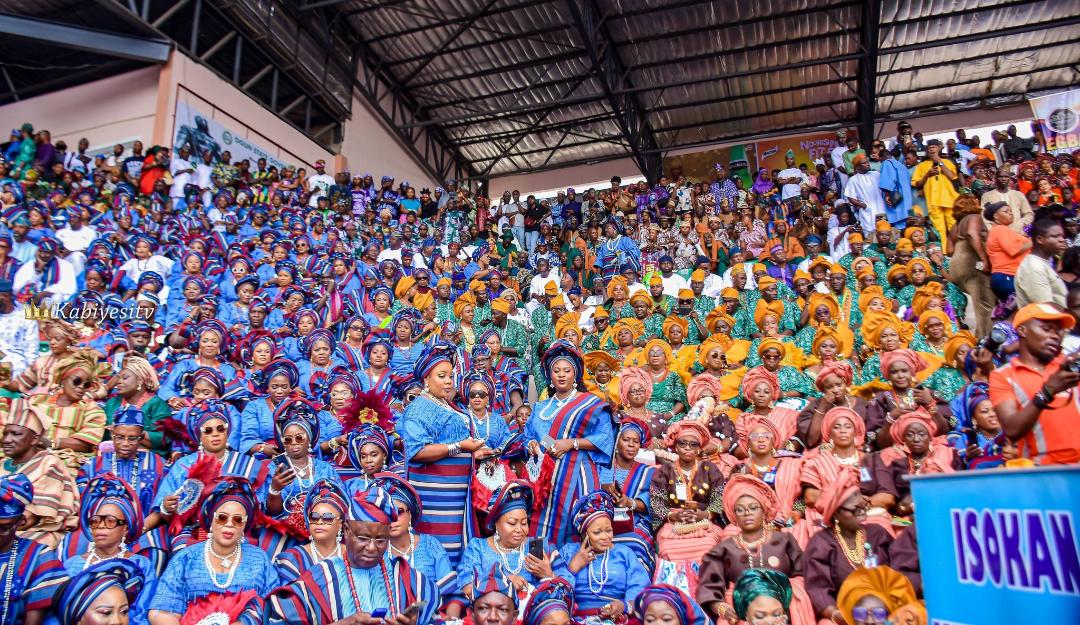
In Abeokuta, Egbaliganza 2026 transformed Lisabi Day into a global spectacle; where history, fashion, and identity converged, reimagining Egba heritage for a sophisticated, contemporary world audience.
By David Edremoda
There are moments in the life of a people when history refuses to remain still; when it rises, luminous and insistent, demanding not only remembrance but re-expression. Egbaliganza 2026 was such a moment.
On March 28, 2026, the ancient city of Abeokuta, the historic heart of Egbaland, became a theatre of memory and imagination. What has long been known as Lisabi Day, a solemn commemoration of courage, unity, and resistance, unfolded this year in a new, expansive form. It unfolded as Egbaliganza.This was not a displacement of tradition. It was its renaissance. Not a break from history, but its rearticulation in a language at once visual, participatory, and global.
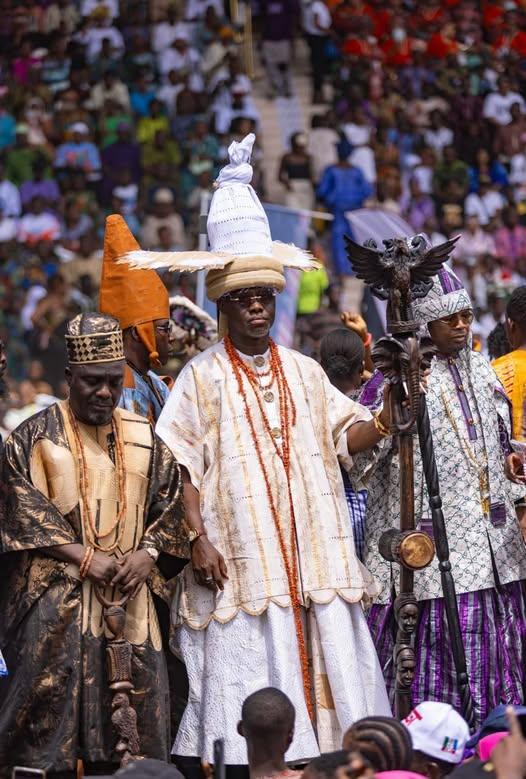
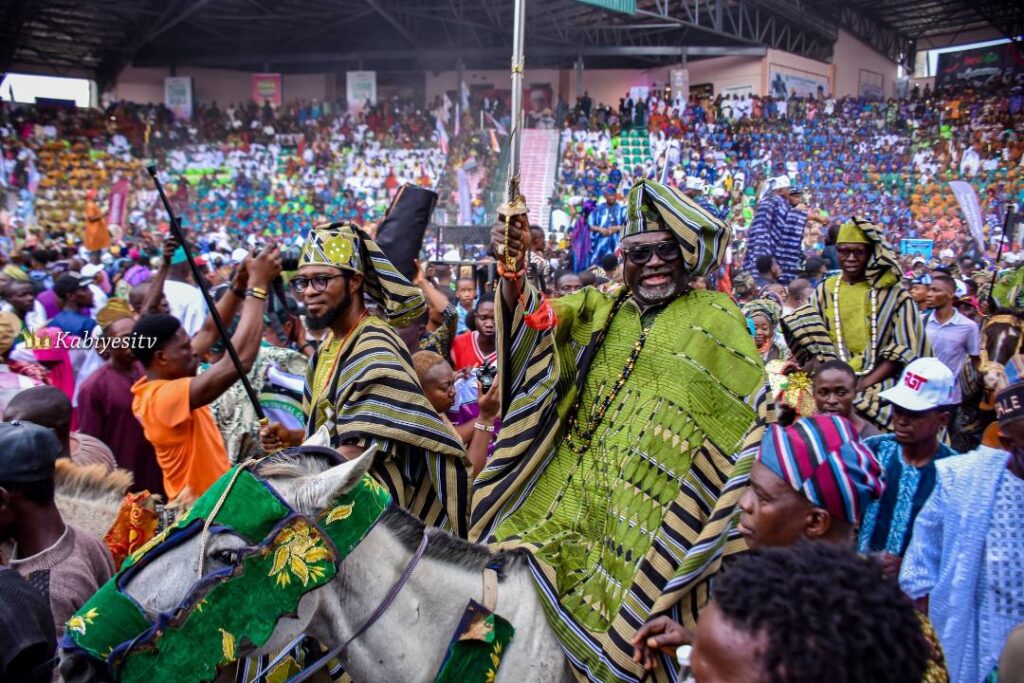
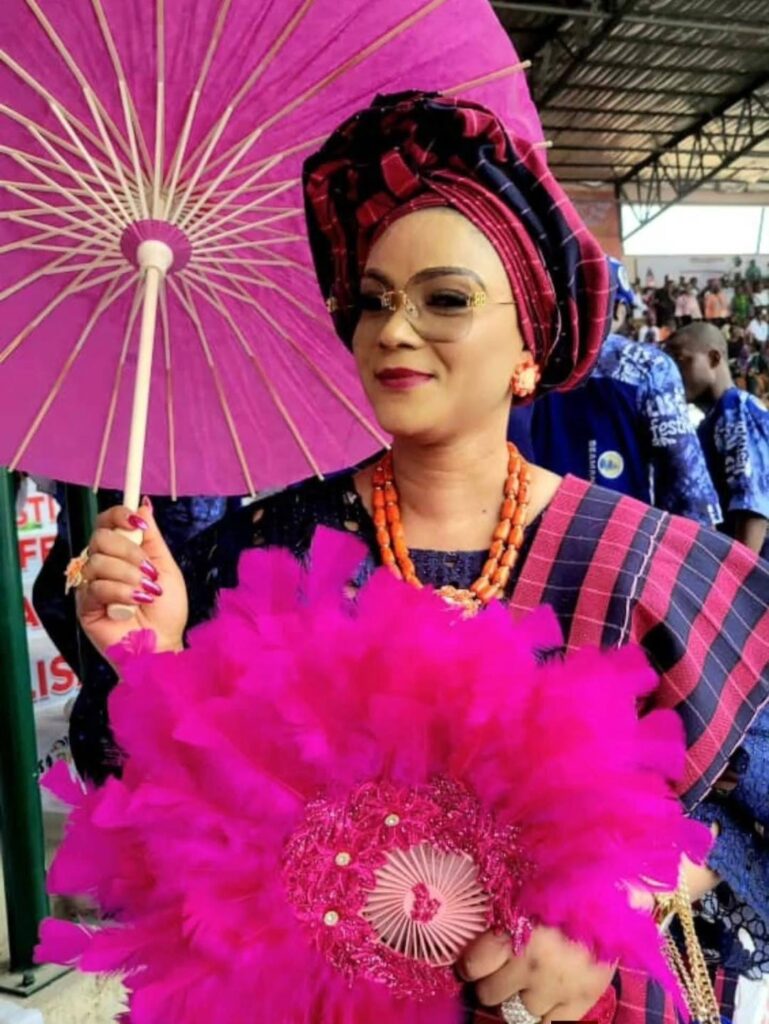
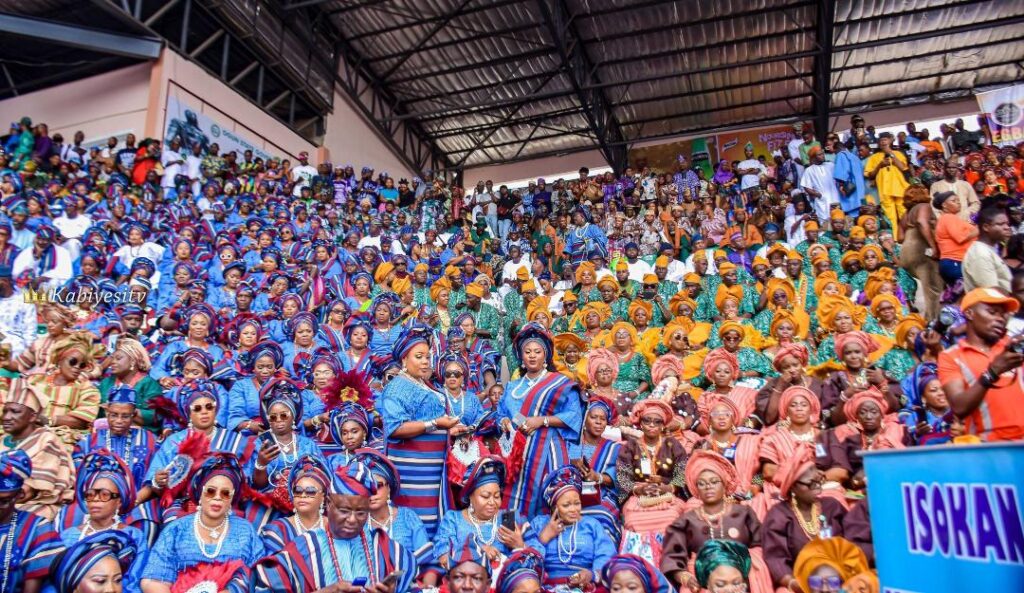
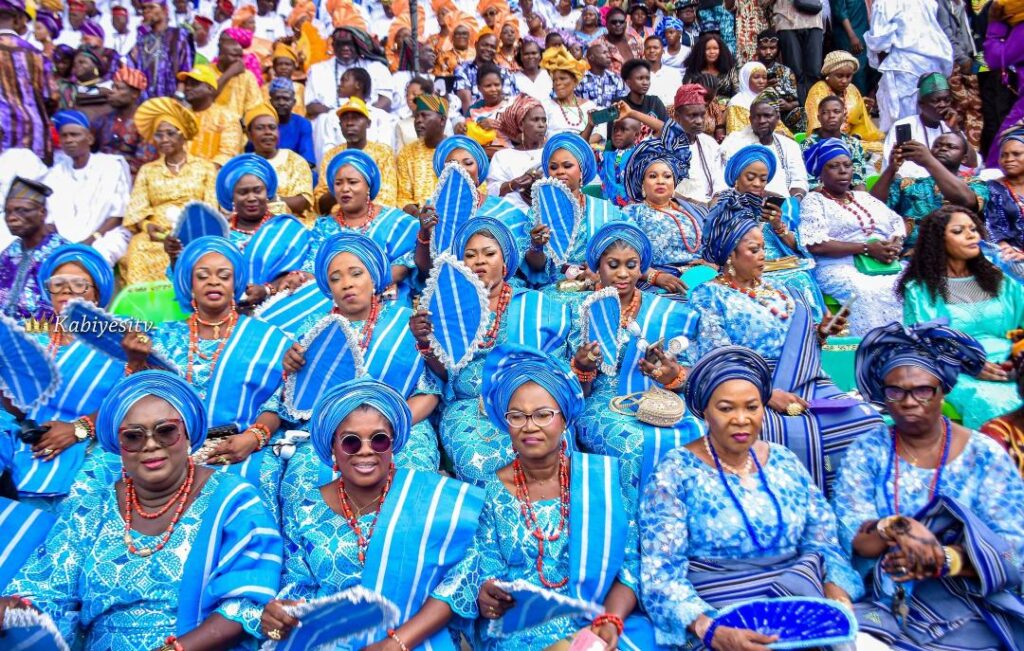
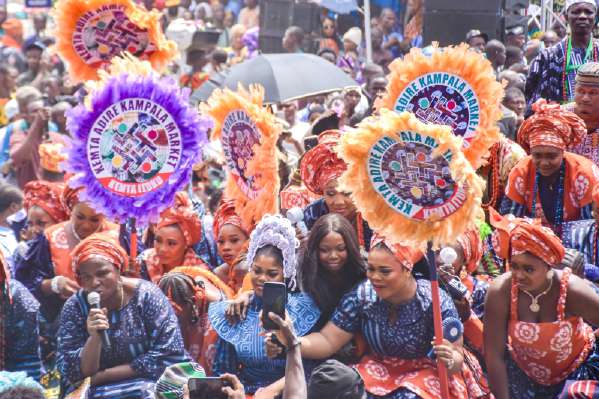
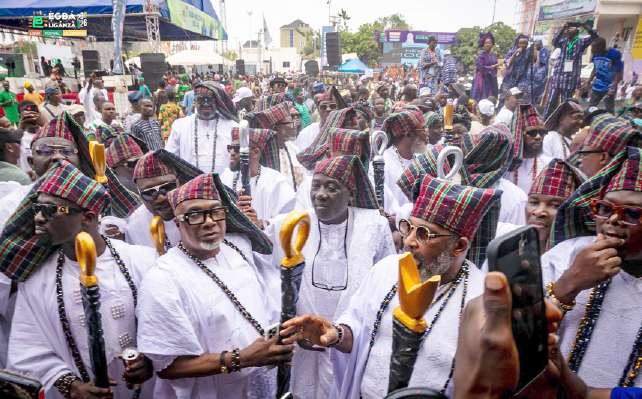
Like mimosa trees in full bloom, Abeokuta erupted in colour and rhythm. Flowing agbadas, sculpted geles, shimmering Àdìrẹ, and stately Aso-Oke converged in a dazzling choreography of identity. The deep cadence of talking drums stitched together centuries, echoing from the age of Lisabi into the present.
From across Nigeria and the diaspora, Egba sons and daughters returned home. From across continents, visitors arrived; delegations from more than fifty countries, transforming a regional festival into a global cultural summit. Yet beneath the spectacle lay something deeper and more enduring: a deliberate act of cultural narration.
From Remembrance to Expression
Lisabi Day has always honoured the legendary Lisabi Agbongbo Akala, the architect of Egba resistance in the eighteenth century. His story: of organisation, courage, and collective dignity, remains foundational to Egba identity.
What Egbaliganza achieves is not a redefinition of that story, but its expansion. It transforms memory into experience. It invites participation rather than observation. It allows history to be worn, performed, and interpreted.
In this transformation lies the answer to how Lisabi Day has increasingly come to be recognised as Egbaliganza. The latter has become the expressive arm of the former, a cultural language through which the deeper meaning of Lisabi’s legacy is communicated to a wider world.
Here, garments become narratives. Fabrics speak. Each fold, motif, and adornment encodes memory. As Aare Lai Labode has articulated, these are not garments assembled merely for applause; they are “visual texts”; repositories of identity, dignity, and continuity. Egbaliganza, therefore, is not merely a festival. It is a form of storytelling.
The Head is Never Ordinary
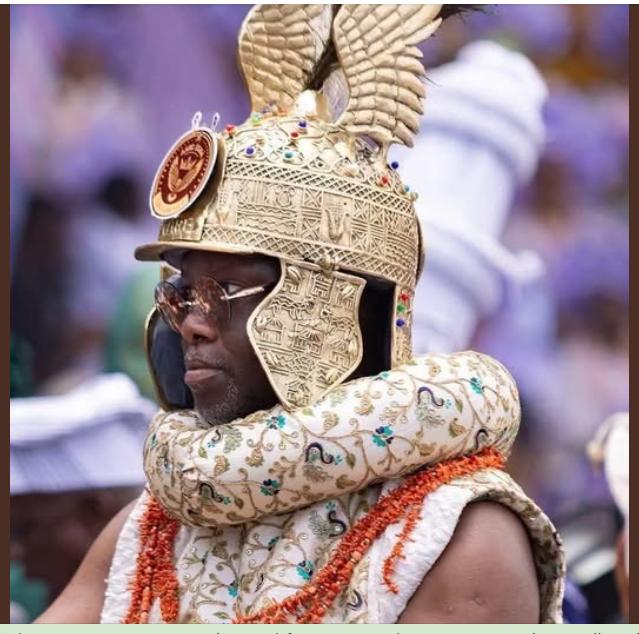
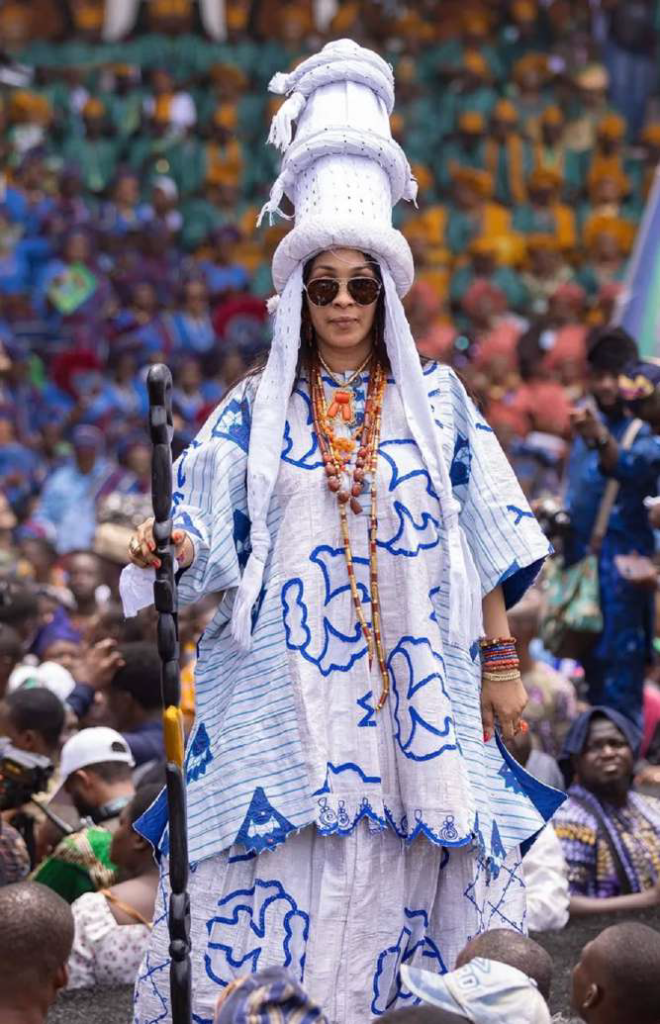
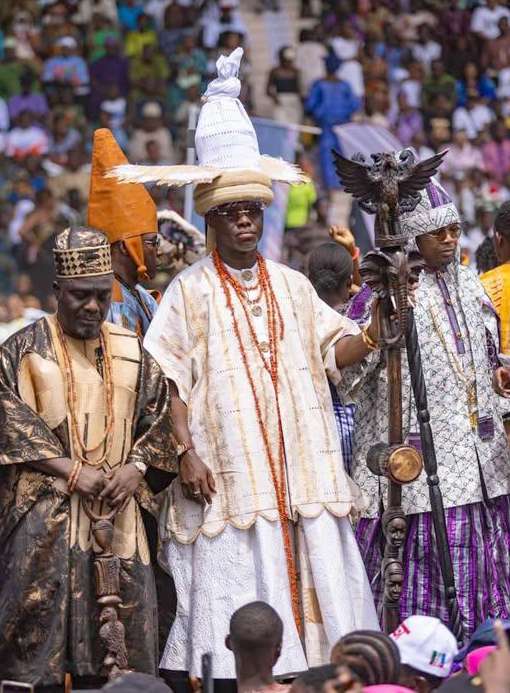
Central to the intellectual and cultural depth of Egbaliganza 2026 was a single, striking motif: the headgear.
Its sculpted, sometimes metallic, sometimes plume-adorned form provoked spirited debate. For some, it appeared unfamiliar, even foreign. For others, it represented bold innovation. Yet, as Aare Lai Labode explained, such reactions are not signs of cultural weakness, but of vitality.
Among the Yoruba, the orí – the head – is never ordinary. It is the seat of identity, destiny, and spiritual individuality. For this reason, what adorns or protects the head has always carried profound significance. Across centuries, Yoruba kings, warriors, hunters, and titled individuals have worn diverse forms of headgear; beaded crowns, reinforced caps, ceremonial coverings, each signifying authority, readiness, or status.
The headgear of Egbaliganza must therefore be understood within this continuum. It is not an arbitrary invention, nor an imitation of external forms. Rather, it is a contemporary interpretation of an enduring principle: that the head must be honoured, protected, and elevated.
In this sense, the so-called “helmet” becomes more than design. It becomes pedagogy. It teaches that heritage is not static. It evolves through thoughtful engagement.
“If a headgear provokes debate,” Labode observed, “let it also provoke learning, because heritage is not a museum of fear; it is a workshop of courage.”
This statement captures the philosophical core of Egbaliganza: a willingness to engage tradition not with timidity, but with understanding and creative confidence.
The Choreography of a Cultural Renaissance
Egbaliganza 2026 unfolded with the precision of ritual and the flourish of theatre. Each segment of the celebration contributed to a larger narrative; one that blended reverence with innovation.
The Parade of Nations transformed Abeokuta into a living atlas, as participants from across the globe marched in symbolic unity. It was a visual affirmation that culture, while deeply rooted, can also be expansive and inclusive.
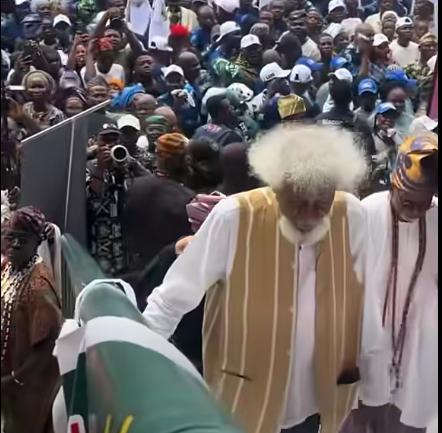
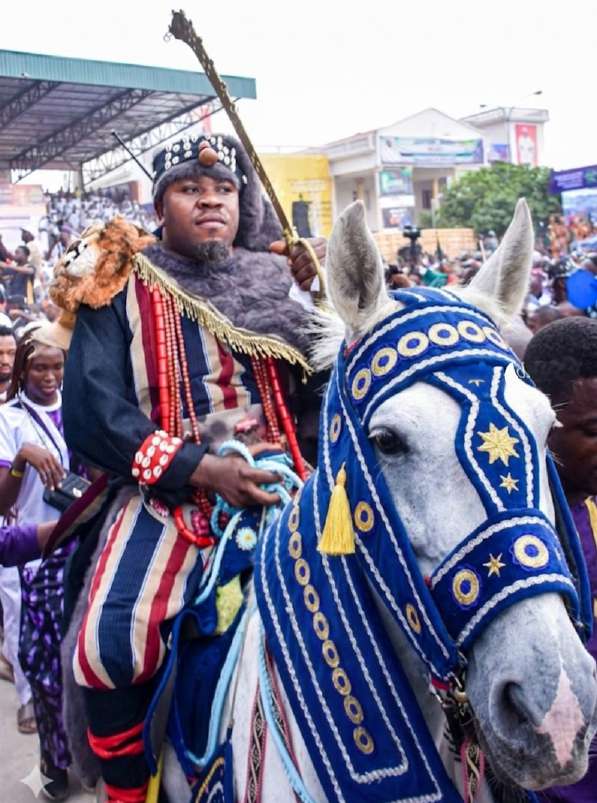
The Walk of Heroes followed, bringing history into sharp, embodied focus. Through reenactments and symbolic processions, the story of Lisabi and other figures of Egba heritage was not merely told, it was experienced.
The unveiling of the Unity Drum provided a moment of collective reflection. Constructed through a blend of traditional craftsmanship and modern engineering, it stood as a powerful symbol of resilience and continuity.
At the Oja Egbaliganza exhibition, quieter but equally profound stories emerged. Garments spanning generations connected contemporary creativity with ancestral artistry, reminding observers that fashion, in this context, is not ephemeral but archival.
The celebration culminated in the “Flame of a Continent” Gala Night, a luminous convergence of music, storytelling, and high fashion. Here, Egbaliganza revealed its full ambition: not merely to celebrate culture, but to elevate it onto a global stage.
Abeokuta: The Living Foundation
To understand the resonance of Egbaliganza is to understand Abeokuta itself.
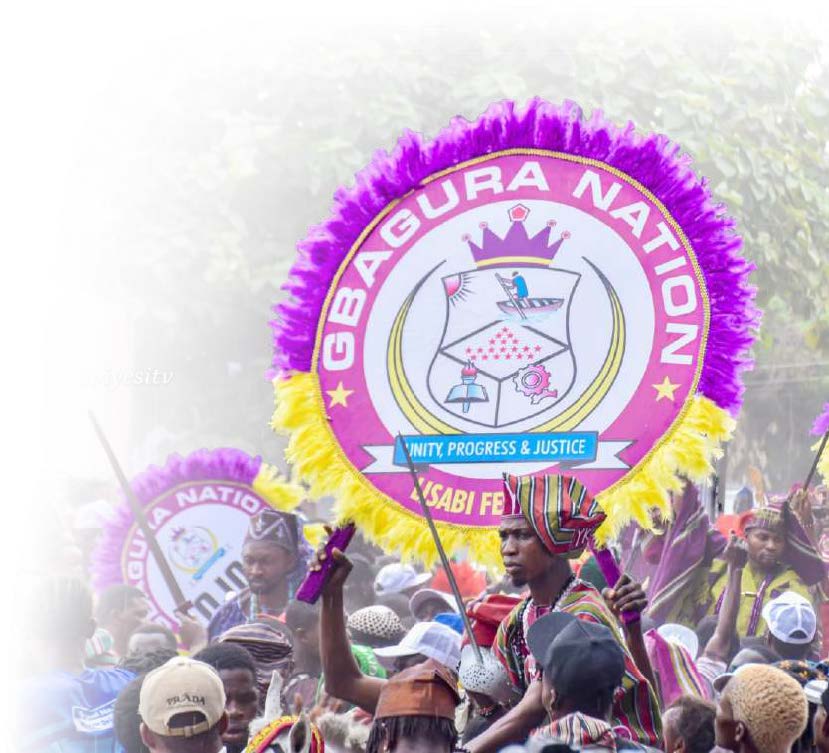
Meaning “under the rock,” the city emerged in the nineteenth century as a refuge, a confederacy of Egba subgroups who settled around the protective presence of Olumo Rock. Ake, Owu, Oke-Ona, and Gbagura, distinct in identity yet united in purpose, formed a model of coexistence rooted in both diversity and solidarity.
This confederate identity remains central to the spirit of Egbaliganza. The festival is not a monolithic expression but a convergence, a reflection of a people who have always balanced tradition with adaptation.
Historically, the Egba have been pioneers: early adopters of Western education and Christianity, contributors to journalism and printing, and custodians of globally recognised textile traditions such as Àdìrẹ. This dual orientation, rooted yet forward-looking, is precisely what Egbaliganza embodies.
No meaningful cultural movement emerges without scrutiny, and Egbaliganza 2026 was no exception.
Critics raised concerns about authenticity, questioning whether certain elements strayed from recognisable Egba or Yoruba aesthetics. Others argued that the festival’s global orientation risked diluting its cultural specificity.
Yet such debates are not signs of decline. They are indicators of engagement. They reveal a community deeply invested in its identity; one that refuses to accept representation uncritically.
Supporters, on the other hand, saw in Egbaliganza a bold and necessary evolution, a platform that extends Egba culture beyond its geographic boundaries while retaining its core values.
In truth, both perspectives contribute to the vitality of the festival. As Labode suggests, the proper response to criticism is not defensiveness, but explanation. Culture thrives in dialogue. It grows through inquiry.
Beyond its visual grandeur, Egbaliganza has quietly become an engine of cultural renewal. Across Abeokuta and beyond, artisans, tailors, weavers, bead makers, and designers, have found renewed relevance. Àdìrẹ workshops hum with activity. Aso-Oke looms return to prominence. Indigenous craftsmanship, once at risk of marginalisation, is being reinserted into contemporary life.
This revival carries profound implications. Culture survives not only in memory but in practice, in the hands that continue to shape it. Egbaliganza, in this sense, is not merely performance. It is production. It is economy. It is continuity.
Lisabi, Reimagined
At its core, Egbaliganza remains anchored in the legacy of Lisabi. He stands not only as a historical figure but as a symbol of organised courage and collective dignity. His story continues to offer a moral framework; one that emphasises unity, discipline, and purpose.
By reinterpreting this legacy through fashion, performance, and global engagement, Egbaliganza ensures that Lisabi is not confined to the past. He becomes present, alive in the consciousness of a new generation. Lisabi Day has not been eclipsed. It has been amplified; given new language, new visibility, and new resonance.
A Festival, A Future
Egbaliganza 2026 was, above all, a declaration. It declared that culture is not static but dynamic. That heritage is not diminished by innovation but enriched by it. That identity, when confidently expressed, can travel across borders without losing its essence.
As the final echoes of drums faded into the Abeokuta night, what remained was not merely the memory of colour and sound, but the sense of something unfolding.Egbaliganza is no longer simply an event within Lisabi Day. It is becoming its defining expression; a living, evolving language through which the Egba people tell their story to the world. And in that story; woven in fabric, carried in rhythm, crowned with meaning, the past and the future meet, not in conflict, but in continuity.