
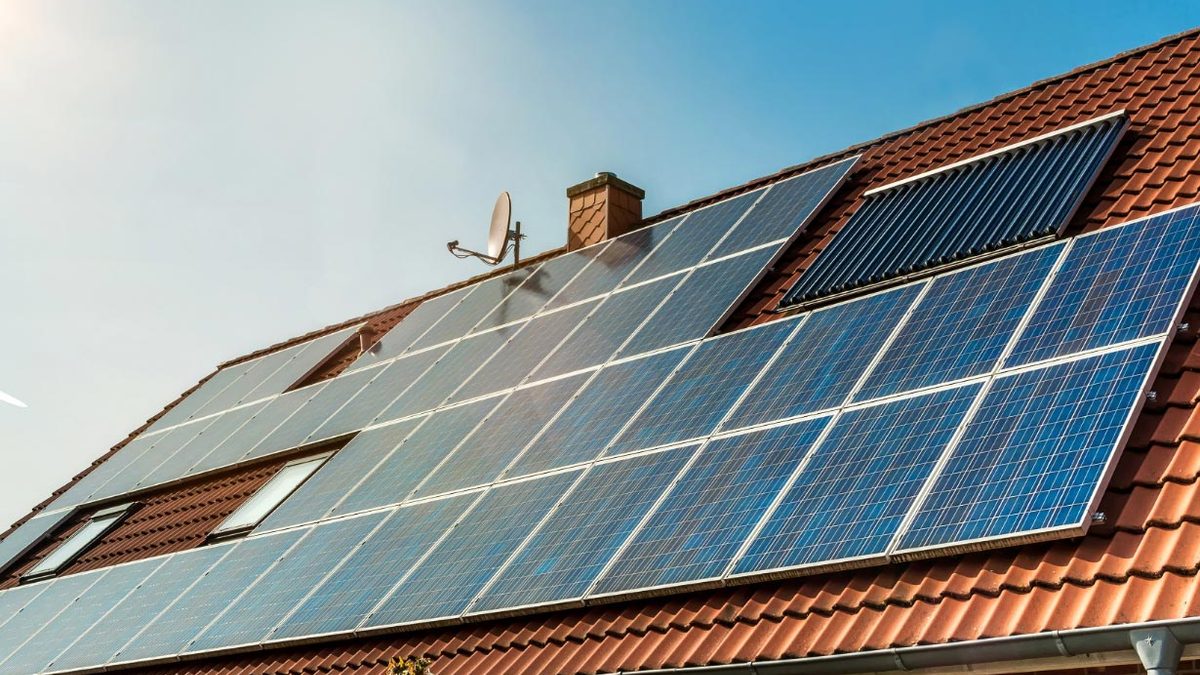
Across Nigeria, solar panels are rising above the rooftops of luxury homes, quietly signalling a profound change in the meaning of modern affluence. Beyond grand architecture and exquisite interiors, reliable electricity, energy independence, silence and uninterrupted comfort are becoming essential markers of luxury in a country redefining how it lives.
By Emem Effiong
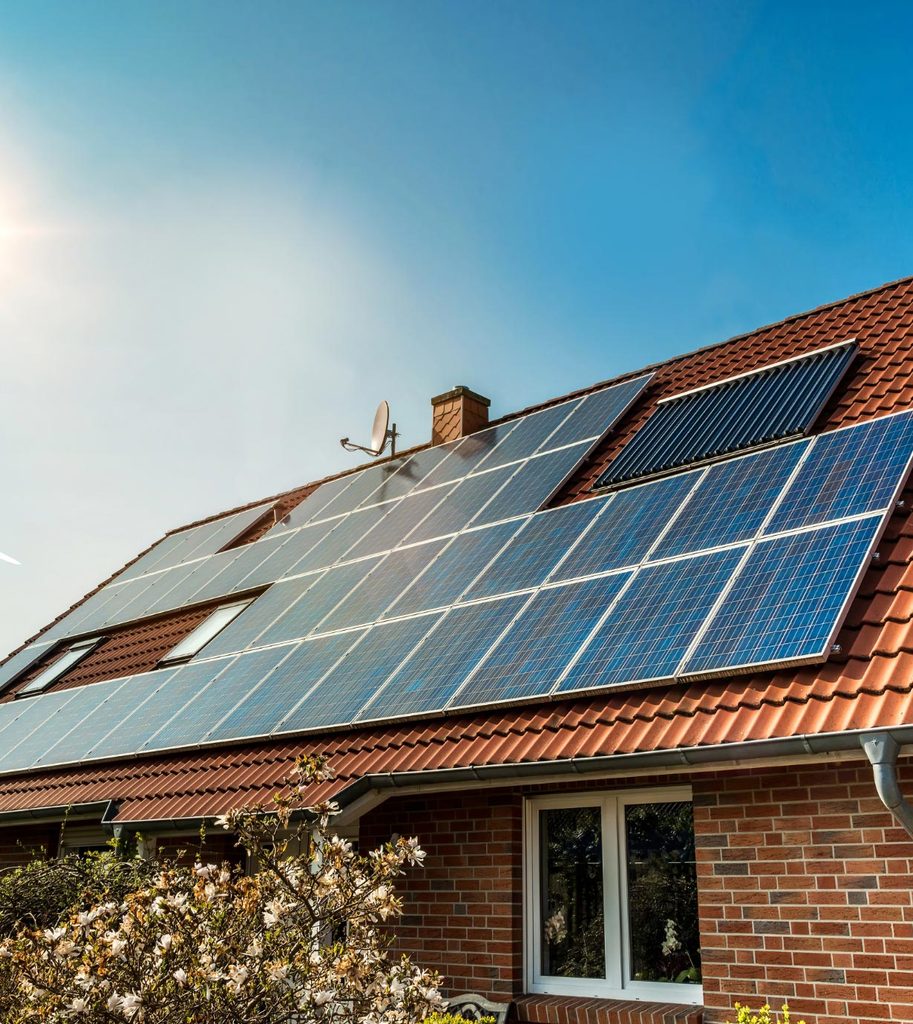
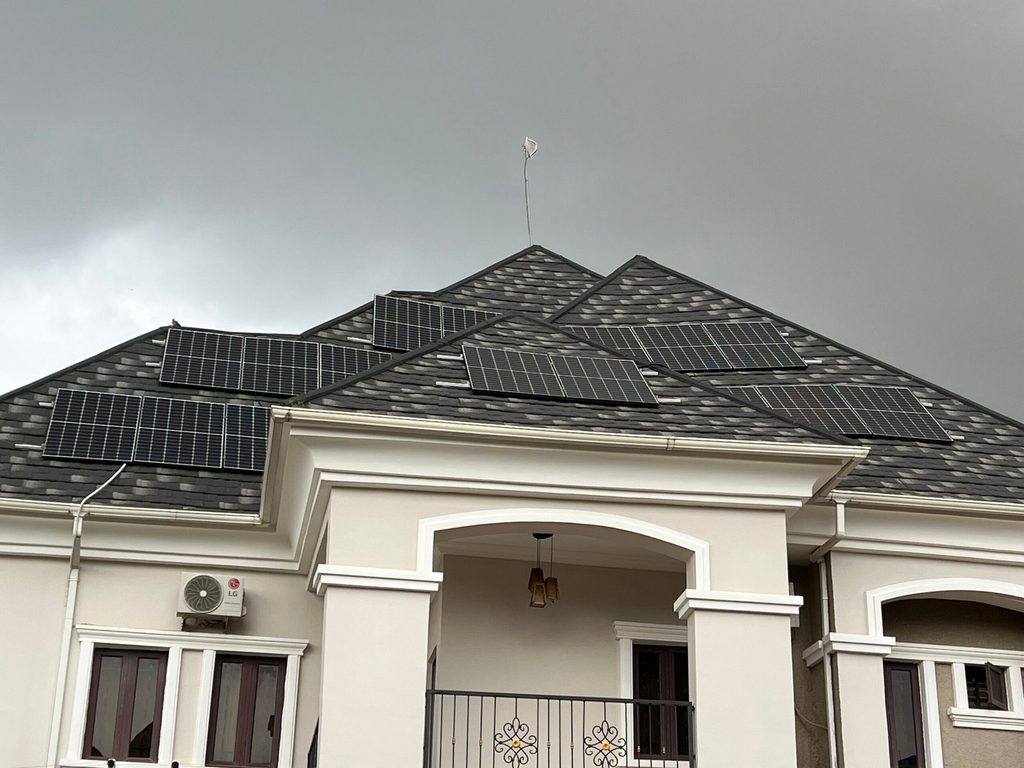
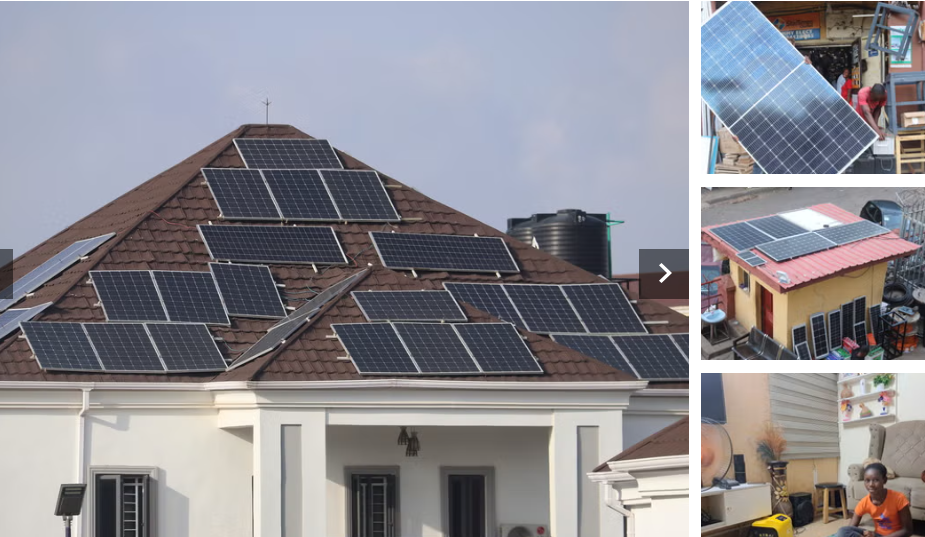
For generations, luxury in the Nigerian home was largely defined by visible symbols of affluence: imposing architecture, expansive living spaces, imported furnishings, sophisticated fittings, swimming pools, landscaped gardens and elaborate entertainment areas. Today, another feature is steadily joining that familiar vocabulary of comfort and distinction. Across Nigeria, solar panels are increasingly appearing on the rooftops of luxury homes, apartments and residential estates, signalling a significant shift in the way affluent Nigerians think about comfort, convenience and modern living.
The transformation is rooted in a simple reality. Reliable electricity has remained one of the most persistent challenges confronting households and businesses across the country. For decades, electricity generators became an almost indispensable part of Nigerian life, providing an alternative whenever the public grid failed. In many homes, particularly affluent ones with substantial electricity requirements, the generator was treated as a permanent component of the household infrastructure.
That arrangement, however, is gradually beginning to look dated.
The increasing visibility of solar panels on the rooftops of upscale residences reflects a changing understanding of energy. Solar power is no longer viewed merely as an emergency alternative or an experimental technology for environmentally conscious homeowners. It is increasingly regarded as a sophisticated investment in energy independence, efficiency and continuity. For the owners of large and expensive homes, dependable electricity is becoming an important part of the luxury experience itself.
The contemporary Nigerian luxury home is an energy-intensive environment. Several air-conditioning units may operate simultaneously, while refrigerators, freezers, water pumps, electric gates, security systems, surveillance cameras, internet equipment, home offices, entertainment systems, kitchen appliances and sophisticated lighting all demand a reliable supply of electricity. As homes become more technologically advanced, their dependence on uninterrupted power inevitably increases.
This is where solar technology is changing the character of domestic life.
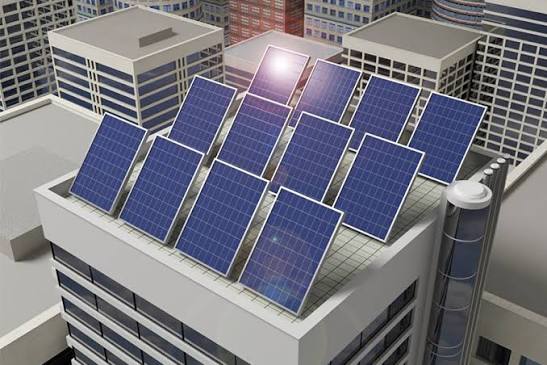
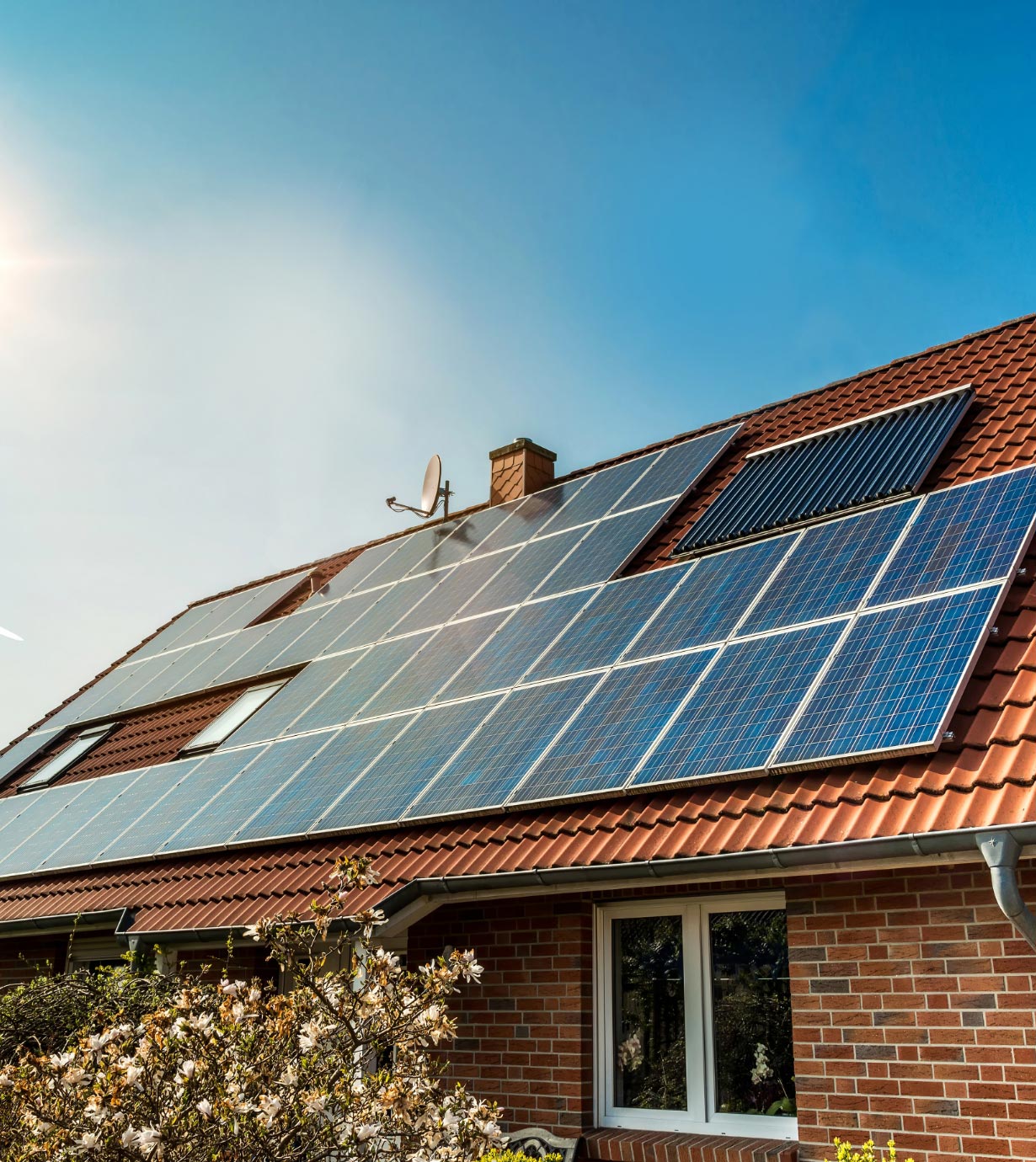
A well-designed solar installation combines rooftop photovoltaic panels with an inverter and battery storage system to generate, manage and store electricity. During periods of adequate sunlight, the panels produce energy that can be used immediately or stored for later consumption. When the public grid fails, the stored energy can help maintain essential household operations without the immediate need to start a generator.
For homeowners accustomed to the disruption of power outages, the difference can be profound. A blackout does not necessarily mean darkness, an overheated living room, a silent refrigerator or an interruption to work and entertainment. The house can continue functioning with remarkably little disturbance.
This seamlessness is increasingly becoming part of the modern definition of luxury. Luxury has always involved freedom from inconvenience. In the finest hotels, residences and private retreats, the quality of the experience depends not only on what is beautiful but also on what functions effortlessly. A beautifully furnished home loses some of its appeal when residents must constantly worry about electricity, fuel, generator maintenance or the next power interruption. Reliable energy therefore becomes more than a technical necessity; it becomes an essential component of comfort.
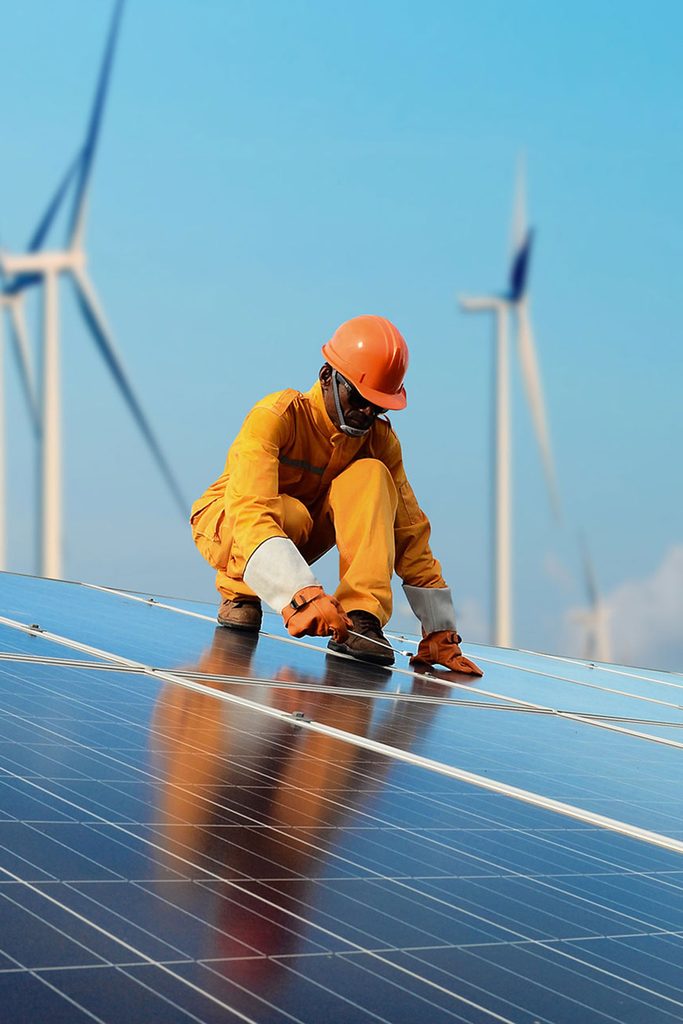
The shift is particularly evident in the changing relationship between affluent Nigerians and generators. Generators played an important role in helping households cope with unreliable electricity, but their limitations are increasingly apparent. Fuel costs can be substantial, particularly in large homes with heavy energy consumption. Engines require servicing, spare parts and regular attention, while mechanical problems can occur at inconvenient moments. There is also the noise, vibration and fumes associated with generator operation.
For many homeowners, the attraction of solar power lies partly in its ability to remove these daily inconveniences from the centre of domestic life.
The difference is especially noticeable at night. A generator can become a conspicuous presence, its engine audible beyond the property and its operation requiring constant awareness. Solar energy, by contrast, works largely in silence. Once properly installed, the system can provide electricity without transforming the peaceful atmosphere of a residence into an extension of the mechanical world outside.
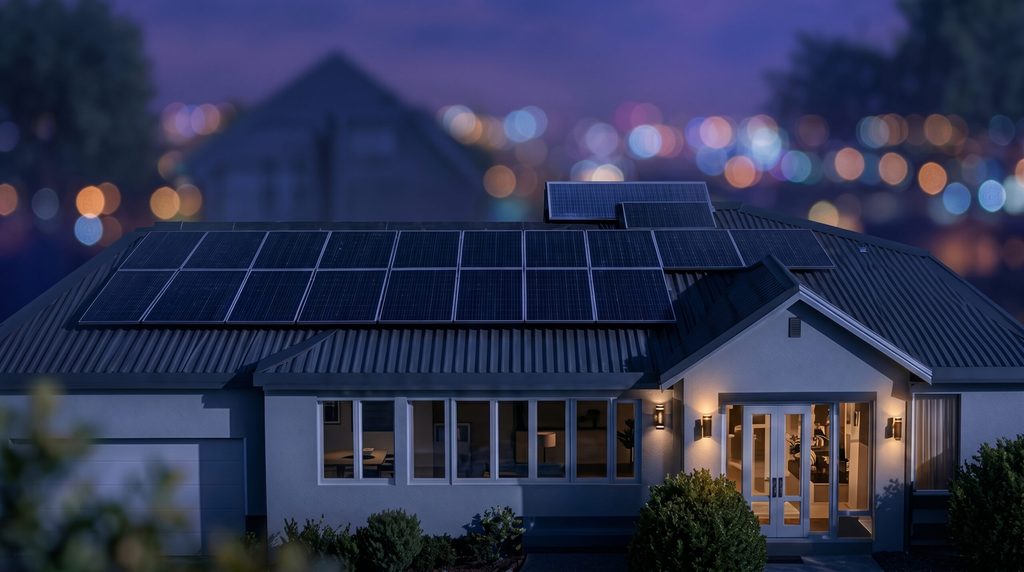
This quietness is becoming an understated form of luxury.
In Nigeria’s growing collection of premium residential estates, where privacy, tranquillity and exclusivity are important considerations, the elimination of generator noise can significantly improve the character of the living environment. The absence of mechanical disturbance becomes something residents appreciate precisely because it is no longer there.
Solar power also offers another form of reassurance: greater energy resilience. Modern homes increasingly depend on electricity for more than lighting and entertainment. Security infrastructure is particularly important. Electric gates, CCTV cameras, perimeter lighting, alarms, access-control systems and internet-connected security devices all require power to remain effective. A prolonged outage can therefore become more than an inconvenience; it can affect the operation of systems upon which homeowners depend.
Battery-backed solar systems can provide continuity for many of these critical functions, helping to ensure that a residence remains secure even when the public grid is unavailable.
The same principle applies to the modern connected home. Luxury residences are increasingly incorporating smart technologies that allow occupants to control lighting, climate, security, entertainment and appliances through digital systems. Such sophistication is attractive, but it also creates a greater dependence on electricity. The more intelligent the home becomes, the more important a reliable energy system becomes.
Solar power is therefore becoming part of the infrastructure supporting this new generation of domestic technology.
Yet the transition requires more than simply installing panels on a roof. The energy needs of a large residence can be considerable, and a system that is inadequate for the property’s actual consumption can quickly become a source of disappointment. Proper planning must take account of the number and type of appliances, peak consumption periods, battery capacity, available roof space and the expected role of the public grid or other backup sources.
For this reason, solar should be approached as an integrated energy system rather than a collection of panels. The panels generate electricity, the inverter manages and converts it for household use, while batteries provide storage for periods when solar generation is unavailable. Each component has a distinct role, and the effectiveness of the entire system depends on how well those components work together.
Quality installation and maintenance are equally important. The appeal of solar power rests on reliability, and that reliability depends on appropriate equipment, careful design and competent installation. For luxury homeowners, where the cost of energy equipment is often a relatively small proportion of the overall property investment, choosing a system solely on the basis of the lowest initial price may ultimately undermine the very convenience it is intended to provide.
The most practical approach for many Nigerian households may also be a hybrid one. Solar does not necessarily have to eliminate the generator or the public grid. Instead, the various sources can complement one another. Solar and batteries can provide the principal supply for everyday consumption, while the grid and generator remain available when demand exceeds capacity or during prolonged periods of unfavourable conditions.
Such an arrangement changes the role of the generator. Rather than being the first response every time the public electricity supply fails, it becomes a secondary or emergency source. That represents a significant psychological as well as technological shift.
The implications extend beyond individual homeowners. Property developers are increasingly required to consider what modern buyers actually value in a residence. In the past, the appeal of a luxury development might have rested overwhelmingly on location, architecture, interior finishes, recreational facilities and security. Those qualities remain important, but energy reliability is becoming an increasingly influential part of the equation.
A luxury apartment with elegant finishes but unreliable power can quickly lose some of its appeal. A similarly impressive property equipped with a well-designed energy system offers a different proposition: not merely an attractive place to live, but a home capable of functioning with greater independence and continuity.
This could increasingly influence the design of new residential developments across Nigeria. Solar panels may eventually cease to be an addition made after a house has been completed and instead become an integral consideration from the architectural planning stage. Roof orientation, energy efficiency, battery storage, electrical infrastructure and intelligent energy management can be incorporated into the design of the property itself.
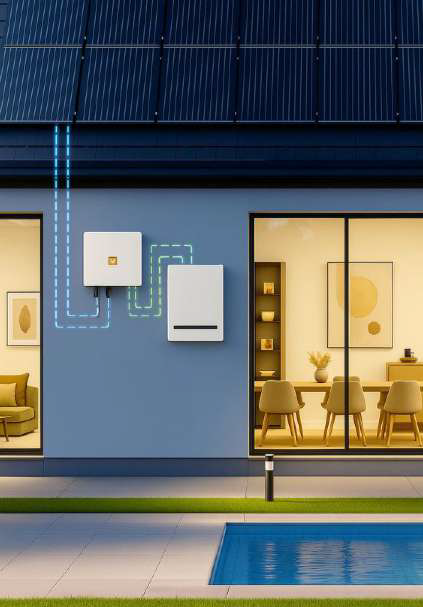
The rooftop solar panel is consequently becoming more than an energy device. It is becoming a visible marker of changing expectations.
There is also a wider significance to this transformation. Nigeria is blessed with abundant sunlight, yet the country has struggled for decades to provide reliable electricity to its rapidly growing population and economy. The increasing adoption of solar power represents an opportunity to harness a readily available natural resource while reducing dependence on conventional sources of electricity.
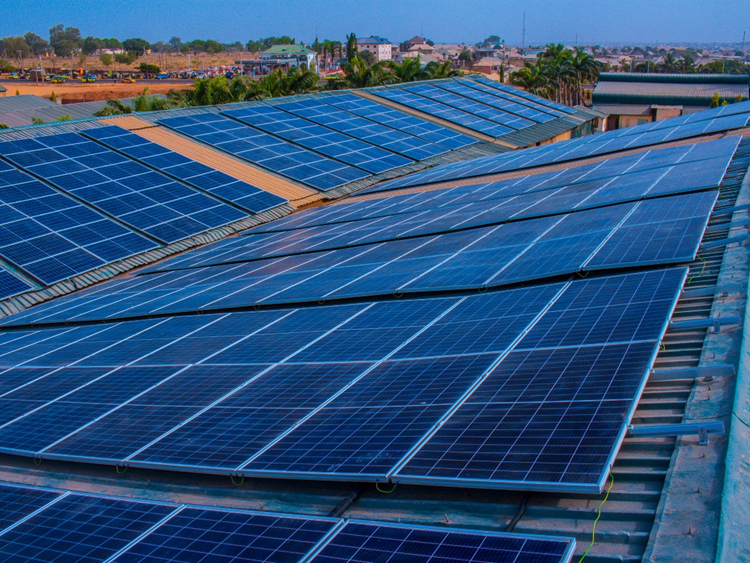
For affluent homeowners, the motivation may initially be convenience rather than environmental responsibility. Nevertheless, the broader consequences can be significant. Greater reliance on renewable energy can reduce generator use, lower fuel consumption and contribute to a cleaner and quieter residential environment.
The most important transformation, however, may be cultural. The Nigerian luxury home is gradually moving away from an older conception of affluence in which luxury was primarily demonstrated through the things a property possessed. The emerging model places greater emphasis on how effortlessly the property functions.
This is why rooftop solar is becoming the new normal in Nigeria’s luxury homes. The panels may be visible above the property, but their greatest contribution is experienced within it. They are helping to redefine luxury not simply as the possession of an impressive home, but as the ability to live in that home with greater comfort, quietness, reliability and independence. In the Nigeria of tomorrow, the most desirable luxury residence may therefore be distinguished not only by what can be seen from its driveway or through its windows, but also by what happens when the lights go out across the neighbourhood. If the home remains quietly, comfortably and intelligently alive, the rooftop may already have told the story.