

Olu Jacobs was more than a commanding screen presence; he was a custodian of artistic excellence whose voice, discipline and legacy transformed African performance forever.

By Candice Eze
There are departures that leave silence, and others that alter the sound of an age. The passing of Oludotun Baiyewu Jacobs, known to generations as Olu Jacobs, belongs to the latter. At 84, he leaves more than performances. He leaves a cultural inheritance: a standard of discipline, dignity and excellence that helped define acting for more than five decades.
Born in Kano on July 11, 1942, to a family rooted in the Egba Alake community of Abeokuta, Jacobs encountered drama early through school, debating and church programmes. A performance by the legendary Hubert Ogunde transformed fascination into purpose. He recognised theatre not merely as entertainment, but as a vocation capable of carrying memory, illuminating character and expressing the complexities of human experience.
That conviction took him to the Royal Academy of Dramatic Art in London, where he acquired the rigour of professional theatre. Voice, movement, language and character became instruments of precision. He worked in British repertory theatre and appeared in television productions such as The Goodies, Till Death Us Do Part, The Professionals, The Tomorrow People and Barlow at Large. International cinema followed, with roles in The Dogs of War, Baby: Secret of the Lost Legend and Roman Polanski’s Pirates.
Yet the defining chapter of Jacobs’ career began when he returned home. Nigeria’s screen industry was still discovering its form and language, and he brought experience gained within an international theatrical tradition, enriched by an understanding of Nigerian culture. He did not simply join the emerging Nollywood; he enlarged its ambitions and embodied what it could become.
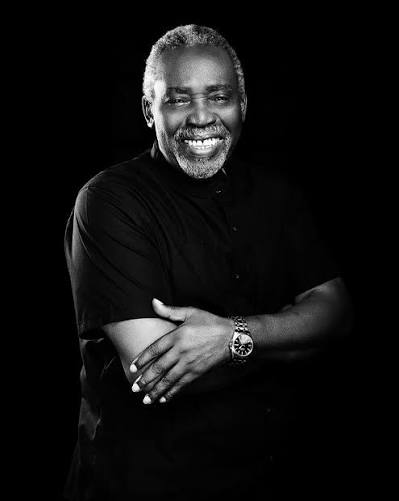
Jacobs possessed an authority that seemed effortless but was founded upon exacting craft. His resonant voice could command a room before a scene had unfolded; his stillness spoke as eloquently as movement. He inhabited kings, chiefs, patriarchs and elders with majesty, never surrendering them to caricature. Behind every presence lay an economy of gesture, precision of speech and understanding of the human being beneath the title.
Across Africa and beyond, he became an embodiment of wisdom and gravitas. More importantly, his example taught younger performers that popularity need not diminish discipline, commercial cinema could accommodate artistic seriousness, and an African actor could move between international stages and local stories without surrendering the particularity of home.
His honours affirmed a career inscribed in African cultural history. They included the Africa Movie Academy Award for Best Actor in a Leading Role in 2007, the national honour of Member of the Order of the Federal Republic in 2011, the Industry Merit Award at the Africa Magic Viewers’ Choice Awards in 2013 and the AMAA Lifetime Achievement Award in 2016. Yet medals and statuettes could only approximate his distinction. The greater honour was the trust audiences placed in him and the esteem he inspired within his profession.
His legacy also flourished beyond the screen. With his wife, actress Joke Silva, whom he married in 1989, Jacobs built one of Nigerian entertainment’s enduring partnerships. Together, they established the Lufodo Group and the Lufodo Academy of Performing Arts, transforming accomplishment into an institution for nurturing others. Their work ensured that knowledge accumulated across decades would become a bridge rather than disappear with a generation.
The grief surrounding his passing reaches beyond the loss of a performer. Colleagues remember a teacher, pioneer, elder and friend; younger actors recall his counsel, generosity, corrections and encouragement. Their testimonies reveal what awards cannot: an artist is measured not only by the roles he leaves behind, but by the people his example enables to rise.
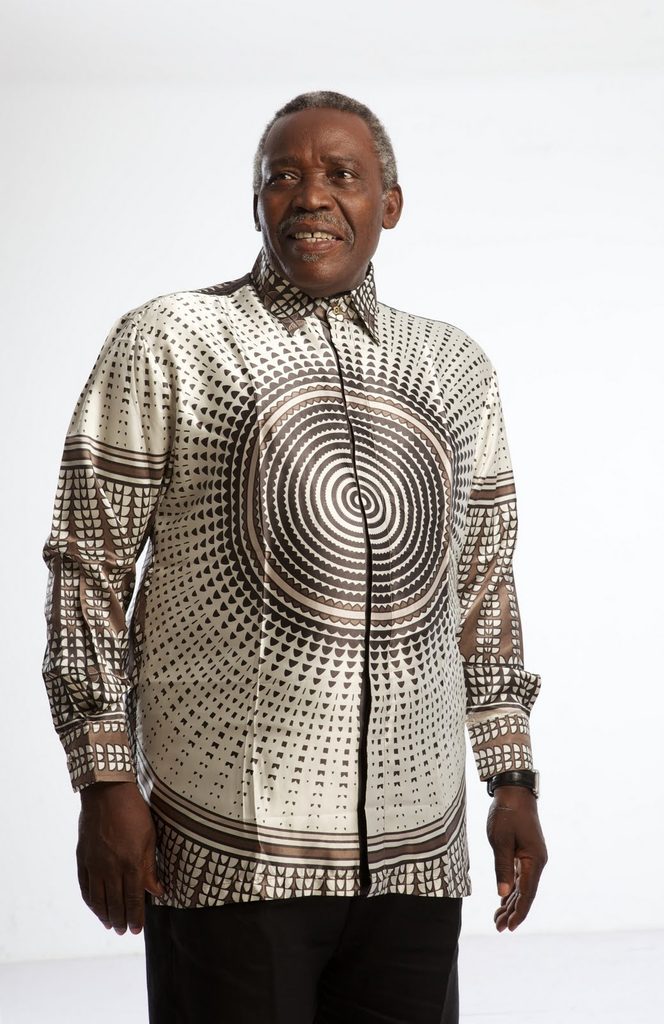
His final years unfolded away from the glare that had accompanied his career. As his health declined, Joke Silva and their family remained beside him, protecting his privacy and preserving his dignity. In that intimate season, the actor stood revealed in the identities that fame can obscure: husband, father, grandfather, friend and elder.
The stage is now quiet, but silence is not erasure. Olu Jacobs leaves performances woven into Nigeria’s cultural memory, institutions that cultivate talent and generations of practitioners shaped by his example. He understood that greatness was not merely the ability to command attention, but the power to confer meaning upon it.
His death closes a magnificent chapter in Nigerian theatre and cinema, yet the finest artists are never entirely absent. They endure in the cadences they taught us to hear, the characters through whom they enlarged our understanding of ourselves, and the younger voices carrying their lessons forward. Olu Jacobs has taken his final bow. The curtain has fallen on the man, but not on the world he helped create. His work, example and memory remain. In the unfinished story of African performance, his name will endure with the reverence reserved for those who did not merely inhabit an era, but helped give it its voice.