

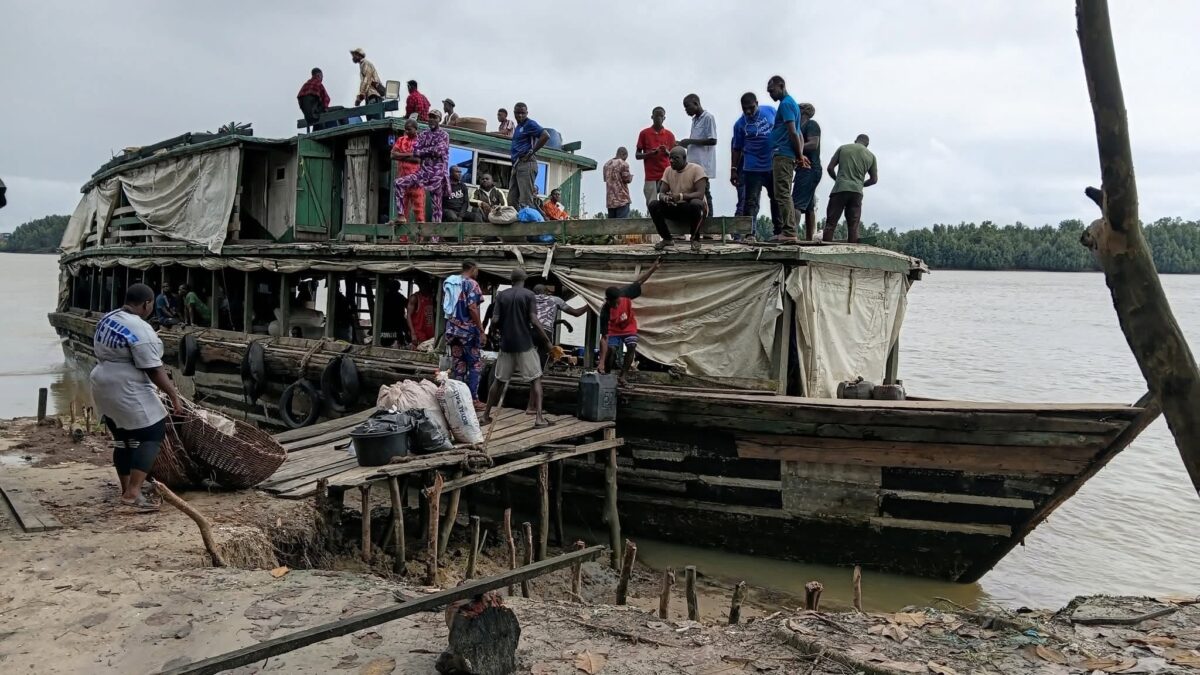
This is the inspiring story of how Bayelsa Boat Owners and Maritime Transport Workers Uphold a Longstanding Tradition of Compassion, Brotherhood and Solidarity by Rallying Around their Colleagues in Times of Distress on Water, Demonstrating the Enduring Strength of their Collective Spirit
By Sylvester Asoya

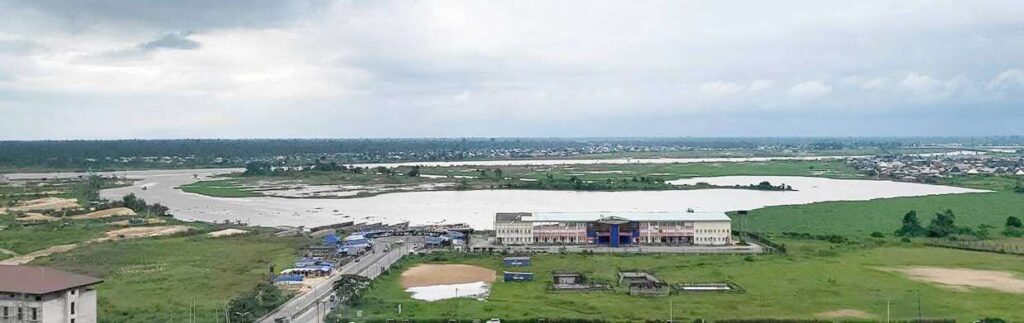
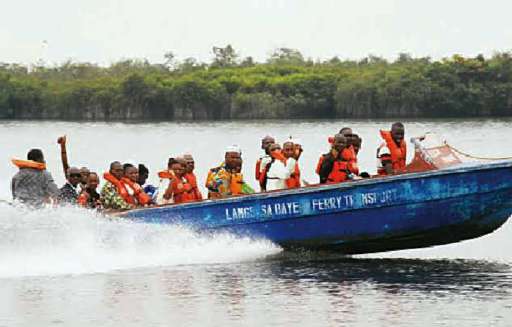
The journey from Ox-Bow Lake, where Yenagoa Boat Club is located in Bayelsa State, to Apoi, a riverine community, takes about three hours by water. Yet, for someone unfamiliar with life in the riverine areas in Nigeria, the trip may seem like an eternity. The endless stretch of waterways, the fear-inducing voyage across canals, the completely unfamiliar environment and the absence of road networks common in urban centres can make the journey feel much longer than it actually is. To undertake this voyage with high-speed open boats that skim across the waterways, one must possess both courage and endurance. The long hours on water, coupled with the unpredictable nature of rivers and creeks, make the journey a test of resilience for even the most seasoned travellers, including anyone with an adventurous spirit.
As the boat cuts through winding creeks and vast expanses of water, passengers are reminded of the unique challenges of life in the Niger Delta. But no one who travels by an open boat in Bayelsa State or any riverine state in the South-South, ever prays for rain while the journey lasts. On the waterways, a sudden downpour can turn an already challenging journey into a perilous ordeal, leaving passengers exposed to the elements and uncertainties of the sea.
Such trips, which are often accompanied by the roar of powerful outboard engines, the intermittent splash of waves against the boat, the unpredictable currents and conditions of the waterways, breathtaking views of mangrove forests and fishing settlements, is definitely a worthwhile experience only for the brave. But for people and residents of the riverine communities, such trips are a routine part of daily life. For first-time visitors however, the experience can be fascinating, exhausting and sometimes, frightening. Nonetheless, such journeys also offer a vivid glimpse into a world where waterways serve as highways, and boats remain the primary means of transportation.
But who are these boatmen in control of the roaring engines, and what lies behind their enduring tradition of compassion, brotherhood, solidarity in times of distress and untiring mutual support system on the waterways in times of danger? If one may ask again: What values have shaped this culture of always looking out for one another, even in the face of threat and uncertainties of the waterways?
Bound by a sense of solidarity and patriotism, boatmen and maritime workers in Bayelsa State, often put aside their own safety concerns to assist fellow mariners experiencing mechanical or electrical failures, accidents, or other emergencies on water.
Ebi Ebipere is one boatman who understands the true meaning of solidarity on the waterways, where every mariner feels a responsibility to look out for others in distress. For him, the bond among boatmen goes beyond friendship. It is a shared commitment forged by realities, experiences and dangers of life on water. “We boatmen are like a family”, he says. “There is hardly anything too much to do for one another when someone is in trouble. A boat can develop problems at any time. The brakes may fail, the spark plugs could malfunction, fuel may run out unexpectedly, or water may find its way into the engine. The challenges are enormous, recurring and endless, and often happen without warning. That is why we are always ready to stop and assist a fellow boatman in distress.”


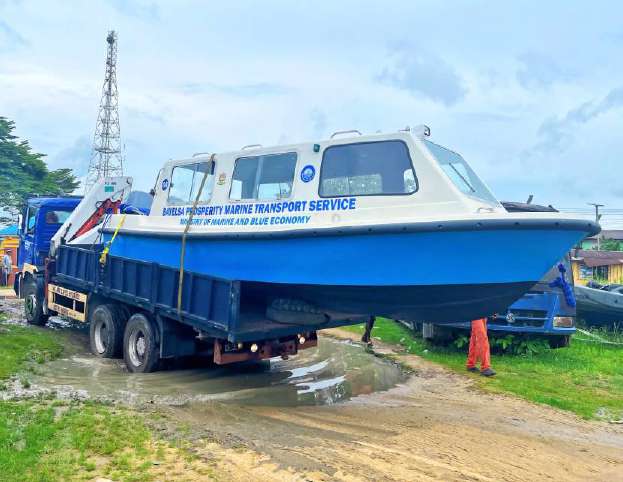
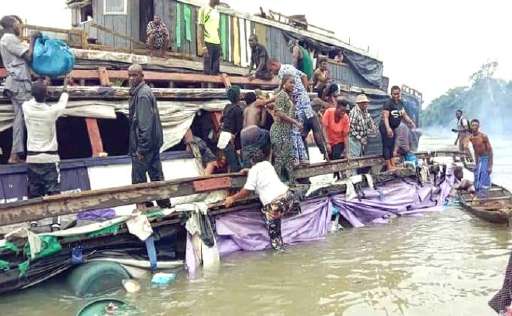
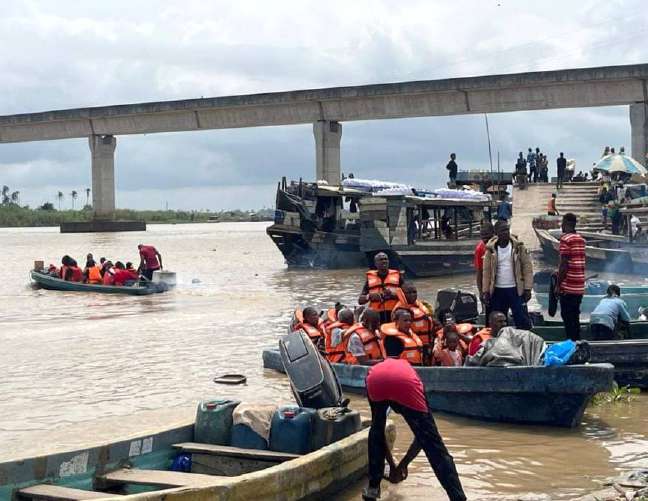

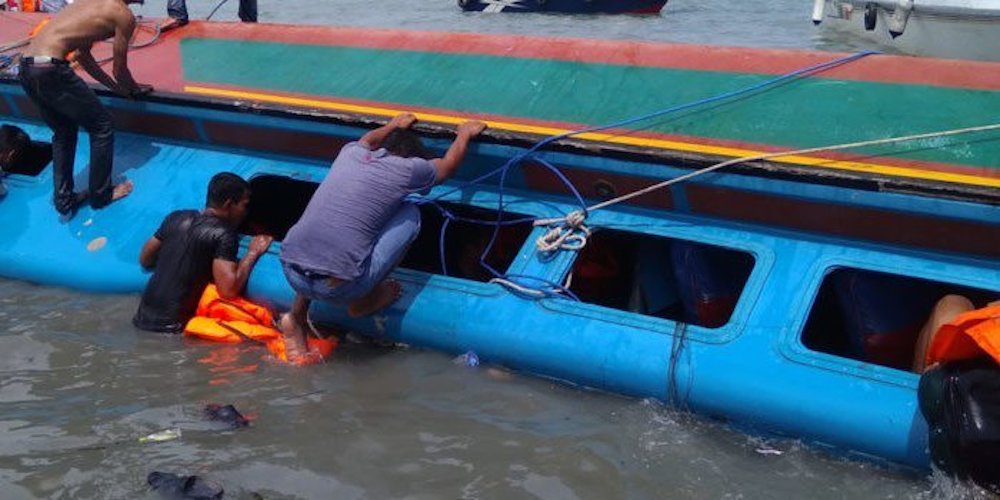
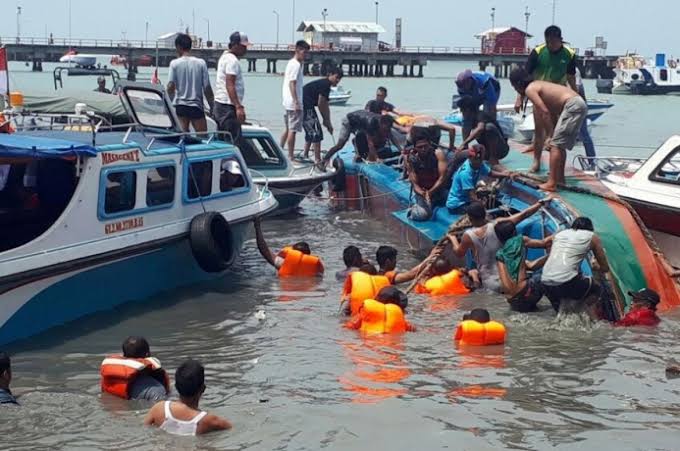
According to Ebipere, this culture of mutual support has saved countless lives over the years. Given the unpredictability of the waterways and the risks associated with river travel, boatmen understand that anyone can encounter difficulties at any moment. “As a result, helping a stranded colleague and his passengers is not viewed as an act of heroism but as a duty and a tradition that has been passed down through generations. Today, it may be another boatman in need of help; tomorrow it could be you”, he adds. “Honestly, that understanding keeps us united and ensures that no one is left behind to face danger alone on water.”
Owei Richard is another boatman who fully understands the spirit of the camaraderie that exists among those who make their living on the waterways. According to him, the bond among boatmen is unique and shaped by the shared dangers and uncertainties of life on water. “I travel by road occasionally,” he says, “but it is rare to see a driver changing a tyre or repairing an engine and have another driver stop to assist. But on the waterways, it is different, and that is where our story begins. We look out for one another all the time.”
Richard explains that the waterways demand a level of cooperation that goes beyond ordinary friendship or familiarity. “Mechanical failures, rough weather, strong currents, and other unexpected challenges can leave a boat vulnerable and stranded far from help in the middle of nowhere.” In such situation, he says the first line of support often comes from fellow boatmen who may be passing by. “We fully understand what it means to be in trouble on water,” he reveals. “That is why whenever we see a colleague experiencing difficulties, our instinct is to stop immediately and help. It does not matter whether we know the person personally or not. Once you are a boatman, you are part of our family, and bound to offer help.”
For Richard, this culture of mutual assistance is one of the defining characteristics of the boating community in Bayelsa State. It is a tradition built on trust, compassion, and understanding that every mariner may one day need the same helping hand he once offered others.
Simon Hellah Olarenwaju, a film director and storyteller, describes what he witnessed as a traveller a few weeks ago among water transport operators in Bayelsa State, as cooperation at its very best. According to him, “the sight of a group of men remaining united, supportive and cooperative even under the most difficult and dangerous conditions on water is nothing short of remarkable and exemplary. He marvels at how they set aside personal interests and come together whenever one of their own encounters a challenge on water. In his view, such stanch solidarity is rare in today’s transportation world, especially in a country like Nigeria. Whether faced with rough waters, mechanical failures, or other emergencies, I understand boatmen instinctively rally around one another, offering assistance without hesitation.” That spirit of brotherhood that binds them together, he says, remains not just a mystery to him, but a powerful example of compassion, mutual respect and collective responsibility that continue to thrive despite the challenges of life on the waterways.
Olanrenwaju continues: “Another thing I find most remarkable is that their assistance does not end once the immediate problem has been resolved. After helping a fellow boatman overcome a mechanical fault or other difficulty, the rescuing boatmen and their passengers often remain behind the distress vessel from the rear until escorting it safely to the shore. To me, this level of concern and commitment is extraordinary. They do not simply render assistance and continue their journey, they stay with the distressed boat, providing reassurance and support every step of the way. It is a powerful demonstration of trust, brotherhood, and collective responsibility. Knowing the dangers of, and unpredictability of the waterways, they usually refuse to leave anyone to face the journey alone. Instead, they ensure that every passenger arrives safely. And that reflects a culture and solidarity that is deeply rooted among boatmen.”
Travelling from Yenagoa Boat Club to Apoi can be an exciting and memorable experience, especially for those who appreciate the beauty and uniqueness of life in the riverine communities. As the boat glides through the creeks and waterways, passengers are treated to breathtaking views of nature and glimpses of everyday life in the many communities that dot Southern Ijaw. And the journey also offers an opportunity to pass through, and observe communities such as Oporoma, Peremabari, Amasoma, Toru-Orua, Ogboinbiri, and several other settlements, each with its own history, culture and way of life. Along the route, there is also a gigantic Agip flow station, and fishermen and women can also be seen casting their nets. A traveller also easily notices traders moving agricultural goods by boat, and children waving from the riverbanks, creating a vivid picture of excited people whose lives are closely connected to the water. In all honesty, it is an adventure into another world, one whose beauty, mystery and grandeur, words cannot easily capture.