
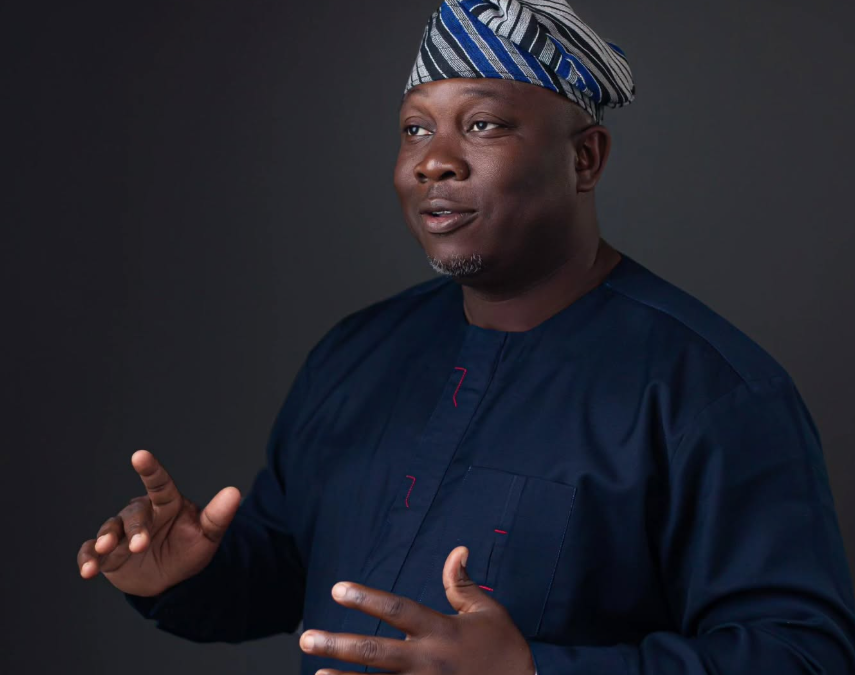
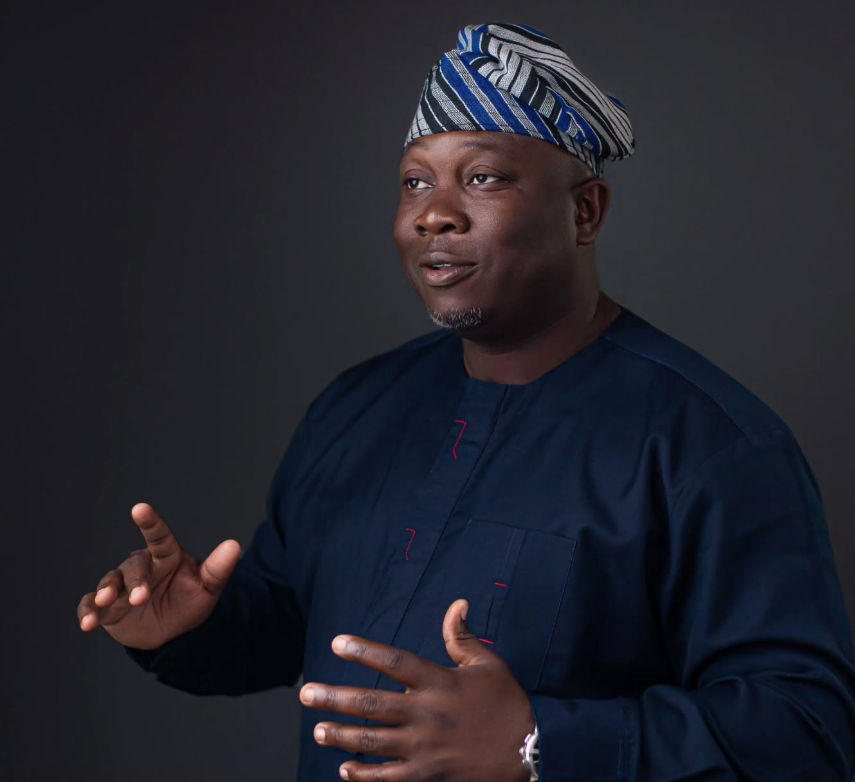
From the corporate corridors of Amazon and Walmart to the fast-evolving world of African travel technology, Adebayo Adedeji has built a reputation for bold thinking and disciplined execution. In this conversation, the Group CEO of Wakanow reflects on leadership, entrepreneurship, innovation, and the future of travel in Africa.

For readers encountering you for the first time, who was the young Bayo Adedeji?
I grew up in Lagos in what I would describe as a “privileged humble” environment. We were not wealthy, but we had stability, discipline, and strong values. My father passed away when I was just two years old, so my mother raised six children largely on her own. She believed fiercely in education and sacrificed tremendously to give us access to the best schools she could afford.
Later, at Obafemi Awolowo University, I witnessed a very different Nigeria. I still remember when school fees increased from ₦90 to ₦200 and students protested for almost a year. It reflected how much people valued public education at the time.
Did growing up without a father shape your ambition?
Very much so. I often say challenges shape people more than comfort does. My father had already built businesses and properties before he died at 39. Sometimes I think that if he had lived, perhaps I would have inherited comfort rather than hunger.
Adversity gave me drive. It forced me to discover resilience early and taught me how to navigate uncertainty. Looking back, I see every difficult moment as preparation.
Your first major entrepreneurial success came with Dundu Nation. What inspired it?
Dundu Nation started while I was still a Senior Finance Manager at Amazon. It was essentially a fried yam and plantain business, but we approached it with the mindset of scale from day one. We eventually expanded to 25 locations across Lagos and were processing nearly a thousand orders daily at one point.
The biggest challenge was logistics. Lagos infrastructure at the time made delivery extremely difficult. We dealt with accidents constantly and operational inefficiencies almost every day. Eventually, we shut down all physical outlets and transitioned into a cloud-kitchen model, which surprisingly made the business far more profitable.
Today, Dundu Nation generates over a billion naira annually, and that operational experience became foundational for many of our later ventures.
What did the Nigerian marketplace teach you after working inside Fortune 500 companies?
Nigeria taught me adaptability. You cannot simply import a successful foreign model and expect it to work here. You must understand local realities deeply.
In food service, for instance, many successful operators today are really logistics companies disguised as food companies. Delivery systems matter as much as the food itself.
Timing also matters. Sometimes entrepreneurs fail not because the idea is wrong, but because the market is not yet ready. Infrastructure, technology, and consumer behaviour all have to mature together.
At a time when many Nigerians were leaving the country, you returned from America to lead Wakanow. Why?
It was an instinctive decision. Someone once told me in America, “You probably have a higher chance of becoming exceptionally successful in Nigeria than you do here.” That statement stayed with me.
At the time, I had built a successful corporate career. I had worked with Walmart, PetSmart, and Amazon, where I managed financial operations tied to billions of dollars in revenue. But when the opportunity at Wakanow emerged, I saw something compelling.
I visited Nigeria in 2019 to evaluate the company and found a business struggling operationally and financially. Yet I also saw enormous potential. The founders had already created something meaningful. I often say they laid the foundation, and my role was to refine and scale it.
By the end of my first year as CEO, Wakanow had returned to profitability. Today, we have expanded from operations in three countries to more than 30 worldwide.
How exactly did you reposition Wakanow?
The first thing we introduced was operational discipline. We moved away from the “growth at all costs” mentality and focused instead on profitability, efficiency, and customer retention.
My years at Amazon shaped that thinking profoundly. Everything became data-driven. Every booking, customer interaction, and operational process had to be measurable and accountable.
We also rebuilt trust internally. Salaries became consistent, bonuses returned, and the culture shifted toward performance and structure.
Most importantly, we focused obsessively on the customer experience.
Customer experience seems central to your leadership philosophy. How does Wakanow differentiate itself?
Service is our strongest differentiator. If you make a booking with Wakanow, we are likely to contact you multiple times: to confirm payment, verify your itinerary, and remind you about your journey. Those details matter. They create trust and confidence.
The African consumer is unique, and we study behavioural patterns very closely. You cannot build effectively for customers you do not understand. At Wakanow, customer-centricity is not a slogan; it shapes every decision we make.
Wakanow has evolved beyond flight bookings into a much broader travel ecosystem. Was that expansion intentional?
Absolutely. Travel is no longer just about transportation. It is about the complete experience; visa support, accommodation, financing, leisure, insurance, and destination experiences.
One of our most significant milestones recently has been our expansion into religious tourism through our partnership with Saudi Arabia’s Ministry of Hajj and Umrah. We now have authority to issue Umrah visas globally, which positions Wakanow as a major player in that segment.
We also introduced financing solutions like “Pay Small Small” because we believe travel should not be reserved exclusively for the wealthy. We want to democratise mobility.
You oversee businesses across hospitality, entertainment, real estate, and food. What connects them all?
Integration. I do not see them as disconnected businesses.
Travel naturally connects with destinations, hospitality, dining, and entertainment. That is why we invested in properties such as Wave Beach, Kyma, Athena, and other hospitality ventures.
We also built supporting businesses around construction, branding, logistics, and event management because controlling key parts of the ecosystem creates efficiency and consistency. For me, entrepreneurship is about building interconnected systems rather than isolated ventures.
Where does your relentless work ethic come from?
My upbringing. My mother was intentional about exposing us to work very early. During holidays, I drove school buses, taught classes, handled errands, and participated in family businesses.
I also grew up around entrepreneurs. One of our tenants built the Soulmate hair-care brand practically from scratch, and watching his discipline shaped me deeply. I remember how he prioritized operational vehicles for the business before buying a personal car for himself. Those experiences taught me that success is built gradually through sacrifice, structure, and consistency.
How do you manage such a vast portfolio of businesses?
You cannot scale effectively without great people. My role is to maintain the vision, establish systems, and ensure accountability. I do not try to control every operational detail personally. Instead, I focus on recruiting strong leaders and building structures that allow businesses to function efficiently.
That was one of the greatest lessons I learned from observing companies like Amazon and Walmart.
What do you prioritize when hiring talent?
Two qualities: grit and care.
Technical skills can be taught. Genuine commitment cannot. I would rather hire someone with hunger, resilience, and integrity than someone with impressive credentials but no real sense of ownership.
When you eventually find exceptional people, you must value them properly and create an environment where they can thrive.
Nigeria’s business climate can be difficult. How do you maintain optimism?
I focus on opportunity instead of complaint.
Infrastructure gaps create possibilities. Lagos lacked premium recreational spaces, so we built beach clubs and hospitality experiences around that need.
Every market has challenges, including America. But Africa still offers extraordinary leverage for people willing to solve problems creatively and work consistently.
I genuinely believe the opportunities here are larger than the obstacles.
When you travel abroad, do you compare Nigeria with global systems?
Not directly. We study global innovation, but we adapt intelligently.
For example, many Western economies are heavily card-based, while Nigerian consumers rely far more on transfers. If you fail to build around local behaviour, your systems will fail regardless of how sophisticated they appear elsewhere.
So we take inspiration globally, but we localize carefully.
What advice would you give young entrepreneurs trying to build something meaningful?
Start small, but start seriously.
My earliest investments were funded from my salary. I saved aggressively, reinvested profits carefully, and scaled gradually. Some ventures succeeded, others failed, but each experience taught me something valuable.
People often underestimate the discipline required during the early stages of building. Success compounds slowly before it accelerates.
If you could track only one business metric for life, what would it be?
Cash flow. Profitability on paper means very little without liquidity. Sustainable businesses survive because they maintain strong cash flow.
Finally, if you met your younger self leaving university today, what would you say?
Learn AI. Artificial intelligence will fundamentally reshape every industry, including travel, hospitality, and finance. Anyone who wants to remain relevant in the future must understand it deeply.