
Over the past three decades, Nigeria’s film industry, widely known as Nollywood, has evolved from an improvised video economy into one of the most dynamic creative industries in the world. What began in the early 1990s as a grassroots filmmaking movement driven by ingenuity and necessity has matured into a global cultural phenomenon that commands the attention of global audiences, critics, and streaming platforms alike
By David Edremoda
From the crowded markets of Lagos where videotapes once circulated among eager viewers, to the gleaming multiplex cinemas that now dot Nigeria’s major cities, Nollywood has travelled a remarkable journey. Today, Nigerian films premiere not only in local theatres but also on international streaming platforms such as Netflix, Amazon Prime Video, and Showmax. Global film festivals increasingly spotlight Nigerian productions, while diaspora audiences and international critics recognize the industry’s unique storytelling voice; one that blends humour, spirituality, social commentary, and urban realism.
Yet perhaps the most compelling transformation in recent years, has been the emergence of women as central architects of Nollywood’s modern cinema culture.
Once primarily celebrated as actresses, women in Nollywood today occupy commanding positions as directors, producers, studio founders, financiers, writers, and creative entrepreneurs. They are expanding the scale of film production, redefining the economics of the box office, building training institutions, and forging international collaborations that place Nigerian cinema firmly within the global entertainment economy.
These women are not merely participants in Nollywood’s evolution; they are among its most imaginative innovators. Some create blockbuster spectacles that dominate the Nigerian box office. Others craft nuanced stories that explore the complexities of African identity, family, politics, and ambition. Many mentor younger filmmakers and build institutions that will sustain the industry for generations to come.
Together, they represent a creative vanguard: In this edition we salute and celebrate the contributions fifteen extraordinary women whose vision, courage, and artistry are reshaping Nollywood and redefining the future of African cinema.
1.Mo Abudu: Visionary Architect of Global African Cinema
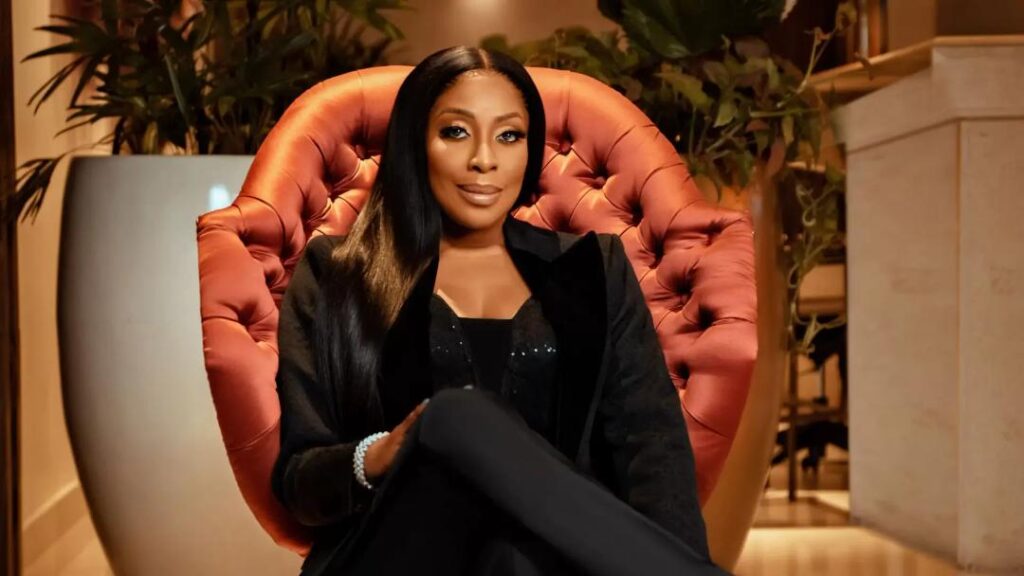
Mosunmola “Mo” Abudu is widely recognized as a pioneering force in the globalisation of African storytelling, whose work has reshaped Nollywood into a major participant on the international cinematic stage. Born in Hammersmith, West London, to Nigerian parents from Ondo Town, she spent her formative years alternating between the UK and Nigeria, experiences that instilled in her both a deep cultural consciousness and an understanding of global audiences. The eldest of three sisters, a mother of two, and a grandmother, Abudu navigated personal and professional challenges with an unwavering drive that would later define her career.
Abudu began her professional journey in Human Resources in 1987, ultimately heading HR and Administration at ExxonMobil Nigeria. Yet, a conventional career could not contain her ambitions. By 2000, she ventured into entrepreneurship, founding Vic Lawrence & Associates and developing Protea Hotel Oakwood Park, pioneering hospitality concepts in Nigeria. Her foray into media came with Inspire Africa and the syndicated talk show Moments with Mo (2006), Africa’s first syndicated talk programme, which established her commitment to amplifying African voices.
In 2013, Abudu founded EbonyLife TV, a pan-African entertainment network, and later EbonyLife Films, producing landmark films such as The Wedding Party, Chief Daddy, and Òlòtūré. These productions combined narrative sophistication, high production values, and commercial appeal, helping reposition Nigerian cinema for global audiences. Her early collaborations with international partners: Netflix, Sony Pictures Television, AMC Networks, BBC Studios, and Westbrook Studios, provided a template for Nollywood’s integration into mainstream global media ecosystems.
Between 2025 and 2026, Abudu’s influence intensified through a deeper push into streaming and long-form storytelling. Baby Farm (Netflix, 2025), executive-produced by Abudu and directed by Kayode Kasum and Walter Taylaur, tackled child trafficking in Lagos, introducing global audiences to socially conscious African narratives. The Blood Sistersseries maintained its Netflix Global Top 10 visibility, while Òlòtūré: The Journey expanded the universe of the acclaimed 2019 film, exploring survival and human trafficking with cinematic nuance. These projects demonstrated that Nigerian television and streaming productions could match global standards in both ambition and thematic depth.
Abudu’s strategic approach to partnerships advanced Nollywood’s global footprint. Multi-title agreements with Netflix enabled Nigerian stories to reach worldwide audiences. Collaborative productions with Sony, AMC, BBC Studios, Starz/Lionsgate, and Westbrook Studios elevated both scale and quality, while simultaneously cementing African filmmakers’ credibility with international investors and distributors.
Beyond production, Abudu is shaping Nollywood’s infrastructure. EbonyLife Creative Academy trains directors, writers, and cinematographers, ensuring the next generation meets international standards. EbonyLife Place in Lagos; a creative hub combining cinema, hospitality, and events, fosters the growth of Nigeria’s creative economy and positions African storytelling for global engagement.
Her earlier films, including Fifty, The Wedding Party, Chief Daddy, Your Excellency, andElesin Oba: The King’s Horseman, continue to inform Nollywood’s global trajectory. They exemplify her dual focus on commercial success and international distribution, establishing a model for sustainable, world-class Nigerian filmmaking.
Through vision, entrepreneurial leadership, and unwavering advocacy for excellence, Mo Abudu has transformed Nollywood from a national industry into a global cinematic presence. Between 2025 and 2026, she solidified her legacy as an architect of African storytelling, demonstrating that Nigerian narratives can thrive on a worldwide stage without compromising cultural authenticity.

2. Kemi Adetiba: The Storyteller Who Redefined Scale
Kemi Adetiba is one of the most influential and transformative figures in contemporary Nigerian cinema. Born on January 8, 1980, in Lagos, she embarked on a journey from law student at the University of Lagos to media personality and eventually internationally recognized filmmaker. Her trajectory, from radio presenter at Rhythm 93.7 FM to television host and then visual storyteller, reflects a rare combination of resilience, creative risk-taking, and unwavering commitment to authentic African narratives.
Adetiba’s early career directing music videos for leading African artists on platforms such as MTV Base, Soundcity TV, and BET laid the foundation for her distinctive visual style. Her videos showcased dynamic camera work, meticulous production design, and innovative editing techniques, establishing her as a filmmaker with a unique ability to merge artistry with audience appeal. These skills translated seamlessly into cinema, enabling her to produce films that are both visually striking and narratively ambitious.
Kemi Adetiba’s influence on Nollywood eventually deepened. She continued to push the industry toward higher production standards, inspiring a new generation of filmmakers to adopt sophisticated cinematography, nuanced storytelling, and cinematic polish previously rare in Nigerian cinema. Her works during this period, including King of Boys: The Return of the KingandTo Kill a Monkey, reinforced the potential of Nigerian films to achieve global relevance without compromising cultural authenticity.
Adetiba is widely regarded as a “visualist,” a director whose films transform audience expectations through cinematic spectacle. Her storytelling emphasizes high-stakes narratives, emotionally complex characters, and socially resonant themes. In King of Boys, she explored political intrigue, corruption, and power dynamics through morally layered characters, expanding Nollywood’s thematic scope beyond romantic comedies and family dramas. This approach not only engaged audiences but also encouraged other filmmakers to pursue ambitious genres such as political thrillers, crime epics, and character-driven dramas.
A central feature of Adetiba’s work is her focus on powerful, complex female protagonists. Characters like Eniola Salami in King of Boys challenge traditional portrayals of women in African cinema, offering narratives that highlight ambition, intelligence, and moral complexity. Her commitment to female-centered storytelling has reshaped audience expectations and contributed to a wave of Nigerian films foregrounding strong, multidimensional women.
Global distribution is another arena where Adetiba has had transformative impact. Through partnerships with streaming platforms such as Netflix, her films, including King of Boys: The Return of the Kingand To Kill a Monkey, have reached international audiences, proving that Nigerian stories can succeed globally while retaining their cultural integrity. The commercial and critical acclaim of these films has positioned Nollywood as a serious contributor to the global streaming ecosystem, expanding opportunities for Nigerian actors, writers, and production crews.
Beyond filmmaking, Kemi Adetiba has become a mentor and role model for emerging creatives. Her career demonstrates the value of resilience, innovation, and authenticity in storytelling. Through her success, she has shown that Nigerian cinema can combine aesthetic sophistication with commercial viability, inspiring a new wave of filmmakers to pursue ambitious projects with global appeal.
Through visionary direction, technical mastery, and socially resonant storytelling, Kemi Adetiba has helped redefine Nollywood’s ambitions and global reach. Her films exemplify the possibilities of Nigerian cinema; bold, sophisticated, and culturally authentic, making her a central architect of the industry’s ongoing renaissance.
3. Funke Akindele: Architect of Nollywood’s Box-Office Renaissance
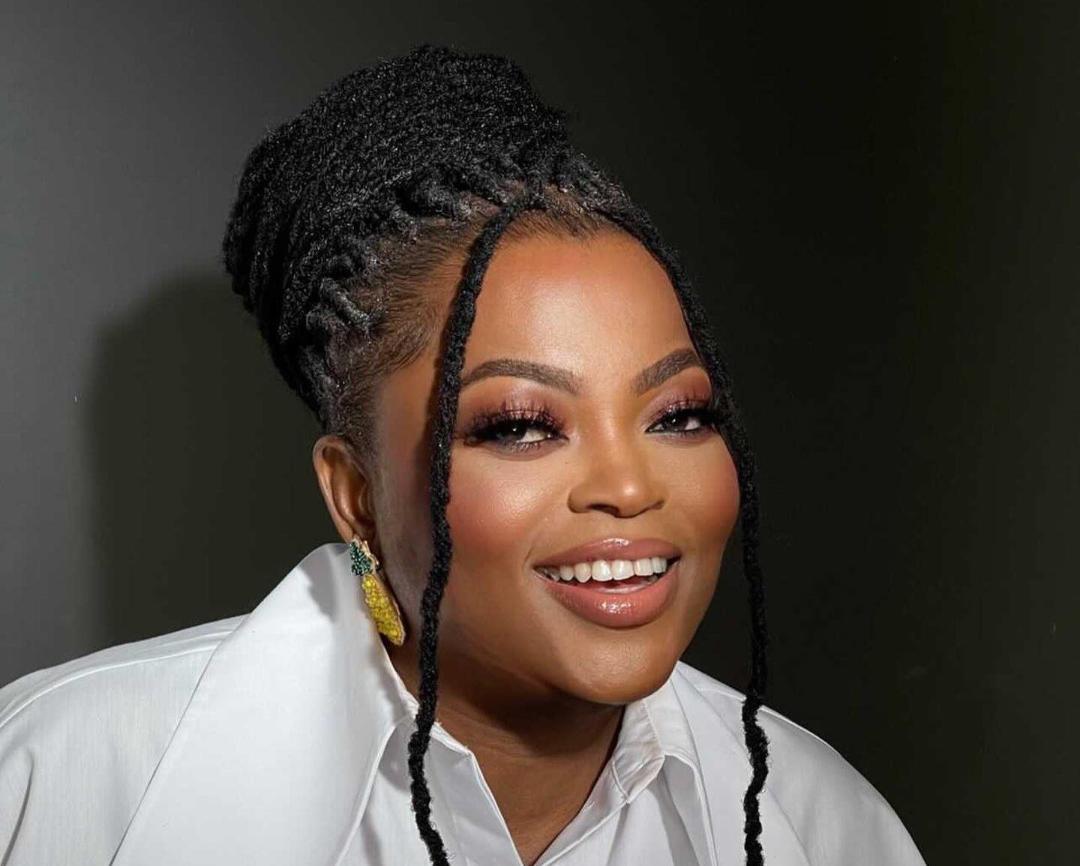
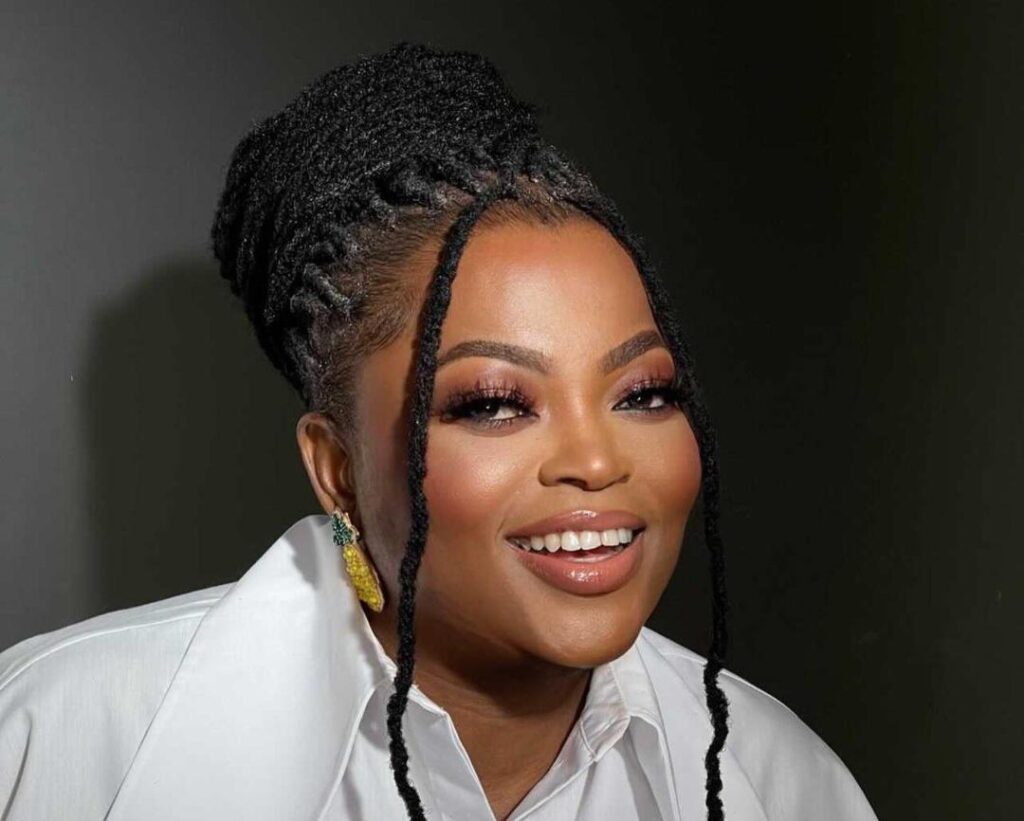
Few figures in Nigerian cinema have shaped both the creative and commercial trajectory of Nollywood as decisively as Funke Akindele. Born on August 24, 1976, in Ikoyi, Lagos State, Akindele’s rise from television star to global cinematic icon reflects an extraordinary blend of talent, vision, and entrepreneurial acumen. Her career began with television roles, but it was the creation of the character Jenifa, a spirited, humorous, and deeply relatable persona, that catapulted her into national consciousness, transforming a single character into a cultural phenomenon and a franchise that reshaped Nollywood’s commercial landscape.
But Akindele’s influence in Nollywood extendeds far beyond performance. Her films redefined what Nigerian audiences could expect from homegrown cinema, merging compelling storytelling with rigorous production values, strategic marketing, and culturally resonant narratives. Titles such as Everybody Loves Jenifa, A Tribe Called Judah, andBehind the Scenes became not just box-office juggernauts but exemplars of a new era in Nollywood; one in which local films could compete with international releases, both in scale and audience reach. Everybody Loves Jenifa, screened in more than 30 countries including the US, UK, Canada, Germany, and Sweden, demonstrated that Nigerian stories could command global attention while retaining their authenticity.
Akindele’s approach blends audience intuition with entrepreneurial insight. She understands the pulse of her viewers, centering narratives around moral dilemmas, family dynamics, and communal values that resonate deeply within Nigerian society. Her innovative release strategies, coordinated premieres, holiday launches, and integrated marketing campaigns, have not only maximized box-office performance but also contributed to the professionalisation of distribution systems across the industry.
By early 2026, Funke Akindele had firmly established herself as Nollywood’s highest-grossing filmmaker, with cumulative box-office receipts surpassing ₦6 billion. Her films occupy the top spots in Nigeria’s all-time chart, a testament to her unrivaled ability to merge creative storytelling with commercial strategy.
More than a filmmaker, Akindele is a cultural architect. Through record-breaking productions, global outreach, and strategic branding, she has catalyzed a cinema renaissance in Nigeria, redefining the scale, ambition, and international perception of Nollywood while inspiring a generation of creatives to pursue excellence without compromise. Her legacy is both artistic and structural: a template for sustainable, globally competitive Nigerian cinema that resonates at home and abroad.
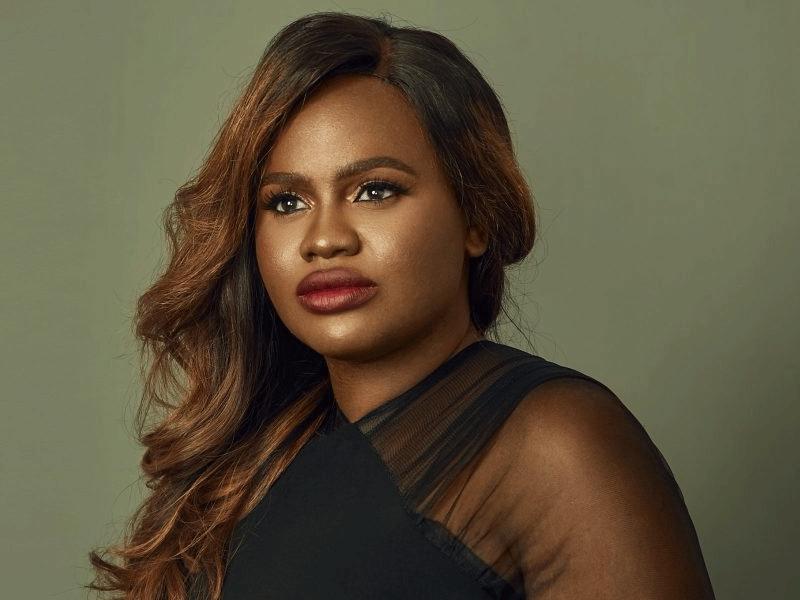
4. Jade Osiberu: Master of Contemporary Nigerian Storytelling
Few filmmakers embody the creative confidence and global ambition of Nollywood’s new generation more compellingly than Jade Osiberu. As a writer, director, and producer, Osiberu has played a defining role in expanding the narrative and stylistic horizons of Nigerian cinema, demonstrating that local stories; told with craft, scale, and authenticity, can resonate powerfully with audiences across the world.
Born in Ibadan in 1985, Osiberu hails from a distinguished royal lineage in Ogun State as the daughter of Oba Adewale Osiberu. Her intellectual formation reflects a unique convergence of technology and creativity. She studied Computer Systems Engineering at the University of Manchester before furthering her interests in storytelling at Pan-Atlantic University, where she pursued Media and Communications. An early career in software development sharpened her analytical discipline before she turned decisively toward filmmaking.
Her breakthrough came with the acclaimed romantic drama Isoken, which earned her the Best Director award at the Africa Magic Viewers’ Choice Awards in 2018. Since then, Osiberu has consistently demonstrated a rare ability to blend compelling storytelling with commercial appeal.
Through films such as Brotherhood, Gangs of Lagos, and Christmas in Lagos, she has helped propel Nollywood into genres once considered difficult to execute within the industry: action thrillers, crime sagas, and contemporary urban dramas. Her storytelling is immersive and character-driven, often exploring themes of ambition, loyalty, social inequality, and survival within Nigeria’s rapidly evolving urban environments.
Central to her influence is Greoh Studios, the production company she founded to develop African stories for global audiences. Under her leadership, the studio has become synonymous with disciplined filmmaking, technical sophistication, and innovative production practices.
Her crime epic Gangs of Lagos marked a historic milestone as the first Nigerian original film commissioned by Amazon Prime Video, introducing international audiences to a visually bold and culturally layered portrayal of Lagos.
Through her creative audacity and entrepreneurial leadership, Jade Osiberu continues to demonstrate that Nigerian cinema can confidently occupy the global stage; blending genre filmmaking with cultural authenticity to craft stories that travel far beyond their origins.
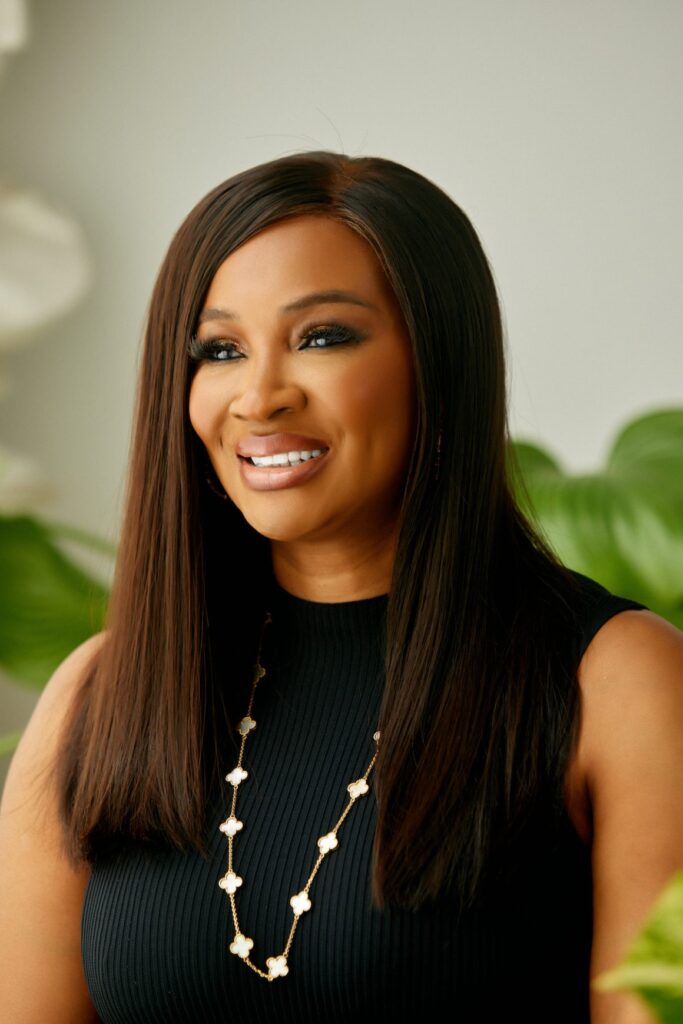
5. Chioma Ude: The Festival Builder of African Cinema
In the flourishing landscape of Nigerian cinema, much attention naturally gravitates toward actors, directors, and producers whose work appears on screen. Yet behind the growth of any great film culture lies another essential force: the institutions that convene artists, nurture talent, and connect local storytelling with global audiences. In Nigeria, few individuals have contributed more meaningfully to this cultural infrastructure than Chioma Ude, the visionary founder of the Africa International Film Festival (AFRIFF).
Through her leadership, Africa International Film Festival has grown into one of the continent’s most respected cinematic platforms, a vibrant meeting point where filmmakers, producers, distributors, critics, and investors gather to celebrate and advance African storytelling. The festival has become far more than a showcase of films; it is an intellectual and creative marketplace where ideas are exchanged, partnerships forged, and careers launched.
For emerging Nigerian filmmakers in particular, the festival has provided a gateway to the wider world of cinema. Through workshops, masterclasses, and industry conversations, participants gain access to global networks, practical knowledge, and mentorship opportunities that strengthen both artistic craft and professional capacity.
Ude’s vision has helped position Nigeria as a critical hub in the global conversation about African cinema. By bringing international filmmakers, festival programmers, and industry executives into dialogue with local talent, she has expanded the visibility of Nigerian films while creating pathways for collaboration and distribution beyond the continent.
Her work illustrates a profound truth about the growth of any film industry: cinema thrives not only through individual talent but through the institutions that sustain creative communities. By building and nurturing one of Africa’s most influential film festivals, Chioma Ude has helped provide the cultural scaffolding upon which the next generation of Nigerian filmmakers can stand and flourish.
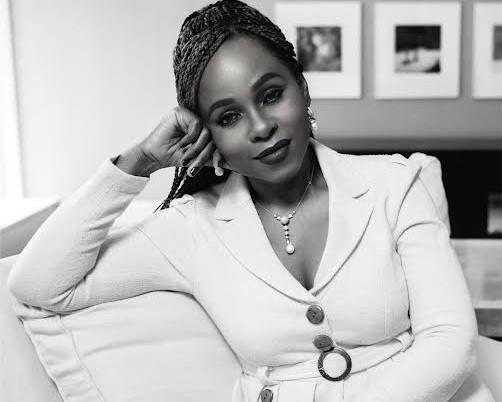
6. Bolanle Austen-Peters: The Cultural Visionary Bridging Stage and Screen
Few figures in Nigeria’s contemporary cultural landscape embody the fusion of artistic vision, institutional leadership, and historical storytelling as powerfully as Bolanle Austen-Peters. A lawyer-turned-producer whose work spans theatre, film, and creative education, Austen-Peters has emerged as one of the most influential cultural architects of Nigeria’s cinematic renaissance.
Born in Ibadan and educated at the University of Lagos and the London School of Economics, she began her professional journey in the legal field before pivoting toward the creative industries. That transition would prove transformative not only for her career but for the broader Nigerian cultural ecosystem.
Her founding of Terra Kulture created one of Lagos’ most important cultural hubs, an institution dedicated to preserving Nigerian heritage while nurturing contemporary artistic expression. Through its theatre arm and later through Bolanle Austen-Peters Productions, she produced acclaimed stage musicals such as Saro: The Musical, Wakaa! The Musical, and Fela and the Kalakuta Queens. These productions introduced a new scale and sophistication to Nigerian musical theatre while cultivating actors, writers, and designers who would later transition into film.
When Austen-Peters moved decisively into cinema, she brought with her the discipline and aesthetic ambition of the stage. Films such as 93 Days, Man of God, Funmilayo Ransome-Kuti, andHouse of Ga’a illustrate her commitment to historical depth, strong ensemble storytelling, and meticulous production design.
Her historical epic House of Ga’a achieved remarkable international visibility on Netflix, entering the platform’s Global Top 10 for non-English films shortly after release, an achievement that underscored the global appetite for African historical narratives executed with cinematic ambition.
Equally important is her investment in the future of the industry. Through the Terra Academy for the Arts, Austen-Peters has helped train a new generation of actors, designers, writers, and technicians, creating a sustainable pipeline of talent for Nigeria’s expanding film and theatre industries.
In an era when Nollywood is steadily claiming its place on the global cinematic stage, Bolanle Austen-Peters stands as both cultural curator and visionary producer, demonstrating that Nigerian history, when told with craft, conviction, and artistic courage, can captivate audiences across continents.
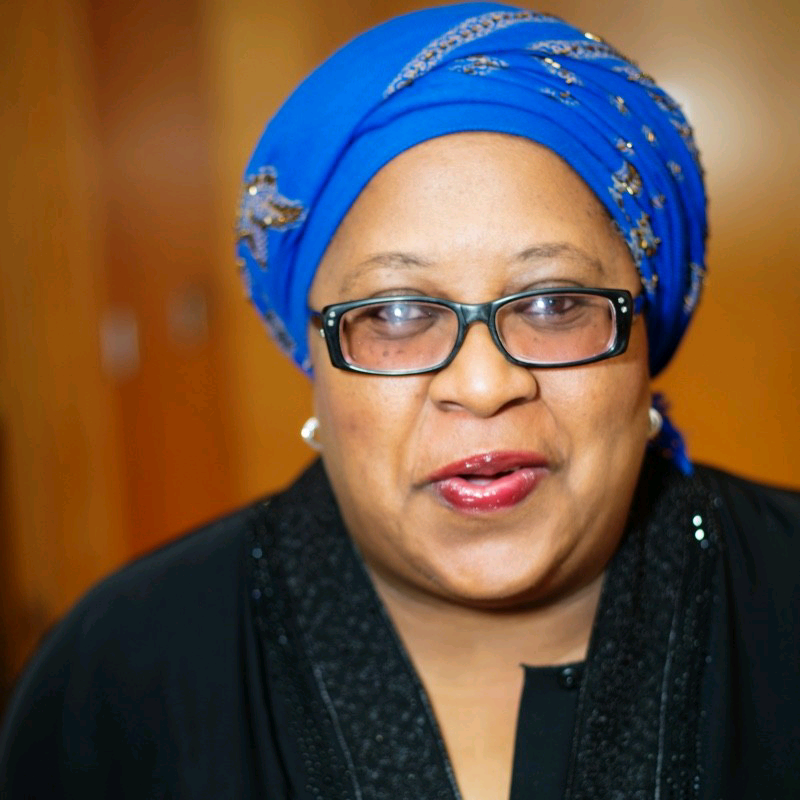
7. Mildred Okwo: The Industry Strategist
Within the evolving architecture of contemporary Nigerian cinema, few voices command as much intellectual respect as that of filmmaker and producer Mildred Okwo. At once a storyteller, industry reformer, and thoughtful strategist, Okwo has earned a reputation as one of Nollywood’s most principled and forward-thinking figures; an advocate not only for compelling cinema but also for the structural transformation required to sustain it.
Across her career, Okwo has approached filmmaking with an uncommon discipline. Her productions are marked by narrative clarity, careful character development, and a commitment to technical excellence that reflects her belief that Nigerian films must meet the highest global standards. Works such as The Meeting demonstrated how intelligent writing, sharp humour, and meticulous production values could resonate widely with audiences while maintaining artistic integrity. The film became a landmark success, widely praised for its wit and polished storytelling, and further established Okwo’s reputation as a filmmaker who understands both craft and audience.
Yet her influence extends well beyond the director’s chair. Within the industry, Okwo has long been regarded as one of Nollywood’s most articulate thinkers on the deeper challenges facing Nigerian cinema. From distribution bottlenecks and intellectual property protection to financing structures and professional standards, she has consistently advocated reforms that would move the industry from improvisation toward institutional stability.
Her leadership within the Nigerian Oscars Selection Committee, where she has played a pivotal role in shaping Nigeria’s submissions to the Academy Awards, further underscores her commitment to positioning Nigerian films within the global cinematic conversation.
In an industry often driven by speed and volume, Mildred Okwo represents something more enduring: a commitment to thoughtful growth. Through her films, her advocacy, and her strategic engagement with the industry’s future, she continues to champion a vision of Nollywood that is not only prolific but also sustainable, globally respected, and artistically ambitious.
In that sense, Okwo stands as both practitioner and architect, helping to build the intellectual foundations upon which the next chapter of Nigerian cinema will stand.

8. Mary Remmy Njoku: The Digital Platform Pioneer
In the vibrant constellation of leaders shaping Nigeria’s entertainment renaissance, Mary Remmy Njoku stands as a pioneering force whose vision has profoundly expanded Nollywood’s digital frontier and international footprint. Her leadership embodies a rare synthesis of creative passion, strategic innovation, and entrepreneurial daring; qualities that have positioned her among the most influential women driving Nigeria’s cinema culture into the digital age.
Mary Remmy Njoku’s journey within the entertainment ecosystem is both inspiring and trailblazing. Her foundational work in film production earned critical acclaim and commercial success, but it was her bold pivot toward digital distribution that marked a defining moment for Nollywood’s evolution. Recognizing early the transformative potential of online platforms, she embraced technology as a vehicle to amplify Nigerian storytelling beyond traditional screens and geographical boundaries. In doing so, she became one of the first industry leaders to champion the power of streaming as a true equalizer for African content on the global stage.
As the founder ofROK Studios and a principal architect of its streaming platform, Njoku has opened new horizons for Nollywood films and series, creating opportunities for creators while making Nigerian content more accessible to audiences at home and abroad. Her work has enabled countless productions to reach diasporic viewers in Europe, the Americas, and beyond, expanding the cultural resonance and economic value of Nigerian cinema. Through innovative partnerships, strategic content curation, and a relentless commitment to quality, she has helped redefine how African stories are consumed in an increasingly interconnected world.
Mary Remmy Njoku’s impact extends beyond distribution; she has become an advocate for digital inclusion, talent development, and creative empowerment. By nurturing emerging storytellers and facilitating access to global audiences, she continues to strengthen Nollywood’s creative ecosystem and inspire a new generation of innovators.
In an era when digital platforms determine cultural visibility and market relevance, Mary Remmy Njoku’s pioneering leadership has not only elevated Nollywood’s global presence but also helped secure its place in the future of world storytelling.
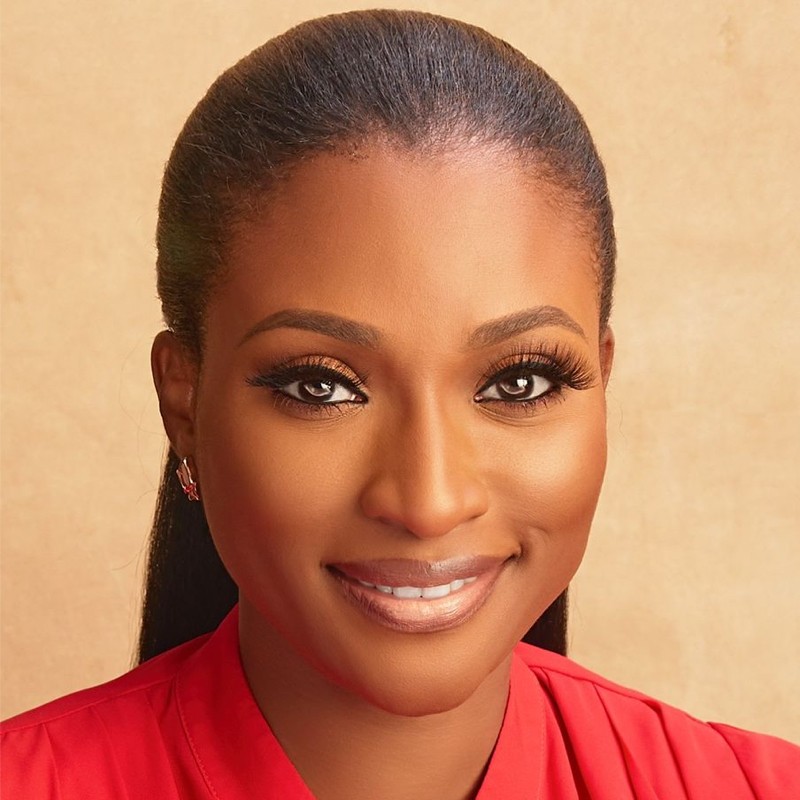
9. Dr. Busola Tejumola: A Leading Light in Nollywood’s Global Ascent
In the ever‑evolving story of Nigerian entertainment, few executives have exerted as transformative an influence as Dr. Busola Tejumola, the Executive Head of General Entertainment at MultiChoice Group. Widely respected as one of the foremost architects behind Nollywood’s burgeoning global visibility, Dr. Tejumola stands at the confluence of creativity, strategy, and leadership; driving the production, promotion, and distribution of Nigerian movies with clarity of vision and boldness of purpose.
Dr. Tejumola’s journey in the entertainment industry is a testament to disciplined excellence and strategic ingenuity. With an academic background rooted in communication and media, augmented by advanced management training, she has charted a professional trajectory that blends intellectual rigour with practical impact. Early in her career, she distinguished herself in media planning, content strategy, and audience development; skills that would later become foundational to her leadership in one of Africa’s most influential media companies.
Her rise within MultiChoice Group has been marked by steady progression through roles of increasing responsibility, where she has demonstrated a rare ability to balance commercial objectives with cultural stewardship. As Executive Head of General Entertainment, Dr. Tejumola oversees the curation and commissioning of content across multiple platforms, ensuring that Nigerian stories reach audiences not only across Africa but around the world. Under her stewardship, Nigerian movies and series have found new prominence on flagship channels and streaming platforms, expanding Nollywood’s reach to millions of households and elevating its competitive presence in the global content marketplace.
Among her many accomplishments is the strategic expansion of original local content, strengthening partnerships with filmmakers and production studios, and championing initiatives that nurture emerging creative talent. Under her leadership, MultiChoice has supported numerous high‑impact productions that showcase the breadth and depth of Nigerian storytelling, from compelling feature films to culturally resonant series that speak to both domestic and international audiences.
Dr. Tejumola’s influence extends beyond commissioning and programming. She has been instrumental in shaping audience engagement strategies, driving brand visibility, and forging collaborations that amplify Nigerian entertainment on the global stage. Her work has helped position Nigeria not merely as a prolific content creator but as a generator of stories that resonate with universal themes and distinctive cultural textures.
Her leadership also embraces mentorship and capacity building, with deliberate efforts to uplift women and young professionals in the creative industries. Through workshops, talent accelerators, and strategic forums, she has helped create pathways for the next generation of storytellers to flourish.
Elegant in her vision and relentless in her pursuit of excellence, Dr. Busola Tejumola represents the dynamic force propelling Nollywood into new realms of artistic achievement and commercial success. In an era when African entertainment is reshaping global cultural narratives, her contributions stand as a defining influence, one that continues to enrich the industry and inspire future leaders.

10. Toyin Abraham: Champion of Audience-Driven Cinema
Few figures in contemporary Nollywood understand the heartbeat of the Nigerian audience as intimately as Toyin Abraham. An actress, producer, and visionary storyteller, Abraham has built a career on the rare ability to fuse emotional resonance with commercial appeal, ensuring her films not only entertain but also reflect the moral and cultural textures of Nigerian life.
Over the past several years, Abraham has evolved into a central architect of audience-driven cinema. Her productions consistently draw enthusiastic crowds to theaters across Nigeria, bringing communities together to engage with narratives that speak to their lived experiences. Films such as Ijakumo: The Born Again Stripper showcase her mastery in weaving suspense, drama, and nuanced moral storytelling, creating cinematic experiences that feel both intimate and universally compelling.
What sets Abraham apart is her extraordinary engagement with audiences. Through social media, interactive promotions, and fan-driven campaigns, she cultivates a dialogue with viewers that informs both her creative decisions and marketing strategies. This rare feedback loop allows her to anticipate audience desires and deliver stories that resonate deeply, transforming filmgoing into a participatory cultural event rather than a passive pastime.
Abraham’s work consistently centers on ethical dilemmas and relational tensions within families and communities; exploring themes of loyalty, redemption, social expectation, and personal growth. By rooting her narratives in culturally recognisable contexts, she ensures that Nigerian audiences see their values, conflicts, and aspirations authentically represented on screen.
Beyond storytelling, Abraham has helped revitalise Nigeria’s cinematic ecosystem by reinforcing the importance of theatrical releases in the era of streaming. Her films demonstrate that locally produced cinema can achieve both box-office success and cultural significance, inspiring other filmmakers to consider audience engagement as central to creative and commercial strategy.
Through her artistry, entrepreneurial insight, and profound connection with viewers, Toyin Abraham has emerged as one of Nollywood’s most influential champions of audience-driven cinema, proving that Nigerian stories, told with authenticity and emotional intelligence, will always command attention, both at home and abroad.
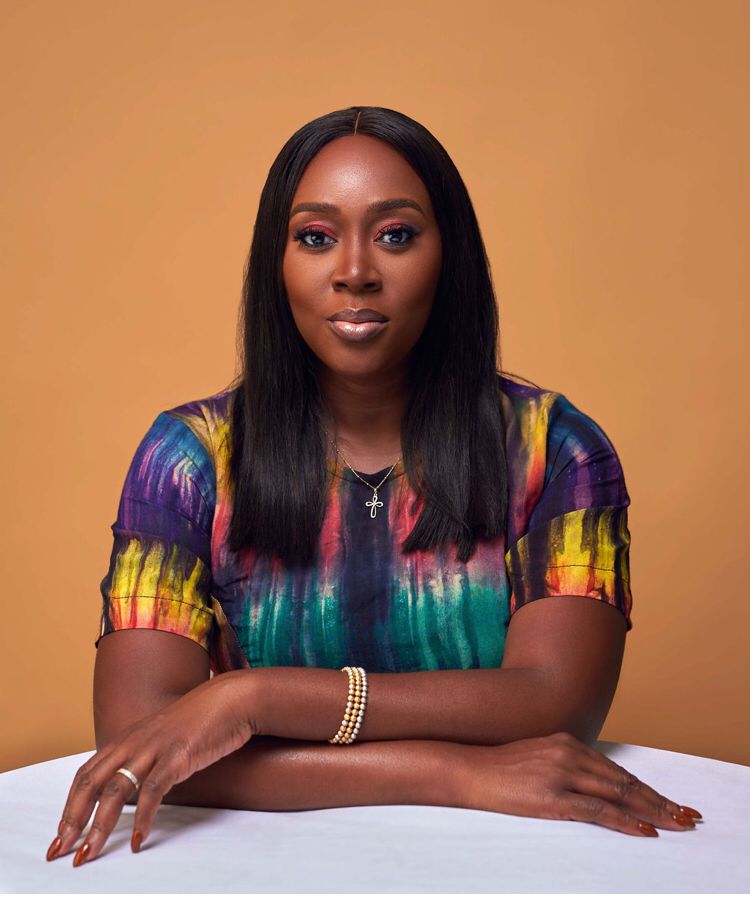
11.Ladun Awobokun: The Box-Office Strategist
Within the vibrant theatre of Nigerian cinema, where directors, actors, and producers command the public imagination, there exists a quieter but equally decisive sphere of influence: the strategic architecture that determines which stories reach the screen and how audiences encounter them. Few figures embody this strategic leadership more profoundly than Ladun Awobokun, Chief Content Officer at FilmOne Entertainment.
Over the past decade, Awobokun has emerged as one of the most consequential executives shaping Nollywood’s modern cinema culture. With a professional background that bridges finance, analytics, and media strategy, she represents a new generation of industry leaders bringing data-driven precision to a sector once defined largely by improvisation.
Educated in Accounting at Babcock University and later earning a master’s degree in Information Systems and Business Analysis from Aston University, Awobokun combines financial discipline with creative insight. Her analytical training, reinforced by her qualification as an ACCA professional, has shaped a leadership style grounded in strategic foresight and market intelligence.
Since joining FilmOne in 2019, she has played a central role in transforming the company into the dominant distribution powerhouse in Anglophone West Africa. Rising from Head of Distribution, Sales and Operations to General Manager and ultimately Chief Content Officer, she now oversees the acquisition, marketing, and distribution strategies that determine the commercial trajectory of many of Nigeria’s most significant films.
Under her stewardship, Nigeria’s theatrical market has entered a new era of commercial confidence. Landmark productions such as A Tribe Called Judah shattered longstanding box-office ceilings, proving that Nollywood films could achieve blockbuster scale within domestic cinemas. At the same time, culturally ambitious works like King of Thieves (Agesinkole) demonstrated that indigenous language storytelling could command both artistic prestige and commercial success.
Awobokun has also strengthened the international dimension of Nigeria’s cinema ecosystem. Through FilmOne’s strategic partnerships with global studios such as Sony Pictures and The Walt Disney Company, the company distributes international blockbusters, including Black Panther: Wakanda Forever, across West African cinemas. This symbiotic relationship draws audiences into theatres and reinforces the commercial infrastructure that supports Nollywood’s growth.
In an industry often defined by artistic spectacle, Ladun Awobokun represents the intellectual and strategic discipline behind the screen: one of the quiet architects ensuring that Nigerian cinema continues its ascent as a global cultural force.
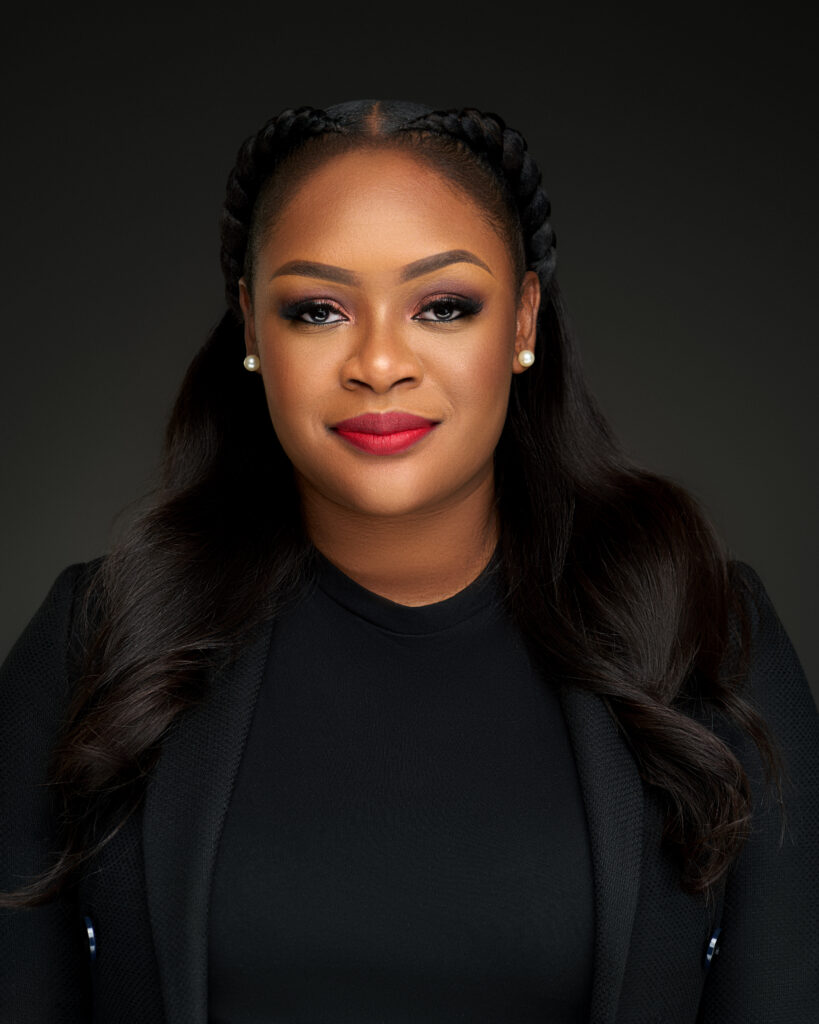
12. Mojisola Oladapo: Reimagining the Cinema Experience for a New Generation
If cinema is the meeting point between storytelling and audience imagination, then the art of film marketing is the bridge that connects the two. In Nigeria’s rapidly evolving exhibition landscape, few professionals have reshaped that bridge as creatively as Mojisola Oladapo, Chief Marketing Officer of the Filmhouse Group.
In recent years, Nollywood has experienced a remarkable theatrical resurgence. Multiplex cinemas now stand as modern cultural spaces in cities across Nigeria, attracting audiences eager to experience Nigerian stories on the big screen. Much of this renewed energy owes something to the imaginative marketing strategies championed by Oladapo.
Within the Filmhouse Group, which includes Filmhouse Cinemas, FilmOne Entertainment, and FilmOne Studios, she has helped redefine how films are introduced to the public. For Oladapo, marketing is not merely a promotional exercise; it is the creation of cultural anticipation.
Her campaigns have transformed film premieres into immersive events where cinema intersects with music, fashion, social media, and popular culture. Themed premieres, fan activations, influencer engagements, and brand collaborations have turned film releases into national conversations, moments when storytelling becomes a shared cultural experience.
This approach has delivered remarkable results. Films such as Everybody Loves Jenifa, produced by Funke Akindele, became box-office sensations, demonstrating the power of coordinated marketing and distribution strategies.
Beyond commercial success, Oladapo has also strengthened Nollywood’s international outlook. Through partnerships linked to initiatives such as the Nigerian International Film & TV Summit, she has helped create platforms where Nigerian filmmakers engage with global distributors, festival programmers, and industry investors.
Equally important is her work in expanding cinema audiences. By aligning Nollywood films with youth culture, digital influencers, music trends, and lifestyle brands, she has introduced a new generation to the communal pleasure of the big-screen experience.
In doing so, Mojisola Oladapo has demonstrated that cinema marketing is itself a form of storytelling. Through imagination, cultural intuition, and strategic brilliance, she has helped ensure that Nigerian films are not merely released; but celebrated.

13. Tope Oshin: The Visionary Filmmaker Elevating Nollywood’s Craft
Among the filmmakers who have shaped the creative evolution of modern Nollywood, Tope Oshin occupies a singular place. Director, producer, mentor, and industry advocate, she belongs to a generation of storytellers whose work has expanded both the artistic ambition and technical sophistication of Nigerian cinema.
Her path into filmmaking reflects a journey defined by intellectual curiosity and creative courage. After studying Economics at the University of Ilorin, she pursued her passion for storytelling at Lagos State University, where she trained in theatre, television, and film production. Further studies at the Colorado Film School and MetFilm School in London broadened her artistic perspective and exposed her to international filmmaking traditions.
Over the course of her career, Oshin has directed thousands of hours of television and film content. Her work includes acclaimed African series such as MTV Shuga, Tinsel, and Castle & Castle, each contributing to the professionalization of long-form storytelling in Nigerian television.
Her feature films further illustrate her versatility and narrative depth. Works such as Up North, New Money, and In Line reveal a filmmaker attentive to both visual elegance and emotional complexity.
Perhaps her most defining quality, however, lies in her commitment to mentorship and industry development. Through her company Sunbow Productions, she has trained and supported emerging filmmakers, helping to cultivate a new generation of storytellers equipped to elevate Nollywood’s global reputation.
Her socially conscious works, including We Don’t Live Here Anymore, demonstrate her belief that cinema can illuminate difficult conversations about identity, justice, and social inclusion.
Through her work as a juror for the International Emmy Awards and her collaborations with international institutions, Oshin continues to build bridges between Nigerian cinema and the wider world.In both artistry and advocacy, Tope Oshin remains one of Nollywood’s most influential creative voices, an architect of a film culture increasingly defined by excellence.
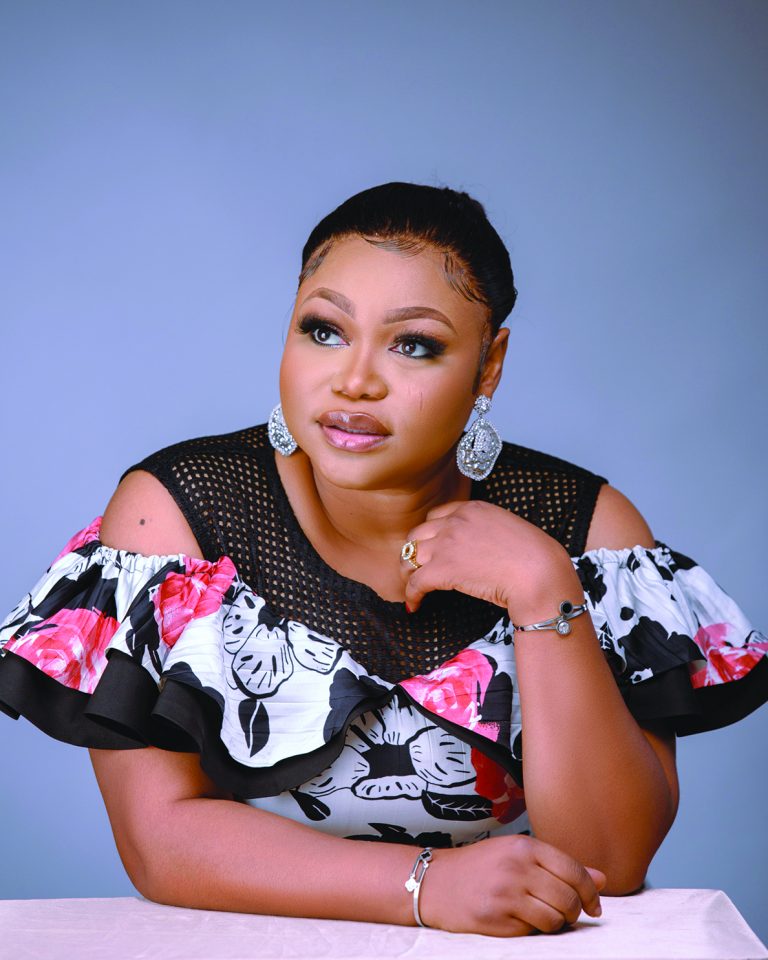
14. Ruth Kadiri: The Digital Pioneer Expanding Nollywood’s Global Audience
As technology reshapes the global entertainment landscape, a new generation of storytellers has begun to redefine how films are produced, distributed, and consumed. Among Nollywood’s most visionary digital pioneers is Ruth Kadiri, whose entrepreneurial approach to filmmaking has opened new frontiers for Nigerian cinema.
Born in Benin City, Kadiri studied Mass Communication at the University of Lagos and Business Administration at Yaba College of Technology. She entered Nollywood as an actress, gaining recognition after appearing in Boys Cot, before gradually establishing herself as a writer and producer.
Yet her most transformative contribution lies in her embrace of digital distribution. Through her YouTube platform RuthKadiri247, Kadiri has created one of the most influential independent film platforms in Africa.
With millions of subscribers and an extensive catalogue of feature-length productions, the channel enables Nigerian films to reach viewers across continents instantly, circumventing many of the logistical barriers that once limited Nollywood’s international visibility.
Recognizing the linguistic diversity of Africa’s audiences, Kadiri expanded her digital ecosystem with FrenchTV247, a platform dedicated to Nollywood films adapted for Francophone viewers. This initiative opened Nigerian storytelling to audiences across West and Central Africa, significantly broadening the industry’s continental reach.
Her films, often centred on themes of love, family, betrayal, and resilience, resonate deeply with viewers seeking emotionally relatable narratives. Productions such as Perfect Heart exemplify her ability to craft stories that are both accessible and engaging.
Through innovation, persistence, and entrepreneurial vision, Ruth Kadiri has helped redefine the distribution possibilities of African cinema—proving that Nollywood’s audience is truly global.
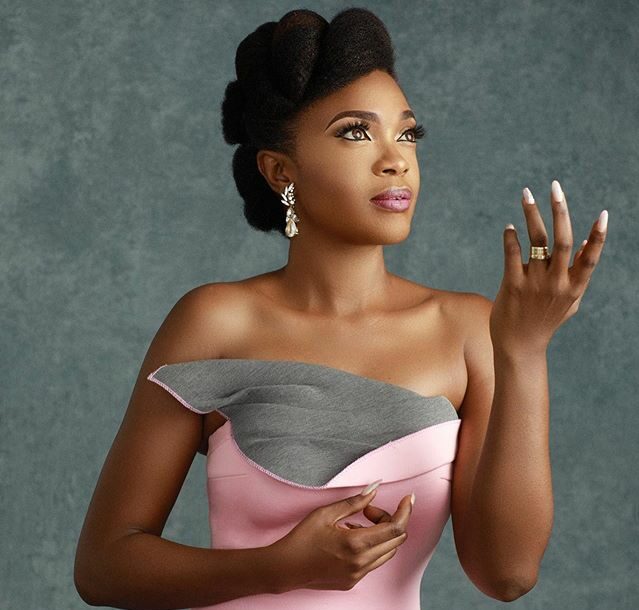
15. Omoni Oboli: The Filmmaker Bridging Cinema and the Digital Future
In the ever-expanding universe of Nigerian cinema, Omoni Oboli stands as one of its most versatile and entrepreneurial storytellers. Actress, director, writer, and producer, she represents a generation of filmmakers who have embraced both the artistic and technological transformations shaping the industry.
Born in Benin City, Oboli studied Foreign Languages at the University of Benin before advancing her filmmaking training at the New York Film Academy. She first entered Nollywood in the 1990s through films such as Bitter Encounter, later returning to the industry with renewed creative ambition.
Over the years she has built an impressive filmography that includes Being Mrs. Elliot, Okafor’s Law, Moms at War, and the widely celebrated Wives on Strike series. The latter became particularly influential for its witty yet incisive commentary on social issues such as gender inequality and child marriage.
In recent years, Oboli has extended her creative reach through digital distribution. Her YouTube platform OmoniOboliTV releases a steady stream of original Nollywood productions to audiences worldwide, generating millions of views and introducing Nigerian storytelling to new digital audiences.
Her work has also earned international recognition. Her performance in Anchor Baby received Best Actress honours at both the Harlem International Film Festival and the Los Angeles Movie Awards, an early signal of Nollywood’s growing presence on the global stage.
Through cinema productions, digital storytelling, and a commitment to narratives centred on women’s experiences, Omoni Oboli continues to expand the boundaries of Nigerian filmmaking.
In doing so, she embodies the creative resilience and entrepreneurial imagination that have made Nollywood one of the most dynamic film industries in the world.