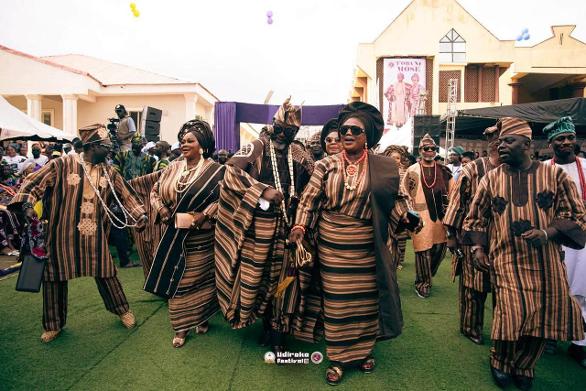

When the drums begin to speak, Ado-Ekiti remembers. Every August, the ancient city comes alive beneath the symbolic shade of the iroko, as royalty, chiefs, families and visitors gather for Udiroko; a spectacular celebration of history, identity and belonging. In 2026, however, the festival offered more than pageantry. It revealed a culture confidently looking forward, seeking to transform an ancient inheritance into a vibrant engine of tourism, community and prosperity.
By David Edremoda
By the time the drums began to speak on the morning of August 19, 2026, Ado-Ekiti had already assumed another identity. The streets seemed charged with expectation. Cars streamed towards the Ewi’s Palace; women appeared in brilliant Ankara and traditional wrappers; men adjusted their caps, agbadas and danshikis; children watched, fascinated, as chiefs and palace guards passed by. Across the ancient city, the unmistakable cadence of talking drums announced that something older than the modern town was stirring again. At the palace, history was waiting.
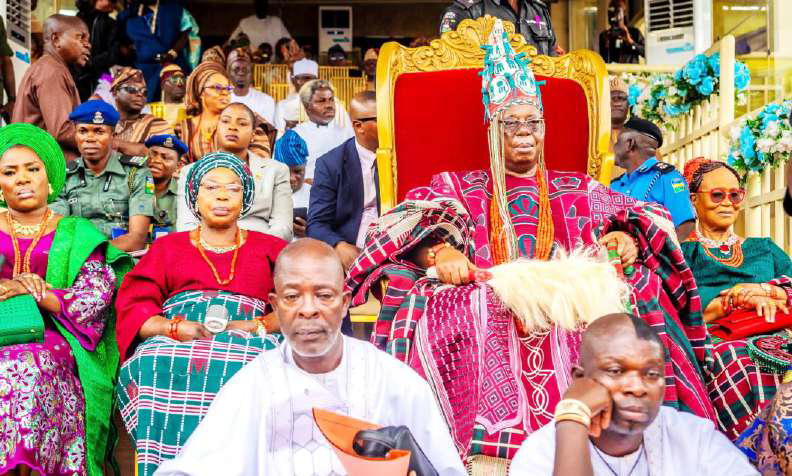
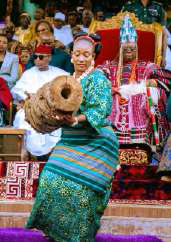
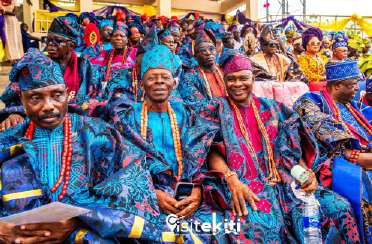
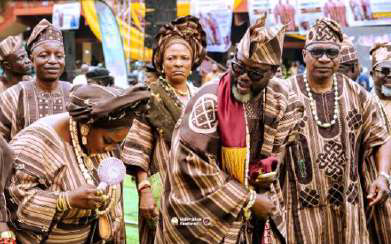
The courtyard had become a theatre of colour and memory: coral beads, royal robes, leopard skins, staffs of office, ancient drums, chants and the thunderous greetings of chiefs. At the centre sat the Ewi of Ado-Ekiti, Oba Adeyemo Adejugbe Aladesanmi III, receiving the homage of a people who had come home; not simply to attend a festival, but to renew an enduring covenant with their past.
This was Udiroko 2026, celebrated under the theme, “Udiroko as the Signpost of Our History, Tradition and Cultural Values.” For the people of Ado-Ekiti at home and in the diaspora, it was a celebration of royalty, identity, community and continuity. Yet this year, another idea was increasingly difficult to ignore: Udiroko may be more than a treasured inheritance. It may also be one of Ekiti’s most promising cultural and tourism assets.
The festival’s significance lies partly in its ability to resist confinement to a single day. Although August 19 was its traditional and ceremonial high point, Udiroko 2026 unfolded as a cultural season, drawing together religious observances, community activities, social engagements, youth programmes, visits to the vulnerable and elderly, lectures, sporting activities and other events leading to the palace celebration.
The festival also acquired an intriguing new dimension after the main ceremony. From August 21 to 23, the inaugural Udiroko Adventure Weekend connected the ancient celebration with mountain camping, hiking, local cuisine, storytelling and an Ado-Ekiti city tour. The experiment suggested what Udiroko could become if heritage were imaginatively linked to destination tourism.
There was, too, a strong social-development component. The Young Hekite Club announced a ₦30 million bursary and scholarship scheme for indigent and deserving Ado-Ekiti students in tertiary institutions. It was a reminder that festivals need not merely consume communal resources; they can also become occasions for giving back.
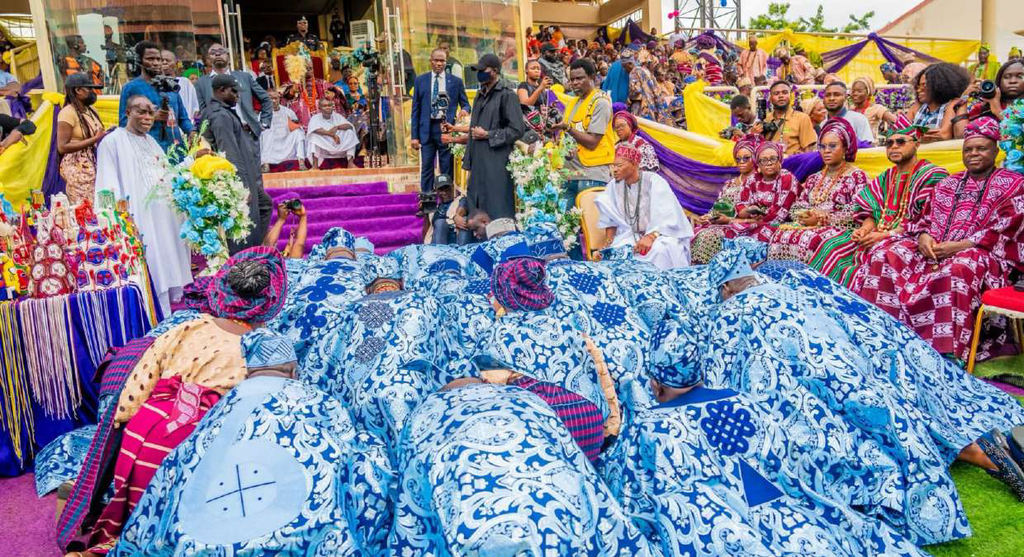

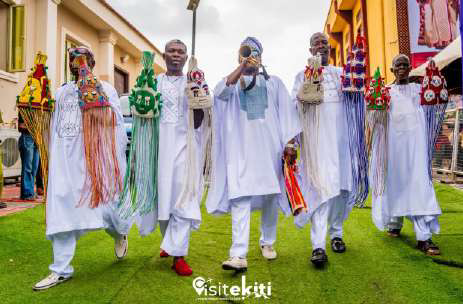
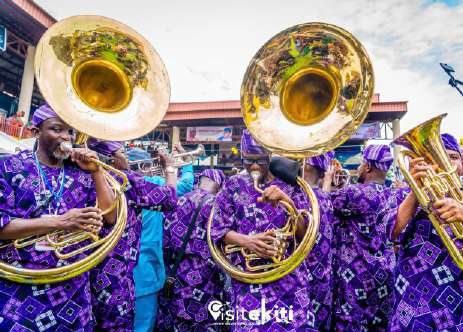
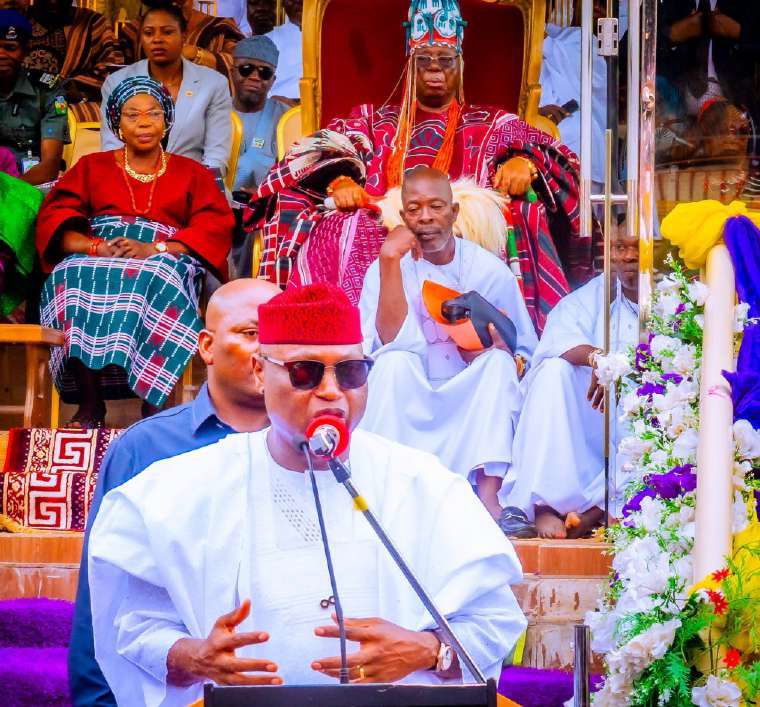

But it was at the palace that Udiroko revealed its deepest character. Families had begun the day in their homes, where special foods; particularly pounded yam and egusi soup, and emu aroso, the traditional palm wine, formed part of the celebration. Then came the procession towards the palace, everyone dressed for the occasion. For many Ado people, the opportunity to see the Ewi during Udiroko is itself a privilege. The monarch does not ordinarily move among the people in the manner of a modern public official. On this day, the people come to him.
What follows is pageantry, but pageantry with a memory.The royal court becomes a living archive. Chiefs appear in ceremonial regalia; palace drums summon the atmosphere of another age; chants and praise poetry recall the lineage and authority of the traditional institution. The proceedings are not merely designed to entertain. They make history visible.
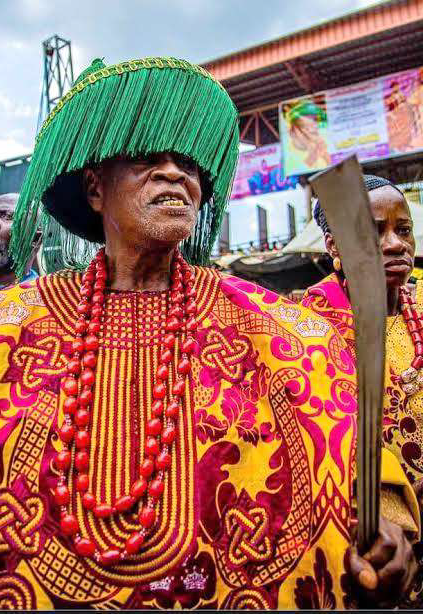
Perhaps nowhere is this more striking than in the appearance of the Elegbe, the traditional war chiefs, led by Chief Oluwatoyin Akinyemi, the Chief Barafon of Ado-Ekiti.
The role has its roots in the military organisation of the ancient Ado kingdom, when the Ewi was both sovereign and supreme military commander. As governance expanded and the monarch could no longer personally lead every military expedition, military responsibilities were increasingly delegated to commanders under the Barafon. Returning commanders reported their exploits to the Ewi and renewed their allegiance to the throne. The wars are long gone. The symbolism remains.
Chief Barafon’s entrance concentrates the drama of that vanished warrior age: the sword, the staff, the movements, the salutation and the ceremonial bearing. Behind the performance lies a historical memory of men who went to war in the service of their kingdom and returned to account to their king.
The other war chiefs follow according to the traditional hierarchy. Their greetings and gestures reaffirm relationships between the palace and the communities within Ado’s traditional domain. What makes the spectacle compelling is that these are not simply performers reproducing a historical script. They are descendants inhabiting roles inherited from history.
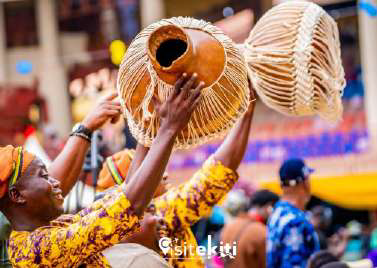
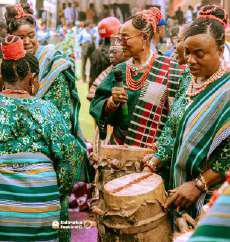

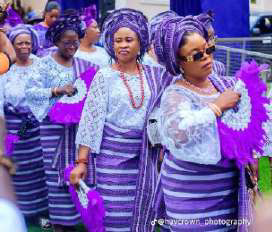

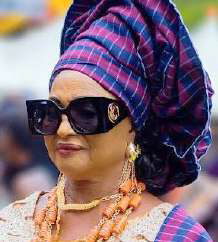
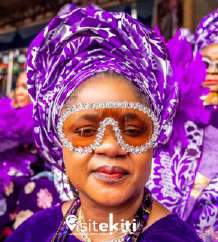

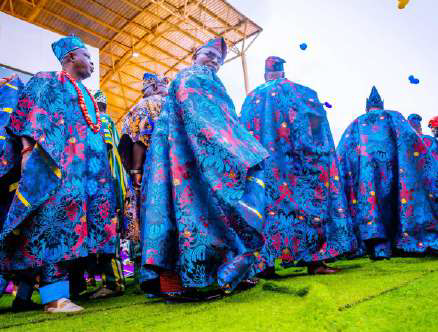
Then come the age grades, offering a different expression of communal identity. Historically important in organising people for collective responsibilities, they embody the strength of community and the enduring idea of service. Their appearance before the Ewi is therefore more than ceremonial homage.
The chiefs represent traditional authority; the age grades represent organised community strength; market groups represent commerce; young people embody the future; and the diaspora represents Ado’s continuing reach beyond its geographical boundaries. Together, they transform Udiroko into something resembling an annual census of identity; a moment when a people gather to remind themselves who they are. Then, gradually, the excitement subsides.
The Ewi speaks:
This is the moment when celebration becomes reflection. Udiroko marks the beginning of the traditional new year for Ado-Ekiti, giving the monarch’s address a significance beyond the formalities of a ceremonial speech. It is a review of the year gone by and an articulation of hopes, warnings, prayers and expectations for the year ahead. An enduring Ado saying captures the traditional authority of the occasion: “Ohun Ewi aye bati wi ni Egba Orun n gba”: whatever the Ewi says on earth, the heavens accept.Yet the 2026 address belonged unmistakably to the present as well as the past.
The Ewi congratulated his people on another successful Udiroko, stressed the importance of preserving the festival’s history and cultural values, and commended the administration of Governor Biodun Oyebanji for its development initiatives. He also addressed one of contemporary Nigeria’s gravest concerns: insecurity. Kidnapping, banditry and attacks on innocent citizens, he argued, demand more sophisticated security methods and greater use of technology.
It was a revealing juxtaposition. The monarch was speaking from a throne rooted in centuries of tradition, but his concerns were those of a contemporary Nigerian leader: security, development, prosperity and the future of his people.
Governor Oyebanji, who attended with his deputy and other government officials, pushed the argument further. Udiroko, he declared, had outgrown Ado-Ekiti: “It is no longer an Ado festival; it has become an Ekiti festival.” His larger proposition was that culture should not merely be preserved; it should create opportunity.
The governor called for the festival to be repositioned as a major tourism and economic platform capable of attracting visitors, generating employment and creating wealth. Such an ambition is not difficult to imagine. A successful festival activates an entire local economy: hotels, restaurants, food vendors, fashion designers, artisans, photographers, transport operators, performers, traders and event managers all become part of the tourism chain.
The Adventure Weekend was an early illustration of that possibility, linking the palace ceremony to hiking, mountain tourism, cuisine, storytelling and urban exploration.
There is, however, another question that Udiroko must continue to answer: what exactly is this ancient festival?
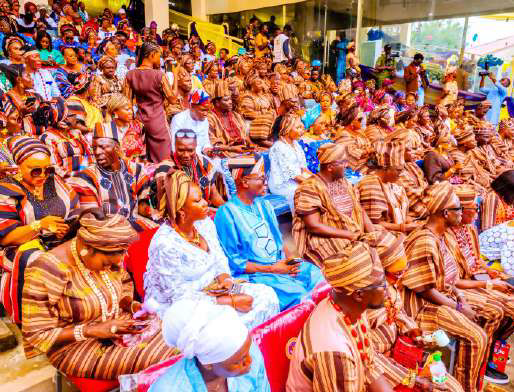
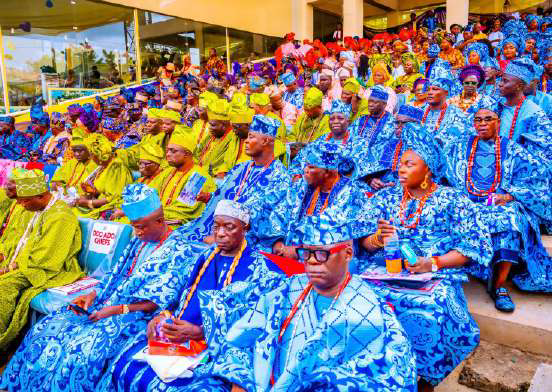

Some outsiders have described it as a fetish or idol-worshipping celebration. Its custodians reject that characterisation. The tradition is associated with the gathering under the great iroko tree at the Ewi’s palace and with Olorunborun, a traditional expression of thanksgiving to the Creator. Historically, it brought together the Ewi, his chiefs, his people and returning military commanders.
Its modern expression is notably open and inclusive. Christians and Muslims participate alongside traditional institutions; families, age grades, professionals, young people, politicians and community groups all have their place.
To reduce Udiroko to “fetishism” is therefore to miss its essential character. It is better understood as a traditional cultural institution that has evolved with its people: a celebration of identity, thanksgiving, history, communal gathering and continuity.
Its roots reach back more than seven centuries. According to the historical account of the Ekiti State Government, Udiroko dates to about 1310 AD, during the reign of Oba Awamaro, regarded as the first Ewi of present-day Ado-Ekiti. The gathering took place beneath the large iroko tree at the royal palace. The tree offered shade, but gradually acquired a deeper symbolic meaning.
Under it, the people gathered. Military commanders reported their exploits. The king met his subjects. Thanksgiving was offered. And from this setting came the name Udiroko, literally associated with being beneath the iroko tree.
Over the centuries, a military gathering became a wider celebration of thanksgiving and renewal. Military reports became ceremonial greetings; allegiance became pageantry; the beginning of a traditional year became an affirmation of communal identity. That capacity for transformation may explain Udiroko’s survival.
Ado-Ekiti is now a modern city of universities, hospitals, government institutions, businesses, hotels and a generation whose cultural references are as likely to come from Instagram and TikTok as from oral tradition. Yet once a year, the city turns its gaze towards the palace. That is the enduring power of Udiroko. It is a living archive, not a museum piece.
By the end of the 2026 celebration, the palace courtyard had begun to empty. The chiefs had completed their homage. The speeches had been delivered; the prayers had risen; the drums that had seemed incapable of stopping finally fell silent.
Yet Udiroko had not truly ended.
For more than seven centuries, the people of Ado-Ekiti have returned to the same essential act: stopping to remember themselves, honour their institutions, celebrate survival and seek blessings for the journey ahead.
In 2026, that journey seemed to point beyond tradition towards tourism, enterprise, education and development. The Ewi seeks to preserve the inheritance. The governor sees an opportunity to create wealth from it. A younger generation must determine how to keep the inheritance meaningful in a rapidly changing world.
And the old iroko remains the perfect metaphor. Its roots reach deep into the past, while its branches extend towards the future. Every August, Ado-Ekiti gathers beneath its imagined shade. For one remarkable day, a modern city remembers that before it became a state capital, before its sons and daughters dispersed across Nigeria and the world, it was a kingdom with a story. Udiroko is one of the ways that story refuses to die.