
From paddles to smart ferries, here is the remarkable metamorphosis of water transportation in Lagos, fulfilling the time-worn maxim that necessity is the mother of invention
By David Edremoda
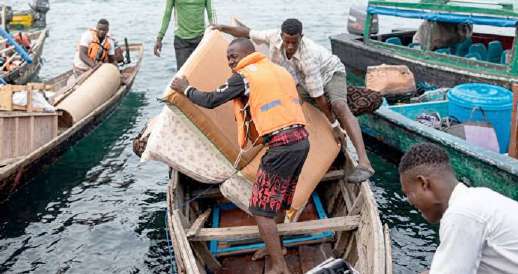
There was a time when crossing the Lagos Lagoon required equal measures of patience, courage and faith. Long before dawn, fishermen, traders, schoolchildren and civil servants gathered at improvised jetties stretching from Ebute Ero to Badore, from Ijede to Ikorodu, from Epe to Ibeshe. Wooden canoes and handcrafted boats bobbed restlessly upon the dark waters, their silhouettes illuminated only by flickering lanterns and hesitant moonlight. Passengers waited while captains squeezed every available inch of space into service. Life jackets were virtually unknown. Safety often depended on instinct, experience and prayers offered against uncertain tides and unseen forces beneath the water.
When the boats finally pushed away from shore, paddlers bent their bodies against the resistance of the lagoon with extraordinary determination. Their neck muscles tightened and their shoulders strained as the vessels moved slowly across waters that were both pathway and livelihood.
Gradually, a quiet transformation began. Human strength yielded to mechanical power as outboard engines replaced paddles. Yamaha, Suzuki, Honda and other engines arrived with their noisy coughs and rattling vibrations, introducing speed and efficiency into journeys that once depended entirely upon muscle and endurance.
Yet even in their simplicity, these boats performed indispensable functions. They connected communities inaccessible by road. They transported fish, vegetables, livestock and agricultural produce. They carried workers, traders and families. For countless Lagosians living around the state’s vast aquatic network, boats were not alternatives to transportation; they were transportation itself.
Today, that story has undergone a remarkable transformation.
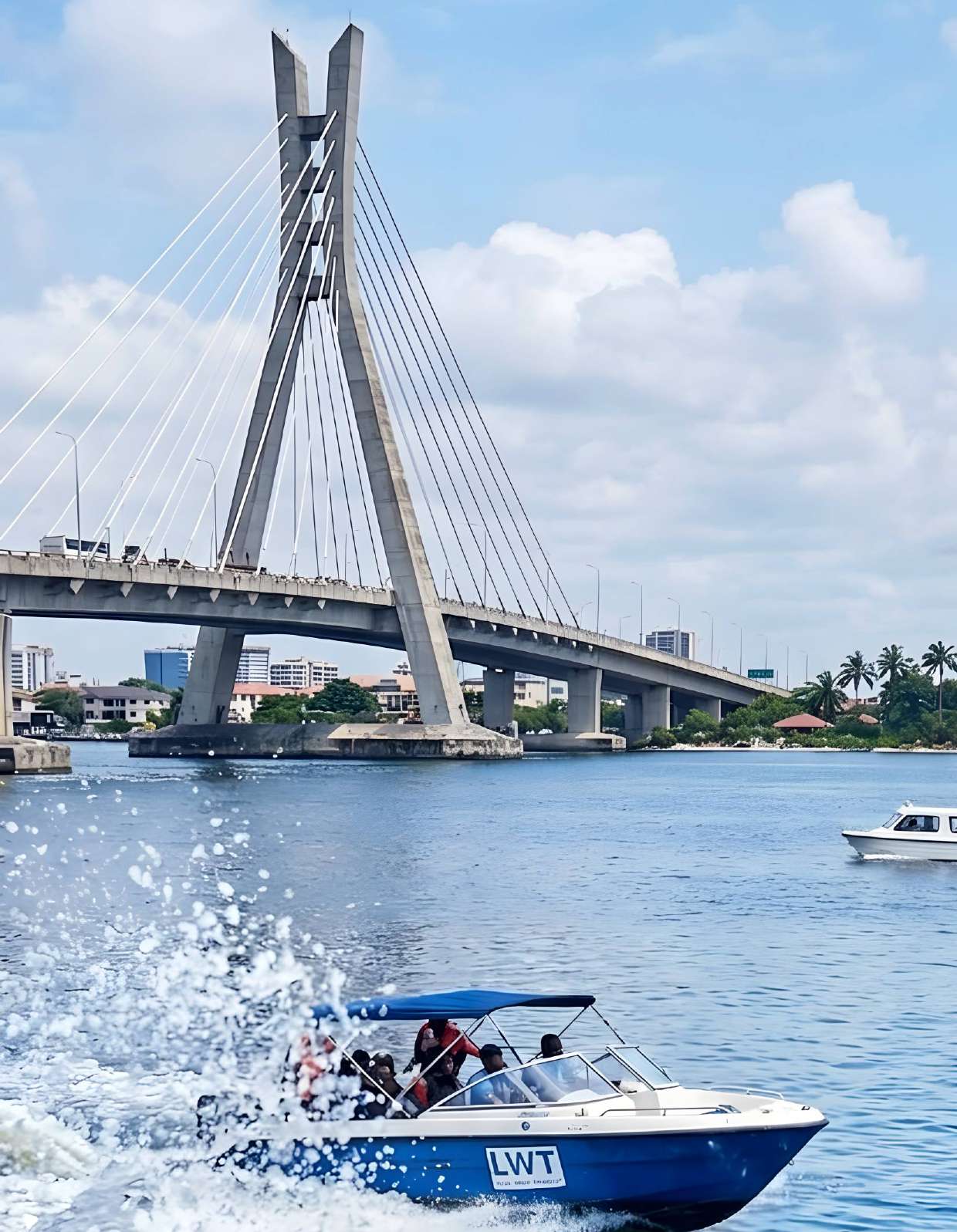
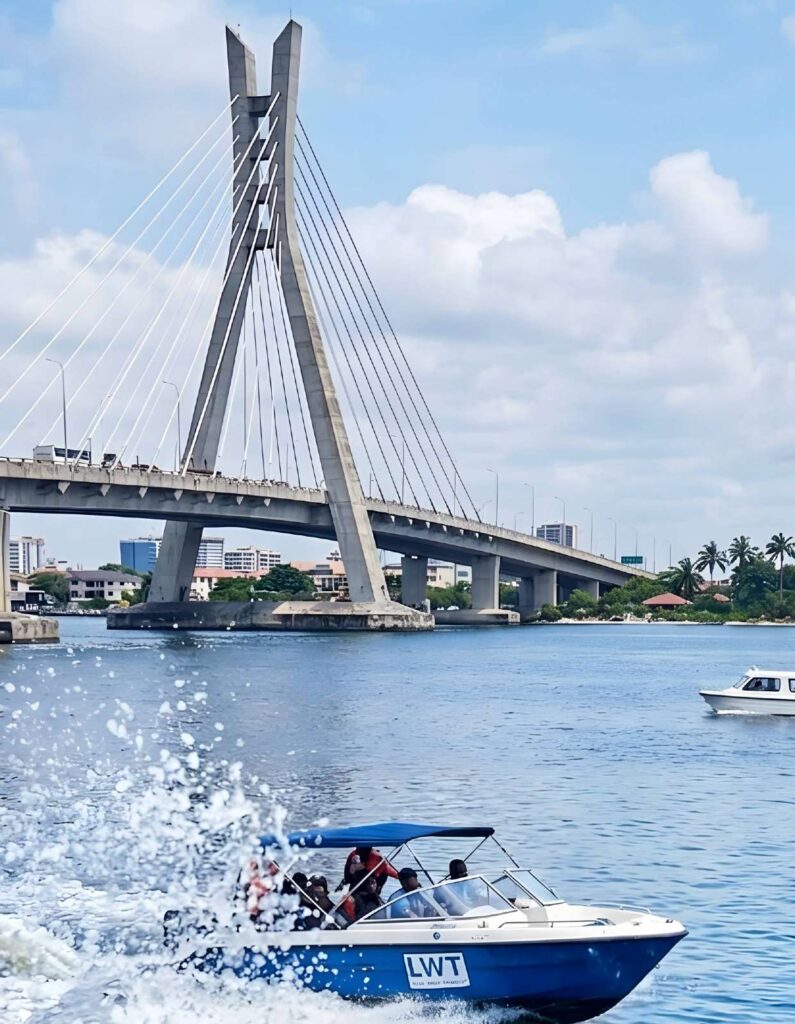
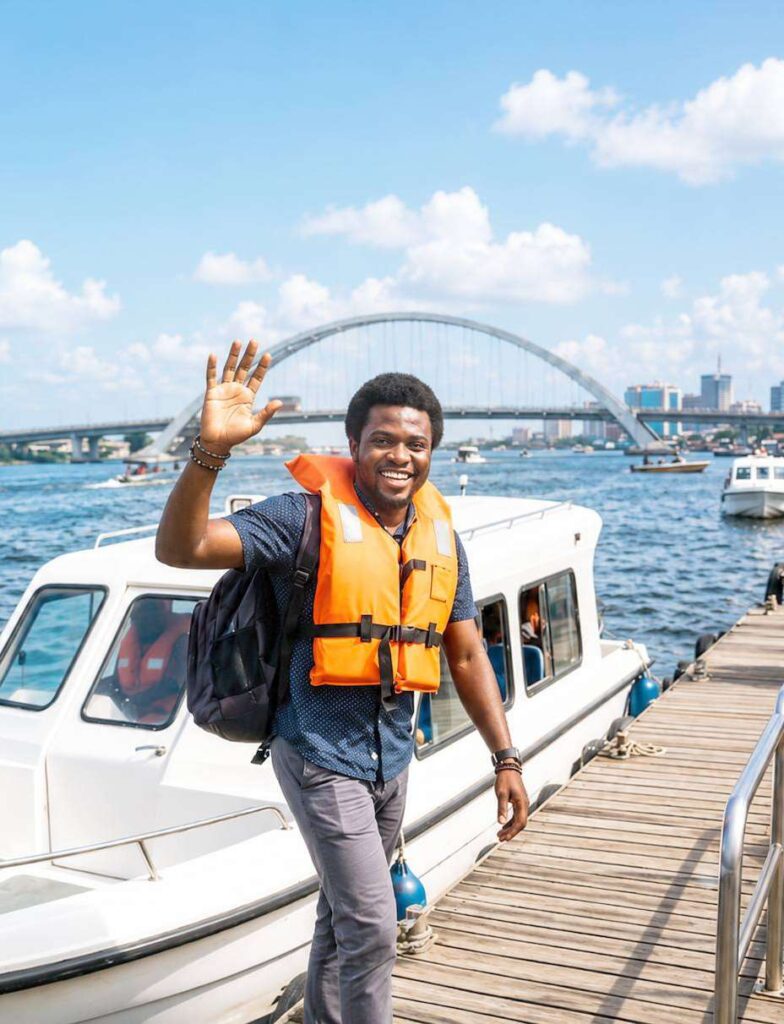
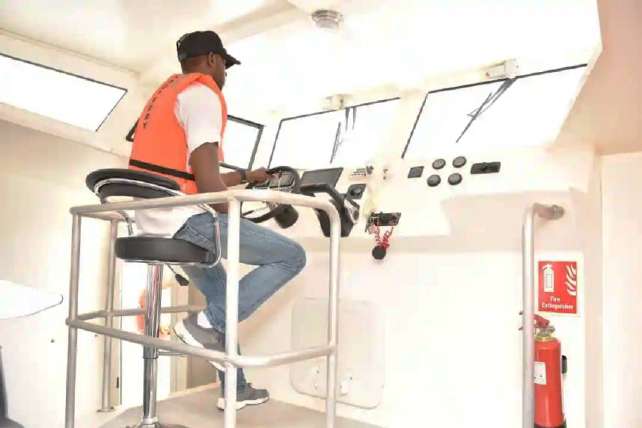
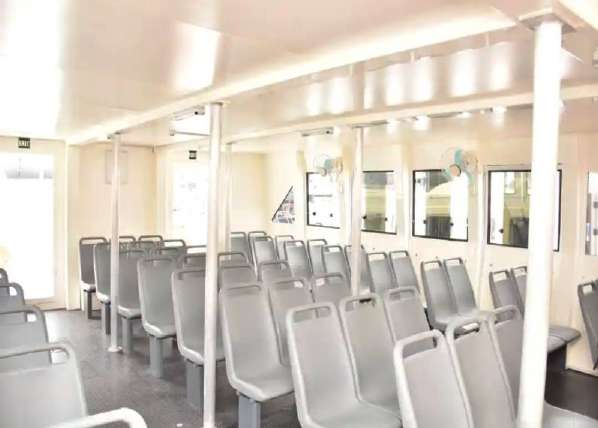
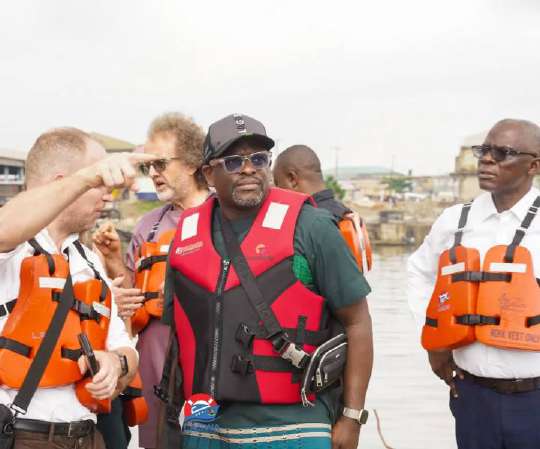
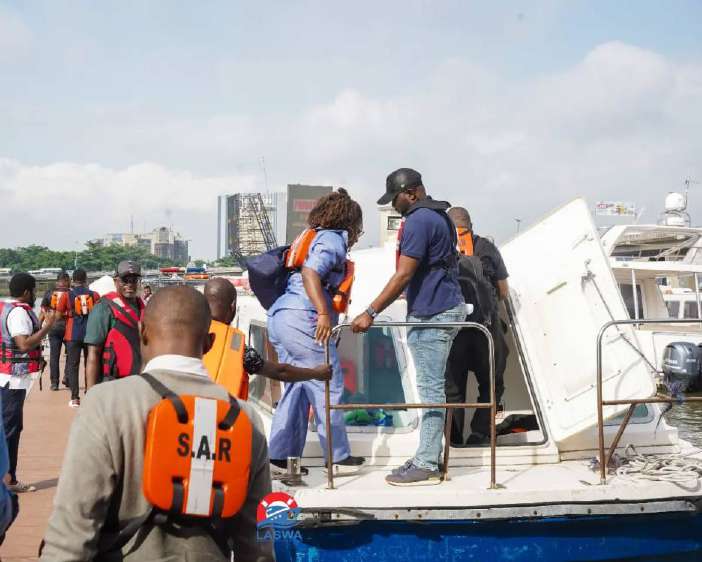
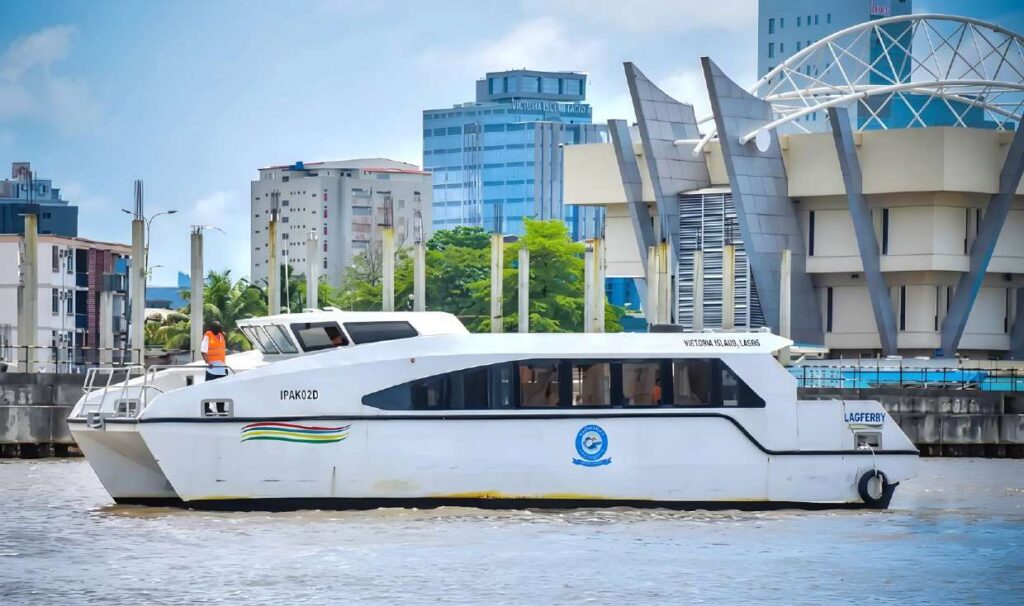
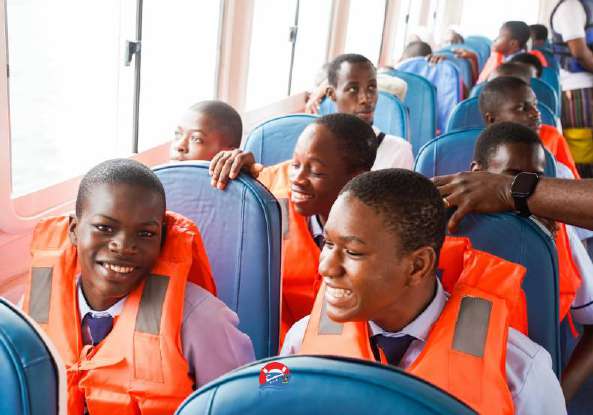
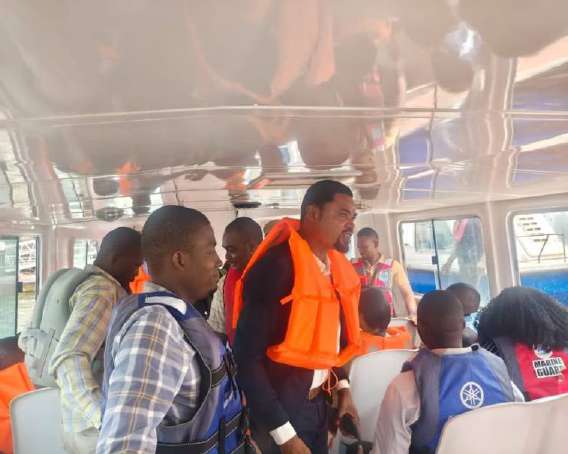
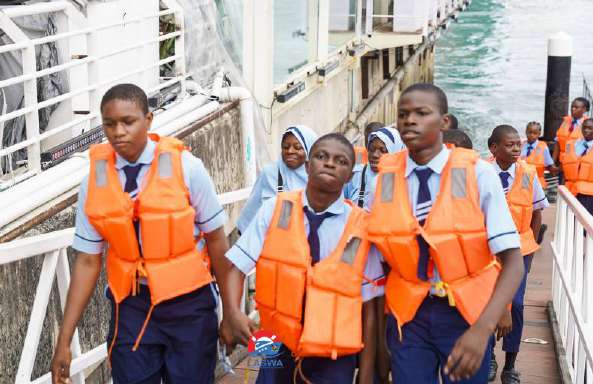
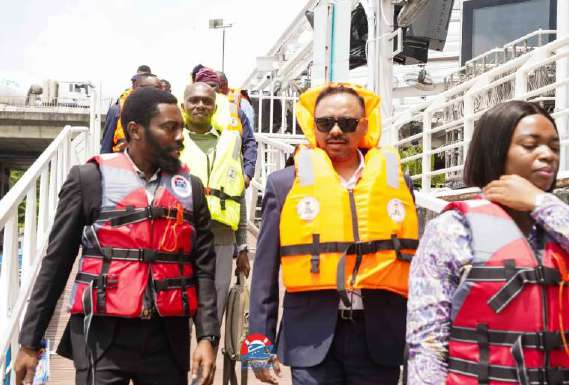
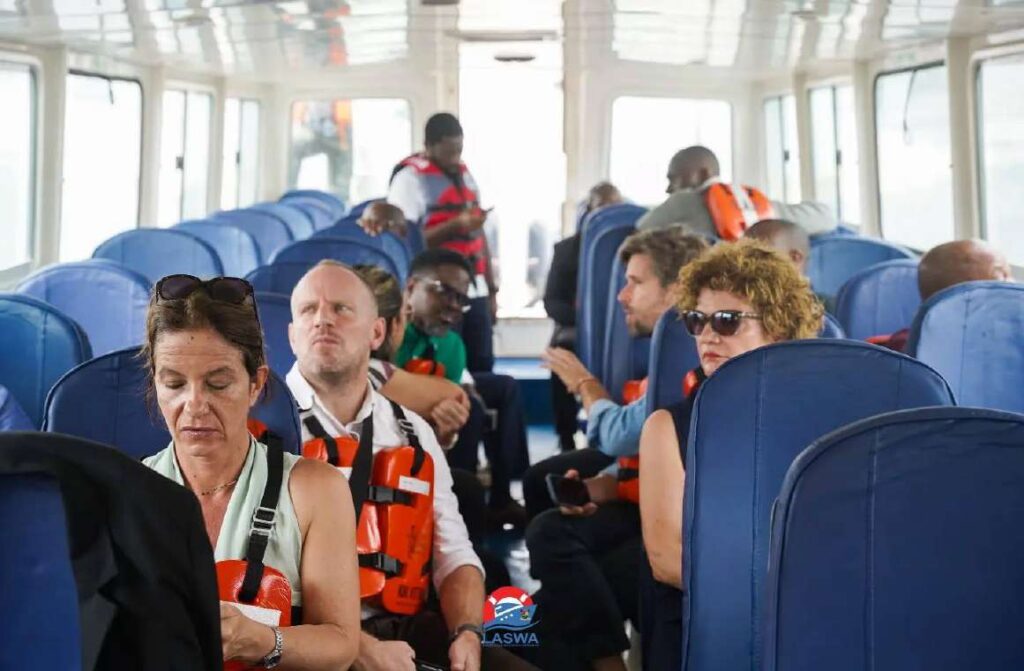
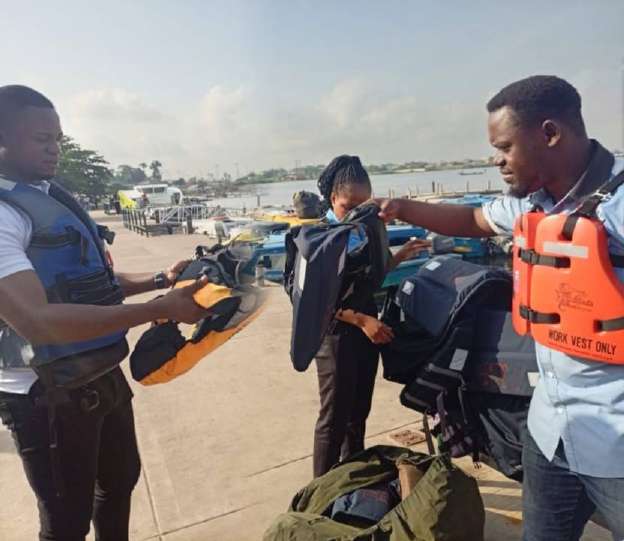
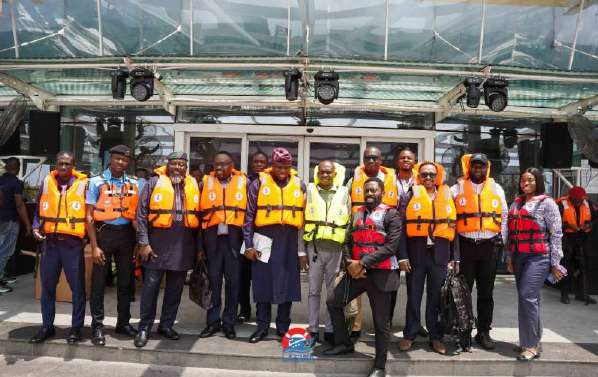
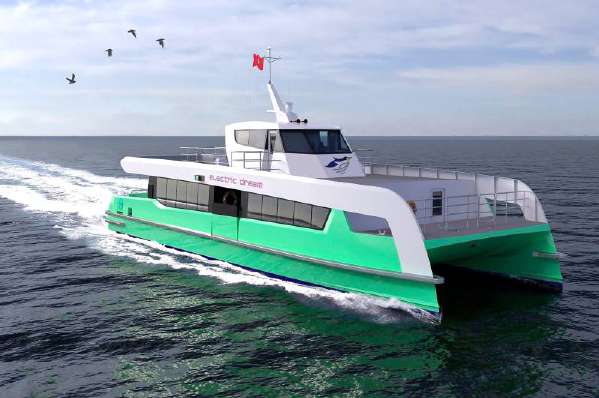
Modern ferries now glide elegantly across the lagoon with digital ticketing systems and GPS-enabled navigation. Sophisticated terminals increasingly resemble airport lounges. Passengers wear certified life jackets before boarding. Surveillance systems monitor activities across waterways, while search-and-rescue teams maintain constant readiness. Solar-powered ferries are entering the transportation ecosystem, and leisure cruises have become a growing feature of Lagos tourism.
The transformation of water transportation in Lagos represents one of Nigeria’s most fascinating urban stories; a narrative of geography, innovation, resilience and a city’s enduring relationship with water.
Lagos has always been a city shaped as profoundly by water as by land. Resting beside the Atlantic Ocean, it exists within an intricate network of lagoons, rivers, creeks and wetlands that collectively form one of Africa’s most distinctive urban environments.
Seen from above, Lagos appears almost like a vast aquatic mosaic. Water channels branch and reconnect in intricate patterns resembling veins beneath living tissue. Lagoons merge with rivers. Creeks wind through mangrove swamps and wetlands before opening into larger bodies of water. This aquatic architecture does far more than define geography; it shapes commerce, settlement, climate and culture.
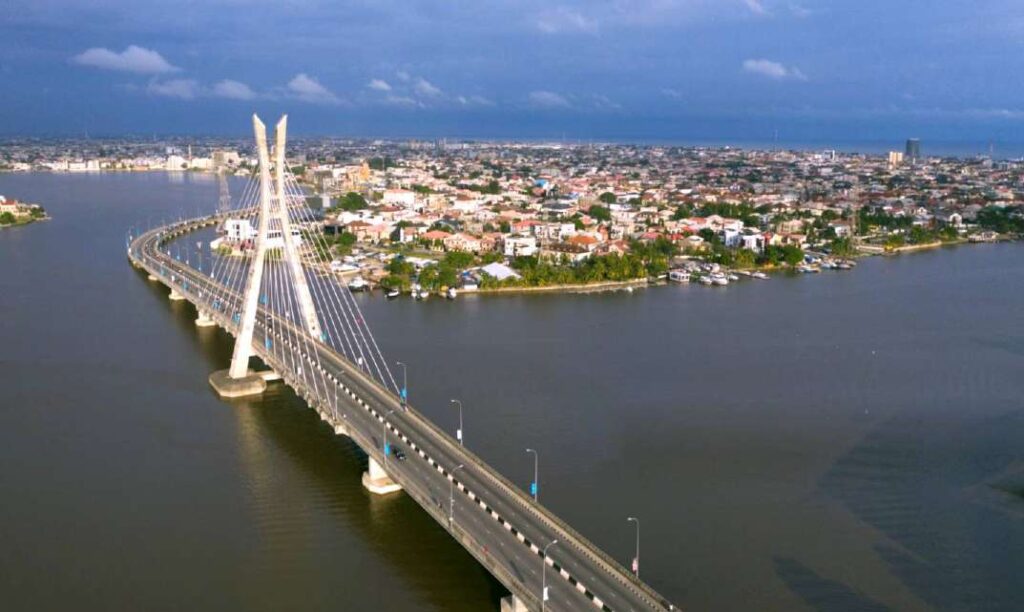
Among its major waterways are the Lagos Lagoon, Lekki Lagoon, Badagry Lagoon and Ologe Lagoon, all interconnected through rivers and creeks such as the Ogun River, Osun River, Yewa River and Owo River. Creeks including Five Cowrie Creek, Badagry Creek, Porto Novo Creek, Majidun Creek and Agboyi Creek weave through the city like aquatic highways.
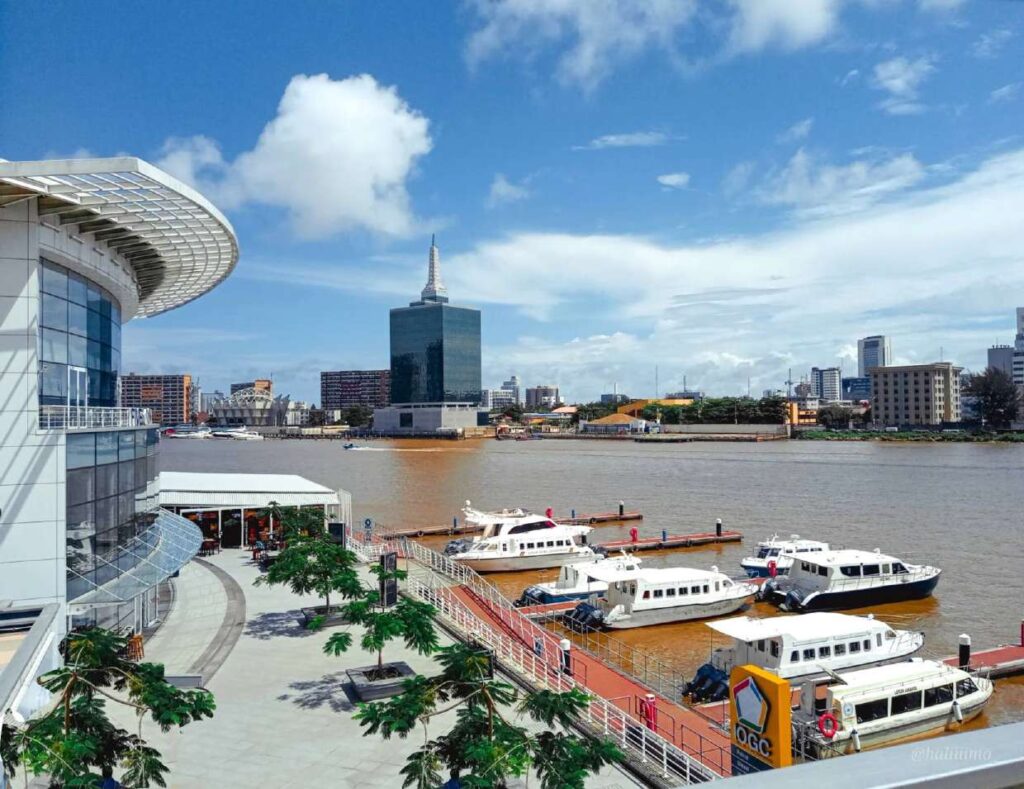
Together, these waterways form an expansive estuarine ecosystem supporting transportation, fisheries, biodiversity and economic activity.
Long before Lagos emerged as Nigeria’s commercial capital, water had already determined its identity.
Early settlements developed on islands and along waterfront communities where fishing and trade sustained local economies. Communities such as Makoko, Badore, Oko Baba, Ijede, Epe, Ipakodo, Oworonshoki and Ibeshe built their lives around waterways that served as highways centuries before asphalt roads appeared.
The arrival of Portuguese traders in the fifteenth century reinforced Lagos’s strategic importance as a maritime centre. Colonial administrators later expanded ports and marine infrastructure, transforming Lagos into one of West Africa’s busiest commercial gateways.
Ironically, while maritime infrastructure evolved for cargo movement, passenger water transportation remained largely informal for decades.
Older residents still remember what might be called the age of wooden canoes. Handcrafted from enormous tree trunks, these vessels represented more than transport systems; they embodied inherited knowledge and community life.
Boat captains possessed intimate understanding of tides, currents and hidden channels. There were no electronic navigation systems, weather forecasts or emergency response units. Experience served as technology.
Passengers balanced baskets, bicycles, sacks of rice and sometimes livestock as they travelled to markets and communities. Fishermen returned with catches that supplied the city’s markets while schoolchildren crossed creeks on journeys that began before sunrise.
For many years these waterways functioned quietly as economic lifelines. Then came a period of neglect.
As Lagos expanded after independence, attention shifted overwhelmingly toward roads and bridges. Public discussion increasingly focused on traffic congestion and urban expansion. Expressways multiplied while vehicle ownership increased dramatically.
Meanwhile, waterways covering almost one-fifth of Lagos’s landmass remained underutilised.
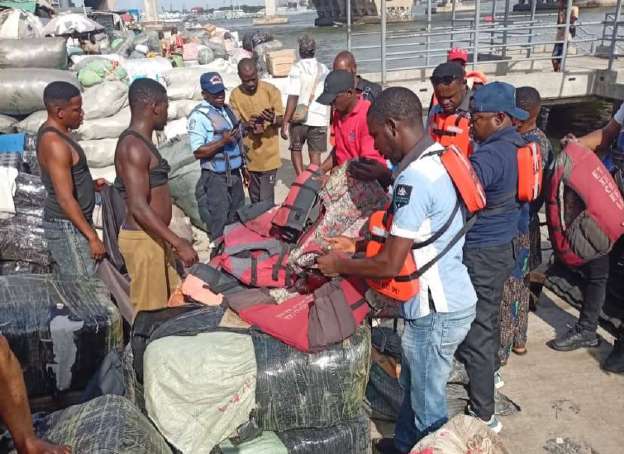
Jetties deteriorated. Safety standards weakened. Regulation became fragmented. Confidence declined as accidents repeatedly occurred due to overloading, poor maintenance, speeding and inadequate safety enforcement.
Yet necessity, as history repeatedly demonstrates, often compels innovation. Successive Lagos administrations increasingly recognised that a megacity defined by water could no longer ignore one of its greatest natural advantages.
Modern intervention began gradually.
During the Lateef Jakande administration, state ferry services emerged through vessels such as Baba Kekere and Ita Faji. Later administrations expanded infrastructure and services. Governor Babatunde Fashola commissioned ferry terminals including Ipakodo, Badore and Osborne, while Governor Akinwunmi Ambode expanded waterfront infrastructure with projects including the Ilaje Bariga Waterfront Terminal.
Under Governor Babajide Sanwo-Olu, however, water transportation entered a more ambitious phase through the relaunch of Lagos Ferry Services, known as LAGFERRY.
In February 2022, additional ferries entered operation alongside digital innovations designed to simplify access for commuters. More importantly, water transportation became integrated into a broader transportation vision connecting roads, rail systems and waterways.
The objective was clear: reduce pressure on congested roads and create a truly interconnected transportation network.
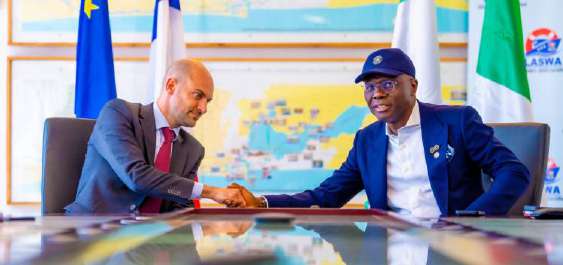
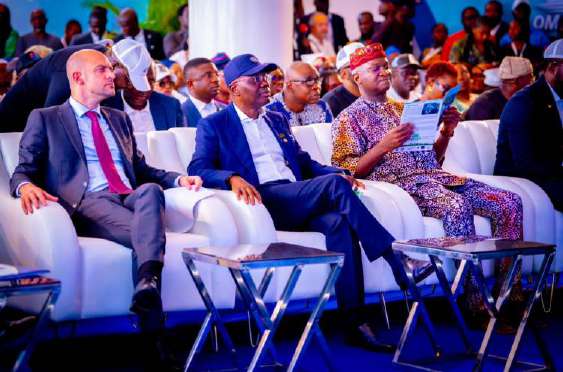
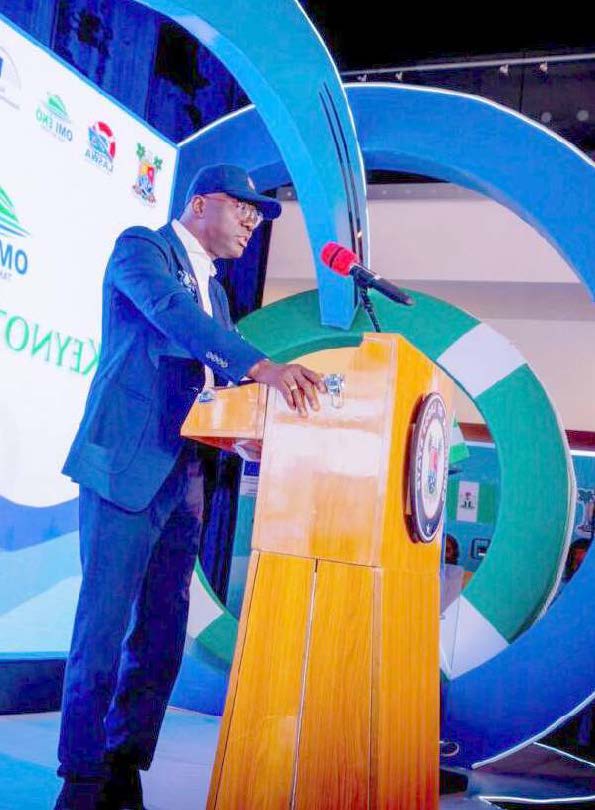
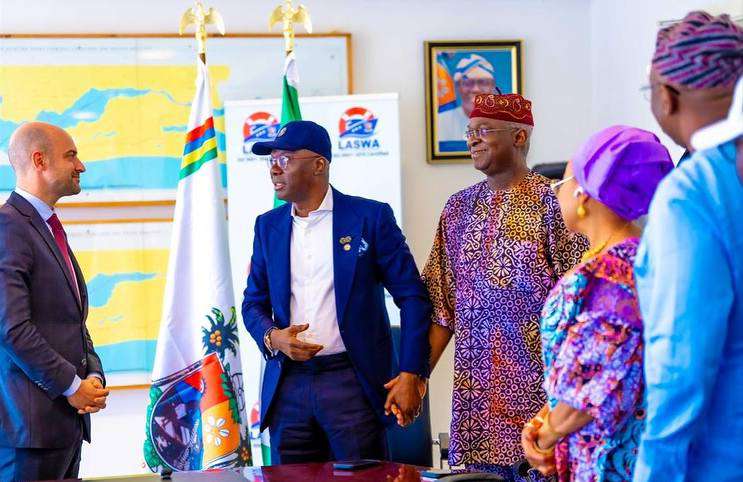
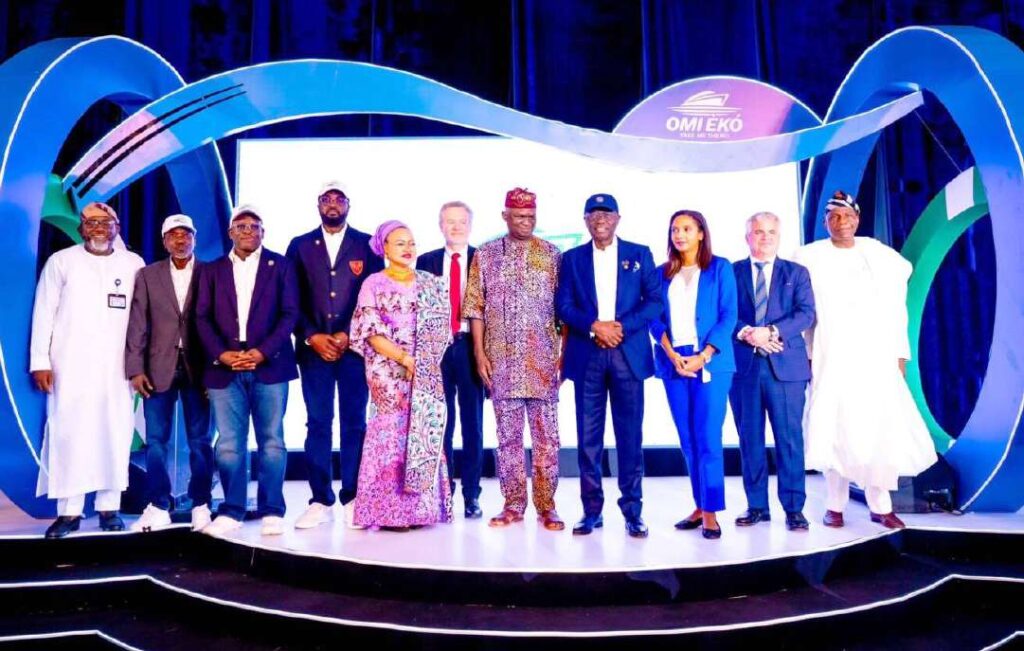
Even more ambitious is the €410 million Omi Eko Project, unveiled in 2025 by the Lagos State Waterways Authority.
Scheduled to run until 2030, the project seeks to transform waterways into major mobility corridors through the dredging and navigation of fifteen ferry routes, deployment of over seventy-eight electric ferries and construction or renovation of twenty-five modern terminals.
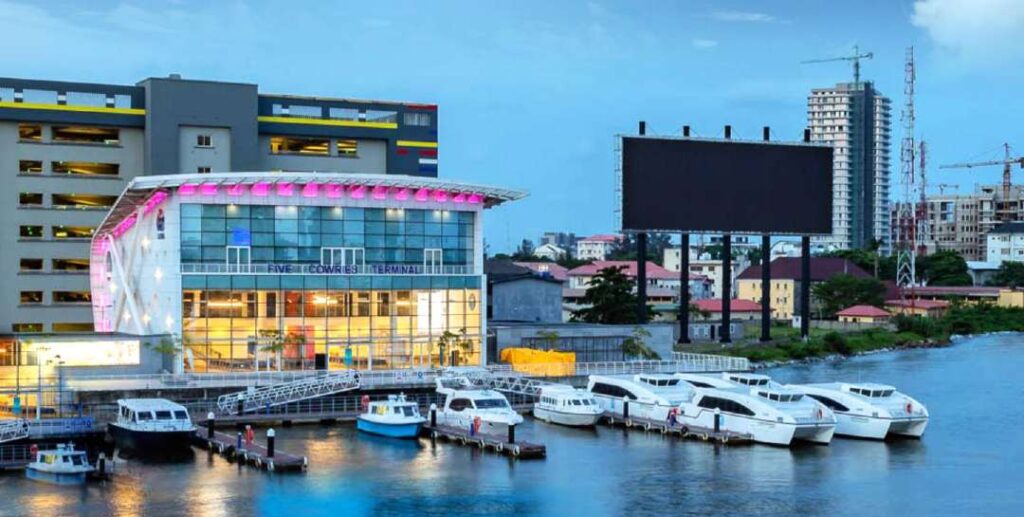
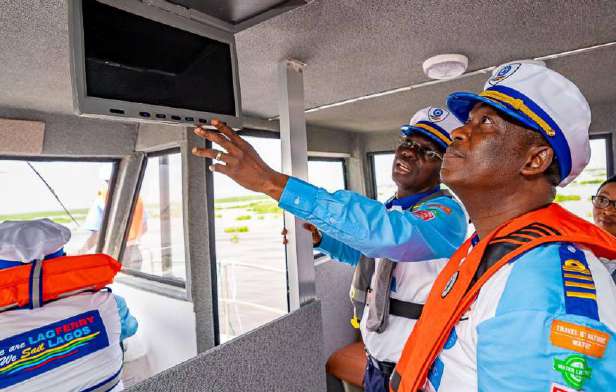
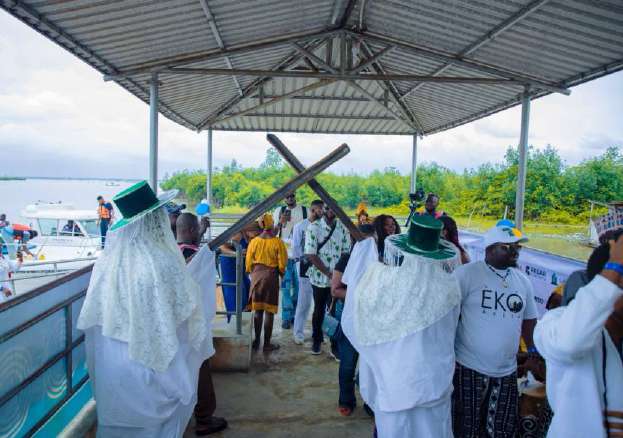
These terminals are expected to include digital payment systems, charging stations, waiting areas and enhanced safety infrastructure.
Sustainability also occupies a central place within the vision. Low-emission electric ferries aim to reduce environmental impact while supporting cleaner urban mobility.
Yet perhaps the most intriguing chapter in Lagos’s aquatic evolution lies beyond transportation itself. The waterways are increasingly becoming destinations.
Sunset cruises now glide across Five Cowrie Creek. Luxury yacht experiences introduce visitors to Lagos from entirely different perspectives. Cinema experiences aboard barges combine entertainment with movement. Waterfront leisure events increasingly transform the lagoon into a social and cultural landscape.
Destinations such as Tarkwa Bay, accessible only by water, continue attracting visitors seeking calm beaches and marine experiences. The historic slave route at Badagry similarly relies upon ferries that carry visitors toward the famous Point of No Return.
Boat clubs and marinas now contribute to a growing marine lifestyle culture. Institutions such as the Lagos Yacht Club and Lagos Motor Boat Club preserve longstanding nautical traditions while newer facilities expand public access to waterfront experiences and water sports.
Today, Lagos appears to be rediscovering something it had always possessed. The city was born around water. Water sustained its earliest communities, powered its commerce and shaped its geography. For many years, that relationship weakened beneath the pressure of urban expansion and changing priorities. Now the tides appear to be turning once again.
From paddles cutting quietly through dawn waters to electric ferries guided by digital systems, Lagos’s waterways tell a larger story about adaptation itself. It is a story of a city rediscovering its natural rhythm and transforming necessity into innovation. And perhaps nowhere is the future of Lagos more visible than upon the waters that have always carried its dreams.