
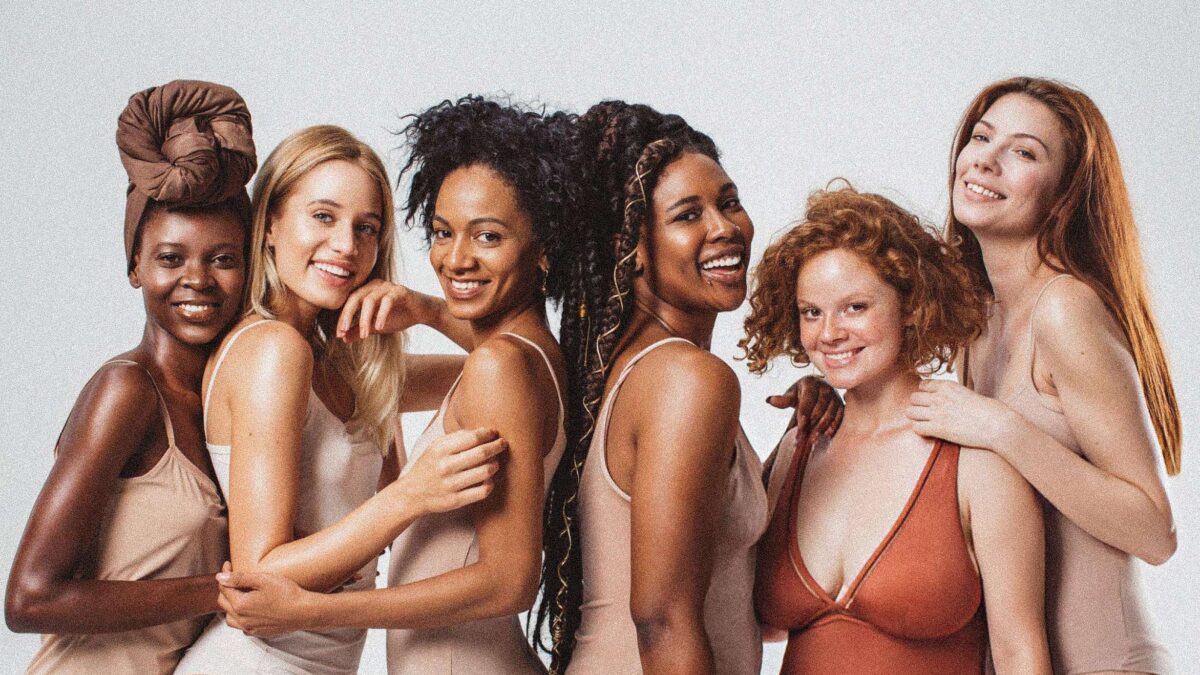
This Women’s Month, celebrating intergenerational beauty is not simply about nostalgia. It is about recognizing that beauty knowledge is cultural capital; a living archive carried by women across time. Modern beauty industries often repackage and commercialize ancestral practices, presenting them as innovations. Fermented essences, plant-based oils, exfoliating scrubs, and clean beauty formulations frequently trace their lineage back to traditional rituals practiced for centuries
By Joyce Icheokolo
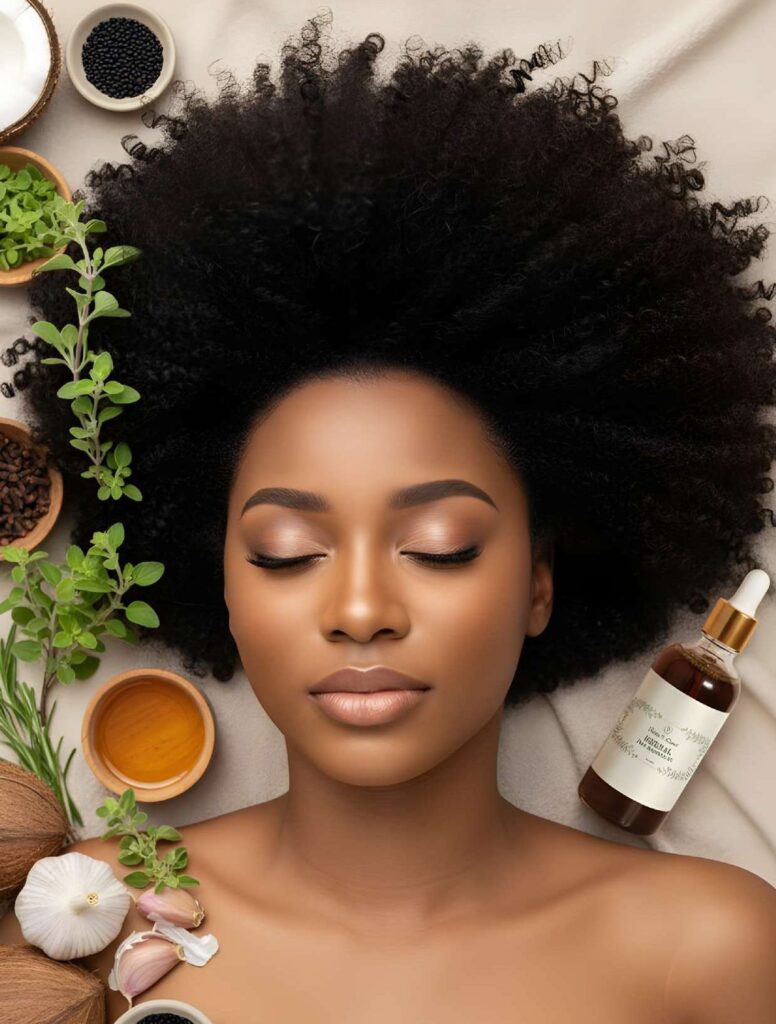
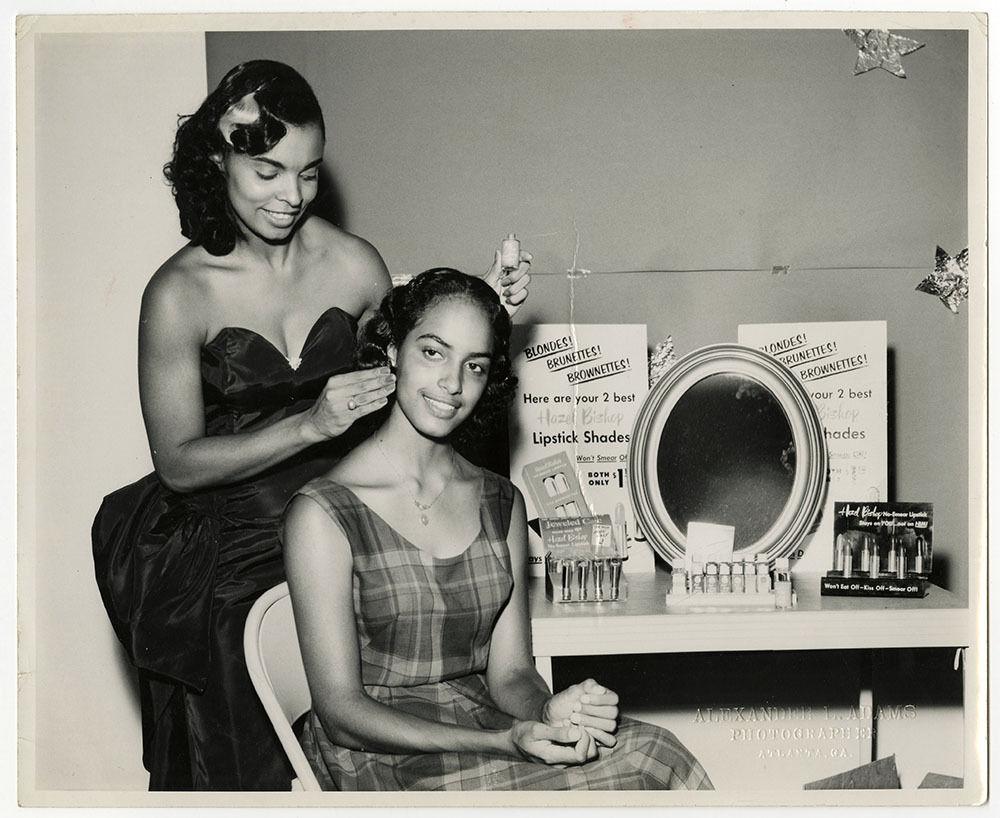
Beauty did not begin in laboratories or under studio lights. It began in homes, in courtyards, beside rivers, and in whispered advice passed from mother to daughter. Long before trends were dictated by algorithms, beauty was ritual; intentional, cultural, and deeply human. Across continents and civilizations, women have preserved and transmitted beauty knowledge as part of heritage, identity, and care. This Women’s Month, we honor the global tapestry of intergenerational beauty, the ancestral secrets that continue to shape modern skincare, haircare, and self-expression.
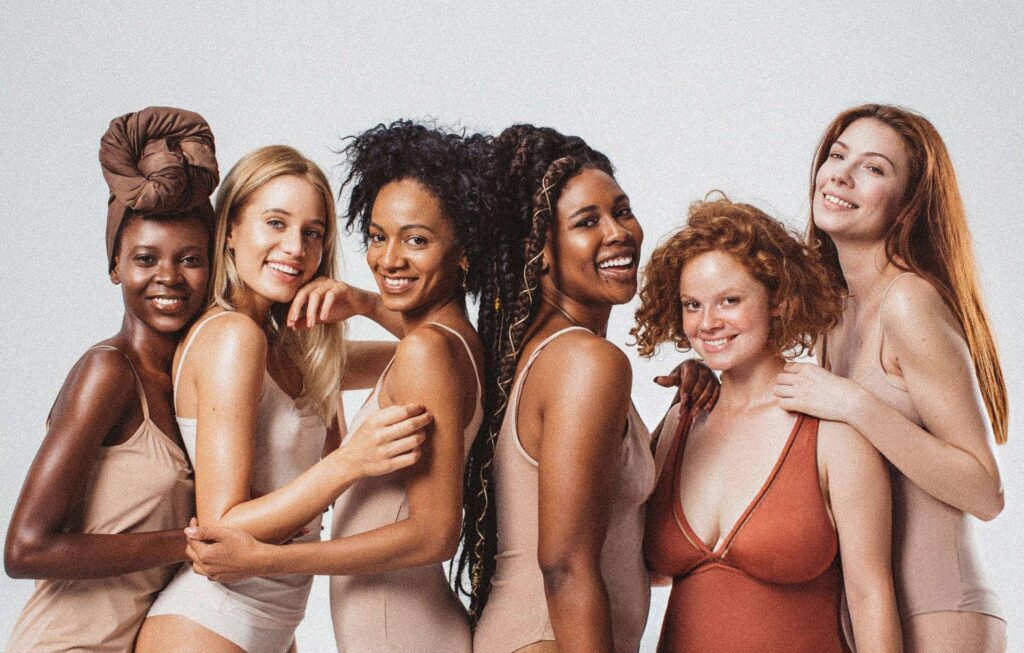
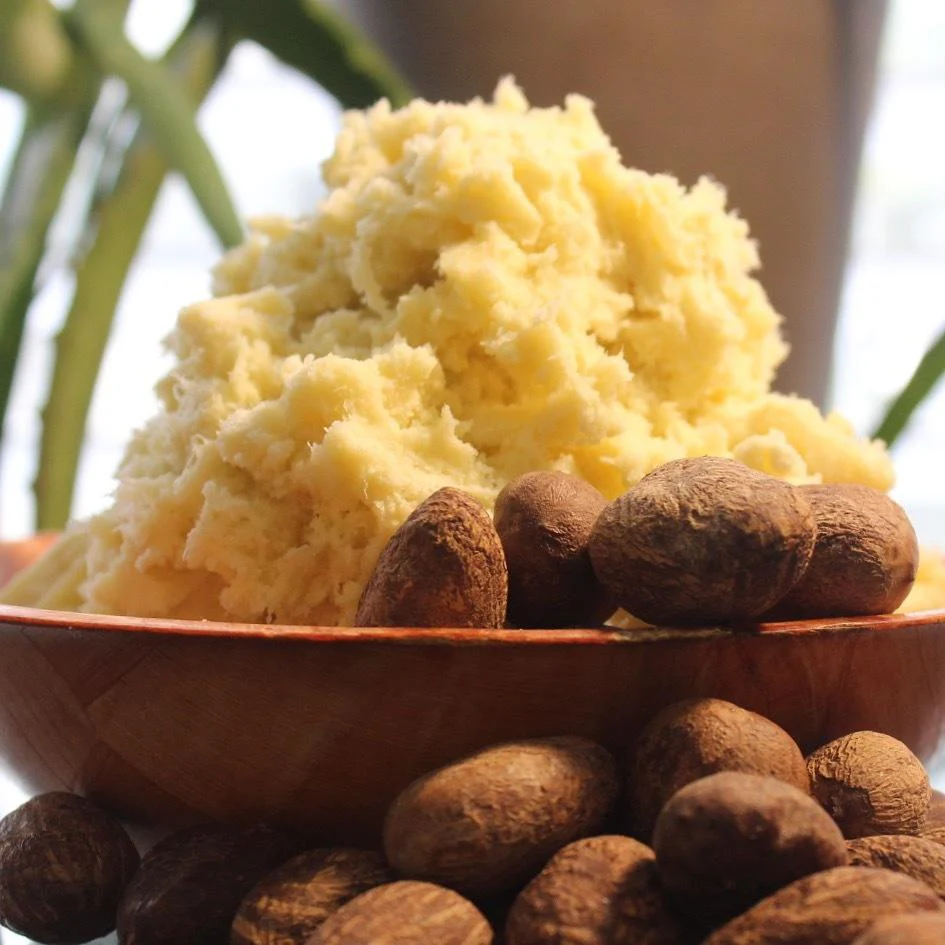
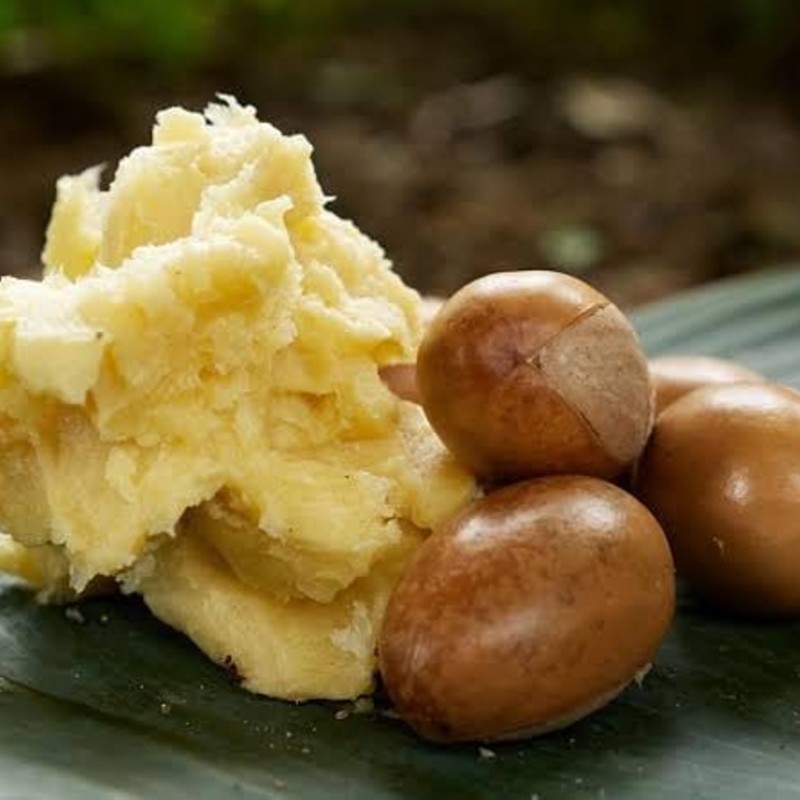
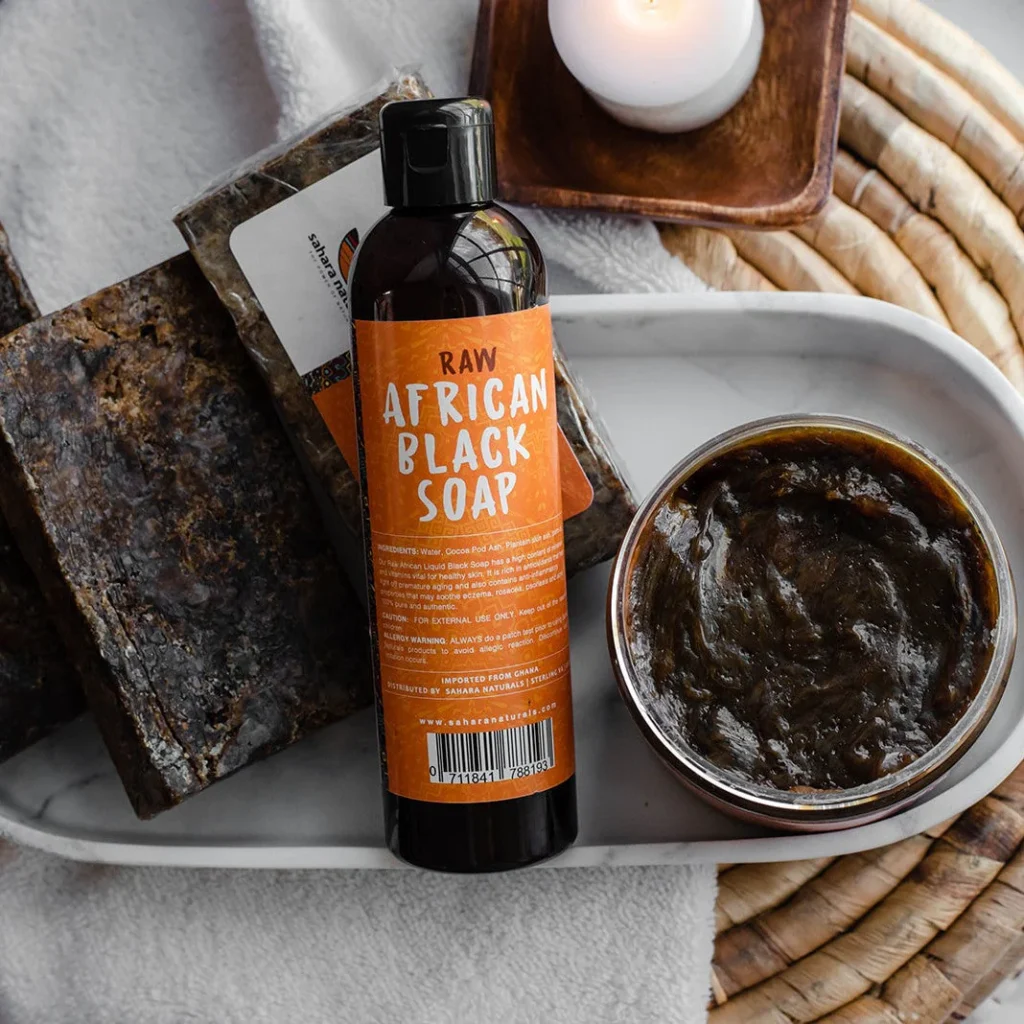
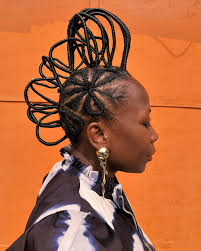
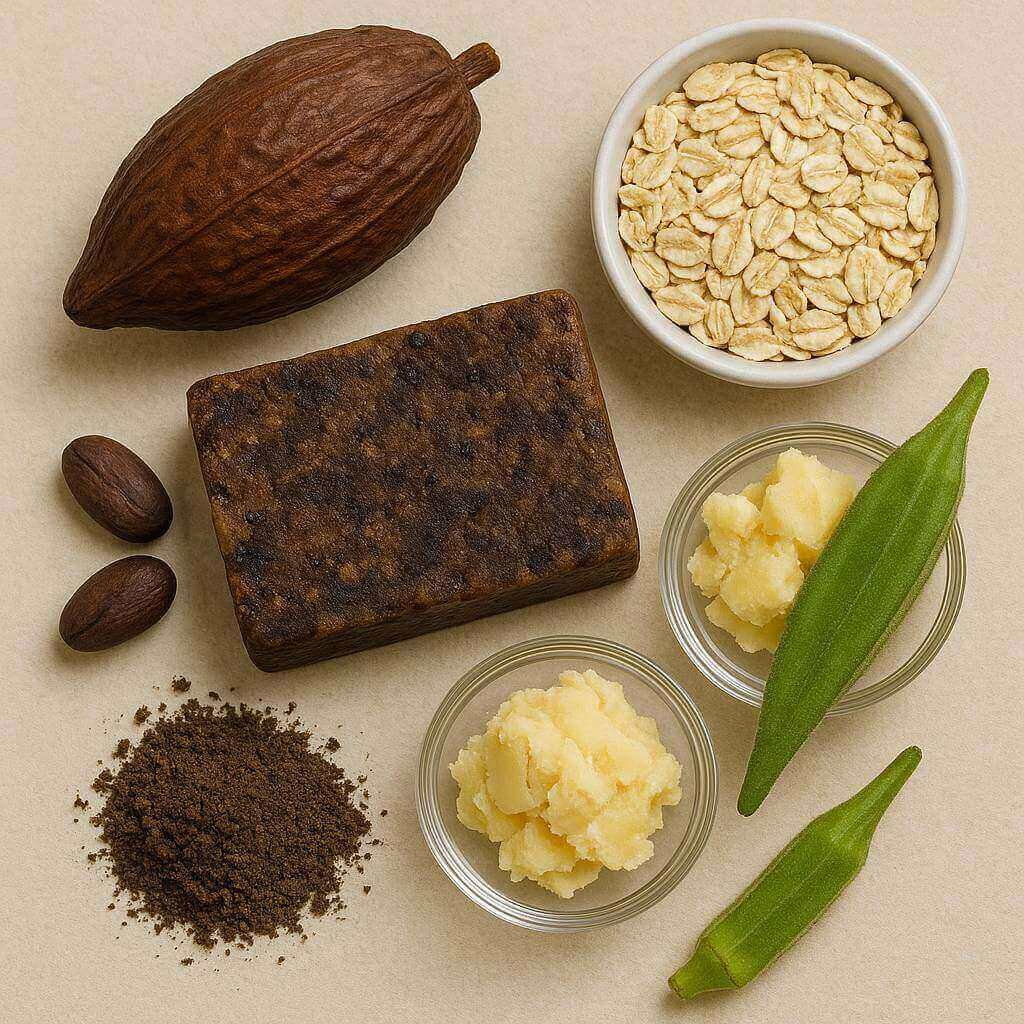
Across Africa, beauty traditions are grounded in nature and communal wisdom. In West Africa, shea butter has long been used to nourish skin and protect it from harsh climates, while handmade black soap crafted from plantain skins and cocoa pod ash has served as a gentle yet effective cleanser for generations. Oils such as marula and baobab, extracted by hand, have been treasured for their ability to hydrate and repair. Hair braiding, threading, and intricate styling patterns have functioned not only as adornment but as markers of identity, status, and community belonging. These rituals were never simply cosmetic; they were bonding moments- hair oiling sessions that doubled as storytelling circles, skincare routines that reinforced confidence and cultural pride.
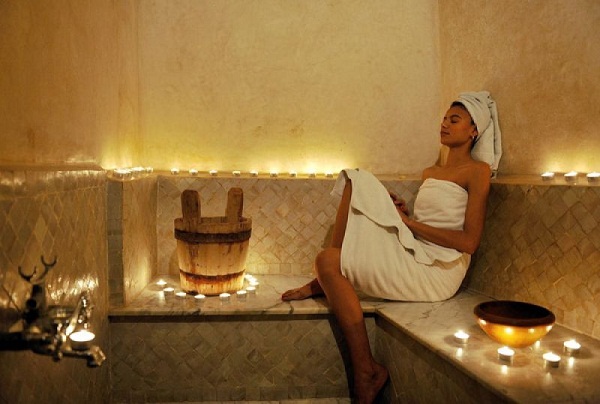
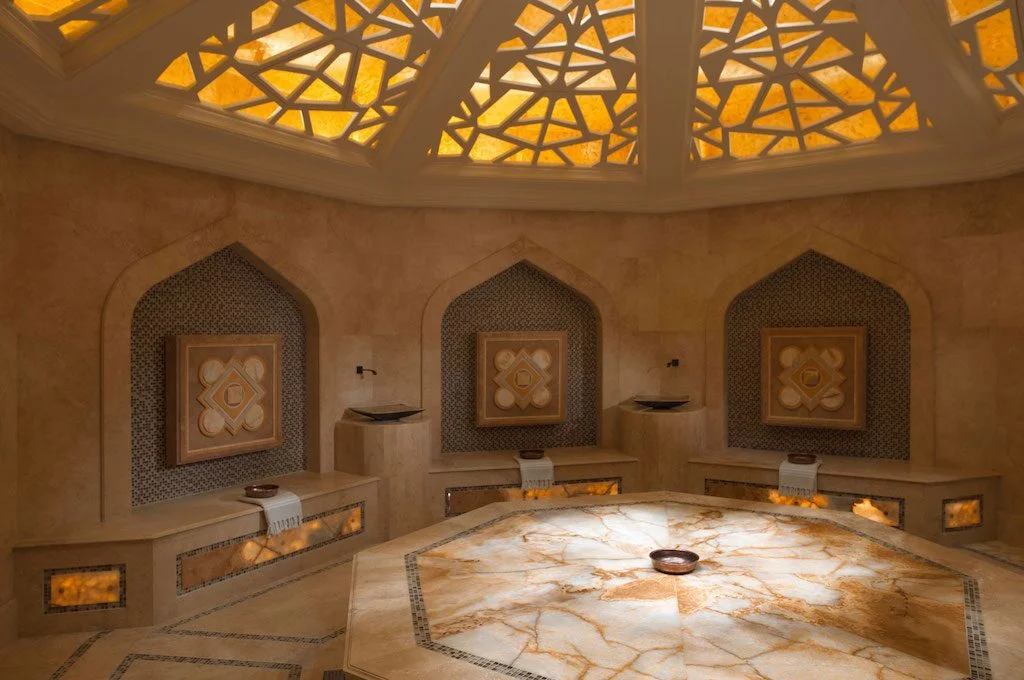
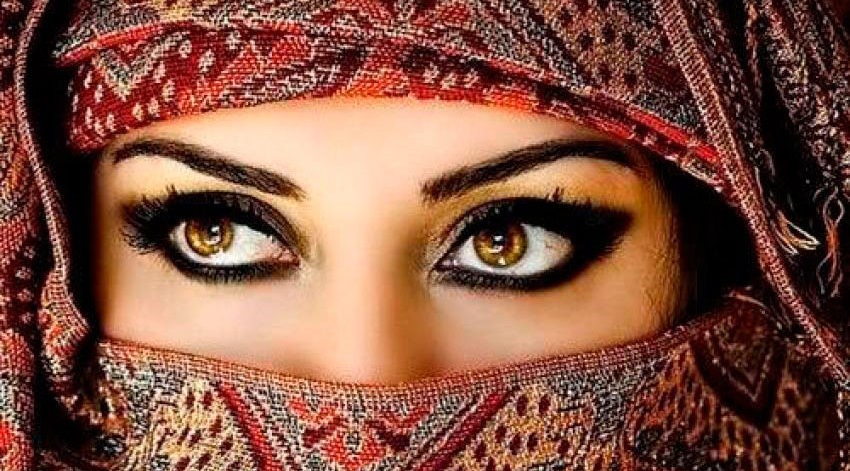
In North Africa and the Middle East, beauty has long intertwined with purification and ceremony. Moroccan hammam rituals emphasize exfoliation with black soap and kessa gloves, followed by nourishing argan oil treatments. In ancient Egypt, women famously used natural ingredients such as honey, milk, and plant-based oils to preserve youthful skin, practices often associated with figures like Cleopatra. Kohl, still widely used today, originated as both a cosmetic and protective substance against sun glare and infection. Here, beauty has always carried a dual purpose: adornment and protection.
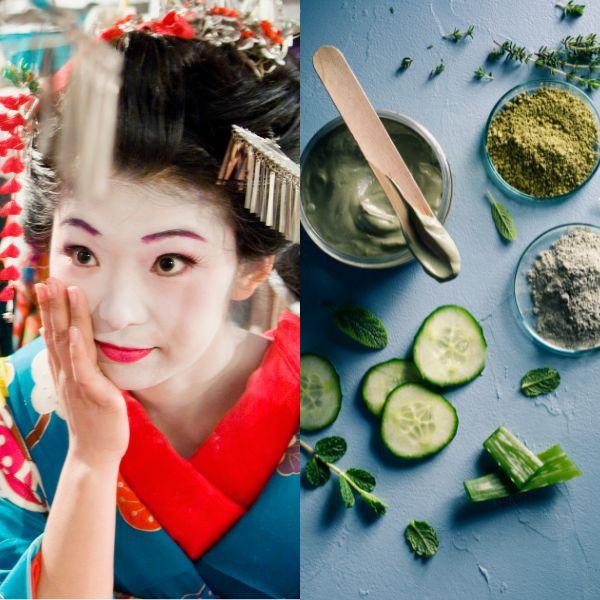
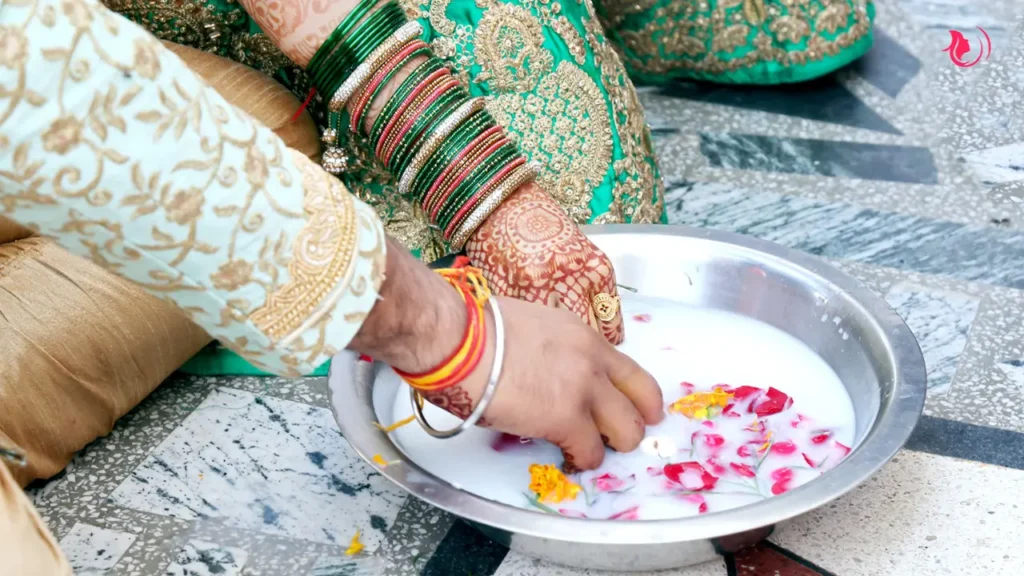
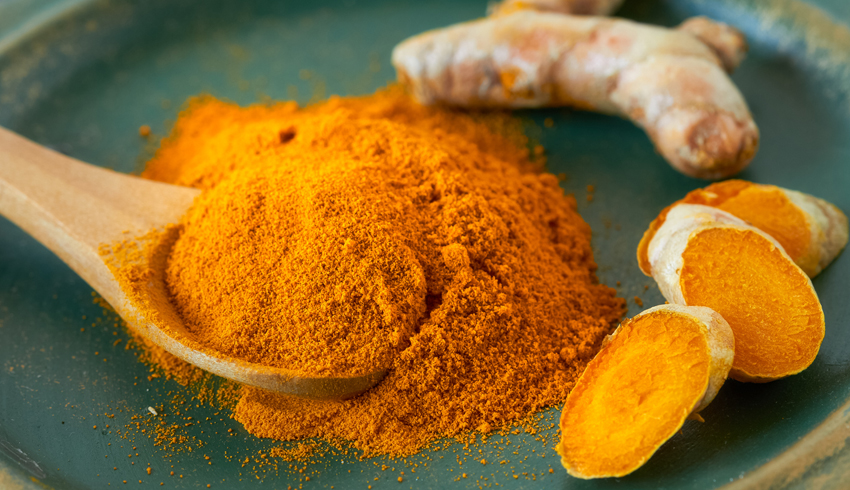
Across Asia, intergenerational beauty rituals reflect philosophies of balance and harmony. In India, turmeric masks and oil massage traditions rooted in Ayurveda have been passed down through centuries as part of bridal preparation and everyday skincare. Japanese beauty rituals emphasize simplicity and layering, rice water rinses for hair shine and minimalist skincare routines centered on hydration and respect for the skin barrier. These practices demonstrate how ancestral knowledge often evolves into global industry trends without losing its cultural essence.
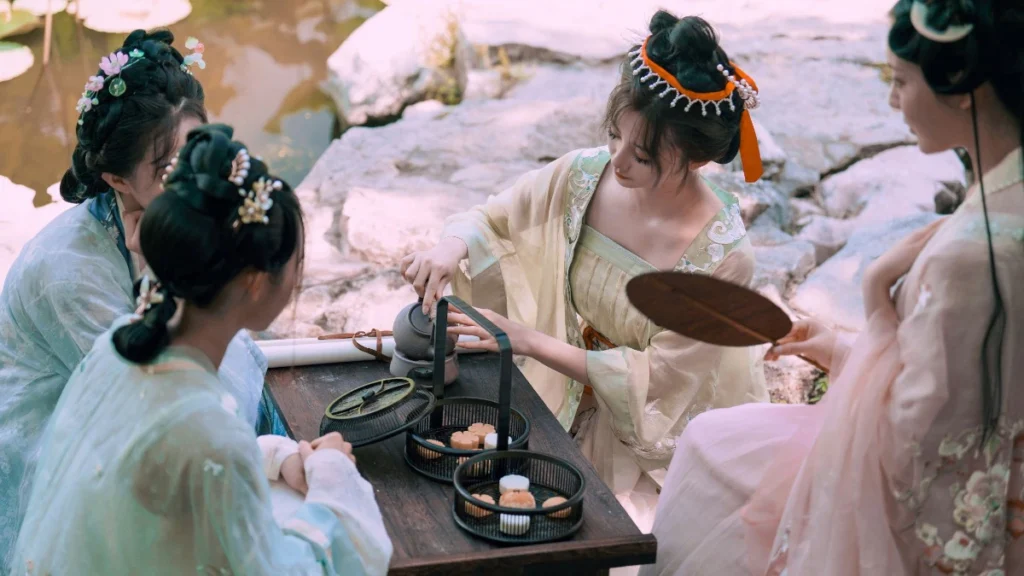
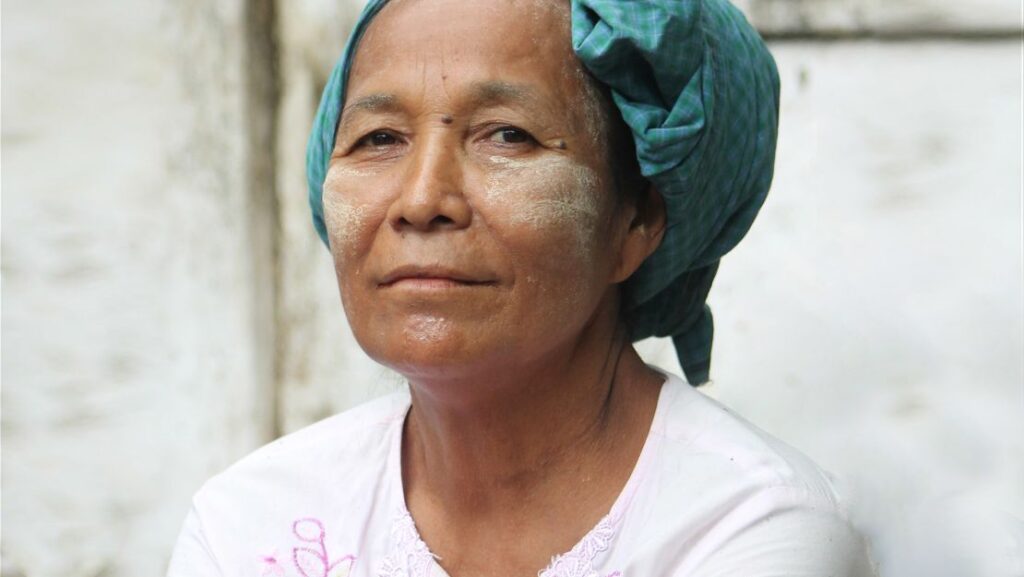
In East Asia, practices such as gua sha facial massage and herbal infusions have endured for generations, promoting circulation and holistic wellness. Similarly, in Southeast Asia, coconut oil has been a multipurpose beauty staple for skin and hair, long before it became a global phenomenon. These rituals emphasize prevention, patience, and consistency, values deeply embedded in cultural approaches to self-care.
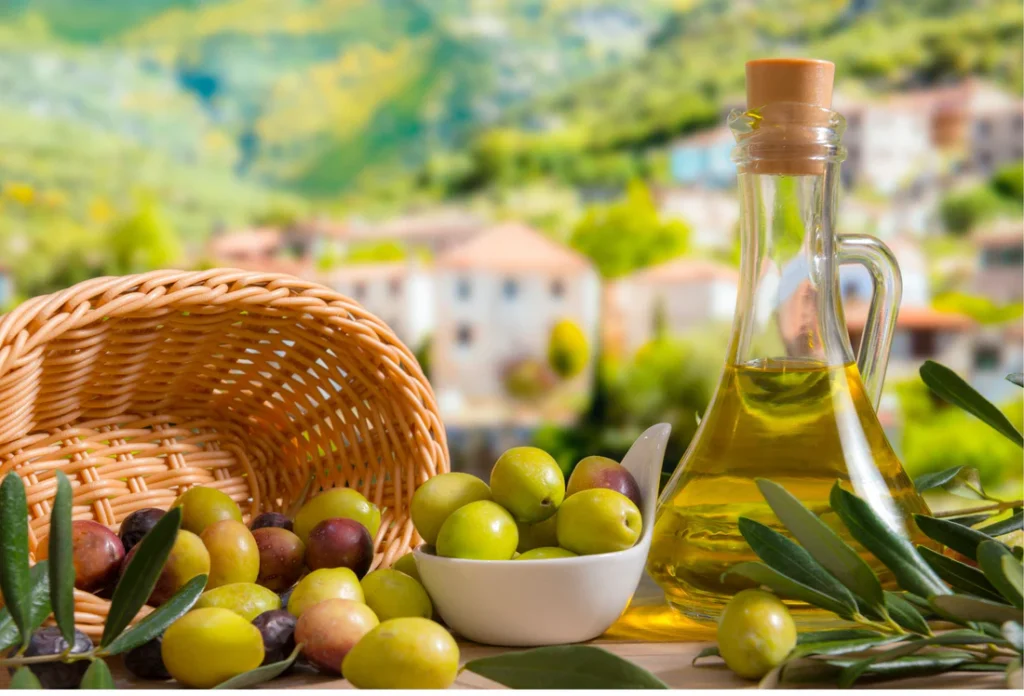
European beauty traditions, too, have roots in family and folklore. Mediterranean women have long relied on olive oil as a moisturizer and hair conditioner, while rosewater has been used across Southern Europe for toning and fragrance.
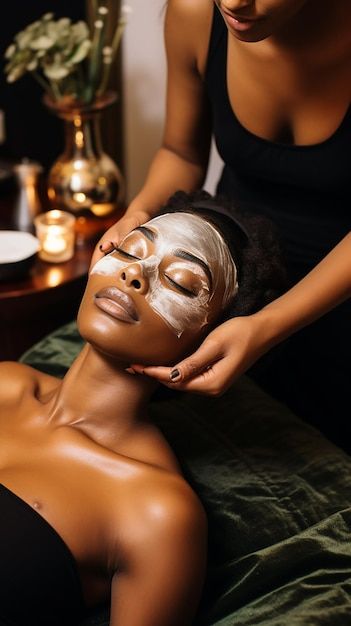
In Indigenous communities across the Americas, beauty rituals remain deeply tied to land and spirituality. Native American tribes historically used clay, herbs, and botanical oils for both ceremonial and practical skincare purposes. In Latin America, aloe vera and cacao-based treatments have been staples for soothing and nourishing the skin.
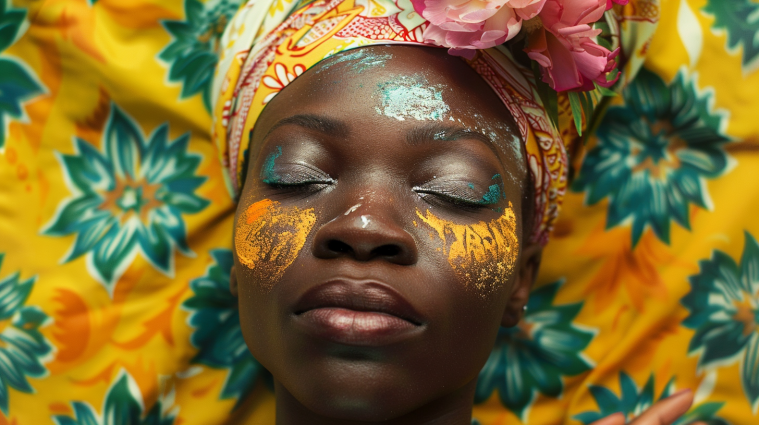
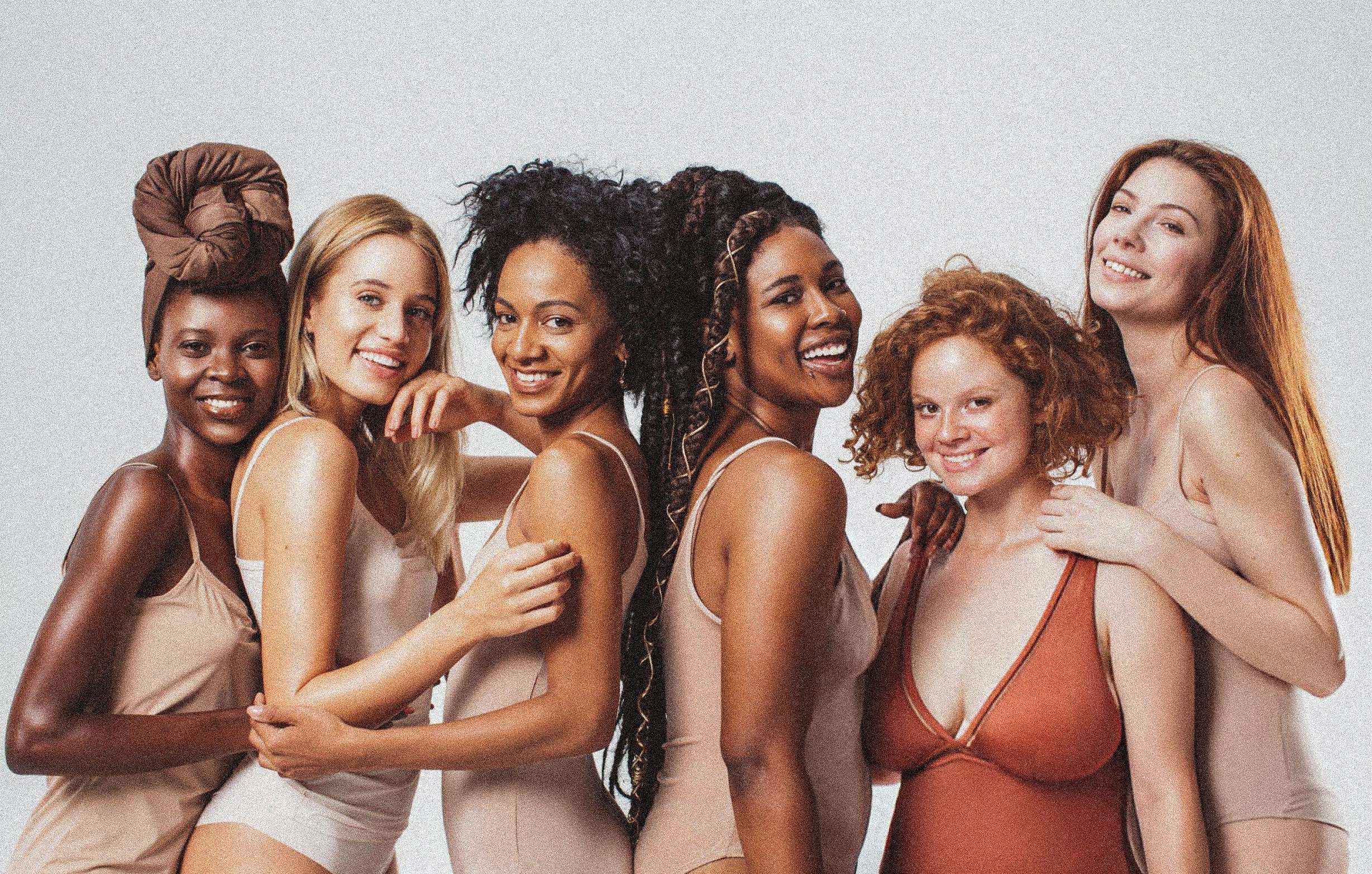
Despite geographic differences, a universal thread connects these traditions. First, nature is the foundation. Whether it is shea butter in West Africa, argan oil in Morocco, rice water in Japan, olive oil in Greece, or aloe vera in Mexico, women have consistently turned to their natural environment for beauty solutions. Second, women are the custodians of knowledge. Beauty rituals are often transmitted orally and experientially, through observation, imitation, and shared practice. Third, beauty has historically been about health, vitality, and identity rather than comparison. The glow celebrated in countless cultures symbolizes well-being, not conformity.
Modern beauty industries often repackage and commercialize these ancestral practices, presenting them as innovations. Fermented essences, plant-based oils, exfoliating scrubs, and clean beauty formulations frequently trace their lineage back to traditional rituals practiced for centuries. What appears new is often ancient wisdom refined and redistributed. Yet, at its heart, beauty remains relational. It is found in the quiet act of a mother braiding her daughter’s hair, in sisters sharing homemade masks before a celebration, in grandmothers teaching the value of patience and care.
This Women’s Month, celebrating intergenerational beauty is not simply about nostalgia. It is about recognizing that beauty knowledge is cultural capital; a living archive carried by women across time. It reminds us that long before influencers and global brands, beauty was a conversation between generations. It was inheritance. It was empowerment. And above all, it was care. In honouring these global rituals, we acknowledge that the future of beauty does not erase the past; it builds upon it. The jars may be sleeker, the marketing more polished, but the essence remains the same. Beauty, in every corner of the world, began in the hands of women and it continues to thrive because of them.