


In a recently released Nollywood film, Eni Akoko, defiance becomes destiny as one young woman confronts patriarchy, reclaims her voice, and transforms hardship into purpose in a story that resonates far beyond its cultural roots.
By David Edremoda

In the shifting, fast-evolving landscape of contemporary Nollywood, where digital platforms are redefining both audience and access, few films in recent memory have stirred as much conversation as Eni Akoko, the latest offering from Yoruba cinema star Wunmi Toriola. Released in April 2026 directly to streaming audiences, the film deliberately sidesteps traditional cinema distribution in favour of immediacy and global reach. Yet beyond its mode of release lies a deeper significance: a layered, emotionally resonant exploration of gender, power, and the enduring struggle for self-definition within deeply rooted cultural expectations.
At its core, Eni Akoko, loosely translated as “The Fierce One” or “The Savage Daughter”, is more than a title; it is a cultural lens. In Yoruba idiom, the phrase evokes a person shaped by adversity, someone whose strength is forged in resistance. It is often used pejoratively, particularly for women who defy convention. Here, that label becomes both accusation and affirmation; a mark of defiance reclaimed as identity.
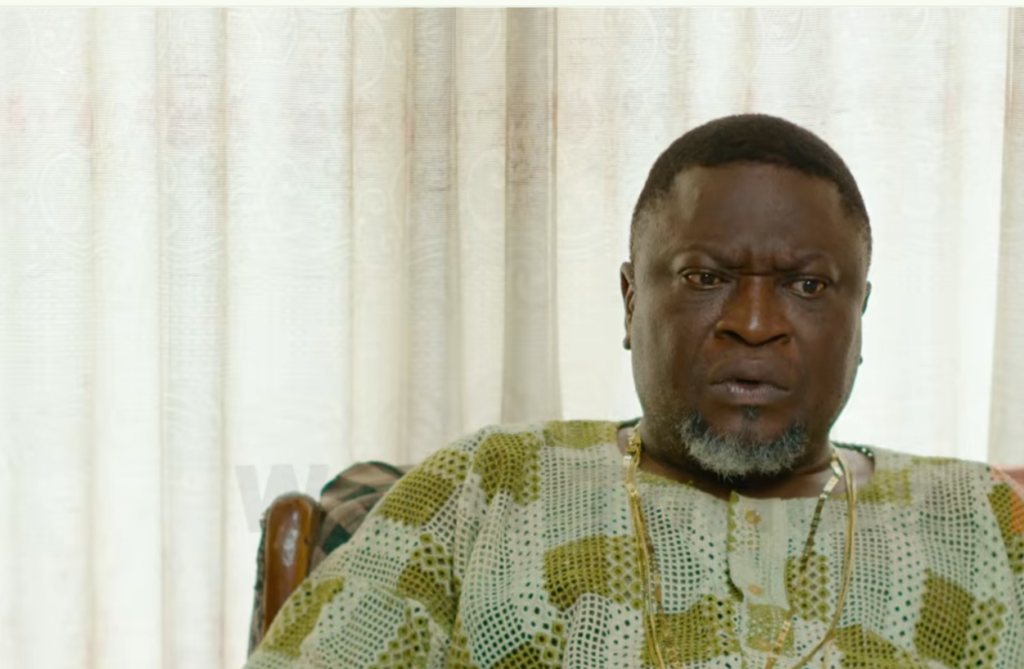
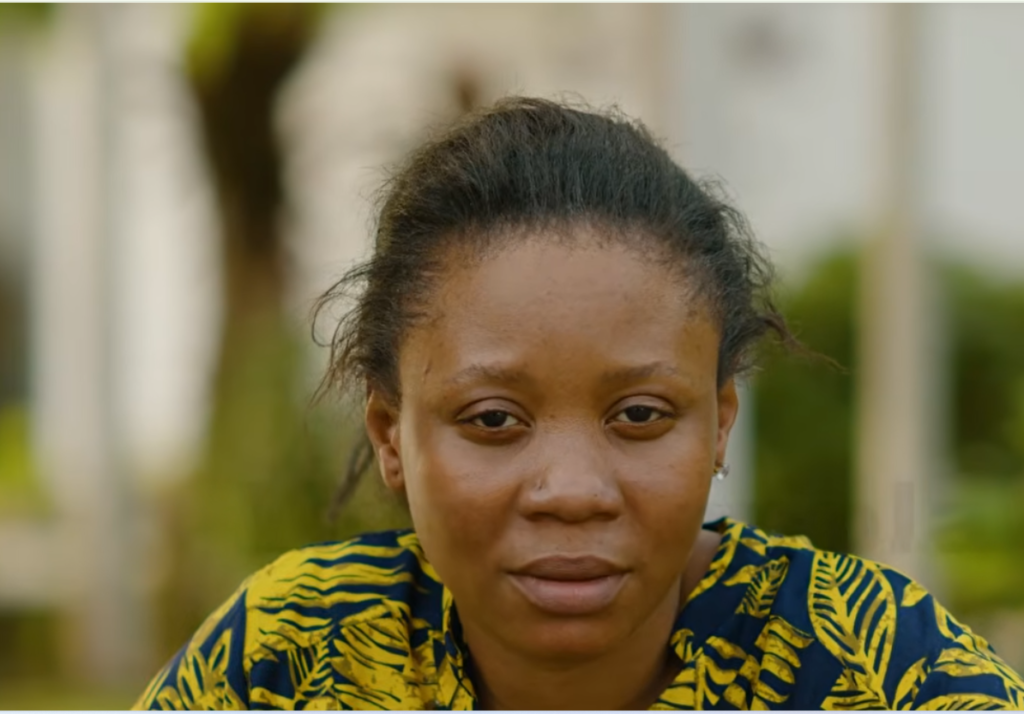
The narrative centres on Tiwa, portrayed with remarkable emotional range by Toriola herself. Born into a rigidly patriarchal household, Tiwa grows up under the shadow of a father who equates worth with masculinity. Makinde, rendered with commanding presence by Femi Branch, embodies a familiar archetype: the authoritarian patriarch whose worldview is shaped by tradition, entitlement, and a narrow understanding of legacy. His repeated disappointment at the birth of daughters gives way to fleeting joy only with the arrival of a son; a moment celebrated with extravagant ceremony that starkly contrasts the quiet neglect of his daughters.
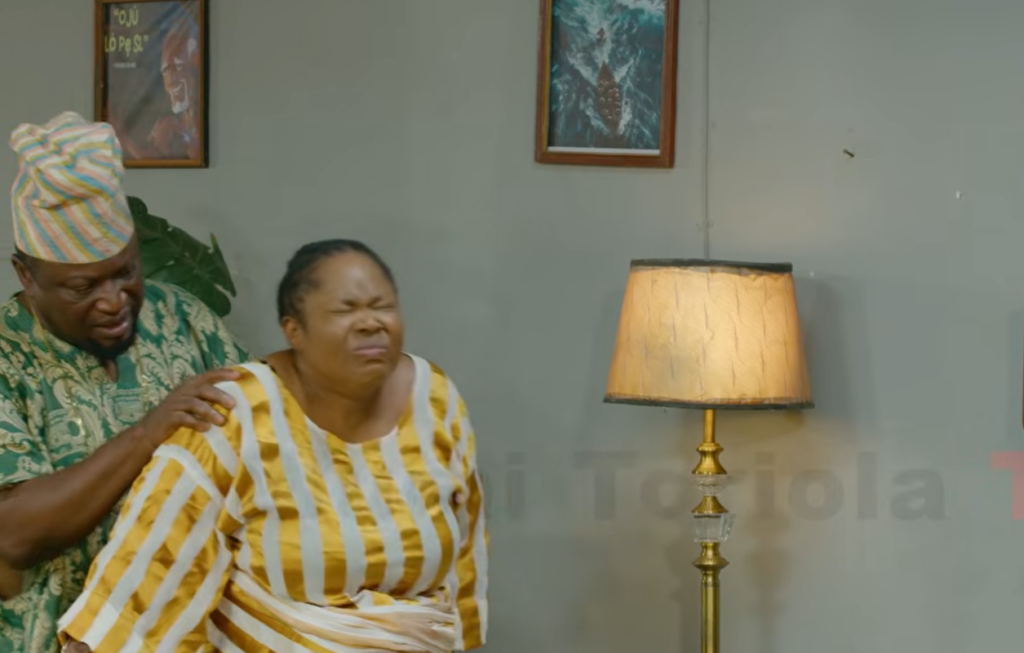
Within this hierarchy, Tiwa emerges as both outlier and challenger. Denied the opportunity for formal education, she crafts her own path in secret, masking her school attendance beneath the guise of hawking. Her mother, played with nuanced restraint by Toyin Alausa, becomes a conflicted ally, torn between submission to her husband’s authority and a quiet determination to protect her daughter’s aspirations. These early scenes establish the emotional cadence of the film: a world where ambition is subversive and obedience is demanded.
As the story unfolds, Tiwa’s defiance sharpens. When her sister is married off to a much older, abusive man (brought to life by Dele Odule), Tiwa’s reaction is immediate and physical, an act of resistance that brands her, in the eyes of her community, as unruly and dangerous. Yet it is precisely this refusal to acquiesce that propels her journey forward.
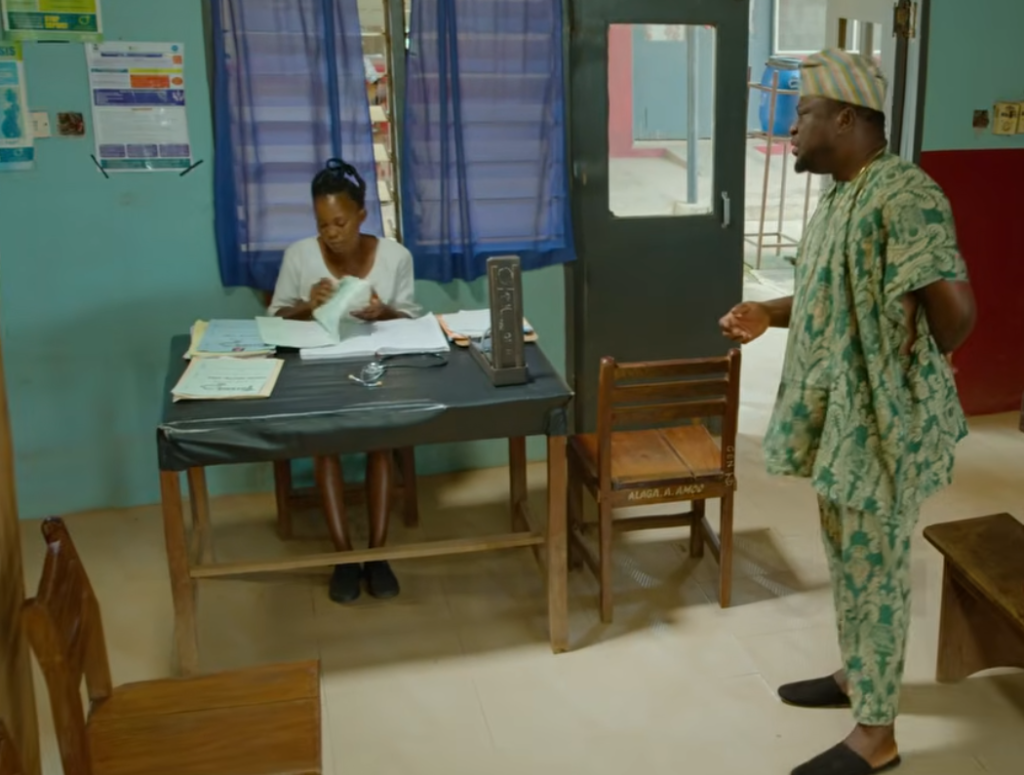
What follows is a narrative arc familiar to Nollywood audiences; marked by hardship, endurance, and eventual transformation, but Eni Akoko distinguishes itself through its emphasis on inner resilience. Tiwa’s struggle is not merely against external constraints; it is an ongoing negotiation of identity, dignity, and self-worth. Forced to flee when her father attempts to marry her off, she arrives in Lagos with hope tempered by uncertainty. Even the promise of support from a former teacher dissolves into disappointment, revealing the limitations imposed by social expectations on both men and women.
Yet the film resists cynicism. In one of its most evocative sequences, Tiwa stands in a crowded marketplace holding a handwritten placard: “I wish to go to school.” It is a quiet, almost fragile declaration, yet it resonates as an act of profound courage. That moment encapsulates the film’s central thesis: that aspiration, once voiced, becomes a form of resistance.



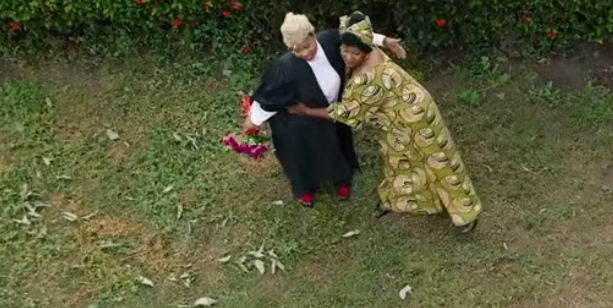

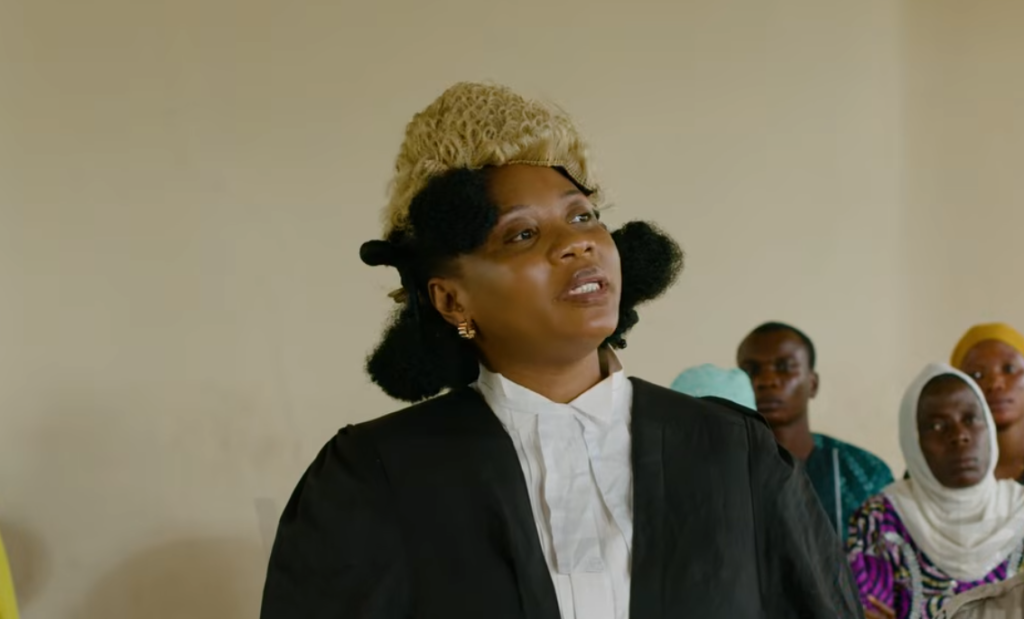
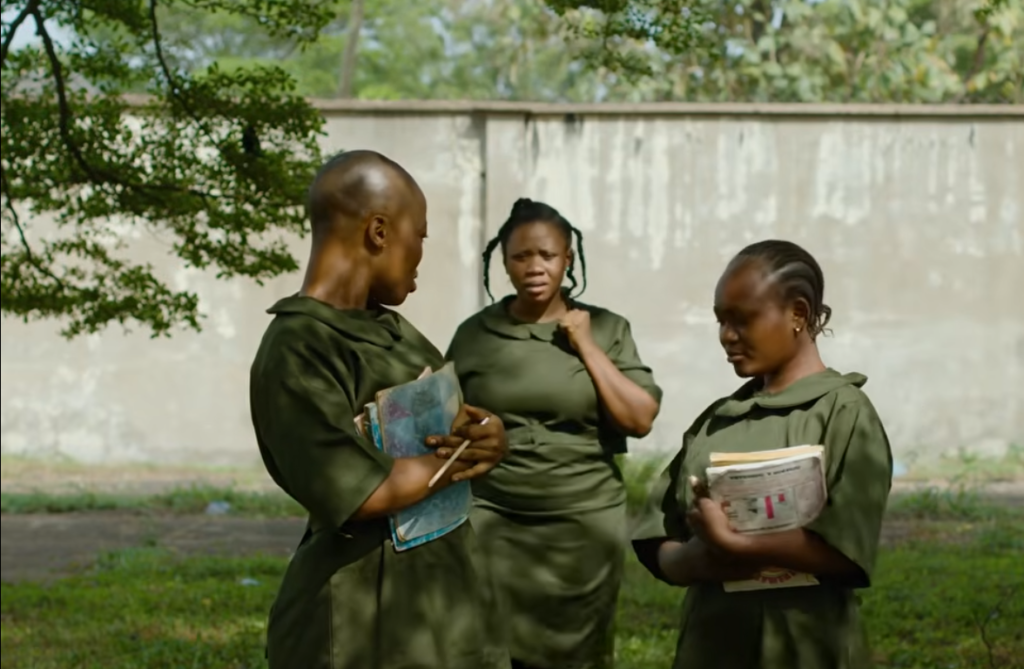
Her eventual sponsorship by a benefactor and her progression through education toward a law degree offer narrative resolution, though not without moments of melodrama that slightly soften the film’s realism. Still, the emotional trajectory remains compelling, anchored in experiences that feel authentic and recognisable.
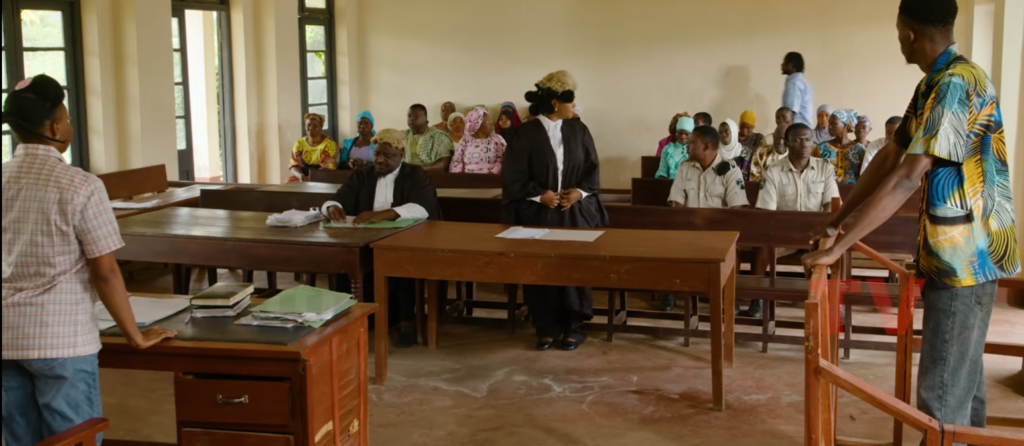
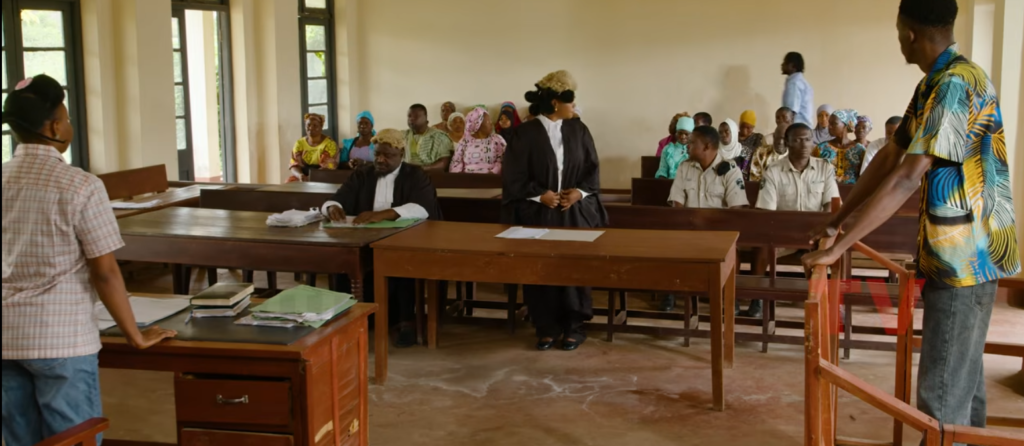
Running parallel to Tiwa’s ascent is the moral collapse of her father’s long-desired son, whose descent into violence culminates in tragedy. This narrative counterpoint serves as a subtle but effective critique of entrenched gender bias, suggesting that the privileging of male children does not guarantee virtue or stability. The eventual convergence of the family in a courtroom setting, where past choices collide with present consequences, provides a fitting, if somewhat symbolic, resolution.
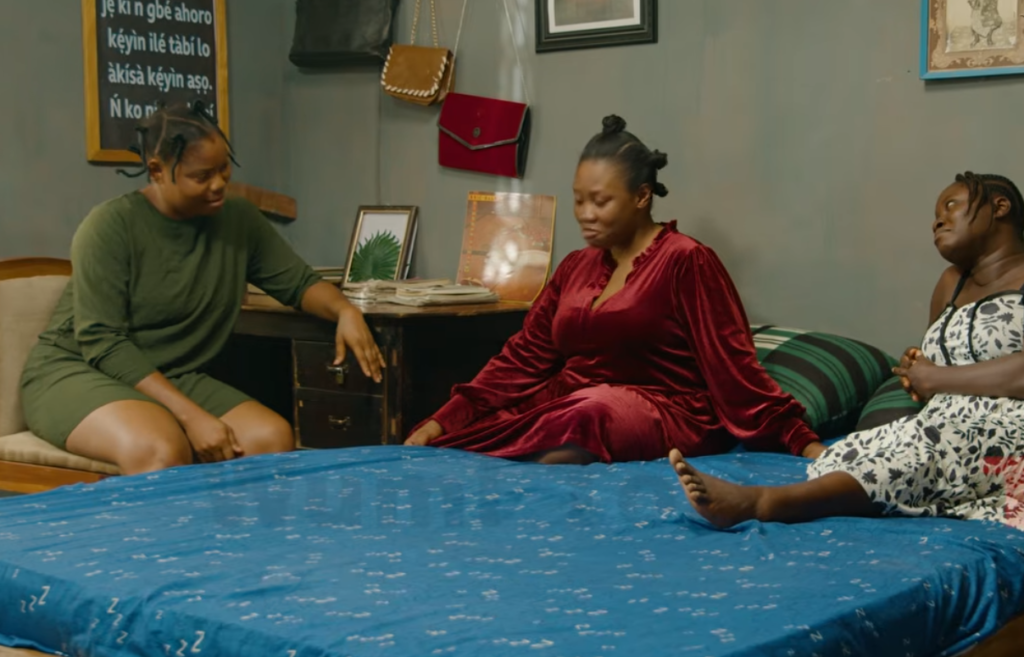
Visually, Eni Akoko situates itself within a familiar Yoruba cultural landscape. Rural compounds, open markets, and modest interiors are rendered with an unembellished realism that reinforces the story’s grounded tone. Traditional attire; ankara and aso-oke, serves not merely as costume but as cultural signifier, anchoring the narrative within a recognisable socio-economic context. The film’s restrained production design, while reflective of budgetary considerations, ultimately enhances its intimacy, allowing character and story to take precedence.
The ensemble cast contributes meaningfully to the film’s emotional depth. Toriola carries the narrative with a performance that balances vulnerability and defiance, her silences often as expressive as her dialogue. Branch brings gravitas to his role, embodying the contradictions of patriarchal authority with convincing nuance, while supporting performances, though occasionally archetypal, remain effective within the stylistic conventions of Yoruba drama.
Perhaps most significantly, Eni Akoko exemplifies the shifting dynamics of Nollywood itself. Its digital-first release strategy underscores a broader transformation within the industry, where audience engagement increasingly rivals traditional box office metrics as a measure of success. Within days of its release, the film generated substantial online traction, sparking
In the end, Eni Akoko does not seek to dazzle with spectacle; it persuades through sincerity. It is a film that understands its audience and speaks to them with clarity and conviction. More importantly, it contributes to an ongoing cultural dialogue about the place of women in societies still negotiating the balance between tradition and progress. It leaves us with a question that is at once simple and profound: when society labels a woman “fierce” for daring to defy expectation, is that condemnation—or is it, perhaps, the beginning of freedom?