

This year, football will conquer a continent. Stretching across Canada, Mexico, and the United States, the FIFA World Cup promises dazzling cities, roaring stadiums, cultural spectacle, and unforgettable journeys. With forty-eight nations and one hundred and four matches, this historic tournament will become far more than sport; it will be the defining global celebration of travel, passion, and humanity.
By Candice Eze

In the summer of 2026, football will unfurl across a continent with the scale and drama of an epic novel. From the volcanic altitude of Mexico City to the glittering skyline of New York New Jersey, the FIFA World Cup will become not merely a tournament, but a sweeping cultural procession through North America’s grandest landscapes and most magnetic cities. Expanded to forty-eight nations and one hundred and four matches, this edition promises unprecedented spectacle, movement, colour, and emotion. For travellers, it offers far more than football. It is a season of architecture, cuisine, music, migration, storytelling, and shared humanity unfolding beneath one vast sporting celebration.

1. A World Cup Spanning Three Nations
The 2026 tournament will be the first FIFA World Cup staged across three host nations, transforming Canada, Mexico, and the United States into a single vast theatre of football. The arrangement creates an experience unlike any previous edition, where supporters may begin their journey amid Mexico City’s colonial grandeur, continue through the cosmopolitan avenues of Toronto, and conclude beneath the electric skyline of New York New Jersey. Every border crossed will reveal a different rhythm, language, flavour, and architectural mood, yet the emotional pulse of the competition will remain gloriously constant. The scale alone is astonishing: sixteen host cities spread across thousands of kilometres, connected by modern aviation, high-speed transport corridors, and an atmosphere of continental celebration. For international travellers, this World Cup will feel less like attending a tournament and more like traversing an enormous cultural atlas, stitched together by football’s universal vocabulary of hope, rivalry, and joy.
2. The Opening Ceremony in Mexico City
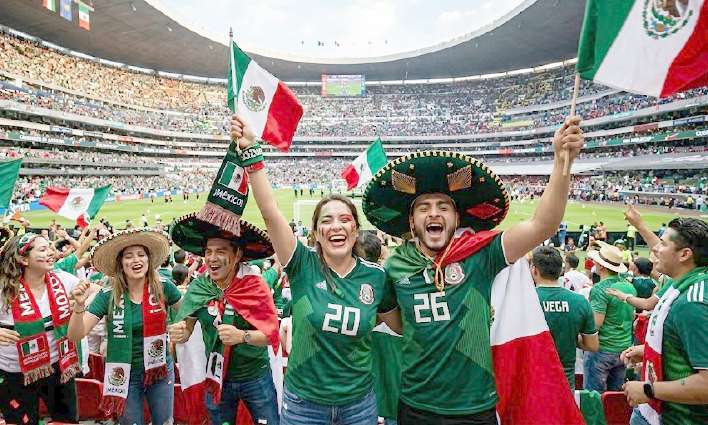
The tournament begins on June 11, 2026, in Mexico City, one of the most historically layered capitals on earth. Few places could provide a more dramatic overture. Suspended high above sea level and framed by distant volcanic silhouettes, the city possesses an intensity that magnifies every emotion. Streets pulse with mariachi melodies, fragrant markets, murals of revolution, and a culinary tradition celebrated globally for its depth and sophistication. The opening match will therefore unfold within an atmosphere already charged by history and artistic energy. Supporters arriving early will discover grand boulevards beside ancient Aztec foundations, elegant museums beside chaotic plazas alive with music until dawn. Football in Mexico is never merely sport; it is inheritance, identity, and theatre. As the first whistle sounds, the world will witness not only the commencement of a tournament, but the ceremonial opening of a continent-wide celebration infused with extraordinary warmth and passion.

3. A Historic Expansion to Forty-Eight Teams
For the first time, the FIFA World Cup will feature forty-eight competing nations, dramatically widening the tournament’s emotional and geographical reach. The expansion introduces new footballing cultures, unfamiliar anthems, emerging stars, and countries whose supporters have waited generations to appear upon this stage. Smaller football nations will no longer arrive as decorative participants but as legitimate dreamers capable of unsettling the established order. This broader field promises richer unpredictability throughout the group phase, where every city may suddenly become the temporary capital of an unexpected football fairy tale. For spectators, the diversity will be intoxicating. One evening may belong to Latin American rhythm and flair, another to disciplined European precision, followed by the exuberant rise of African or Asian contenders. The tournament’s enlarged format also deepens its human dimension, allowing millions more supporters to see their identities reflected within football’s grandest global gathering and shared emotional spectacle.
4. The Extraordinary Diversity of Host Cities
The host cities themselves may become among the tournament’s greatest attractions. Each destination offers a sharply distinct atmosphere, inviting travellers to experience North America through radically different lenses. Los Angeles promises cinematic glamour and Pacific sunsets; Miami radiates Caribbean sensuality and nightlife; Vancouver offers mountain serenity beside ocean beauty; Dallas embodies colossal modern spectacle; while Boston and Philadelphia carry the gravitas of American history. Toronto and Seattle balance sophistication with creative energy, while Guadalajara and Monterrey reveal Mexico’s deep regional character beyond the capital. Rather than remaining within a single urban orbit, supporters will move through a constantly changing mosaic of climates, accents, cuisines, and architectural styles. The World Cup will therefore reward curiosity beyond the stadium gates. Travellers who approach the competition as both football pilgrimage and cultural expedition will discover a tournament possessing unusual narrative richness, where every matchday also becomes an invitation to explore another remarkable urban identity.
5. Football Tourism Will Reach New Heights
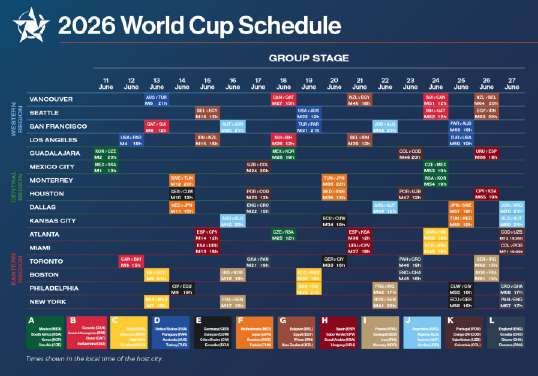
The 2026 World Cup is expected to redefine football tourism on a monumental scale. Entire travel itineraries will be built around match schedules, with supporters crafting journeys that combine football with wine regions, national parks, jazz festivals, beach escapes, desert landscapes, and iconic road trips. Airlines, luxury rail services, boutique hotels, and cruise operators are already preparing for extraordinary demand as millions of international visitors descend upon North America during the tournament. Yet the true allure will lie in spontaneity: crowded airport lounges alive with rival chants, strangers becoming companions on overnight train rides, and city squares transformed into multilingual celebrations. The tournament’s immense geography encourages movement, and movement inevitably creates stories. Some visitors may follow a single nation faithfully; others will wander freely between cities simply to absorb atmosphere and spectacle. In many respects, the World Cup will become the defining travel event of 2026, merging sport with modern exploration and cultural discovery.


6. Stadiums Designed for Modern Spectacle
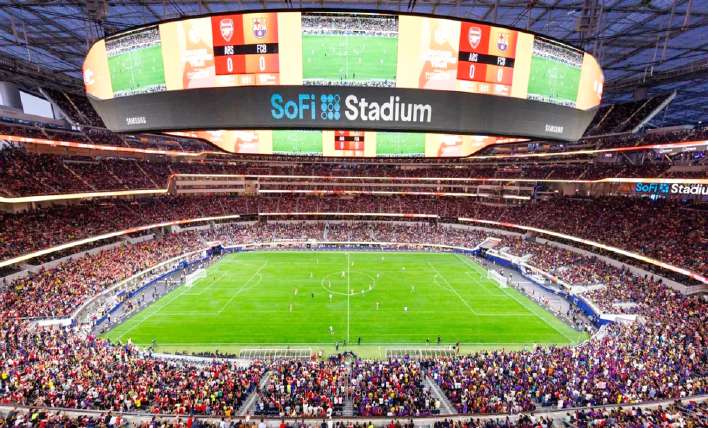
The stadiums selected for the tournament represent some of the most technologically sophisticated sporting arenas ever assembled within a single World Cup. Massive retractable roofs, immersive digital screens, climate-controlled interiors, and acoustics engineered to amplify crowd intensity will shape a viewing experience bordering on theatrical. Yet despite their modernity, each venue possesses its own character. Some rise amid downtown skylines glowing at dusk; others stand beside sprawling suburban landscapes designed for immense gatherings. What unites them is scale. With expanded attendance expected throughout the competition, these arenas are designed not merely to contain spectators, but to overwhelm them emotionally. Every anthem will echo with cinematic grandeur; every late goal may feel seismic. For travelling supporters, entering these venues will resemble stepping into temporary cathedrals of collective emotion. Architecture, technology, and human anticipation will converge nightly to create moments capable of lingering in memory long after the tournament concludes.

7. The Cultural Festival Beyond the Matches
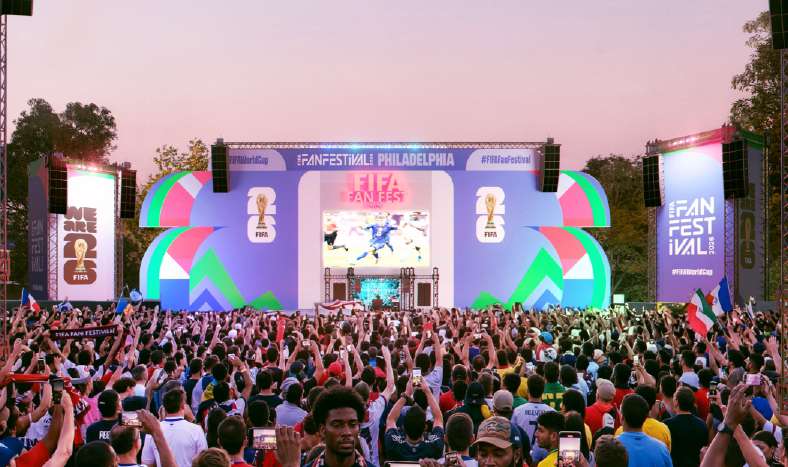
While football remains the central attraction, the World Cup’s surrounding cultural life may prove equally unforgettable. Across the host cities, public squares, waterfront districts, museums, theatres, and concert venues will transform into stages for international celebration. Culinary festivals will showcase indigenous traditions, immigrant influences, and contemporary gastronomy from across North America. Street performers, musicians, dancers, and visual artists will animate fan zones long after final whistles fade into midnight conversations. Fashion, language, and music will intermingle in dazzling combinations as supporters carry their national identities proudly through city streets. The tournament’s beauty will emerge not solely from competition, but from encounter. Conversations between strangers in cafés, impromptu celebrations in metro stations, and shared songs beneath giant public screens will become defining memories. The World Cup has always possessed the power to dissolve borders temporarily, and in 2026 that cultural exchange is expected to flourish on an unprecedented continental scale.


8. Sustainability and the Future of Mega Events
The 2026 edition arrives at a moment when global sporting events face increasing scrutiny regarding sustainability, infrastructure, and long-term legacy. Organisers therefore aim to present a tournament shaped by existing stadiums, modern transportation networks, and reduced construction burdens compared with previous World Cups. The tri-national format distributes economic pressure while allowing cities to utilise venues already embedded within their urban environments. Environmental concerns will remain central to discussions surrounding aviation emissions and large-scale travel, yet many host cities are simultaneously expanding public transit systems and introducing greener event strategies. Beyond logistics, the tournament may influence how future mega-events are conceived: less concentrated, more collaborative, and more integrated into established urban ecosystems. Travellers themselves are also evolving, increasingly seeking experiences that combine entertainment with responsibility and cultural sensitivity. Consequently, the 2026 World Cup may become not only a sporting milestone, but an important experiment in the future philosophy of international event hosting.
9. New Heroes Will Emerge on Football’s Grandest Stage
Every World Cup creates immortality. Unknown players arrive quietly and depart transformed into global icons, their names suddenly woven into football folklore. The expanded 2026 tournament offers even greater possibility for surprise. More nations mean more styles, more tactical contrasts, and more opportunities for gifted individuals to seize international attention. Young stars from emerging football countries may become overnight sensations after a single unforgettable performance beneath the floodlights. Veterans approaching the twilight of their careers may seek one final masterpiece before the world’s gaze. For spectators, this unpredictability forms the tournament’s deepest emotional allure. Football history rarely unfolds according to expectation. Instead, it belongs to dramatic reversals, improbable victories, and moments of courage that transcend sport itself. Somewhere within the one hundred and four matches of 2026, a player not yet universally recognised will almost certainly produce a performance destined to echo across generations and redefine footballing destiny forever.

10. The Final in New York New Jersey The tournament concludes on July 19, 2026, with the final in New York New Jersey, where football’s ultimate prize will be awarded against the backdrop of one of the world’s most recognisable metropolitan skylines. Few settings possess greater symbolic resonance. New York represents ambition, migration, reinvention, and global convergence — qualities mirrored perfectly by the World Cup itself. As supporters flood the region for the closing spectacle, the atmosphere is expected to resemble an international carnival infused with enormous emotional tension. Luxury hotels, rooftop bars, waterfront promenades, and cultural landmarks will become gathering points for fans from every continent. Yet once the match begins, the surrounding glamour will fade into pure sporting drama. Ninety minutes may separate ecstasy from heartbreak. When the final whistle sounds and confetti descends beneath the summer night sky, the world will not merely witness a champion crowned, but the conclusion of an extraordinary continental odyssey.