

Separating Beauty Truths from Popular Talk
By Joyce Icheokolo
Beauty advice travels fast. It appears in group chats, social media captions, salon conversations, and well-meaning recommendations from friends and family. Some of it is helpful. Some of it is misleading. And some of it, though popular, is simply untrue. At a time when many people are refreshing their routines for the new season, it is worth pausing to separate beauty myths from facts. Healthy skin, strong hair, and effective self-care begin with knowledge, not assumptions.
Myth 1: Oily Skin Doesn’t Need Moisturizer
One of the most persistent myths is that oily skin does not need moisturizer. In reality, oily skin still needs hydration. When the skin lacks moisture, it may respond by producing even more oil in an attempt to protect itself. The right moisturizer, especially one that is lightweight and non-comedogenic, can help balance the skin rather than worsen breakouts. Skipping moisturizer is therefore not a shortcut to clearer skin; it is often a step toward more imbalance.
Myth 2: Natural Is Always Better
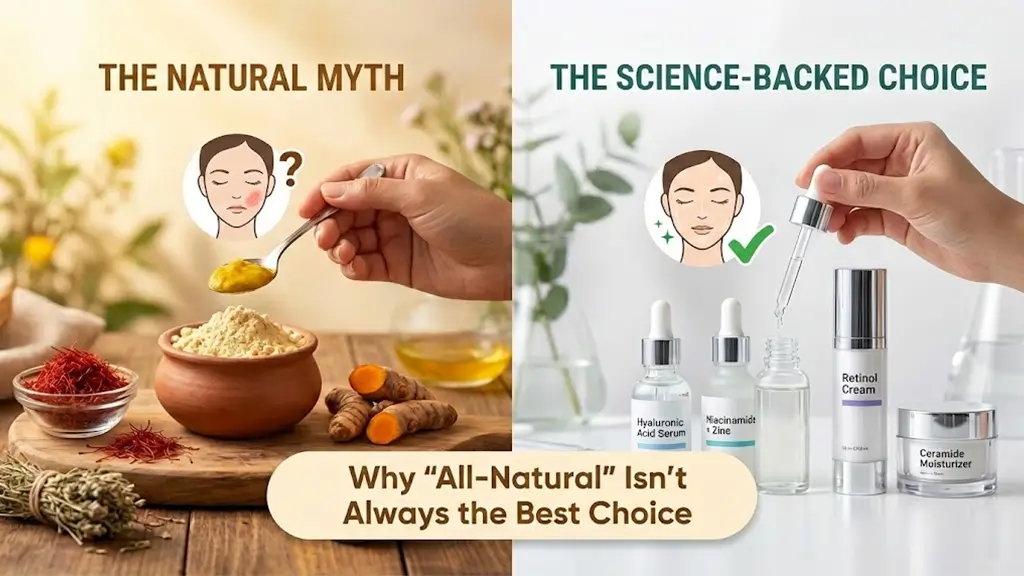
Another common belief is that natural ingredients are always safer or better than scientifically formulated products. While many natural ingredients can be beneficial, “natural” does not automatically mean harmless. Lemon, baking soda, and undiluted essential oils, for example, are often used in homemade remedies but can irritate the skin or disrupt its barrier. On the other hand, many laboratory-developed ingredients are thoroughly tested and designed to work effectively and safely. Beauty should be guided by results and skin compatibility, not by the idea that one category is always superior to another.
Myth 3: Expensive Means More Effective
There is also the widespread myth that expensive products are always more effective. Price can reflect packaging, branding, or marketing as much as formulation. A premium product may be excellent, but a more affordable one may work just as well if it contains the right ingredients for your skin type. The key is not how much a product costs, but whether it suits your needs. A simple routine with well-chosen products often delivers better results than a shelf full of expensive items used without consistency.
Myth 4: Scrubbing Hard = Better Skin
Many people also believe that scrubbing the face aggressively will create brighter, cleaner skin. In fact, over-exfoliation can cause more harm than good. The skin barrier is delicate, and excessive scrubbing can lead to redness, sensitivity, and even breakouts. Gentle exfoliation, done in moderation, is usually more effective than harsh physical rubbing. Glow should come from care, not force.
Myth 5: Sunscreen Is Only for Sunny Days
Another beauty misconception is that sunscreen is only necessary on sunny days or during beach outings. This is far from true. Ultraviolet rays can affect the skin even on cloudy days and while indoors near windows. Regular sunscreen use is one of the most important habits for maintaining healthy-looking skin over time. It helps protect against premature aging, uneven tone, and sun damage. In beauty terms, sunscreen is not optional; it is foundational.
Myth 6: Trimming Hair Makes It Grow Faster
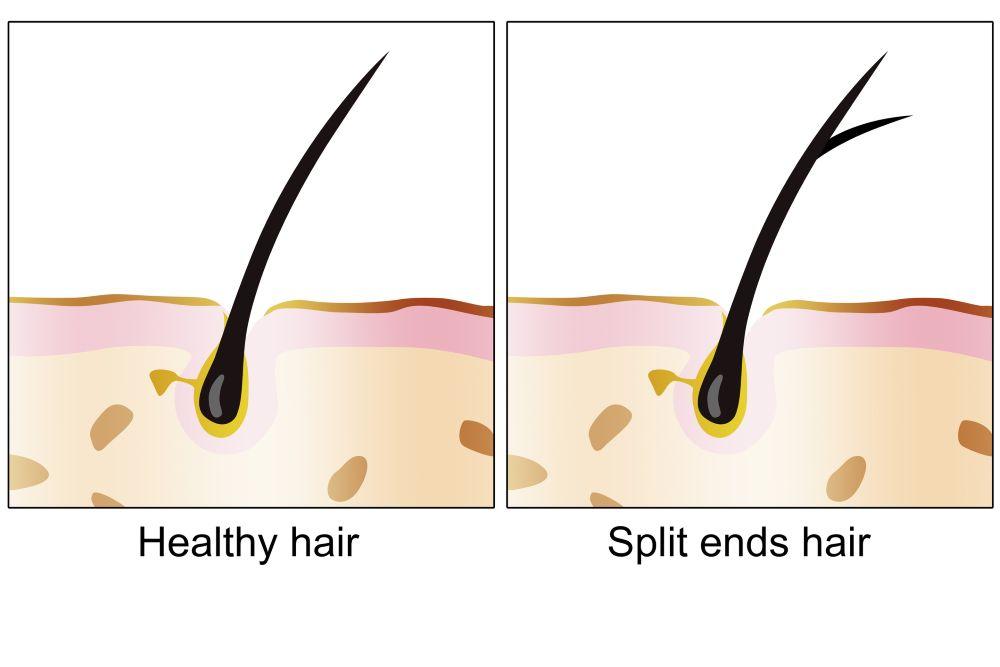
Hair care is also surrounded by myths. One of the most common is that cutting hair makes it grow faster. Hair growth happens at the scalp, not at the ends, so trimming does not speed up growth. However, regular trims can help reduce split ends and improve the appearance and health of the hair. Likewise, the idea that frequent washing causes hair loss is often overstated. Hair shedding is normal, and washing may simply reveal strands that were already due to fall out. The better approach is to use products and routines suited to your hair type and lifestyle.
Myth 7: Darker Skin Doesn’t Need Sunscreen or Specialized Care
There is also a myth that people with darker skin do not need skincare products designed for pigmentation or sunscreen protection. But melanin isn’t immunity as darker skin can also experience sun damage, discoloration, and sensitivity. While melanin offers some natural protection, it does not eliminate the need for care. Beauty routines should be inclusive, responsive, and tailored to individual skin concerns rather than built on broad assumptions.
Myth 8: Flawless Skin Is the Goal
Perhaps one of the most damaging beauty myths is that flawless skin is the standard for healthy skin. In truth, real skin has texture, pores, marks, and seasonal changes. Social media filters and edited images can create unrealistic expectations that leave many people dissatisfied with ordinary, healthy skin. Beauty becomes more sustainable when it is approached as maintenance and care, not perfection. A face that is well cared for is not less beautiful because it has texture; it is simply human. What these myths and facts reveal is that beauty is best understood through balance. It is neither about chasing every trend nor about rejecting modern products in favor of tradition alone. It is about learning what works, understanding the skin and hair you have, and making informed choices. In a world crowded with advice, the smartest beauty routine is one built on evidence, consistency, and restraint. As the strongest routines are not the loudest ones; they are the ones grounded in truth.