
Nigeria enters 2026 at a critical inflection point. The nation’s economy, politics, security and cultural landscape are evolving simultaneously, driven by reformers, industrialists, financiers, and creative pioneers who are reshaping the country’s trajectory. From state leadership to global cultural influence, a new generation of leaders is redefining what it means to build institutions, expand markets, and inspire collective imagination. These are 20 Nigerians whose vision, projects, and influence will all-too certainly define the year ahead.
By Candice Eze
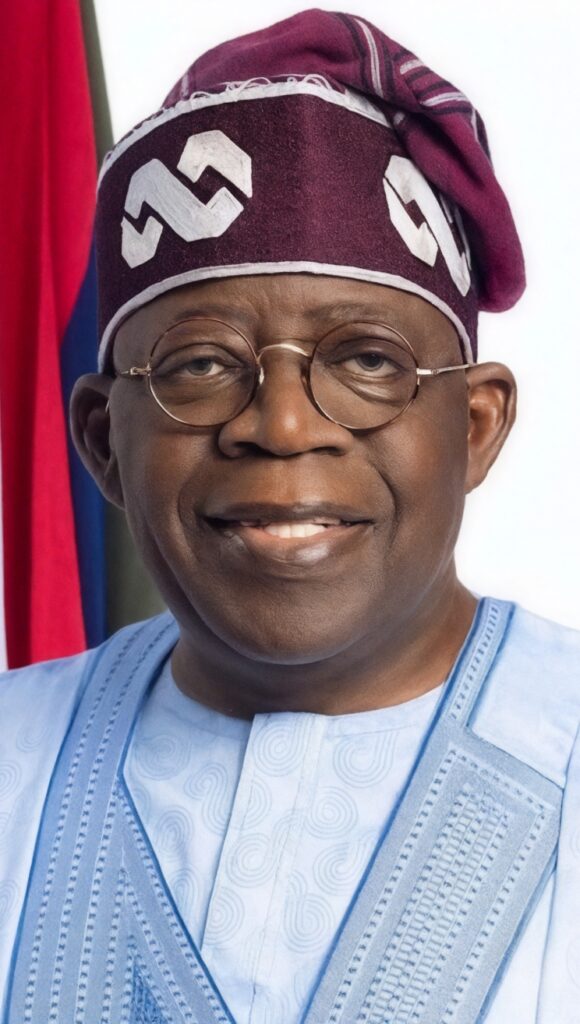
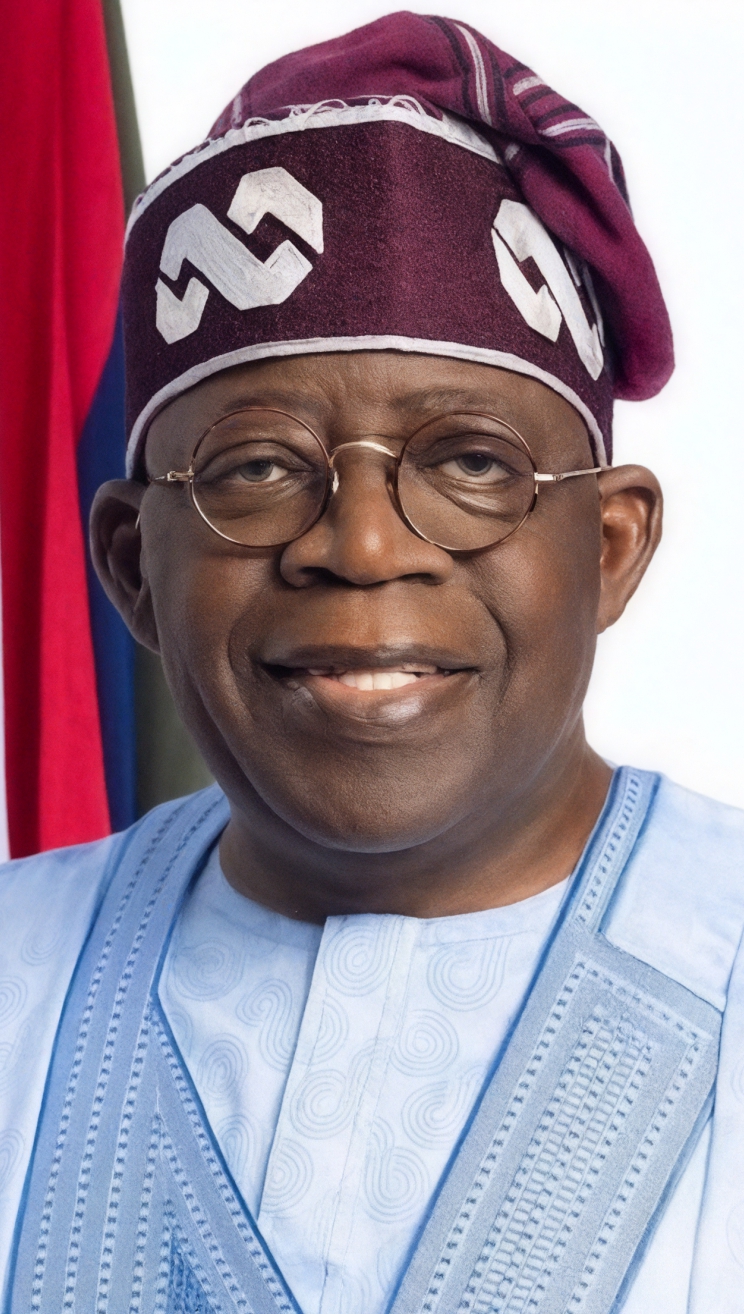
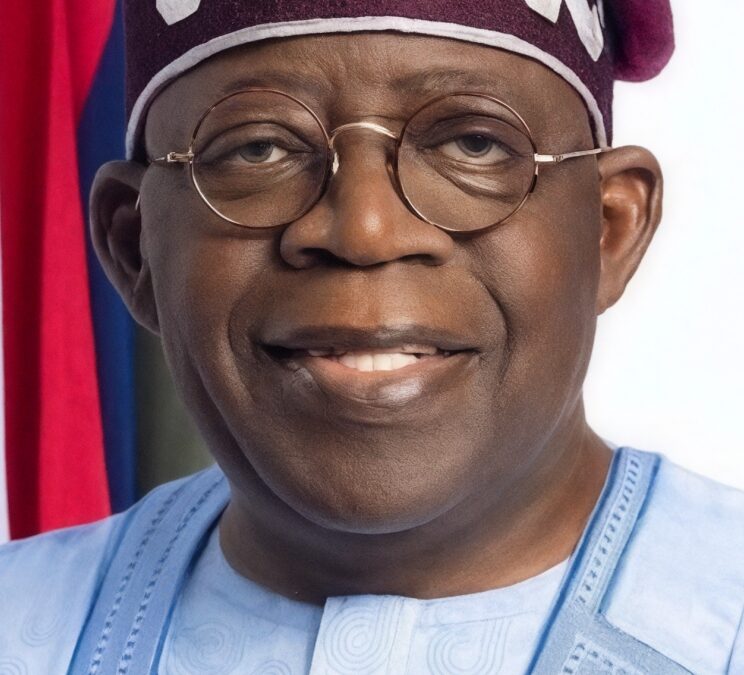
1. President Bola Ahmed Tinubu
President of the Federal Republic of Nigeria
His Excellency, President Bola Ahmed Tinubu, GCFR, stands at the helm of Nigeria’s transformation agenda, orchestrating reform across fiscal, monetary, and institutional lines. His presidency is defined by decisive actions: subsidy reforms, currency stabilisation, tax reform and policy-driven economic consolidation, seeking to place Nigeria on a sustainable growth trajectory. This year, 2026, the nation will judge the success of his strategies not merely by headlines but by measurable improvements in governance, security, revenue, and public confidence. Tinubu’s experience in coalition-building, political strategy, and institutional reform positions him uniquely to push difficult decisions with credibility and authority.
2. Zacch Adedeji
Executive Chairman, Nigeria Revenue Service (NRS)
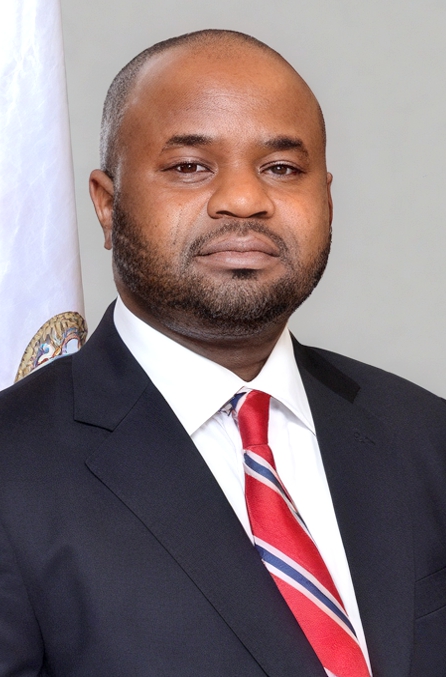
Zacch Adedeji stands at the nerve centre of Nigeria’s fiscal future. As Executive Chairman of the Nigeria Revenue Service, he is tasked with converting reform ambition into measurable state income. In 2026, his success or failure will directly affect government solvency, infrastructure investment, and macroeconomic stability.
Adedeji’s project is nothing less than the reinvention of revenue collection. His reforms emphasize technology-driven compliance, data integration across government agencies, and a philosophical shift away from punitive taxation toward voluntary compliance anchored in trust. By broadening the tax base rather than squeezing existing taxpayers, he is redefining fiscal citizenship.
What works in his favour is credibility. Adedeji combines intellectual rigour with political confidence, giving him room to execute difficult reforms. His understanding of Nigeria’s informal economy allows him to design policies rooted in realism rather than abstraction.
This year, attention will focus on whether revenue growth becomes sustainable and predictable. If it does, Adedeji will emerge as one of the quiet architects of Nigeria’s economic stabilisation.
3. Taiwo Oyedele
Chairman, Presidential Committee on Fiscal Policy and Tax Reforms
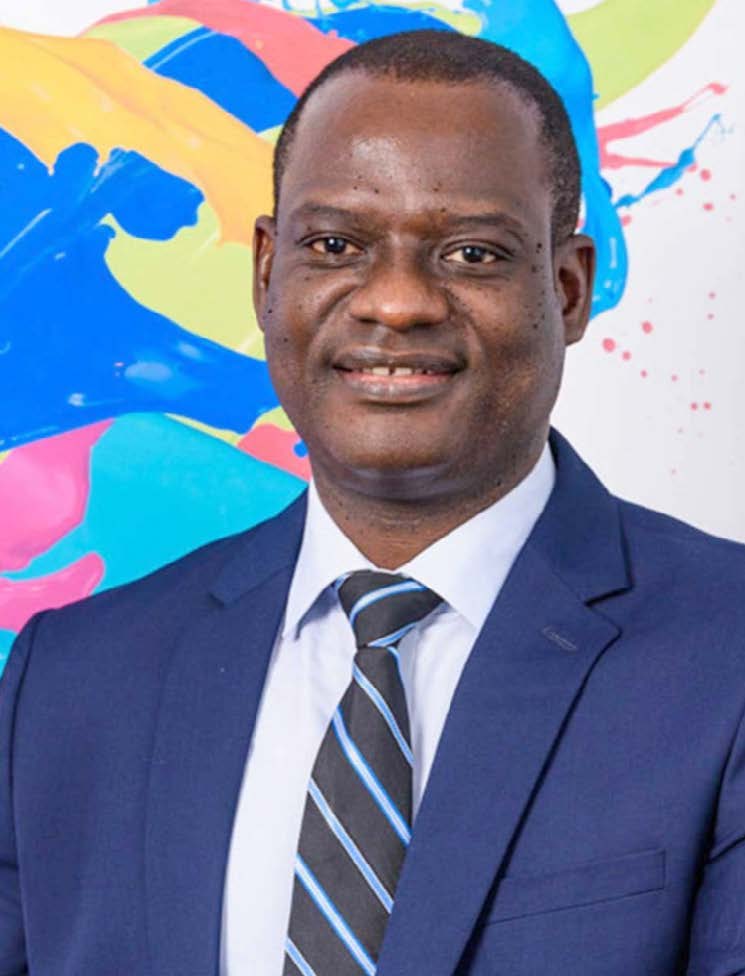
Taiwo Oyedele is the intellectual compass guiding Nigeria’s fiscal restructuring. As Chairman of the Presidential Committee on Fiscal Policy and Tax Reforms, he is dismantling decades of inefficiency, multiplicity, and distortion in Nigeria’s tax system. His work provides the blueprint upon which administrators like Adedeji execute.
Oyedele’s reforms prioritise simplicity, equity, and growth. By harmonizing taxes and removing disincentives to investment, he seeks to make Nigeria competitive without sacrificing revenue. His approach is analytical, evidence-based, and globally informed.
What works in his favour is trust across divides: business, government, and development partners. This rare legitimacy allows his ideas to travel from policy paper to political decision. This year, Nigerians will see whether these reforms unlock productivity and formalisation. If successful, Oyedele will be remembered as the thinker who rewired Nigeria’s fiscal logic.
4. Tony Elumelu
Chairman, Heirs Holdings; Chairman UBA, Board Chairman, Seplat Energy
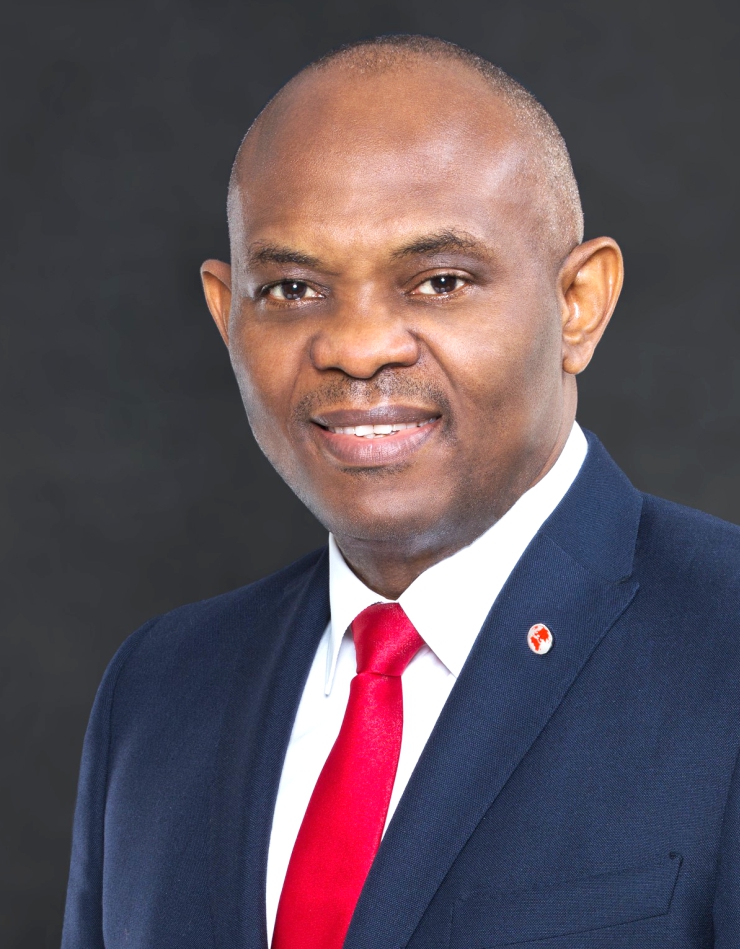
Tony Elumelu’s influence extends beyond entrepreneurship into the strategic heart of Nigeria’s energy future. As Chairman of Heirs Holdings and newly involved at the highest level with Seplat Energy, Elumelu now straddles private capital, indigenous energy leadership, and continental development finance.
His involvement with Seplat signals a deepening commitment to Nigeria’s gas-led transition. Seplat’s focus on indigenous production, operational efficiency, and local capacity aligns seamlessly with Elumelu’s Africapitalism philosophy; that African prosperity must be built by African capital solving African problems. Through Heirs Energy, power generation, and now Seplat, he is helping to shape an integrated energy value chain.
What works in Elumelu’s favour is coherence of vision. His investments across banking, power, oil and gas, and entrepreneurship form a single narrative: building systems, not silos. His global credibility amplifies Nigeria’s attractiveness to long-term capital.
In 2026, attention will focus on how these energy platforms deliver reliability, jobs, and revenue. If they do, Elumelu’s legacy will move decisively from philanthropy-backed entrepreneurship to nation-shaping economic architecture.
5. Aliko Dangote
President, Dangote Group
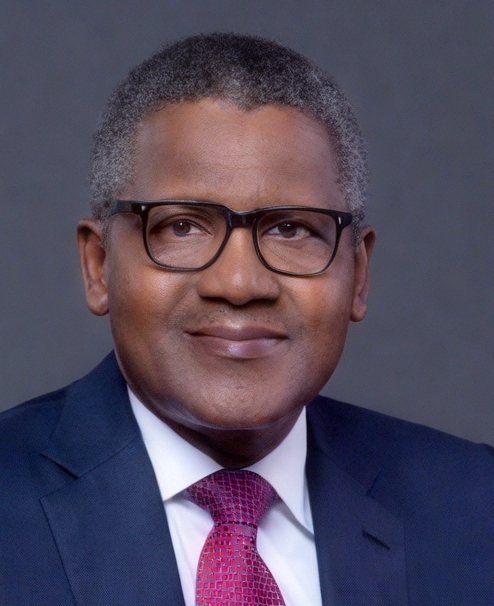
Aliko Dangote remains Nigeria’s most consequential industrialist, but 2026 represents a decisive inflection point in a journey decades in the making. With the Dangote Refinery and petrochemical complex moving deeper into operational maturity, Dangote’s vision of domestic industrial self-sufficiency is being tested at full scale. The stakes could not be higher: energy security, foreign exchange stability, and industrial confidence all converge on the success of this single enterprise.
Dangote’s project transcends private profit. The refinery, fertilizer, and petrochemical plants together form an industrial ecosystem designed to reverse Nigeria’s dependence on imports and reposition the country as a net exporter of refined products. If fully stabilised, these assets will reshape trade balances, reduce pressure on the naira, and catalyse downstream manufacturing.
What works in Dangote’s favour is unmatched execution capacity. He has demonstrated an ability to mobilize capital, talent, and political negotiation across borders. His patience in the face of regulatory friction and logistical complexity reflects a long-term mindset rare in emerging markets.
This year, observers will assess whether scale translates into efficiency and whether integration yields resilience. If it does, Aliko Dangote will be remembered not simply as Africa’s richest man, but as the industrialist who dared to build what the state could not, and succeeded.
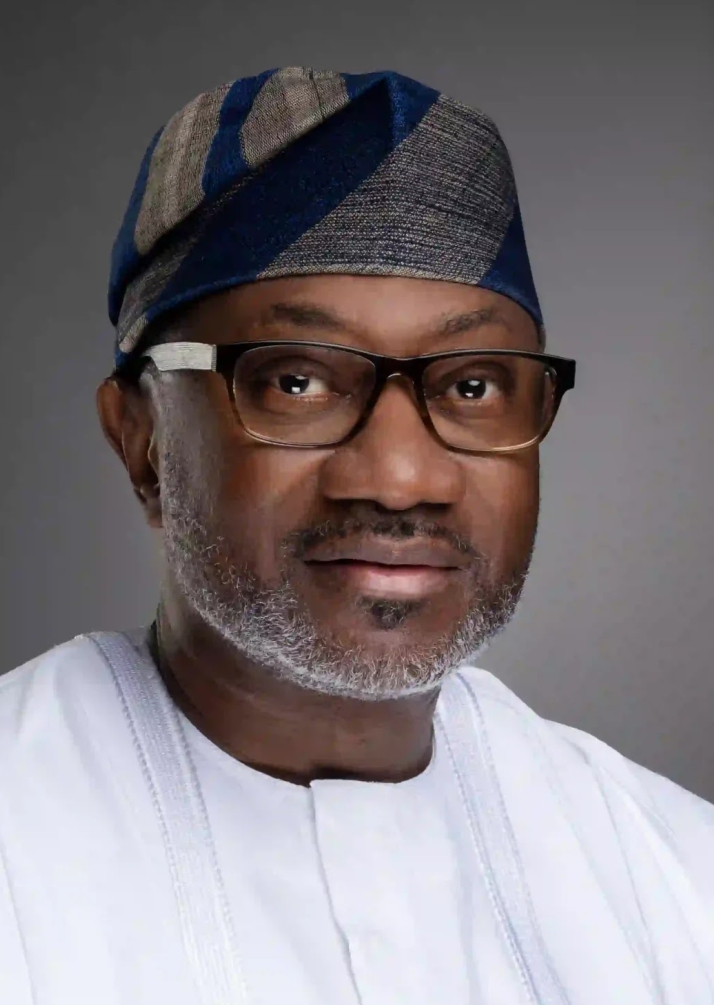
6. Femi Otedola
Chairman, First Bank of Nigeria Holdings
Femi Otedola’s corporate strategy in recent years reveals a man refining his legacy with precision. By selling a majority stake in Geregu Power Plant, Otedola demonstrated a disciplined approach to capital recycling: exiting at peak value while freeing resources for new strategic bets. In 2026, those bets are projected to be most visible in his deepening investment and influence at First Bank Holdings.
At First Bank, Otedola’s target is institutional restoration. He has committed fresh capital, strengthened governance, and signaled zero tolerance for inefficiency. His intent is clear: to restore First Bank as Nigeria’s most trusted and systemically important financial institution. Beyond banking, his continued interest in energy underscores his belief that infrastructure remains Nigeria’s most bankable long-term opportunity.
What works in Otedola’s favour is independence. He is not constrained by legacy alliances or political patronage. His clarity of ownership allows him to make decisive, sometimes uncomfortable choices in the interest of long-term value.
In 2026, markets will watch whether First Bank regains unquestioned leadership in stability, risk management, and profitability. If it does, Femi Otedola will be credited with proving that disciplined private capital can still rescue, and redefine, historic institutions.
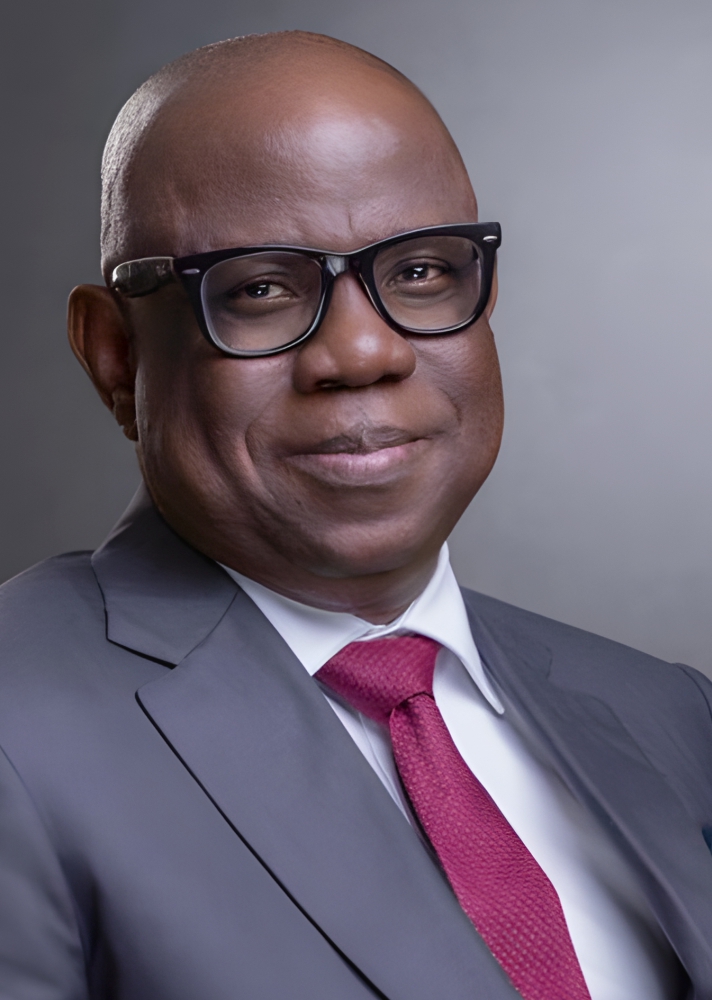
7. Bashi Bayo Ojulari
Group Chief Executive Officer, NNPC Limited
Bashi Bayo Ojulari leads Nigeria’s most symbolically important corporate transformation. As Group CEO of NNPC Limited, he presides over a national oil company newly reconstituted as a commercial entity, accountable to shareholders rather than secrecy. In 2026, the credibility of this transformation will be fully tested.
Ojulari’s mandate is to reconcile national ownership with corporate discipline. His focus areas; cost efficiency, asset optimisation, transparent reporting, and gas monetisation, reflect a clear departure from the past. Under his leadership, NNPC is repositioning itself as a commercially viable energy company capable of attracting partnerships and financing.
What works in his favour is institutional momentum. The groundwork for reform has been laid; Ojulari’s task is to entrench it. His calm, technocratic demeanor reassures markets and policymakers alike.
This year, success will be measured in profitability, production stability, and governance credibility. If achieved, Ojulari will be remembered as the executive who finally normalised accountability in Nigeria’s most powerful enterprise.

8. Dame (Dr.) Adaora Umeoji
Group Managing Director/CEO, Zenith Bank
Dame Dr. Adaora Umeoji’s leadership of Zenith Bank represents continuity sharpened by strategic foresight. At the helm of Nigeria’s most consistently profitable bank, she is tasked not with rescue, but with reinvention; ensuring relevance in an era of digital disruption and tightening global regulation.
Her focus on technology, cybersecurity, and regional expansion, all underpinned by Zenith’s trademark risk discipline. Umeoji is deepening digital banking platforms while preserving the institution’s conservative balance-sheet philosophy. This balance between innovation and caution defines her leadership.
What works in her favour is institutional mastery. Having risen through Zenith’s ranks, she understands its systems, culture, and people intimately. This enables change without instability; a rare advantage in large organisations.
In 2026, observers will track Zenith’s ability to grow profitably while financing Nigeria’s real economy. If successful, Dame Dr. Umeoji will be celebrated as a banker who proved that excellence can be sustained across generations.
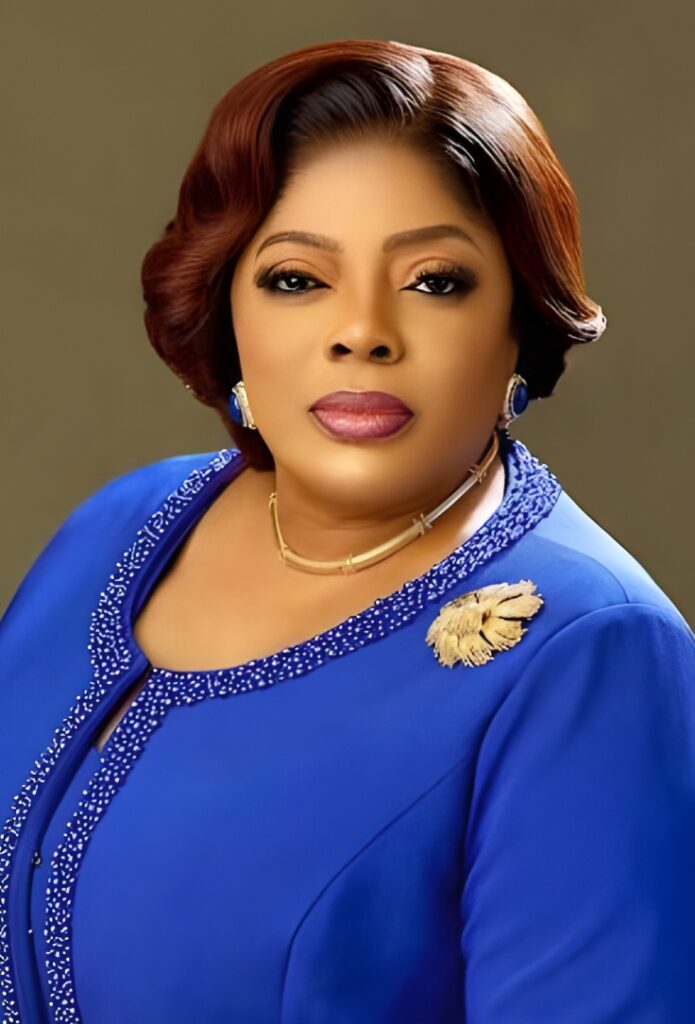
9. Dr. Nneka Onyeali-Ikpe
Managing Director/CEO, Fidelity Bank
Dr. Nneka Onyeali-Ikpe has steadily transformed Fidelity Bank into a nimble, growth-oriented institution that balances profitability with national impact. In 2026, her leadership will be measured by Fidelity’s ability to compete with Nigeria’s top-tier banks while maintaining a culture of disciplined risk management and innovation.
Her projects are ambitious yet focused: expanding retail banking, increasing SME financing, and deepening digital solutions for clients. Onyeali-Ikpe’s strategy reflects a deep understanding that long-term growth stems not just from capital, but from customer loyalty and operational excellence. Fidelity’s increased exposure to high-growth sectors: healthcare, agribusiness, aviation and tech financing, is a testament to her foresight.
What works in her favour is her combination of analytical rigour and pragmatic leadership. She commands respect from both regulators and investors, which enables bold, calculated moves without destabilising the bank’s culture.
In 2026, Nigerians and global investors will watch whether Fidelity consolidates its position as a top-five bank in performance and innovation. If successful, Dr. Onyeali-Ikpe will be celebrated as a leader who redefined banking leadership through foresight, discipline, and patience.
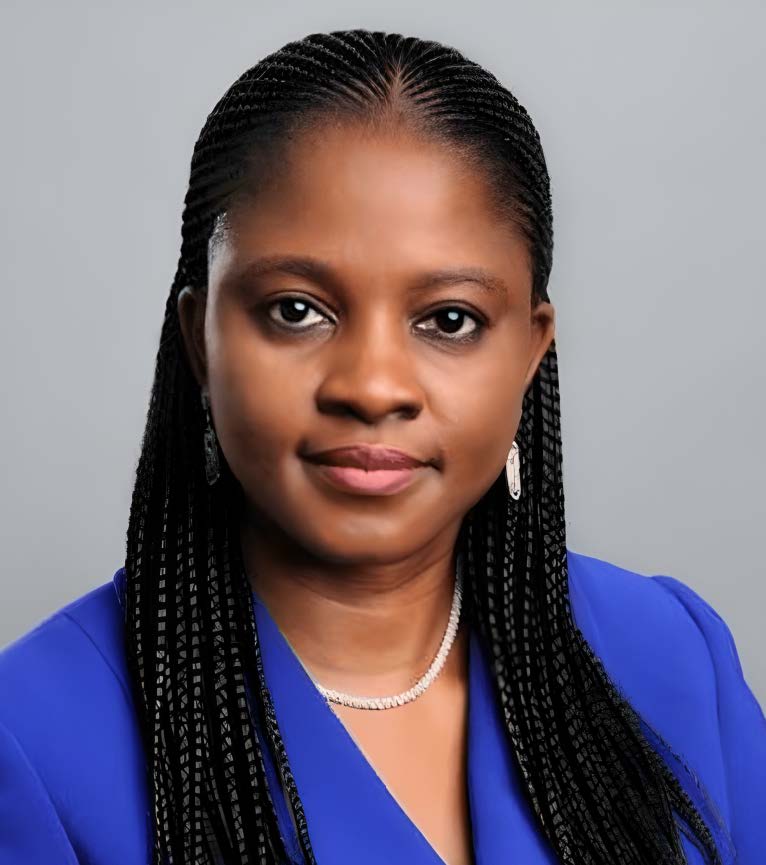
10. Mudassir Amray & Yetunde Oni
Transitional CEOs/Managing Directors, Titan Trust Bank / Union Bank
Mudassir Amray and Dr. Yetunde Oni represent a bold new chapter in Nigerian banking. With Titan Trust Bank’s acquisition of Union Bank, they have taken on the challenge of transforming a historic institution into a modern, digitally-driven, and competitive player. For Mrs. Oni, who currently serves as the Chief Executive Officer of the bolstered Union Bank, her 2026 mandate is clear: scale rapidly without compromising governance or customer trust.
Her mission includes full digital integration, culture transformation, and capital strengthening, alongside strategic growth in retail and corporate banking. Amray’s operational precision complements Yetunde Oni’s strategic vision, creating a leadership tandem capable of executing complex turnarounds.
What works in their favour is clarity of purpose. Unlike reactive management, they have a forward-looking blueprint that blends technology, governance, and market relevance. Investors are already watching, and regulatory confidence is high due to their disciplined approach.
This year, market observers will judge their success by Union Bank’s growth trajectory, market share, and operational efficiency. If these objectives are met, Mrs. Oni and Amray will be hailed as architects of one of Nigeria’s most significant banking transformations.
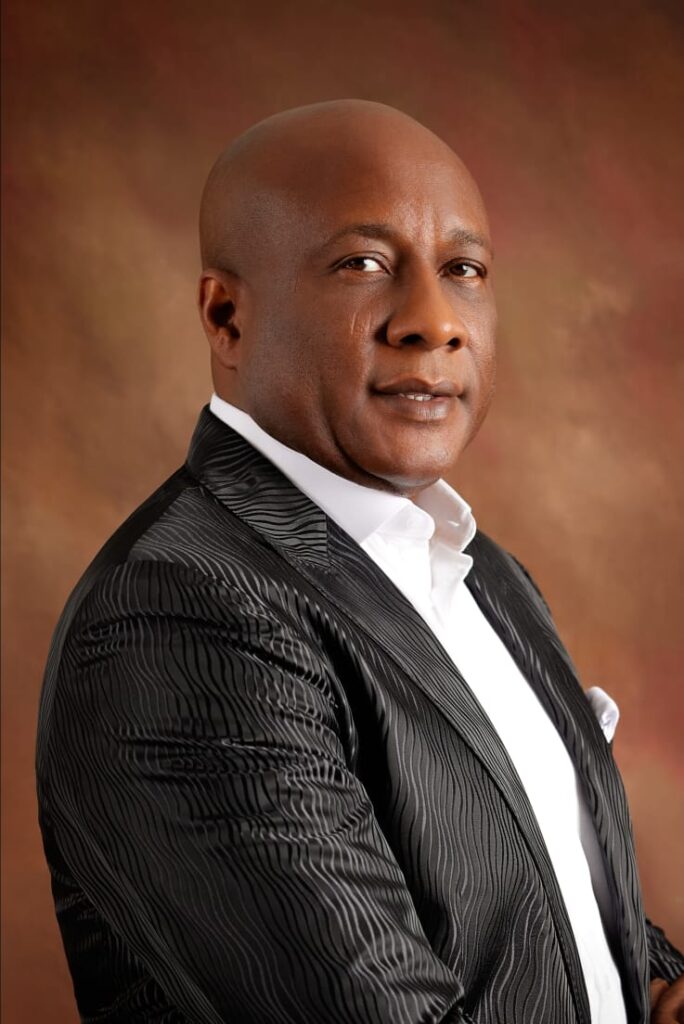
11. Dr. Allen Onyema
Chairman/CEO, Air Peace Ltd
Dr. Allen Onyema has built Air Peace into West and Central Africa’s largest airline by fleet size, defying an industry historically plagued by volatility. In 2026, his focus will be on continental and international expansion, with routes connecting Nigeria directly to new markets in Europe, America the Middle East, the Caribbean and Africa.
Onyema’s projects include fleet modernization, route diversification, and the development of in-country aviation infrastructure. His vision is more than commercial; it is about national pride, African connectivity, and reducing dependency on foreign carriers.
What works in his favour is operational consistency and visionary leadership. Despite global disruptions, Air Peace continues to expand its network, build trust, and increase reliability; a remarkable achievement in one of the world’s most challenging aviation markets.
In 2026, success will be measured by operational stability, passenger growth, and international partnerships. If Onyema achieves this, he will cement his legacy as the Nigerian entrepreneur who turned domestic aviation into a globally recognised brand.
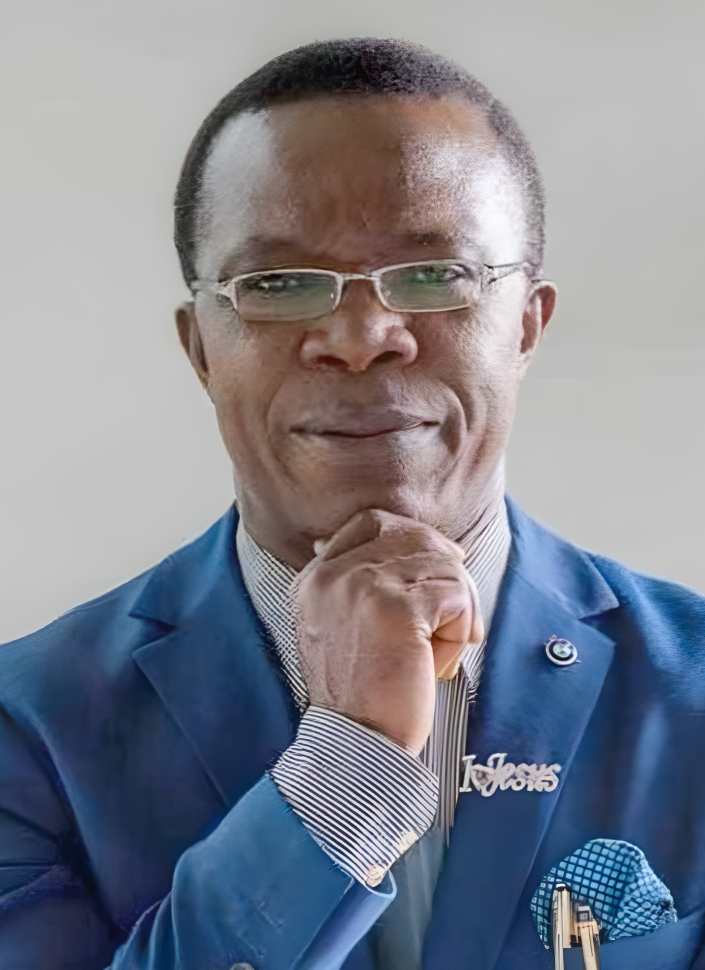
12. Dr. Cosmas Maduka
President/CEO, Coscharis Group
Dr. Cosmas Maduka is an industrialist whose diversified empire spans automotive, agribusiness, healthcare, and manufacturing. In 2026, his influence will grow as his agribusiness projects, particularly rice production and processing, seek to enhance food security and reduce Nigeria’s dependence on imports.
Maduka’s strategy reflects backward integration across sectors, ensuring domestic value addition rather than mere trading. In automotive, Coscharis continues to invest in assembly and localisation, supporting Nigeria’s industrialisation agenda. His approach merges business success with national development goals, a hallmark of his career.
What works in his favour is moral authority and reputation. Maduka is widely respected for discipline, integrity, and visionary thinking, which inspires confidence from employees, partners, and regulators alike.
In 2026, the nation will watch his foray into electric vehicle business for job creation, industrial capacity growth, and the stimulation of downstream industries. Cosmas Maduka’s legacy will increasingly be measured not by wealth alone, but by transformative impact on Nigeria’s industrial landscape.
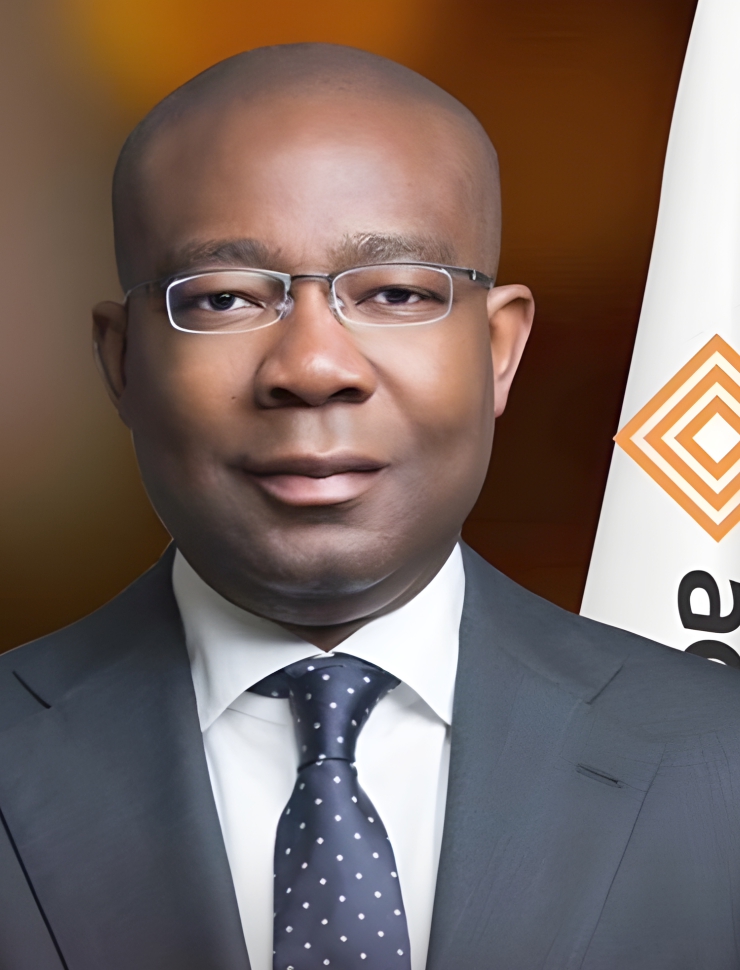
13. Aigboje Aig-Imoukhuede
Chairman, Access Holdings
Aigboje Aig-Imoukhuede remains a defining figure in Nigerian finance, balancing corporate strategy with national economic vision. In 2026, his leadership at Access Holdings positions him as both a banker and a builder of enduring institutions. Beyond profitability, his focus is on governance, succession planning, and institutional resilience.
His projects, and indeed his vision, extend across banking, development finance, and capacity building. By strengthening Access’ regional footprint and modernising its operations, he is ensuring the bank remains competitive across Africa. Aig-Imoukhuede also channels influence into public-sector reform, reflecting his belief that strong institutions are the backbone of national progress.
What works in his favour is intellectual versatility. He combines financial insight with policy fluency, giving him credibility with regulators, investors, and governments alike. His decisions are strategic, measured, and always anchored in long-term sustainability.
In 2026, attention will focus on whether Access maintains growth momentum while deepening governance. If successful, Aig-Imoukhuede will be celebrated not just as a banker, but as a nation-builder whose ideas and execution inspire confidence in Nigeria’s financial system.
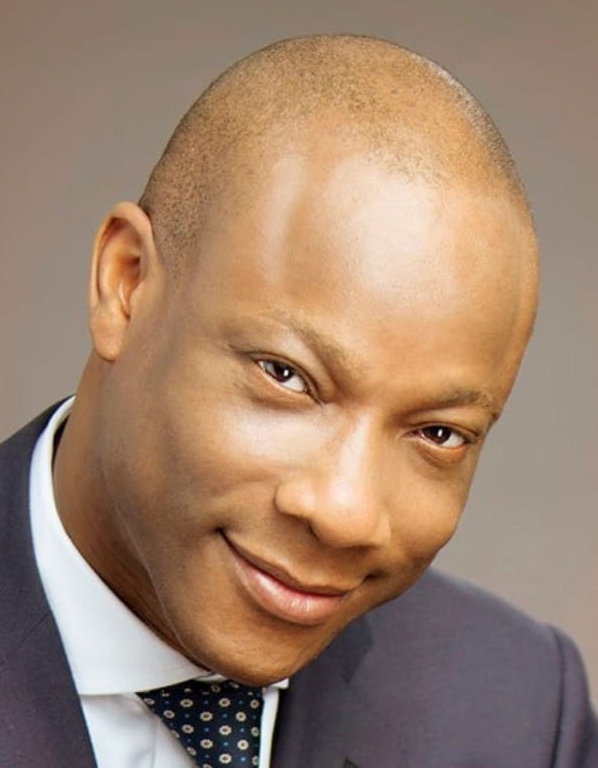
14. Segun Agbaje
Group CEO, Guaranty Trust Holding Company (GTCO)
Segun Agbaje embodies the modern Nigerian banker: innovative, strategic, and quietly transformative. As Group CEO of GTCO, he has overseen the institution’s evolution into a holding company with diversified interests in payments, asset management, and technology. By 2026, his work in non-banking subsidiaries will be crucial to the group’s continued relevance.
Agbaje’s efforts emphasise relevance and digital transformation. Recognising the compression of traditional banking margins, he is pivoting GTCO toward technology-driven services and lifestyle-oriented financial solutions. This includes expanded fintech offerings, streamlined customer experiences, and cross-border partnerships.
What works in his favour is brand equity. GTCO’s reputation for strong governance and innovation allows experimentation without eroding trust. Agbaje’s calm, methodical leadership reassures investors even amid rapid change.
In 2026, observers will watch whether GTCO’s diversification strategy scales successfully. If it does, Segun Agbaje will be credited with redefining the possibilities of a Nigerian financial institution in the 21st century.
15. Funke Akindele
Filmmaker, Box-Office Powerhouse, Cultural Entrepreneur
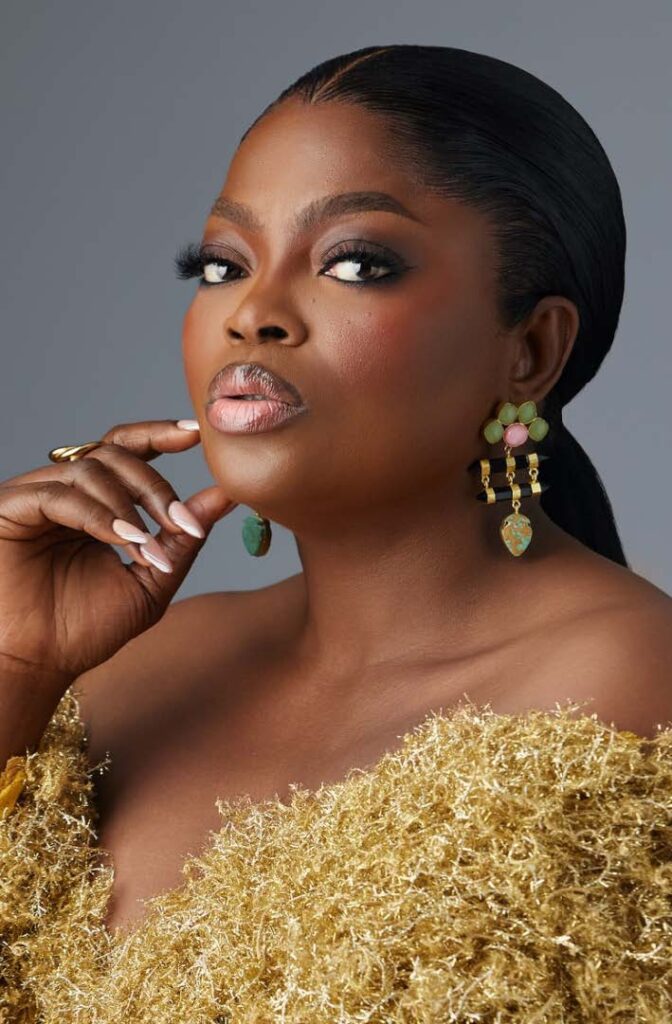
Funke Akindele represents the commercial and cultural apex of Nollywood. In 2026, her work will be measured not merely by box-office numbers but by her influence on the structure and professionalism of Nigeria’s film industry. Akindele’s projects continue to blend humour, social relevance, and high production quality, creating films that resonate across generations.
Her ventures extend beyond content creation into production infrastructure, talent development, and distribution innovation. By building sustainable pipelines for new actors, directors, and writers, she ensures that the creative economy grows alongside her commercial successes.
What works in her favour is instinctive audience understanding. Funke knows how to tell stories that are simultaneously entertaining, relatable, and culturally impactful. Her credibility in Nollywood enables partnerships with sponsors, streaming platforms, and international collaborators.
In 2026, attention will focus on her expansion into global streaming and co-productions. If successful, Akindele will not only solidify her legacy as a filmmaker but as a builder of Nigeria’s entertainment industry infrastructure.
16. Wale Tinubu
Group Chief Executive, Oando PLC
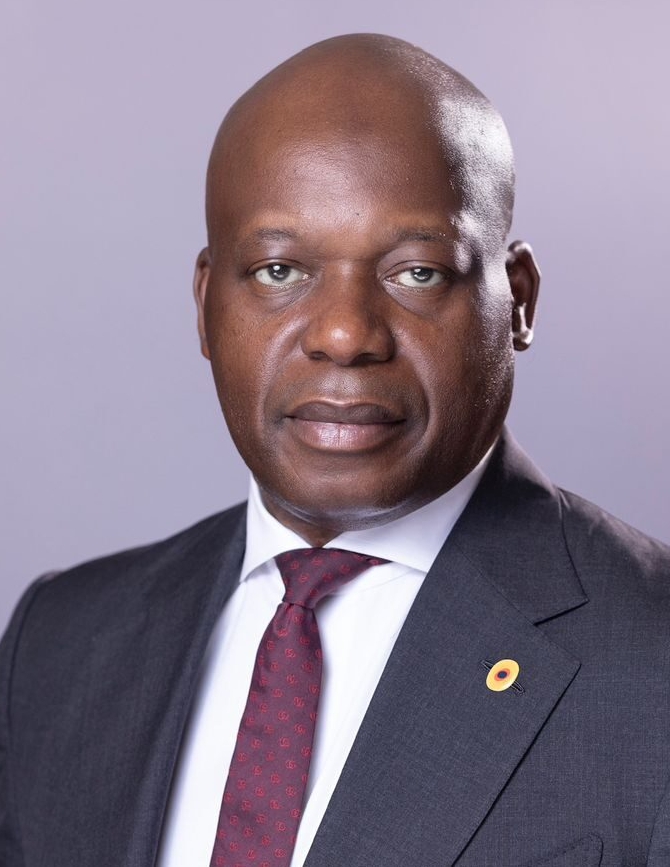
Wale Tinubu’s leadership of Oando PLC situates him at the heart of Nigeria’s energy transition. In 2026, his focus is clearly going to be on stabilising the company’s upstream and downstream operations while expanding gas-led initiatives that align with both national industrial needs and global energy realities.
Tinubu’s vision include optimising Oando’s assets, investing in cleaner energy infrastructure, and leveraging strategic partnerships to increase operational efficiency. His strategy reflects a dual ambition: profitability and national relevance. By prioritising energy reliability and infrastructure development, he is creating platforms that address both market demand and developmental imperatives.
What works in his favour is resilience and experience. Having navigated regulatory and financial challenges over decades, Tinubu possesses the skill to execute complex corporate transformations in volatile environments.
In 2026, the world will watch whether Oando’s transformation delivers sustained profitability and strategic influence. Success will cement Wale Tinubu’s reputation as a corporate leader capable of bridging private enterprise with national energy goals.
17. Burna Boy
Global Music Icon and Cultural Export
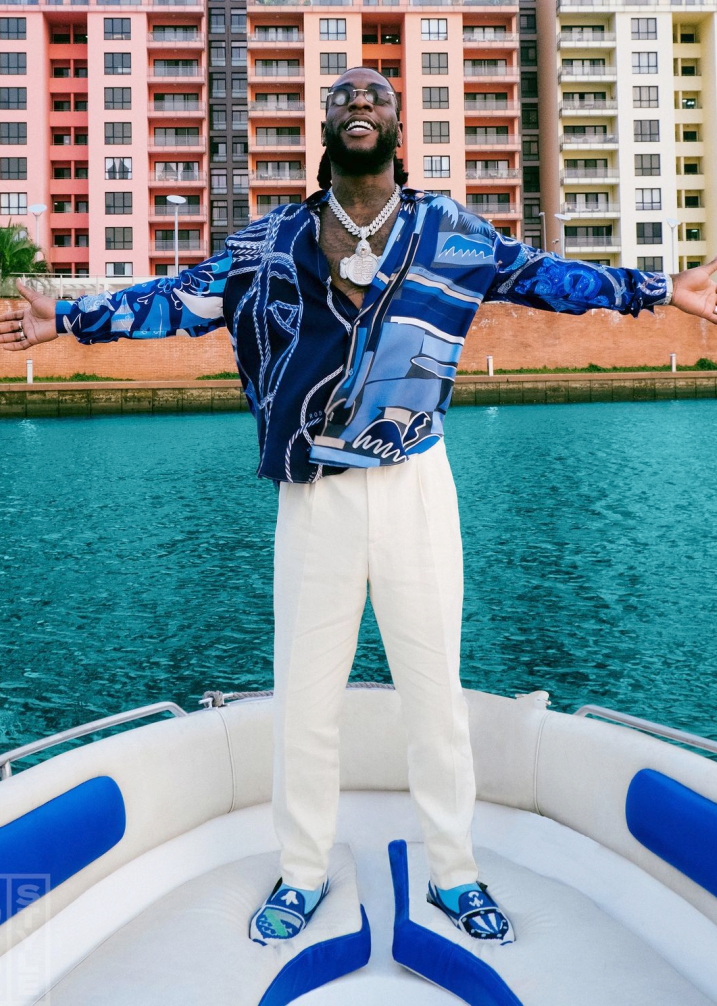
Burna Boy enters 2026 as not just a musician, but a cultural institution, representing Africa on the global stage. His Afrobeats sound has evolved into a vehicle for storytelling, political commentary, and pan-African pride. In 2026, Burna Boy is expanding beyond performance into cultural infrastructure: mentorship programs, festival curation, and ownership of masters, ensuring that African music thrives independently of global intermediaries.
His efforts include global collaborations, continental tours, and the cultivation of emerging artists through his imprint and initiatives. Burna’s work bridges local authenticity with international mainstream appeal, solidifying Afrobeats as a permanent fixture in global music.
What works in his favour is credibility and consistency. Burna Boy combines raw talent with strategic cultural entrepreneurship, ensuring that his influence is sustainable. His live shows, international visibility, and awards build momentum that goes beyond music charts.
In 2026, audiences will watch how he consolidates ownership, amplifies African voices, and positions Afrobeats as a long-term global force. Success will elevate Burna Boy from superstar to cultural mogul and symbol of African artistic self-determination.
18. Davido
Artist, Label Executive, Global Pop Strategist
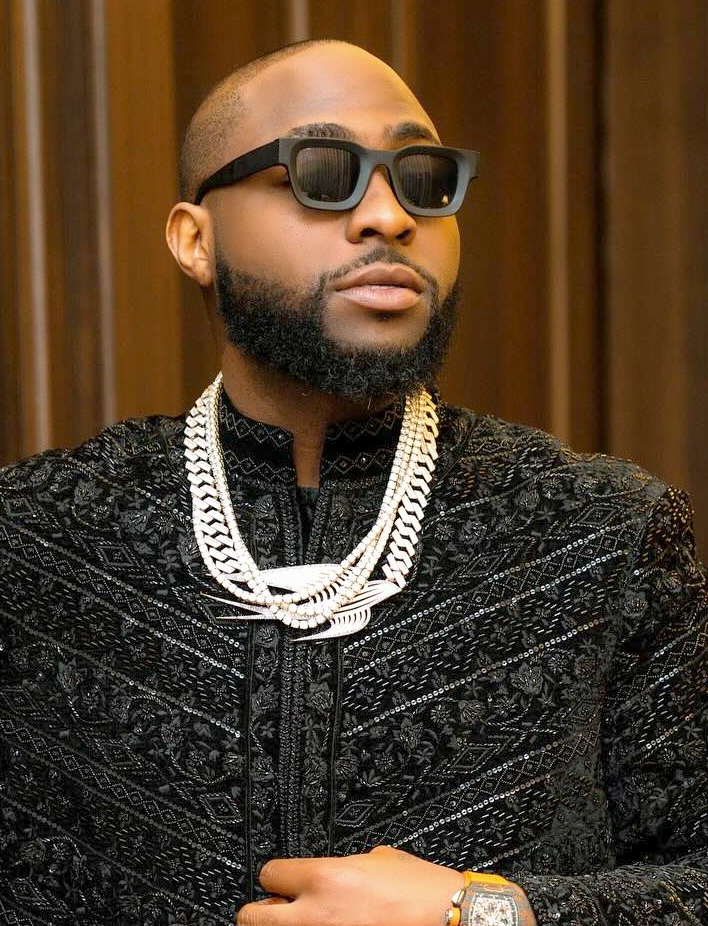
Davido’s career is defined by both music and industry influence. Beyond producing global hits, he is building a label and talent incubator, shaping the next generation of African pop stars. His strategic vision extends across music production, international partnerships, and brand collaborations, positioning him as a business-minded cultural leader.
His projects include tours across continents, cross-genre collaborations, and talent development programs. Davido is expanding the global footprint of Afrobeats while integrating African sounds into mainstream pop, proving that African artists can compete on equal footing with Western counterparts.
What works in his favour is emotional connectivity. Davido’s music resonates across demographics, making him commercially formidable. Combined with his business acumen, he can leverage creative output into scalable ventures.
In 2026, observers will track his ability to grow his label, mentor talent, and maintain artistic relevance. If he succeeds, Davido will be recognised as a global ambassador of African pop and a builder of long-term creative enterprise.
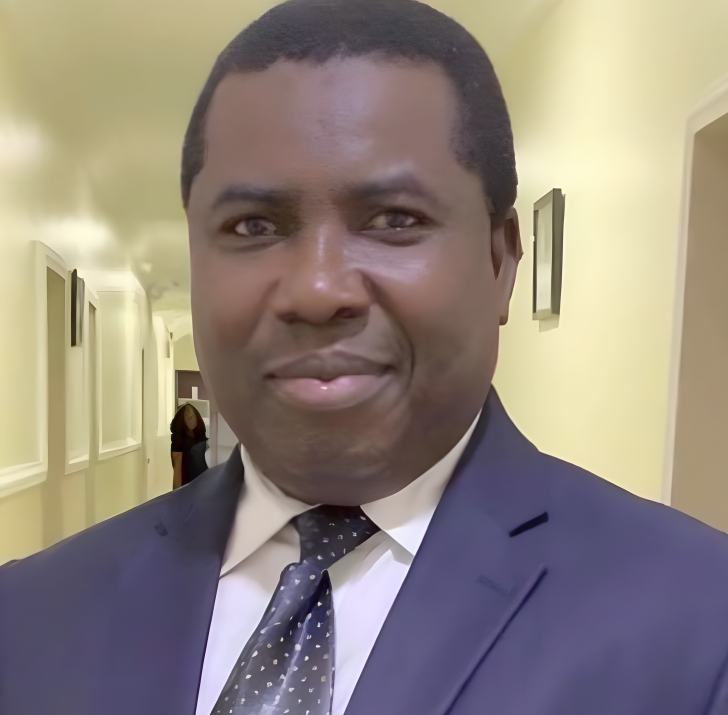
19. Professor Joash Amupitan, SAN
Chairman, Independent National Electoral Commission (INEC)
Professor Joash Amupitan, SAN, steps into 2026 with one of the most consequential mandates in Nigeria’s democratic history. As the newly appointed Chairman of INEC, he will be charged with overseeing a number of off-circle elections, a litmus test of his ability to navigate complex political, logistical, and legal challenges. His work is central not only to Nigeria’s electoral integrity but to the broader credibility of the democratic project.
Amupitan’s agenda is ambitious yet precise. His immediate focus is on ensuring that upcoming elections are free, fair, and technologically efficient. This involves modernizing electoral processes, strengthening voter registration systems, enhancing data security, and building institutional trust across political parties and civil society. He is also advocating for proactive voter education and engagement, recognizing that participation is as critical as procedural integrity.
What works in his favour is his reputation as a principled academic and administrator. Amupitan brings years of institutional knowledge, a scholarly approach to governance, and a calm, authoritative presence to a role often fraught with tension. His focus on transparency and process discipline signals to both domestic and international observers that INEC is evolving from a reactive bureaucracy to a proactive electoral institution.
In 2026, all eyes will be on Amupitan as he supervises off-circle elections. Success will be measured not just by the absence of controversy but by public confidence in outcomes, operational efficiency, and the credibility of results. If he succeeds, Professor Amupitan will be remembered as a transformative electoral steward, someone who demonstrated that Nigeria’s democracy could be both resilient and reliable. Beyond technical achievements, his tenure has the potential to reinforce civic culture, normalise credible elections, and strengthen faith in the democratic process for years to come.
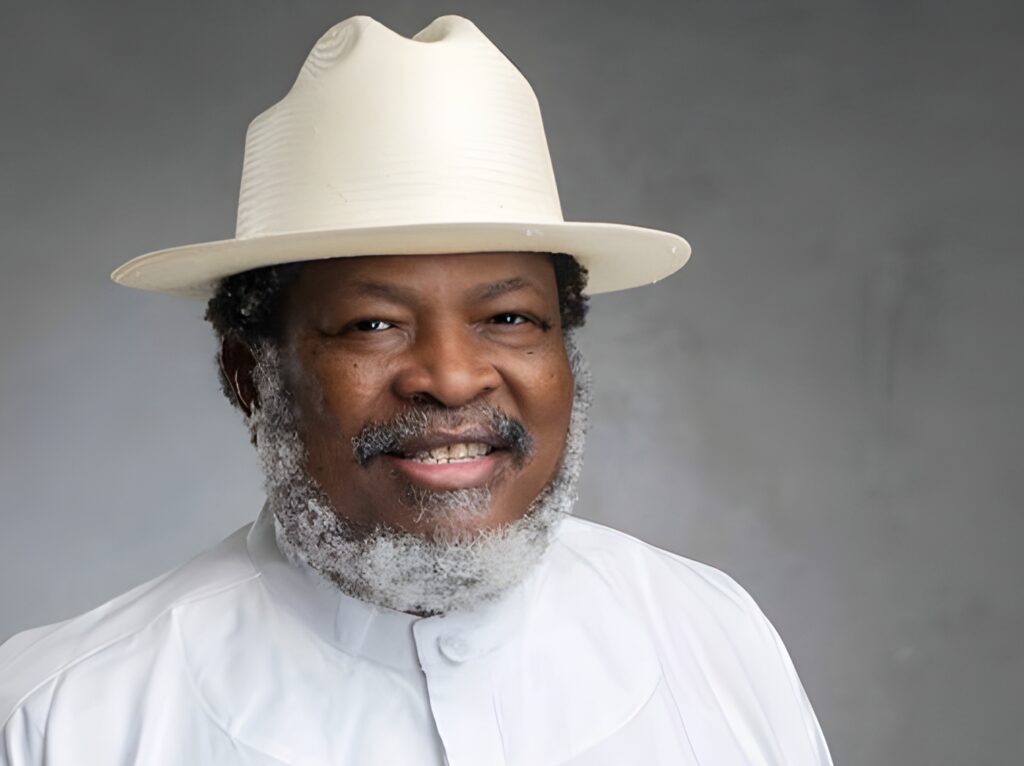
20. Prince Nduka Obaigbena
Chairman, THISDAY/Arise Media Group; Founder, Lekeleke Social Media Platform
Prince Nduka Obaigbena enters 2026 at the intersection of media, technology, and influence. As Chairman of THISDAY and Arise Media Group, he is already a dominant figure in Nigerian journalism. But the launch of Lekeleke, a new social media platform, signals his ambition to redefine digital communication and content dissemination in Nigeria and Africa.
Obaigbena’s project is multifaceted. Lekeleke is designed as a local-first platform that blends news, social networking, and multimedia engagement. It aims to give Nigerians a credible, user-controlled space to interact, share content, and participate in national discourse without dependency on global tech giants. Beyond technology, the platform is a statement about digital sovereignty, innovation, and Africa’s capacity to lead in online engagement.
What works in his favour is decades of media experience, entrepreneurial acumen, and credibility with both policymakers and the public. Obaigbena understands content, audience behaviour, and the regulatory landscape, a combination that enhances the likelihood of a successful launch and sustainable growth. His track record of scaling Arise Media Group from national to continental relevance demonstrates an ability to convert vision into operational reality.
In 2026, all eyes will be on Lekeleke’s adoption, functionality, and influence. Success will not merely be measured in downloads but in engagement, content quality, and the platform’s ability to nurture informed conversations. If achieved, Prince Obaigbena will be recognized as a pioneer who bridged traditional journalism and digital innovation, demonstrating that Nigerian media can compete globally while serving national interests.
Nigeria in Motion From political leadership to industrial vision, financial innovation to cultural influence, these 20 Nigerians exemplify ambition, ingenuity, and transformative leadership. In 2026, their successes and challenges will not only shape personal legacies but signal the direction of a nation striving for institutional strength, economic resilience, and global relevance. This is a Nigeria in motion: dynamic, complex, and full of possibility.