

What They’re Secretly Telling You
While not every change signals a serious issue, consistently unusual nail patterns are worth paying attention to.
By Joyce Icheokolo
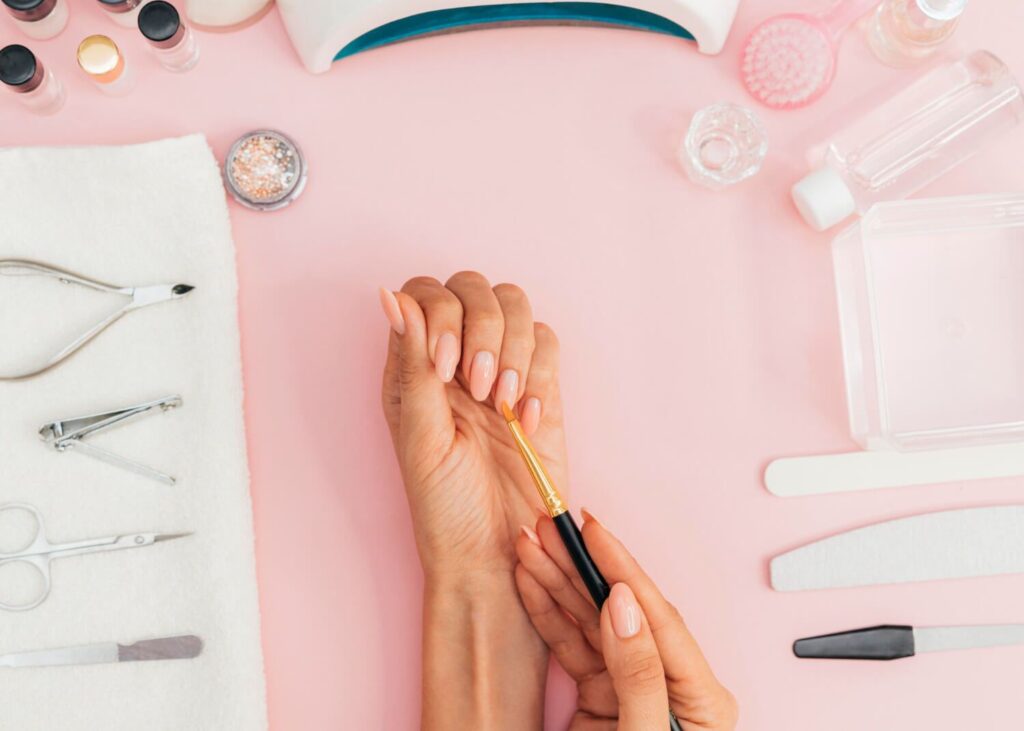
Most of us see our nails as a beauty accessory, a blank canvas for polish, art, or the occasional indulgent manicure. But your nails aren’t just about looking pretty; they’re little windows into your overall well-being. The color, texture, and strength of your nails can offer subtle clues about your internal health. Paying attention to these subtle shifts isn’t just about aesthetics; it can help you catch health concerns early.
In this guide, we’ll walk you through what nail changes might mean, the science behind them, and when it’s time to swap your nail file for a doctor’s appointment.
Why Nails Reflect Your Health
Nails are made of keratin, the same protein found in your skin and hair. They grow slowly, about 3 millimeters a month, which means they act like a health timeline. Nutrient deficiencies, circulation problems, and underlying medical conditions can all leave telltale signs on your nails. While not every change signals a serious issue, consistently unusual nail patterns are worth paying attention to.
Nail Color: More Than Just Aesthetic
A fresh coat of polish can disguise discoloration, but natural nail color can say a lot about your health:
- Pale or white nails: This may signal anemia (low red blood cell count) or, in some cases, liver disease.
- Yellow nails: Often caused by fungal infections, but can also be linked to diabetes, lung conditions, or even chronic sinus issues.
- Bluish or purple nails: A sign of poor circulation or low oxygen in the blood, potentially tied to heart or lung conditions.
- Dark streaks or spots: While sometimes harmless (especially in darker skin tones), sudden dark lines could point to melanoma, a serious type of skin cancer.
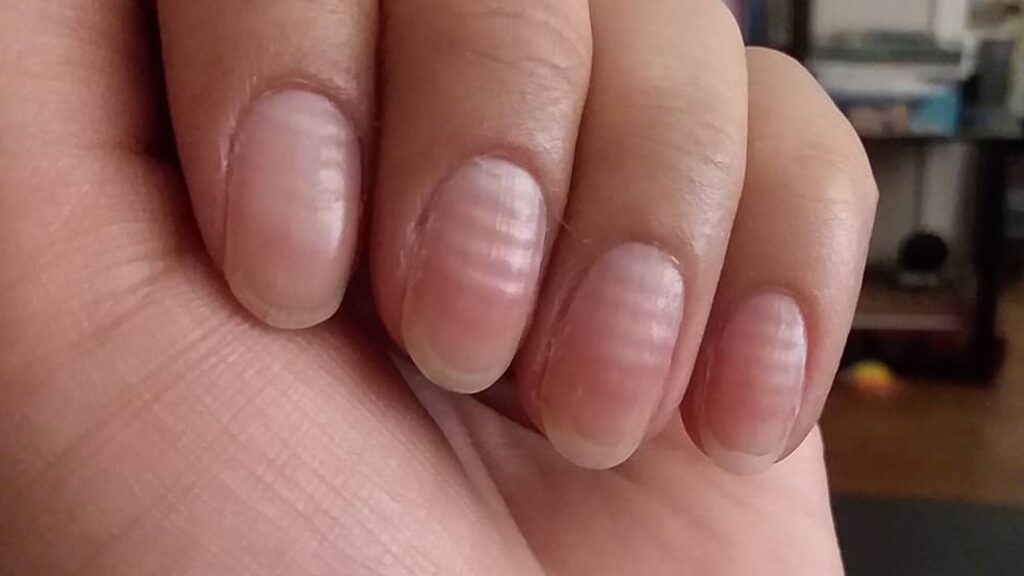
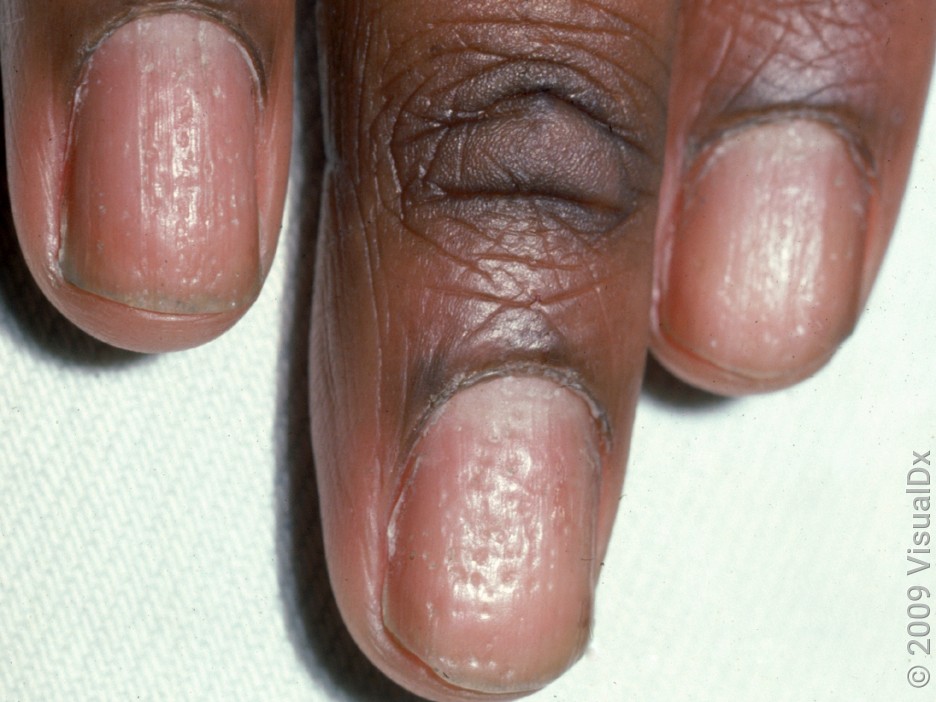
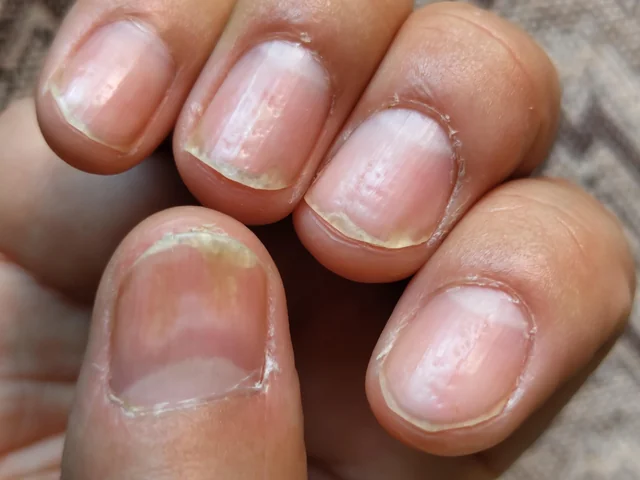
Ridges & Texture Changes: The Nail Timeline
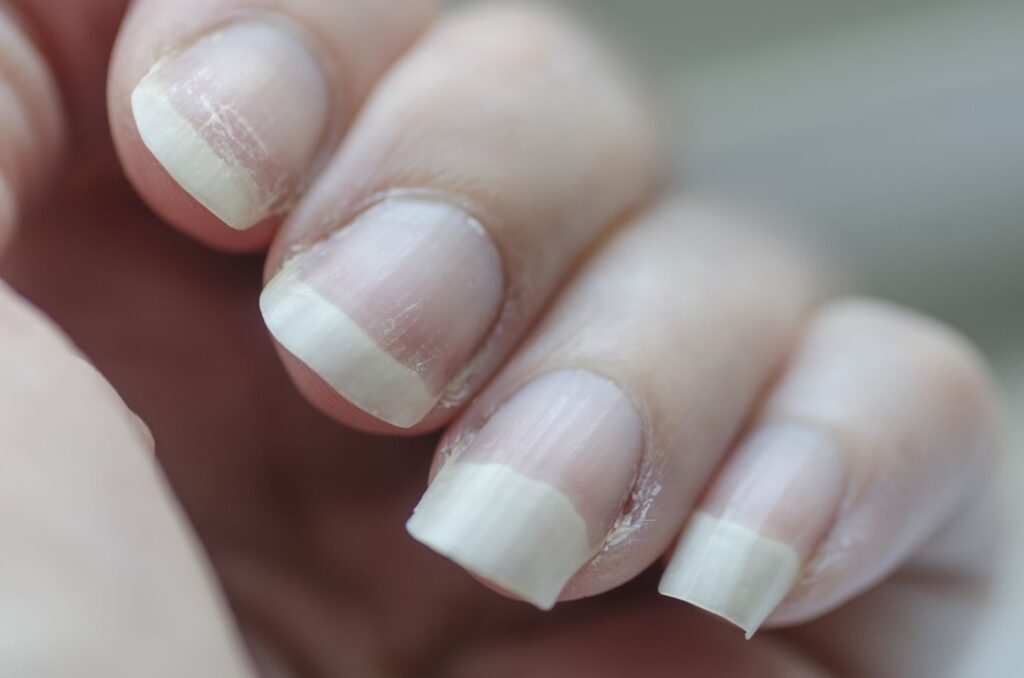
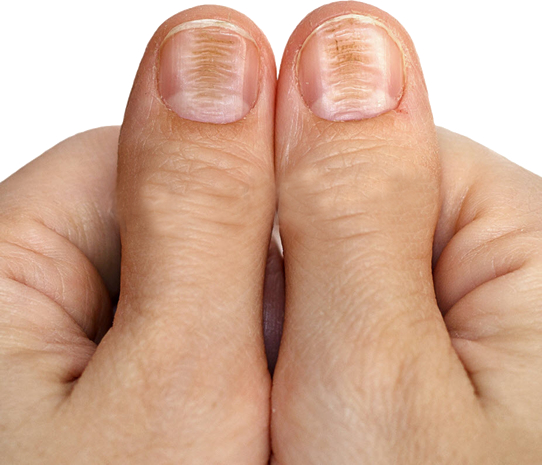
A perfectly smooth nail is rare, but certain ridge patterns and textures may indicate more than normal wear-and-tear.
- Vertical ridges (up and down): Usually harmless and often increase with age.
- Horizontal ridges (Beau’s lines): These can appear after a major illness, high stress, or malnutrition. They’re your body’s way of showing it had to pause nail growth during recovery.
- Pitting (tiny dents): Linked to psoriasis, eczema, or autoimmune conditions like alopecia areata.
- Thickened nails: May point to fungal infections or circulation problems.
Brittle, Weak, or Cracked Nails: Nutrition & Lifestyle Clues
Nails that chip, peel, or break easily are often written off as “just weak nails.” But persistent brittleness can be a red flag:
- Nutrient deficiencies: Low iron, biotin, zinc, or protein intake can all weaken nails.
- Thyroid issues: Both hypothyroidism and hyperthyroidism can affect nail health.
- Lifestyle habits: Frequent exposure to water, harsh detergents, or strong nail products can strip nails of their natural oils, making them dry and fragile.
Beauty fix: Protect your nails by wearing gloves when cleaning, moisturizing your cuticles daily, and giving your nails breaks from polish and acrylics.
When Nail Health and Medical Health Intersect.
It’s important to remember that not every nail change points to illness. Seasonal dryness, aging, and lifestyle habits play a huge role in nail appearance. But here are signs you shouldn’t ignore:
- Sudden, unexplained changes in nail color (especially dark streaks or blue tones).
- Nails that separate from the nail bed (onycholysis).
- Persistent brittleness or splitting despite good nail care.
- Pain, swelling, or bleeding around the nails.
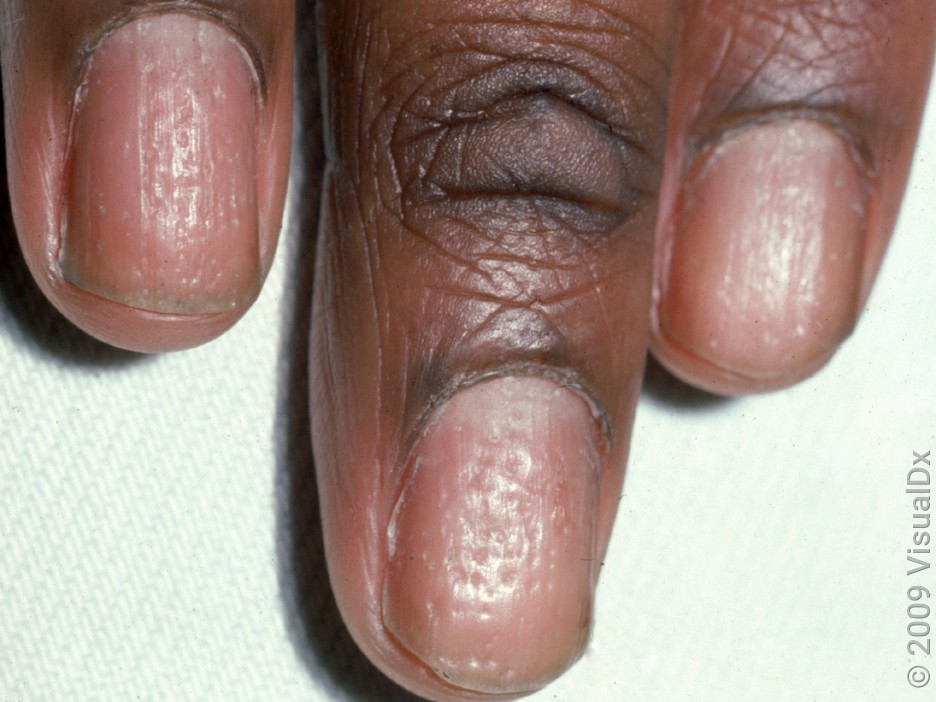
These could indicate systemic issues that deserve medical attention. A dermatologist or general physician can perform simple exams or tests to rule out underlying conditions.
Beauty Meets Health: Taking Care of Your Nails
Healthy nails are beautiful nails, and good care starts from the inside out:
- Eat a balanced diet: Focus on iron-rich foods, lean protein, omega-3s, and vitamins like biotin and B12.
- Stay hydrated: Dehydration can make nails dry and brittle.
- Practice gentle nail care: Avoid over-filing, pick acetone-free polish removers, and moisturize nails and cuticles regularly.
- Let them breathe: Take polish breaks so you can spot changes in your natural nail color and texture.
And lastly, remember that your nails aren’t just an accessory—they’re a subtle health report card. Paying attention to the small changes can help you catch nutritional gaps, lifestyle effects, and, in rare cases, early signs of medical conditions. So, next time you admire your manicure, take a closer look at the canvas itself. Your nails might just be telling you a story worth listening to




Hey! This is my 1st comment here so I just wanted to give a
quick shout out and tell you I truly enjoy reading your articles.
Can you recommend any other blogs/websites/forums that go over the same subjects?
Thanks!