
It is A Journey of Justice, Memory, and Cultural Revival as a Treasure Trove of Benin’s Stolen Artefacts are returned, Centuries After
On Wednesday, June 18, 2025, in the storied palace of Oba Ewuare II, a remarkable chapter in history was written anew. A total of 119 Benin Bronzes — glorious artefacts once plundered during the violent sacking of Benin in 1897 — were ceremoniously returned to their ancestral home. This moment, saturated with symbolism and significance, evoked the very themes dramatized in the acclaimed Nigerian film Invasion 1897, where art, history, and justice converge.
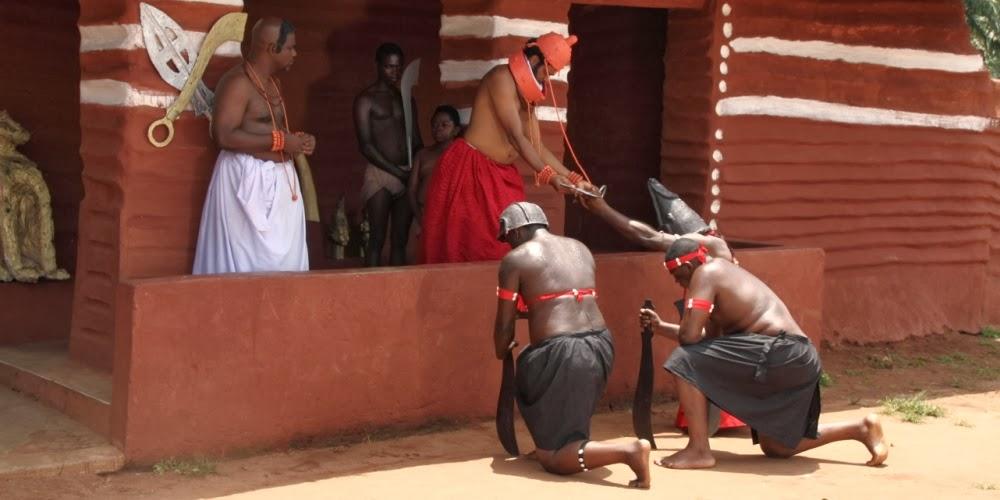
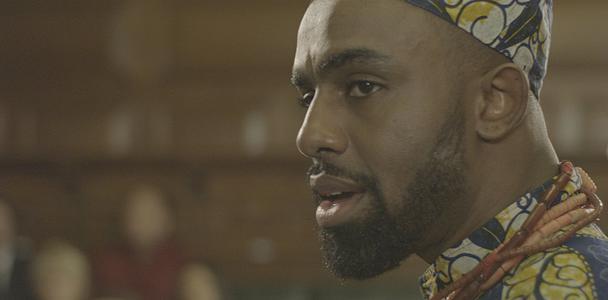
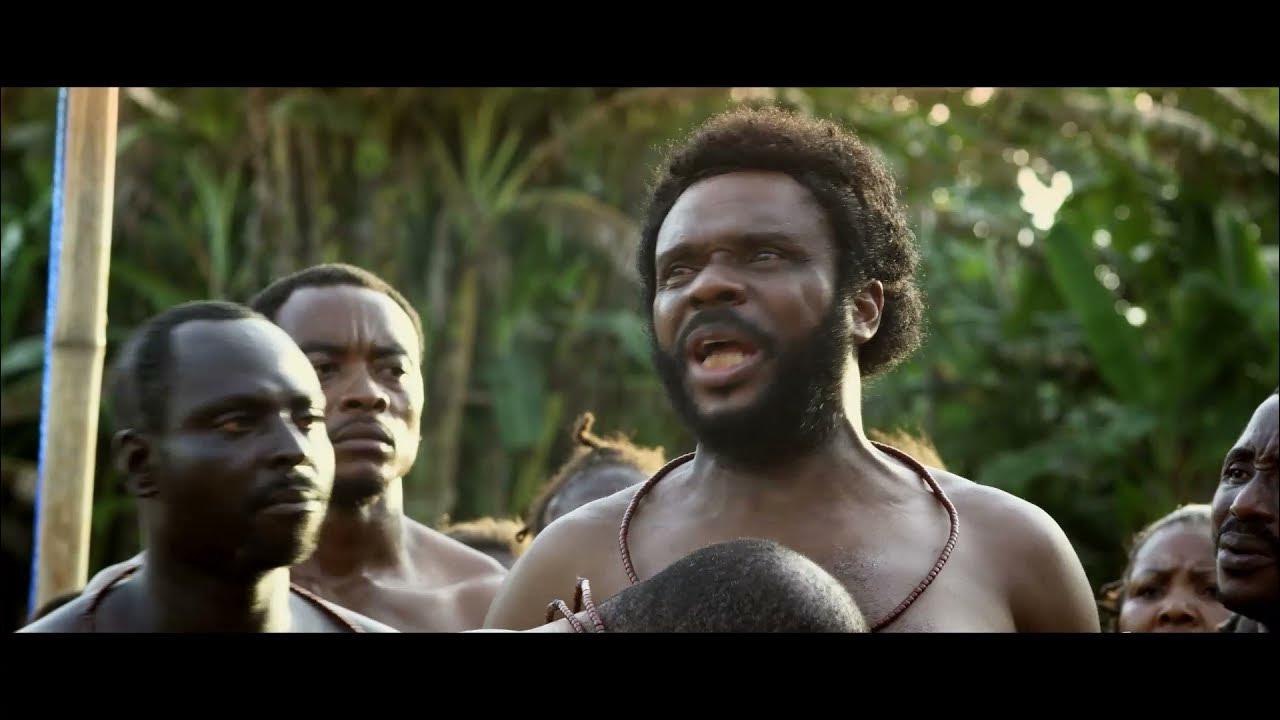
The film, directed by Lancelot Oduwa Imasuen, is more than historical cinema; it is advocacy in motion. It begins in the halls of a London art history classroom where a Benin-descended student, Igie Ehanire (portrayed by Charles Chukky Venn), hears a jarring truth: many of the masterpieces adorning the British Museum were stolen, among them treasures from his own ancestral homeland. Inflamed by revelation, Igie takes matters into his own hands —literally— removing a Benin artefact from the museum’s display in an act of symbolic reclamation. His arrest, trial, and defiant courtroom declarations: “The artwork is mine. It belongs to my people. I was attempting to return what was stolen 100 years ago”, ignite a legal and historical discourse. A flashback then transports the viewer to the tragic events of 1897, when British troops stormed Benin City, looted its royal palace, and dethroned Oba Ovonramwen Nogbaisi.
Thus, the cinematic and real-world narratives intersect. What was once interpreted as irrevocable loss has, through the passage of time, become a story of resurrection, resistance, and return.
The Imperial Invasion of 1897: A Tragic Dispossession
The historical event now known as the Benin Punitive Expedition was a calculated colonial onslaught. In response to the ambush of a British delegation under Acting Consul General James Phillips, the British Admiralty deployed a 1,200-man force led by Rear Admiral Sir Harry Rawson. On February 9, 1897, the troops attacked Benin from three flanks. Their mission: to subdue the kingdom, dethrone its sovereign, and annihilate any resistance.
They succeeded. Benin City was razed, its palatial chambers sacked, its people slaughtered by the hundreds. Sacred bronzes, carved ivories, royal stools, and ceremonial relics — each a vessel of memory and identity — were seized and scattered across museums and private collections throughout Europe and North America. In their wake, the British left cultural trauma and colonial subjugation. The kingdom, once a bastion of West African sophistication and sovereignty, was absorbed into the administrative construct of colonial Nigeria.
Cinema as Advocacy: The Power of “Invasion 1897”
Imasuen’s Invasion 1897 does more than dramatize the events—it educates, agitates, and memorializes. Through the character of Oba Ovonramwen, portrayed by Mike Omoregbee, the film navigates the complexity of royal leadership amidst looming threat. It does not shy away from the flaws of the Oba’s court, but it paints a more damning portrait of imperial arrogance and racial subjugation.
The film became a clarion call for justice. Released in 2014, it starred Nollywood stalwarts such as Segun Arinze, Paul Obazele, Charles Inojie, and others, drawing audiences into a narrative long obscured by colonial historiography. It inspired not only popular discourse but institutional reflection, laying part of the groundwork for a global reckoning over colonial loot.
The Turning Tide: From Protest to Repatriation
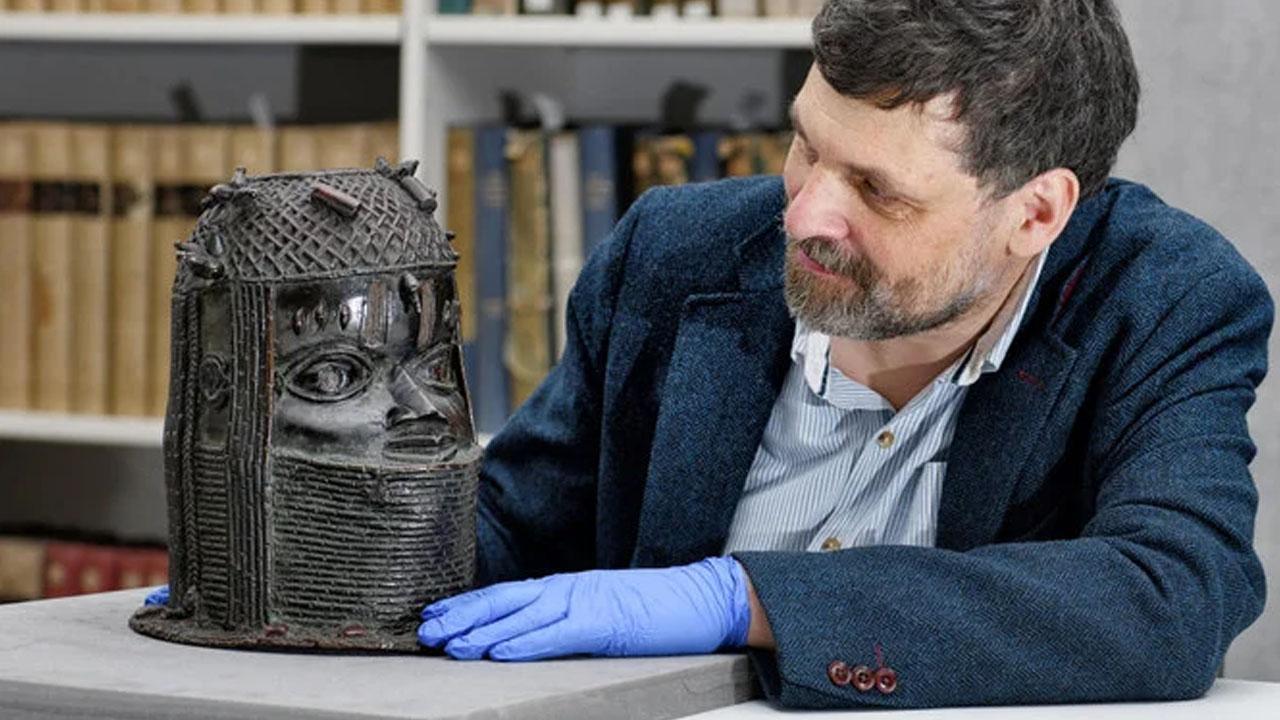
For decades, calls for the return of Benin’s stolen treasures were met with institutional inertia. Yet, sustained pressure from historians, legal scholars, cultural advocates, and diplomatic channels began to yield change. A breakthrough came in March 2021, when the University of Aberdeen announced its intention to return a Benin bronze — a sculpture looted during the 1897 invasion. In the words of a university press release, this act would correct “one of the most notorious examples of the pillaging of cultural treasures associated with 19th-century European colonial expansion.”
This gesture sparked a series of restitutions. Jesus College, Cambridge, followed suit. The Nigerian Government, in concert with the Benin Royal Court and supported by legal scholars such as Professor Bankole Sodipo and governmental figures like Professor Yinka Omorogbe, facilitated high-level negotiations. The Federal Ministry of Information and Culture, then under Alhaji Lai Mohammed, threw its weight behind the initiative, making way for the historic return.
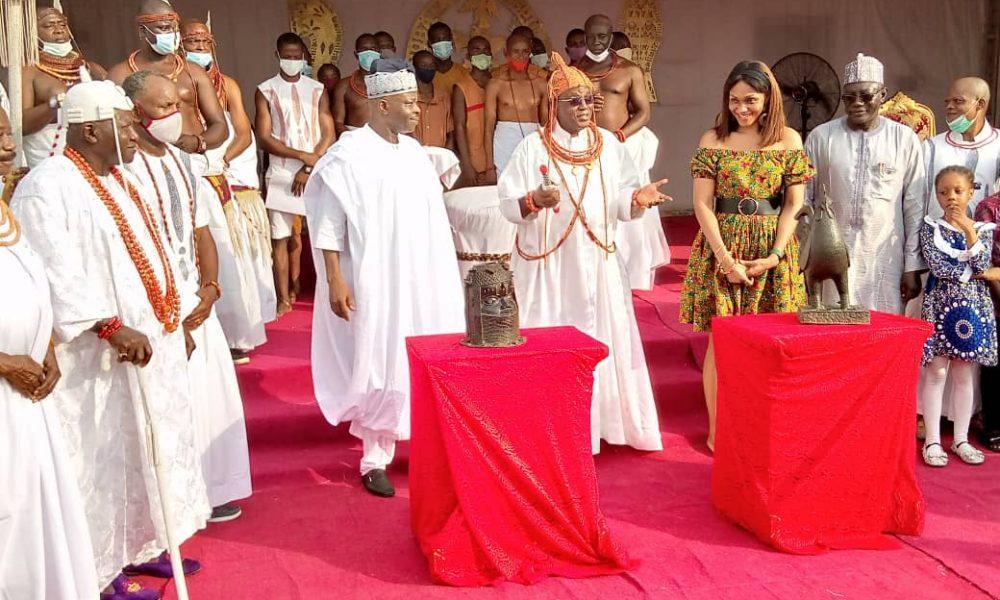
These efforts culminated in multiple ceremonial repatriations. One of the most symbolically potent occurred on February 19, 2022, when the artefacts Okpa (a bronze cockerel) and Uhunwun Elao (an Oba’s head) were returned from Cambridge and Aberdeen to Benin. Valued at £2.5 million combined, they were handed over in an elaborate event attended by representatives from the Benin royal family, traditional rulers, religious communities, and diplomatic delegations.
Ambassador Tunji Ishola, in presenting the artefacts, declared, “These works now return to their rightful home, not as symbols of colonial victory, but as emblems of a resurrected heritage.” The Director-General of the National Commission for Museums and Monuments (NCMM), Professor Abba Tijani, emphasized that these were not mere art pieces but “life-arts”—tangible memories intrinsic to Benin’s historical and spiritual consciousness.
A Sovereign Homecoming: The Triumph of June 2025
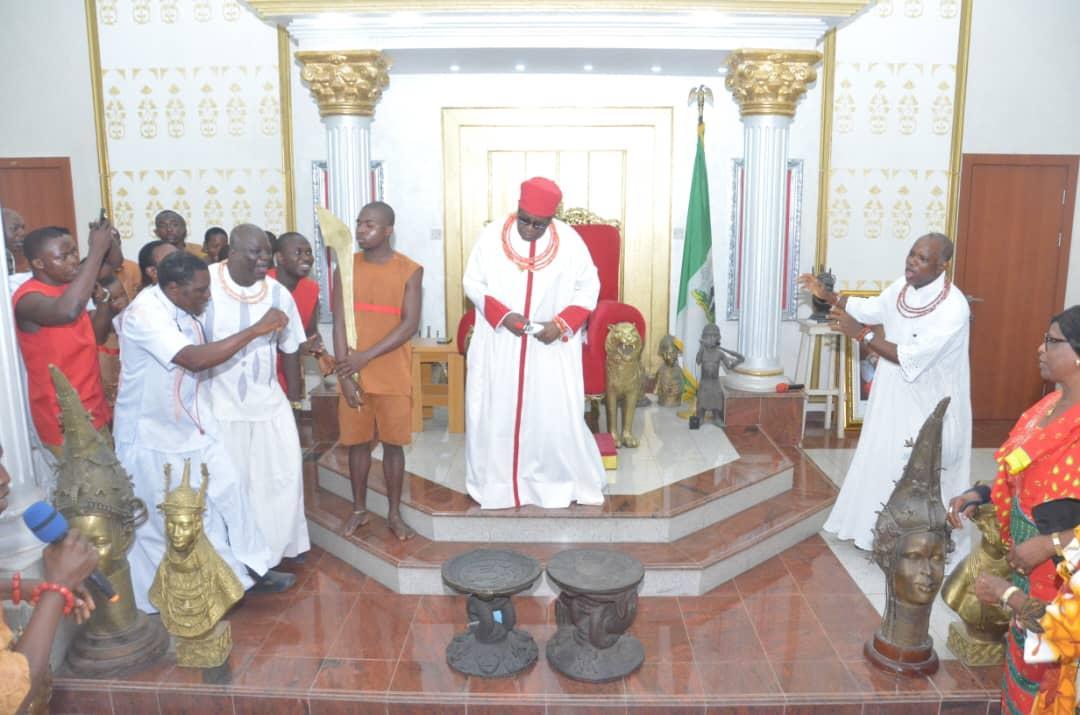
Fast forward to June 18, 2025. In the grand courtyard of the Benin Royal Palace, under the watchful eyes of ancestors and divinities, 119 bronzes — each bearing scars of exile and glimmers of redemption — were formally returned. Dutch authorities, through the Ministry of Education, Culture, and Science, facilitated this latest transfer. Nigeria’s NCMM, now under the leadership of Olugbile Holloway, played a pivotal role.
The highly revered Oba of Benin, His Royal Majesty, Oba Ewuare II, resplendent in royal regalia, did not conceal his emotions. With gratitude and gravitas, he praised President Bola Ahmed Tinubu and Edo State Governor Monday Okpebholo for their unwavering support. He also issued a stark rebuke to clandestine attempts to “re-loot” the returning artefacts.
“There were groups in this country, backed by an international cartel, who conspired to re-loot our artefacts,” the Oba revealed. “But our ancestors protected them. The treasures have come home — not through theft or war, but through justice.”
His Majesty offered prayers, led traditional songs, and danced with the elders — celebrating a spiritual reunion over a century in the making.
Germany Joins the Movement: Royal Stools Restored
Germany, too, answered the call of justice. In May 2024, two royal stools (Ekete), crafted during the reigns of Oba Eresoyen and Oba Esigie, were returned. Made of wood and bronze, these thrones — emblems of kingship and ritual dignity — had resided in European museums for over a century. Their repatriation ceremony in Benin was nothing short of transcendent.
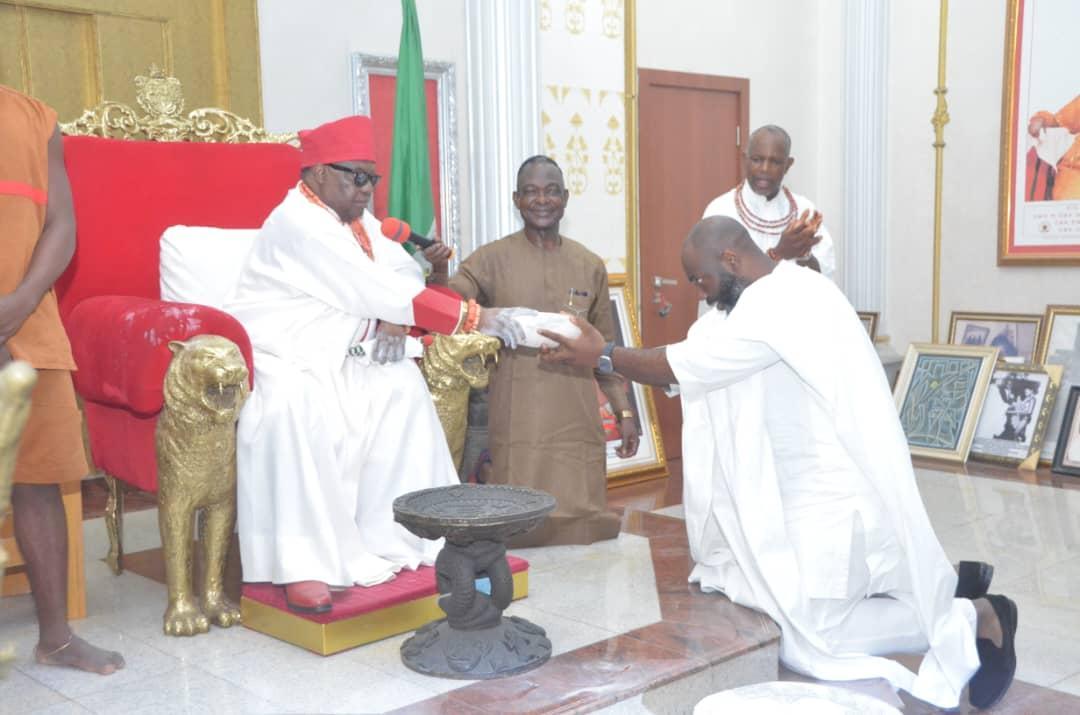
Oba Ewuare II, visibly moved, danced before his ancestors and invoked blessings on the German and Nigerian officials present. In a rare, symbolic act, he sat upon one of the returned stools and presented a white token — symbolizing peace and reconciliation — to NCMM Director-General Holloway.
“This heritage,” Holloway noted, “is not just Benin’s — it is Nigeria’s. We must build a future where these works are preserved, studied, and celebrated in their rightful place.”
Indeed, what began in conquest is concluding in conscience. The journey of the Benin Bronzes — from looted relics in glass cabinets to revered heritage in royal halls — is emblematic of a broader cultural awakening. It is a testament to the power of memory, diplomacy, and persistent advocacy. But the work is far from complete.
Many treasures remain in foreign hands—some hidden, others proudly displayed. Legal scholars such as Femi Falana, SAN, argue that beyond repatriation, Nigeria should seek “aggravated damages” from the British Government for the pillaging of 1897. This legal redress, they contend, is not about vengeance but reparation.
Meanwhile, institutions in Nigeria continue to fortify their custodianship. Edo State has pledged support for state-of-the-art museums and heritage centers to house the returning artefacts. These sites will not only preserve the objects but also serve as educational and cultural beacons, attracting global audiences and inspiring future generations.
The return of the Benin Bronzes is not merely the retrieval of metal and wood — it is the restoration of dignity, identity, and memory. It is a solemn recognition that culture is not static; it is living, breathing, and sovereign.
His Royal Majesty, Oba Ewuare II said it best: “They tried to extinguish the spirit and morale of the Benin people. But the people of this great kingdom have remained bold, brave, and courageous, even after the tragedy of 1897.”