
Food is central to Christmas traditions; bringing families together and creating cherished memories. Yet with the excitement comes responsibility. Food poisoning is largely preventable, and these seven strategies: hygiene, thorough cooking, safe storage, preventing cross-contamination, careful eating out, smart travel, and discarding suspicious food, can dramatically reduce your risk.
By Olabisi Olatunji
The Christmas season is a time of joy; marked by bright lights, laughter, reunions, generous feasting, and long-awaited travel. Kitchens fill with the aroma of spiced meats and baked treats, tables overflow with festive dishes, and families gather from far and near to eat and celebrate. Yet behind this abundance lies a frequently overlooked threat: food poisoning. Each year, thousands fall ill during the holidays due to unsafe food handling, contaminated water, improper storage, or meals prepared in haste. With increased travel, eating outside the home, bulk cooking, and food sitting out for hours during parties, the risk rises sharply.
Food poisoning is not merely inconvenient; it can be dangerous. Vomiting, diarrhea, abdominal cramps, fever, and dehydration can ruin celebrations or require urgent medical care. Young children, older adults, pregnant women, and those with weakened immunity are especially vulnerable.
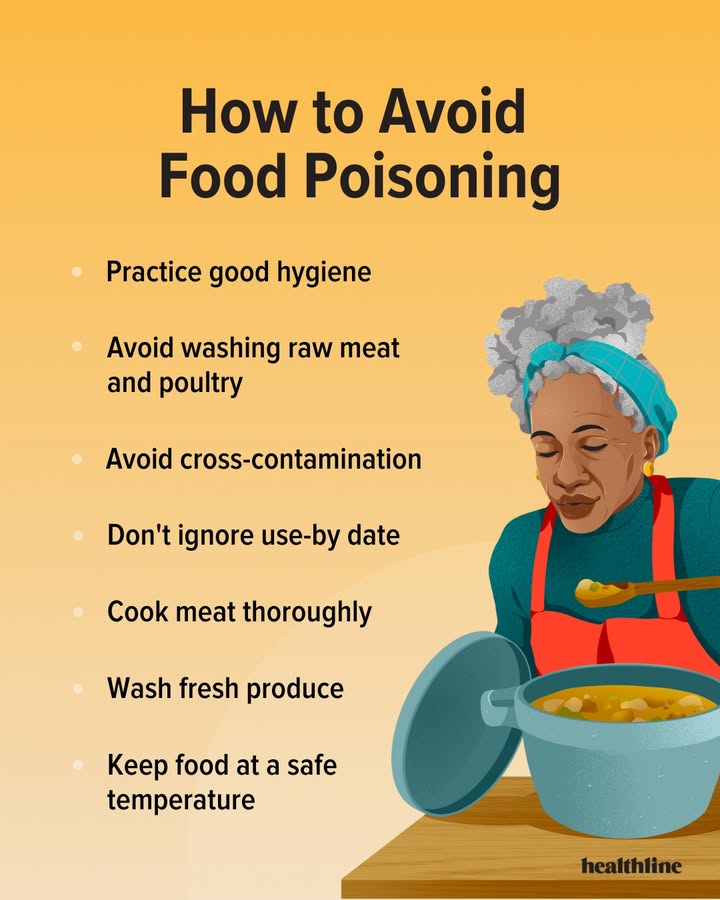
As we celebrate, it is essential to stay mindful of what we eat and how our food is handled. The following seven evidence-based strategies will help keep your festivities safe, healthy, and enjoyable.
1. Practice Strict Hygiene: Clean Hands, Clean Surfaces, Clean Water
The simplest and most effective defense against food poisoning is cleanliness. During Christmas, kitchens are busier than usual; several hands may be involved in cooking, guests may use unfamiliar utensils, and ingredients from different places populate the kitchen. In such moments, hygiene can easily falter, creating room for harmful bacteria like Salmonella, E. coli, Campylobacter, and Listeria.
Wash hands frequently
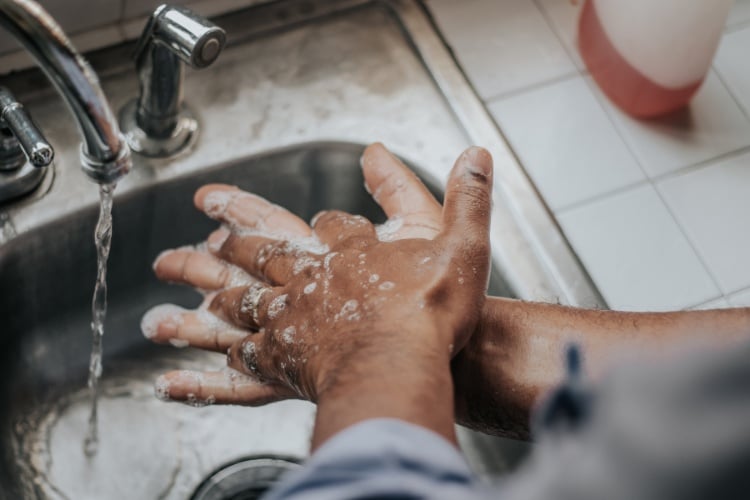
Wash hands with soap and clean water for at least 20 seconds before cooking, after handling raw meat, using the toilet, touching pets, or handling frequently-used surfaces. Children need reminders to wash their hands regularly, especially when snacking while playing.
Keep kitchen surfaces clean
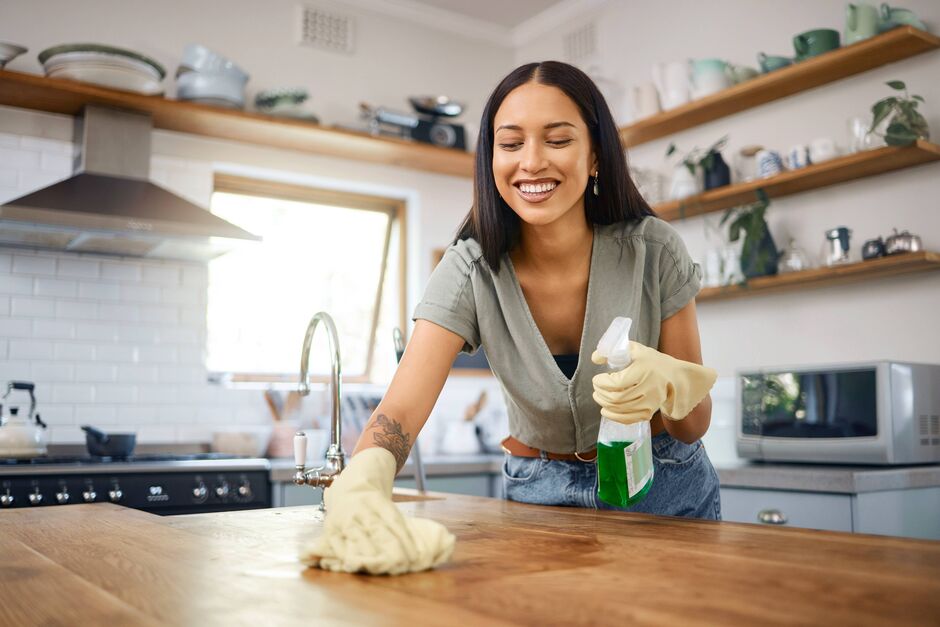
Disinfect countertops, chopping boards, knives, and utensils before and after use. Use separate boards for raw meat and vegetables to avoid cross-contamination. In the rush of holiday cooking, it is easy to reuse the same board or knife, but this small slip can cause serious illness.
Use clean water
Whether at home or traveling, ensure your cooking and drinking water is clean. Use boiled or bottled water if unsure. Contaminated water is a major cause of foodborne illness, especially in unfamiliar environments. Hygiene may seem basic, but during busy seasons, it is your most powerful safeguard.
2. Cook Food Thoroughly: Especially Meats, Poultry, and Seafood
Undercooked foods are a leading cause of holiday food poisoning. Festive dishes like roasted chicken, grilled meats, fried fish, and stews often involve large quantities, increasing the risk of uneven or insufficient cooking.
Ensure proper cooking temperatures
While food thermometers are ideal, simple visual checks help:
- Poultry: no pink flesh or running pink juices
- Fish: opaque and flakes easily
- Stews: boiling thoroughly
- Meats: browned completely with no raw interior unless designed to be rare (and prepared safely)
Avoid partial cooking
Do not half-cook meat and finish it later. This practice allows bacteria to multiply rapidly. Cook meat fully in one session.
Reheat food thoroughly
Leftovers and pre-prepared meals should be reheated until piping hot throughout. Microwaves heat unevenly—stir food and allow standing time for even heating.
Buffet dishes left sitting for hours must be reheated properly before serving again.Thorough cooking turns potentially hazardous ingredients into safe, enjoyable holiday meals.
3. Store Food Properly: Refrigerate Promptly and Safely
Improper refrigeration is responsible for many holiday food poisoning cases. Large batches of food, multiple events, and leftover storage place heavy pressure on the refrigerator.
Follow the “2-Hour Rule”
Perishable foods should not stay out at room temperature for more than 2 hours—and only 1 hour if the weather is hot (32°C / 90°F). This includes rice, soups, vegetables, cream-based dishes, and meat.
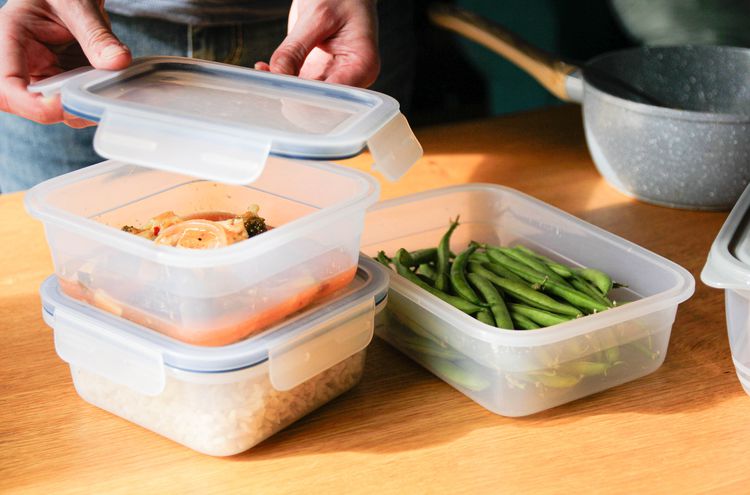
Cool large portions quickly
Foods like rice, soups, and stews take too long to cool in deep pots. To speed cooling:
- Divide into small portions
- Use shallow containers
- Refrigerate immediately
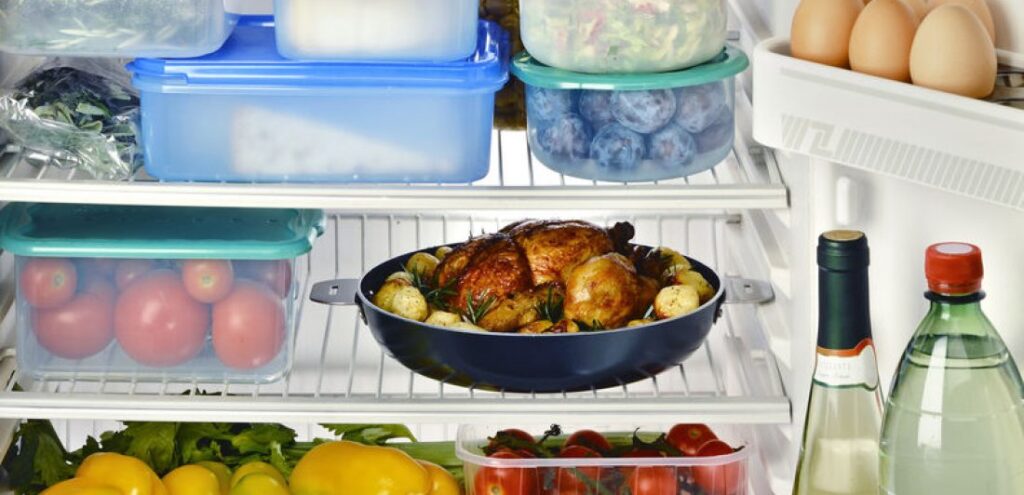
Organize your refrigerator effectively
- Keep ready-to-eat foods at the top
- Store raw meat in sealed containers on the lowest shelf
- Avoid overloading the fridge—air circulation keeps food cold
- Maintain temperatures: 4°C (40°F) or below for fridges and –18°C (0°F) for freezers
Know leftover timelines
- Cooked rice: 1 day
- Fresh salads: 1 day
- Meat or casseroles: 3–4 days
- Soups and stews: 3–4 days
- Reheated meals: consume immediately; do not reheat repeatedly
Safe storage protects both food quality and family health.
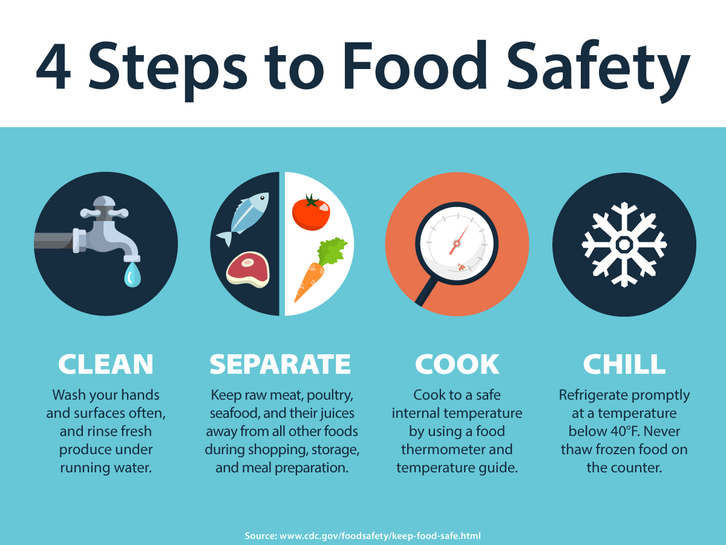
4. Prevent Cross-Contamination: Separate Raw and Cooked Foods
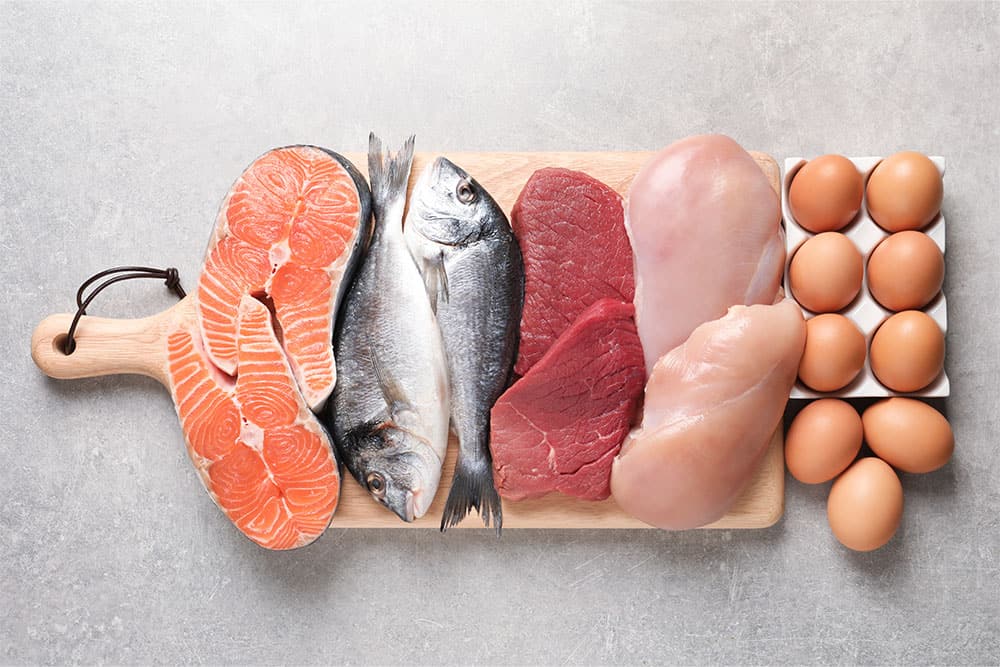
One of the most common holiday kitchen mistakes is allowing raw foods—especially meat, poultry, seafood, and unwashed produce—to touch cooked or ready-to-eat foods.
Common risks
- Using one chopping board for raw chicken and salad
- Reusing plates that held raw meat
- Touching fridge handles with contaminated hands
- Storing raw meat above cooked food, allowing juices to drip
How to prevent it
- Use separate cutting boards for meats and vegetables
- Wash knives, boards, and surfaces immediately after handling raw foods
- Store raw meat in sealed, leak-proof containers
- Keep marinating foods covered and refrigerated
Cross-contamination is invisible but dangerous. Careful separation ensures safe meals.
5. Be Cautious When Eating Outside the Home
Christmas brings travel, gatherings, and events where you cannot control how food is prepared. You may end up eating at airports, roadside stalls, hotels, parties, or unfamiliar homes.
Watch for warning signs
Avoid food that has:
- Sat uncovered for long periods
- Lukewarm temperature
- Flies hovering around
- Dirty utensils or plates
- Handlers who ignore hygiene
- Strange smells or appearance
Choose street food wisely
Street meals can be delightful but risky during peak seasons.
Prefer vendors who:
- Cook food fresh
- Use clean water
- Maintain visible hygiene
- Cook at high heat
Avoid raw salads from uncertain sources.
Be careful with buffets
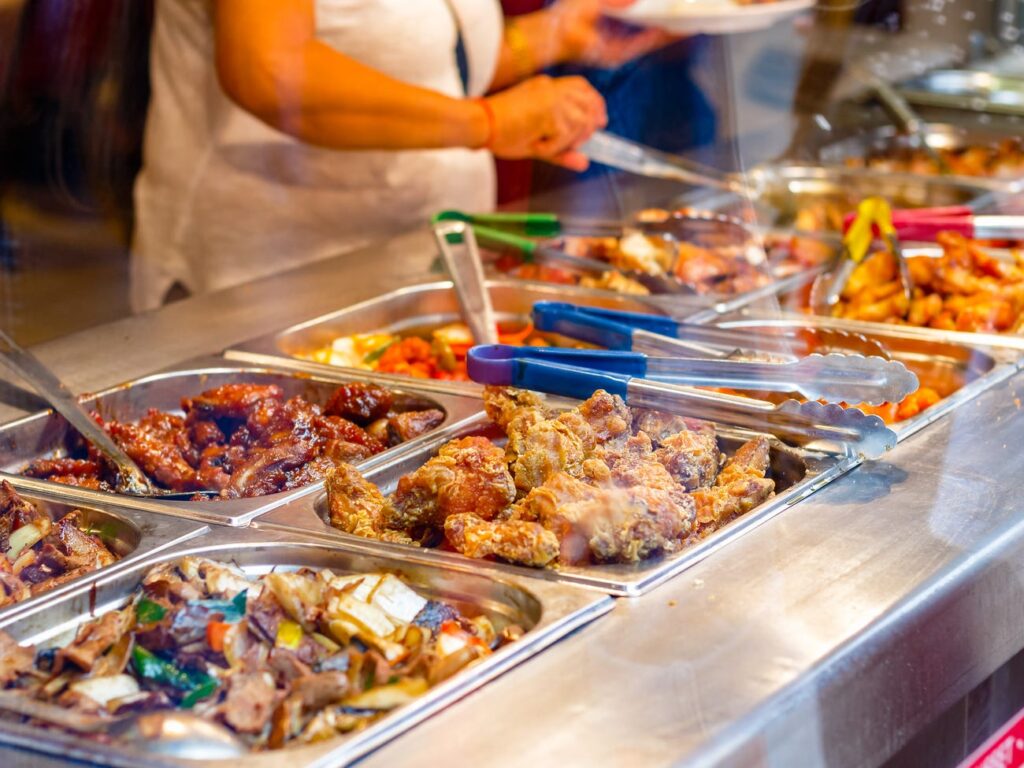
Buffets invite contamination through shared utensils, temperature fluctuations, and crowds.
When unsure, choose hot, freshly prepared dishes. Eating out is part of the Christmas fun—just be selective and vigilant.
6. Travel Smart: Protect Yourself from Food and Water Risks
Travel exposes you to unfamiliar bacteria, cooking practices, and water sources.
Pack safe snacks
Carry shelf-stable options like:
- Nuts
- Dried fruits
- Crackers
- Cereal bars
- Bottled drinks
This reduces reliance on questionable roadside meals.
Watch your water intake
Use bottled or boiled water when in doubt. Avoid ice unless you’re sure it comes from clean water. In high-risk areas, use safe water for brushing teeth.
Choose reputable eateries
Local recommendations, reviews, or well-established restaurants are often safer.
Handle travel food carefully
If carrying home-cooked food, use insulated containers and refrigerate items promptly on arrival.
Travel should enrich the season—not expose you to illness.
7. When in Doubt, Throw It Out
Many holiday illnesses come from ignoring signs of spoiled food.
Never overlook these warning signs:
- Sour or foul smell
- Slimy or sticky texture
- Bubbling in foods that should not ferment
- Mold spots
- Colour changes
- Bitter or unusual taste
- Swollen or leaking packaging
No celebration is worth the risk of eating questionable food. Discard it immediately—even if you feel reluctant to waste it. Remember:
- A small taste can be enough to cause illness
- Children, older adults, pregnant women, and chronically ill people are highly vulnerable
A safe holiday is a joyful holiday. As you celebrate this season, may your meals nourish you, your gatherings strengthen bonds, and your Christmas be filled with peace, love, and good health.