

A 10th Anniversary Reflection by Dr. Francis Ohanyido, Director-General of the West African Institute of Public Health (WAIPH)
As you look out the window from cruising altitude, the vast, stunning tapestry of the African continent unfolds below. It is spell-binding. From the lush forests of the Congo Basin to the golden expanses of the Sahel and the vibrant urban coastlines of Lagos and Cape Town, the view is breathtaking. Yet, as a public health physician and Director-General of the West African Institute of Public Health (WAIPH), my view of this landscape is layered with a deeper, more urgent complex structure.
Over this last decade, we have been on the frontline of battling infectious and noncommunicable diseases and strengthening health systems. But the most defining shift I have witnessed is not just the emergence of new viruses; it is the undeniable, accelerating impact of climate change on the fundamental health of our people. Health, is the human face of climate change.
For too long, climate change was discussed solely as an environmental issue anchored on a matter of rising sea levels and carbon footprints. In Africa, we know it is profoundly a public health crisis. It is a threat multiplier that reshapes how we live, how we travel, and how we stay well. From my vantage point, reflecting on ten years of data and field experience, the signals are flashing red. We are seeing the ecology of disease change before our eyes.
The Redrawn Maps of Disease
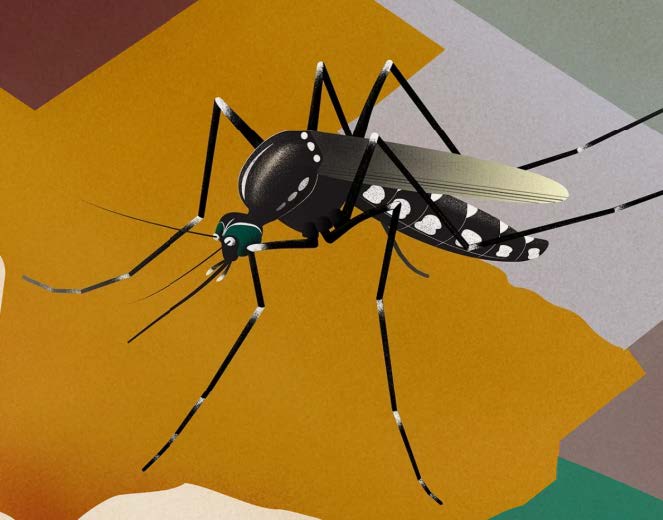
The most direct impact is the shifting footprint of vector-borne diseases. Malaria, ancient scourge of our continent, is moving. As temperatures rise, mosquito populations are thriving in highland areas previously considered relatively safe due to cooler altitudes. Cities that once had seasonal respite are facing longer transmission windows. For populations in these areas, and for travelers visiting them, the risk profile has fundamentally altered. Simultaneously, we face the twin crises of too much water and too little. Intense rainfall events trigger cholera outbreaks and waterborne diseases in rapidly growing urban centers with strained sanitation infrastructure. Conversely, prolonged droughts in regions like the Horn of Africa and parts of the Sahel create severe water scarcity, compromising basic hygiene and leading to malnutrition that makes populations more vulnerable to illness.
The Traveler in a Warming World
So, what does this mean for you, sitting in seat 14A, traveling to Lagos for business, Accra for a conference, or Nairobi for a safari? Climate change significantly impacts the health of global travelers by increasing risks from extreme weather, the expansion of infectious diseases, compromised food and water safety, and air pollution. These evolving threats require proactive preparation and awareness from both travelers and the tourism industry. It means that traveler’s health is no longer just about getting your yellow fever shot and packing antimalarials. It requires a “climate-smart” approach to wellness. The environment you are stepping into is more dynamic and, in some cases, more demanding on your physiology than it was a decade ago. Heat, is the often-overlooked adversary. Urban heat island effects in rapidly densifying African cities can push temperatures to dangerous levels. For travelers unacclimatised to extreme heat, the risk of dehydration, heat exhaustion, and heatstroke is real and rising. This is not merely discomfort; it is a significant health risk, particularly for older travelers or those with underlying conditions.
At the Institute, we are not just sounding the alarm; we are leveraging technology and adaptation strategies. We are using satellite data, crowd-sourced data and AI-powered analytics to predict climate-sensitive disease outbreaks and working with governments to build “climate-resilient” health systems, hospitals that can withstand floods and supply chains that do not break during extreme weather.
Your Climate-Smart Travel Toolkit
Resilience starts with you. As you touch down, use these bite‑size tactics to stay healthy in a warming Africa, and help push the bigger agenda. Hydrate smart, not just more. Drink before thirst hits; add electrolytes in heat. Choose sealed water, cut wasteful showers.
Beat the heat. Schedule outdoor work for early/late hours, adopt “siesta” breaks, wear light, loose clothing, and retreat if you feel off.
Outsmart disease. Get climate‑aware travel‑clinic advice, use repellents, nets, and proper clothing even where risk seemed low.
Enjoy the incredible vibrancy of Africa! Stay hydrated, stay aware, and travel well. We are all navigating this new atmosphere together.

About the Author: Dr. Francis Ohanyido – physician, strategist, and entrepreneur with nearly three decades shaping health in Africa. He has cut his teeth with UNHCR, UNICEF, WHO, USAID, the Sabin Institute and more, and now steers the West African Institute of Public Health as Director‑General and serves as President Emeritus of the Academy of Public Health. He advises governments, sits on the Africa CDC Scientific Programme Committee and the Africa Digital Health Networks Taskforce, and champions climate‑responsive health systems, universal health coverage, primary care, health security and health‑tech. He holds fellowships with the UK’s Faculty of Public Health, the Royal Society for Public Health and the Academy of Public Health.