
… Twenty-Five Years of Felabration and the Eternal Pulse of Afrobeat
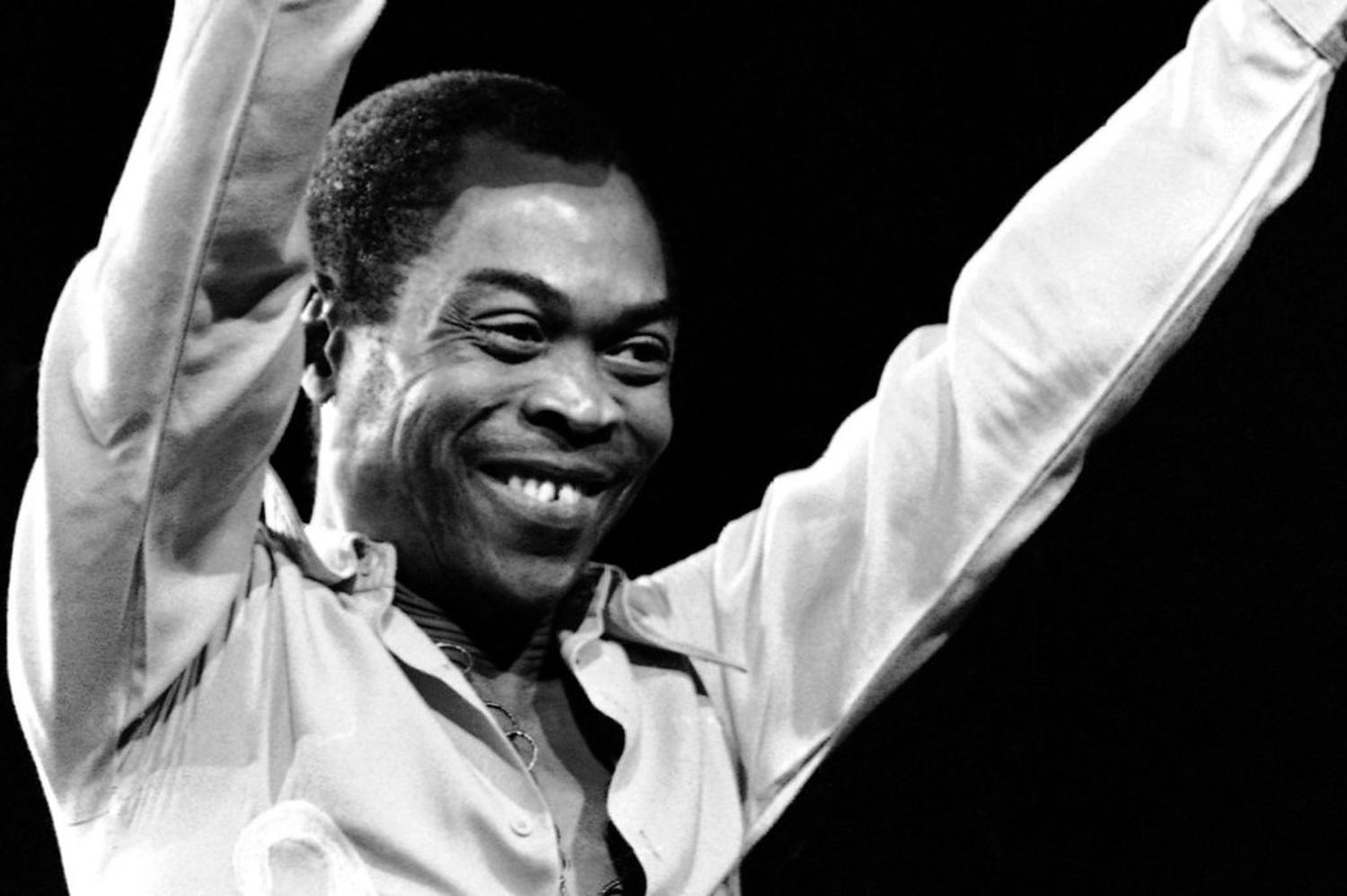
For twenty-five years, Felabration has stood as more than a festival, it is Nigeria’s loudest act of remembrance, rebellion, and renewal. In 2025, the silver jubilee edition transformed Lagos into a living symphony of sound, intellect, and movement. From symposiums to exhibitions, concerts to academic dialogues, the spirit of Fela Anikulapo-Kuti; musician, philosopher, and eternal provocateur, once again danced defiantly through the nation’s conscience.
By David Edremoda
It was as though the spirit of Fela Anikulapo-Kuti had once again risen from the smoldering embers of Nigeria’s restless soul. From October 13 to 19, 2025, Lagos and beyond pulsed with his rhythm, his laughter, his defiance. The 25th edition of Felabration; a festival that began as a family remembrance and has since evolved into a national ritual; unfolded across a week of music, thought, performance, and reflection. It was not merely a celebration of a man, but a meditation on what he represented: the unbroken will of a people to question, to dance, to dream, and to resist.
In Lagos, the city that once housed his Kalakuta Republic and still bears his imprint in its music and movement, Felabration 2025 was less an event than a reawakening. The New Afrika Shrine, that modern temple of dissent and rhythm, hosted this year’s central symposium, inspired by one of Fela’s most deceptively gentle songs: Water No Get Enemy. The theme, simple yet profound, opened a channel for conversation about ecology, public responsibility, and the fragility of existence in a world where nature, too, is under siege.
Senator Ben Murray-Bruce, who chaired the gathering, captured the mood of urgency. “When Fela wrote Water No Get Enemy, perhaps he did not imagine the phrase as prophecy,” he said. “But Fela could see the future. He understood the environment. Today, flooding paralyzes Lagos; plastic chokes our waterways. This is not a debate; we all agree pollution is dangerous. Plastic must be banned, and we must re-educate our people to respect nature. Government must lead by example.”
Tokunbo Wahab, Lagos State Commissioner for the Environment and Water Resources, extended the argument: “Nobody can live without water; nobody can fight against it because water is life itself. But our own actions; blocking drainages, reclaiming wetlands, have turned blessings into disasters. These floods are not natural; they are man-made.” He reminded the audience that Lagos’ very history, its trade, economy, and settlement patterns, was sculpted by water, warning that continued defiance of nature would amount to slow suicide.
This was Fela’s genius reborn; to compel introspection through art. The symposium’s conversations echoed his lifelong message: that political and environmental care are inseparable; that survival itself is a moral act.
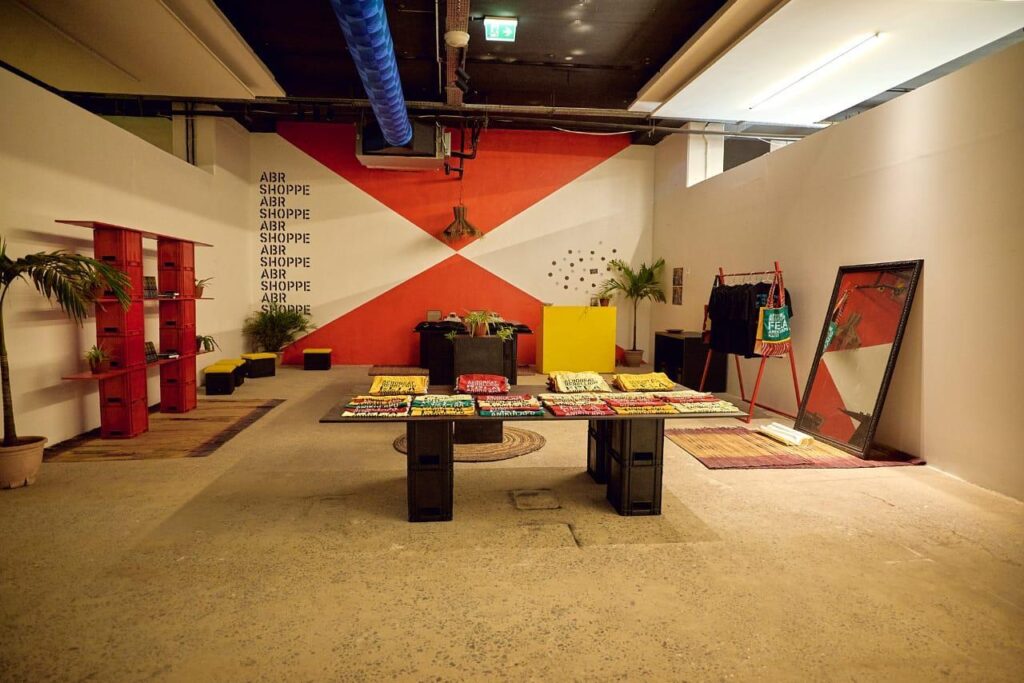
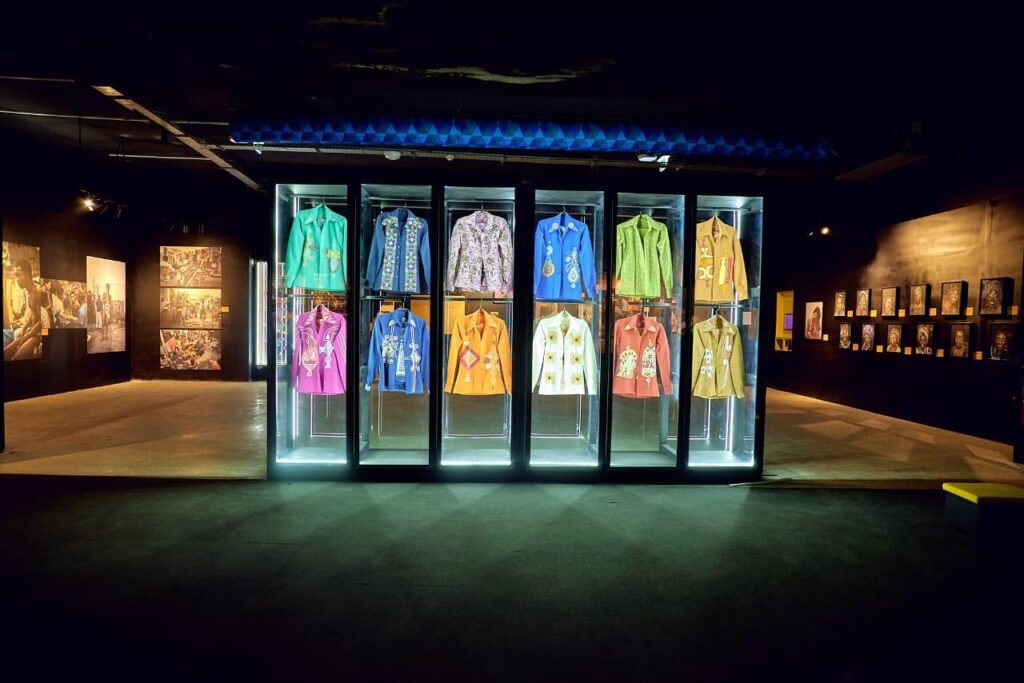
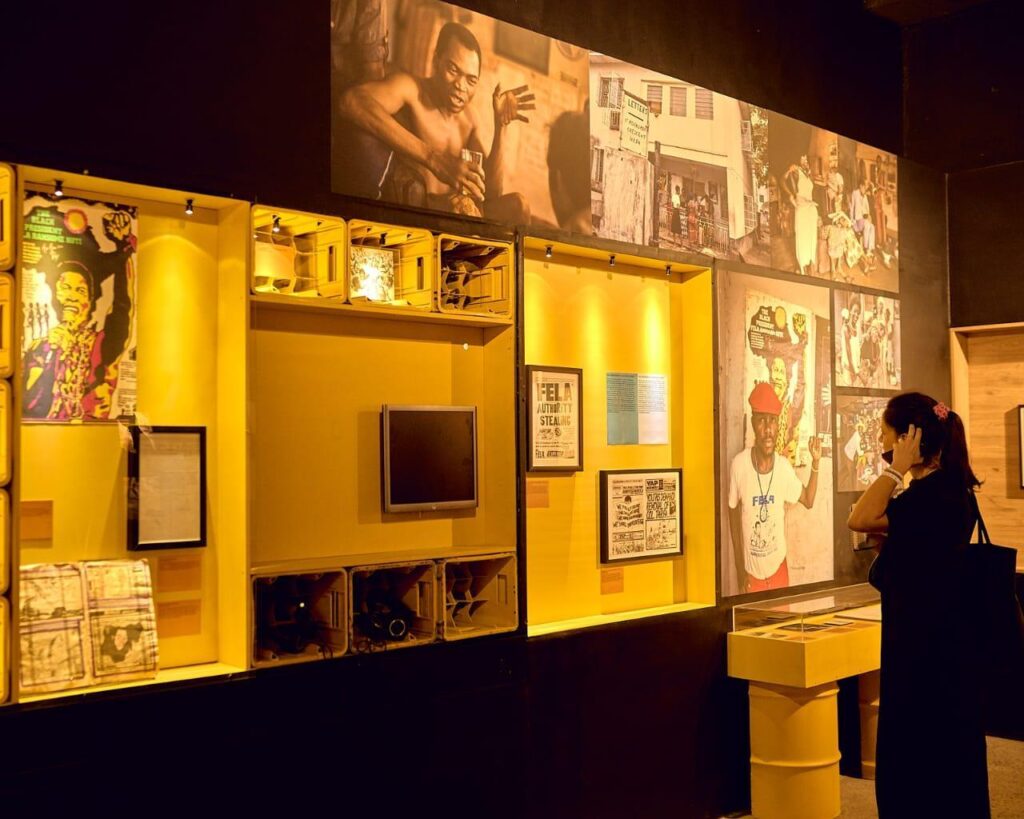
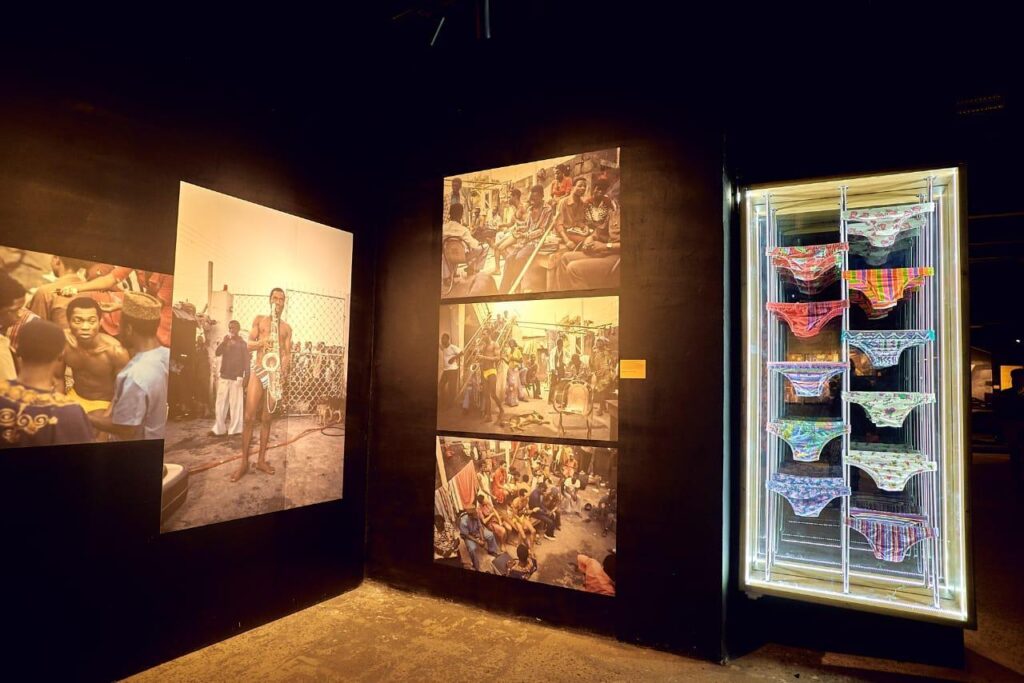
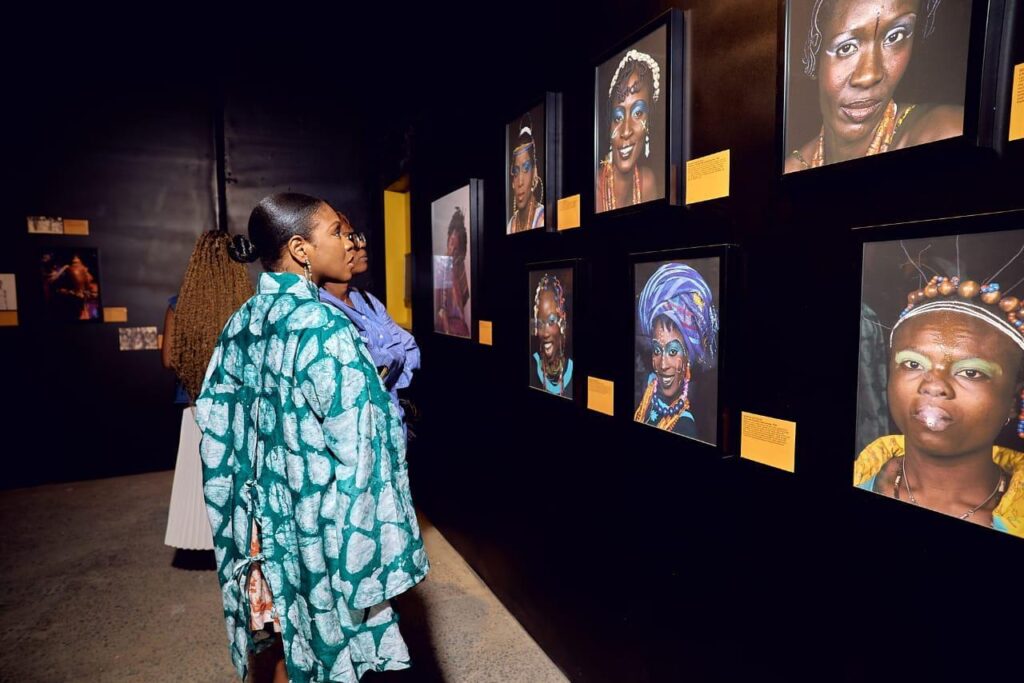
Across the city, other events deepened that message. The Afrobeat Rebellion Exhibition, running from October to December at the Ecobank Pan African Centre, offered a vivid, multi-sensory journey through the life and afterlife of Fela. Curated by Seun Alli and organized by A Whitespace Creative Arts Foundation in partnership with the French Embassy, the Kuti family, and the Philharmonie de Paris, it reimagined Fela not just as musician or rebel, but as philosopher and cultural theorist.
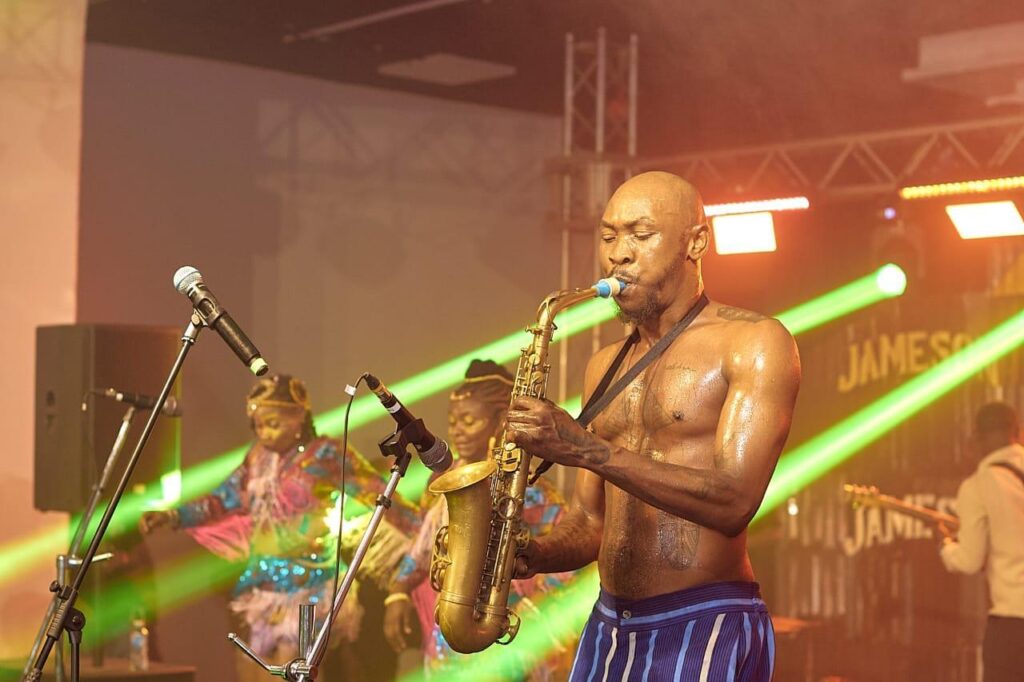
Within the exhibition’s ten sections, visitors wandered through meticulously recreated fragments of Fela’s world: photographs from Kalakuta, garments and instruments, his queens and comrades, the grime and glory of Lagos streets. Archival recordings bled into projected images; the air itself seemed to hum with saxophone riffs and slogans. Opening night was a constellation of cultural energy — performances by Seun Kuti & Egypt 80, Ezra Collective, and an audience of artists, diplomats, and admirers who danced beneath the soft glow of history’s remembrance.
“Too often, Fela is reduced to catchphrases; Zombie, Water No Get Enemy, or tales of his 27 wives,” said curator Seun Alli. “But Afrobeat Rebellion refuses that flattening. It shows Fela as a thinker whose music was a political philosophy. He was not simply performing rebellion; he was theorizing freedom.”
Papa Omotayo, founder of A Whitespace Creative Arts, spoke with quiet conviction about the exhibition’s larger ambition: “This is more than nostalgia. It’s a laboratory for the next generation. We’ve trained scenographers, audiovisual artists, and curators. We want young Nigerians to learn that art and activism can coexist; that beauty and resistance are not enemies.”
Laurent Favier, the French Ambassador to Nigeria, noted that the exhibition symbolized “culture as bridge, a conversation between nations, a celebration of collaboration, and a tribute to an artist whose influence transcends borders.”
And indeed, the dialogue stretched beyond Lagos. This year’s Felabration deliberately entered academic spaces, carrying its intellectual fire into the University of Ibadan, where scholars gathered under the banner Unfiltered Fela: The Public Thinker. Here, the conversations grew more introspective. Fela was not canonized; he was dissected, debated, and rediscovered. Literary critics, philosophers, historians, and students examined his lyrics as texts of political thought; works that anticipated theories of governance, environmental justice, and collective resistance.
In one session, Fela was discussed alongside Wole Soyinka; as inheritors of a lineage of protest that uses art as moral argument. Another panel read his songs through ecocritical and sociological lenses: How do Fela’s rivers and cities speak? What does his music say about the crowd as a political body? Scholars explored contradictions too. His radicalism mingled with patriarchal undertones, his populism at times clashing with intellectualism. Yet, as one participant observed, “To study Fela is to confront contradiction itself; and that is what makes him real.”
Such inquiry revealed the new soul of Felabration: it is no longer merely a festival of sound, but a republic of ideas. By treating Fela as a public intellectual, these sessions invited younger Nigerians to see popular culture as legitimate scholarship; a way of thinking through the nation’s moral and political anxieties.
But even amidst the academia, the music did not fall silent. Lagos’ nights throbbed with concerts — Femi, Seun, and Made Kuti returning the stage to ancestral fire; DJs blending vintage Afrobeat with contemporary Afrobeats, proof that Fela’s rhythm continues to mutate and multiply. There were children’s workshops, art installations, “Dress Fela” fashion competitions that transformed costume into cultural memory, and countless impromptu performances that erupted on street corners and university lawns.
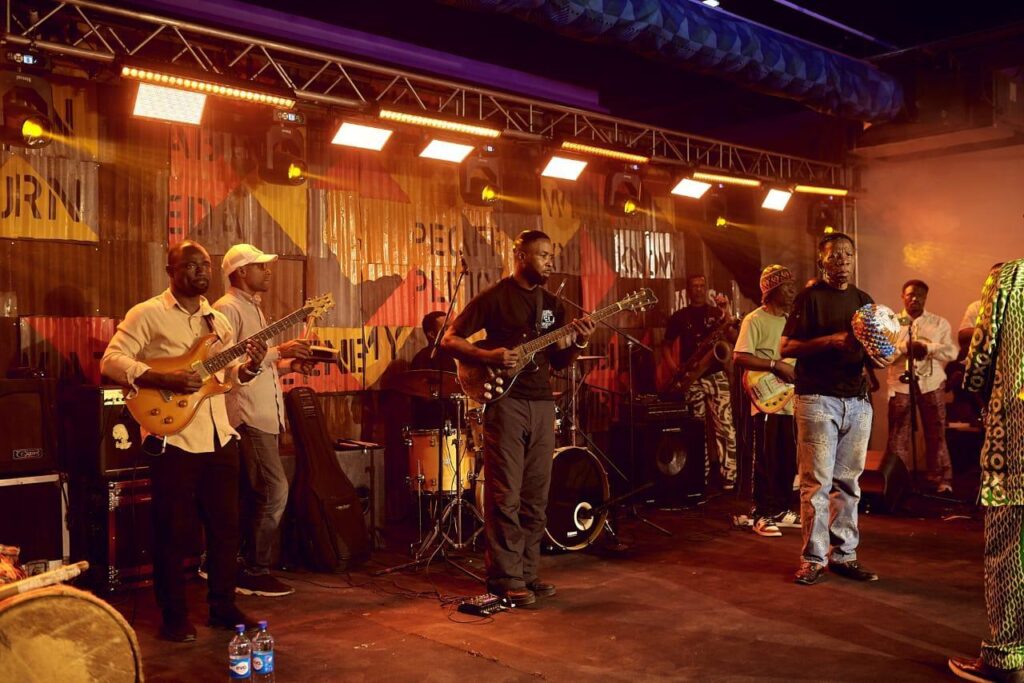
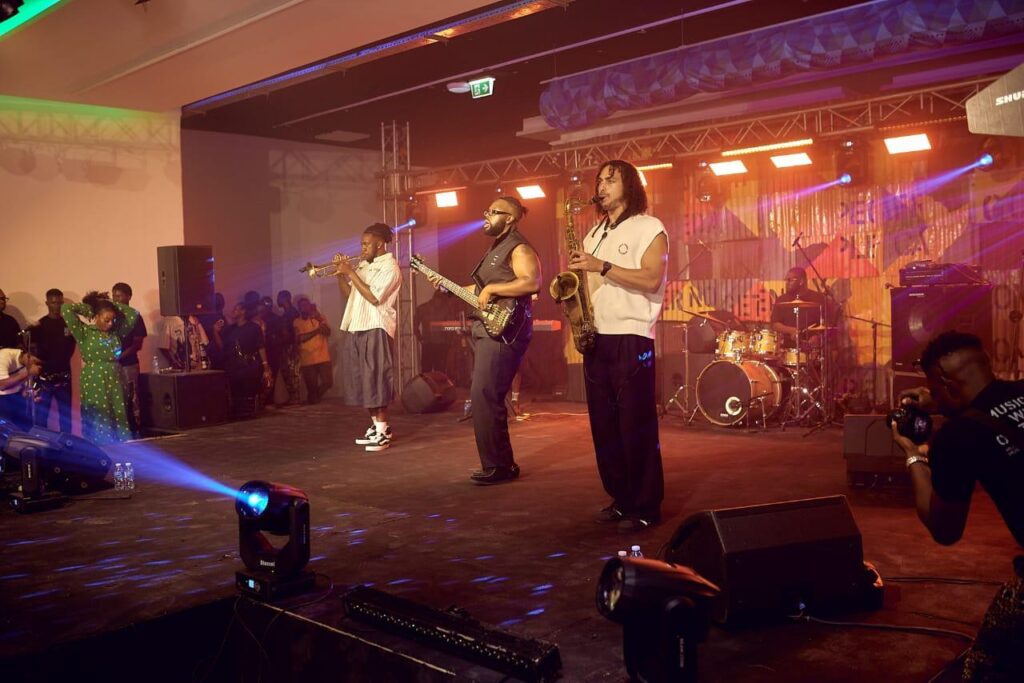
In its totality, Felabration 2025 was not nostalgia; it was continuity. It reminded Nigerians that Fela’s rebellion was never against a single regime or moment; it was against amnesia. His insistence that music must speak truth to power remains as urgent in the age of climate crisis and digital capitalism as it was under military rule.
This quarter-century milestone also carried a quiet poignancy. Many who had attended the first Felabration, in the modest yard of the Kalakuta Museum, now watched their children sing his songs. The festival’s endurance; despite shifting governments, economic turbulence, and changing tastes, speaks to the depth of Fela’s impact. He has become not just memory but metaphor: a way of naming courage.
In an era when commodified entertainment often replaces cultural critique, Felabration insists on merging pleasure with politics. Its enduring power lies in its refusal to simplify Fela; to keep him difficult, ungovernable, yet necessary. As the night closed at the Shrine and saxophones wailed into the humid Lagos air, one could feel the audience vibrating with something beyond nostalgia. It was communion; not with a ghost, but with an idea: that freedom, like rhythm, never dies.
Twenty-five years on, Felabration has matured into one of Africa’s most significant cultural gatherings, a festival that reaffirms the continent’s genius for synthesis: of music and thought, ritual and rebellion, beauty and critique. It is the living testament that art, when rooted in truth, can outlast tyranny, poverty, and even death. And so, each October, as drums echo once more across the Lagos night, the city seems to whisper back to the spirit of its most unruly son: Fela, we remember. We are still fighting. We are still dancing.