
In a country where much of the built environment changes quickly, three iconic hotels remind us that design can preserve history, anchor identity, and offer continuity. The hope is that their stories told in brick, concrete, and space are never erased, but celebrated as part of Nigeria’s cultural and architectural heritage.
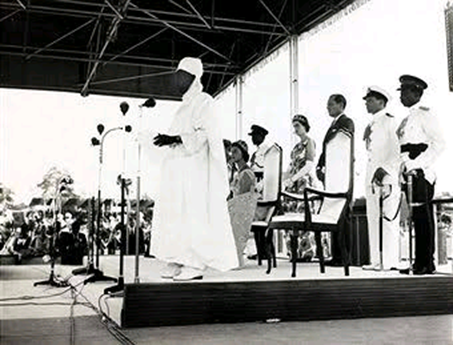
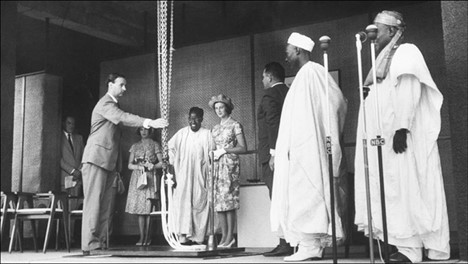
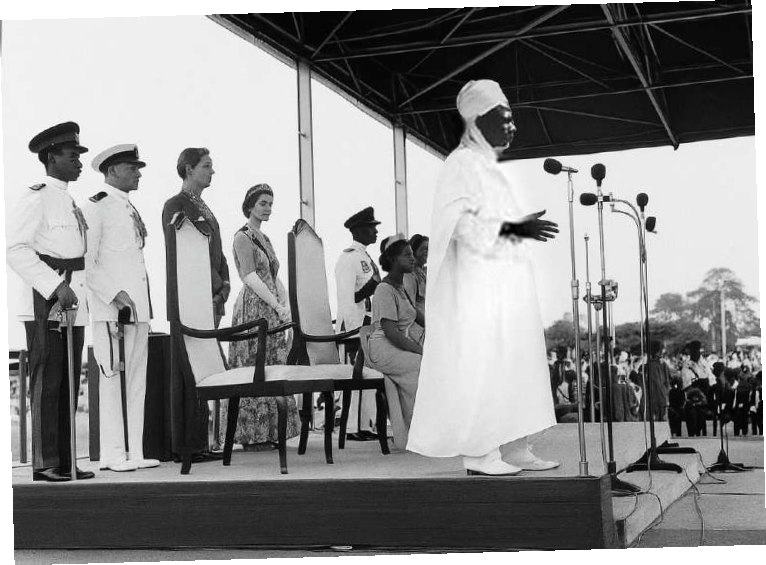
As Nigeria marks 65 years of independence, we pause to look beyond the parades and speeches to the places in hospitality that shaped our sense of belonging in those early years. Three hotels helped define the young nation’s identity. More than places to sleep, they became symbols of pride, capturing the optimism of independence.
Each reflected the strength of its region, offering a stage where Nigeria could host the world with confidence. Together, they tell a story not just of hospitality, but of how architecture and culture framed our sense of place in those formative decades.
Federal Palace Hotel, Lagos
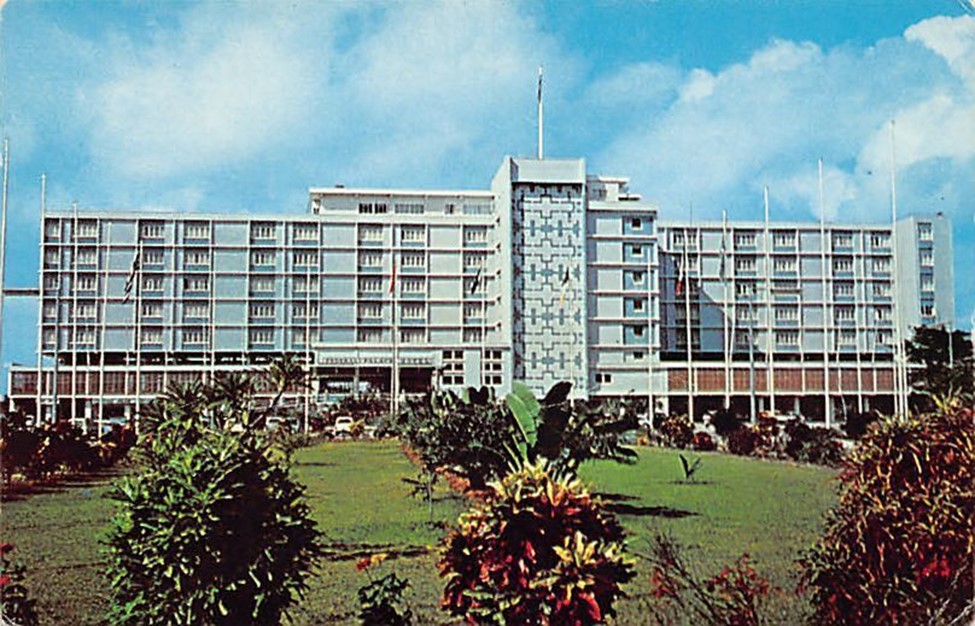
Opened in 1960, the Federal Palace Hotel stood as Lagos’s premier symbol of modern elegance at the dawn of independence. Strategically located on Victoria Island, it wasn’t just a hotel it was the capital city’s handshake with the world.
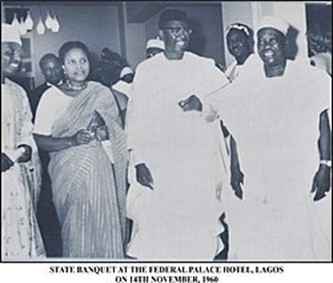
When Nigeria gained its independence from Britain in 1960, it was in the main boardroom of the newly constructed Federal Palace Hotel that the country’s declaration of independence was signed. This very boardroom remains one of the hotel’s defining features today. The official celebration later took place in the hotel’s Independence Hall, which went on to host other historic gatherings including the 1977 summit of heads of state of the Organization of African Unity and the Festival of African Arts and Culture (FESTAC).
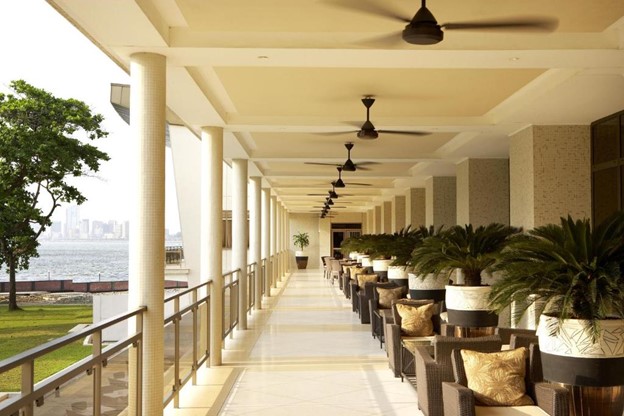
Architecturally, the hotel blended clean modernist lines with tropical sensibility, offering wide verandas, airy halls, and sweeping waterfront views that instantly made it a landmark. Inside, its ballrooms and dining rooms became backdrops for state functions, diplomatic receptions, and cultural gatherings.
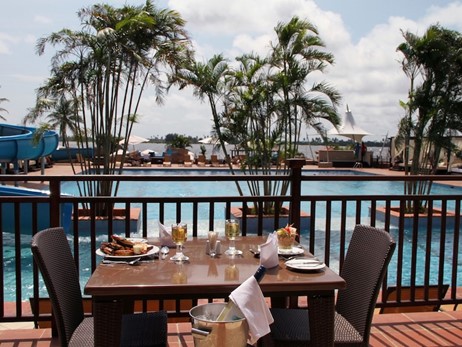
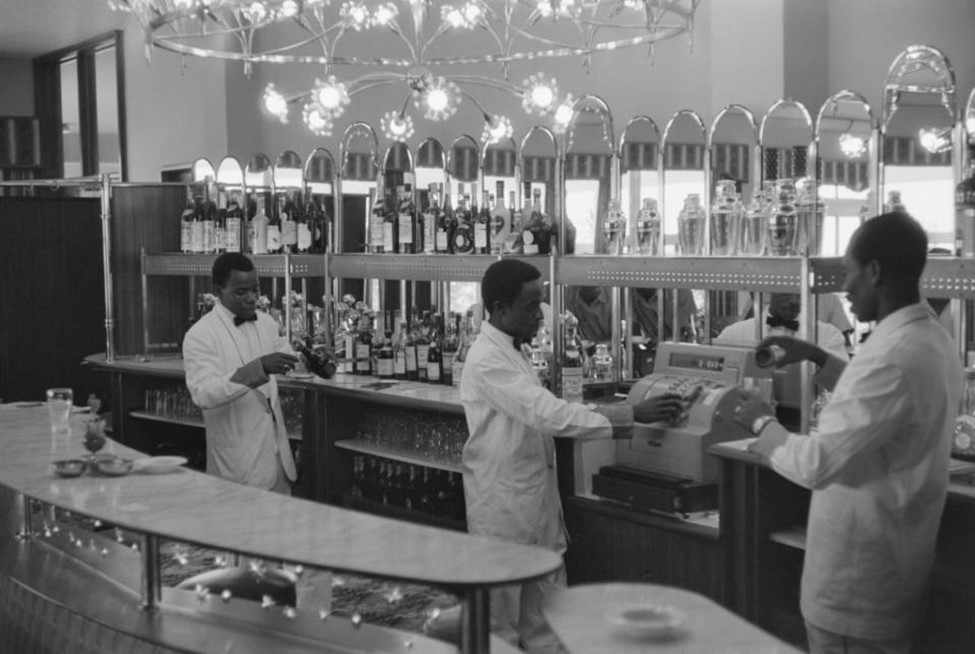
Though Lagos has since expanded into a city with countless hotels, the Federal Palace remains one of the enduring symbols of Nigeria’s entry into global society where design was never just about aesthetics but about identity and presence.
Hotel Presidential, Enugu
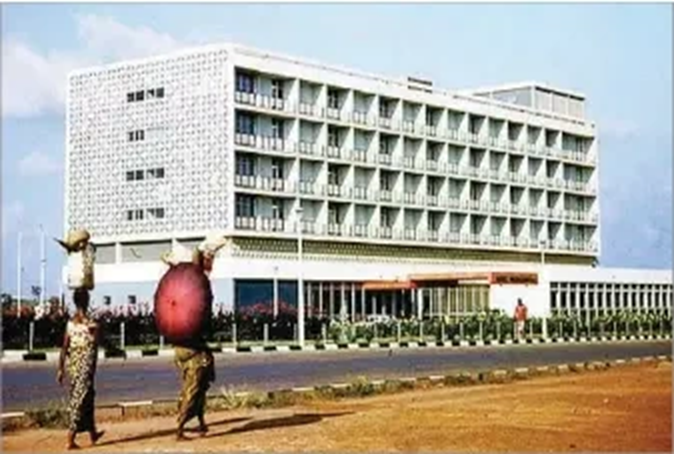
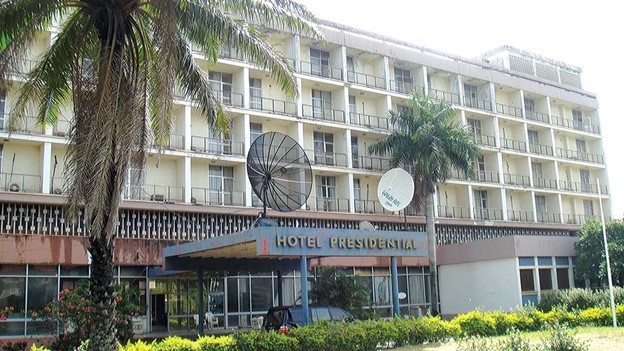
Completed in 1963, Hotel Presidential in Enugu embodied the energy and optimism of Eastern Nigeria. At the time, Enugu was a thriving hub of commerce and politics, and the hotel was designed to reflect that ambition.
Its imposing structure and generous scale made it more than accommodation it was a civic statement. The grand halls welcomed international guests, regional leaders, and hosted social events that helped shape Eastern Nigeria’s cultural confidence.
Architecturally, the hotel carried the bold, mid-century modern design of its era: strong lines, expansive spaces, and a layout intended to impress. Its purpose was clear, o signal that the East could stand tall in both hospitality and design, proud of its place within the federation.
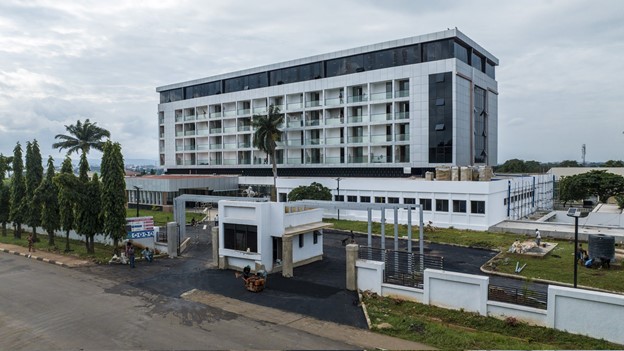
Recently, after 15 years of closure, Hotel Presidential reopened its doors following extensive renovations to world-class standards, part of Enugu State’s renewed economic vision. This revival ensures that the hotel continues to serve as both a landmark and a reminder of the region’s proud heritage.
Hamdala Hotel, Kaduna
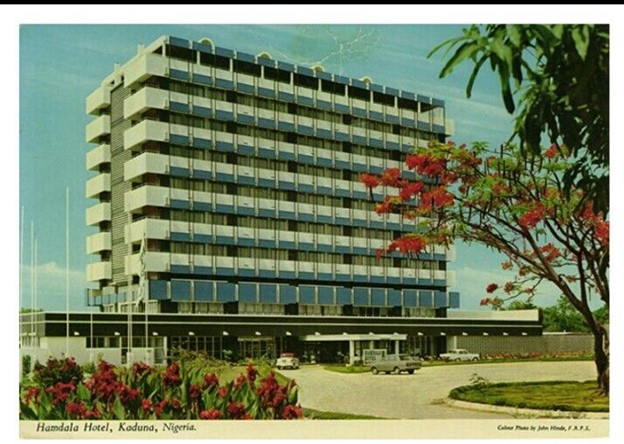
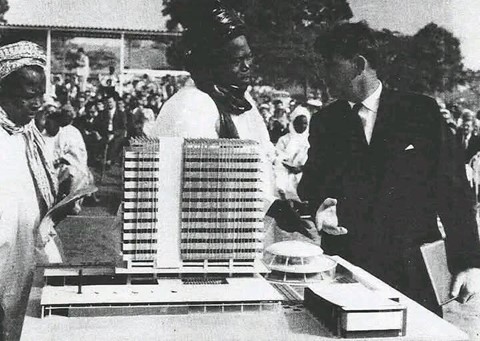
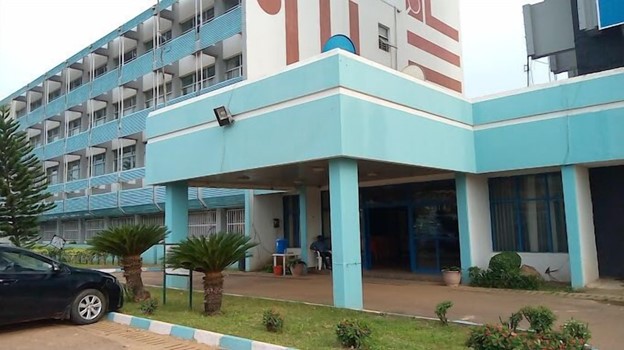
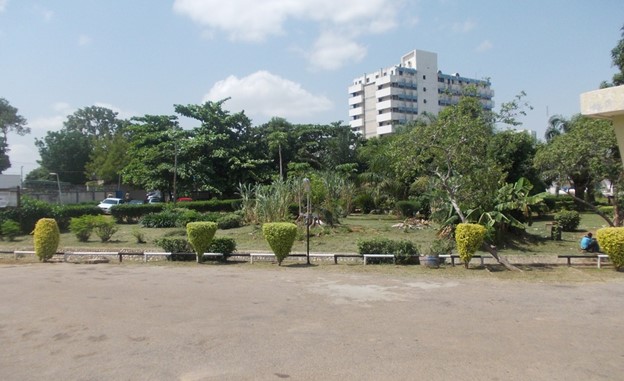
Hamdala meaning “praise be to Allah was built in 1961 as Northern Nigeria’s flagship hotel. It was not only the first of its kind in the region but also the brainchild of Sir Ahmadu Bello, the Sardauna of Sokoto and Premier of Northern Nigeria. His goal was to position the North as not only a political power, but also a center of commerce, culture, and modern hospitality.
Built to international standards, Hamdala quickly became a beacon of progress. Its tall, commanding structure reflected practicality and stature, offering facilities that served both local elites and international dignitaries.
At the time, Kaduna was emerging as the political capital of the North, and Hamdala was its social anchor. In its ballrooms and terraces, regional leaders gathered, dignitaries from abroad were welcomed, and the North projected its ambitions in the wider federation.
More than a hotel, Hamdala stood as a marker of pride, rooted in cultural identity and regional strength.
Final Boarding Call
Federal Palace, Hotel Presidential, and Hamdala are more than just hotels. They are architectural witnesses to Nigeria’s independence story. Each was a regional statement of pride, designed not only to host but also to symbolize ambition. Their ballrooms, facades, and public spaces still carry echoes of their original purpose, even as they adapt to new uses.
In a country where much of the built environment changes quickly, these hotels remind us that design can preserve history, anchor identity, and offer continuity. The hope is that their stories told in brick, concrete, and space are never erased, but celebrated as part of Nigeria’s cultural and architectural heritage.
Ada Ekwueme-Oguike is the creative mind behind Lighthouse Interior Design, a
Lagos-based firm reimagining the art of boutique interiors. Specializing in both
residential and hospitality projects, Ada’s work is a testament to her love for thoughtful design and storytelling.