


Understanding Cholesterol, Its Hidden Dangers, and Seven Ways to Stay Ahead
By Ndubuisi Nnebeolise (MD)

High cholesterol is a quiet trespasser. It seeps into your life without sound or warning, building up over years as you go about your days feeling perfectly well. You might jog every morning, eat sensibly, and consider yourself healthy, yet still have too many lipids circulating in your blood. It does not cause pain, fatigue, or visible change; it hides in plain sight. Only a simple blood test reveals its presence. And therein lies its danger: this is a condition that affects people of every age, even the fit and seemingly vibrant, and it often does so invisibly for decades.
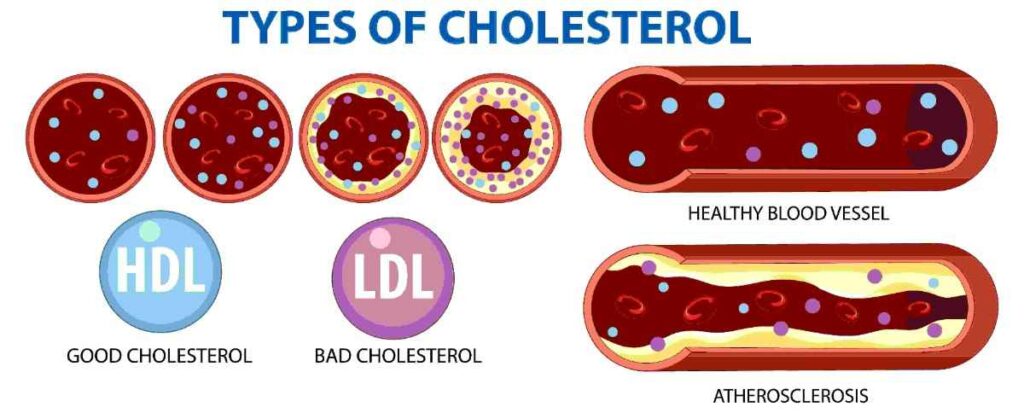
Cholesterol itself is not the enemy. It is a waxy, fat-like substance that every cell in the body depends on for structure and hormone production. The liver makes what the body needs, while food provides the rest. In the right balance, cholesterol sustains life; in excess, it begins to endanger it. When too many lipids accumulate in the bloodstream, they combine with other substances to form plaque, a sticky deposit that clings to the walls of arteries. Over time, these deposits silently narrow the vessels and restrict blood flow. The process; atherosclerosis, unfolds without warning, gradually transforming once-supple arteries into rigid, narrowed pathways. The flow of blood, the body’s own river of life, becomes obstructed. The result may not be felt for years, until one day it announces itself as chest pain, a stroke, or something more devastating.
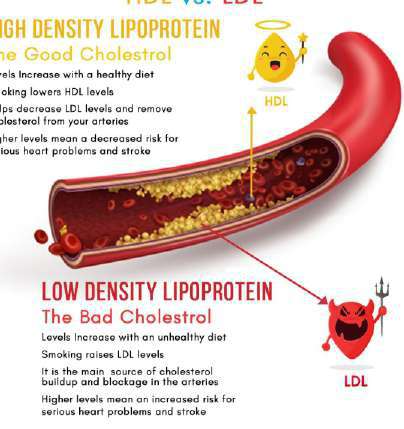
Within this delicate balance lies a subtle distinction between what we call good and bad cholesterol. The body carries cholesterol through lipoproteins. High-density lipoprotein, or HDL, acts as a scavenger, carrying excess cholesterol away from the arteries back to the liver, where it is broken down and removed. It is the “good” cholesterol, the housekeeper that keeps the system clean. Low-density lipoprotein, or LDL, is the opposite: it deposits cholesterol into artery walls, gradually forming the plaque that blocks them. A healthy body depends on the equilibrium between these two forces. When LDL rises too high or HDL falls too low, the imbalance sets the stage for disease.

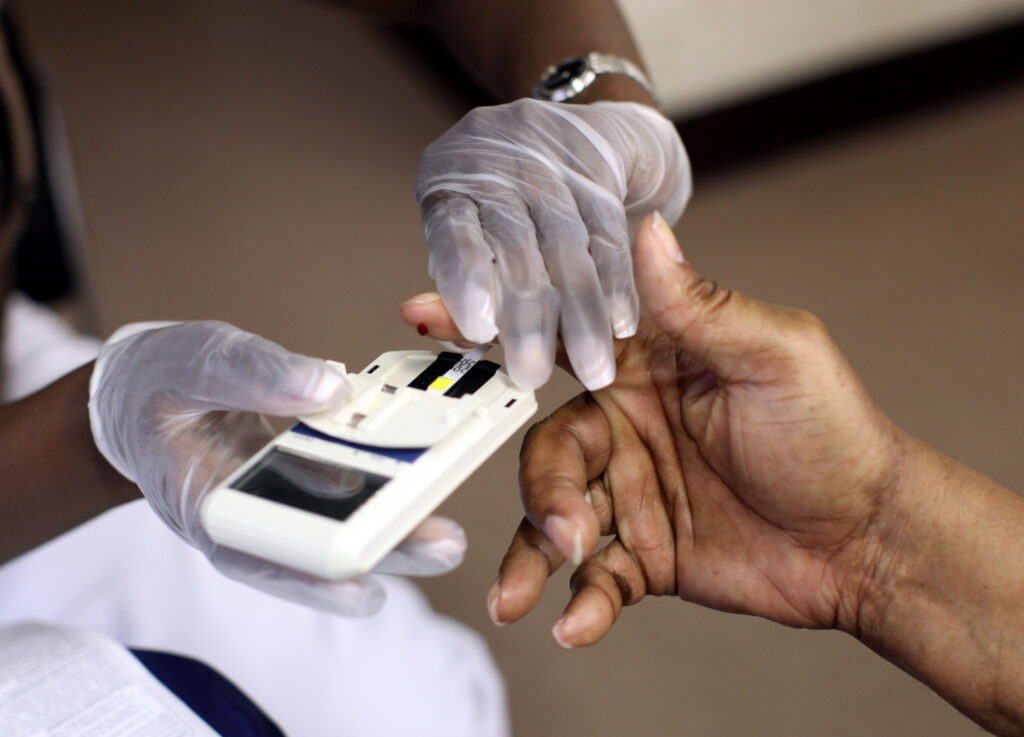
This silent progression often begins early in life, which is why health professionals encourage cholesterol testing from childhood. Even young, active individuals can have elevated levels, especially if there is a family history of heart disease. A pattern of screenings, every few years in youth, more frequently in adulthood, can reveal problems before they turn dangerous. To “know your numbers” is to take back awareness from an otherwise invisible threat.
The reasons cholesterol rises are varied. Lifestyle and genetics play an intricate duet, sometimes harmonizing, sometimes colliding. Smoking and tobacco use damage blood vessels and lower good cholesterol. Sedentary habits rob the body of the metabolic boost that physical activity provides. Stress alters hormonal pathways, prompting the liver to release more cholesterol. Alcohol, though often culturally celebrated, raises total cholesterol when consumed excessively. And the modern diet; with its processed foods, saturated fats, and hidden trans fats, feeds this imbalance silently, meal by meal. Yet even in those who live mindfully, heredity can exert its quiet influence. For some, the liver simply produces too much cholesterol regardless of lifestyle choices, proving that this is not a condition of indulgence but often of biology.
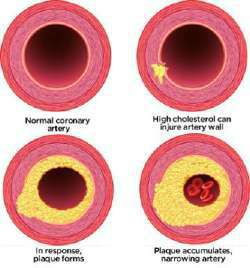


The relationship between cholesterol and disease is not a one-way street. High cholesterol can lead to medical problems such as coronary artery disease, but certain diseases can also drive cholesterol levels upward, creating a complex interplay that challenges even the healthiest intentions. Chronic kidney disease, for instance, alters the body’s lipid metabolism, raising triglycerides and LDL while suppressing HDL. People living with HIV face a similar challenge, as chronic inflammation, even when the virus is well managed, accelerates the buildup of plaque within arteries. Thyroid disorders distort the way the body processes fats; too little thyroid hormone raises cholesterol, while treatments for excessive thyroid activity may also elevate it. Lupus and other inflammatory conditions ignite persistent immune responses that hasten the hardening of arteries. Hormonal disorders such as polycystic ovary syndrome change lipid profiles as well, raising bad cholesterol and lowering the good. Diabetes, especially the type linked to insulin resistance, magnifies these effects, producing higher triglycerides, lower HDL, and smaller, denser LDL particles that easily burrow into artery walls.

Each of these conditions illustrates cholesterol’s dual nature: it can both create disease and be created by it. In this cycle, inflammation is the common thread, quietly fueling both cause and consequence. Over years, the damage accumulates within the walls of blood vessels, constricting them like a garden hose filled with sediment. The heart must work harder to push blood through, and pressure builds; a phenomenon we call hypertension. High blood pressure and high cholesterol often coexist, amplifying each other’s risks. The arteries stiffen, the heart strains, and the stage is set for heart attacks, strokes, and organ damage.
The tragedy is that none of this pain is felt as it develops. The process is slow, mechanical, and mercilessly quiet. It is possible to have pristine outward health while, within, the arteries grow narrower with every passing year. When the heart’s own arteries become compromised, the condition is known as coronary artery disease. It weakens the heart’s muscle by starving it of oxygen-rich blood. Plaque in the carotid arteries, which feed the brain, can cut off oxygen and cause strokes. When the same process occurs in the legs, it becomes peripheral artery disease, often unnoticed until movement triggers pain that eases with rest. All of these are manifestations of a single underlying problem: too much cholesterol flowing for too long without correction.
And yet, despite its reach, high cholesterol is not invincible. The condition may be quiet, but it is not beyond control. The key lies in awareness: knowing your numbers, understanding your risks, and making consistent, thoughtful choices that help restore balance. While medication can play a powerful role, much of the power to shape your cardiovascular future still rests in everyday life.
Seven Preventive Measures to Keep Cholesterol in Check
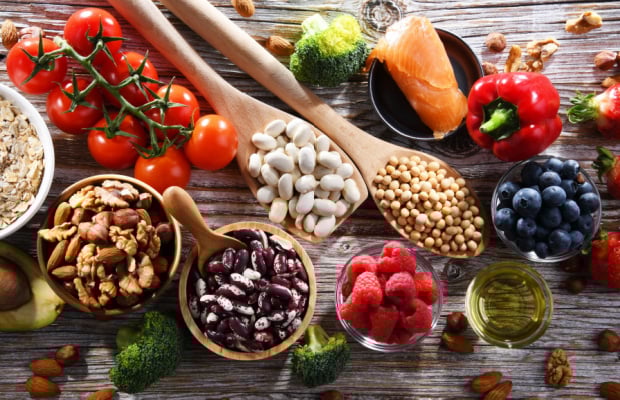
- Adopt a Heart-Smart Diet
Focus on foods rich in omega-3 fatty acids, soluble fiber, and plant sterols. Replace red meats with fish or legumes, and cook with olive or avocado oil instead of butter. - Stay Physically Active
Aim for at least 150 minutes of moderate aerobic exercise per week. Walking briskly, cycling, or swimming helps raise HDL and lower LDL. - Quit Smoking
Each cigarette damages your blood vessels and reduces HDL. Within months of quitting, your body begins to repair itself. - Limit Alcohol
Moderate drinking—if at all—is key. Excess alcohol elevates triglycerides and total cholesterol. - Manage Stress Wisely
Chronic stress can alter your body’s hormonal balance, leading to higher cholesterol. Mindfulness, yoga, or simple breathing exercises can help. - Maintain a Healthy Weight
Even a small reduction in body weight can significantly lower LDL and triglyceride levels while boosting HDL. - Get Regular Checkups
Never underestimate the power of monitoring. Routine lipid panels reveal changes early, allowing timely intervention.
Lowering cholesterol is rarely achieved through one measure alone. Often, it takes a blend of lifestyle changes, dietary adjustments, and, when necessary, medication. Statins and other lipid-lowering agents can be lifesaving, particularly for those whose high cholesterol stems from genetic or medical causes. But progress takes time, and even the most disciplined routines may not yield immediate results. Cholesterol management is not a sprint but a lifelong conversation between you, your provider, and your body.
Having high cholesterol is not a personal failure, it is a reflection of countless subtle processes quietly shaping your biology. What matters is awareness, and the willingness to act. High cholesterol may be silent, but its message is clear: listen early, and you can rewrite the story before it ever turns tragic.
Ndubuisi Nnebeolise is a Medical Doctor