
By Candice Eze
Nigeria’s journey over the past six and a half decades is a compelling narrative of resilience, ambition, and profound transformation. Emerging from colonial rule in 1960, the nation stepped onto the world stage as Africa’s most populous country, carrying immense hopes and daunting challenges. Over 65 years, Nigeria has experienced sweeping changes that have shaped its identity, redefined its destiny, and showcased the dynamic spirit of its people.
From the earliest days of independence, Nigeria embraced the complex task of uniting diverse ethnicities, languages, and cultures under a single national umbrella. The country’s path has been marked by moments of tremendous achievement, including groundbreaking political milestones, cultural triumphs, and pioneering feats in science and technology. Yet, it has also faced formidable trials: periods of military rule, economic upheavals, social unrest, and security challenges that tested the fabric of the nation.
This chronicle of 65 remarkable events distills the essence of Nigeria’s multifaceted evolution, revealing stories of leadership struggles, democratic awakenings, and vibrant cultural expressions that have captivated the world. It highlights Nigeria’s pivotal role in continental affairs, its burgeoning influence in global arts and sports, and its ongoing quest to balance tradition with modernisation.
Each event, carefully selected, represents a chapter in Nigeria’s unfolding saga, moments that sparked hope, inspired change, or served as cautionary reminders. Together, they illuminate a nation continually reinventing itself amid adversity and opportunity, standing as a testament to the unwavering courage and creativity of Nigerians. As Nigeria strides into the future, this journey of 65 years offers invaluable lessons and a profound sense of pride. It is a story not just of a country, but of a people who continue to aspire, endure, and thrive against all odds.
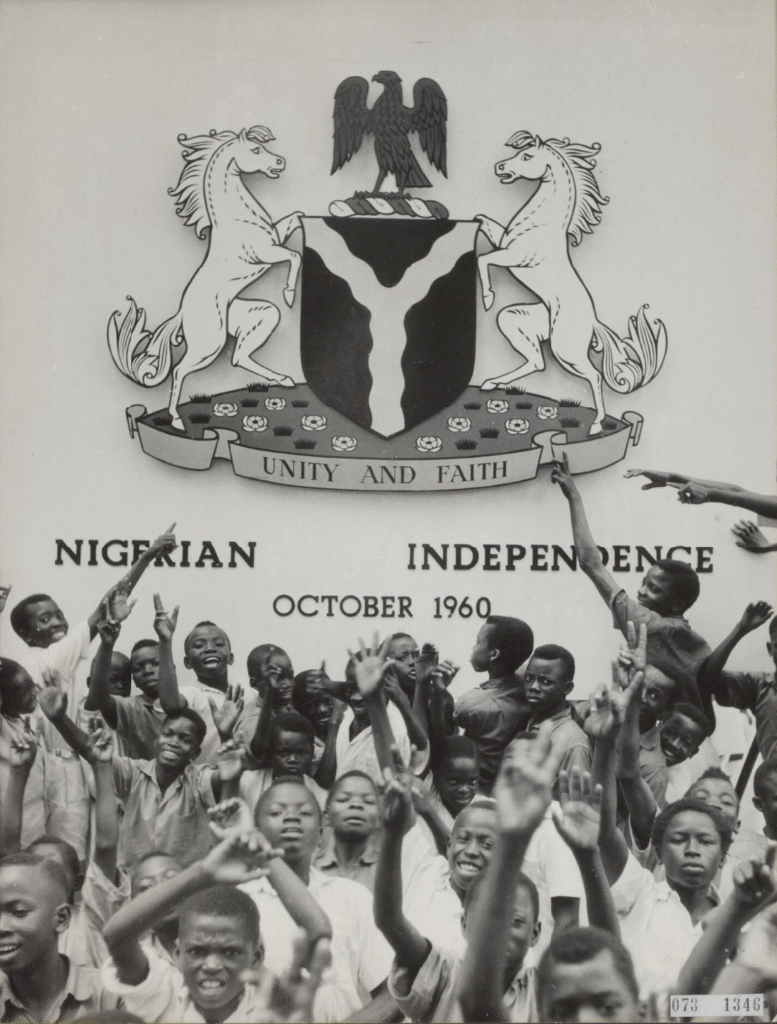
1. Nigeria’s Independence (1960)
On October 1st, 1960, Nigeria gained full independence from British colonial rule, marking the birth of Africa’s most populous nation. This moment ignited hope for unity, self-determination, and economic growth under indigenous leadership, as national pride soared across regions.
2. Republican Status Declared (1963)
Nigeria officially became a republic in 1963, severing all remaining constitutional ties with the British monarchy. Nnamdi Azikiwe became the first President, reinforcing national sovereignty and deepening the foundations of democratic governance in the post-independence political structure.
3. First Military Coup (1966)
The first military coup on January 15, 1966, ended Nigeria’s First Republic. Spearheaded by young army officers, it overthrew Prime Minister Tafawa Balewa’s government, citing corruption and regional tensions, which marked the start of a long military era.
4. Counter-Coup and Assassination of Ironsi (1966)
A counter-coup in July 1966 led to the assassination of General Aguiyi Ironsi and escalated ethnic animosities. Lieutenant Colonel Yakubu Gowon emerged as Head of State, setting the stage for further instability and the looming civil war.
5. Nigerian Civil War Begins (1967)
The Nigerian Civil War broke out in July 1967 following the declaration of the Republic of Biafra by Colonel Ojukwu. The bloody conflict lasted three years, deeply affecting national unity and leading to massive humanitarian crises and global attention.
6. End of Civil War (1970)
The civil war ended in January 1970 with the surrender of Biafran forces. Gowon declared “no victor, no vanquished,” initiating post-war reconstruction, reconciliation, and reintegration of the Eastern region, though emotional and economic scars persisted for decades.
7. Murtala Muhammad’s Coup (1975)
General Murtala Muhammad seized power from General Gowon in 1975, promising a return to civilian rule and national reform. His short but impactful leadership re-energized the civil service and set in motion the plan to move the capital to Abuja.
8. Assassination of Murtala Muhammad (1976)
Murtala Muhammad was assassinated during a failed coup in February 1976. His death shocked the nation, but the government remained stable under his deputy, Olusegun Obasanjo, who continued the transition toward civilian rule and upheld reform efforts.
9. FESTAC ’77 (1977)
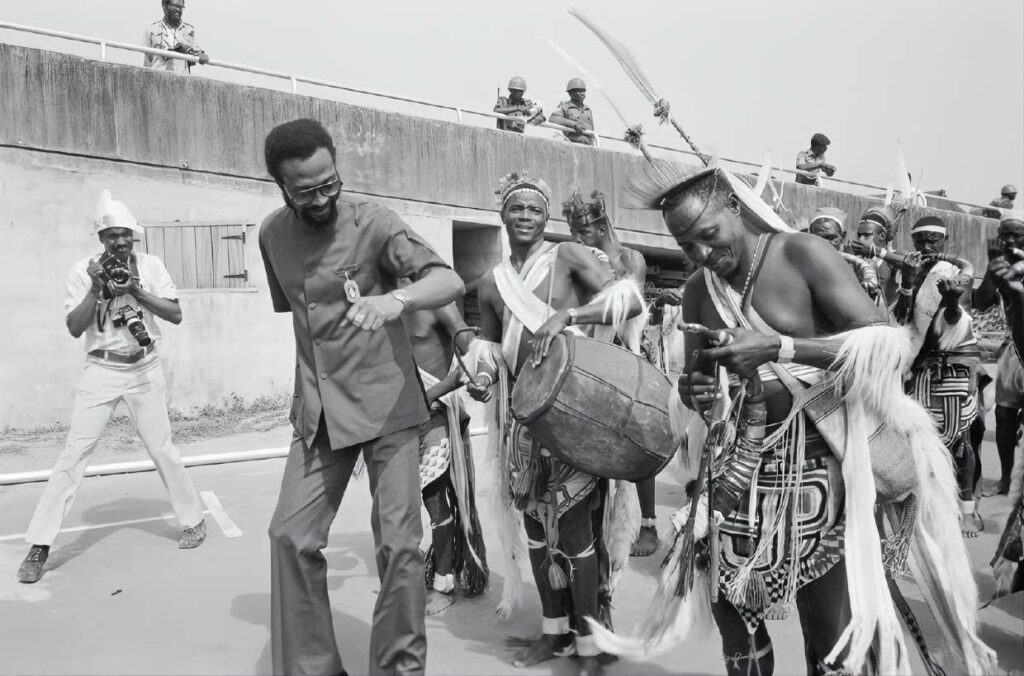
The Second World Black and African Festival of Arts and Culture, held in Lagos in 1977, showcased African and Black cultural heritage. It brought together artists and performers from across the globe, highlighting Nigeria’s leadership in pan-African cultural revival.
10. Return to Civilian Rule (1979)
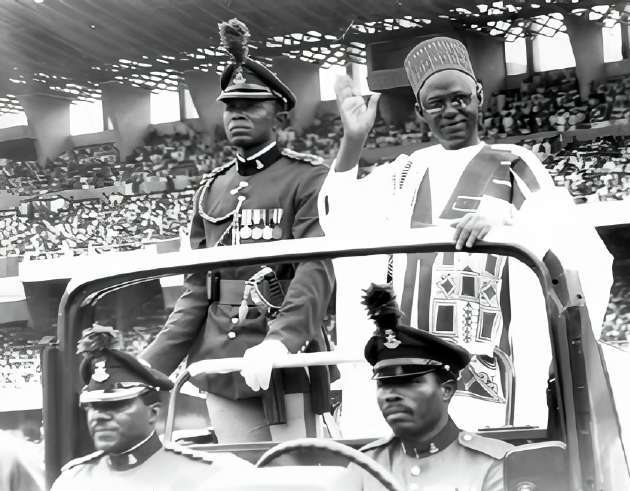
In 1979, Nigeria transitioned back to civilian government as Olusegun Obasanjo handed over power to elected President Shehu Shagari. This peaceful handover marked the beginning of the Second Republic, restoring democratic institutions after 13 years of military rule.
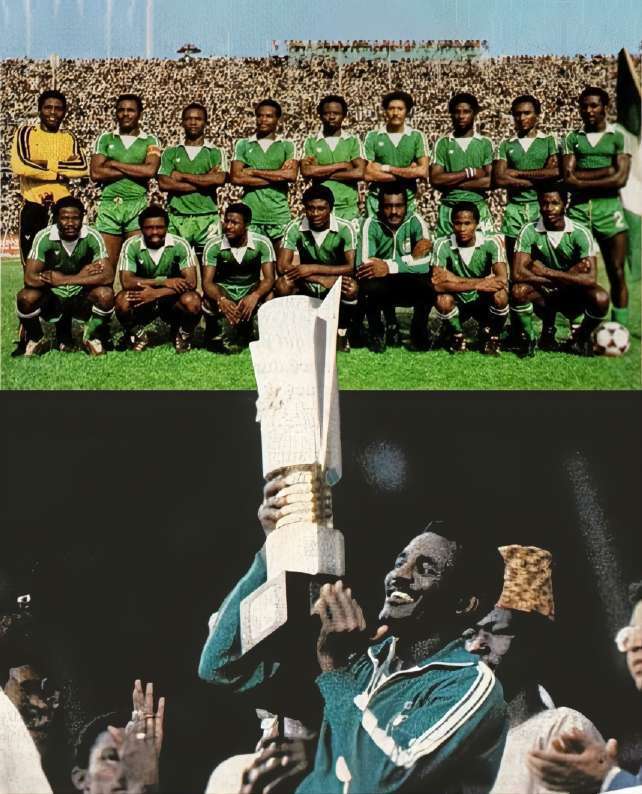
11. 1980 African Cup of Nations Victory
In 1980, Nigeria hosted and won the African Cup of Nations for the first time, defeating Algeria in the final. The triumph boosted national pride and confirmed the country’s growing stature in African sports, particularly in football.
12. Shagari Re-elected and Overthrown (1983)
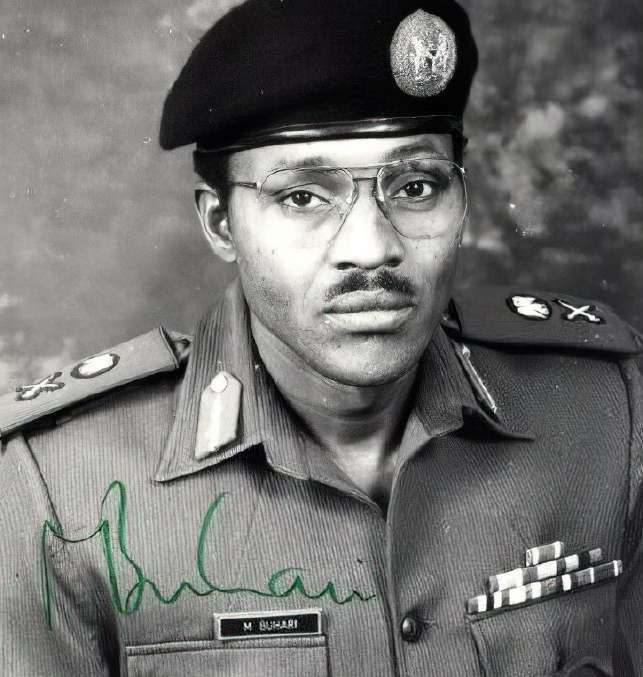
President Shehu Shagari was re-elected in 1983 amid widespread accusations of electoral fraud and mismanagement. Just months later, the military, led by Major General Muhammadu Buhari, staged a coup, citing corruption and national decline as justification for taking power.
13. Buhari’s Military Regime Begins (1983)
Buhari’s government imposed strict economic and social discipline, launching a “War Against Indiscipline.” Though anti-corruption efforts were applauded by some, civil liberties were curtailed, and his regime became known for its authoritarian rule and harsh punitive policies.
14. Babangida Overthrows Buhari (1985)
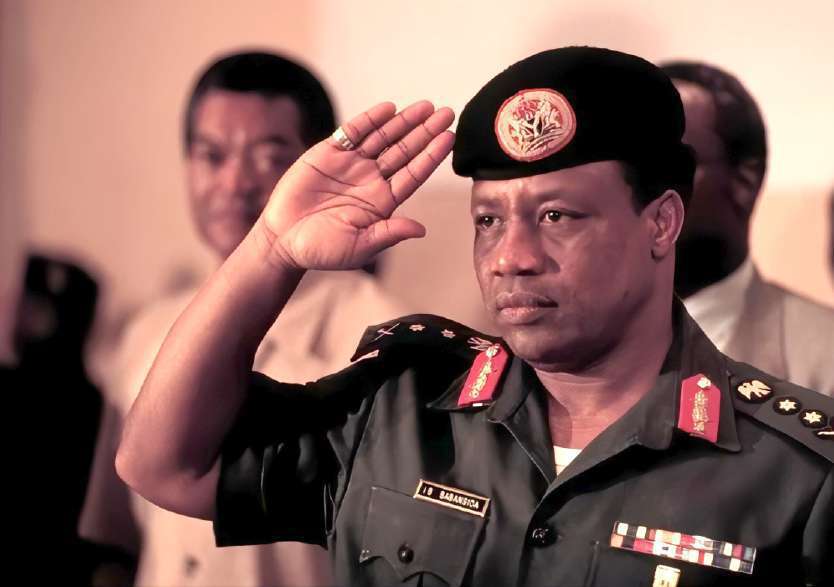
In a palace coup in 1985, General Ibrahim Babangida ousted Buhari. Promising a “humane” leadership style, Babangida liberalized the economy and promised democratic reforms, but his tenure was marked by controversial policies and prolonged transition timelines.
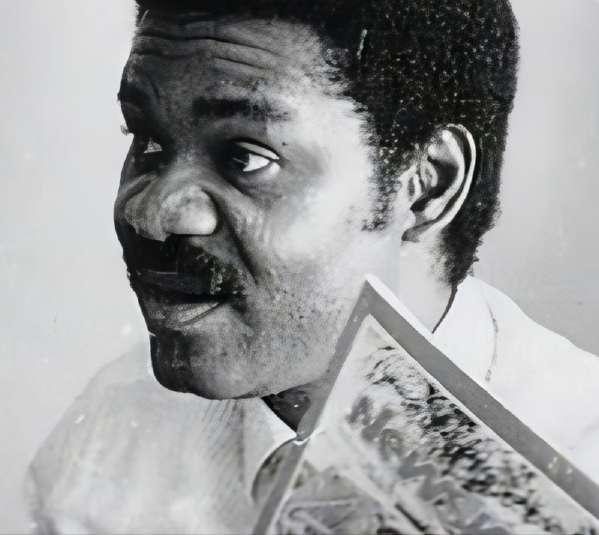
15. Dele Giwa Assassination (1986)
Investigative journalist Dele Giwa was killed by a parcel bomb in 1986, the first of its kind in Nigeria. His assassination shocked the nation, raising concerns over press freedom, government accountability, and the silencing of critical voices.
16. Failed Mamman Vatsa Coup (1986)
A coup plot led by Major General Mamman Vatsa was uncovered and crushed in 1986. Vatsa and several officers were executed, sending a chilling message across the military about dissent and reinforcing Babangida’s control of power.
17. Orkar Coup Attempt (1990)
In 1990, Major Gideon Orkar led a failed coup against Babangida, attempting to excise five northern states from Nigeria. The attempt was swiftly suppressed, but it exposed deep ethnic divisions and led to mass executions of military personnel.
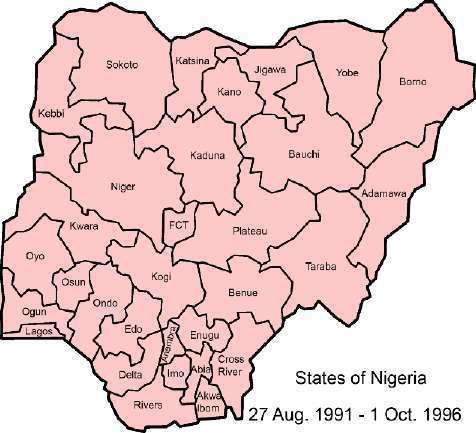
18. Creation of 30 States (1991)
Babangida created additional states in 1991, increasing Nigeria’s number to 30. This move aimed to address ethnic and regional imbalances, decentralize power, and enhance governance, though critics saw it as a political tool for loyalty and control.
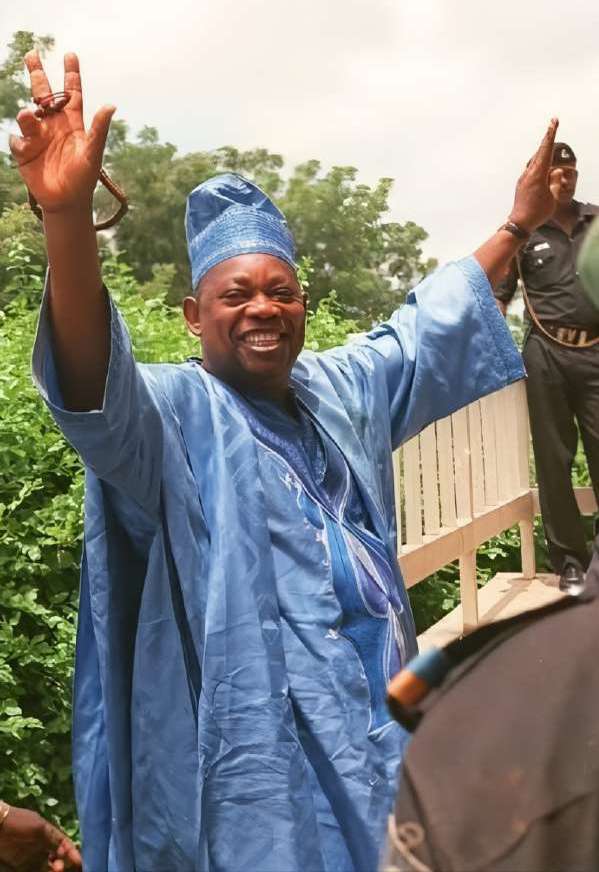
19. Annulment of June 12 Election (1993)
Reputedly, Nigeria’s most credible election, held on June 12, 1993, and was won by Chief Moshood Kashimawo (MKO) Abiola. Then Military President, Gen. Ibrahim Babangida annulled the results, triggering nationwide protests and political chaos that further delayed Nigeria’s return to democracy.
20. Shonekan’s Interim Government (1993)
After General Ibrahim Babangida stepped down as Nigeria’s leader, an Interim National Government led by Lawyer and industrialist, Chief Ernest Shonekan was installed. Lacking popular support or military backing, the weak administration struggled with legitimacy and lasted barely three months before being overthrown by General Sani Abacha.
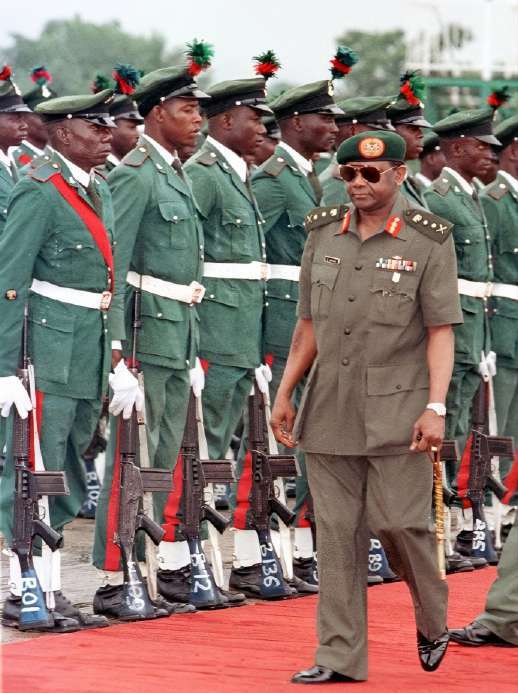
21. Abacha Seizes Power (1993)
General Sani Abacha overthrew the interim government in November 1993, imposing one of the most repressive regimes in Nigeria’s history. He dissolved democratic institutions, cracked down on dissent, and ruled with iron authority.
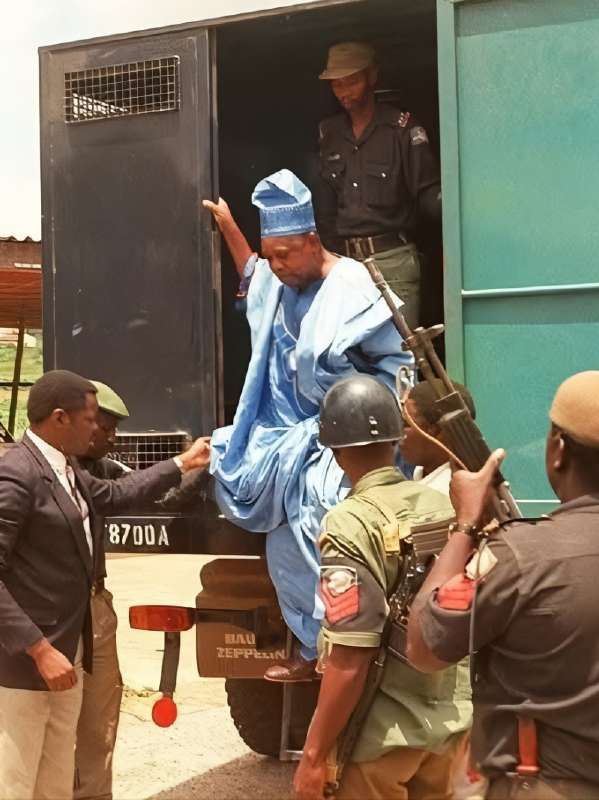
22. Abiola Arrested After Declaring Himself President (1994)
In defiance of the annulled June 12 election, MKO Abiola declared himself president in 1994. The military regime swiftly arrested him, igniting international condemnation and intensifying internal unrest across pro-democracy movements and civil society groups.
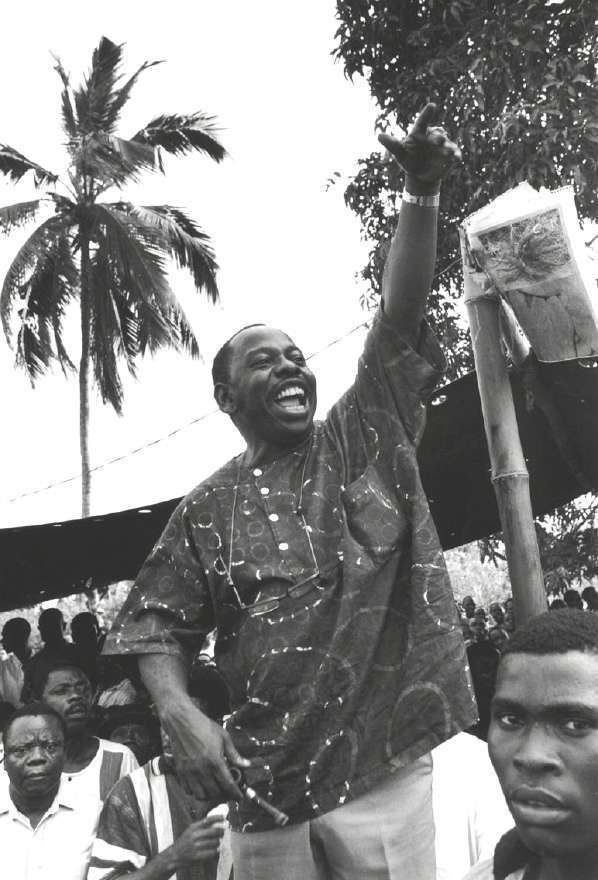
23. Execution of Ken Saro-Wiwa and Ogoni Activists (1995)
Environmental activist Ken Saro-Wiwa and eight others were executed by the Abacha regime after a controversial trial. Their deaths sparked global outrage, leading to Nigeria’s suspension from the Commonwealth and increasing its international isolation during Abacha’s dictatorship.
24. Creation of 36 States (1996)
Abacha created six new states in 1996, bringing the total to 36. While presented as a move for fairness and representation, it was also seen as a tactic to consolidate political control and pacify restive regions.
25. Death of Sani Abacha (1998)
Abacha died unexpectedly in June 1998, ending years of brutal dictatorship. His death opened the door to political reform, renewed hope for democracy, and the release of several political prisoners held under his oppressive rule.
26. Death of MKO Abiola (1998)
MKO Abiola, still in detention, died mysteriously just weeks after Abacha’s death. His passing dealt a devastating blow to Nigeria’s democratic movement, sparking anger, conspiracy theories, and further mistrust in the transitional government.
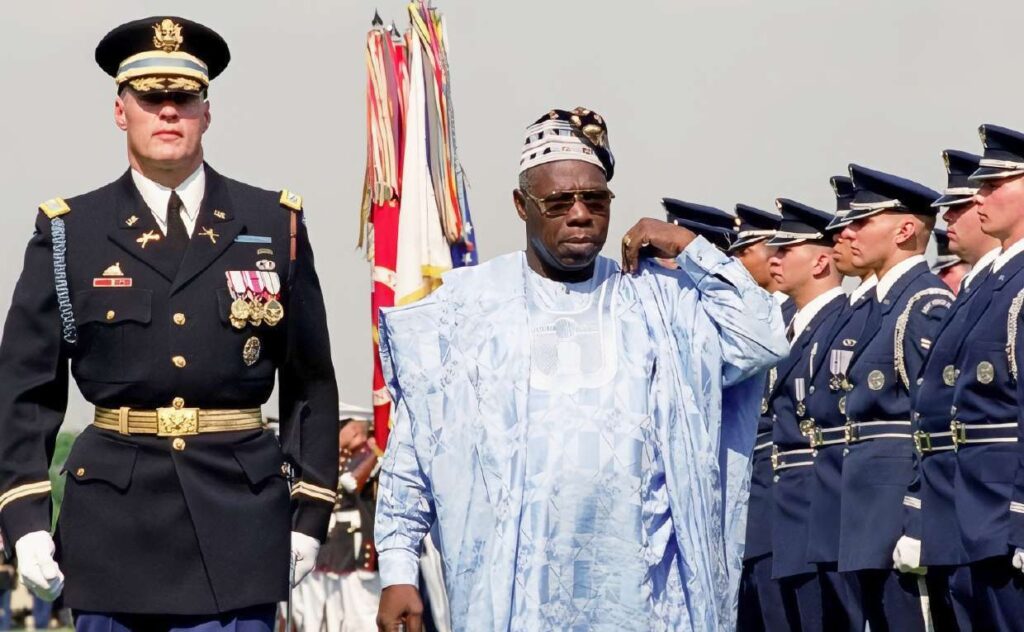
27. Return to Democracy (1999)
On May 29, 1999, Nigeria transitioned to civilian rule with the election of Olusegun Obasanjo as president. This marked the beginning of the Fourth Republic and ended 16 years of continuous military dictatorship in the country.
28. Nigeria Wins First FIFA U-17 World Cup (1985)
In 1985, Nigeria made history by winning the inaugural FIFA U-17 World Cup in China. The victory marked Nigeria’s emergence as a global football powerhouse and ignited enduring national passion for youth development in international sports competitions.
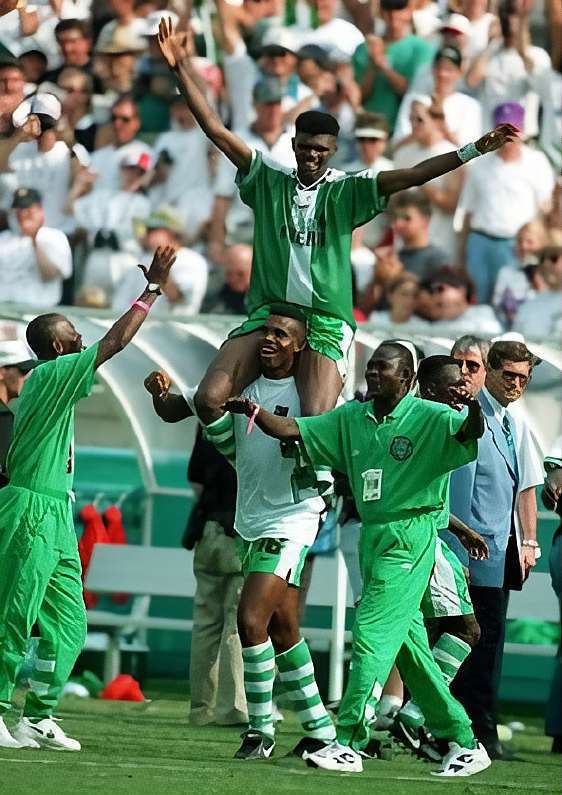
29. Nigeria Wins Olympic Gold in Football (1996)
At the 1996 Atlanta Olympics, Nigeria’s U-23 football team won Africa’s first-ever Olympic gold in soccer, defeating global powerhouses. The historic victory ignited national celebration, boosted Nigeria’s sporting image, and inspired a generation of athletes across the continent.

30. Obasanjo Re-elected (2003)
In 2003, Obasanjo secured a second term as president in a controversial but largely peaceful election. His re-election marked another step in democratic consolidation, though allegations of rigging and violence persisted in several regions.
31. Yar’Adua Elected President (2007)
Umaru Musa Yar’Adua was elected president in 2007 after Obasanjo’s tenure. Though the election was largely adjudged to have been marred by irregularities, it marked Nigeria’s first civilian-to-civilian transition, raising hopes for stability and the deepening of democratic governance.
32. Boko Haram Insurgency Escalates (2009)
Boko Haram, an Islamist extremist group, escalated violent attacks in 2009, beginning with an uprising in Borno State. Its brutal campaign of terror, kidnappings, and bombings destabilized the northeast and created a humanitarian crisis across Nigeria and neighbouring countries.
33. President Yar’Adua Dies in Office (2010)
President Umar Mus Yar’Adua died after a long illness in 2010, creating a power vacuum. Vice President Goodluck Jonathan was sworn in, ensuring constitutional continuity amidst political uncertainty and calls for regional balancing in national leadership.
34. Goodluck Jonathan Wins Election (2011)
Dr. Goodluck Jonathan won the 2011 presidential election, becoming the first sitting vice president to ascend and win through the ballot. His victory triggered post-election violence in some parts of northern Nigeria, revealing deep-seated political and ethnic divisions.
35. Chibok Girls Kidnapping (2014)
In April 2014, Boko Haram abducted 276 schoolgirls from Chibok, sparking global outrage and the #BringBackOurGirls campaign. The incident highlighted the inability of the government at the time, to protect citizens and drew attention to the plight of northern communities.
36. Buhari Elected President (2015)
Muhammadu Buhari won the 2015 presidential election, defeating incumbent Goodluck Jonathan. It marked Nigeria’s first peaceful transfer of power from one civilian president to another from an opposition party, strengthening democratic norms and public confidence.
37. Boko Haram Splits and Intensifies Attacks (2016–2018)
Boko Haram splintered into factions, including ISWAP, leading to intensified attacks on military targets and civilians. The insurgency devastated the Lake Chad region, displaced millions, and drained Nigeria’s security resources amid growing regional insecurity.
38. Buhari Re-elected (2019)
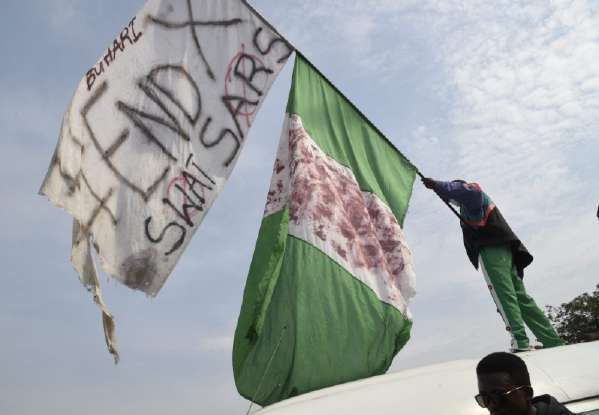
In 2019, Buhari secured a second term as president amidst low voter turnout and electoral disputes. His administration faced mounting economic challenges, growing insecurity, and increased agitation from marginalized communities across the federation.
39. #EndSARS Protests and Lekki Toll Gate Shooting (2020)
Mass protests erupted in October 2020 against police brutality, particularly targeting the SARS unit. The movement climaxed with the Lekki Toll Gate shooting, where security forces reportedly opened fire on peaceful protesters, sparking national and global outrage.
40. Burna Boy and Wizkid Win Grammys (2021)
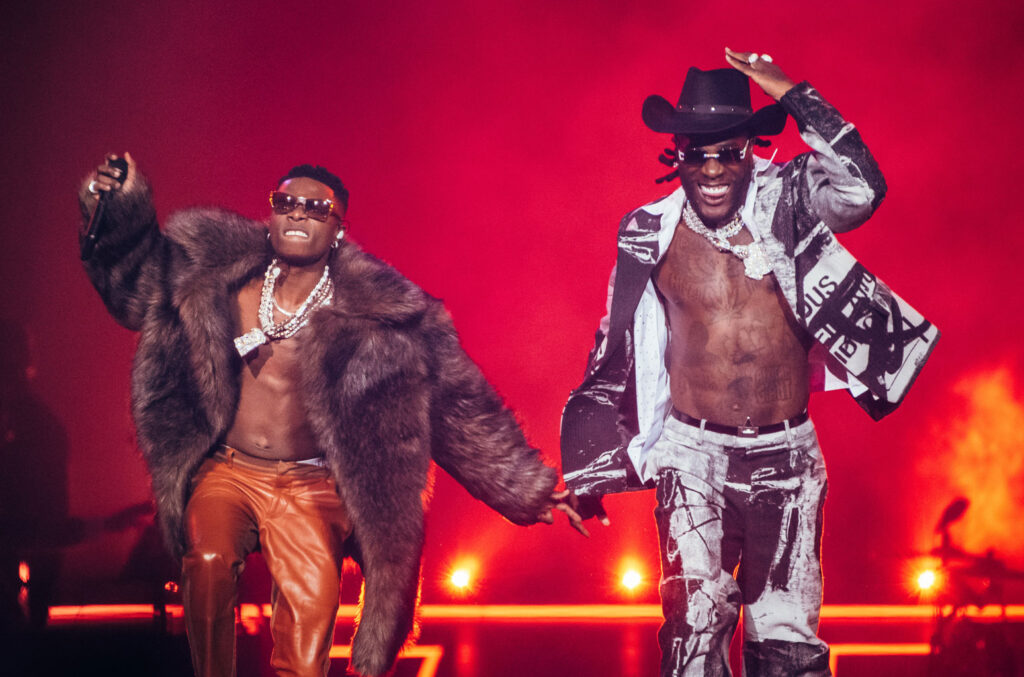
In 2021, Nigerian artists Burna Boy and Wizkid won Grammy Awards, signaling global recognition of Afrobeats and Nigerian creativity. Their success inspired young artists and cemented Nigeria’s growing influence in the international music industry.
41. Naira Redesign and Cash Crisis (2023)
The Central Bank redesigned Nigeria’s currency in 2023 to curb inflation and corruption. Poor rollout led to severe cash shortages, disrupted daily life, stalled businesses, and sparked nationwide unrest, exposing weaknesses in monetary policy implementation.
42. Tinubu Sworn In as President (2023)
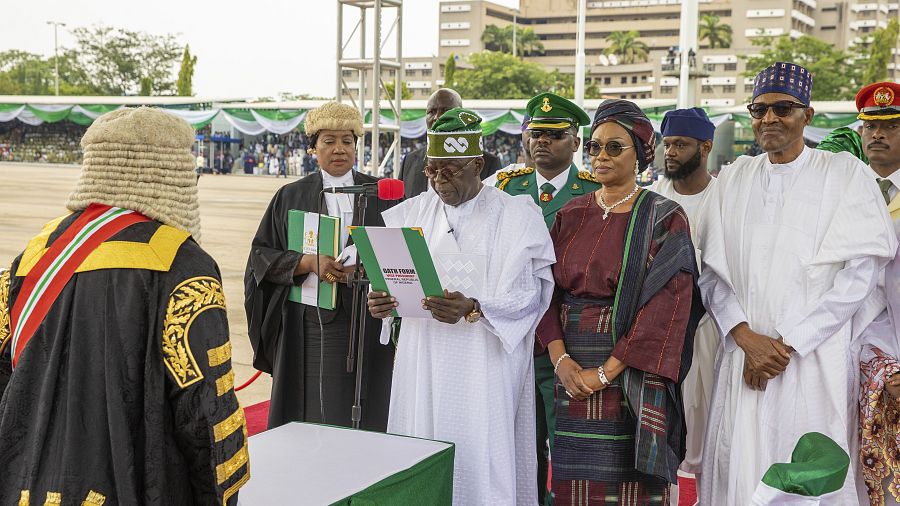
Bola Ahmed Tinubu was inaugurated as Nigeria’s president in May 2023 following a disputed but decisive election. His presidency began amid economic uncertainty, political tension, and high expectations for reform and national unification.
43. Removal of Fuel Subsidy by President Tinubu (2023)
President Bola Tinubu removed the long-standing petrol subsidy in 2023, triggering sharp fuel price hikes and public protests. Though aimed at economic reform, the decision strained households and fueled inflation, reigniting debates over subsidy management and social welfare.
44. Supreme Court Upholds Tinubu’s Election (2023)
Following months of legal battles, the Supreme Court affirmed Bola Tinubu’s electoral victory in 2023. The judgment settled political uncertainty, though opposition parties and segments of the public continued to challenge the fairness of the electoral process.
45. New National Anthem Introduced (2024)
Nigeria re-adopted its old national anthem “Nigeria, We Hail Thee” in 2024, replacing “Arise, O Compatriots.” The move reignited national debate on identity, nostalgia, and priorities, with critics questioning the urgency of such symbolic change.
46. Nigeria Launches First Indigenous Satellite into Orbit (2025)
In 2025, Nigeria successfully launched its first fully indigenous satellite into orbit, marking a major leap in local aerospace engineering and technological self-reliance. The achievement positioned Nigeria as a rising force in Africa’s space and scientific innovation sectors.
47. Nigeria Overtakes South Africa as Africa’s Largest Economy (2025)
In 2025, Nigeria officially surpassed South Africa to reclaim its position as Africa’s largest economy, driven by telecoms, fintech, and oil sector reforms. The achievement renewed national pride but also raised expectations for inclusive and sustained economic growth.
48. Nigeria Breaks Power Generation Record (2025)
In 2025, Nigeria achieved its highest-ever electricity generation output, surpassing 7,000 megawatts for the first time. The milestone signaled progress in energy reform, though distribution bottlenecks and access inequality remained major hurdles to national electrification goals.
49. State of Emergency in Rivers State (2025)
Amid escalating pipeline vandalism and political instability, the federal government declared a state of emergency in Rivers State. The governor and legislature were suspended, sparking constitutional debates and drawing attention to Nigeria’s fragile oil politics.
50. Posthumous Pardon of Ogoni Nine (2025)
President Tinubu granted posthumous pardons to Ken Saro-Wiwa and the eight other executed Ogoni activists. The move was seen as a symbolic gesture toward reconciliation, environmental justice, and healing the wounds of military-era repression.
51. Nigeria Joins Continental Oil Regulation Push (2025)
Nigeria led a new African initiative to harmonize oil industry regulations, seeking to attract foreign investment and enhance transparency. This continental collaboration signaled renewed leadership by Nigeria in shaping Africa’s energy future and policy alignment.
52. Emergency Rule Lifted in Rivers State (2025)
After six months, the federal government lifted emergency rule in Rivers State, reinstating democratic structures. The move was met with mixed reactions as residents weighed improved security against the controversial suspension of elected leadership.
53. Nigeria Secures Major Lithium Investment (2025)
Nigeria signed a multibillion-dollar deal with global investors to develop its lithium reserves, aiming to position itself as a key player in the electric vehicle supply chain. The move promised economic diversification but raised environmental and governance concerns.
54. Nigeria Approves Student Loan Scheme (2023)
In a landmark move, Nigeria launched a federal student loan program to increase access to higher education. Designed for financially disadvantaged students, the scheme promised relief for millions but faced scrutiny over eligibility terms and long-term sustainability.
55. First Nigerian in Space Announced (2025)
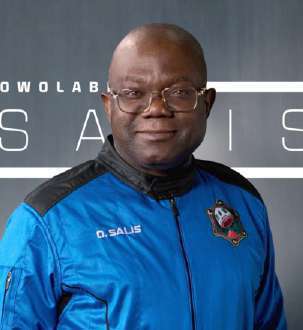
The Nigerian Space Research Agency announced plans to send its first astronaut into space in collaboration with international partners. This milestone marked a leap in scientific ambition and national pride, though some questioned the timing amid domestic challenges.
56. Major Electricity Grid Collapse (2024)
Nigeria’s national grid suffered another total collapse in 2024, plunging much of the country into darkness. The blackout disrupted economic activities and emphasized the urgent need for investment in power infrastructure and alternative energy sources.
57. Discovery of New Oil Reserves in Bauchi (2024)
Significant oil deposits were discovered in Bauchi State, boosting hopes for northern economic revival. The announcement sparked excitement and fresh discussions on equitable resource sharing, environmental risks, and lessons from the Niger Delta’s troubled oil history.

58. Reintroduction of History into School Curriculum (2023)
The Nigerian government officially reinstated history as a compulsory subject in schools, aiming to restore national consciousness and cultural understanding. The move was widely praised as a step toward correcting past educational policy missteps.
59. Lagos Ranked Among Top Global Tech Cities (2025)
Lagos was listed among the top emerging global tech hubs in 2025, recognized for its innovation ecosystem, startup activity, and youth-driven digital economy. The recognition affirmed Nigeria’s growing influence in global technology and entrepreneurship landscapes.
60. Youth-Led Tech Startups Surge (2024–2025)
A wave of youth-led tech startups emerged in Nigeria’s fintech, healthtech, and agrotech sectors. Driven by innovation and global partnerships, these startups attracted major funding and positioned Nigeria as a rising digital hub in Africa.
61. National Digital ID Rollout Begins (2025)
Nigeria launched a comprehensive digital identity program to streamline access to public services and enhance national security. The rollout faced early technical hitches, but it marked a pivotal step toward digitizing governance and financial inclusion nationwide.
62. Nigeria Launches First Indigenous 5G Network (2024)
In 2024, Nigeria rolled out its first locally-developed 5G network infrastructure, improving internet speed and connectivity nationwide. This technological leap boosted innovation, remote work, and digital services, marking a milestone in the country’s telecommunications and digital transformation journey.
63. Dangote Refinery Begins Operations (2024)
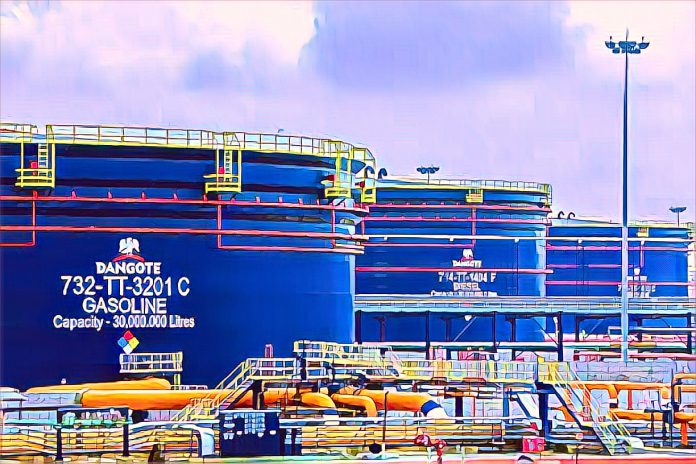
Africa’s largest oil refinery, the Dangote Refinery, officially began operations in 2024 near Lagos. With the capacity to meet domestic fuel needs and export globally, it marked a turning point in Nigeria’s push for energy independence and industrial growth.
64. Supreme Court Grants Local Governments Fiscal Autonomy (2025)
In a landmark ruling, Nigeria’s Supreme Court granted local governments full fiscal autonomy, mandating direct allocation of federal funds. The decision was celebrated as a win for grassroots development, accountability, and restructuring of power in the federal system.
65. Launch of Lagos-Calabar Coastal Highway Project (2024)
Construction began on the ambitious Lagos-Calabar Coastal Highway, designed to boost trade, tourism, and regional connectivity. While hailed as transformative, the project sparked debate over environmental impacts, community displacement, and funding transparency in large-scale infrastructure.