
The 2025 Udiroko Festival in Ado Ekiti combines a kaleidoscope of colours with history, tradition, culture, tourism, fun, razzmatazz or steeze
By David Edremoda
If the cosmos could look down and marvel at the affairs of humankind, then surely, on the golden morning of August 20, 2025, a curious astronaut drifting above the African continent might have paused to wonder: what spectacle lies beneath that chromatic bloom unfurling over the hills of Ado Ekiti? From his perch in orbit, he would have witnessed not mere movement, but a swirling choreography of colour and ceremony, rippling agbadas, dazzling geles, feathered crowns, embroidered wrappers glinting in the sunlight like sequins scattered by the wind. It would not be birds in migration nor the Serengeti’s wild ballet of hoof and horn, but the Udiroko Festival in full, majestic stride.
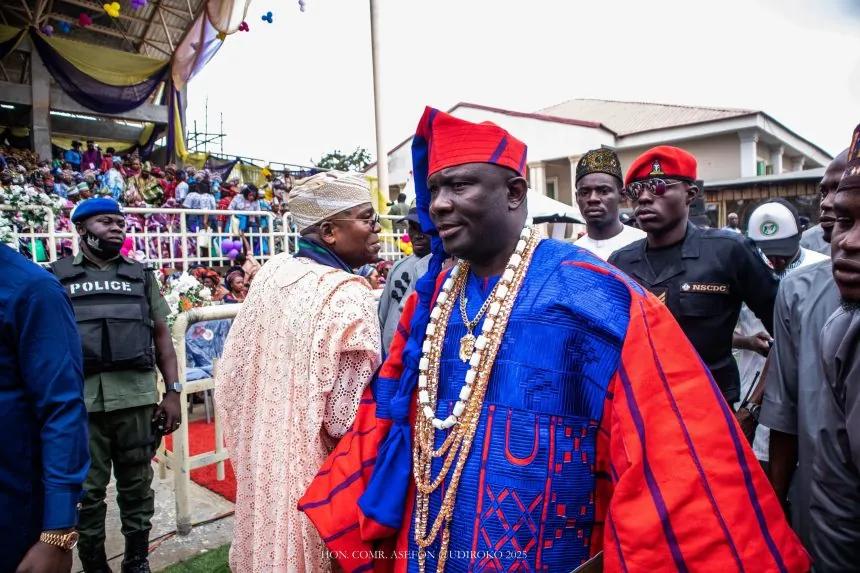
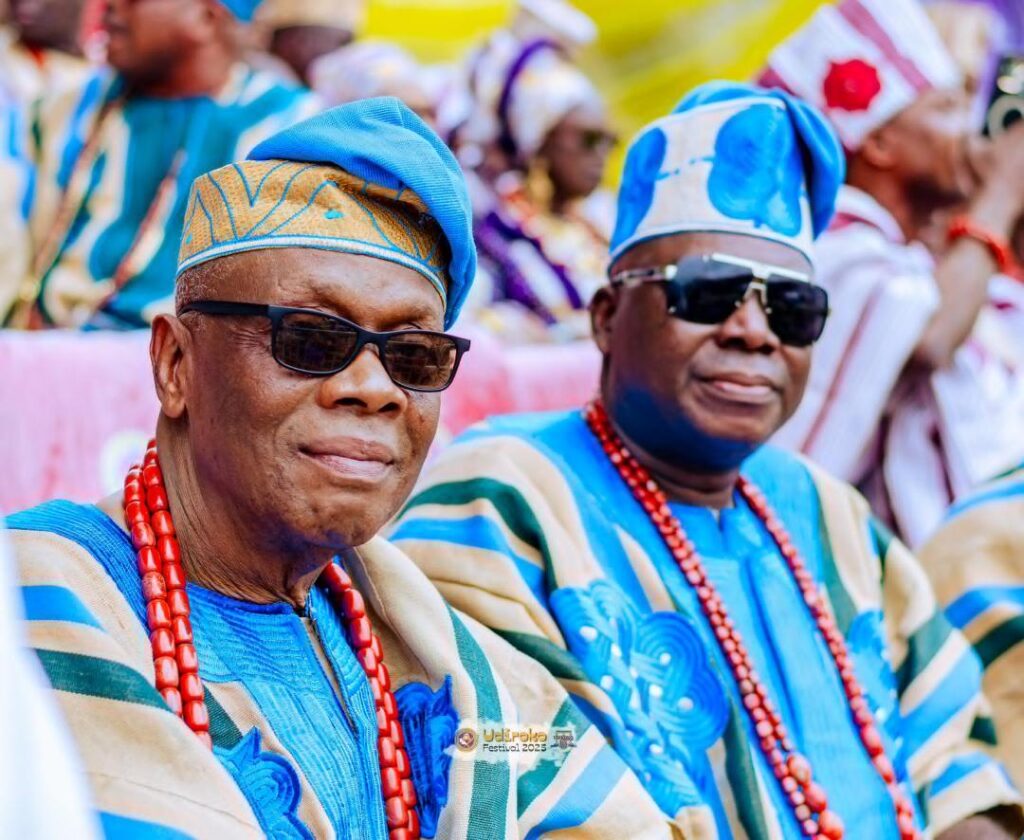
Udiroko, the spiritual and cultural heartbeat of the Ado Ekiti people in Ekiti State – southwest Nigeria, is more than a celebration; it is an epic in motion, a festival that gathers centuries into a single breath. For one radiant week each year, indigenes return from far-flung corners of Nigeria and the globe to stand once more beneath the metaphorical iroko tree, the gathering place of memory, history, and heritage. It is here, in the very court of their ancestors, that the people of Ado Ekiti affirm not just who they are, but who they have always been.

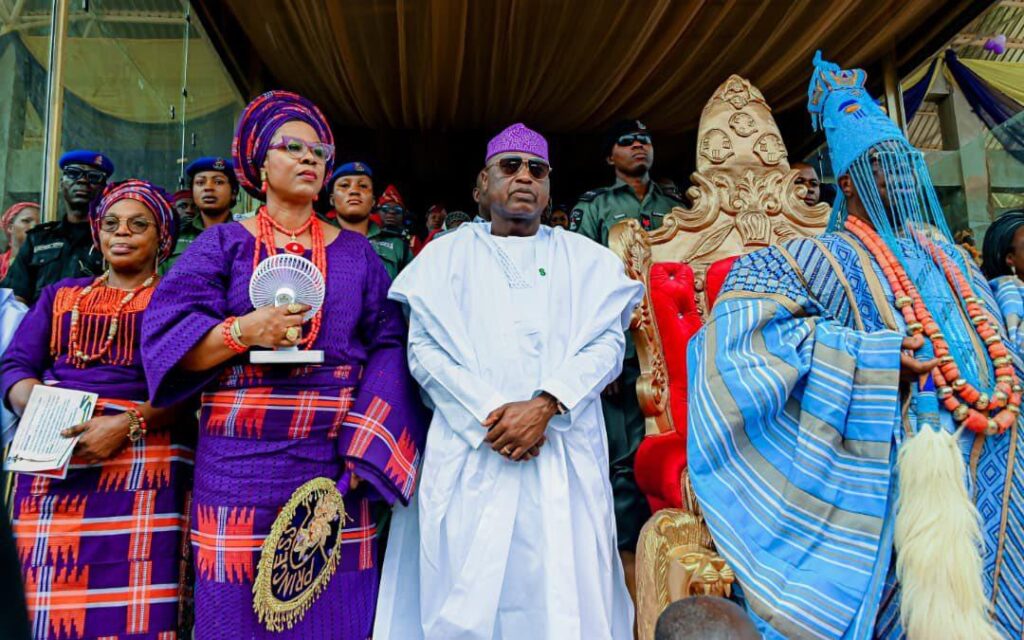
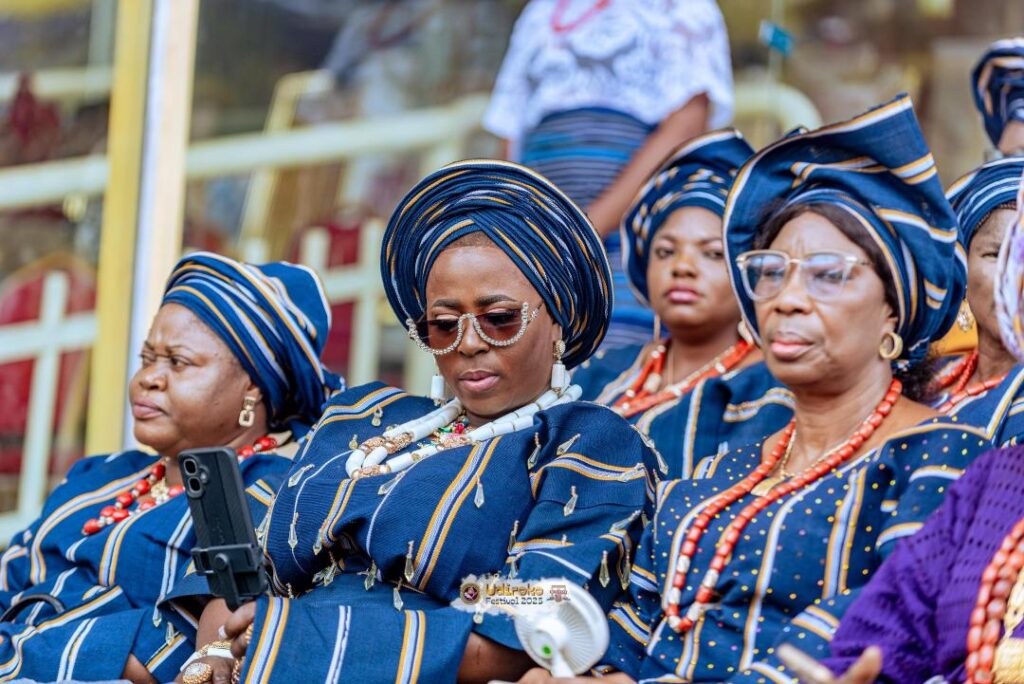
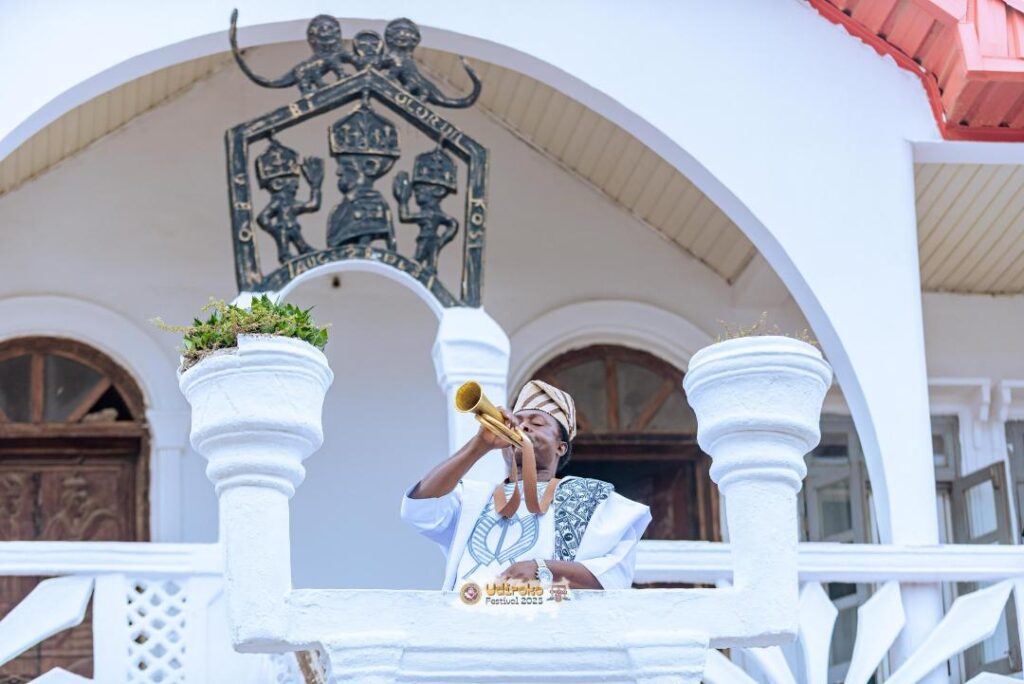
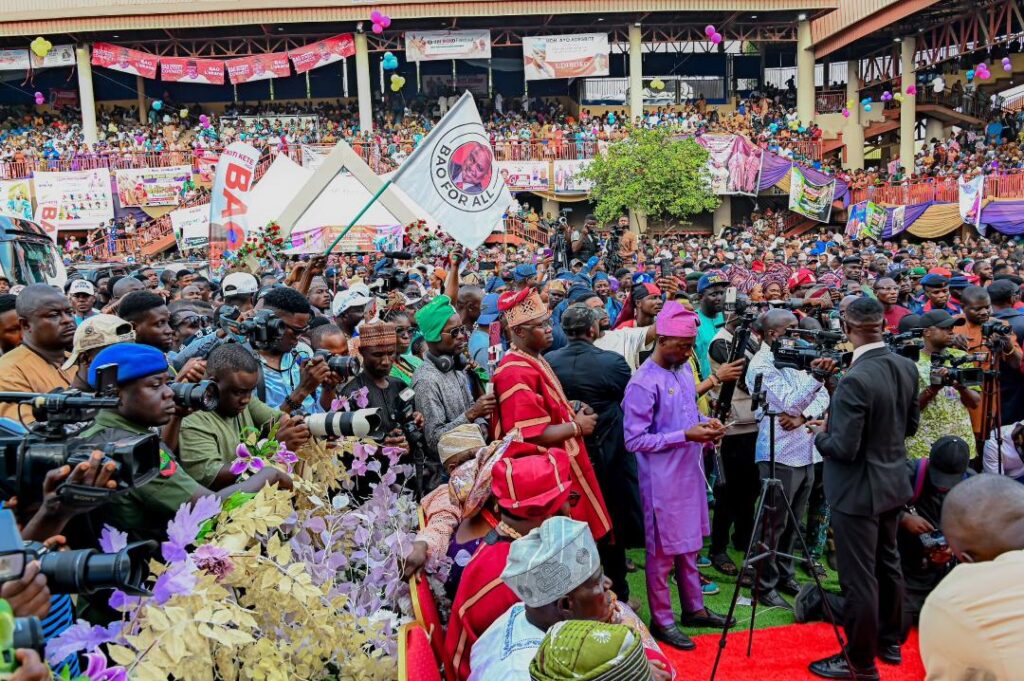
This year’s edition, held from August 14 to 20, unfurled with the richness of a living tapestry. At its centre stood His Royal Majesty, Oba Rufus Adeyemo Adejugbe Aladesanmi III, the Ewi of Ado Ekiti, whose presence was as resplendent as the golden robes that adorned him. Beneath the architectural gravitas of his palace, the very air pulsed with anticipation. Dignitaries, royalty, scholars, politicians, and ordinary citizens moved through the grounds like notes in a symphony, each one playing a part in the orchestral rhythm of tradition.
The origins of Udiroko are woven deep into the warp and weft of Yoruba history. They stretch back to 1310 AD, when Oba Awamaro, the first Ewi, arrived from Ile-Ife via Benin, and, through conquest and diplomacy, established his dominion over the land and its indigenous peoples. It was he who, recognising the necessity of governance and cohesion in a rapidly expanding kingdom, instituted the reporting ritual under the great iroko tree in front of his palace. His war chiefs, led by the formidable Barafon, would assemble annually to recount their military exploits and receive royal counsel. This solemn review eventually blossomed into the day of thanksgiving, later known as Udiroko.


In time, the iroko became a metaphor as much as a meeting point, symbolising a convergence of past and future, of spiritual inquiry and civic responsibility. What began as a day of military accounting has since become a luminous rite of cultural affirmation.
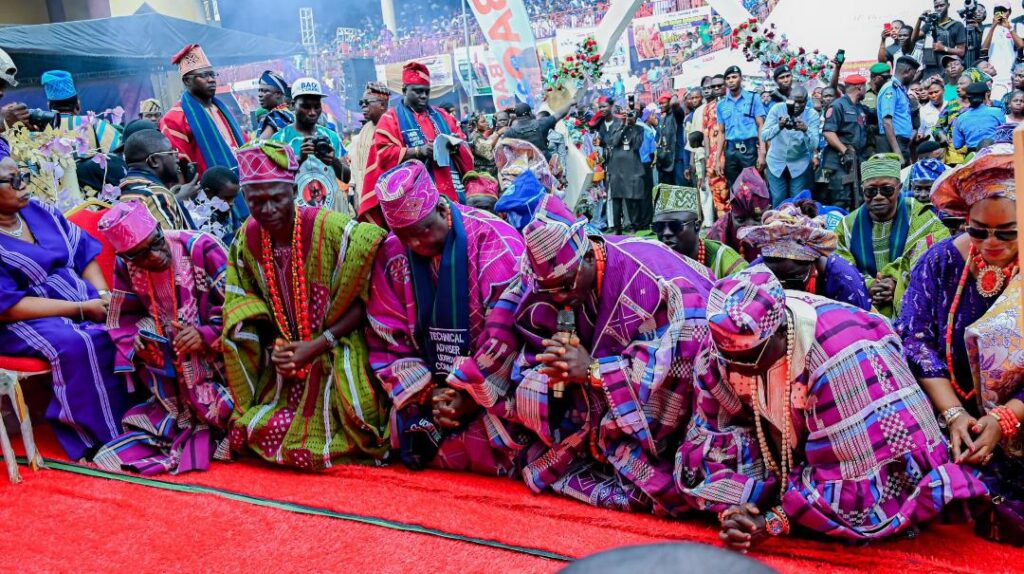
It was with this rich historical gravitas that Chief Akinyemi Oluwatoyin, the current Barafon Parakogun, strode into the festival pavilion. Clad in a regal danshiki striped in vertical blue and white, crowned with a leopard-skin headdress and trailed by a tiger skin, he did not walk: he advanced, like a warrior summoned from the depths of ancestral memory. His dance, a primal invocation of battle and honour, electrified the audience as he approached the Ewi’s throne. There, he fell prostrate, fulfilling a ritual older than the kingdom itself. The Ologun Adele received him on the monarch’s behalf, a gesture that married protocol with poetry.
As each war chief emerged in succession – Akogun, Egbedi, Olugbepa, Odofin, Ologbosere, among others – the pageantry thickened like the crescendo of a sonata. Every bow, every chant, every gesture echoed across the palace square with timeless precision. The ceremonial greetings, though laden with formality, were also deeply intimate. These were not performances for spectators, but living rituals through which a people renew their pact with history.
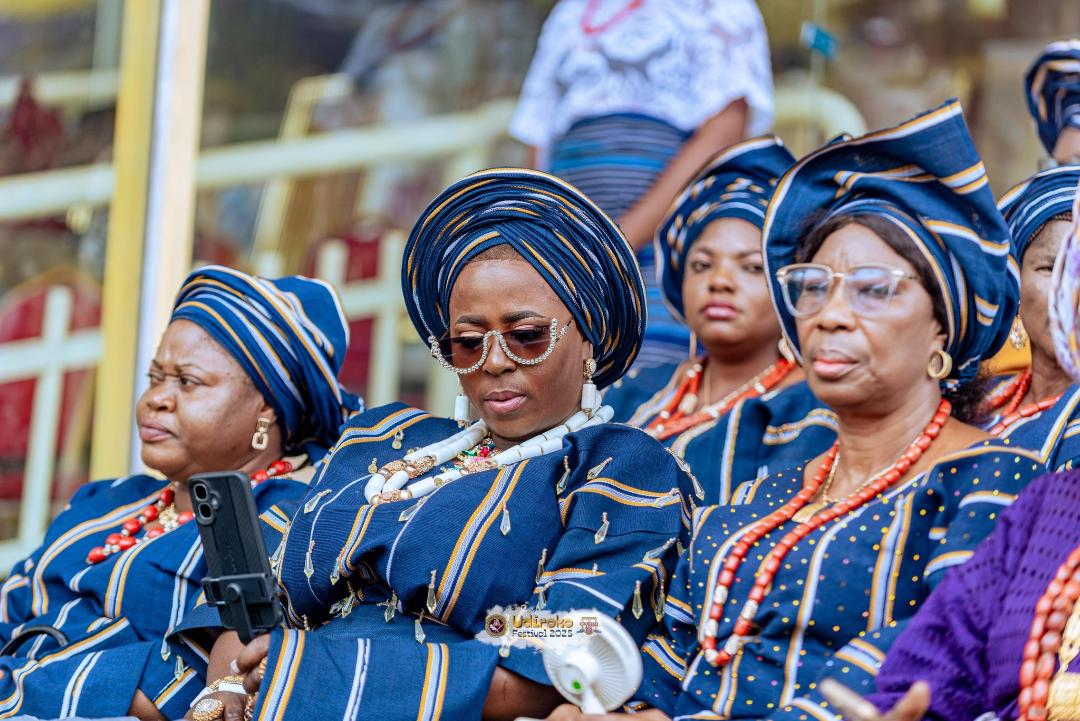
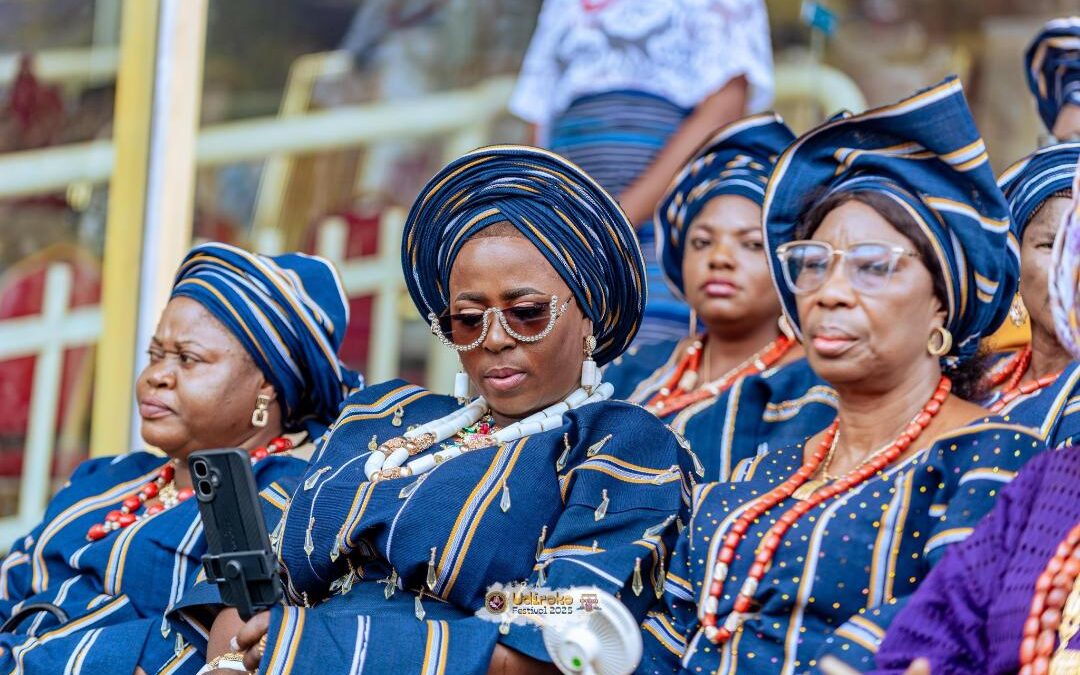
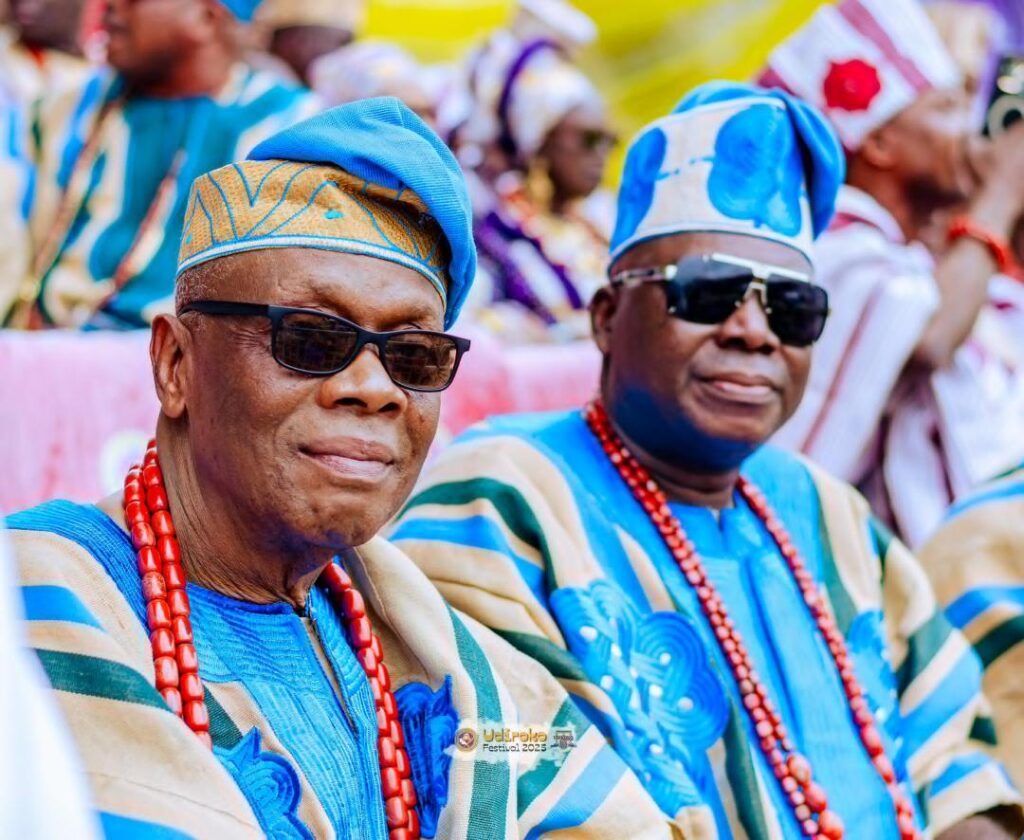
The vibrant interludes came with the age-grade processions. Men and women, adorned in peacock-hued fabrics and laced in coral beads, paraded before the Ewi with a grace that was both reverent and exuberant. Each genuflection, each salute, added a layer to the chromatic symphony. What they wore was not just attire, but narrative, woven stories of lineage, pride, and artistry. For those watching, the procession transcended spectacle; it became revelation.
Dr. Olayemi Oyebanji, the Ekiti First Lady and herself a princess of the Ado Royal Court, captured the spirit of the occasion in terms befitting its grandeur. “The majesty of Udiroko this year,” she declared, “radiated cultural brilliance.” And indeed, from the glint of beaded crowns to the soul-stirring rhythms of indigenous drums, the event shimmered with a regal pulse. Attendees included not only Governor Biodun Oyebanji, her husband and a proud son of the soil, but also two former governors, revered royal fathers, university vice-chancellors, federal dignitaries, and cultural custodians. It was a gathering not merely of bodies, but of histories.
In his address, Governor Oyebanji paid homage to the significance of Udiroko as both cultural sanctuary and developmental catalyst. He lauded the federal government’s infrastructural support and acknowledged the enduring partnership between tradition and governance in shaping the destiny of Ekiti. The Ewi, in turn, offered prayers for the land, for its leaders, and for the harmonious flowering of its future. His words carried the gravity of a monarch who stands not above his people, but among them—a custodian of heritage, a patron of progress.
Indeed, under the Ewi’s reign, Udiroko has grown from a local rite to a festival of international resonance. The city of Ado Ekiti, once a quiet provincial capital, now pulses with the energy of a cultural metropolis. Tourists from across Nigeria and beyond arrive to witness not just a spectacle, but a civilisation in expression. The economic impact is as palpable as the spiritual one: markets bloom, artisans thrive, hotels fill, and the city’s soul expands.
The Director General of the Federal Radio Corporation of Nigeria, Dr. Muhammad Bulama, attending alongside the Zonal Director of the Ibadan station, captured this sentiment succinctly: Udiroko, he said, offers Nigeria a cultural prism through which to enchant the world. It is a mirror of who we are, and an invitation to those who wish to understand us not through textbooks, but through festivals, rituals, and human connection.
The festival concluded with gifts and blessings. Senator Opeyemi Bamidele presented a new coaster bus to the Ewi-in-Council, an offering not just of transportation, but of continuity. And so, as drums faded into twilight and lanterns glowed like stars returned to earth, Ado Ekiti once again stood still in reverence, then danced forward in joy.
In the end, Udiroko is not merely a festival. It is a philosophy, an architecture of belonging, a spiritual rite disguised in beauty and sound. It is the assertion that history is not behind us, but always beside us; that beneath every iroko tree, in every generation, the story of a people can be heard again, if only we are willing to listen. And so it was, on that august day in 2025, that Ado Ekiti whispered her name to the skies once more and the heavens, if only for a moment, listened.