
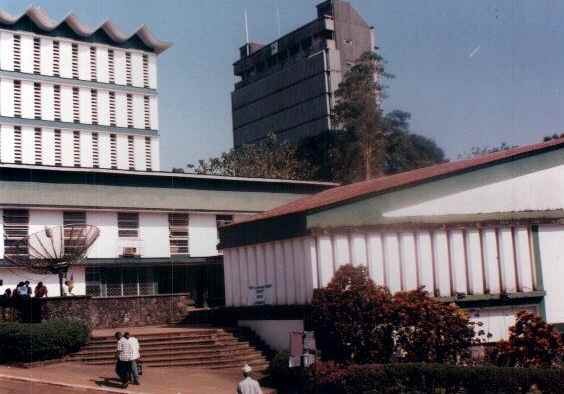
Fourah Bay College, Sierra Leone, made a significant contribution to the development of Nigeria’s intelligentsia, who went on to hold leadership positions in various sectors
By David Edremoda
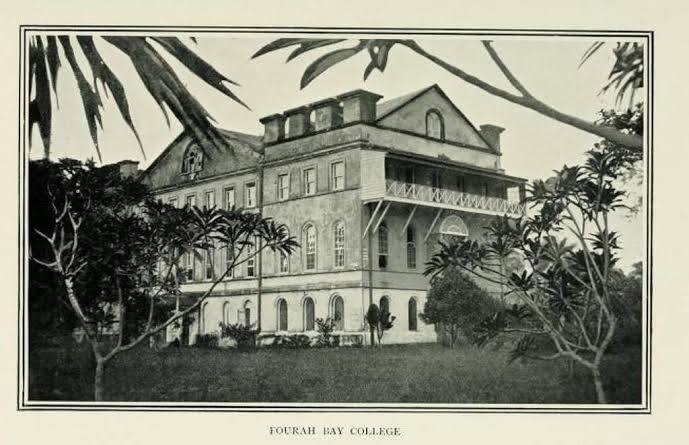
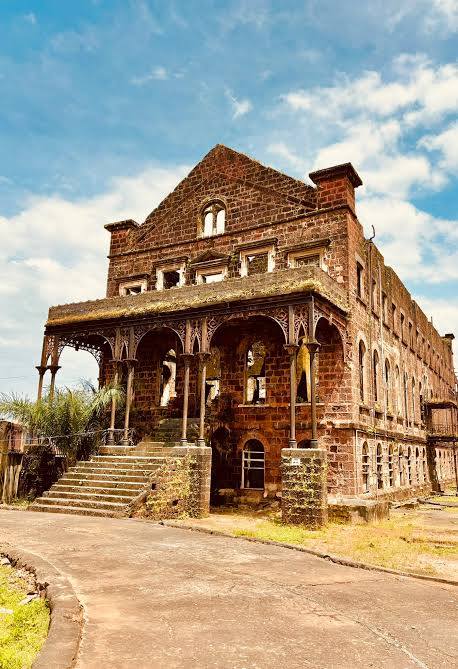
In the quiet corridors of memory, where history meets the force of destiny, there stands a singular institution whose reach extended far beyond its modest perch in the hills of Freetown, Sierra Leone. Fourah Bay College, founded in 1827, emerged as more than just the first institution of higher learning in sub-Saharan Africa — it became a wellspring of intellectual and spiritual leadership, shaping the early elite of modern Nigeria.
The significance of Fourah Bay College lies not merely in its age or architecture, but in the substance of its legacy: it was the crucible where the first generation of West African thinkers, clergy, administrators, and educators were forged. And nowhere was its influence more deeply felt than in Nigeria, whose early human capital, those who would go on to define its institutions, ideologies, and independence, often found their formative experiences under its Gothic arches.
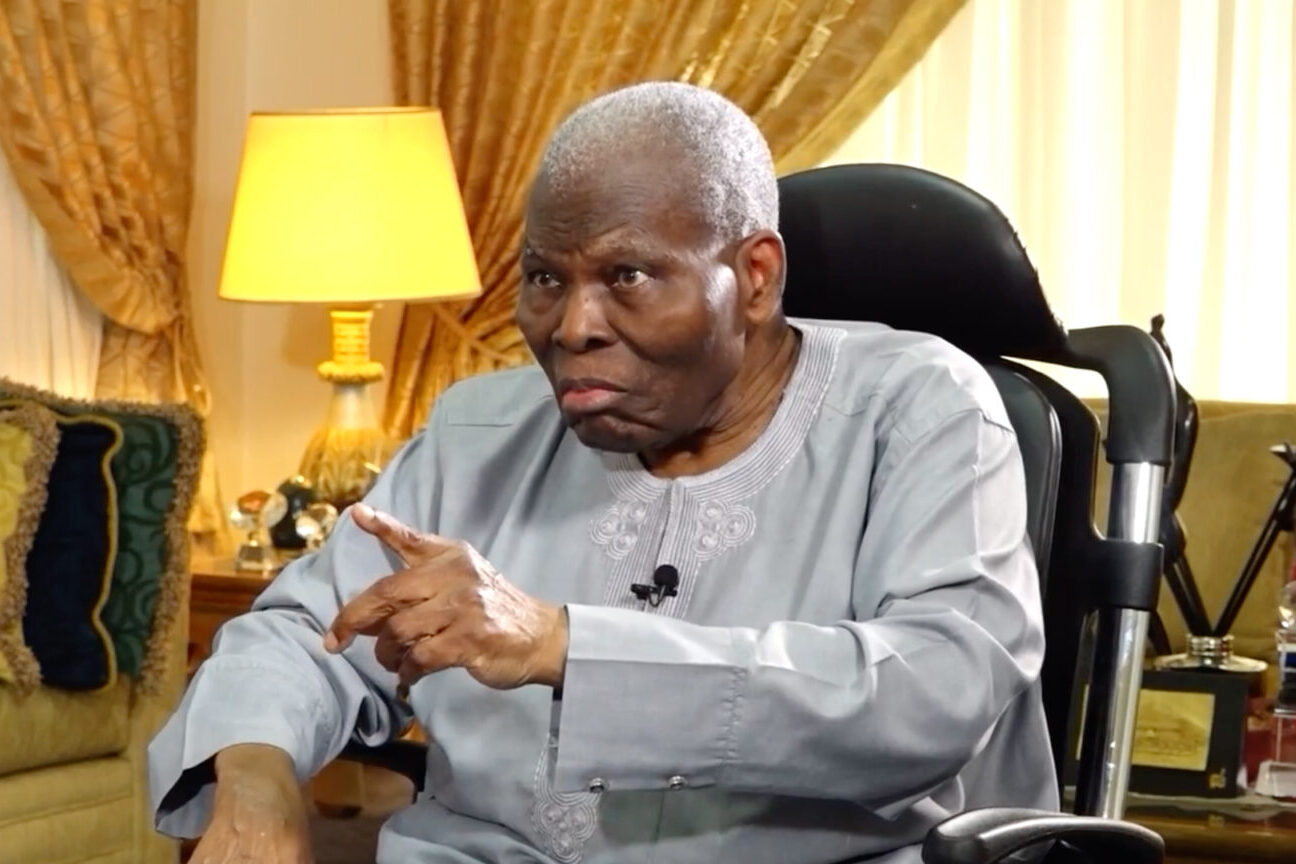
This legacy was brought home to me during a conversation in 2016 with Dr. Christopher Kolade in Lagos. Diplomat, corporate titan, broadcaster, and teacher, Kolade’s achievements spanned decades. Yet, when asked about the source of his own intellectual awakening, he returned not to the corridors of power in London or Lagos, but to his undergraduate years in Freetown. His father, an Anglican priest, had hosted and spoken of eminent clerics — alumni of Fourah Bay — whose poise and gravitas left an indelible impression on the young Kolade.
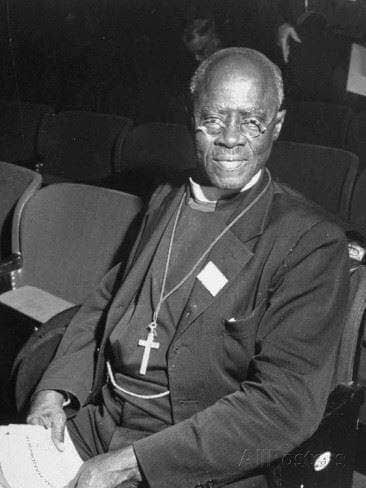
“The kind of people they were,” he recalled, “people like Bishop Awosika and Bishop Odutola, shaped my perception of what leadership and character should look like.” Their education, imbued with scholarship and moral discipline, made the idea of studying at Fourah Bay not just attractive, but inevitable. In 1951, Kolade made the journey to Freetown, and for four years, immersed himself in an environment where learning was as much about the cultivation of character as it was about mastering classical texts. Such stories are not unique to Kolade. The pedigree of Fourah Bay is interwoven with the biographies of Nigeria’s earliest leaders in the church, in education, and in civil governance. But to understand why this was so, one must return to the historical context from which Fourah Bay arose.
Freetown: A Beacon Born from Ashes
The founding of Freetown was itself a response to a great moral and political upheaval. As the British abolitionist movement gained momentum in the late 18th century, with figures like William Wilberforce and the Mansfield judgment of 1772 leading the charge against the transatlantic slave trade, the British Royal Navy began intercepting slave ships along the Atlantic corridor. Many of the rescued souls were brought to Freetown, which soon became a settlement for freed Africans, a grand social experiment in what some termed the “re-Africanisation” of civilisation. The city, envisioned by British philanthropists as a new Jerusalem of Christian values and Enlightenment thought, quickly evolved into a hub of Western education. The Church Missionary Society (CMS) played a pioneering role, establishing schools for boys and girls before founding Fourah Bay College in 1827. Affiliated with the University of Durham from 1876, the college offered a curriculum steeped in the liberal arts: Latin, Greek, Arabic, Hebrew, History, French, and Natural Science; placing it on par with institutions in England and making it the de facto university for an entire region long before formal universities were founded in Nigeria or Ghana.
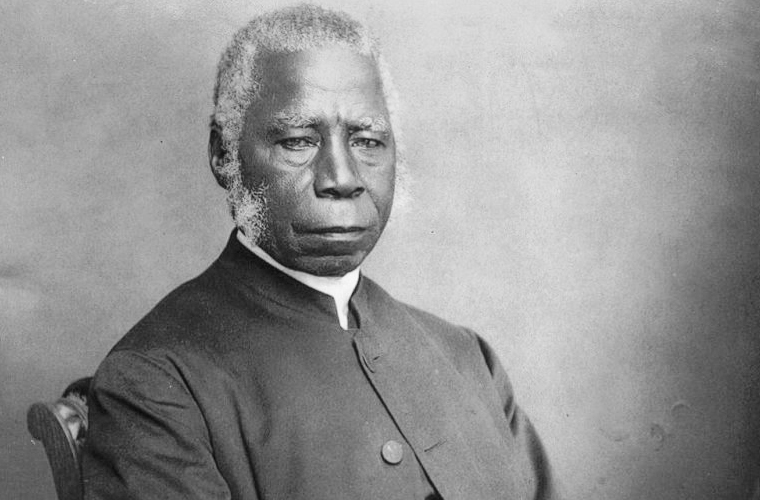
Among the earliest beneficiaries of Fourah Bay’s vision was Samuel Ajayi Crowther, abducted from his village in Osogun and sold into slavery before being rescued by the British navy. Settled in Freetown, he became the college’s first student. Crowther’s story is emblematic of Fourah Bay’s transformative power: from the chains of bondage to the bishopric of the Niger, he became a pivotal figure in introducing Christianity to Nigeria, translating the Bible into Yoruba and authoring primers in Nupe and Igbo. His legacy set the tone for an era in which Fourah Bay alumni would return to Nigeria not merely as graduates, but as missionaries of modernity.
Another notable figure was Reverend Thomas Babington Macaulay, also educated at Fourah Bay, who founded the CMS Grammar School in Lagos in 1859, the first secondary school in Nigeria. From that institution emerged an elite that would define Nigerian political and administrative life: Herbert Macaulay, widely regarded as the father of Nigerian nationalism and the grandson of Ajayi Crowther, was among its earliest luminaries.
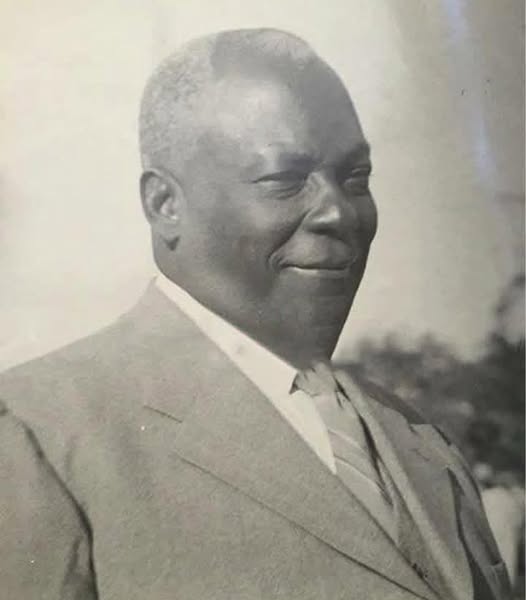
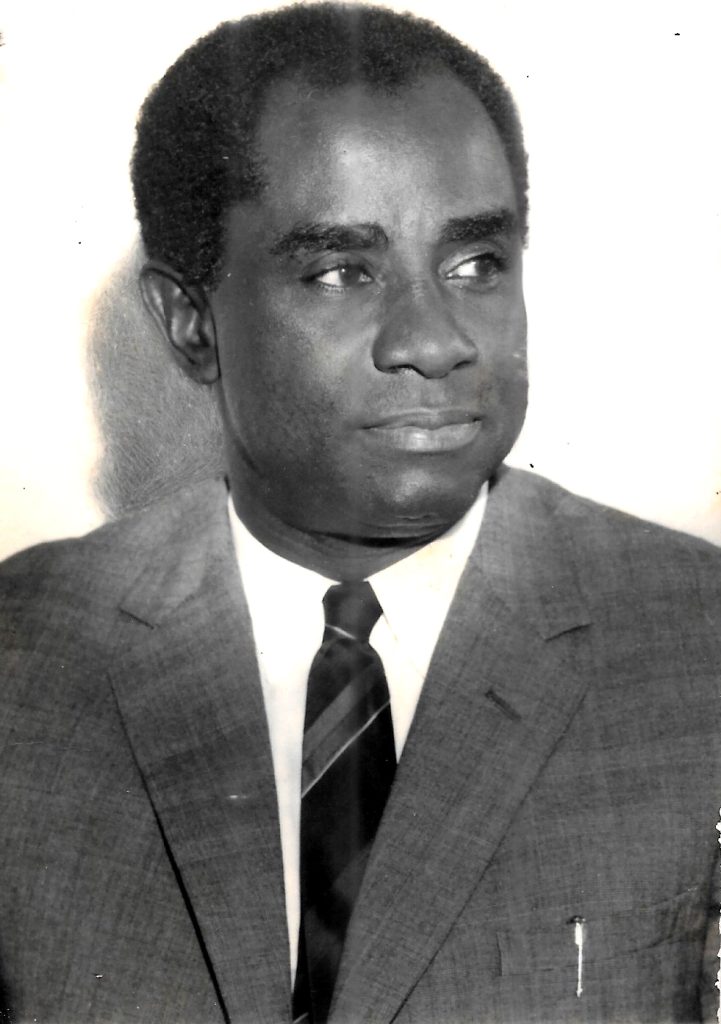
Henry Carr, born in Lagos to liberated Saro immigrants — Nigerians who had been enslaved and then repatriated to Sierra Leone — was another product of this powerful educational circuit. Carr studied at Fourah Bay before earning an Honours degree in Mathematics and Physical Sciences from Durham. Returning to Nigeria, he became one of the highest-ranking Africans in the colonial civil service, eventually serving as Director of Education. It was Carr who convinced the British colonial administration to invest in what would become King’s College Lagos, an institution whose alumni would later include figures such as Nnamdi Azikiwe, Alex Ekwueme, and Sanusi Lamido Sanusi.
Waves of Influence: The Fourah Bay Diaspora in Nigerian Life
Fourah Bay’s alumni presence in Nigeria was not confined to the clergy or civil service. It spanned politics, education, and the cultural sphere. Kenneth Dike, another alumnus, would go on to become the first Nigerian Vice-Chancellor of the University of Ibadan and a key figure in African historiography. Isreal Oludotun Ransome-Kuti, father of Afrobeat legend Fela Kuti, and a notable educationist in his own right, was also trained at Fourah Bay. Chief Michael Adekunle Ajasin, Governor of the old Ondo State and architect of the Western Region’s free education programme, similarly walked the campus grounds in Freetown before leaving his imprint on Nigerian political life.
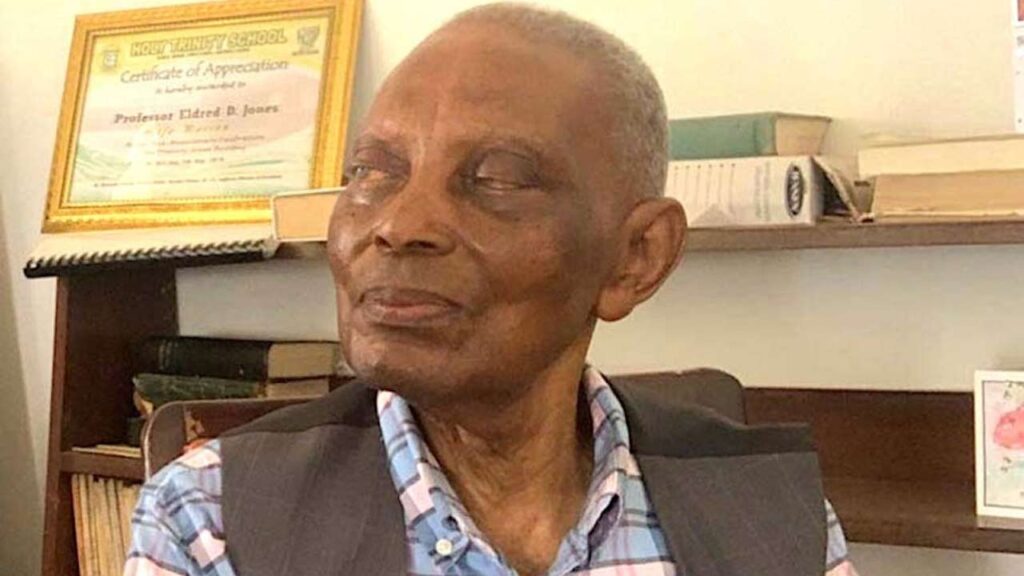
Chief Alex Olu Ajayi, Odoba of Ado Ekiti and one-time Registrar of WAEC, was likewise a product of Fourah Bay, contributing to the integrity of examination and certification processes in West Africa. The imprint of Fourah Bay extended even further through cultural and intellectual movements. The West African Students’ Union (WASU), co-founded by Ladipo Solanke and Sierra Leonean Herbert Bankole-Bright, served as an incubator of Pan-Africanist ideas and decolonisation efforts. Meanwhile, Professor Eldred Durosimi Jones — scholar, editor, and principal of Fourah Bay — provided the critical lens through which African literature was first systematically analysed.
Intertwined Destinies: Nigeria and Sierra Leone
To explore the shared educational and historical space between Nigeria and Sierra Leone is to enter a terrain of intricate kinship. Many of the freed Africans who settled in Sierra Leone were of Yoruba origin. Their descendants, bearing surnames like Bright, Johnson, and Macauley, retained linguistic and cultural links to their ancestral homelands. Some, like Bankole-Bright, reconnected with Nigeria through politics, while others settled in Nigeria permanently, their names gracing schools, streets, and libraries.
Dr. Kolade offered an illuminating perspective on this historical entanglement. “Those who had been freed,” he explained, “and were brought back to Sierra Leone were often more advanced in Western education and Christian values than those in Nigeria. So naturally, when missionaries sought leaders for their new missions in Nigeria, they turned to the Fourah Bay alumni who had proven themselves.” It is a tale of how displacement and return, rupture and reunion, helped shape a class of Africans who, by the mid-20th century, were ready to take the reins of their own governance. It is also a testament to the power of education to overcome historical injustice.
Legacy and Enduring Relevance
Fourah Bay College, with its founding on 18 February 1827, long predated the universities of Ibadan or Nsukka. For decades, it remained the only viable route to higher education for many in English-speaking West Africa. Its alumni formed the backbone of Nigeria’s early administrative and ecclesiastical leadership. They taught in classrooms, led congregations, crafted constitutions, and debated the meaning of freedom and identity.
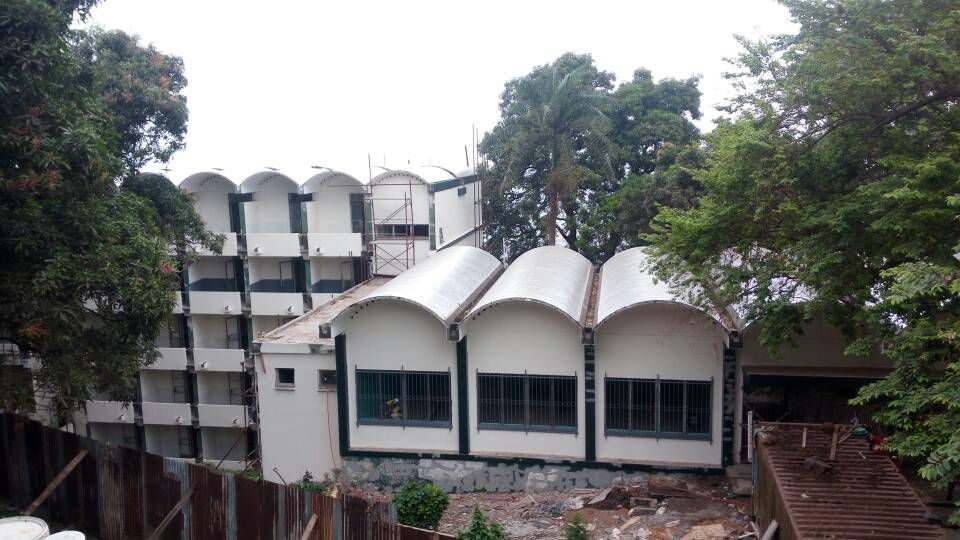
Today, Fourah Bay may no longer occupy the singular position it once did, but its contributions are woven into the fabric of Nigerian history. Its alumni halls echo with the footsteps of men and women who, having first tasted the fruits of knowledge on Sierra Leonean soil, returned home to till the fields of reform and build the structures of a modern nation. In the final reckoning, the story of Fourah Bay College is not just a footnote in Nigerian history — it is a cornerstone. It is the story of how an institution, conceived in the aftermath of human bondage, became the catalyst for human dignity, leadership, and enlightenment across an entire subcontinent.