
Certain distinctive factors make Ibadan a positive reference point in the ascension of a new Oba after the demise of the incumbent
By David Edremoda

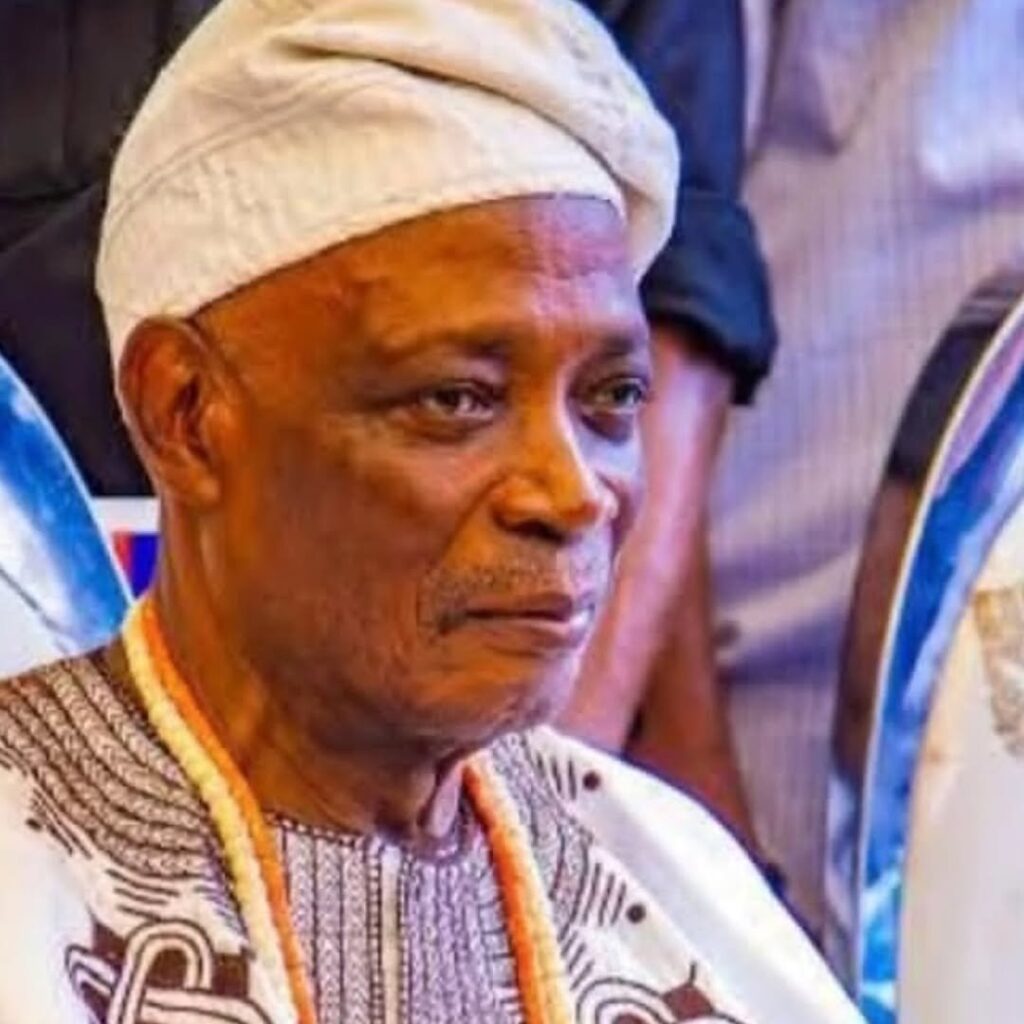
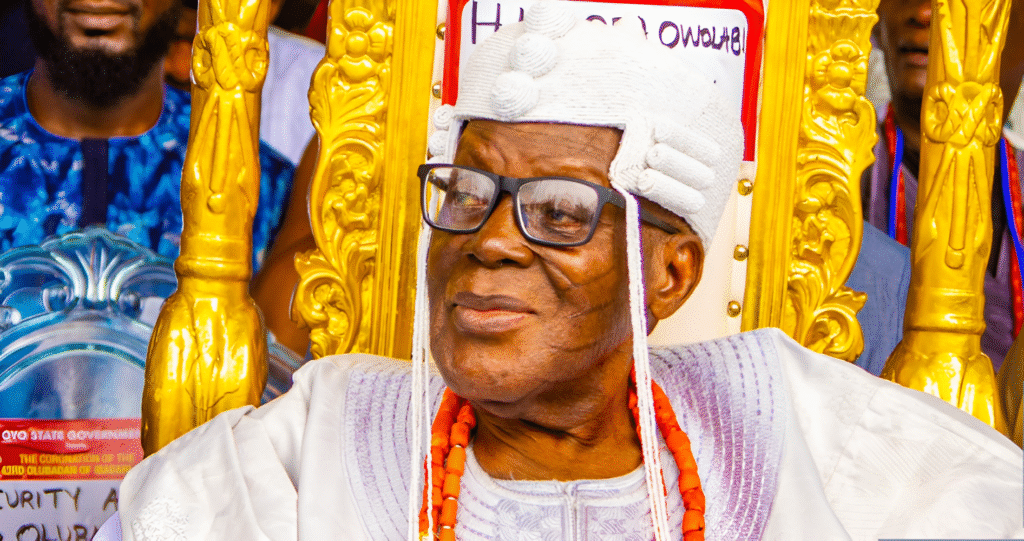
On Monday, the 4th of August 2025, a tranquil yet historic event unfolded in the ancient city of Ibadan. In a manner emblematic of its enduring political sophistication and cultural discipline, the Olubadan-in-Council unanimously nominated Oba Rashidi Ladoja as the 44th Olubadan of Ibadanland. This came mere weeks after the peaceful passing of his predecessor, Oba Owolabi Olakulehin, who departed this world on July 7, 2025, just two days after celebrating his 90th birthday.
In many other parts of Nigeria, such a royal transition might have occasioned chaos; entrenching rival factions, inciting violence, or prompting an opportunistic scramble for influence by power brokers. But in Ibadan, a city defined by its deeply entrenched traditional order, the ascension of a new monarch proceeded with remarkable serenity and dignified unanimity. The city’s time-honoured succession system: non-hereditary, rigorously meritocratic, and firmly institutionalized; remains a beacon of administrative clarity in a region where royal disputes too often degenerate into bloodshed.
The nomination of Oba Ladoja, though made in his physical absence, was a seamless affair conducted at the new Olubadan Palace in Oke-Aremo, located within the Ibadan North Local Government Area. The palace itself, a multimillion-naira edifice, witnessed its first major ceremonial duty as the venue of the Olubadan-in-Council’s deliberation. This marked a symbolic shift from the older palace at Oja’ba in the Ibadan South East Local Government Area, where previous nominations had traditionally occurred.
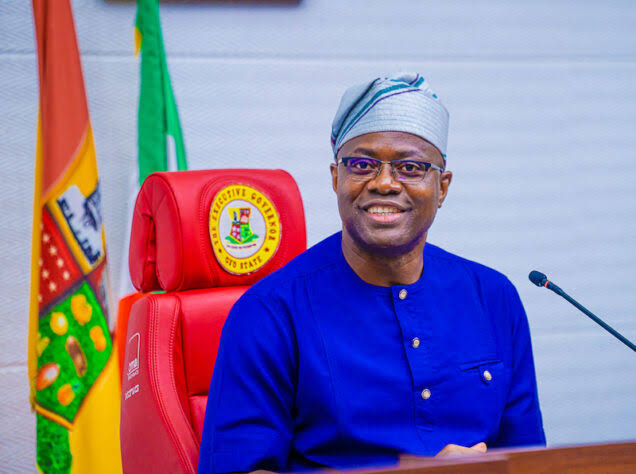
The council meeting was attended by all the beaded crown-wearing high chiefs of the city, forming a quorum reflective of Ibadan’s balanced civil-military chieftaincy structure. Oba Tajudeen Ajibola, the Balogun of Ibadanland, formally nominated Oba Ladoja; the nomination was promptly seconded by Oba Eddy Oyewole, the newly appointed Otun Olubadan and immediate successor to the position Ladoja had vacated in anticipation of his royal elevation. Without dissent, the council endorsed Ladoja’s nomination, appending their signatures to a resolution that was to be sent to the state governor, Seyi Makinde, for formal ratification and subsequent presentation of the Staff of Office.
Speaking to the press, Oba Ajibola stated with quiet confidence: “When one king transits, another is enthroned. This is the tradition of Ibadan. Our duty now is to transmit our resolution to the Governor, who will, in line with the 1957 Chieftaincy Declaration as amended, appoint a date for the coronation.” This calm, procedural confidence exemplifies the very essence of Ibadan’s royal institution —a system structured not around divine birthrights or royal intrigue, but around ascendancy through verifiable ranks and years of public service.
Oba Ladoja: The Man, His Journey, His Conviction
Born on the 25th of September, 1944, in the modest village of Gambari near Ibadan, Rashidi Ladoja’s trajectory combines the elegance of Western education with the grit of Nigerian political experience. A product of both Ibadan Boys High School and Olivet Baptist High School, Ladoja pursued tertiary education in Europe, graduating with a degree in Chemical Engineering from the prestigious University of Liège in Belgium.
Upon his return to Nigeria, he joined the French oil conglomerate Total before branching into private enterprise and politics. In May 2003, he assumed office as Governor of Oyo State under the banner of the Peoples Democratic Party. His tenure, however, was marred by political turbulence, culminating in a controversial impeachment in January 2006. Yet, true to the Nigerian judiciary’s occasional flashes of independence, the Supreme Court reinstated him in December of the same year, allowing him to complete his term by May 2007. Since then, he has maintained a visible presence on the national political scene, participating in various electoral contests and eventually aligning with the Zenith Labour Party in 2018.
In August 2024, as Otun Olubadan, Ladoja accepted the beaded crown, a condition newly enshrined in Oyo State’s chieftaincy laws, thereby fulfilling the statutory requirement to ascend to the throne. Reflecting upon his imminent destiny in a radio interview, he declared, “By the grace of God, I will become Olubadan. My blood pressure has been stable; anyone God destined to become Olubadan will become Olubadan.”
A Succession System Without Bloodlines
Ibadan’s royal succession is striking not only for its orderliness but also for its philosophical departure from the hereditary model prevalent in other Yoruba city-states. The city’s chieftaincy hierarchy, which has evolved over more than 170 years, eschews the idea of divine royal descent. Instead, it operates a meritocratic dual structure: the Olubadan Civil Line and the Balogun Military Line. Each aspirant, upon becoming a Mogaji (head of a family compound), begins a methodical ascent through a ladder of between 22 and 23 titles, depending on the chosen line.
Historically, this structure reflects the city’s martial origins. Ibadan — meaning “Eba Odan” or “by the edge of the meadow”— was established in 1750 and reconstituted in 1829 as a military camp for Yoruba soldiers from Oyo, Ife, Ijebu, and other regions. The city’s earliest rulers were military generals rather than traditional kings, and power was distributed based on merit and battlefield prowess.
The city’s first notable military leader, Oluyedun, assumed the title of Aare Ona Kakanfo. His lieutenants — Lakanle (Otun Kakanfo) and Oluyole (Osi Kakanfo) were appointed in descending order of military distinction. This martial ethos endured through the 19th century, even as Ibadan grew into a regional power, earning the sobriquet Idi-Ibon or “gun base.” Due to its non-hereditary chieftaincy model, Ibadan is often described by scholars as a “military republic.” The ascendancy is not reserved for princely bloodlines but is accessible to any freeborn son of the city willing to commit himself to public service and communal advancement. As historian Ayomide Akinbode observed, Ibadan’s link to Yoruba heritage lies not in ancestral monarchy but in a unique political evolution that is indirectly tethered to Ile-Ife but firmly rooted in martial meritocracy.
Rotational Royalty and Institutional Wisdom
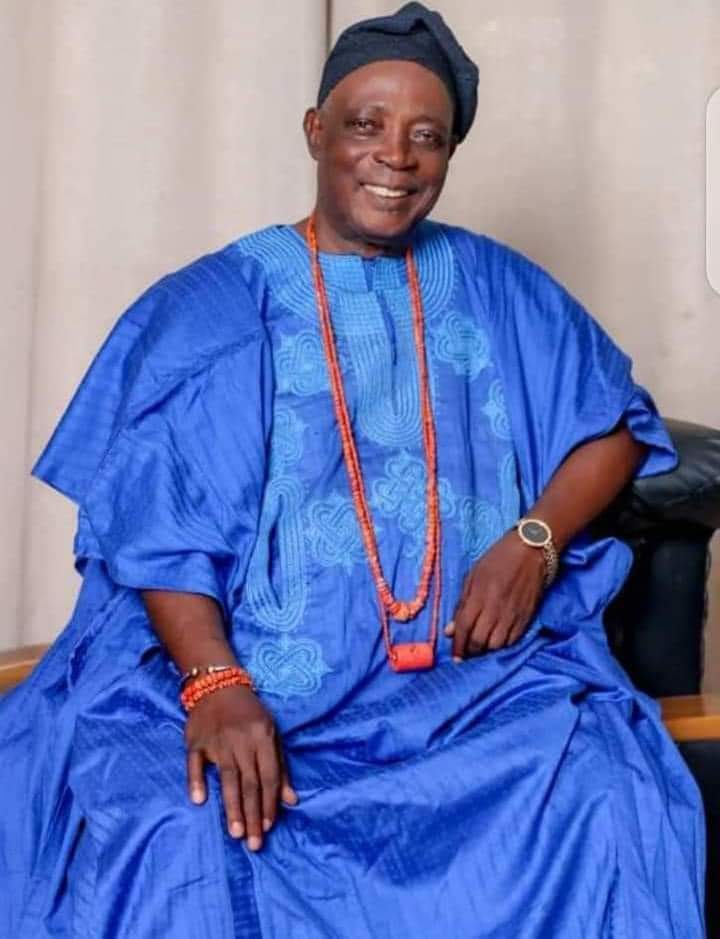
One of the most stabilizing features of Ibadan’s Obaship succession is its rotation between the two chieftaincy lines. This alternation reduces rivalry and ensures a sense of fairness and inclusivity across the broader sociopolitical landscape of the city. For instance, Oba Mohood Lekan Balogun (Alli Okunmade II), who passed away on March 14, 2024, hailed from the Civil Line, and was succeeded by Oba Owolabi Olakulehin of the Military Line. With Olakulehin’s passing, the pendulum has swung back to the Civil Line, from whence Oba Ladoja now emerges. This systematic alternation ensures continuity, prevents dynastic monopolies, and promotes harmony. It is perhaps one of the finest examples of institutional foresight embedded in traditional African governance.
The Age Factor: A Byproduct of Rigour
The elaborate structure of succession inevitably leads to advanced age at the point of coronation. Most recent Olubadans have been crowned well into their eighties. Oba Olakulehin was enthroned at 84; his predecessor, Oba Saliu Adetunji, assumed the throne at 87. This is due not only to the lengthy progression through ranks but also to occasional deaths that cause reshuffling and delays within the chieftaincy ladder. While some have critiqued this gerontocratic outcome as a disadvantage, others argue that it fosters a deep well of experience, ensuring that only men of tested wisdom and resilience ascend to the throne.
Evolution and Reforms
In 2017, then-Governor Abiola Ajimobi attempted to reform the system by elevating some high chiefs and Baales to minor Obaship status. This decision, though initially reversed by his successor, Governor Seyi Makinde, was later re-enacted in July 2023 through amendments to the Oyo State Chieftaincy Law. Despite such adjustments, the core meritocratic and rotational philosophy of the Olubadan succession remains intact.
Moreover, the requirement of wearing a beaded crown, once viewed as a symbolic encroachment on tradition, is now accepted as part of a modernized chieftaincy framework. Oba Ladoja’s acquiescence to this requirement underscores his pragmatism and respect for the evolving nature of traditional authority.
Ibadan’s Obaship succession system, devoid of bloodline entitlement and rooted in structured ascendancy, remains a singular phenomenon in Nigeria’s traditional governance landscape. Its reliance on well-defined hierarchies, rotational balance, and inclusive access provides a compelling blueprint for other cultural systems grappling with instability and factionalism. As the city welcomes the ascension of Oba Rashidi Ladoja as the 44th Olubadan of Ibadanland, it does so with the assurance that its unique legacy of peaceful transitions and principled leadership continues, unbroken, into yet another chapter of its storied history.