


To cope with a snoring partner is not to suffer in silence, but to seek silence with dignity. One night at a time, one breath at a time.
By Ali Mamman

There are few domestic trials quite as quietly exasperating, yet strangely enduring, as sharing a bed with a snoring partner. The act itself is not malicious. It is a physiological quirk, a sound born of soft tissue and turbulent air. And yet, its effects are insidious: fractured nights, groggy mornings, quiet resentment that builds like condensation on the windowpanes of intimacy. The sleeper is oblivious. The listener is acutely awake. To coexist with a snorer is to enter a subtle, nightly negotiation between affection and rest, patience and primal frustration.
Yet solutions do exist, refined, gentle, effective. They do not begin with blame. They begin with understanding and evolve into practice, ritual, and, eventually, harmony. Let us explore seven strategies not just to endure, but to elevate the shared sleep experience into something more compassionate, more manageable, and, at last, more silent.


Embrace the Science Before the Sentiment
The first and most powerful antidote to irritation is knowledge. Snoring, for all its nuisance, is a complex interplay of anatomical and lifestyle factors: relaxed throat muscles, nasal congestion, alcohol intake, body weight, and even sleep posture. It may also be symptomatic of a more serious condition, such as obstructive sleep apnea, a disorder that warrants medical intervention.
Before reaching for quick fixes or passive-aggressive commentary, initiate a dialogue grounded in curiosity rather than complaint. Observe patterns. When does the snoring intensify? Is it positional, seasonal, stress-induced? Encourage your partner to undergo a sleep study if symptoms point to apnea: gasping, choking, daytime drowsiness, headaches upon waking. It is not merely a question of your rest: it is a matter of their health.
This first step, though unglamorous, lays the groundwork. You are no longer helpless in the face of sound; you are engaged in a process. Understanding turns conflict into collaboration, and frustration into shared resolve.
2. The Architecture of Silence: Optimise the Sleep Environment
Sleep is a ritual, and rituals require architecture — design, intention, and fidelity to form. If your nights are punctuated by a partner’s nocturnal symphony, you must curate a space that does not merely endure the disruption but actively resists it.
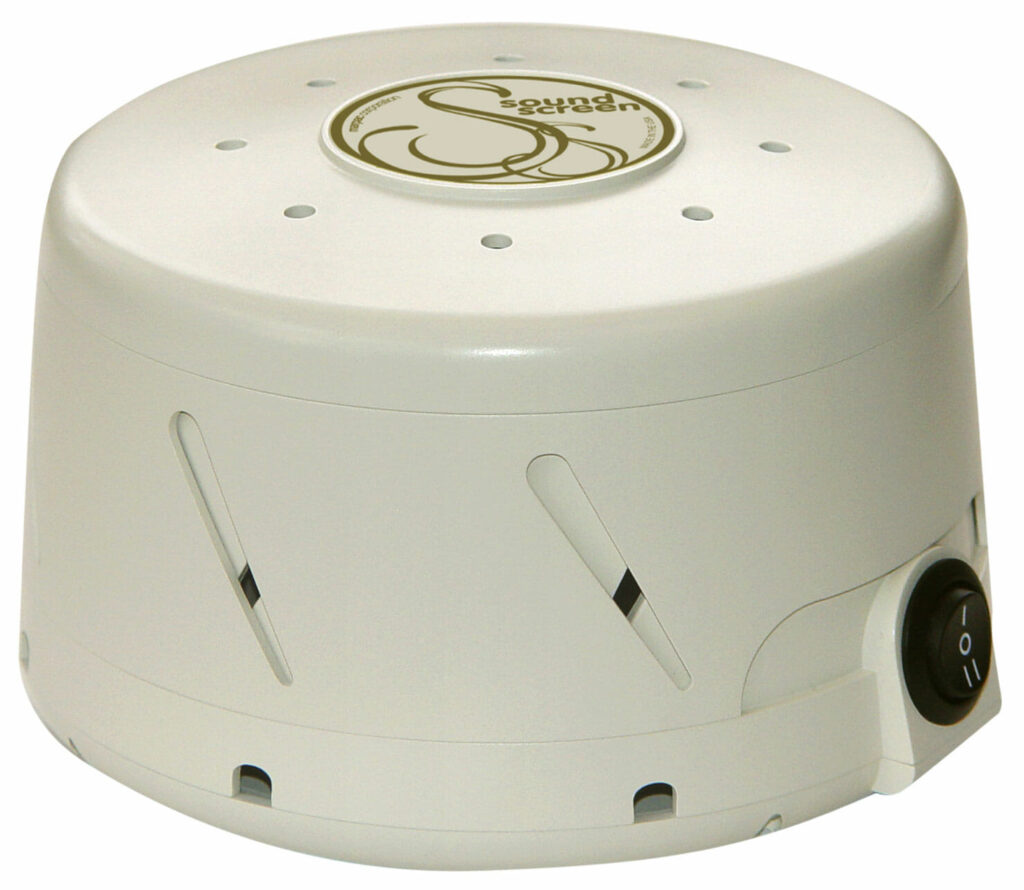
Start with sound. White noise machines are not mere gadgets but acoustic sanctuaries. The low hum of a fan, the delicate whisper of simulated rain, the rustle of a digital forest — these are not distractions but counterbalances, rendering your partner’s snoring a less prominent player in your auditory landscape.

Consider noise-canceling technology: earplugs crafted from memory foam or silicone, or, more luxuriously, wireless earbuds that gently bathe your ears in ambient tones designed to lull rather than alert. Beyond sound, there is scent, texture, temperature. Invest in bedding that cocoons rather than confines, fabrics that breathe, pillows that cradle. Aromatherapy — lavender, vetiver, chamomile — can shift the mind toward calm, even if the body beside you hums with unwelcome resonance. Create a chamber not of punishment, but of peace.
3. Master the Art of Strategic Separation
There is a quiet taboo in the idea of separate sleeping arrangements: a lingering sense of failure, of emotional distance masquerading as logistical necessity. And yet, the act of choosing rest over proximity can be an act of devotion rather than withdrawal.
Sleep divorce, when executed with intentionality and communication, is neither a retreat nor an accusation. It is the recognition that love does not always require adjacency, that intimacy is not solely measured in shared pillows but in the quality of presence when awake.
If separate bedrooms are architecturally possible, do not dismiss them outright. They may become chambers of restoration, allowing each partner to arrive at the day whole, rested, and more capable of generosity. If space does not permit such a division, even a trundle bed or a guest room rotation can provide intermittent reprieve.
The key is in the framing: this is not abandonment, but strategy. Not distance, but self-preservation in service of relational endurance.


4. Engage With Technology, but Select With Care
We live in an age where silicon and algorithms increasingly mediate our health. It would be a mistake not to leverage this innovation, particularly in the realm of sleep. There exists a constellation of devices and apps designed to track, modulate, and even eliminate snoring, each with its own promise and price.
Anti-snore pillows adjust head position automatically. Wearables monitor sleep cycles and vibrate gently to prompt positional change. Smart beds tilt or elevate based on biometric cues. Even simpler interventions, such as nasal dilators or mandibular advancement devices, can work wonders when used appropriately. But beware the illusion of the silver bullet. Not every solution suits every body. Choose not the flashiest, but the most empirically sound. Consult with sleep specialists before investing in any technology that alters physiology. Technology is a tool, not a saviour. It should enhance, not dominate, the quest for quieter nights.

5. Foster Lifestyle Shifts Together
Snoring is not always immutable. In many cases, it is the somatic expression of larger imbalances: excess weight, alcohol use, sedative medications, or even untreated allergies. Addressing these root causes requires more than an individual effort: it demands a collective pivot in lifestyle.
Let this be an invitation to wellness, not judgment. Exercise together, not merely for aesthetics, but for respiratory health. Explore plant-rich diets, not from a place of deprivation, but of shared vitality. Moderate alcohol intake, particularly in the evening, not as a punishment, but as an experiment in enhanced rest. These shifts are not mere remedies; they are acts of mutual care. When approached without blame, lifestyle changes become intimate, even invigorating. A walk after dinner, a new recipe, a shared goal — each becomes a step toward quiet nights and fuller days.
6. Cultivate a Ritual of Compassionate Response
In the thick of night, amid fractured sleep, the snore can feel like an affront; an intentional disruption, a kind of acoustic selfishness. But it is not. Your partner is not choosing to snore. They are, in fact, as much a victim of their body’s mechanics as you are. The mind, under sleep’s spell, knows no malice.
Thus, cultivate a practice of response that honours this truth. When the snoring begins, resist the urge to jab, to sigh, to exile. Instead, try the gentle touch — a shoulder caress, a nudge to prompt repositioning. Over time, these tactile cues can become a non-verbal lexicon between partners, a choreography of care.
Should you need to retreat to another room, do so without theatrics. Leave behind not just the bed, but the resentment. The goal is restoration, not retribution. In the light of day, speak not of blame, but of impact. Use “I” statements. Avoid exaggerations. Keep the conversation in the realm of curiosity and collaboration. Compassion in the night sets the stage for clarity in the morning.

7. Reframe the Narrative
Ultimately, coping with a snoring partner is not simply about intervention. It is about re-narrating the experience so that it no longer becomes the defining feature of your shared nights. You are not the long-suffering insomniac, nor are they the oblivious offender. You are two humans navigating the fragile, absurd, and tender endeavour of cohabitation.
Snoring may persist. So too may love. The two are not mutually exclusive. Reframing begins with humour. Laughter diffuses resentment. It reminds you both of the absurdity, of the many noises we emit, the strange ways our bodies betray us. Find levity in the cacophony. Give the snore a nickname. Make light where once there was tension.


It also requires gratitude. Amidst the noise, remember what silence cannot offer: the heat of a body beside yours, the rhythm of a familiar breath, the unspoken comfort of presence. There are worse nocturnal disturbances than the sound of someone who loves you breathing too loudly.
Finally, reframe with grace. You are not seeking perfection, only improvement. You are not eradicating a flaw, but navigating an aspect. This, too, is love: imperfect, sometimes inconvenient, often noisy, always worth it.
Prof. Ali Mamman is a Behavioural Therapist