

Beyond London’s famous landmarks lies a quieter, more intimate city; one revealed to travellers who slow down, wander off-script, and discover beauty where the crowds rarely linger.
By Jane Duncan
London is a city that performs itself loudly. Its landmarks announce their importance without modesty; its museums queue the world; its streets hum with the confidence of a place long accustomed to being watched. Yet beneath this familiar spectacle exists another London: quieter, more intimate, and infinitely more revealing. This is the city that rewards curiosity, patience, and a willingness to step slightly off the map. Here are five of London’s best kept secrets, not hidden in obscurity, but overlooked by habit.
1. Little Venice at Dawn
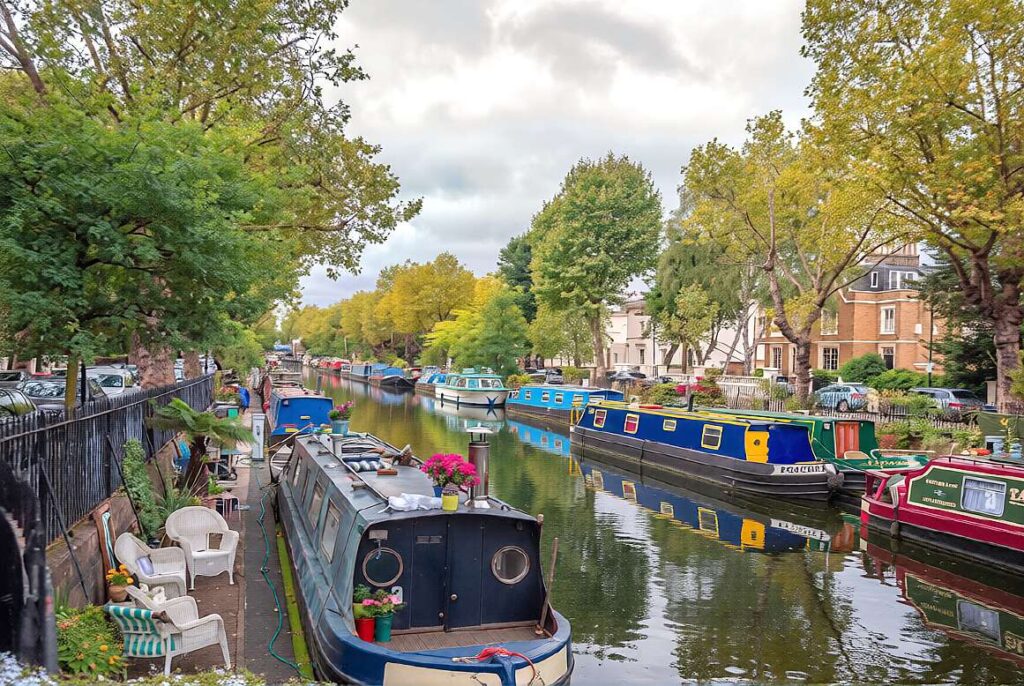
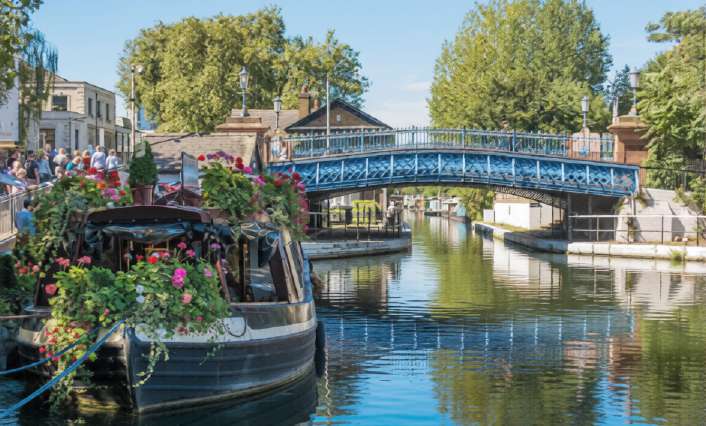
Little Venice is no secret on paper, yet few experience it at its most spellbinding hour. At dawn, before joggers and café tables claim the towpaths, the canals become mirrors of stillness. Narrowboats rest like sleeping animals; willow trees dip into water undisturbed by wake or sound. The city feels paused, as though London itself has momentarily exhaled.
This is not the Venice of gondolas and crowds, but of quiet contemplation. Walk from Warwick Avenue toward Paddington Basin, coffee in hand, and watch the city awaken slowly. It is London at its most poetic; urban, yes, but tender, reflective, and human.
2. The Charterhouse: A City Within the City
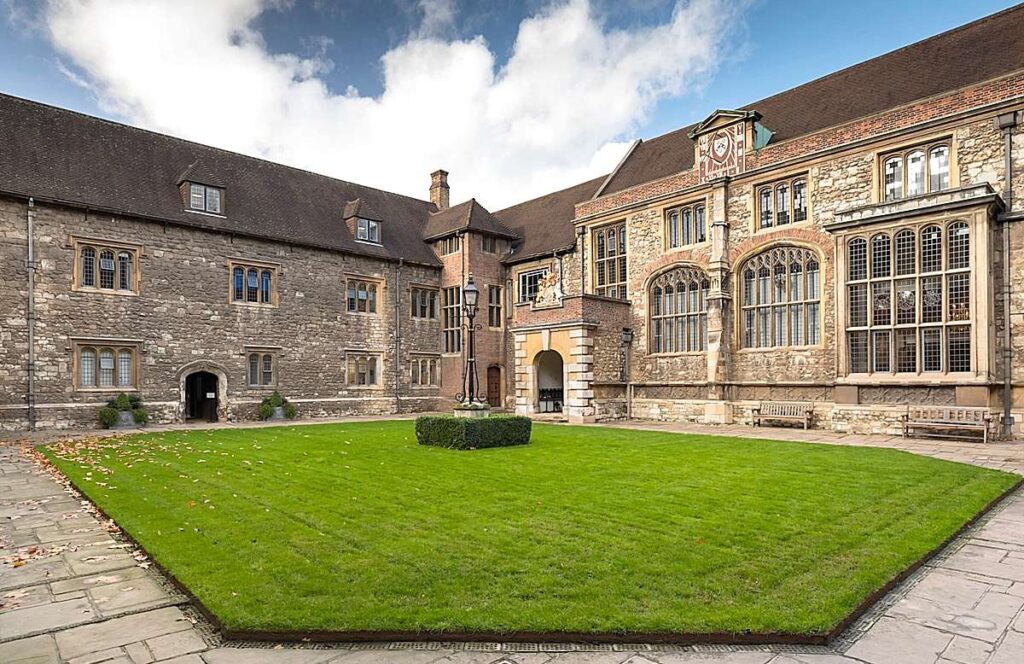
Tucked discreetly near Smithfield lies the Charterhouse, a medieval complex so steeped in history it feels almost fictional. Founded in the 14th century, it has been monastery, mansion, school, almshouse, and silent witness to centuries of change. Yet most Londoners pass it without a glance.
Inside its walls, time loosens its grip. Cobbled courtyards, cloisters, and ancient stone halls offer a rare sense of continuity in a city obsessed with reinvention. The Charterhouse is not curated for spectacle; it invites quiet attention. It rewards those who listen rather than rush.
3. The Cinema Museum: London’s Forgotten Love Affair
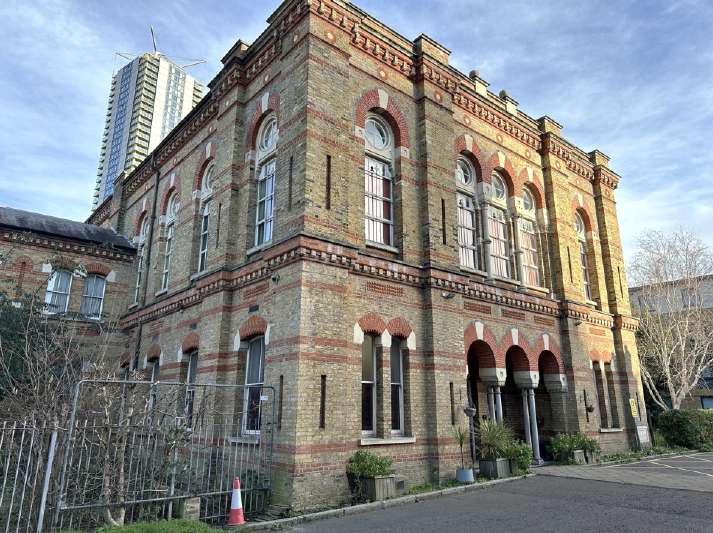
In a former workhouse near Elephant and Castle, London’s deep romance with cinema is preserved with surprising intimacy. The Cinema Museum is not glossy or expansive; it is personal, eccentric, and deeply affectionate. Here, projection booths, Art Deco posters, and forgotten reels tell a story of communal wonder.
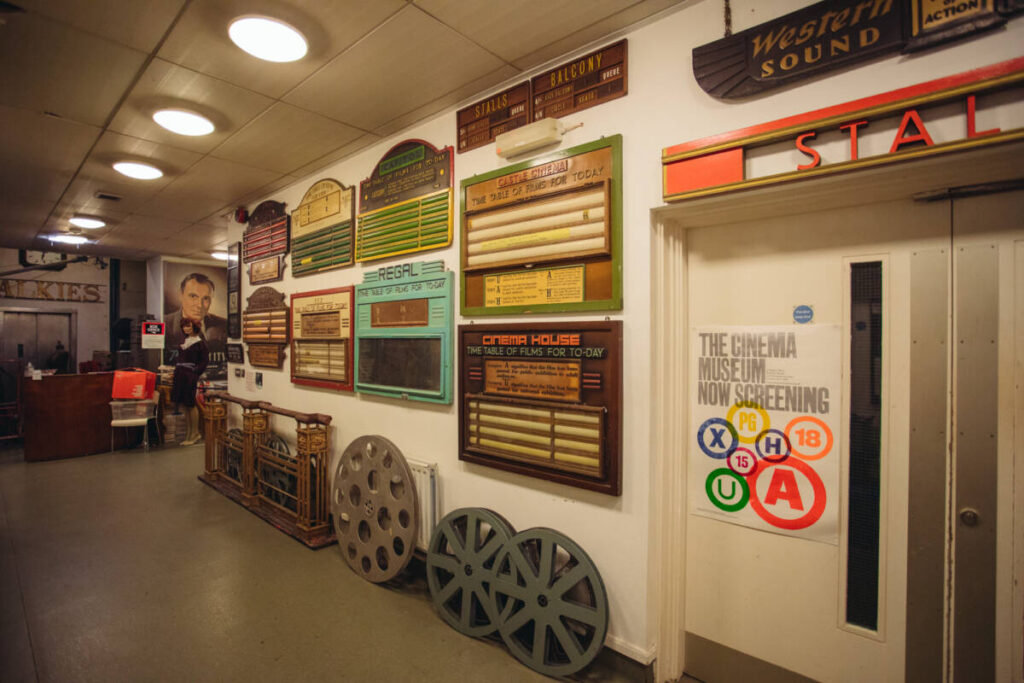
More than nostalgia, the museum captures a time when cinema was a social ritual; when stories flickered into shared memory. Visiting feels less like entering an institution and more like being invited into someone’s carefully kept passion. In an era of endless streaming, it is a gentle reminder of how magic once felt collective.
4. Postman’s Park: Where Quiet Lives Remembered
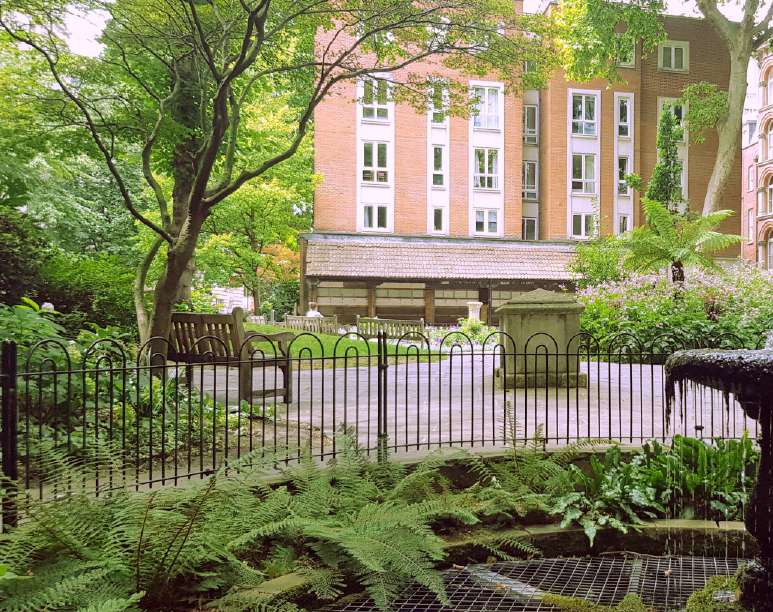
A small green square near St Paul’s Cathedral, Postman’s Park is easy to miss, and impossible to forget once discovered. Along one wall runs the Memorial to Heroic Self-Sacrifice: ceramic plaques commemorating ordinary people who died saving others.
The stories are brief, devastating, and profoundly human. A child who rescued a friend from drowning. A worker who entered a burning building and did not return. In a city so often defined by power and prestige, this park honours courage without applause.
It is not a place for selfies. It is a place for stillness. Few spaces in London speak so softly, yet so powerfully, about the quiet heroism woven into everyday life.
5. Wilton’s Music Hall: The Soul of Old London
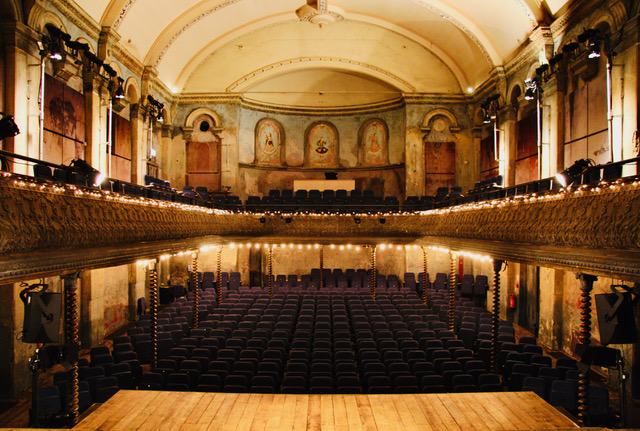
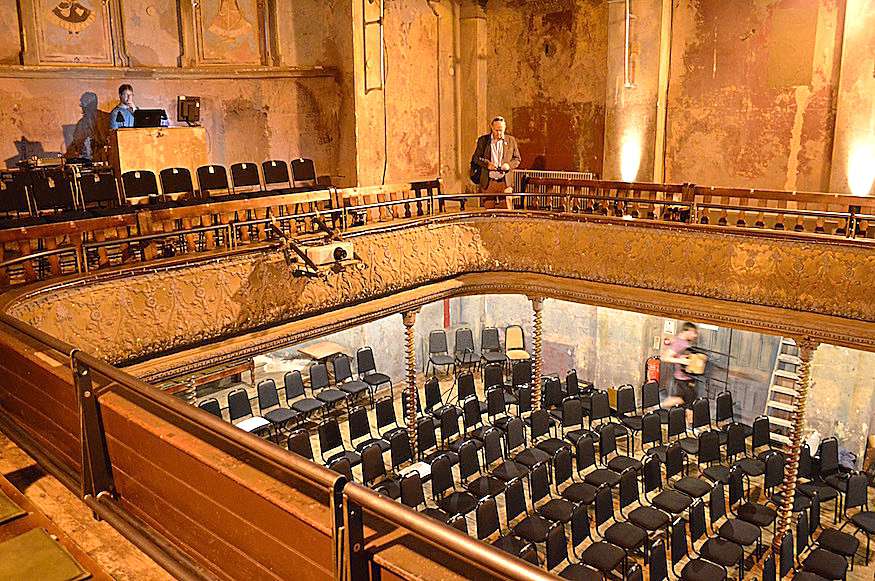
Hidden behind a modest façade in Whitechapel, Wilton’s Music Hall is the oldest surviving grand music hall in the world; and one of London’s most atmospheric spaces. Time has been kind to its decay. Cracked plaster, peeling paint, and exposed brick give the hall a haunting beauty modern theatres cannot replicate.
Attend a concert, play, or spoken-word performance here and you feel history breathe alongside you. The room carries echoes of Victorian laughter, political debate, and artistic rebellion. Wilton’s is not preserved as a museum piece; it lives, imperfectly and gloriously, as a working cultural space.
In a city racing toward the new, Wilton’s stands as proof that authenticity ages better than polish.
A Different Way to See London
What unites these places is not secrecy in the strict sense, but resistance to spectacle. They do not demand attention; they reward it. They ask visitors to slow down, to notice texture rather than headline, atmosphere rather than itinerary.
London reveals itself most fully not through its grand statements, but through its footnotes; spaces where history, humanity, and quiet beauty intersect. To seek out these places is to experience the city not as a tourist, but as a temporary local; not as an observer, but as a participant in its living, layered story. In a world increasingly curated for immediacy, London’s best kept secrets remind us that some experiences still require patience; and that the richest rewards often lie just beyond the obvious.