

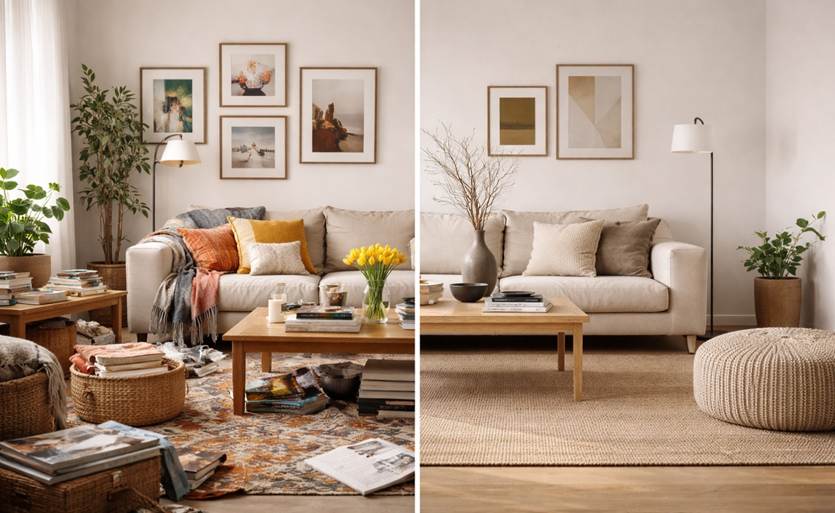
Most homes don’t go wrong at the beginning. They lose momentum midway. The direction changes when too many opinions enter the room. A space that started out calm and minimal slowly invites bold patterns, heavy furniture, and one too many statement pieces all lovely on their own, but confused together.
The January Reset
Every January comes with a familiar energy. New year. New goals. New intentions. Sometimes, even new furniture.
We reset our routines, rethink our priorities, and promise ourselves that this will be the year things finally feel more put together. And often, our homes get swept into that promise. A new sofa. New curtains. Finally, purchasing that artwork we’ve been eyeing for months.
But here’s the uncomfortable truth: most people don’t realise a new home doesn’t come from new things alone. It comes from new decisions. Most homes don’t feel unfinished because of bad taste. They feel unfinished because the decisions behind them were never fully made.
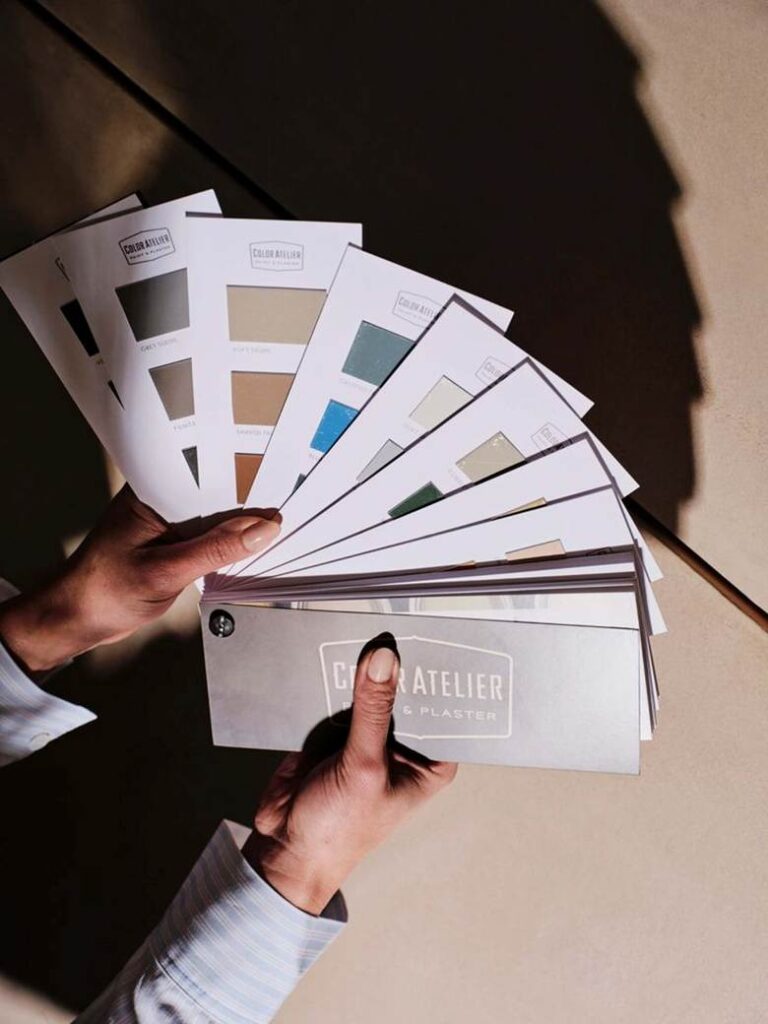
Taste Sets the Direction, Decisions Do the Work
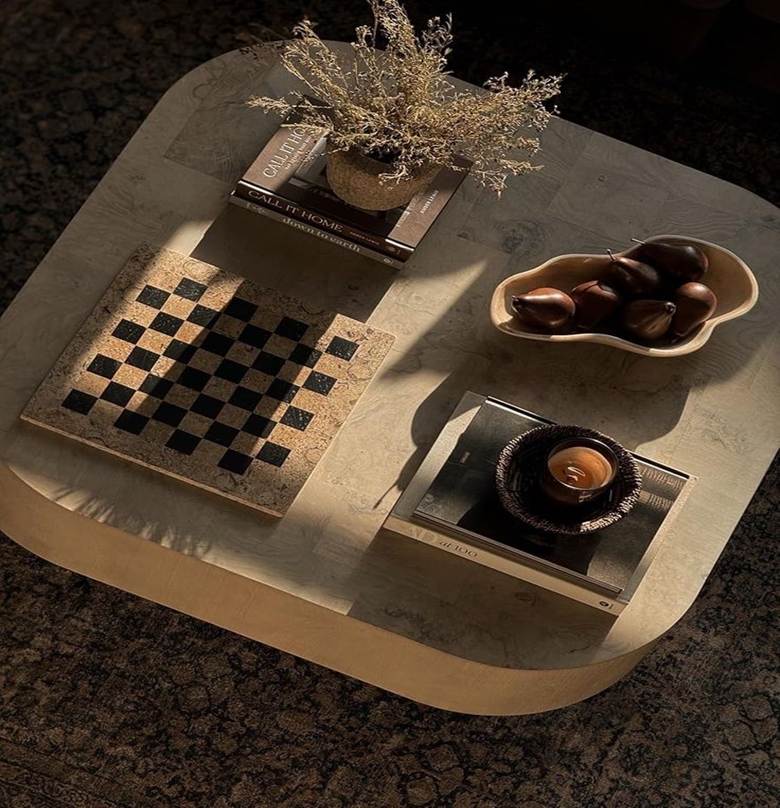
Taste matters. Of course it does.
Knowing what you’re drawn to certain colours, shapes, or moods is important. Taste gives a home its personality. But good taste on its own doesn’t create a cohesive space. It is only the starting point.
What actually shapes a home is how those preferences are translated into decisions. Decisions about what leads and what supports. What repeats and what steps back. What belongs together and what doesn’t.
Without those decisions, even the most beautiful pieces can feel disconnected. A room can be full of “nice things” and still not feel resolved.
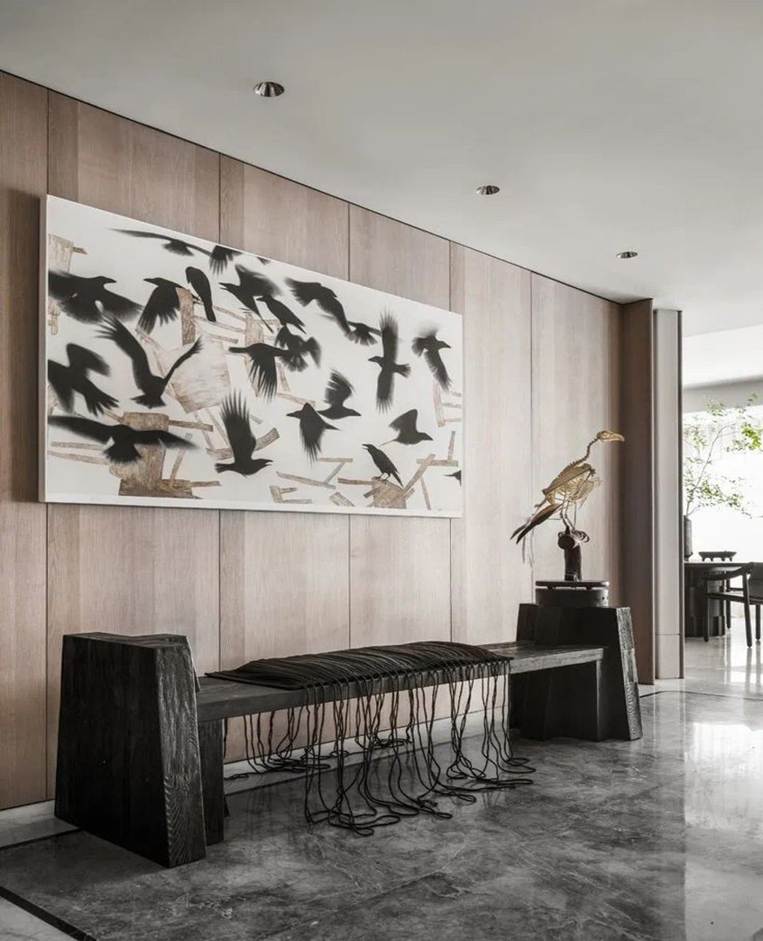
When a Beautiful Piece Doesn’t Quite Fit
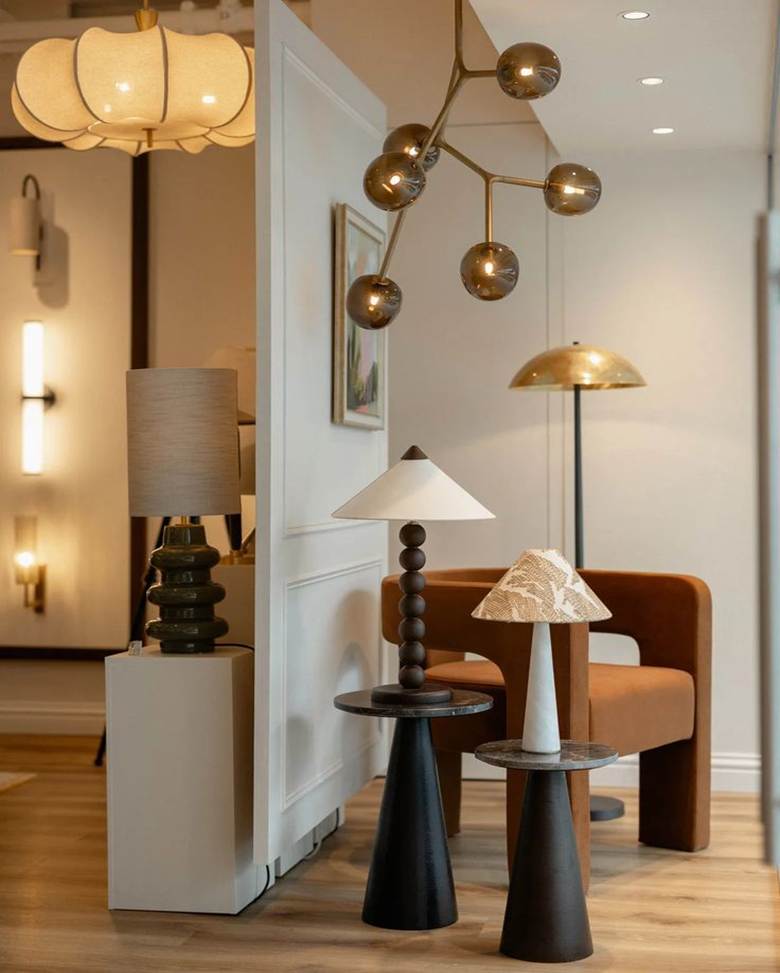
Take something as simple as a lamp. On its own, it can be beautiful. Sculptural. Interesting. Love at first sight.
But in a room, a lamp has a job.
Is it responding to the seating arrangement? Is it fighting the ceiling height? Is it adding softness or competing with everything else?
Once a piece enters a space, it no longer exists in isolation. It becomes part of a larger conversation with the furniture, the light, the scale of the room, and the mood you are trying to create. When that conversation hasn’t been thought through, the result isn’t bad taste. It’s simply a decision that stopped halfway.
And good design requires those decisions to be consistent.
The Designer’s Eye
This is often the difference between how a homeowner and a designer sees a room.
Most people look at spaces through individual pieces.
I like this chair.
This artwork is beautiful.
That coffee table is interesting.
Designers are trained to look at relationships.
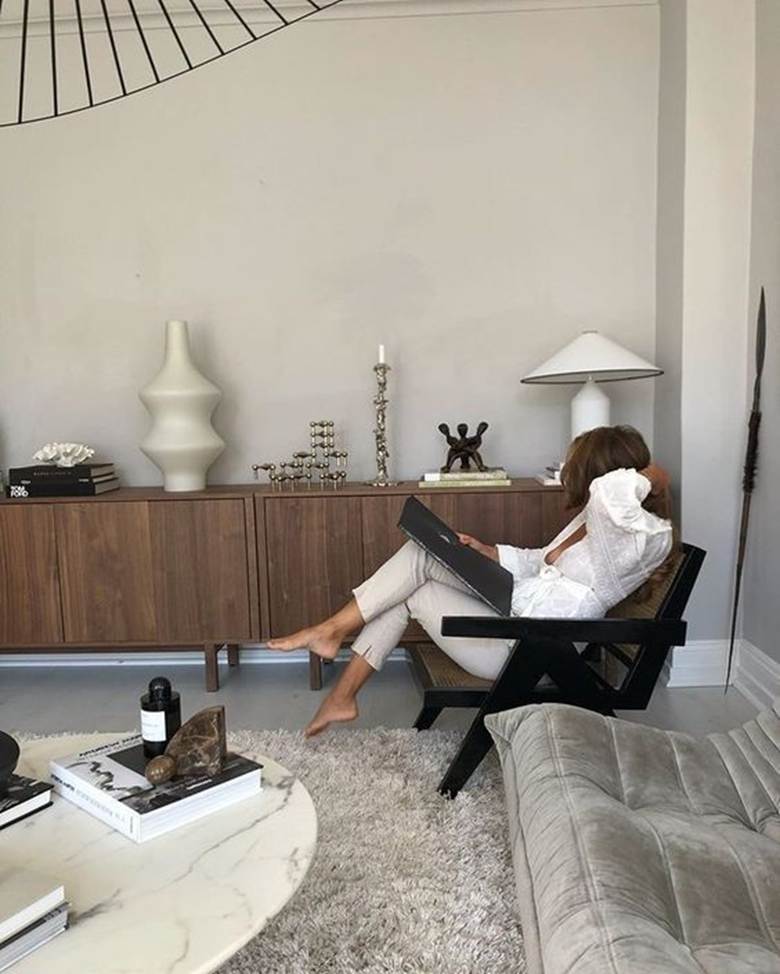
How pieces sit next to one another. How materials repeat or intentionally contrast. How the eye moves through a room. What leads, and what supports.
It’s less about collecting beautiful things and more about deciding how everything works together. In Lighthouse Interior Design projects, I often say my work is done when, scanning a finished room, I cannot pick out a single favorite piece. I’m happiest when the space reads as a whole when it feels like a quiet, well-composed symphony rather than a solo performance.
Where Homes Lose Momentum
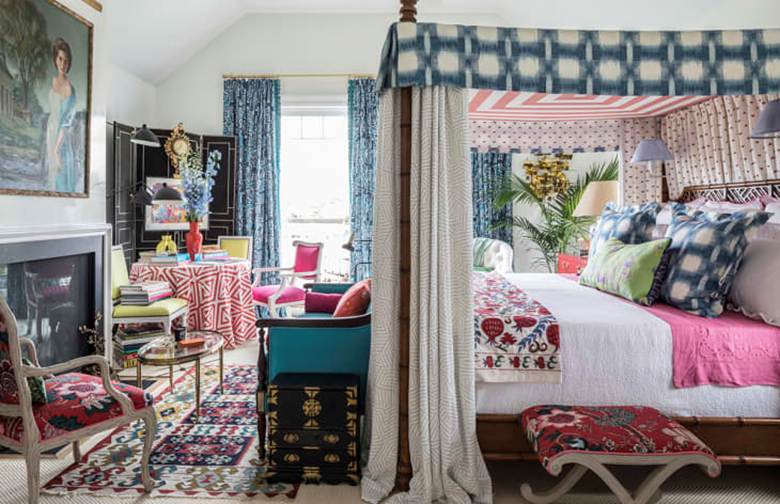
Most homes don’t go wrong at the beginning. They lose momentum midway.
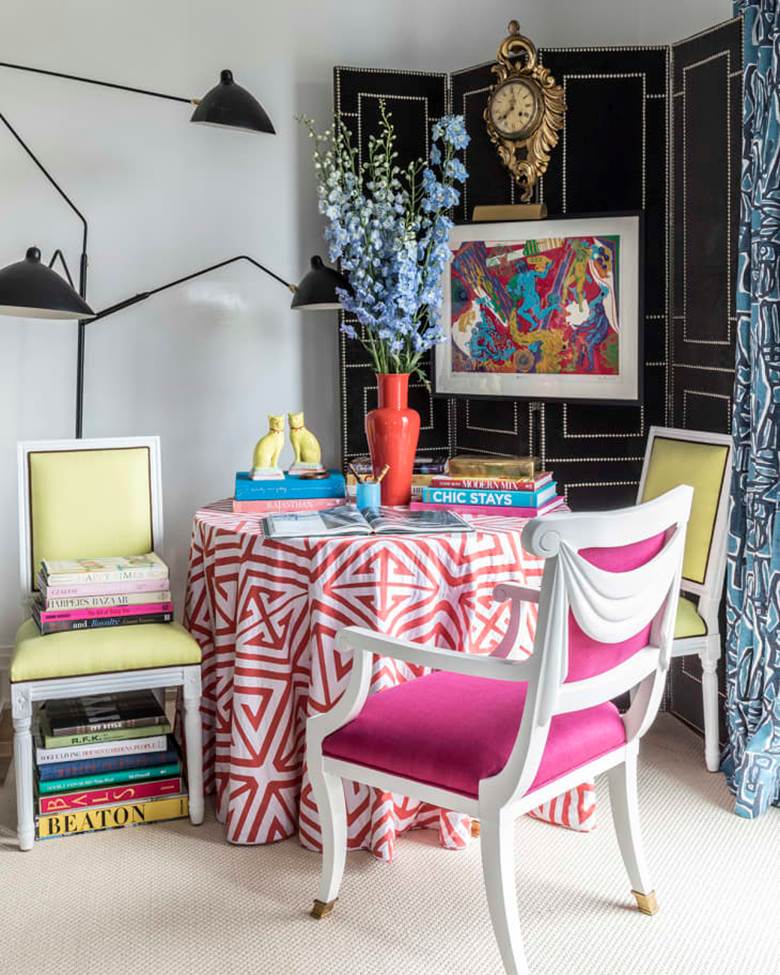
The direction changes when too many opinions enter the room. A space that started out calm and minimal slowly invites bold patterns, heavy furniture, and one too many statement pieces all lovely on their own, but confused together.
And yes, this often happens because everyone has an opinion about how your home should look. Even people who don’t live there. Even people who haven’t contributed a penny. Funny, but true.
This isn’t a personal failure. It’s human. We’re constantly exposed to inspiration, and it’s tempting to want everything to work at once. But good design requires editing and editing requires decisiveness.
That’s why professionally designed spaces often feel effortless. Not because they are filled with expensive items, but because clear decisions were made early on and, importantly, those decisions were honoured.
The Shift That Changes Everything
Whether you’re working on your own or with a designer, the principle is the same.
A cohesive home comes from fewer, clearer decisions, a defined direction, and the discipline to say no just as often as yes. It’s not about getting everything right immediately. It’s about understanding that every choice affects the next one and choosing with intention.
So, if this year, you’re hoping for a home that feels calmer, more resolved, and more reflective of where you are now, the question isn’t, what should I buy?
It’s: What decisions am I making and am I actually committing to them?
Because a new year doesn’t automatically create a new home.
But better decisions just might.
And sometimes, the best decision of all is knowing when to hand those decisions over to someone who can make them well.
Ada Ekwueme-Oguike is the creative mind behind Lighthouse Interior Design, a Lagos-based firm reimagining the art of boutique interiors. Specializing in both residential and hospitality projects, Ada’s work is a testament to her love for thoughtful design and storytelling.