
Train travel in Nigeria, many years ago, was slow. Yet it was great and filled with meaning and memories that made every journey special and unforgettable
By Sylvester Asoya
In the past, travelling by rail in Nigeria was highly cherished and admired for its sense of adventure. While passengers relaxed, enjoying the changing landscapes, rail also offered a peaceful and scenic experience to travellers. Traders, men, women, politicians, unionists, and the youth, particularly students, enthusiastically anticipated journeys across the nation. During those unforgettable years, travelling by train was particularly memorable. It was a much-anticipated treat that engrossed many people across age, sex and social background. This was before highways, luxury buses, fast-moving cars, and trucks dominated movement across Nigeria. Indeed, railways connected people, places, regions, cultures, and businesses in a special way that strengthened national unity. And those who experienced that golden era of exciting rail travel across Nigeria, remain deeply nostalgic for obvious reasons.
For many young people today who may not know, a typical train journey in those good old days was more than moving from place to place. It was undeniably, a true adventure, full of sights, sounds and unexpected experiences. For instance, at the ever-busy stations where passengers disembark and board, vendors of all hues, animated the train stations and carriages with their lively calls. Here, people sold all kinds of things ranging from groundnuts, oranges and varieties of food, including bread, maize, bottled water, snacks and local delicacies. In line with expectations, passengers shared food and stories along the journey.
And, as expected, families from different parts of Nigeria, and even beyond, usually gathered at the bustling stations to either receive or see loved ones off as was the tradition in those days. There was also the unmistakable presence of porters, men full of energy who shouted destinations. Unlike today, with changing times and growing focus on individuality, passengers, once inside the coaches, shared stories, laughter, food, drinks, songs and the inevitability of forming bonds with complete strangers along the way.
Regrettably, those shared joys, one-of-a-kind encounters, and intimacy of rail travel back in the day, have largely disappeared as one might expect. Yet the unique experience of travelling by train will never fade from the memory of those who lived through that extraordinary era.
For those who still remember, as the train journeyed steadily through Nigeria’s breath-taking landscapes: forests, savannahs, farmlands, villages and communities, it offered views that road travel rarely matched. Although the trips were long, but they were dependable, safe, unhindered and affordable. As a matter of fact, it was the first choice for market women, students, holiday-makers, traders and even workers.
Nnenna Ogbonna, a small business owner in Lagos, and a once regular train user many years ago, recalls the excitement and the thrill of rail travel when transportation options were limited. Her sense of nostalgia reflects the changing times and the current state of train travel in Nigeria. “I will never forget my adventures as a train passenger, especially the enjoyable journeys from Enugu to Umuahia. At that time, we would disembark at Udumachala Station near Enugu to buy local goods such as sugarcane, which was one of the town’s major agricultural products. During those memorable journeys, we also bought other delicacies like Okpa, (a variant of moi moi), fresh okro, and many other goods as we journeyed. Another part of the excitement was boarding, disembarking and waiting at the station, especially at places like Afikpo in present-day Ebonyi State, where we bought fresh bush meat, stockfish and other protein products. Afikpo was also reputed for its fresh palm wine and hospitality. Travelling from Enugu through Uzuakoli, Ezi-Agu, and other towns and communities in the old Eastern Nigeria, before finally arriving Umuahia was a real pleasure.”
According to her, the journeys were pleasurable. they also presented valuable learning experience because Nigeria of those days, was open and ready for exploration. There were no incidents of kidnapping or anything untoward to diminish the excitement of train travel.
However, another fascinating aspect of Nigeria’s railway history is the remarkable story of the Emedolibes, the archetypal railway family whose legacy embodies the resilient spirit of the nation’s rail transport. As the story goes, the Emedolibes, who hail from Ogidi, in Anambra State, became one of Nigeria’s most notable railway families with their career choices and commitment to duty. Their patriarch, Benjamin Igboamalu Emedolibe, joined the colonial railway service, then known as the Department of Railways, before 1930, becoming one of the first indigenous railway workers. According to accounts, young Benjamin made the long and tortuous journey by foot from his ancestral community in Ogidi, to Enugu, where he was hired by the colonial Department of Railways as an artisan. Once he was employed, he was saddled with the responsibility of pumping water into the coal-powered locomotives, a crucial task that kept the mighty engines running.
From Enugu, Benjamin was transferred to Gudi in present-day Taraba State, where he married Janet Nwakaego Nduka from Nimo, Anambra State. At Gudi, the couple had two sons, Emmanuel and Paul, who later became railway workers with higher qualifications, and naturally became their father’s bosses, but without malice. While Emmanuel, Benjamin’s first son joined the railway with a Higher School Certificate, popularly known as London Matriculation, his younger brother Paul, was employed as an engine driver. But it is remarkable that Benjamin and his two sons, all served at different times in the Northern, Western, and Eastern Districts of the corporation.
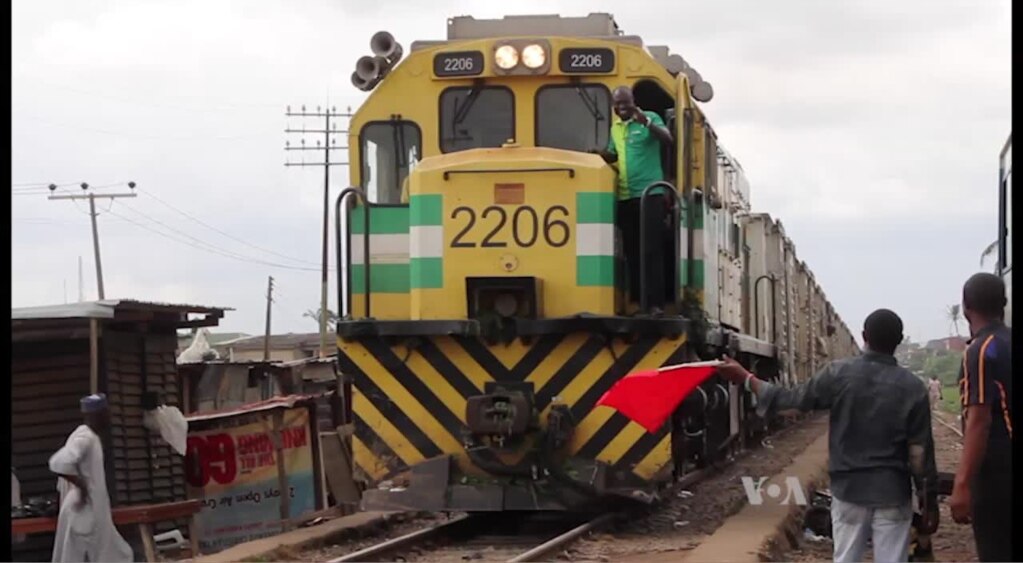
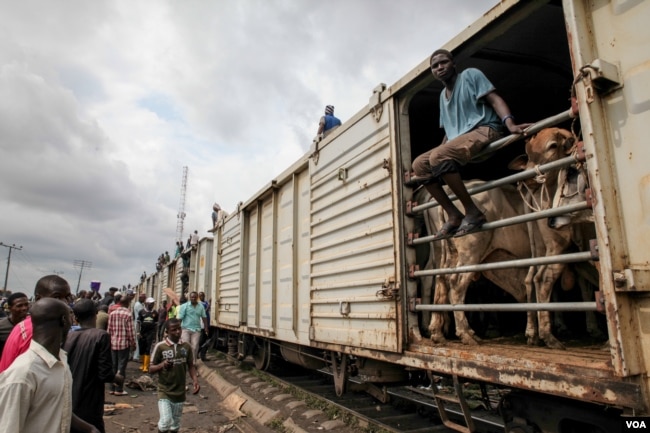
At present, the third generation of the Emedolibes is joining the Nigerian Railway Corporation as university graduates and professionals, including Obiora Emedolibe, now Railway Secretary and Head of Legal, as well as Ndubuisi and Dallington Emedolibe, three grandsons who continue to keep the family’s enviable legacy alive at the railway.
Regardless of everything, the Emedolibes remain proud of their heritage. They also feel honoured to be associated with the Nigerian Railway Corporation, an institution that represents much more than transport because it embodies history, progress and the spirit of Nigeria. Ikechukwu Emedolibe, a veterinary doctor and third-generation Emedolibe, speaks glowingly of the railway work his grandfather, father and uncle did, saying it was adventurous and worthwhile. He added that it allowed them to move across the country where they embraced different cultures and people. “Today, our brothers are worthy ambassadors at the corporation. And we are proud of them for bringing honour back home like their ancestors through their professionalism, honesty, dedication and a sense of duty. I am very confident that their forebears would be proud of them.”
Once a symbol of progress and unification, the Nigerian Railway Corporation began to decline, its problems stemming from poor maintenance culture, mismanagement, incoherent government policies, and the rise of road transport. Unsurprisingly, train travel was never the same again in Nigeria. Railway journey gradually lost its value and status as the preferred mode of transportation, owing to a combination of factors, including those previously outlined.
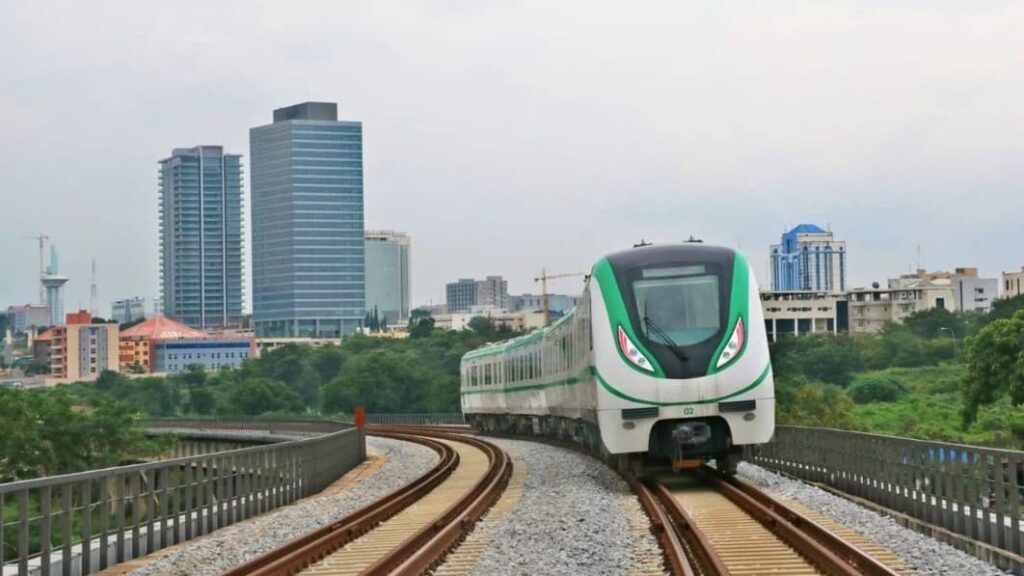
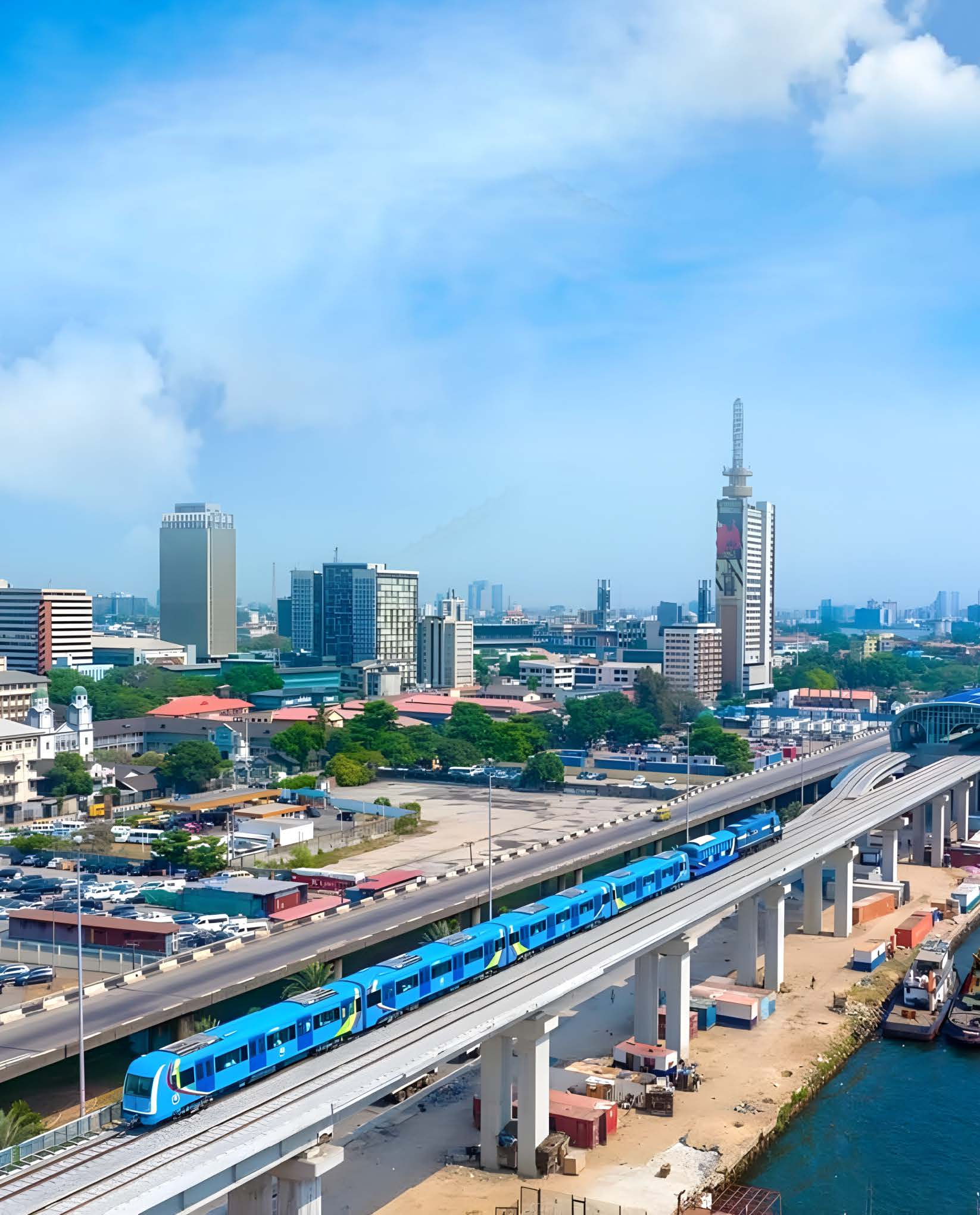
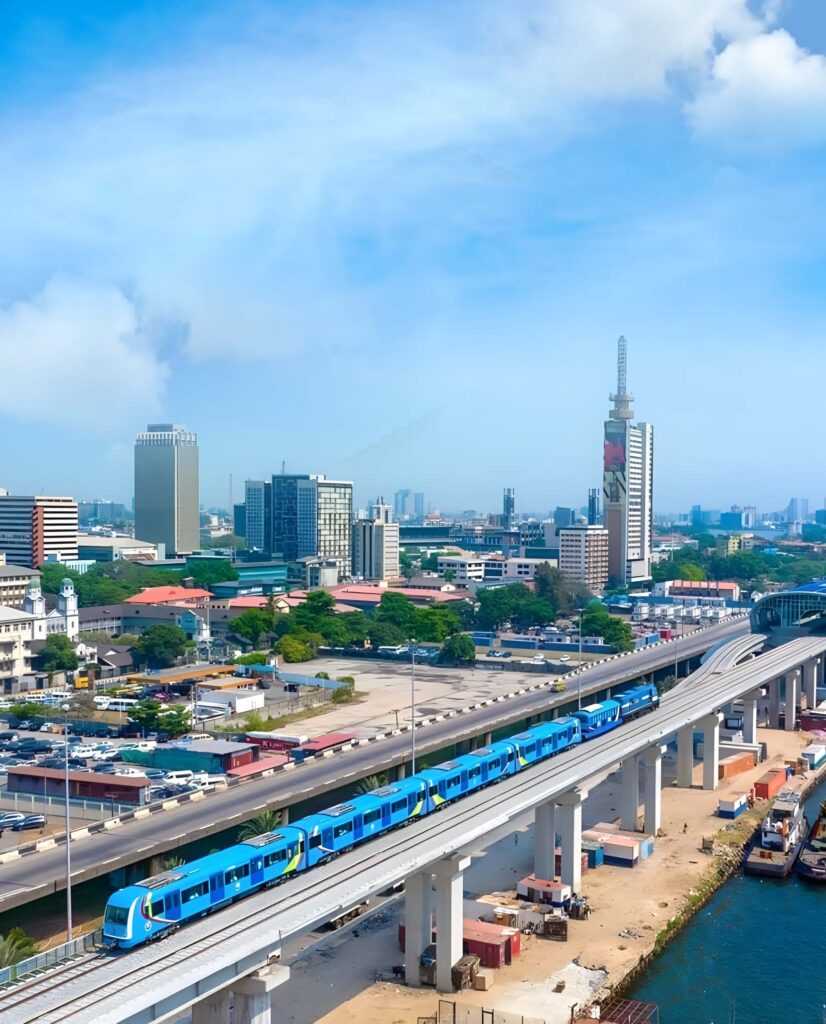
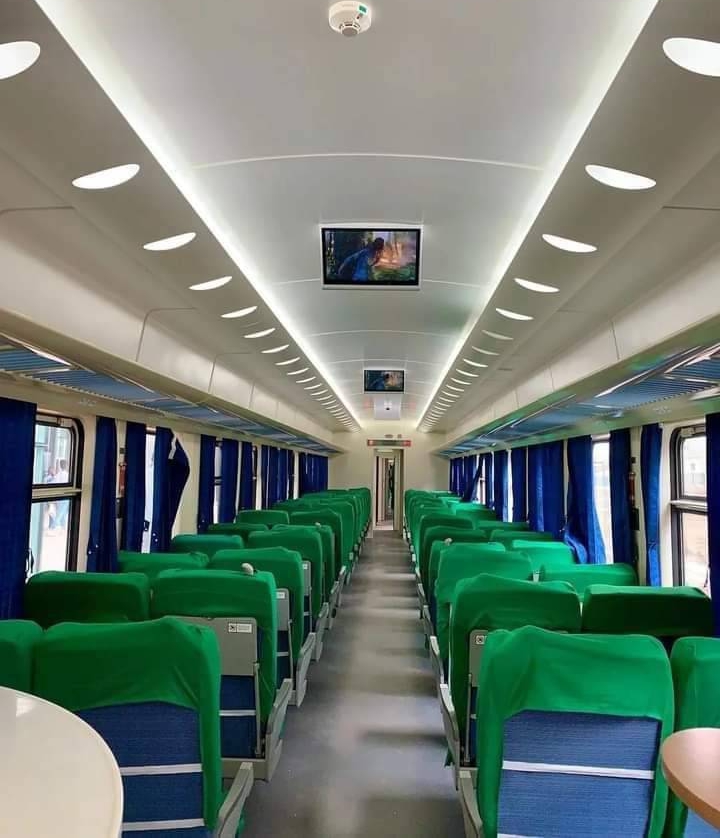
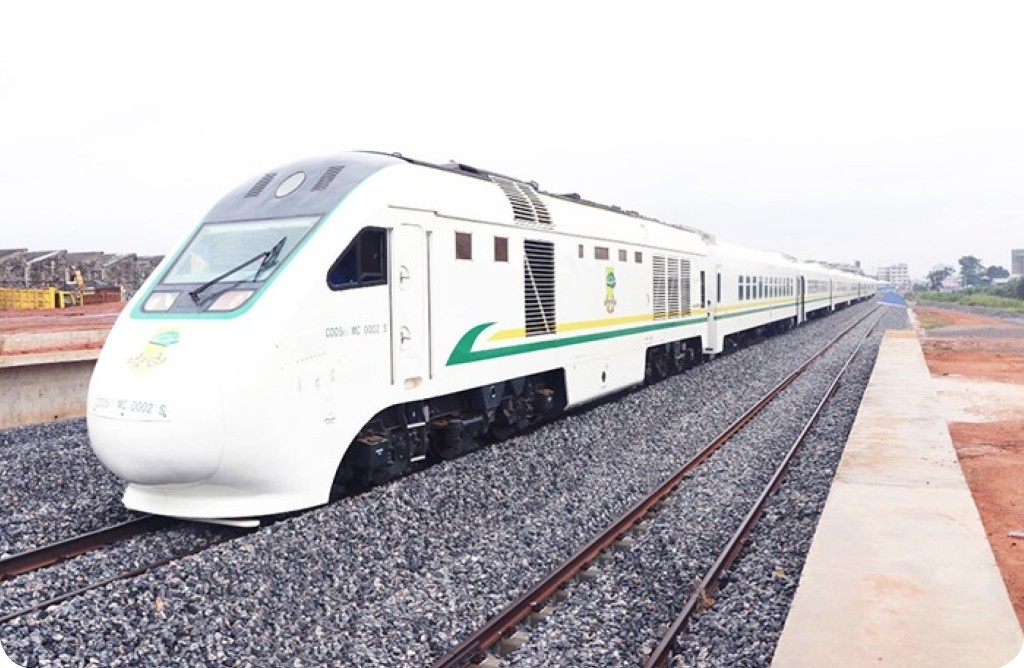
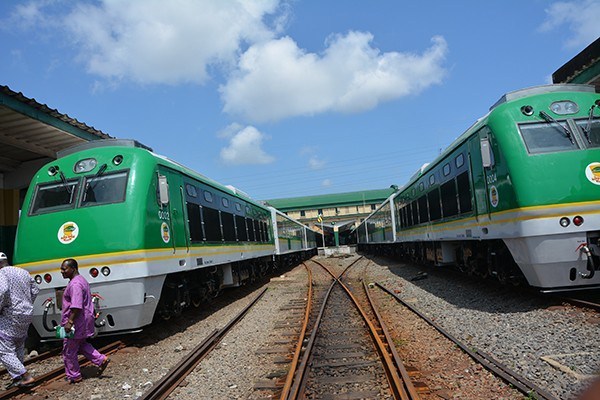
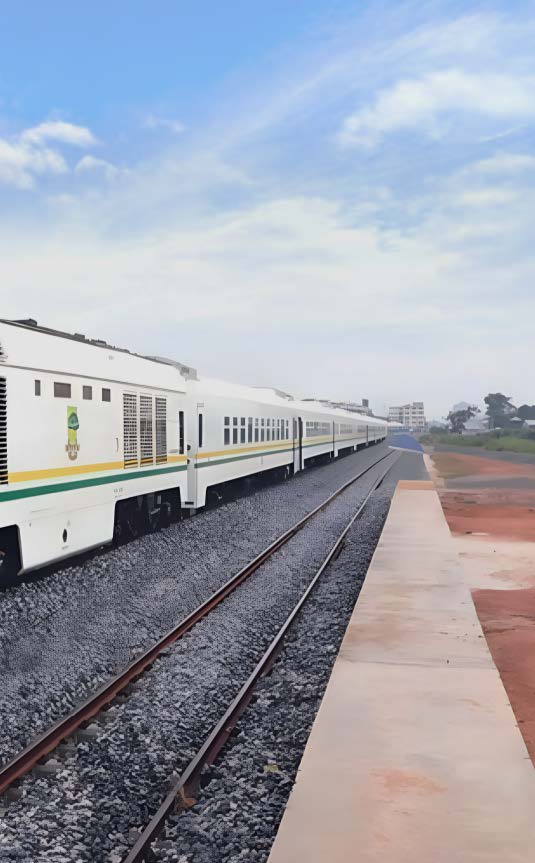
Today, the federal government and the Nigerian Railway Corporation are taking a multi-pronged approach in their efforts to bring back the old times. In this regard, they are reviving old lines, expanding services, modernizing infrastructure, inviting private investment, securing funding, and creating a unified national rail strategy to boost competition. But the question remains: will these ambitious efforts succeed in revitalizing Nigeria’s railways and bringing the golden years back?
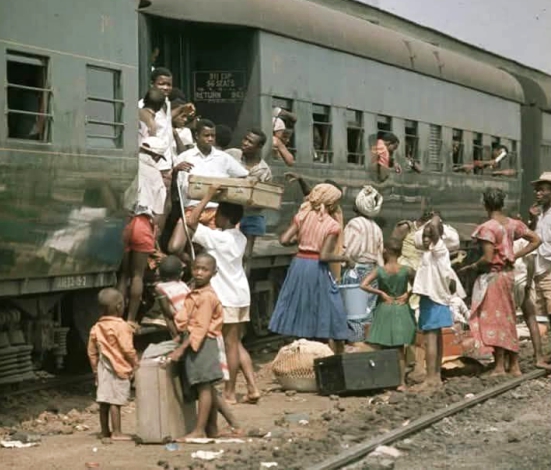
In 1898, the colonial government introduced what is today known as the Nigerian Railway Corporation to facilitate the movement of goods and administrative control across their two protectorates (Northern and Southern Nigeria). Beyond the interests of the colonialists, railway transport also played vital roles in the areas of economic growth, integration, social interaction, transformation and cohesion. Unfortunately, as travel by train declined, those remarkable experiences of rail travel also faded into memories. And as many previously bustling stations fell silent due to inactivity, a generation of Nigerians also grew up without experiencing the rhythm and excitement of train travel. However, reliving train travel in Nigeria reminds people in the country of not just how people moved across the country, but of how they lived, mingled and experienced Nigeria together in both good and bad times.