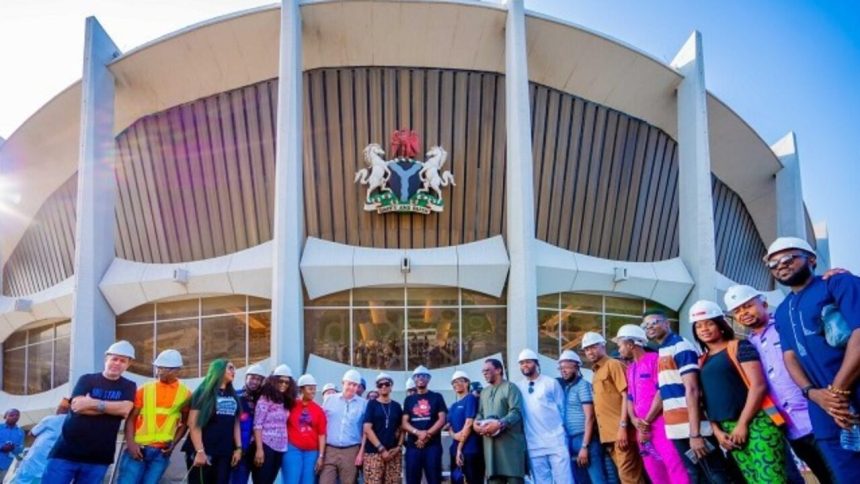

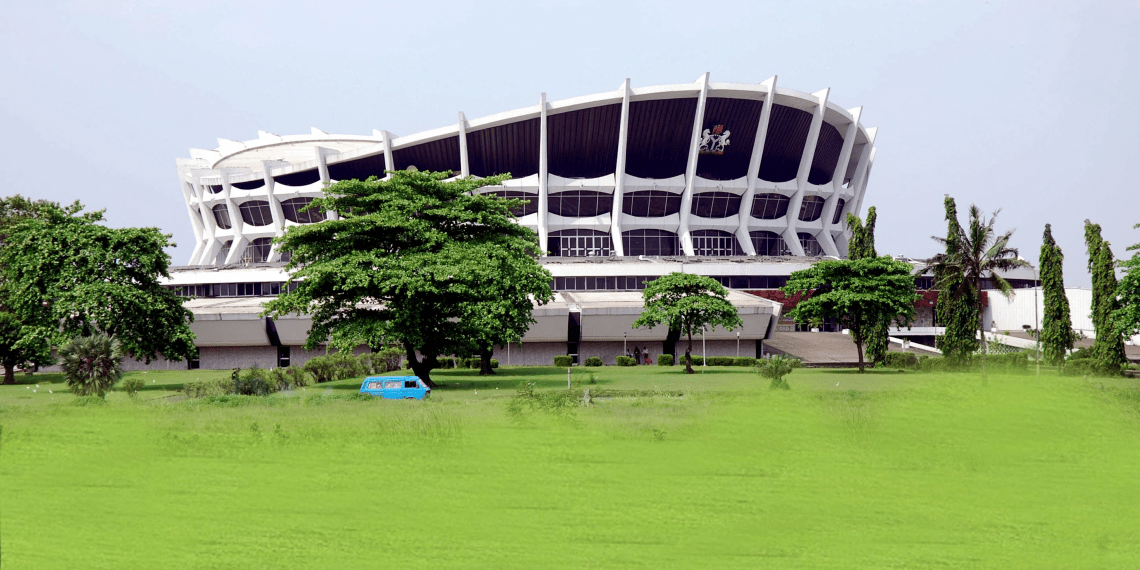
After numerous setbacks, live theatre makes a triumphant and dramatic return in Nigeria
By Sylvester Asoya
Dr. Shaibu Husseini, Director-General, National Film and Video Censors Board, NFVCB, began his artistic journey as a stage actor. And, unlike many budding performers, he had the rare privilege of being trained by some of Nigeria’s finest creatives, including Hubert Ogunde, the doyen of Nigerian theatre who established the foundations of Nigeria’s performing arts. Husseini was also strongly shaped by the artistic vision of renowned theatre scholars, playwrights and quintessential theatre directors like Professor Ahmed Yerima, the intellectual, well known for his engaging performance styles; and Bayo Oduneye, a creative mind who left an enduring mark as the Artistic Director of the National Troupe of Nigeria. So, when he spoke about the return of live theatre, he did so not only with energy as a passionate and thoroughbred professional but as an insider who fully understands the industry and what is at stake.
Therefore, Husseini’s excitement at the return of life theatre was not entirely unexpected. He is happy like many theatre professionals and enthusiasts about the renewed interest and energy in the artistic community after a long lull. “I am thrilled about live theatre returning because I am a devotee of the theatre profession. As a matter of fact, I am super excited because live performances were already in decline before now. Venues closed down, sponsors pulled out, actors were disillusioned, and the economy made things worse. We all remember in those day, how some commercial banks stepped in and sponsored great plays by famous Nigerian playwrights. In one fell swoop, we lost that era and its worth, and that significantly affected the theatre-going public.”
Today, the theatre is witnessing a rebirth, and this is cheering news because of what it portends for the arts and Nigeria in general.
Few anticipated this resurgence for obvious reasons. But it was the bold vision of key industry players that ignited the renaissance, with Bolanle Austen-Peters at its very heart as one of the steadfast pillars of Nigeria’s arts and culture. For instance, Terra Kulture and BAP Productions, Austen-Peters initiatives, continue to create platforms that provide spaces for playwrights, actors, teachers, theatre students and even ancillary staff of the theatre. At a moment like this, Terra Kulture continues to provide opportunities for emerging talents while proudly bringing iconic Nigerian plays to the stage and enriching the nation’s cultural landscape. Moreover, Austen-Peters is doing more than just promoting Nigerian stories worldwide and staging theatrical performances. She is also actively involved in cultural advocacy, and this is helping to revive audience engagement.
Yet, this esteemed female art patron is far from alone in reshaping and uplifting the fortunes of stage performances in Nigeria. There is also the remarkable work of the Lagos International Film Festival in areas such as theatrical adaptations, cross-industry collaborations, audience development, and more, all contributing to the revival of live stage performances.
Similarly, Jos Repertory Theatre also plays a key role in the on-going revival of live stage performances. Despite the problem of insecurity in the Middle Belt, especially Plateau State, this drama company is defying the odds by sustaining live theatre, promoting inclusion through community theatre, training young actors, encouraging diversity and bridging local and international theatre communities.
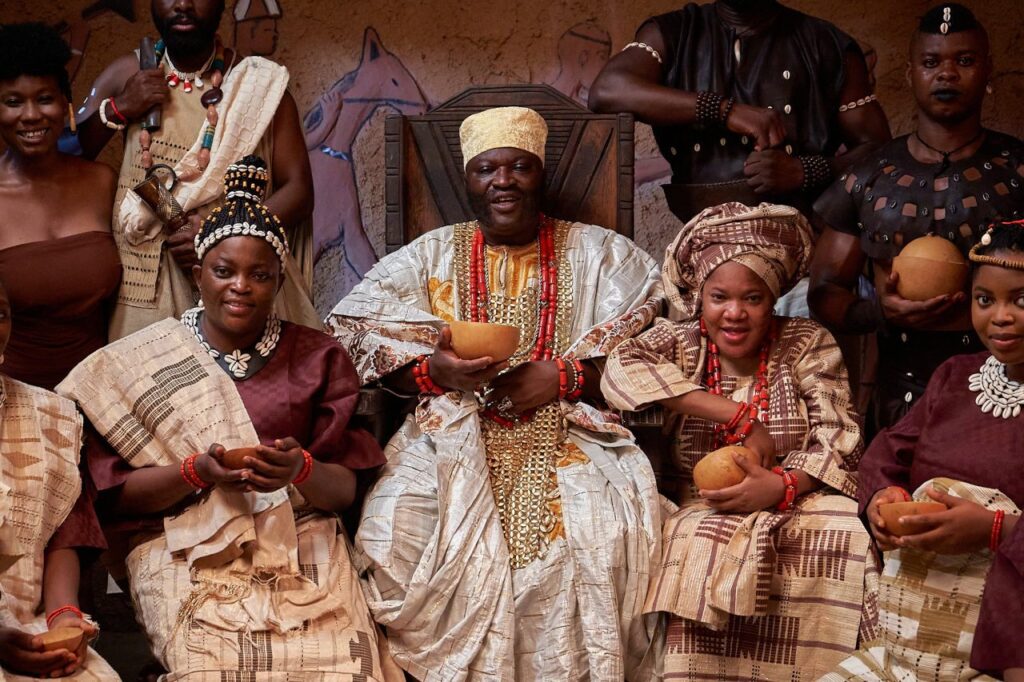
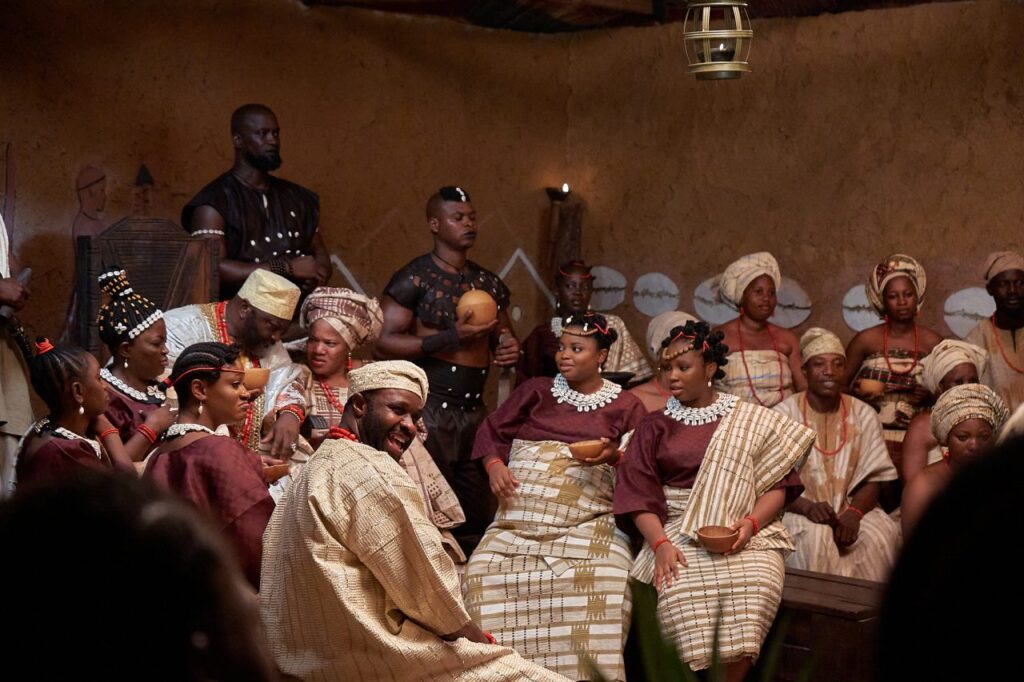
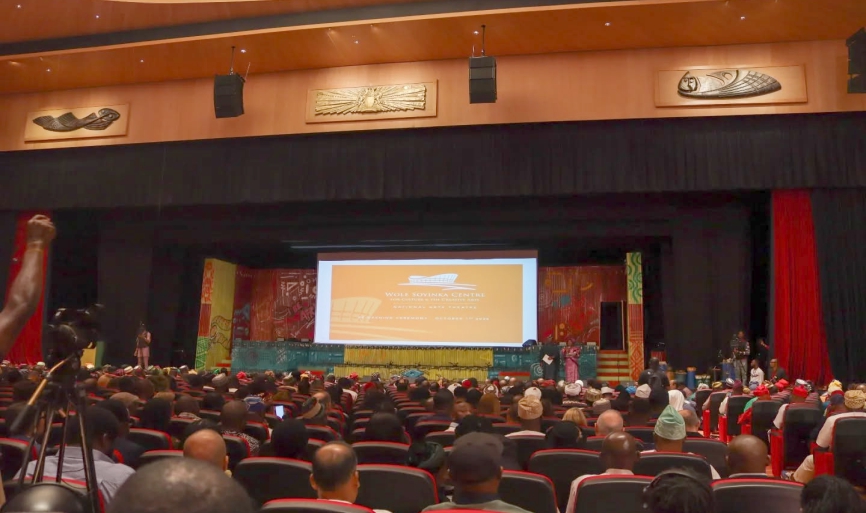
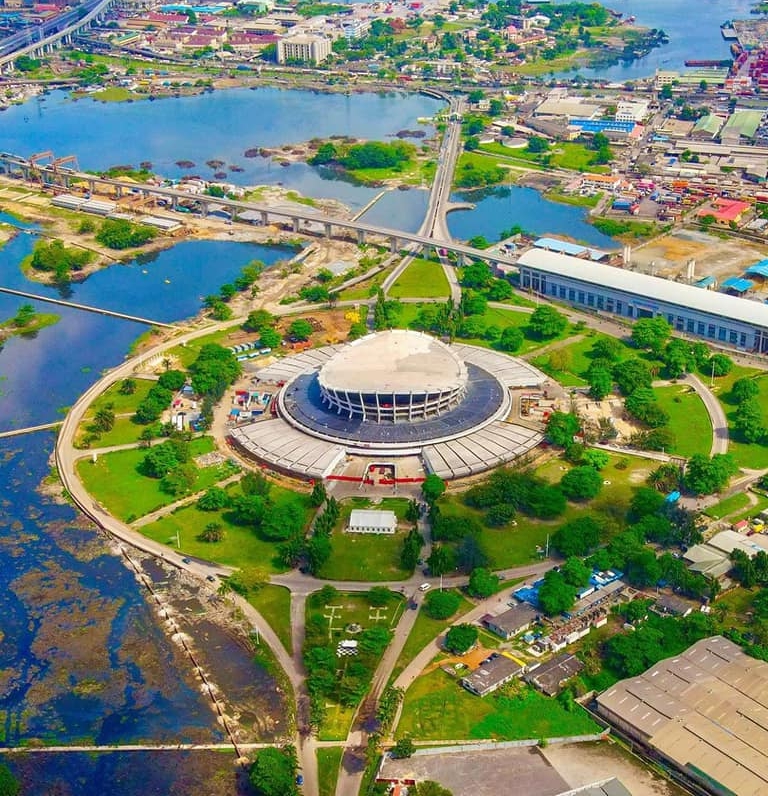
Like other zones of Nigeria, the South East is also part of this revival, with Ijele Renaissance Theatre in Enugu living up to its name by consistently staging multiple productions. Since it founding in 2022, Ijele, under the direction of Ude Ibiam, has staged productions such as Pieces of Our Bone; Uwa Munachi: An Old Soul; Sizwe Bansi Is Dead; Our Husband Has Gone Mad Again; Shopu Mpa Okey; Alika Seven Up and Echoes of Jufere.
Recently, Chief Osita Chidoka, Nigeria’s former Minister of Aviation played the role of a narrator in an operatic adaptation of Arrow of God by Chinua Achebe. Chidoka, who still remembers his role as Odewale in Ola Rotimi’s The Gods Are Not to Blame in his secondary school days, is excited about showcasing his acting skills while playing an active role in the resurgence of stage performances.
Indeed, the theatre is currently experiencing a vibrant period, thanks to the many benefits and opportunities that accompany live stage performances. Now, there are jobs for actors, set designers, technical personnel, venue owners, marketers, make-up artists, costumiers, auxiliary service providers, vendors, public relations officers and scriptwriters. The truth is that money is being made and people are paid for their services. In fact, the economic benefits are substantial, with government also earning revenue from entertainment taxes on tickets. From every indication, live theatre will continue to thrill audiences, not only because of all these benefits but also because it encourages contemplation, participation and informed choices. Again, live drama fosters behavioural change, unity, and social transformation, and there could not have been a better time to advance these ideals.
Ngozi Emedolibe, a literary journalist, also shares this view, noting that drama, especially live theatre, provides people with limitless opportunities, not just to in arts and culture but in life itself. “The resurgence of live theatre is a welcome development because any true lover of culture knows that the stage is where drama is best experienced, and real actors made. So, it is encouraging to see promoters strengthening this sector of the creative industry, even as we hope that the country’s security situation improves so audiences can attend performances without fear. And for every promoter investing hard-earned money in this sector, he or she deserves genuine commendation.”
Among lovers of theatre, there is great optimism, and this is the point Dr. Husseini makes when he emphasizes intentionality on the part of everyone. “My expectation is that now that there is a renewed thirst for theatre, we must anticipate even more growth, which makes it necessary to create additional purpose-built performance spaces beyond MUSON, the National Theatre and a few other venues, while ensuring that productions can run for months, and even years, when required,” Dr. Husseini says.
However, to sustain this progress and prevent a relapse, theatre needs funding, collaboration, more performance arenas, capacity building, technology, government intervention and everything in-between. Producing a play is far from a tea party. It is a demanding endearvour that requires meticulous attention, considerable time, and untiring dedication because of its complex nature.
Dr. Husseini, true to his identity as a dedicated theatre practitioner, affirms that drama holds a unique place, unlike any other creative genre. “Theatre is unlike film; it requires months of rehearsal, set construction, hiring a technical director, and the involvement of numerous people across the production chain, including securing a venue and many other elements.” Like Broadway in the United States of America, Nigerian theatre can expand its reach by collaborating across creative industries. And for those who believe, this renewal is only the beginning. However, the first step is moving away from one-off weekend performances because despite all the challenges, plays build momentum only when they run for months or even years. This is a possibility that is not just achievable but increasingly expected by stakeholders as this revival continues in the theatre industry.