

Christmas trees didn’t start out as the glittering centrepiece we know today. Long before they became the backdrop for family photos or the source of annual “what happened to my ornament?” debates, the idea was far simpler: a symbol of life and hope in the middle of winter.
By Ada Ekwueme-Oguike
Where It All Began
Before Christianity, several European communities used green plants during winter as a reminder that brighter days were ahead. Winter was harsh; anything that stayed green felt like reassurance. No myth, no magic, just people looking for signs that the world wasn’t completely asleep.
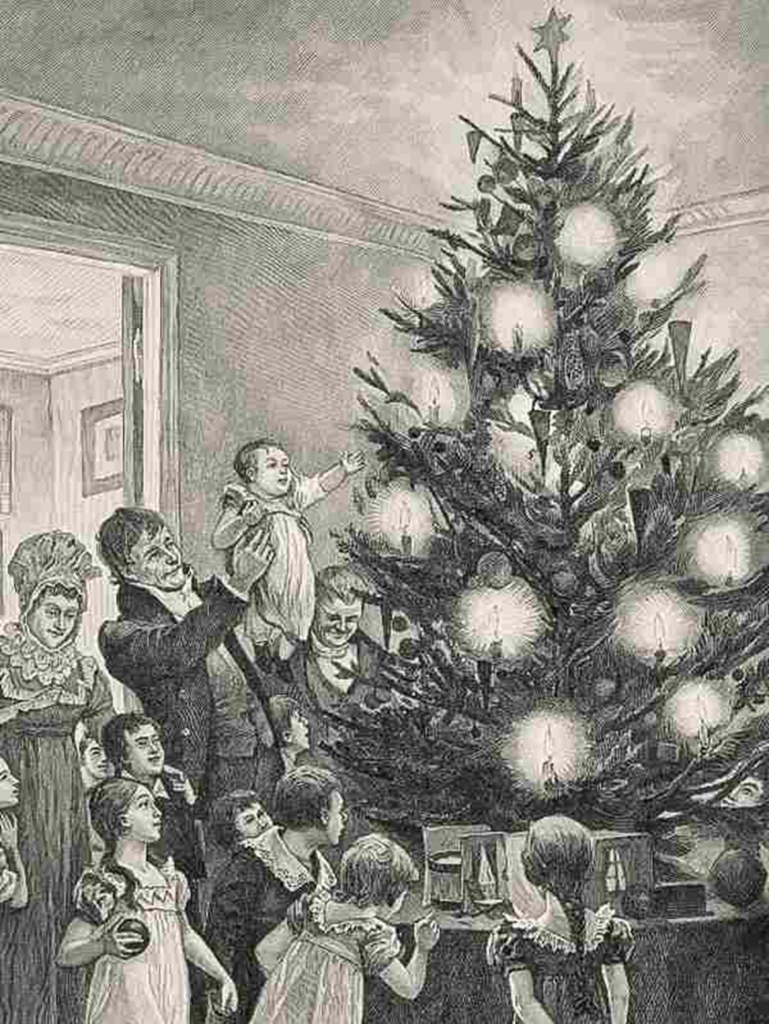
Eventually, German families adopted the idea in a more intentional way. They brought small trees into their homes and decorated them with apples, nuts, and, later, candles. The goal was warmth, beauty, and a sense of celebration at a time of year that felt otherwise bleak.
The Royal Plot Twist
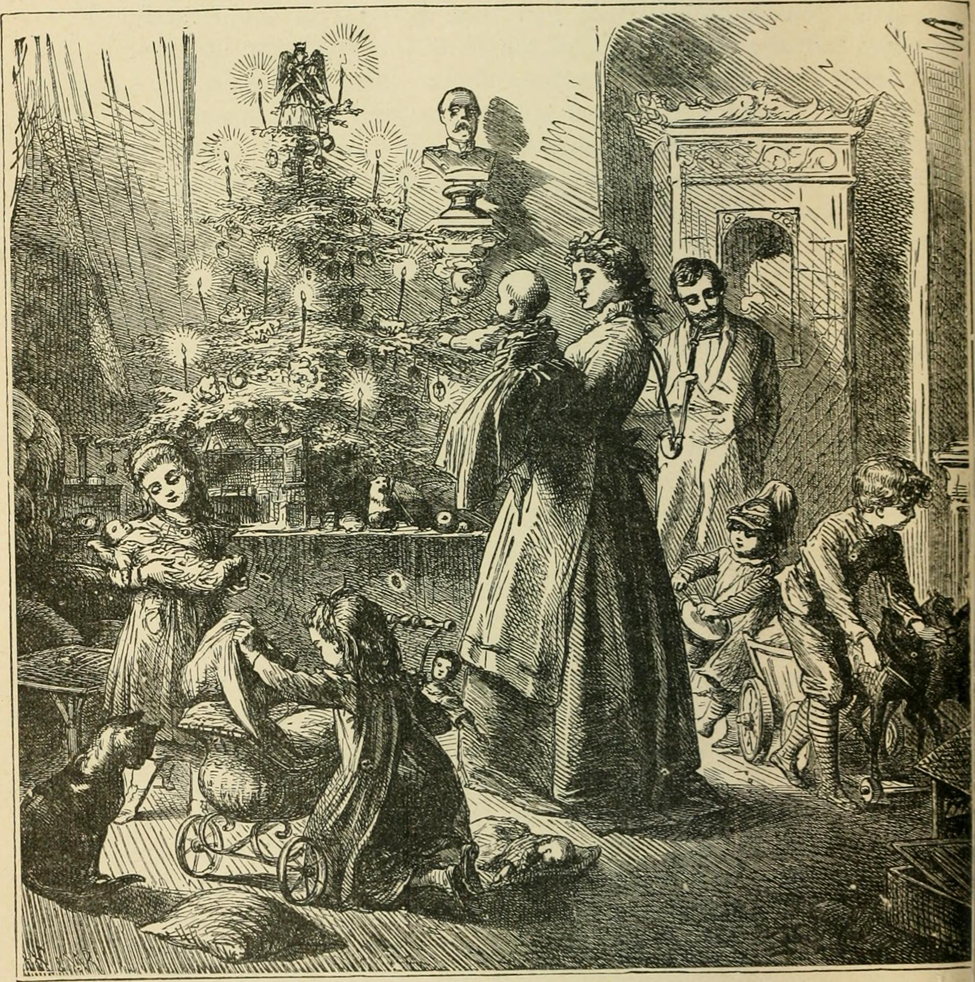
A Victorian family celebrating Christmas
The Christmas tree went global because of one illustration.
In the 1800s, a newspaper published an image of Britain’s royal family gathered around a decorated tree inside Buckingham Palace. That picture spread quickly. It was elegant, aspirational, and for many families across Europe and North America, a subtle invitation:
If this is how Christmas looks in Buckingham palace, perhaps we can bring some of that charm into our homes
That single image turned the Christmas tree into a symbol. And from there, it travelled far beyond Europe.How the Tradition Spread
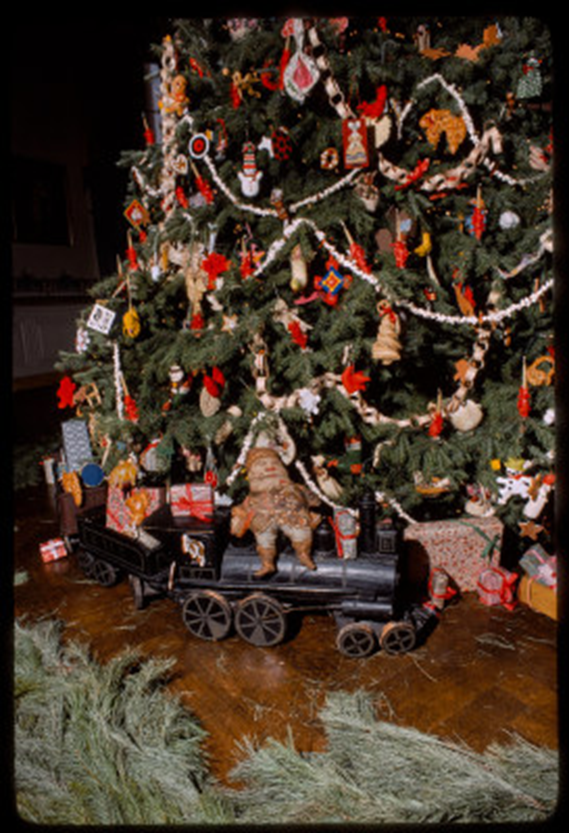
The official White House Christmas Tree 1975
As people migrated, traded, connected, and absorbed new influences, the Christmas tree moved from culture to culture. Over time, it appeared in homes, churches, community centres, and eventually, public spaces around the world. It arrived in Nigeria through those same global pathways — religion, education, commerce, and pop culture. And as with most traditions we adopt, we personalised it immediately.
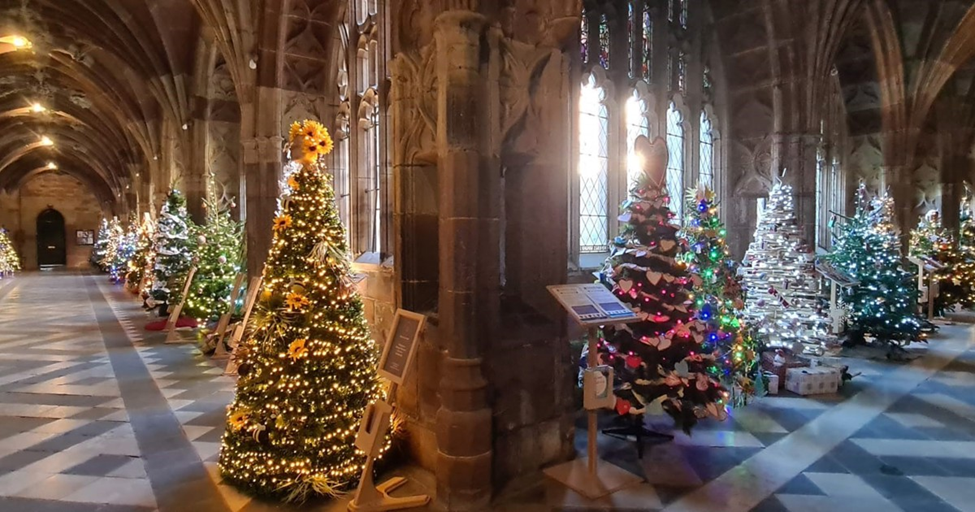
The Christmas Tree Festival
Worcester Cathedral, United Kingdom
How It Took Root in Nigerian Homes In Nigeria, Christmas is more than a holiday. It’s a season of homecomings, full houses, full fridges, and gatherings that extend from morning to night.
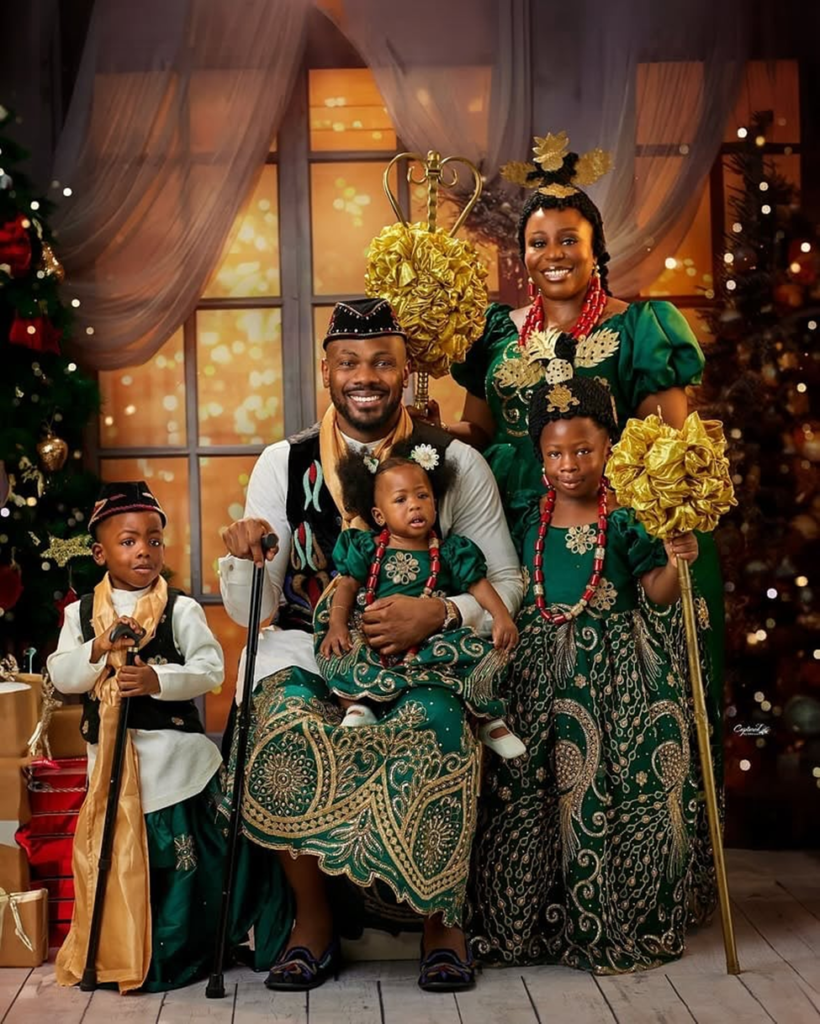

So when the Christmas tree appeared, it fit perfectly.
It added ceremony.
It signaled that the year was winding down.
It created excitement for children and, of course, the children insist on having one, even though it looks like it’s hanging on for dear life.
Many Nigerians still remember the exact tree their families used: the one bought at UTC, the one that leaned slightly to the left every year, the one that lived in a frayed carton in the storeroom, or the one that shed plastic needles on the floor no matter how gently you handled it.
The decorating was often chaotic, sentimental, or both , but the feeling was unforgettable.How the Tree Evolved Globally
Over time, the Christmas tree transformed from a seasonal decoration into a global symbol of warmth and celebration.
Its evolution reflects changes in the world:
* Electricity replaced candles
* Artificial trees replaced natural ones in many cities
* Ornaments became heirlooms
* Pre-lit trees saved time
* Colour palettes shifted from bold to minimalist and back again
* Families moved homes, moved countries, and carried their traditions with them
But at its heart, the Christmas tree remained what it always was:
A reminder that beauty and togetherness matter, especially at the end of the year.
Why It Still Matters Today
Despite how fast the world moves, the long hours, the news cycle, the to-do lists, the school runs, and the endless responsibilities the Christmas tree still holds its place because it does four simple, universal things:
1. It resets the mood.
The moment the lights come on, the atmosphere shifts. December has arrived.
2. It brings people together.
Whether the children take over decorating the tree or everyone contributes in their own way, it becomes a small annual ritual.
3. It anchors tradition.
In a world that changes constantly, the tree is a familiar, comforting presence.
4. It allows creativity.
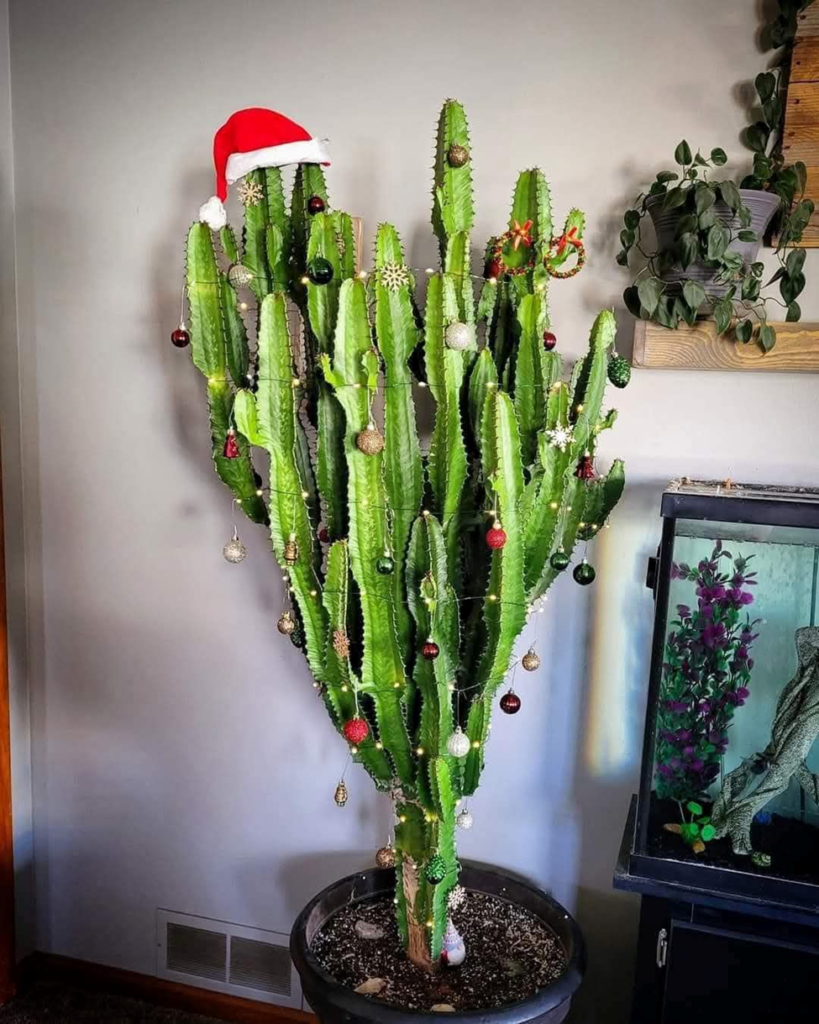
Families adapt the tree to their lifestyle classic, minimal, colourful, sentimental, or even improvised when space is tight.
Looking Ahead
Today, the Christmas tree continues to evolve. Globally, there’s a move towards sustainable choices, thoughtful ornament selection, and fewer disposable decorations. In Nigeria, we’re seeing the same shift — better lighting, more intentional styling, and an appreciation for ornaments with meaning rather than clutter.
Home fragrance, curated palettes, and beautifully lit spaces are increasingly part of the experience, and the tree remains the centrepiece that brings everything together.
Final Boarding Call; What Does the Christmas Tree Represent Now
Whether it’s tall, petite, traditional, modern, or just a charming arrangement on a console table, the Christmas tree has become a symbol of continuity a quiet reminder that every year deserves a moment of pause, warmth, and celebration.
It has travelled continents, adapted to cultures, survived trends, and still manages to bring a sense of calm and beauty to the season. And perhaps that is why, despite everything happening in the world, the Christmas tree remains one tradition we continue to welcome into our homes year after year.