
Next year, 2026, the Nobel Laureate, Professor Wole Soyinka, will oversee a historic homecoming for descendants of slaves carted off mostly from West African shores: the Children of the Atlantic. It is envisaged to be the voyage that heals history
By David Edremoda
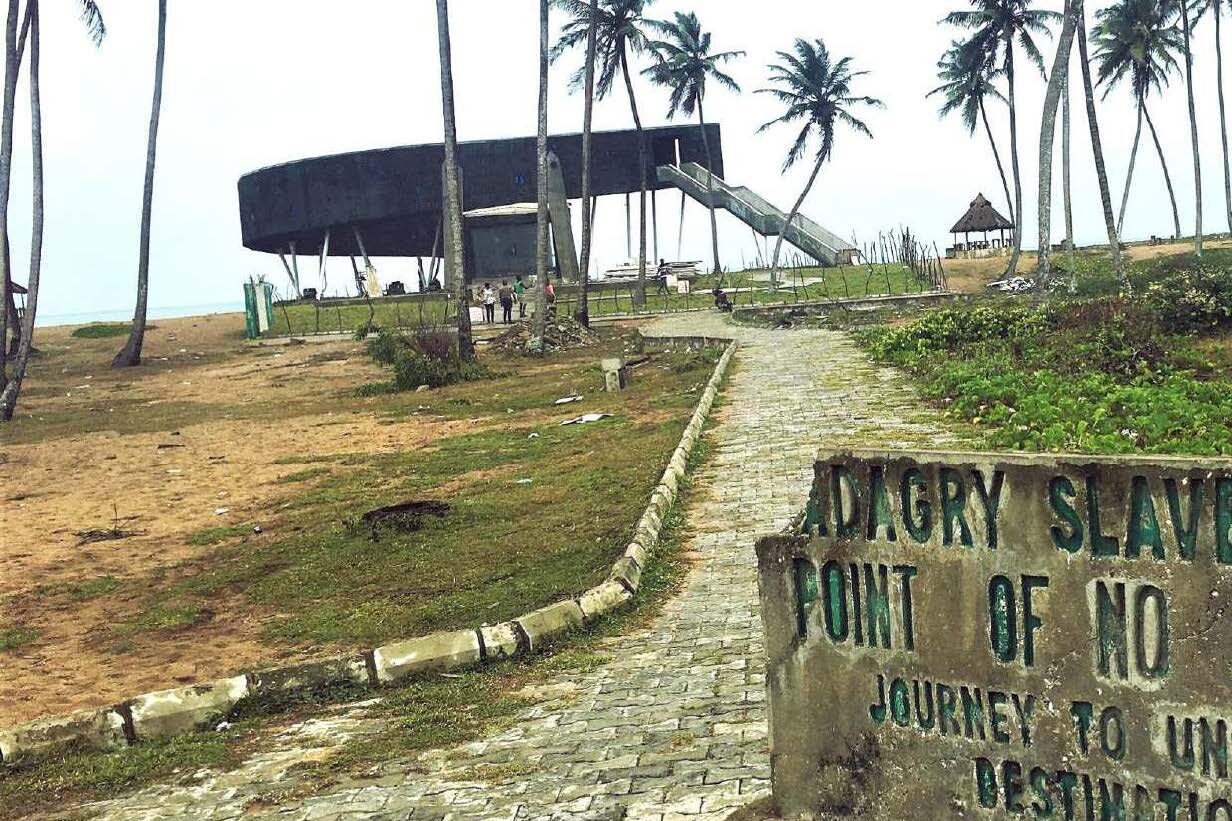
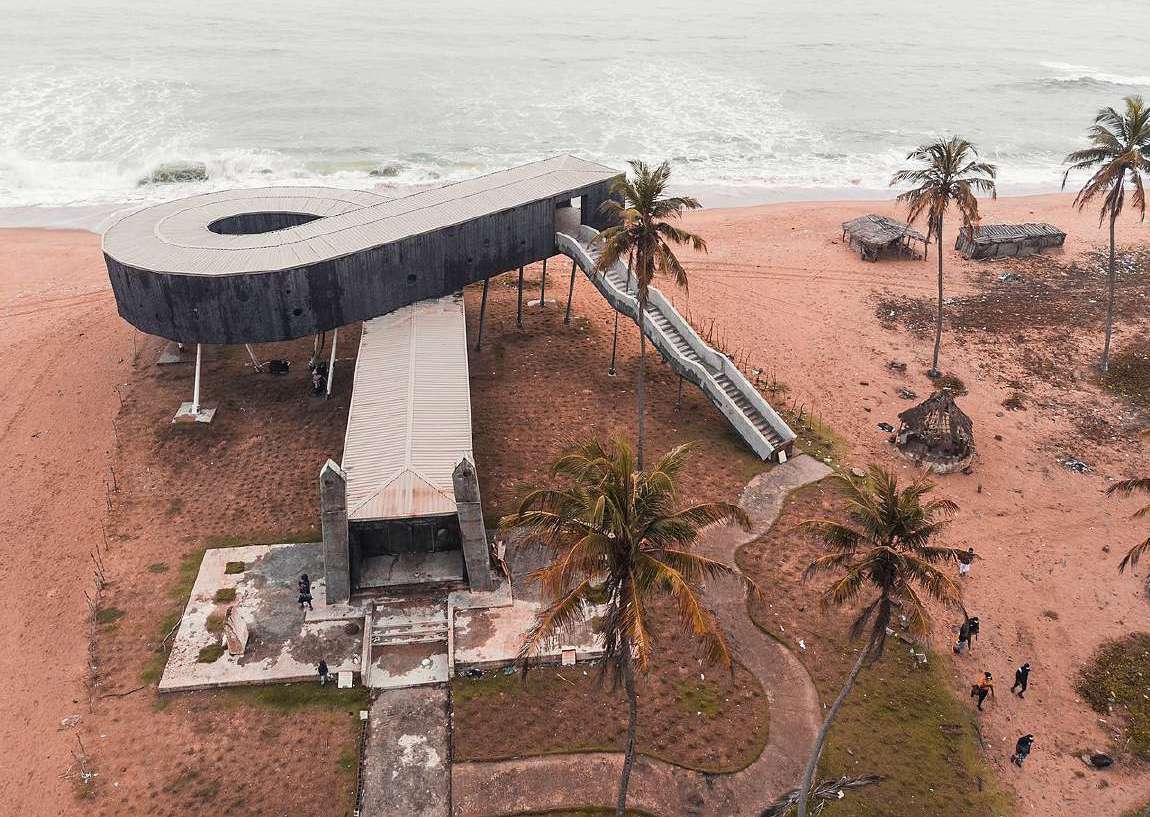
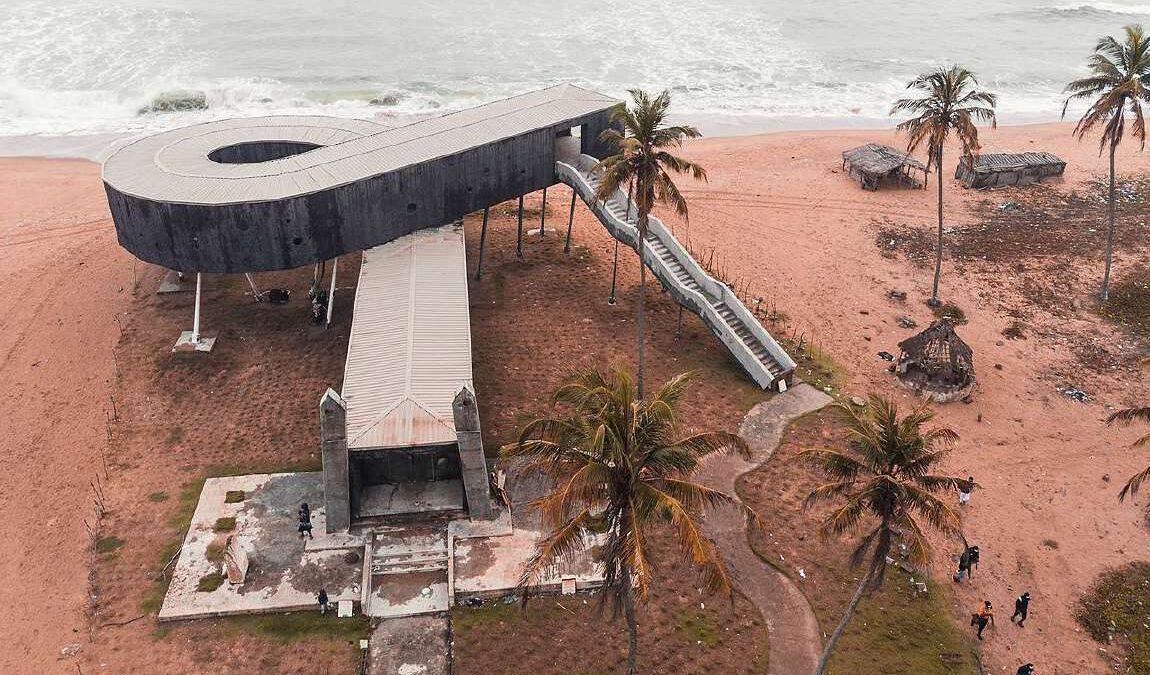
In the morning, the Atlantic wind sweeps softly across Badagry, whispering through the coconut palms and brushing the elephant grass that stretches toward Porto Novo, Lomé, Accra, Monrovia, Conakry, Nouakchott, and the distant Canary Islands. The sea glitters beneath the equatorial sun, gold and silver shifting over restless waves. Beneath that vastness, the imagination drifts: to whales, dolphins, and unseen depths, where memory itself seems to breathe. The water rolls endlessly toward the shore where, centuries ago, despair met the horizon. At the Point of No Return, two rusted metal poles stand in the sand, silent sentinels to a crime too immense to forget.
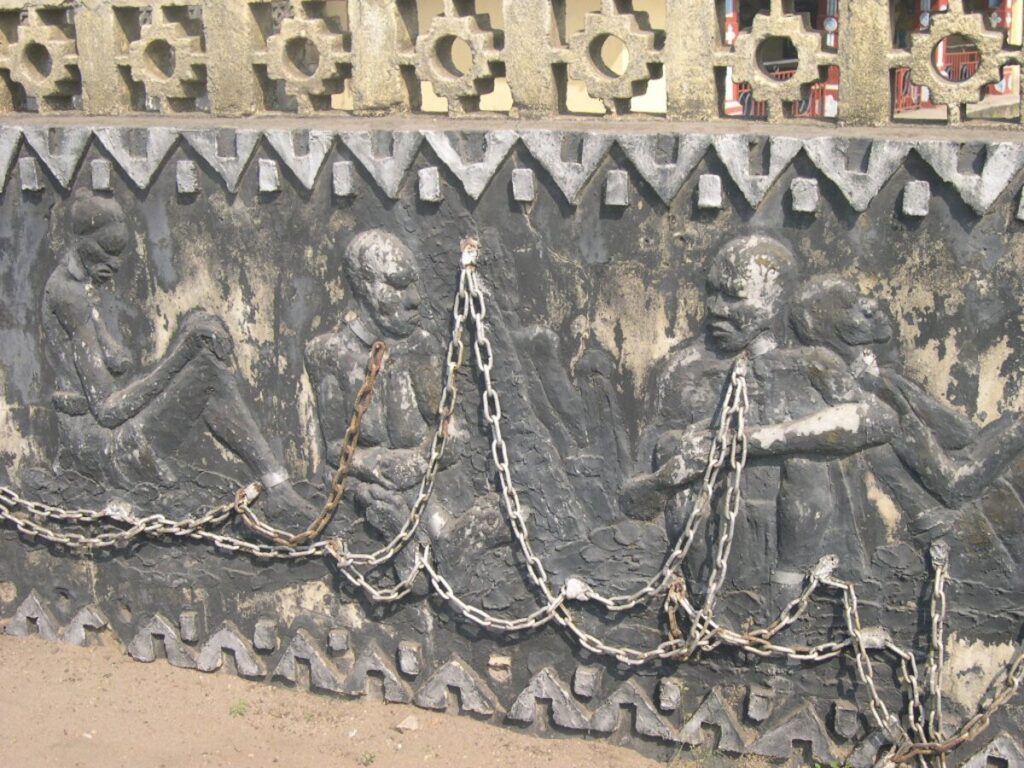
Here, thousands of men, women, and children once walked in chains, their wrists bound, their lives measured in the currency of greed. They marched through the palm groves and the salt air toward the waiting ships that would scatter them across the Atlantic, toward Brazil, Cuba, the Caribbean, the United States. From this narrow stretch of sand, Africa wept her sons and daughters into the sea.
Now, time prepares to reverse itself. In 2026, under the guiding presence of Nobel Laureate Wole Soyinka, the descendants of those exiled souls, the Children of the Atlantic, the Tokunbos, will return. It will be a voyage unlike any other: a ceremonial crossing of history itself, from Brazil and Cuba back to Nigeria, back to the motherland that was once only a dream whispered in the songs of survival. As Soyinka has said, “Every journey has two parts; departure and return. Ours has taken centuries, but the voyage home is finally here.”
Badagry’s story begins long before the first ship of chains. Around 1425, a farmer named Agbedeh tended his land near Gberefu Sea Beach. Visitors called it “Agbedegreme”, Agbedeh’s farm, a name that over time softened on foreign tongues into Badagry. The people who settled here came from many roots: the Ogu of Whydah and Wheme, the Gu and Ewe, the Awori-Yoruba of Oduduwa’s lineage. They built a place of trade, tolerance, and tide; a threshold between Africa’s interior and the vast Atlantic beyond. That openness would become both its glory and its undoing.
By the mid-fifteenth century, Portugal had turned curiosity into conquest. Prince Henry the Navigator dispatched explorers along the African coast, and with them sailed a hunger that would darken centuries. In 1473, a merchant named Ferman Gomes established his outpost in Badagry, buying human beings as cargo for Europe’s growing markets. Within decades, Lisbon had become the continent’s capital of slavery: tens of thousands of African lives sold, shipped, erased. One horse could buy thirty human beings; one voyage could destroy entire villages. Between the sixteenth and seventeenth centuries, more than ten thousand souls a year left Badagry’s shores, bound for lives of unimaginable suffering.
At the Vlekete Slave Market, men and women were auctioned like cattle, their names stripped away, their destinies sealed. They were marched in silence through the coconut groves to Gberefu Island, where they were forced to drink from the Attenuation Well, a mythical water said to make them forget their past. The sea that once sang of harvest and home became the cruelest frontier of all. For the enslaved, the Point of No Return marked not just the end of freedom, but the beginning of centuries of silence.
And yet, history does not stay still. The same ocean that carried millions into bondage is now the passage of their descendants homeward. When you walk the old slave route today, through the palms and the soft, shifting sand, you feel their presence in the earth. Each step is a conversation with ghosts; each wave carries both lament and promise. The 2026 Voyage of Return is built upon this sacred geography. It is not merely an event; it is a requiem and a rebirth.
The first reversal began in the nineteenth century when British naval patrols intercepted slave ships and liberated their human cargo. These freed captives were resettled in Freetown, Sierra Leone, a new world of the once displaced. From there, many made their way eastward to Lagos and Abeokuta. They called themselves the Saro, after Sierra Leone, and built schools, churches, and printing presses. Around the same time, another tide returned: the Amaro or Aguda, Afro-Brazilians and Afro-Cubans who sailed back to West Africa after emancipation. In Lagos, they raised houses of stucco and carved balconies reminiscent of Salvador and Havana. Their music, their food, their faith; all bore the imprint of return. They were the first generation to walk back through the door their ancestors had been forced to leave through.
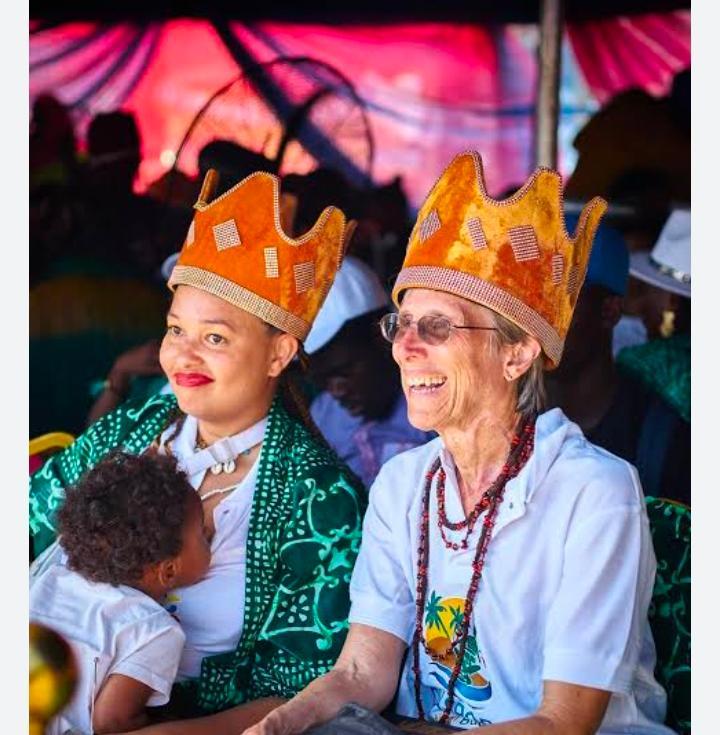
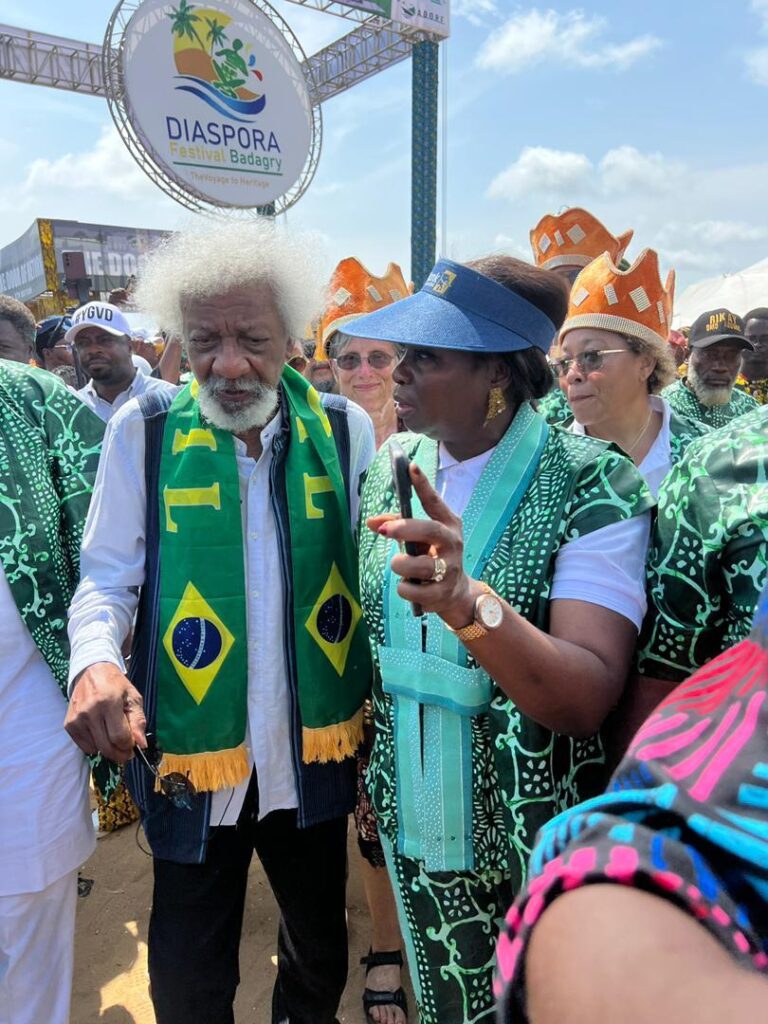
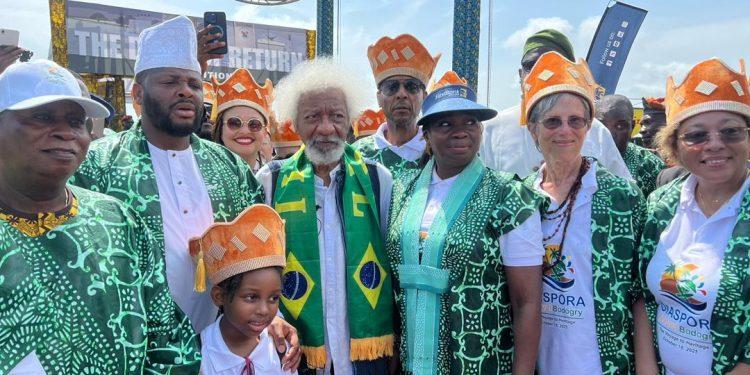
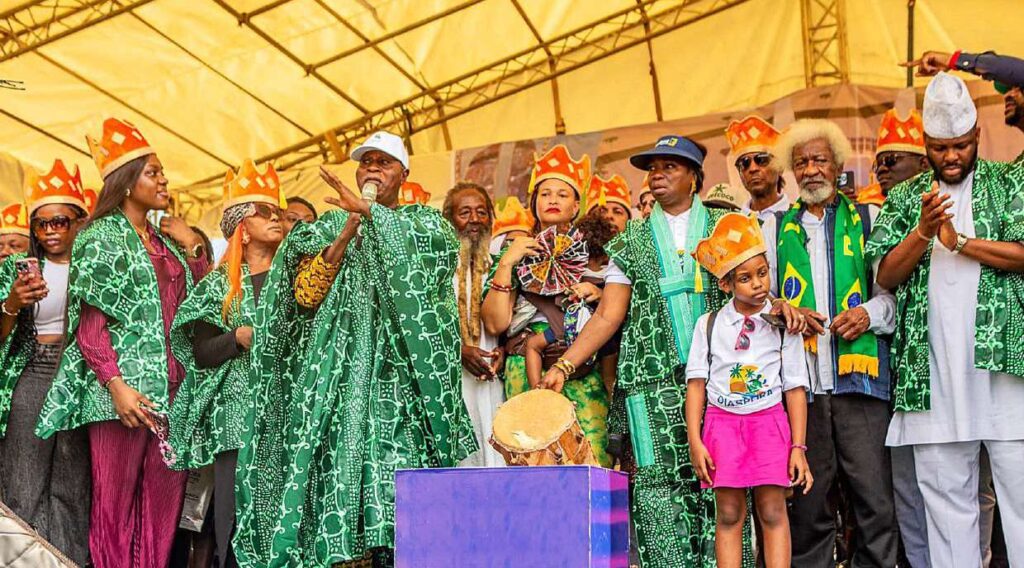
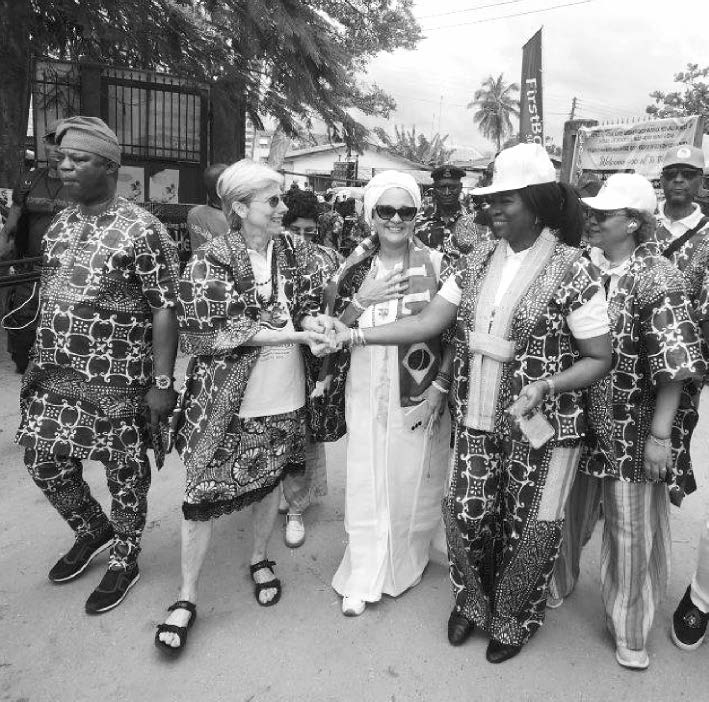
Now, nearly two centuries later, the sea stirs again with that same call. In 2025, at the Badagry Door of Return Festival, over fifty descendants of enslaved Africans from the Americas gathered on this shore, dancing, praying, weeping, remembering. It was there that Abike Dabiri-Erewa, head of the Nigerians in Diaspora Commission, announced the grand plan: a full-scale voyage across the Atlantic, beginning in Brazil and Cuba, culminating in a ceremonial homecoming at Badagry under the patronage of Wole Soyinka. For the first time, ships would sail not to take, but to return.
By mid-2026, hundreds of Afro-Brazilians and Afro-Cubans; artists, scholars, priests, musicians, and everyday descendants, will retrace the path of their ancestors in reverse. The voyage will begin in Salvador da Bahia, Brazil, and Havana, Cuba, lands that absorbed millions of African lives. Their religions, Candomblé and Santería, still carry Yoruba and Ewe words in prayer, still call the Orisha by their original names beneath the masks of Catholic saints. Their drums: bata, conga, rumba, beat the same rhythms once heard in Ile-Ife and Oyo. When the ships set sail across the Atlantic, it will not be merely a crossing of oceans but of centuries; an ancestral dialogue restored.
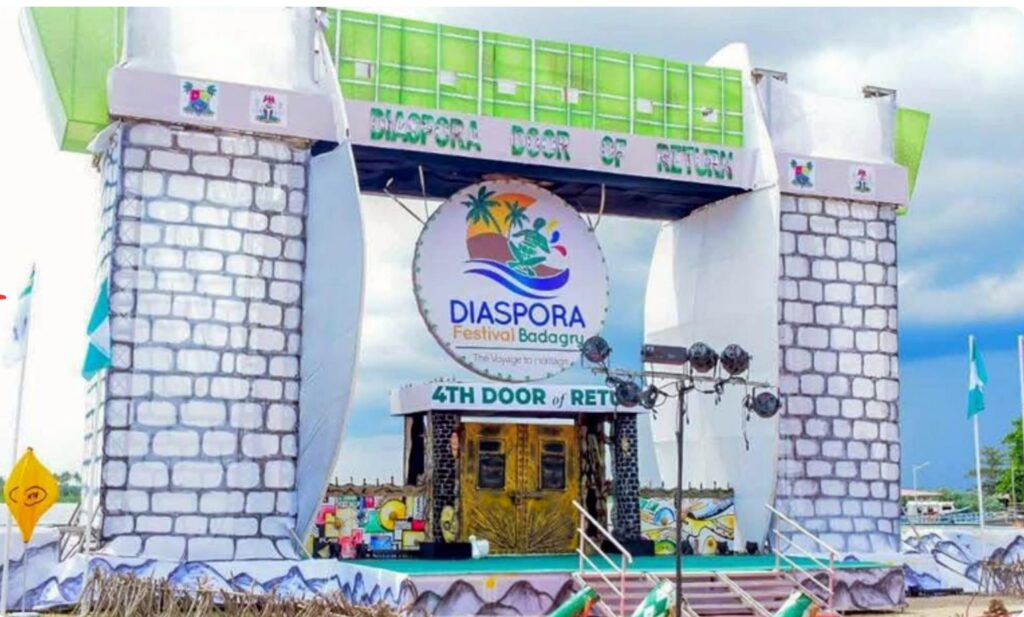
Badagry, the final destination, has prepared itself for the return. In 2017, the Permanent Door of Return was unveiled, facing the sea opposite the old Point of No Return. Carved in black granite and bronze, it stands as a mirror to history’s cruelty; a new threshold for those coming home. Each year since, the Door of Return Festival has welcomed members of the African diaspora, but the 2026 edition promises to be unlike any before. Two thousand participants are expected. They will walk the old slave route: from the Vlekete Market to the Baracoon, across the lagoon to the shore; before stepping, barefoot, through the Door of Return, where drummers will play Yoruba rhythms entwined with Cuban rumba and Brazilian samba.
In the evenings, the beach will glow with torches and the voices of griots retelling the story of the sea. Yoruba masquerades will dance beside Afro-Brazilian capoeira masters. Scholars will present lectures under the palm trees. Elders will pour libations to the spirits of the lost. And somewhere in the crowd, a child of mixed heritage will look into the waves and understand, perhaps for the first time, that they are home.
The symbolism runs deeper than ceremony. For centuries, the Atlantic has been both wound and witness. It is the liquid archive of memory, the bridge between sorrow and survival. To transform that ocean from a path of exile into one of embrace is to reimagine history itself. Soyinka’s leadership of the voyage gives it a moral and poetic weight; an understanding that this is not tourism, not spectacle, but healing. “The ocean once carried our ancestors away in chains,” he said. “Now it carries their descendants home in dignity.”
Brazil and Cuba were chosen because they represent the largest repositories of African memory outside the continent. In Bahia alone, an estimated 4.8 million Africans were landed over the centuries. The songs, foods, and faiths of the region remain saturated with African presence: the Samba’s rhythm, the Acarajé’s taste, the invocation of Yemanjá at sea. In Cuba, Santería preserves the Yoruba cosmology under new names: Changó becomes Saint Barbara; Obatalá becomes the Virgin of Mercy. Every chant is an echo across the water. Every drumbeat is a heartbeat that never stopped.
In 2026, those echoes will meet their source. The sea that once divided will now connect. The Door of Return will stand open, not as a monument to grief but as a passage of reunion. For the people who cross it, the journey will not end at the beach; it will continue inward, to the towns of their ancestors, to the music, the languages, the proverbs, the faiths that survived captivity. In Lagos, they will walk through the Brazilian Quarters where their forebears once settled. In Abeokuta, they will meet the descendants of Ajayi Crowther, the boy once captured and freed, who returned to translate the Bible into Yoruba.
Badagry will once again become a crossroads of worlds; Africa meeting its reflection. Tourists may come for history, but pilgrims will come for wholeness. In the end, that is what this voyage seeks: the restoration of belonging. The Atlantic, once a grave, becomes a cradle.
At dusk, the sea outside Badagry turns violet. The palms lean into the wind, and the sky burns briefly with the colour of memory. If you stand there long enough, you can almost hear them; the whispers of the departed, mingling with the drums of the living. The Point of No Return is no longer a place of endings. It is the beginning of a circle finally closing, a story reclaiming its home. In 2026, when the ships arrive and the first descendants step ashore, there will be music, there will be tears, and there will be silence: a silence heavy with the knowledge that history has turned. Africa, long the wounded mother, will stretch out her arms, not in lament but in welcome. For centuries, the Atlantic took and took. Now, at last, it gives something back.