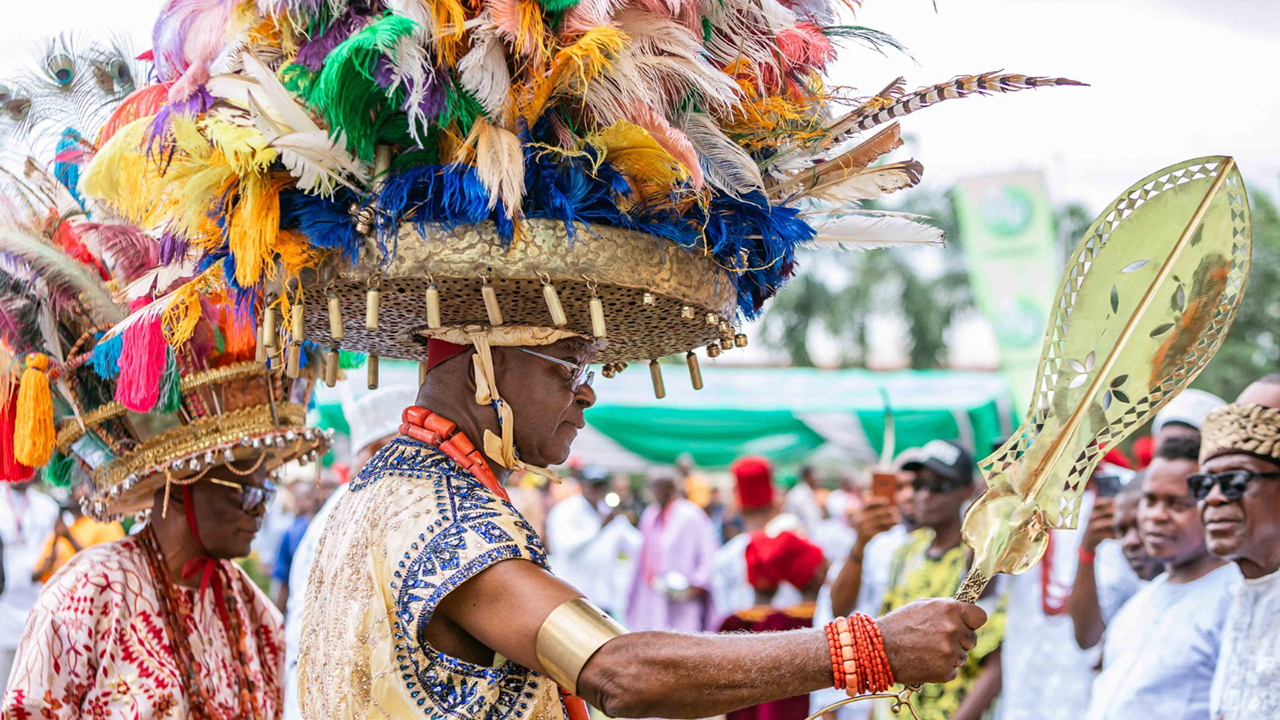

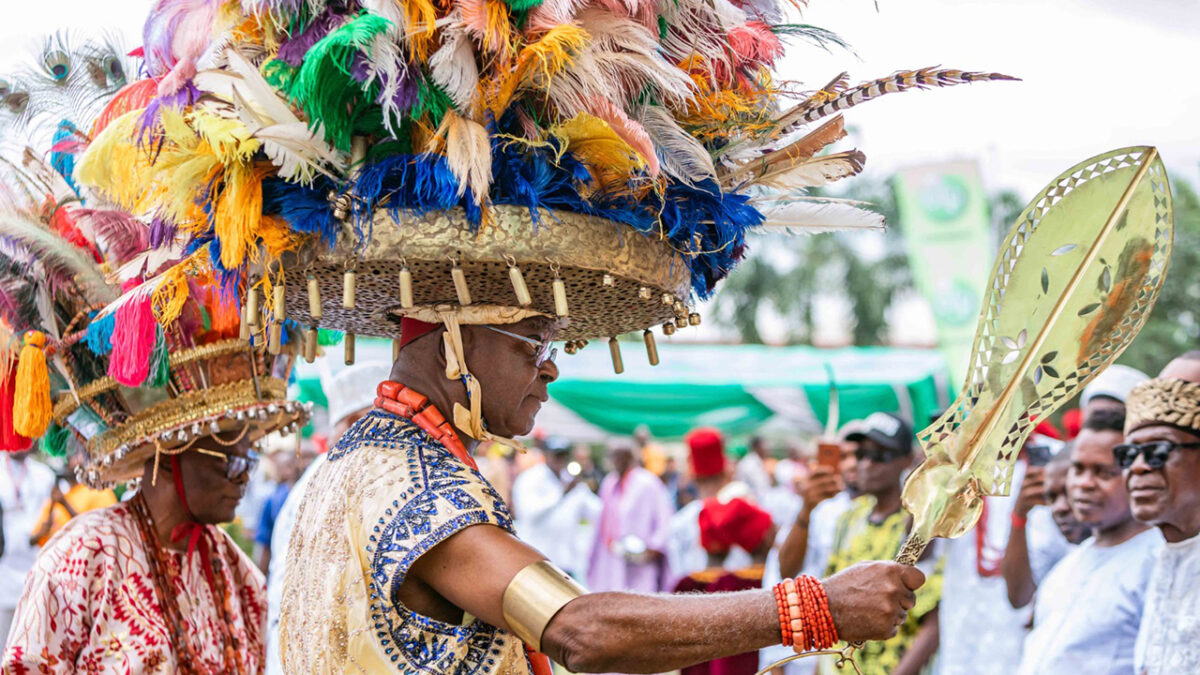
Every October, the ancient kingdom of Onitsha awakens in a blaze of colour, rhythm, and reverence as the Ofala Festival unfolds; a majestic celebration where culture, royalty, and spirituality intertwine. Under the regal gaze of His Royal Majesty, Agbogidi Obi Nnaemeka Achebe, the city by the River Niger becomes a living theatre of heritage, unity, and pride, reaffirming the timeless splendour of Igbo civilization.
By Candice Eze
The morning sun rises over the River Niger with a golden majesty, casting shimmering waves that seem to echo the regal pulse of Onitsha itself. The city, ancient and proud, stirs awake under the gaze of her monarch, His Royal Majesty, Agbogidi Obi Nnaemeka Alfred Achebe, the Obi of Onitsha, custodian of one of Africa’s most enduring royal heritages. It is Ofala season; the grand celebration of kingship, culture, and continuity; and the very air hums with expectation.
Each October, the heart of Onitsha beats louder, its rhythms guided by the sacred drum of the Ime Obi, the royal courtyard where the past and present meet in an eternal dialogue of reverence and joy. The Ofala Festival, a spectacle of devotion and colour, is far more than a pageant of splendour; it is the spiritual renewal of a people, a cultural theatre where the story of an ancient kingdom is retold through dance, ritual, and grace.
The 2025 edition, themed, “Njiko na Ntachi”, Unity and Perseverance, carried a resonance that transcended pageantry. It was a call to the heart of a nation seeking cohesion in trying times, a reminder that strength lies in togetherness and that even in hardship, a people anchored in heritage never lose their song. For the 24th time since ascending the throne of his forebears in 2002, Obi Achebe emerged from sacred seclusion to commune with his people, a ritual that embodies both humility and divinity.
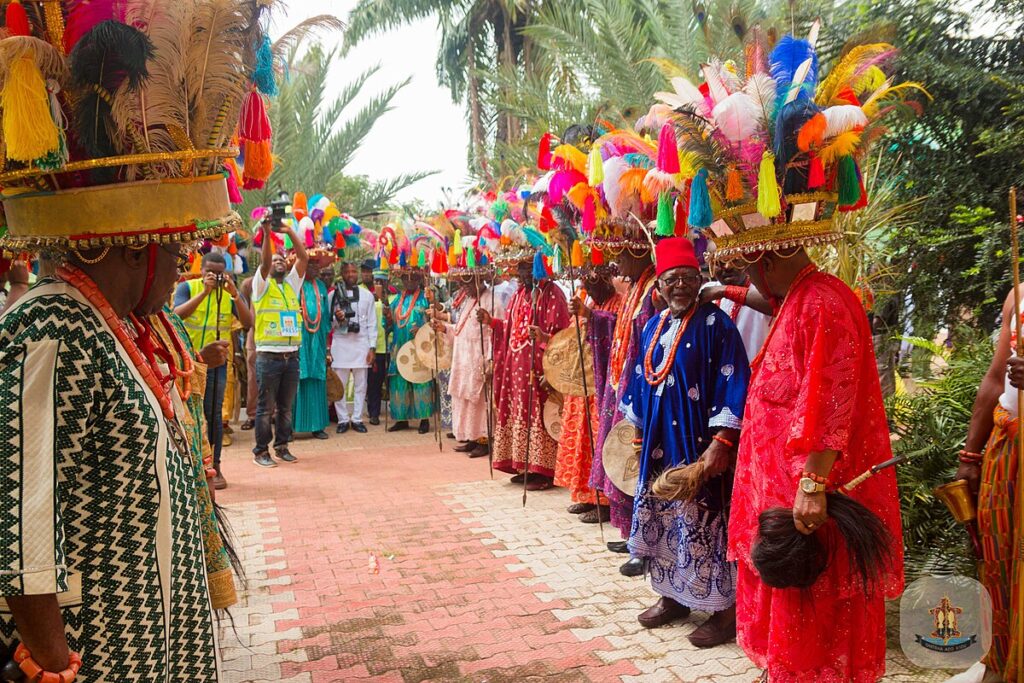
In those days of retreat, the monarch withdraws from the world, resting not on the trappings of power but on the earth itself, in meditation with his ancestors and communion with God. When he reemerges, clad in radiant coral and shimmering velvet, it is as though the spirit of Onitsha itself has taken human form. The trumpet of the ojaa announces him; drums answer in rapture. From every corner of the Ime Obi, the cry rises: Agbogidi! Igweee! And the city, resplendent in hues of crimson and ivory, bows before the living symbol of its unity.
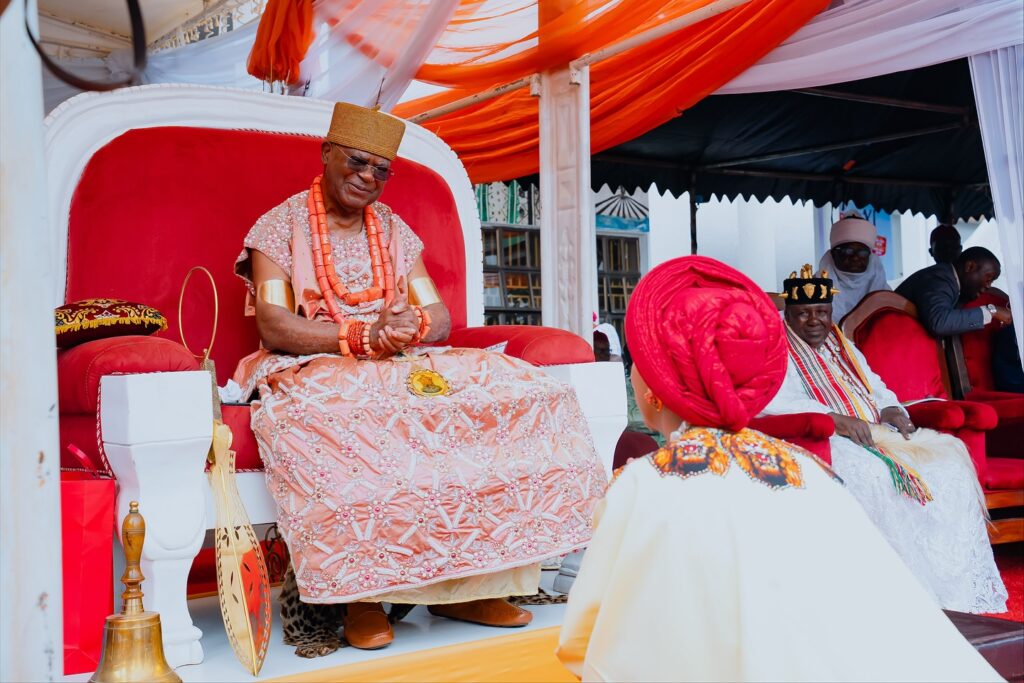
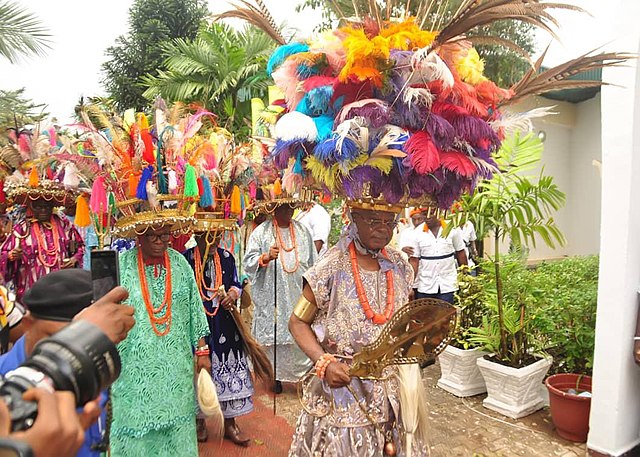
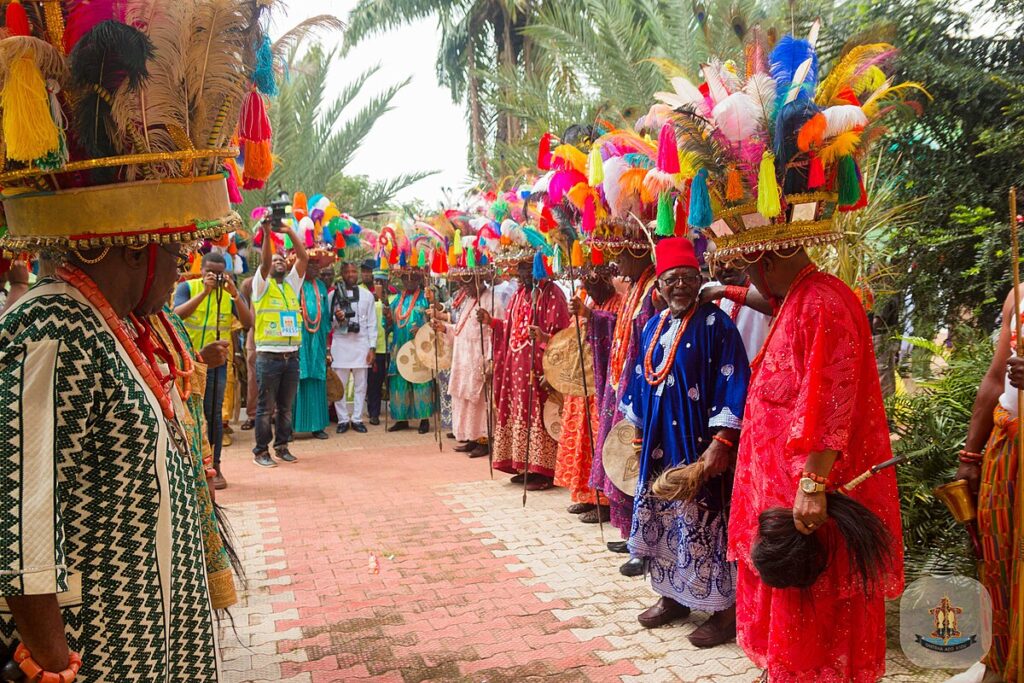
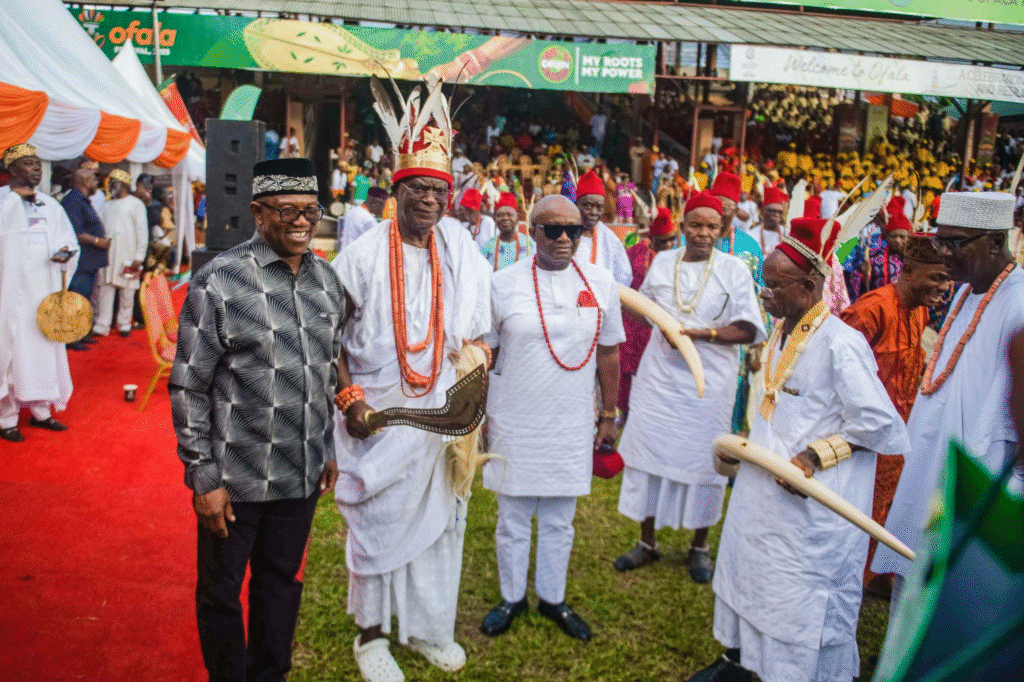
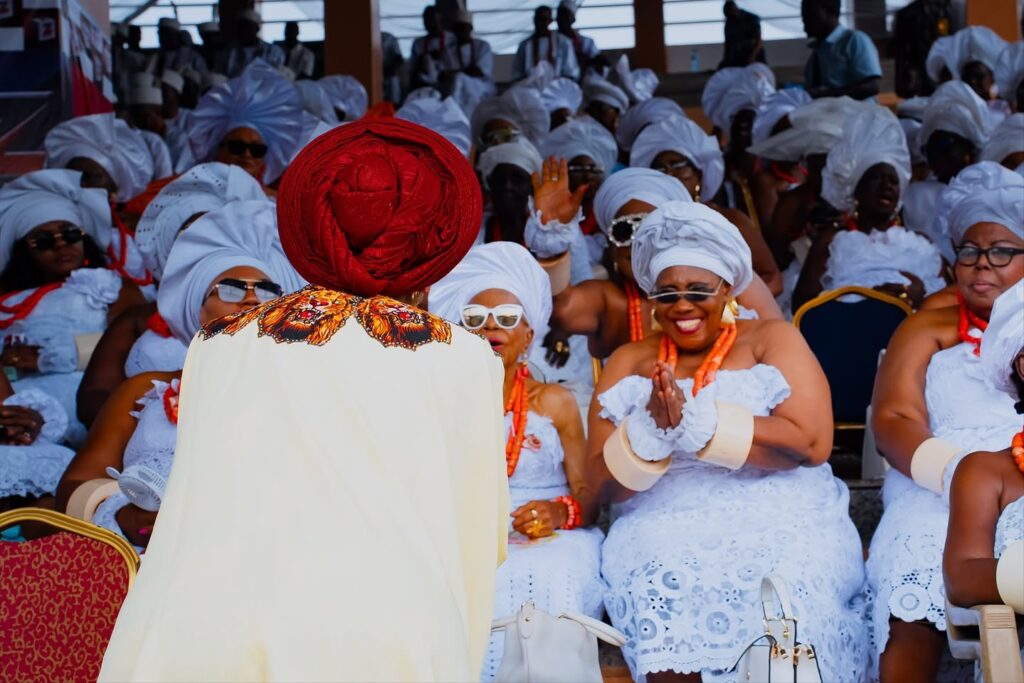
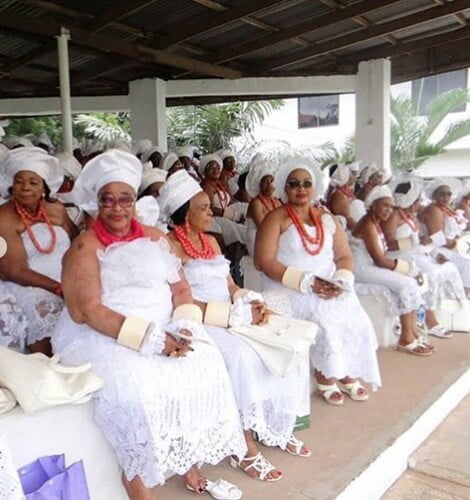
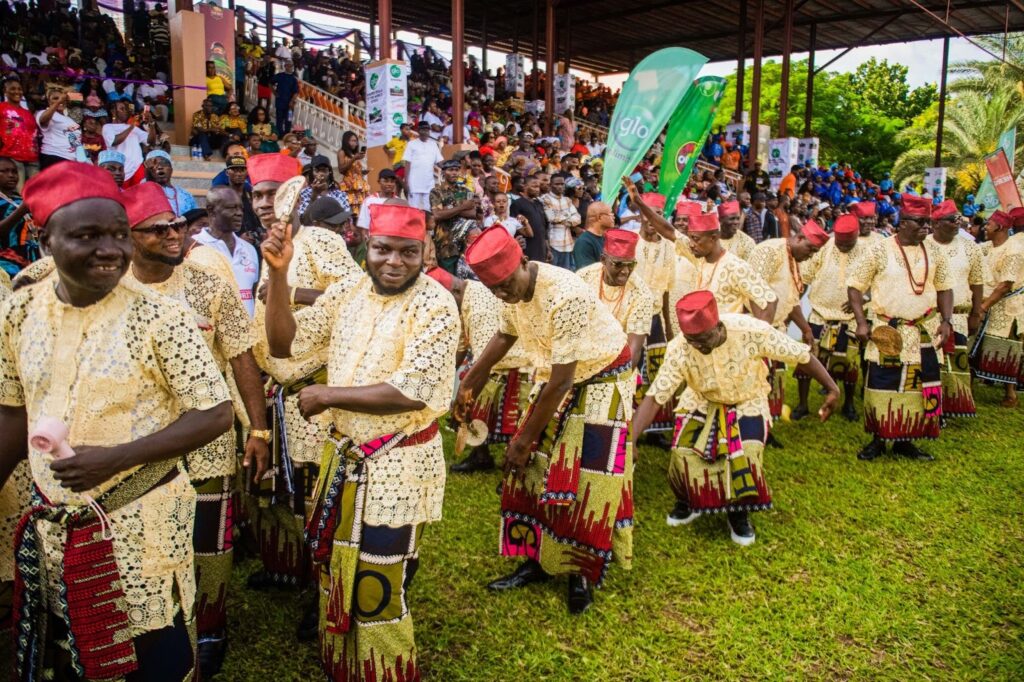
This year’s Ofala unfolded in layers of enchantment, the Iru Ofala and Azu Ofala forming twin jewels of the royal crown. At Iru Ofala, the Obi’s grand procession illuminated the arena. Every step of his dance: measured, poised, and deeply spiritual, was poetry in motion, his movements a dialogue between the temporal and the eternal. Chiefs and titled men followed in ordered ranks, their regalia heavy with meaning; the Ozo title holders in white caps of honour, the Ndi-Ichie in coral-studded garments, and the Otu Odu, women of title and prestige, resplendent in white and gold, their dignity matched only by their elegance.
It is in these moments that the Ofala becomes more than ceremony. It becomes the very definition of beauty, discipline, and order; a visible expression of an invisible spirit that binds the people together. From age-grade parades to dance troupes, from flutes and drums to ululations that pierce the sky, the entire city transforms into one vast stage of joy and thanksgiving.
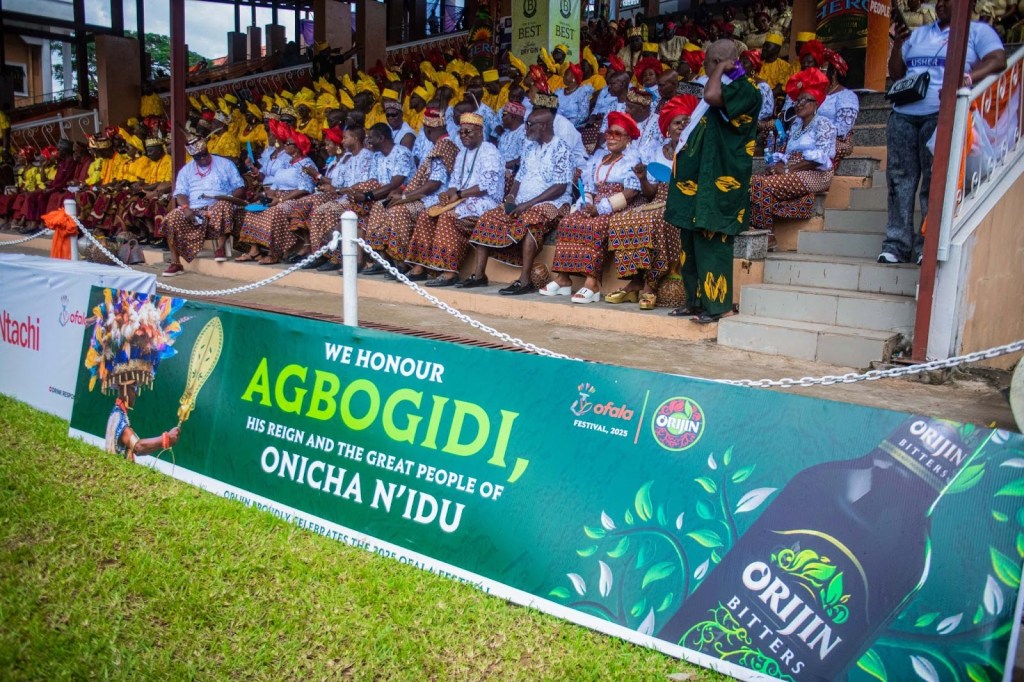


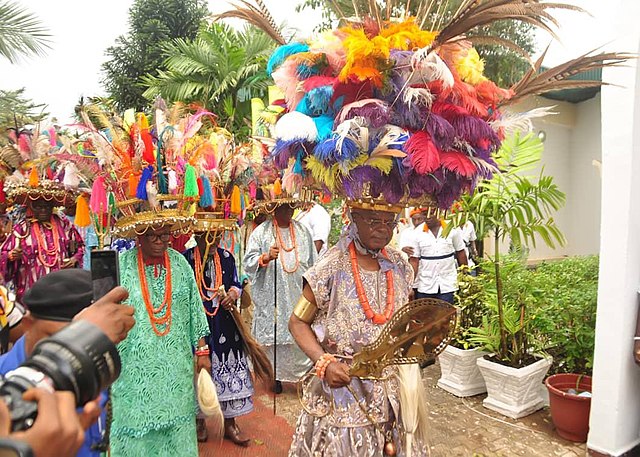
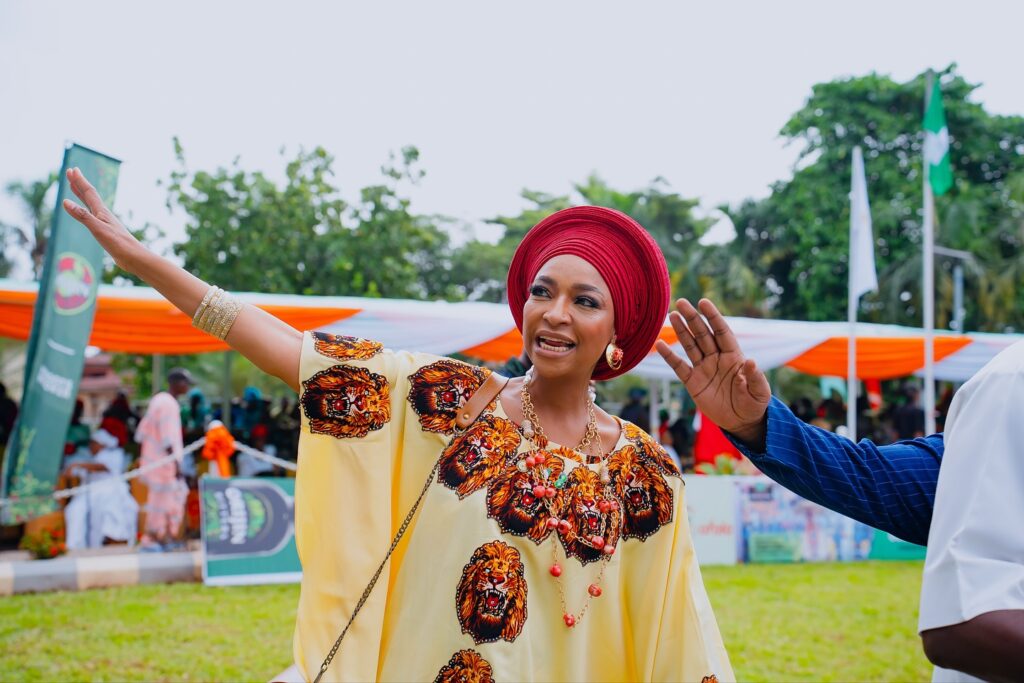
But beneath the splendour beats a deeper heart: that of reflection and responsibility. In his Ofala message this year, Obi Achebe spoke as both monarch and moral compass, lamenting the growing hardship in the land and the fragility of hope among ordinary Nigerians. He decried the rising poverty and the violence that threatens the nation’s peace, urging leaders to remember the people for whom they govern. His words, grave yet gracious, were a reminder that true kingship is service; the art of leading with wisdom, empathy, and vision.
The Obi’s call for resilience found perfect harmony in the festival’s theme. For in Onitsha, unity is not a slogan but a lived philosophy. The people’s spirit, expressed through their culture, enterprise, and hospitality, continues to draw admiration from far and near. The 2025 Ofala was a confluence of heritage and modernity, a living mosaic where ancient rites met contemporary celebration.
Long before the festival’s crescendo, the city had begun its rituals of renewal. The Owuwaji, the new yam festival, heralded the season of thanksgiving, followed by the inye ukwu na nlo eze, when the king entered sacred seclusion to intercede for his kingdom. The ogbalido, or feast of atonement, closed this cycle of purification, ensuring that by the time the drums of Ofala thundered across the city, every heart was ready for grace.
The festival itself stretched across days of art, scholarship, and service. The Ofala Lecture Series celebrated learning and public enlightenment, honouring the intellectual legacy of Obi Achebe, whose life has bridged the realms of tradition and modern governance. The Oreze Art Exhibition turned Onitsha into a gallery of African creativity, with paintings, sculptures, and ceramics that told the continent’s story in colour and clay. The Ofala Youth Carnival, a spirited street parade, echoed with laughter and song, a testament to how culture can inspire the young to embrace identity with pride.
Even the city’s commerce thrived under the glow of the festivities. Hotels brimmed with visitors from across the world: diplomats, tourists, scholars, and families from the diaspora. Traders at Ochanja, Main Market, and the bustling streets of Awka Road saw their wares move in joyful abundance. Food vendors, drummers, tailors, and designers; every corner of Onitsha’s creative economy found its rhythm in Ofala’s beat. It is estimated that nearly a billion naira circulates within the local economy during the season, fueling growth and lifting livelihoods.
The private sector, too, played its part. Globacom, a long-time partner of the festival, once again adorned the celebration with splendour, offering prizes that turned dreams into reality; from a brand-new Kia Picanto to tricycles and generators, each gift a symbol of shared prosperity. Such partnerships remind the world that culture is not a relic of the past but a living engine of progress and development.
Beyond the fanfare, the Ofala remains a spiritual covenant, a promise between ruler and people, between ancestors and descendants. It celebrates not just the Obi’s reign but the soul of a community that has endured through centuries of change. From its origin some 600 years ago, when Onitsha’s first kings ruled by the banks of the Niger, the Ofala has marked the passage of time with ritual precision. Each dance, each drumbeat, each royal appearance is a reaffirmation of continuity, of the eternal dialogue between tradition and destiny.
Obi Nnaemeka Achebe stands at the heart of this continuity; a monarch of intellect and integrity, whose reign has elevated the Ofala to global acclaim. Under his stewardship, the festival has received national and international recognition; from the Nigerian Tourism Development Corporation’s endorsement to the United Nations World Tourism Organisation’s Certificate of Excellence. The ongoing bid for UNESCO heritage status underscores its growing stature as one of Africa’s finest cultural expressions.
Yet, perhaps the true majesty of the Ofala lies not in its grandeur but in its humanity, in the way it reminds a people who they are, and invites the world to share in their story. The drummers who play until dawn, the women who weave beads of coral and gold, the children whose laughter fills the streets: they are all part of this royal symphony of existence.
As twilight descends on Azu Ofala, the grand finale, the Obi takes his final royal dance; slow, regal, and filled with grace. Around him, the people chant blessings and prayers, their eyes aglow with pride. In that sacred space between sound and silence, time seems to stand still. The River Niger, eternal witness to Onitsha’s glory, catches the last rays of the setting sun and turns them to gold.
Here, culture meets royalty, and history renews itself with every heartbeat. The Ofala Festival is not merely a spectacle; it is a living testament to what happens when a people honour their past while embracing their future. Under the wise gaze of Agbogidi Obi Nnaemeka Achebe, Onitsha stands as a beacon of unity, resilience, and grace; proof that in a world ever-changing, there remain places where tradition still dances, and the drums of heritage never fall silent. And so, as the lights fade and the drums quiet, the spirit of Ofala lingers: a reminder that in Onitsha, life itself is a festival, and every heartbeat is a song of gratitude to the ancestors who dreamed this beauty into being.