
How Inter-Ethnic Marriages Are Weaving Nigeria’s Unity
Regardless of suspicion and ethnic tensions, Nigerians continue to marry across tribes, proving that love often rises above divisions and narrow interests
By Sylvester Asoya
In a country like Nigeria, rich in culture, and with many educated and socially adaptable people but divided by ethnicity, falling in love across tribal lines can be both a beautiful rebellion and also a dangerous gamble. It is disheartening to see that Nigeria, home to over 280 ethnic groups, is still shaped by primordial tendencies, history, discrimination, heritage, geographical location and unspoken rules about who to love. But love does not ask for permission, and that is the most interesting part.
However, it is interesting to note that over the years, even dating back to the colonial era, Nigerians have found love outside their tribe, comfort zone and faith, proving that truly, love conquers all.
A case in point is the success of the inter-tribal marriage between the parents of General Ike Omar Sanda Nwachukwu, a great Nigerian journalist, soldier and diplomat, who was born on September I, 1940 in Port Harcourt, to parents from two rich cultural backgrounds. His father, Moses Maduka Nwachukwu, an Igbo from Ovim, in Isuikwuato Local Government Area in Abia State, and his mother, Binta Fatima Mohammed Diko, a Fulani princess from Katsina Emirate ruling house, remain a good example of how love, respect and understanding can overcome cultural and ethnic differences.
This is a long and riveting story of love without borders, written across Nigeria where no distance, language, culture, religion or difference limited people in love irrespective of their different backgrounds.
Meet some of the men and women who are keeping Nigeria in a remarkable way together through their intertribal marriages, united by love and a shared belief in the promise of their country.
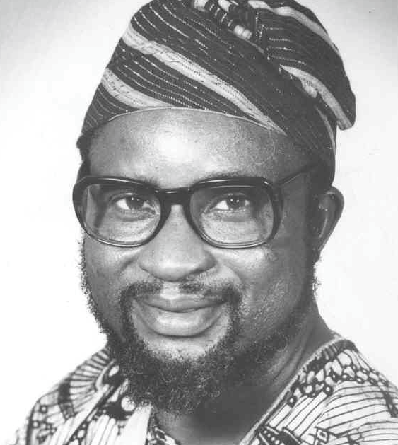
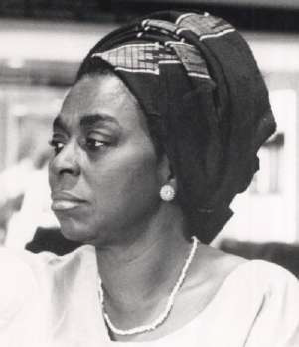
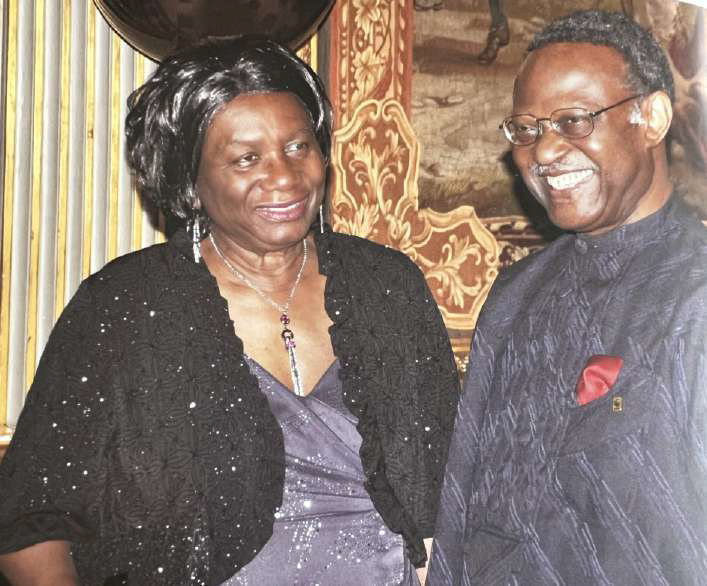
1. Professor Zulu Sofola (nee Okwumabua) and Professor Ade Sofola
Zulu Sofola is a proud daughter of Aniomaland, Delta State, who carried her heritage, all through her earthly journey, like a crown. She also carried her people’s spirit in her every step. Nigeria’s first published female playwright and Africa’s first female professor of theatre arts, Sofola is a celebrated theatre director and scholar who still remains very relevant many years after her exit. This great scholar and a woman of substance is still admired not only for her intellect but also for her strength of character and firm principles. She met and married Ade Sofola, a professor of sociology and a Yoruba in the United States, in their university days as students. They both returned to Nigeria, taught at University of Ibadan and later made history as pioneer academic staff of the University of Ilorin. For many years, the couple lived a happy life, marked by periods of joy and togetherness before they both passed on.
Zulu Sofola, author of Wedlock of the Gods, Sweet Trap, King Emene, Old Wines Are Testy, Song of a Maiden and Memories in the Moonlight, is from a family of scholars, where learning and intellectual pursuit have been valued for generations.
A native of Issele-Uku, Delta State, Chief Okwumabua, Zulu Sofola’s father was one of the prominent thinkers and academics who helped in designing the highly effective educational curriculum for the defunct Western Nigeria.
2. General Ibrahim Badamosi Babangida and Maryam
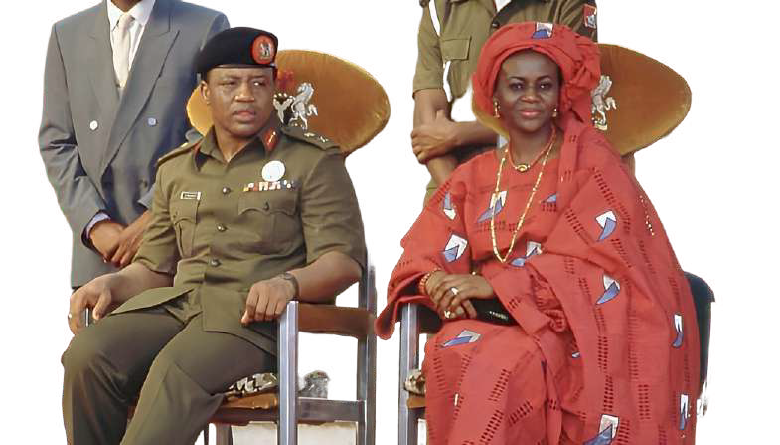
Nigeria’s former military ruler, General Ibrahim Babangida is often remembered as a coup plotter and for annulling the historic June 12 election. But he also left a lasting legacy through the creation of states, good choice of technocrats that brought competence into his government and the building of major infrastructure projects like the Third Mainland Bridge, among others. In 1969, Babangida fell in love and married his sweetheart, Maryam. He went ahead to build a great family with the Igbo daughter from the famous Okogwu family of Asaba, Delta State. Maryam Babangida, on her part, eventually brought elegance and panache to her office and radically transformed the office of the First Lady in Nigeria into a platform for social impact, change and national influence.
3. Chief Emeka Anyaoku and his wife, Bunmi.
This exemplary couple has been widely admired for their cross-cultural marriage, enduring partnership, grace and dedication to public service and international relations. Anyaoku, a former Secretary-General of the Commonwealth, from Obosi, in Anambra State, and his adorable wife, Bunmi, from Ogun State, are shining examples of what intercultural marriage should be. Their relationship is firmly rooted in mutual respect, shared values and a deep appreciation for each other’s heritage.
4. Victor Aanuolorunpo and Hannah Ogunbiyi
Victor and Hannah gave birth to Dr. Yemi Ogunbiyi, the great university teacher, literary critic, newspaper manager and writer. Hannah, an Igbo, who hailed from Aboh in Delta State, and Victor from Ipara-Remo, Ogun State, raised Yemi in a multicultural environment. Today, Dr. Ogunbiyi speaks fluent Hausa, Yoruba and Igbo, which is a reflection of his upbringing in Kano’s Sabon Gari. In The Road Never Forgets, his autobiography, Ogunbiyi describes his mother Hannah, as a “hardworking, focused woman who, despite lacking formal Western education, excelled as an astute businesswoman and distributor in Kano.” His mother, he insists, influenced him by teaching him values like respect, and maintaining good relationships, qualities that continue to guide him in both his personal and professional lives.
5. Dr Allen Onyema and Chief (Mrs.) Alice Ojochide Onyema
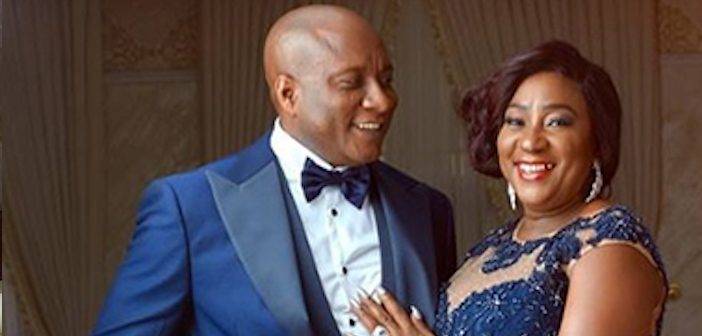
In a land as diverse as Nigeria, where tongues, tribes, and traditions interlace in a mosaic of cultures, rare is the union that does not merely transcend ethnic lines but harmonizes them into a melody of shared purpose and love. Such is the marriage of Dr. Allen Ifechukwu Onyema, proud son of Mbosi in Ihiala, Anambra State, and his beloved wife, Mrs. Alice Ojochide Onyema (née Ejembi), the radiant daughter of the Igala people from Kogi State.
Their story, born in the early 1990s, is not merely romantic: it is emblematic of hope for a united Nigeria. Allen, Igbo by blood and Nigerian by conviction, saw not an Igala stranger that morning in Abuja, but the woman destiny had prepared for him. In that quiet act of courage, approaching “this Hausa girl,” as he humorously called her, he rejected the narrow confines of ethnic prejudice and embraced the liberating promise of love unchained by tribe.
Their union, formalised in the rich traditions of Alice’s people before the solemnity of their Catholic faith, stands today as a living testament that culture and creed need not clash, but can coexist beautifully in mutual respect. For over 30 years, Allen and Alice have built a home where values endure, children thrive, and love is not merely professed, but practiced.
Through seasons of triumph and sorrow, beginning with the early loss of Allen’s beloved mother, their bond only deepened. As partners in life and in business, they co-piloted not just a family, but also Air Peace, now West Africa’s foremost indigenous airline. Their synergy is palpable, their respect for one another unwavering.
In them, Nigeria sees what is possible: that a marriage of Igbo and Igala, East and North-Central, man and woman, can be more than a personal union: it can be a national metaphor. May their enduring love continue to shine as a beacon of unity, reminding us that in choosing to love across lines, we redraw the map of our nation, towards peace, dignity, and shared destiny.
6. Davido and Chioma Adeleke
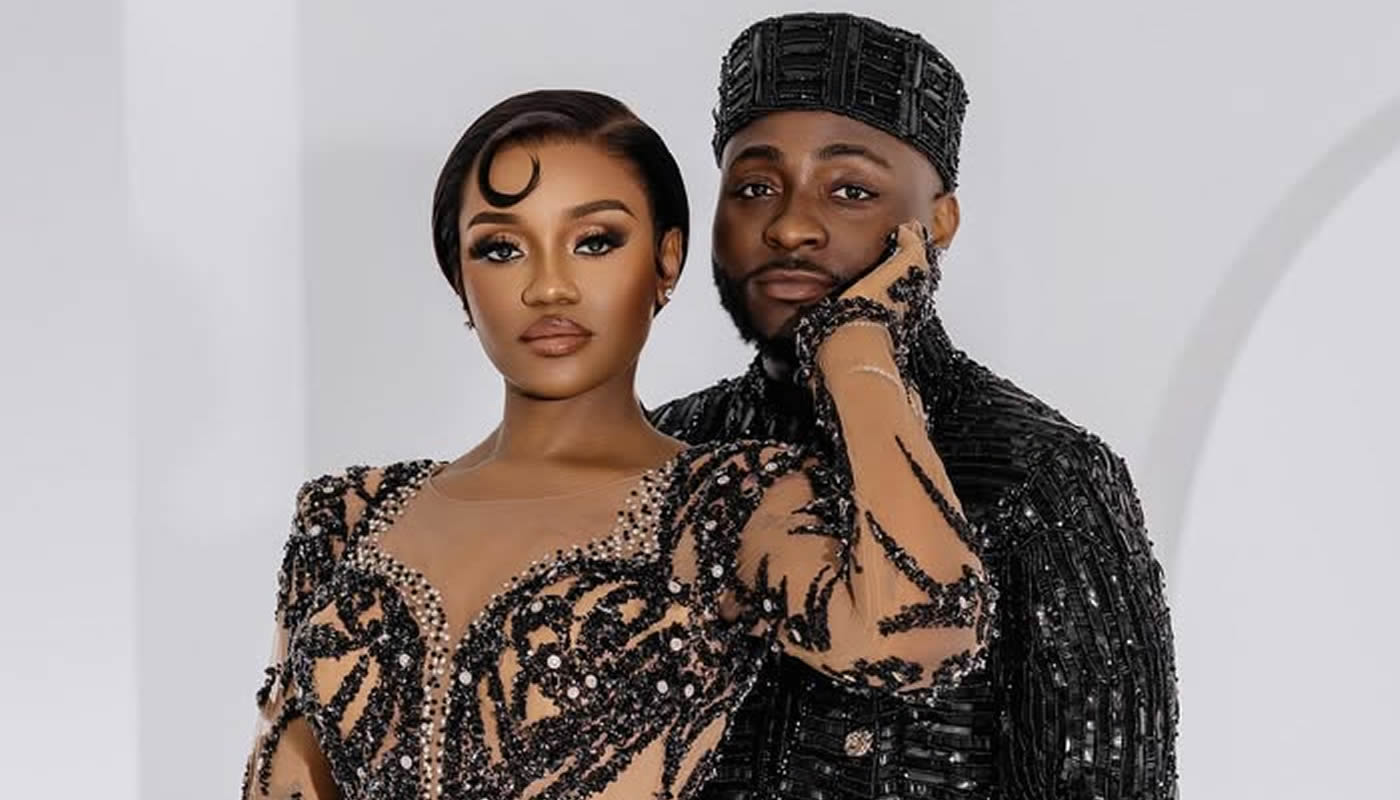
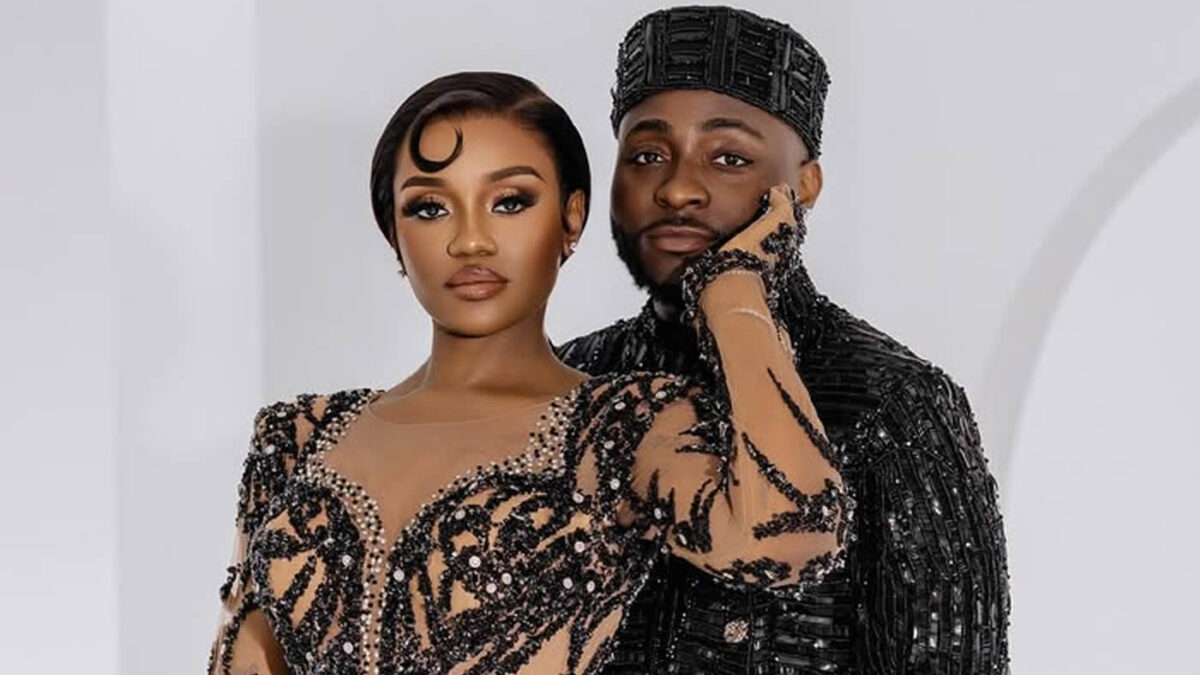
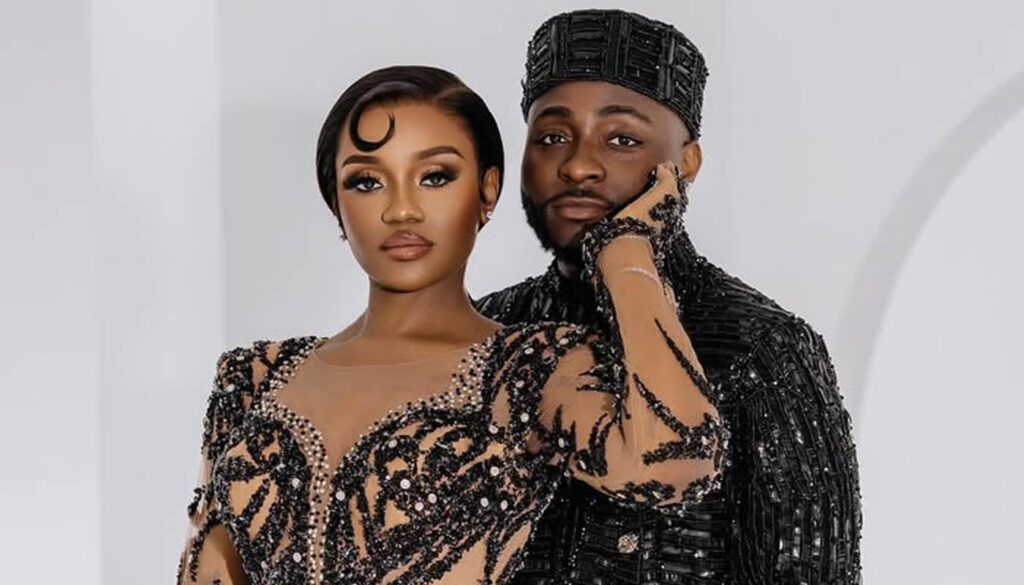
Davido, a globally recognised Afrobeats artiste, and Chioma Rowland, a celebrity chef and notable media Influencer of Igbo descent, are also bridging ethnic divides in Nigeria. Recently, Davido and Chioma had a wedding that beautifully blended Igbo and Yoruba cultures, making a powerful statement that with unity, everything is possible. And as young people, the fact that love transcends ethnic boundaries is the most interesting part of their union.
7. Commodore Ebitu Ukiwe and Amina, his wife
Ebitu Ukiwe, an Igbo and a distinguished naval officer who served under General Ibrahim Babangida as Chief of General Staff, has a noteworthy cross-cultural marriage with Amina, his wife who hails from Northern Nigeria. This is not just a remarkable marriage; it also represents strength in diversity which is a major ingredient in nation-building. Another interesting part of this union is that Amina is even half-Lebanese and half-Nigerian. Her father, a medical doctor from Nigeria, married a Lebanese woman.
8. Betty Anyanwu and Rotimi Akeredolu
“It was love at first sight”, according to Betty Anyanwu who met and married Rotimi Akeredolu on April 18, 1981. The couple not only conquered tribalism through their cross-cultural marriage, they also defied societal norms by embracing their age differences, proving that love is bigger than age. They met at a social gathering in Enugu as corpers. At the time, Betty was 25 years old, while Rotimi was 22, a clear three years difference. Yet the young lovers proved that neither numbers nor tribe could stand in the way of true love.
9. Chief Philip Chukwuedu Asiodu and Eugenia Olajumoke Pereira
Chief Philip Asiodu, the super technocrat and scholar, met, fell in love with, and married his Yoruba sweetheart, Euginia Olajumoke Pereira, in 1964, sealing a union that bridged intellect, culture and love. This is a story of love that conquered every conceivable barrier, including culture and created a bond unbreakable.
10. General Murtala Muhammed and Hafsat Ajoke Muhammed
This union also offers a compelling case study of marriage across tribes. Both of them blended diverse backgrounds and shared values to build a partnership grounded in mutual respect and national unity. It is important to add that their relationship symbolized the coming together of two different ethnic groups, Hauasa-Fulani and Yoruba. In a country, often divided by tensions, their marriage stood as a personal testament to unity and possibilities. They also silenced divisions, proving that culture only becomes a bridge, not a barrier when hearts align.
The marriage produced six children, a testimony to a great marriage.
11. Biodun Sobanjo and Joyce
The union between Biodun Sobanjo, from Ogun State, and Joyce Onwuka, from Asaba, in Delta State, underscores the power and relevance of cross-regional unity. Sobanjo, Nigeria’s iconic advertising guru, enjoys a graceful cross-cultural marriage that stands as a quiet testament to love and an uncommon friendship that rose above regional lines to build a lasting legacy of partnership and family. And Joyce remains a supportive and constant present at Sobanjo’s life and major public events.
12. Professor Chukwuemeka Ike and Professor Adebimpe Olurinsola Ike
Professor Chukwuemeka Ike, famous author of key literary works like Toads for Supper, Toads Forever, The Naked Gods, The Potter’s Wheel, Sunset at Dawn, Expo ’77, The Chicken Chasers, The Bottled Leopard, Our Children Are Coming, Conspiracy of Silence, The Search and To My Husband from Iowa was a prolific writer. All these books and more, explore education, corruption, war, ethnic relations and social change.
Chukwuemeka met Adebimpe while studying at the University of Ibadan as undergraduates. They later married in December 1959 and built a perfect academic partnership. They also became a celebrated example of inter-ethnic unity, an Igbo man, married to a Yoruba woman. Professor Adebimpe Ike was an esteemed librarian and academic. Their marriage lasted for over six decades.
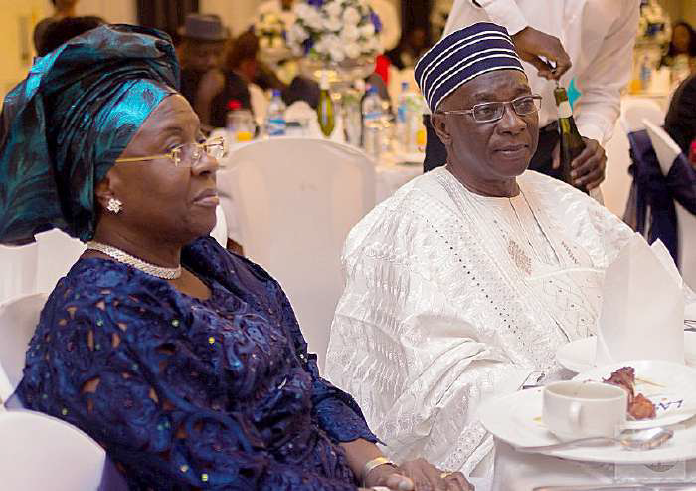
13. Major General Ike Nwachukwu and Gwendolyn Ejiwumi
The union between Major General Ike Omar Sanda Nwachukwu and Gwendolyn Tonyesia Yoyinsola Ejiwunmi is usually highlighted as a reflection of Nigeria’s cultural integration, bridging Igbo, Fulani, Yoruba and Rivers State heritage. Mrs. Nwachukwu, who hails from Ofada, in Ogun State, with a mother from the Bob-Manuel ruling house of Abonnema, in Rivers State, adds significant insight to this analysis. Ike Nwachukwu, erstwhile senator of the Federal Republic, former military governor, Minister of Labour and Productivity and Foreign Minister, is easily remembered for many things. Apart from introducing the policy of Economic Diplomacy that restored Nigeria’s diplomatic ties with Israel, he was also in the forefront in the struggle for the release of Nelson Mandela. Nwachukwu, a great Nigerian with branches everywhere, speaks fluent Igbo, Hausa and English.
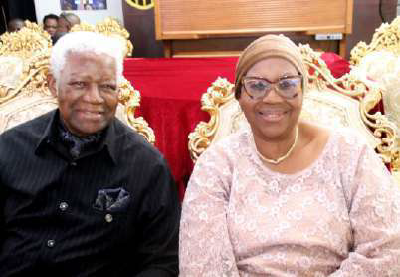
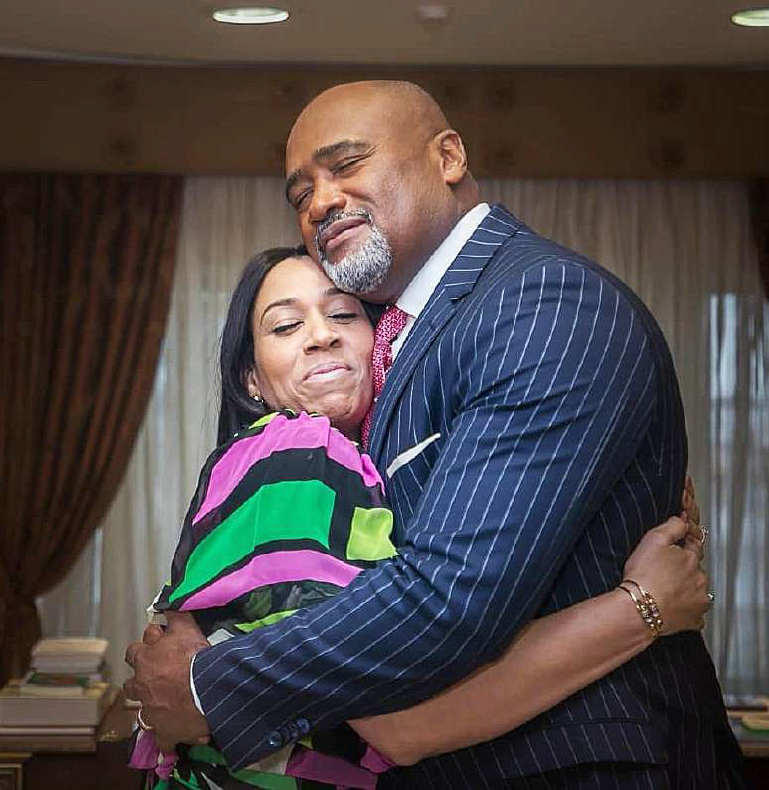
14. Pastor Paul Adefarasin and Pastor Ifeanyi Adefarasin
Paul and Ifeanyi recently celebrated their 30th wedding anniversary in grand style in Lagos. The occasion was also an opportunity to prove that love conquers all. Pastor Adefarasin and his wife’s enduring marriage, thriving ministry and warm public affirmations, make them truly one of Nigeria’s most admired spiritual couples.
Together, the couple founded House on the Rock, a church that does not only attend to members’ spiritual needs but also empowers communities through education, healthcare and prison ministries. On Ifeanyi’s 49th birthday in 2021, Paul described her as “amazing” in every role as a friend, wife, mother, leader and encourager. Ifeanyi also reciprocated when Paul turned 58 in January 2021, describing him affectionately as “born to lead”, “my king” and “Spiritual father.”
15. Innocent Chukwuma and Josephine Effah-Chukwuma
They are often described as a great couple that founded impactful institutions side by side and embodied a true partnership and purpose. Innocent Chukwuma was a renowned human rights activist who served as Ford Foundation’s Regional Director for West Africa between 2013 and 2021. He also founded CLEEN Foundation, a justice reform nonprofit organization. Chukwuma later founded Oluaka Institute of Technology in Owerri with Josephine, his Efik wife. On the other hand, Josephine is an entrepreneur, feminist, and advocate against domestic violence. She founded Project Alert and later Sophia’s Place, Nigeria’s first shelter for battered women.
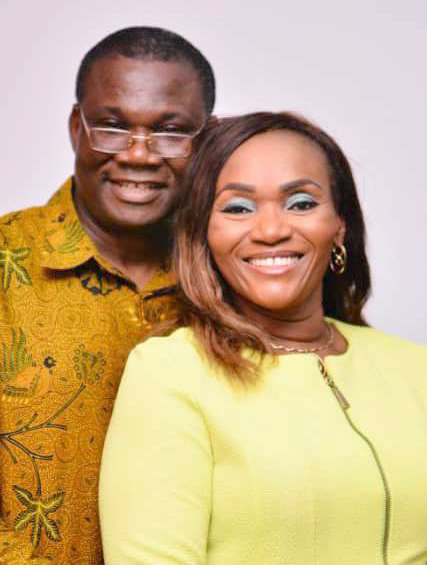
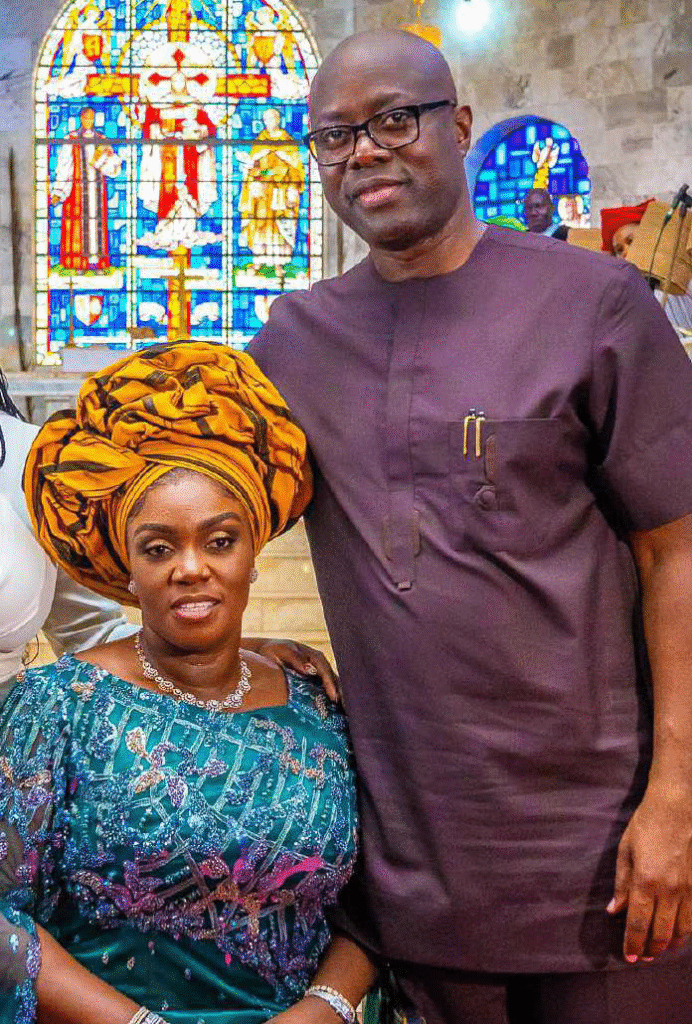
16. Professor Eric Opia and Ruth Benamaisia-Opia
Ruth Benamaisia is the celebrated Nigerian broadcaster and a well-known face on the Nigerian Television Authority back in the day. With her grace and strength, she effortlessly captured the heart of Professor Eric Opia, the good-looking academic, writer, publisher, entrepreneur and politician. Opia served as the Sole Administrator of the now defunct Oil Mineral Producing Areas Development Commission, OMPADEC. As a politician, he represented the Ndokwa Ethnic Nationality at Nigeria’s 1994/95 Constitutional Conference. A good part of the society wholeheartedly approved of Eric and Ruths’s marriage because the couple is deeply loved and admired by all who knew them. Professor Eric Opia passed on early this year at the ripe age of 83.
17. Governor Seyi Makinde and Engineer Tamunominini
They come from different cultural backgrounds: he is Yoruba, while she is Kalabari, yet their union beautifully bridges both traditions. Seyi Makinde, governor of Oyo State, has earned acclaim for his focus on governance. While Tamuniminini, his wife from Rivers State, received Chemical/Petrochemical Engineering degree from Rivers State University of Science and Technology where she is believed to have graduated with a first-class honours. In March 2025 when they celebrated their 27th wedding anniversary, Tamunominini, in a heartfelt message, described her husband as “the rock that holds me, the friend who laughs with me and the soul mate who loves me unconditionally.” Undoubtedly, this is an expression of mutual love, steadfast companionship and shared joy.
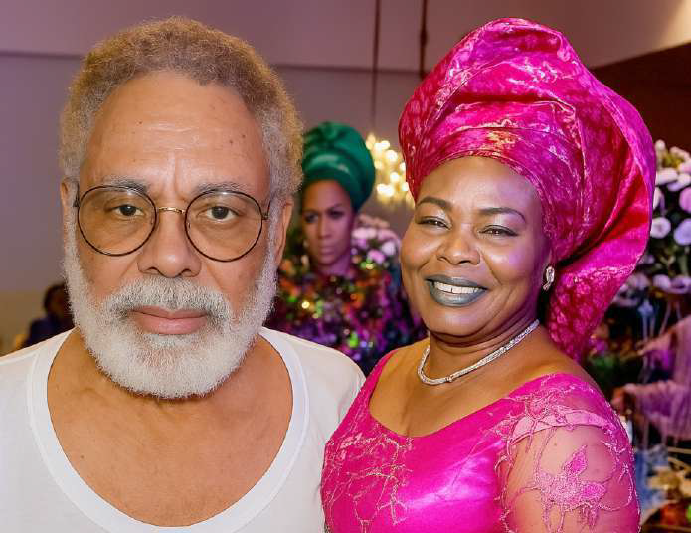
18. Chike and Olufunke Ogeah
Chike and his late wife, Olufunke, were shining examples of cross-cultural marriage, blending their different backgrounds in harmony and mutual respect. In many ways, the moving story of this unique couple reflects not only a loving and exemplary marriage but also a shared commitment to service and faith. The tributes at Olufunke’s burial spoke volumes, reflecting an unusual life, marked by grace, strong faith, compassion, commitment, love and devotion to family and community. One of the tributes described Olufunke as “the wind beneath Chike’s wings.” What more?
Chike, on the other hand, is a soft-spoken but firm lawyer and politician who continues to serve as a powerful advocate for justice, culture, inclusion and good governance.
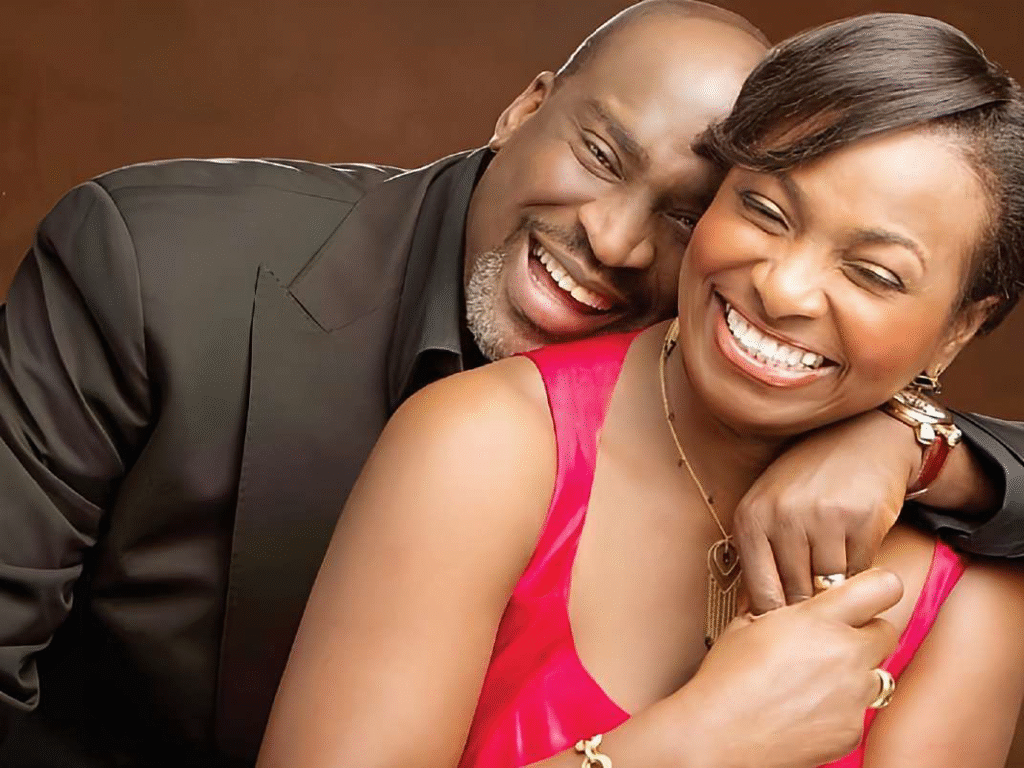
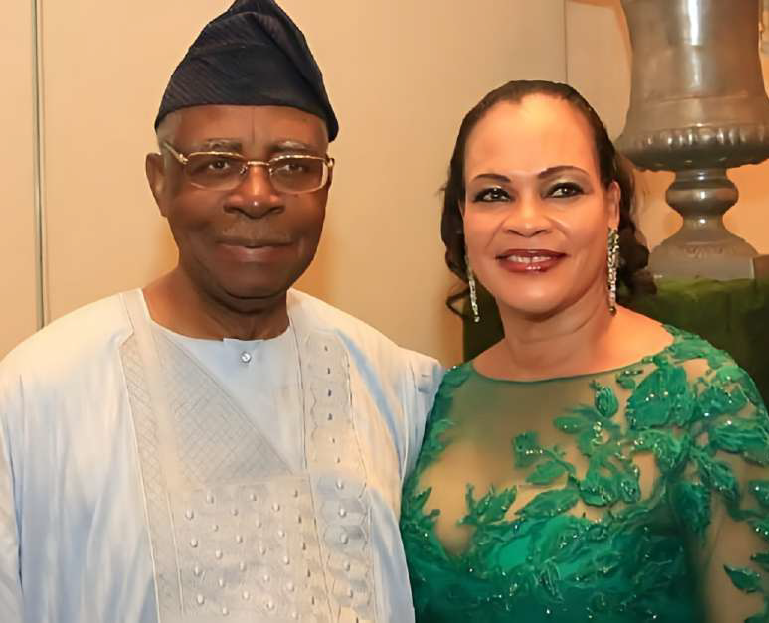
19. Lt. Gen. Theophilus Yakubu Danjuma and Senator Daisy Ehanire Danjuma
The union between Lt. General Theophilus Danjuma and Daisy Ehanire Danjuma epitomizes unity through marriage, one from the North, the other from the South, proving that love can transcend regional boundaries. T.Y. Danjuma, a decorated military leader, former Chief of Army Staff, and later, Defence Minister, is also a philanthropist, business mogul and influential Nigerian. Daisy, on the other hand, trained as a lawyer. Called to the Nigerian Bar in 1977, she worked with the Lagos State Ministry of Justice, Legal Aid Council, NAL Merchant Bank and the Nigerian Television Authority, NTA. She was later elected as senator for Edo South between 2003 and 2007. The Danjumas are always described as one of Nigeria’s most influential power couples in military leadership, politics, business and civil society.
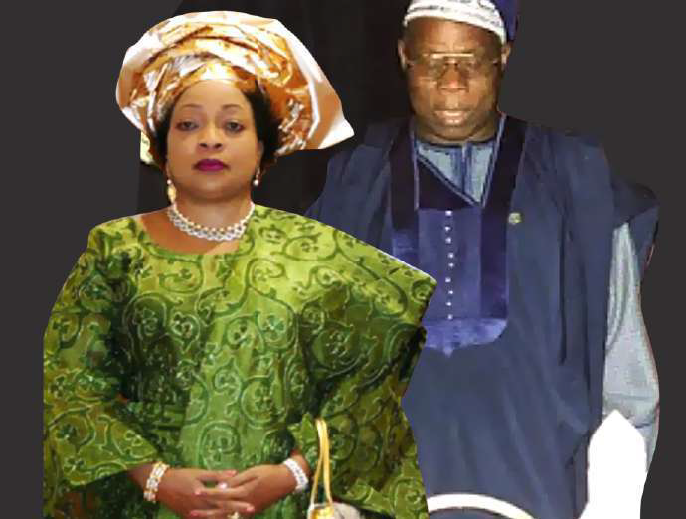
20. Chief Olusegun Obasanjo and Stella Obasanjo
In 1999, Chief Olusegun Obasanjo made history by becoming the first Nigerian to lead the nation both as a military Head of State and later as a democratically elected civilian president.
For Chief Obasanjo, the road to the top was far from smooth. After serving as a theatre commander during the Nigerian Civil War, he narrowly escaped death under Sani Abacha’s regime, which detained him and sought his execution until providence intervened. But Obasanjo is also grateful to Stella Abebe, his late wife from Edo State. Stella was more than a presidential spouse. She was a First Lady who was a passionate political activist, supporting causes such as women’s liberation, youth empowerment, and support for underprivileged children. When Obasanjo was imprisoned under Abacha, Stella became her embattled husband’s fiercest advocate, traveling across the world, including Vatican City, France and many other countries to campaign for his release.
21. Chief Olusola Oke, SAN, and Mrs. Nkem Oke
Chief Olusola Oke is a prominent lawyer a political figure in the All Progressives Congress, APC. This lawyer and politician from Ondo State is well-known for his long-running quest to govern the state. But Oke is also an advocate for progressive governance and relationships across tribes. Lately, his wife, Mrs. Nkem Oke, an Igbo, became a central point in media and political discourse, ostensibly to de-market the politician. But Olusola resisted attempts by political opponents to weaponize his marriage. In one of his speeches to counter the narrative, he emphasized that marrying across ethnic lines is not a crime, insisting that such unhealthy tactics are distractions from the issues of good governance. “Nkem, my dear wife is a wonderful and compassionate woman,” he added.
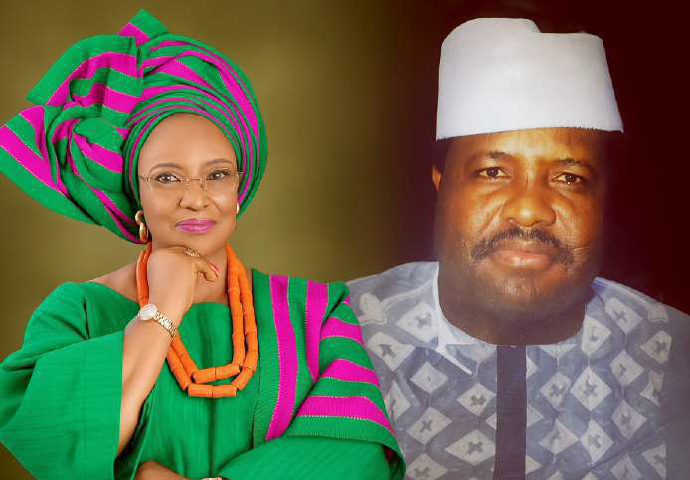
22. Major General Tanko Ayuba and Ronke Ayuba
They are both distinguished Nigerians in every sense. One, a fine military officer, the other, a celebrated broadcaster. And they are also from different ethnic groups. Though General Tanko Ayuba died in 2016, for decades he and his dear wife, Ronke, stood as a powerful symbol of unity, their marriage bridging ethnic divides and defying the pull of divisive politics with grace and strength.